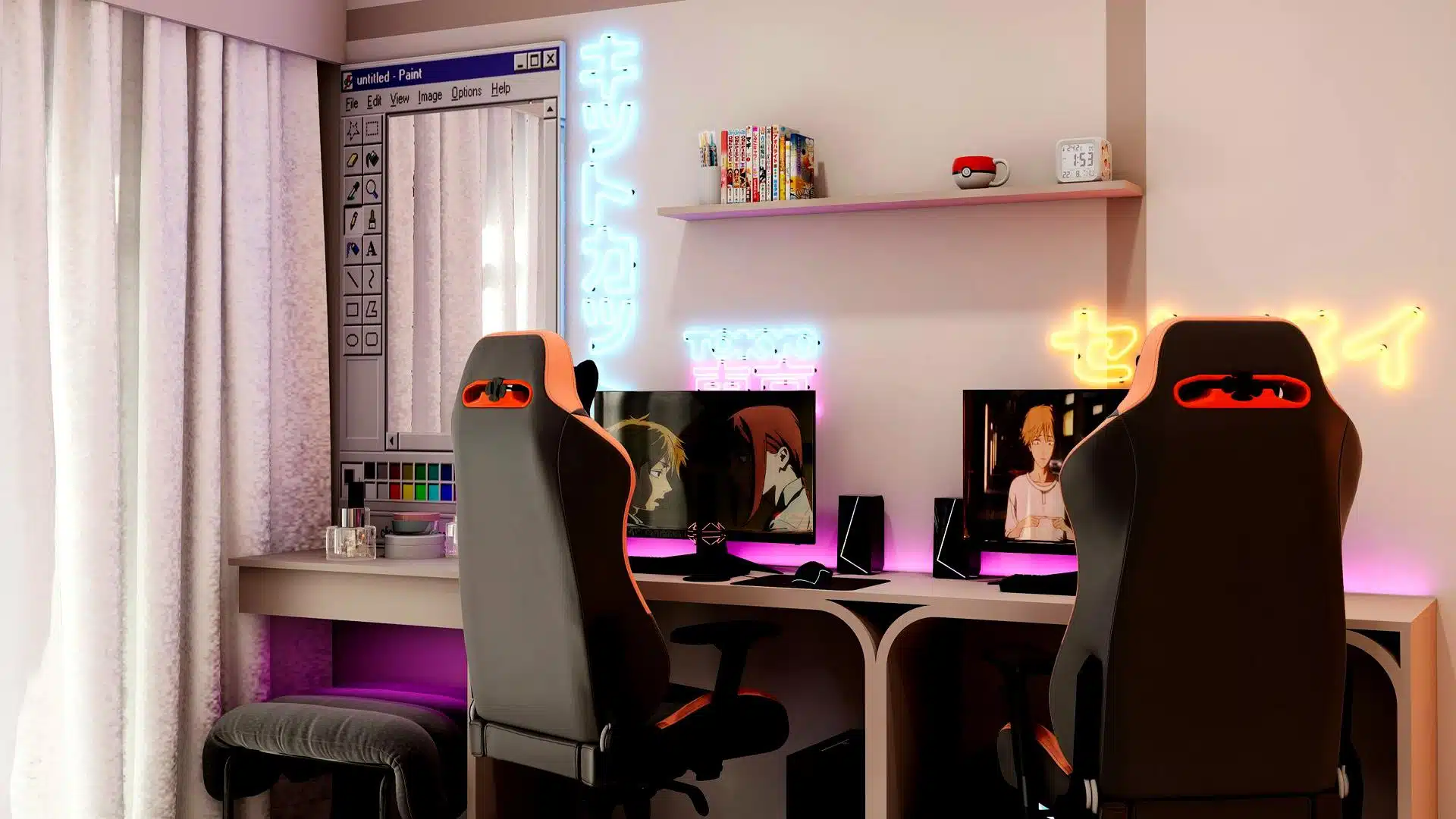
Interior spaces gain depth when design choices reflect identity. Generic décor fills space but rarely creates attachment. Meaningful, unique accents anchor rooms with narrative and intention. Strategic personalization improves visual cohesion while maintaining technical balance.
This guide explains how to integrate distinctive elements without compromising structure, proportion, or flow.
Establish a Design Framework Before Adding Accents
Every successful interior begins with a defined framework. Assess architectural style, ceiling height, natural light exposure, and existing materials. Accents must complement structural elements rather than compete with them.
Identify a dominant color palette. Limit primary tones to three core colors. Use accent pieces to introduce contrast or texture within this palette. Maintain consistency in metal finishes and wood undertones to avoid visual conflict.
Measure negative space. Overcrowding reduces impact. Leave breathing room around each accent so it reads intentionally. Placement should follow sightline logic. When entering a room, the eye should land on a focal element immediately.
Use Personalized Visual Displays Strategically
Custom visual displays anchor living areas and hallways. Instead of generic wall art, incorporate curated family photography, travel documentation, or milestone imagery.
High-quality photo books serve both decorative and archival functions. Display them on coffee tables or open shelving. Rotate editions seasonally to refresh the room without structural changes.
For wall integration, maintain proportional spacing. Align frames at eye level, typically 57 to 60 inches from the floor to center. Use consistent frame finishes to unify varied imagery.
Avoid excessive collage density. Negative space around frames enhances readability. Lighting matters. Install directional wall sconces or adjustable picture lights to prevent glare and highlight texture.
Personal visual accents create emotional attachment while maintaining compositional discipline.
Incorporate Textural Contrast for Depth
Texture introduces dimension beyond color. Combine smooth, reflective surfaces with tactile materials. For example, pair polished stone countertops with woven textiles or matte ceramics.
Layer textiles intentionally. Use area rugs to define zones within open floor plans. Ensure rug dimensions extend beneath major furniture pieces to anchor arrangements.
Wall treatments provide additional contrast. Consider vertical wood slats, limewash finishes, or acoustic panels for both aesthetic and functional value. Each material should serve a structural purpose, whether improving acoustics or increasing insulation.
Textural variation must remain balanced. Limit dominant textures to prevent sensory overload. Consistency across rooms ensures continuity.
Highlight Heritage and Identity Through Custom Details
Accents become meaningful when they represent heritage, achievements, or affiliations. Custom fabric elements provide subtle but powerful personalization.
Professionally crafted embroidered patches can be incorporated into throw pillows, framed textile displays, or custom wall hangings. These details add narrative depth without overwhelming the space.
Maintain scale discipline. Patches should be proportionate to surrounding materials. Use high-quality stitching to ensure durability and visual precision.
Integrate them within neutral backdrops to prevent color clash. Textile-based accents soften rigid architectural lines and create layered interest.
Optimize Lighting to Amplify Unique Features

Lighting defines how accents are perceived. Poor illumination diminishes detail and distorts color accuracy.
Use layered lighting strategies. Combine ambient, task, and accent lighting. Install dimmable systems to adjust mood and highlight focal points.
Track lighting works well for gallery walls. Recessed lighting maintains ceiling continuity while emphasizing architectural details. LED strips can backlight floating shelves for subtle drama.
Maintain consistent color temperature across fixtures. Mixed tones create imbalance. Warm white works well in residential settings, typically between 2700K and 3000K.
Lighting should enhance accents without overpowering them.
Integrate Functional Accents
Meaningful accents should provide function when possible. Decorative storage solutions combine practicality and aesthetics.
Use handcrafted baskets for concealed storage. Install floating shelves to display curated objects while preserving floor space. Select hardware with distinctive finishes to elevate cabinetry without full renovation.
Consider statement mirrors that improve light distribution. Oversized mirrors expand visual space in smaller rooms.
Furniture itself can serve as an accent. A reclaimed wood console or sculptural chair introduces individuality while maintaining usability.
Functional accents ensure personalization does not reduce efficiency.
Balance Modern and Vintage Elements
Contrasting eras adds depth when executed carefully. Pair contemporary lighting fixtures with vintage furnishings. Use antique pieces sparingly to avoid visual clutter.
Evaluate structural compatibility. Vintage wood tones must harmonize with existing flooring. Refinish when necessary to align undertones.
Avoid replicating the same era across all accents. Layered time periods create curated authenticity rather than themed décor.
Document provenance where possible. Pieces with documented history carry stronger narrative weight.
Control Scale and Proportion
Improper scaling undermines even the most meaningful pieces. Oversized décor overwhelms small rooms. Undersized accents disappear in expansive spaces.
Measure wall dimensions before selecting art or shelving. Large walls require grouped compositions or oversized statements.
Maintain consistent spacing between grouped elements. Symmetry enhances order, while asymmetry introduces controlled dynamism.
Ceiling height influences vertical accents. Tall spaces benefit from elongated artwork or vertical paneling to draw the eye upward.
Scale discipline ensures accents feel integrated rather than misplaced.
Maintain Cohesion Across Rooms
Personalization should not disrupt flow between spaces. Establish recurring elements across rooms, such as repeated metal finishes or color echoes.
Transitions between rooms should feel intentional. Hallways can serve as narrative connectors through curated displays or cohesive lighting.
Avoid introducing entirely new palettes without transitional cues. Gradual color progression preserves continuity.
Consistency builds harmony while still allowing each room to maintain distinct identity.
Periodically Reevaluate and Refine
Design evolves with experience. Schedule periodic reviews of accent placement and condition. Remove items that no longer align with current style or purpose.
Rotate decorative elements to maintain freshness. Store unused pieces carefully to prevent damage.
Refinement prevents stagnation and maintains visual clarity.
Conclusion
Transforming a home with meaningful, unique accents requires precision and restraint. Establish a structured design framework. Integrate personalized visuals, textured materials, custom textile details, and functional décor strategically. Optimize lighting and scale to enhance impact. Maintain cohesion across rooms while allowing narrative individuality.
When accents carry intention and technical balance, interiors move beyond decoration. They become structured reflections of identity.

With a Master in Architectural Studies from University of Pennysylvania, Marwa Haydar has pioneered living spaces since 2005. Her expertise, initially honed in a prestigious architectural firm, is evident in her approach to creating environments. Marwa became part of our team in 2019 and has since been a driving force in our home improvement section, known for her practical yet stylish solutions. She’s been spearheading our design workshops since then, infusing her passion for teaching into her work. In her leisure time, Marwa enjoys exploring historic architecture and is an enthusiastic pottery hobbyist, further enriching her understanding of form and texture.