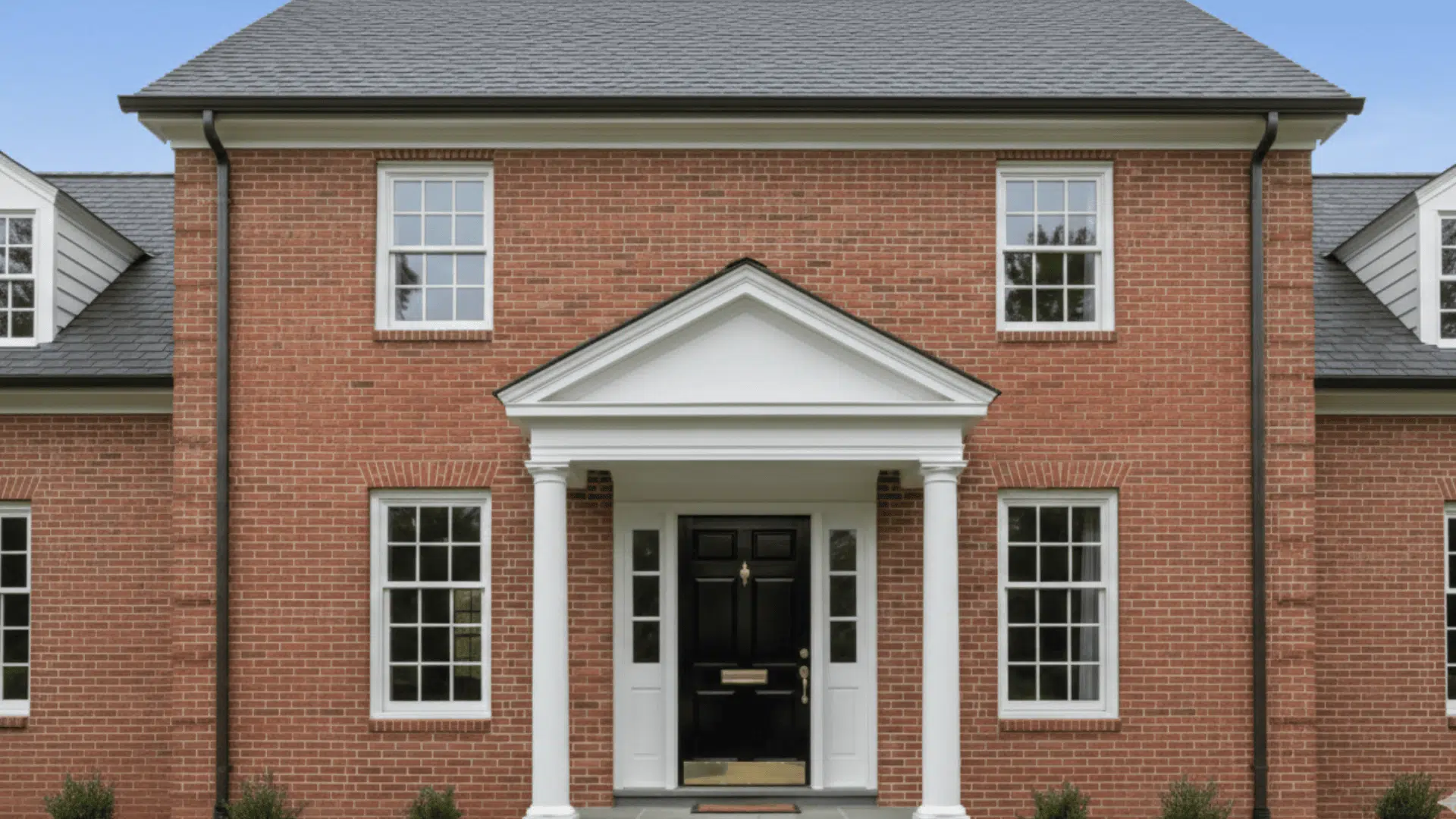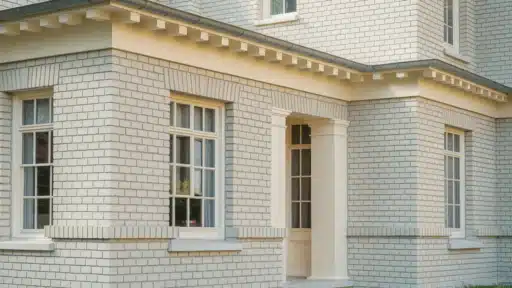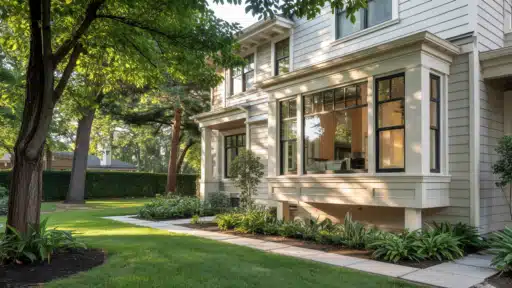
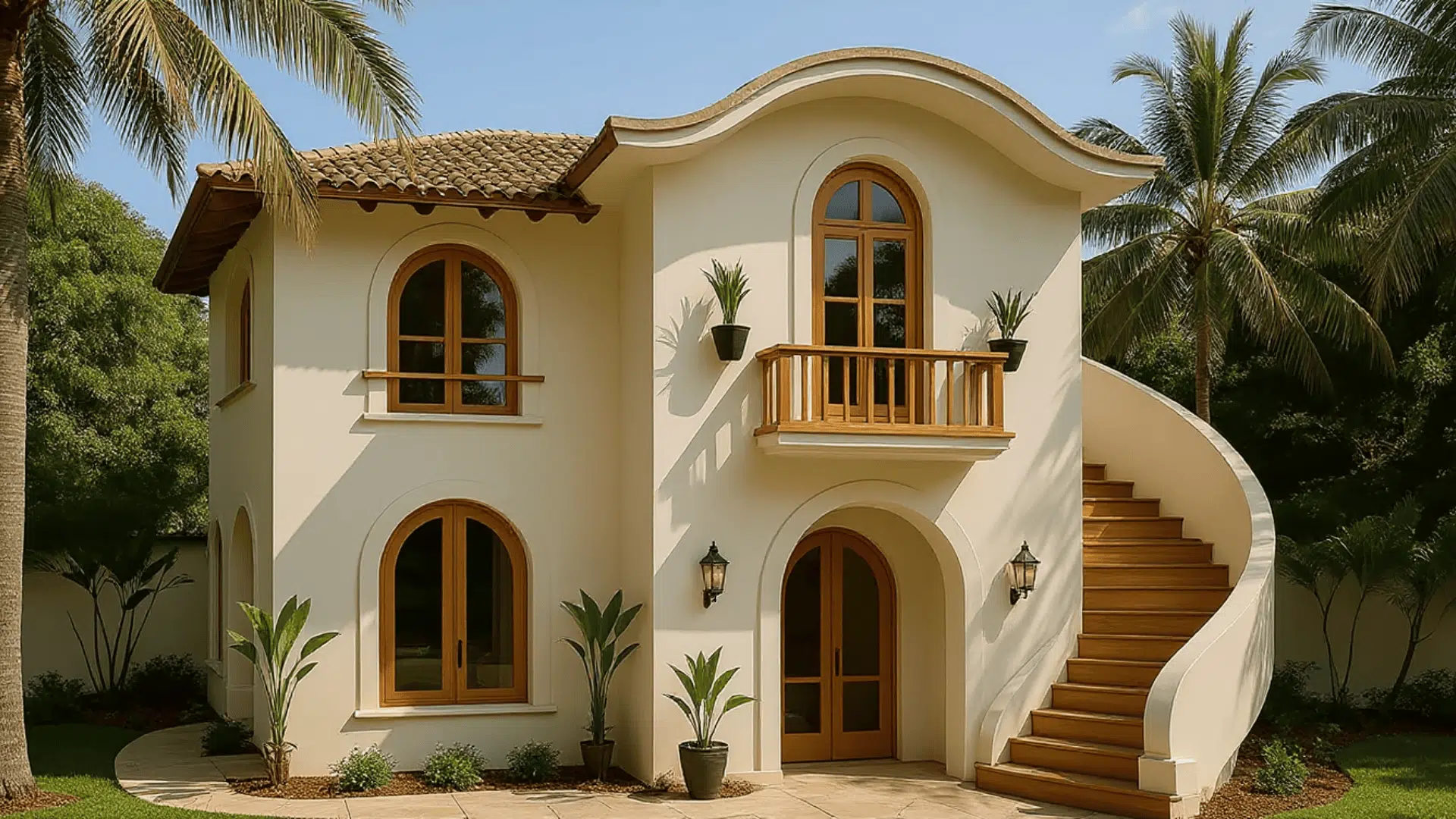

Sunlit courtyards, textured walls, and homes shaped by climate rather than trends have long captured architectural interest.
Mediterranean houses reflect a residential style formed through centuries of practical living along Southern Europe’s coastlines.
Their structure, materials, and layouts reveal careful responses to heat, light, and everyday routines.
Design choices are closely tied to geography, available resources, and long-term comfort rather than short-lived preferences.
As residential priorities shift, this style stays relevant for its balance of function and character.
The following sections outline defining features, regional variations, material choices, and how Mediterranean houses compare with other residential styles.
What Are Mediterranean Houses?
Mediterranean houses are a residential style shaped by traditional housing practices from Southern Europe’s coastal regions. The design was developed as a response to warm weather, strong sunlight, and outdoor-oriented living.
Emphasis is placed on practical construction methods that support temperature control, ventilation, and long-term use.
Instead of following a fixed architectural formula, this style reflects a shared design approach based on regional conditions.
Its adaptability has allowed Mediterranean houses to remain relevant in different locations while preserving their original purpose and identity.
Key Features of Mediterranean Houses
Mediterranean houses are defined by practical design elements that respond to climate conditions, regional building traditions, and long-established residential planning methods.
Exterior Characteristics
Exterior design focuses on structural strength and weather resistance.
Surface treatments and roof forms are selected to handle prolonged sun exposure and seasonal moisture.
Openings are proportioned to balance light access with shade, while exterior forms often appear solid and grounded, reflecting regional construction practices developed over generations.
- Thick exterior wall construction
- Low-pitched or sloped roofing
- Symmetrical or compact building forms
- Limited exterior ornamentation
Interior Layout
Interior organization prioritizes comfort, movement, and functional separation of spaces.
Floor plans are structured to support shared living areas while maintaining quieter zones for rest.
Spatial arrangements encourage ease of circulation and consistent indoor conditions throughout the home without relying on complex structural divisions.
- Centralized living spaces
- Clear room zoning
- Direct access to outdoor areas
- Emphasis on natural lighting paths
Color Palette and Finishes
Surface finishes reflect regional influences and traditional building methods.
Colors are chosen to remain visually balanced under strong natural light, while textures add depth without excess decoration.
Finishing techniques tend to favor durability and subtle variation, supporting a cohesive appearance across walls, floors, and structural details.
- Neutral wall tones
- Textured plaster surfaces
- Minimal contrast combinations
- Consistent finish application across spaces
Common Materials Used in Mediterranean Houses
Mediterranean houses rely on materials chosen for durability, climate response, and long-term maintenance.
These materials are traditionally sourced based on regional availability and suitability for warm, dry conditions. Their use supports temperature regulation, structural stability, and visual consistency across the home.
Rather than decorative intent, material selection is guided by function, weather resistance, and ease of repair over time.
This practical approach has allowed the style to remain effective across different environments and construction periods.
- Stucco for exterior wall finishes
- Natural stone for walls and detailing
- Clay tiles for roofing
- Wood for doors, beams, and shutters
- Wrought iron for railings and fixtures
Together, these materials form the structural and visual foundation of Mediterranean houses, supporting comfort, longevity, and architectural continuity.
Types of Mediterranean House Styles
Mediterranean houses reflect regional differences shaped by geography, history, and local construction practices.
While the overall architectural approach remains consistent, distinct variations appear across different countries and coastal regions.
Spanish-Inspired Homes

Spanish-inspired Mediterranean houses are rooted in traditional residential planning suited for warm, dry climates.
These homes often emphasize enclosed forms that provide shade and privacy.
Structural choices reflect a balance between simplicity and long-term practicality, with layouts designed to support daily living rather than decorative emphasis.
Key features
- Courtyard-focused home planning
- Heavy, grounded structural appearance
- Limited exterior openings for heat control
Italian-Inspired Homes

Italian-influenced Mediterranean houses reflect a strong connection to classical residential design.
Proportions, alignment, and spatial balance play an important role.
These homes often reflect a blend of functionality and refined craftsmanship, shaped by historical building traditions and urban residential patterns common in Italian regions.
Key features
- Balanced and symmetrical layouts
- Defined indoor room separation
- Emphasis on structural detailing
Greek-Inspired Homes

Coastal settings and bright natural conditions influence Greek-inspired Mediterranean houses.
Design choices often support light reflection and airflow while maintaining structural simplicity.
The overall form tends to be restrained, with a focus on usability and adaptation to coastal terrain rather than complex architectural elements.
Key features
- Simple geometric building forms
- Light-reflective exterior surfaces
- Strong connection to outdoor spaces
These regional styles show how Mediterranean houses adapt a shared architectural approach while reflecting local building priorities and environmental needs.
Related Read: Mission Style House
Advantages and Disadvantages of Mediterranean Houses
Mediterranean houses offer a distinct residential approach shaped by climate-responsive planning and long-standing construction practices.
While the style provides several functional benefits, it also comes with certain limitations that may affect suitability depending on location and lifestyle needs.
Advantages of Mediterranean Houses
Mediterranean houses are valued for their practical structure and comfort-focused planning in warm environments.
- Supports natural cooling through structural design
- Durable construction suited for long-term use
- Strong connection between indoor and outdoor areas
- Timeless architectural appeal
- Works well in regions with high sunlight
Disadvantages of Mediterranean Houses
Despite their strengths, Mediterranean houses may present challenges in certain climates or usage scenarios.
- Less efficient in cold or humid regions
- Maintenance requirements for specific materials
- Higher initial construction costs
- Limited suitability for compact urban plots
- Design may require adaptation for colder zones
Quick tip: Mediterranean houses perform best when adapted to local climate conditions and modern building standards, ensuring comfort without compromising structural intent.
Are Mediterranean Houses Suitable for Modern Living?
Mediterranean houses remain suitable for modern living because their design supports comfort, efficiency, and adaptable use of space.
The layout allows for easy integration of updated utilities, lighting systems, and interior finishes without changing the overall structure.
Climate-aware planning helps maintain comfortable indoor conditions, especially in warmer regions.
These homes also support flexible living arrangements, making them compatible with present-day lifestyle needs while retaining their architectural integrity.
Mediterranean House vs. Other Styles
The table below highlights how Mediterranean houses differ from other common residential styles based on structure, climate response, and overall design approach.
It offers a clear comparison to help identify practical and architectural distinctions.
| Aspect | Mediterranean Houses | Modern Houses | Colonial Houses |
|---|---|---|---|
| Climate response | Designed for warm regions | Works across varied climates | Suited for temperate zones |
| Structural form | Solid, compact construction | Clean, linear layouts | Formal and symmetrical |
| Roof design | Clay tile roofing | Flat or low-profile roofs | Steep, pitched roofs |
| Outdoor integration | Strong indoor–outdoor link | Limited exterior interaction | Structured exterior spaces |
| Material use | Natural, region-based materials | Industrial and composite materials | Wood and brick emphasis |
This comparison shows how Mediterranean houses stand apart through climate-aware construction and traditional design principles when measured against other residential styles.
Architectural styles vary widely in structure and purpose. Comparing Mediterranean houses with modern grey houses featuring black trim can help clarify what suits different living needs.
The Lasting Appeal
Mediterranean houses reflect a residential style built on climate awareness, material durability, and practical planning.
The use of purpose-driven materials and adaptable layouts explains why this style continues to influence housing choices today.
Comparisons with other architectural styles further show how design priorities shape everyday living.
Together, these elements reinforce the lasting relevance of Mediterranean houses in modern residential planning.
Share your experience, preference, or favorite feature of Mediterranean houses in the comments below.

With a Master’s in Architecture from the University of California, Berkeley, Alexander Martin has dedicated the last 18 years to enhancing outdoor living through thoughtful and robust structure design. His career kicked off in urban planning, giving him a unique perspective on integrating structures into diverse environments. In 2019, Alexander brought his expertise to our website, offering insights into creating versatile outdoor spaces. Since then, he has been the lead advisor for our outdoor design projects and is known for his ability to merge functionality with environmental consciousness. Alexander enjoys rock climbing outside of work and participates in community development projects, activities that reflect his passion for the outdoors and sustainable design.