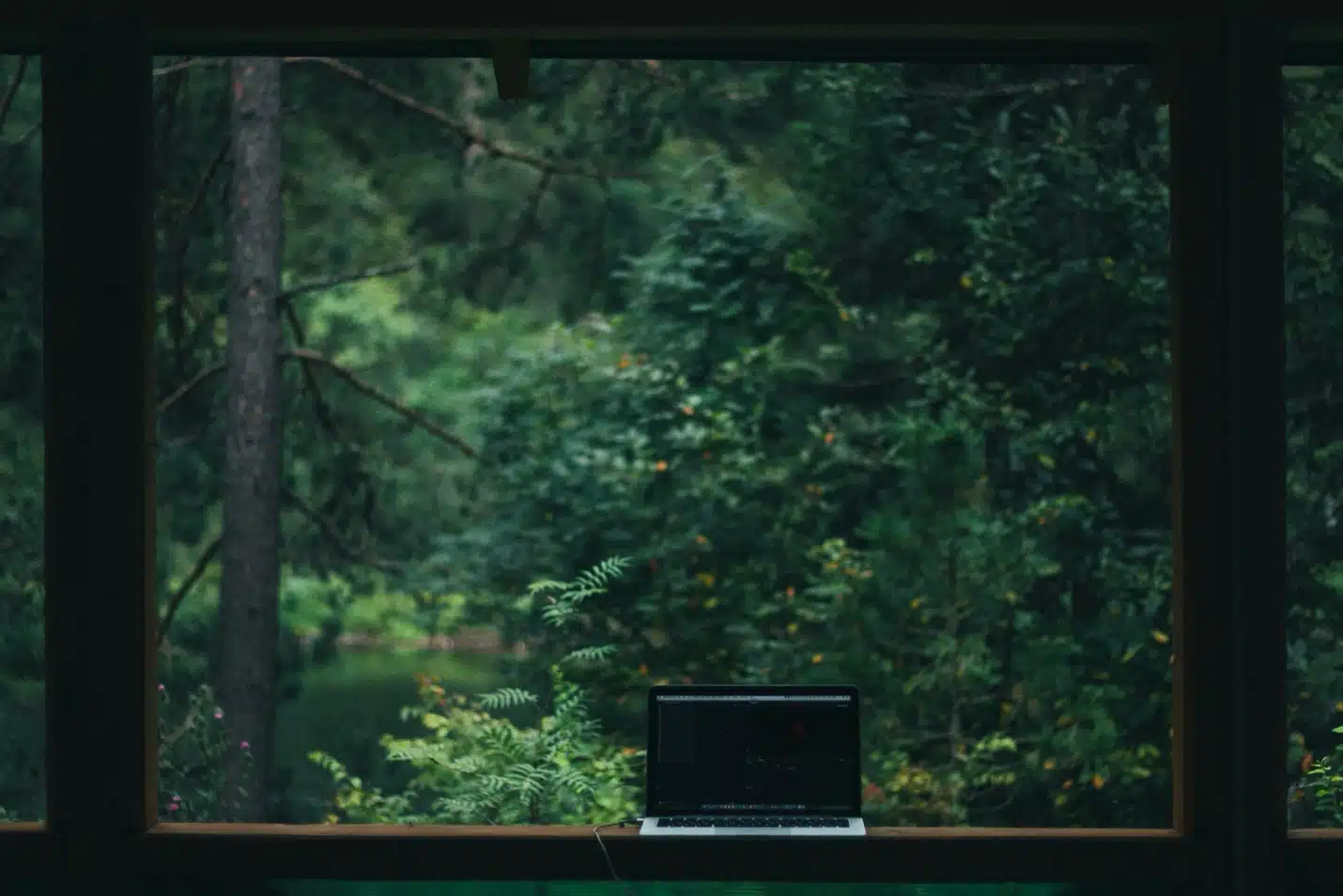

Nature-inspired architecture has become increasingly popular among homeowners, architects, and designers who want to create spaces that feel calming, sustainable, and connected to the natural environment. Rather than designing homes that feel separated from the outdoors, many modern projects aim to blur the boundary between interior living spaces and surrounding landscapes.
Research published in the journal Sustainability highlights the reasons behind this growing trend. Nature-inspired architecture integrates natural forms, materials, and environmental principles to create spaces that promote wellbeing, improve environmental performance, and strengthen the connection between people and nature. This approach reflects a broader movement toward sustainable living and thoughtful design that prioritizes both comfort and ecological awareness.
One architectural element that supports this philosophy particularly well is curved glass. By replacing rigid lines with smooth, flowing forms, curved glass helps create homes that feel more organic and visually connected to the natural world.
The Concept of Organic Architecture and Flowing Forms
Organic architecture focuses on harmony between buildings and their surrounding environment. Instead of imposing rigid shapes onto landscapes, this design philosophy encourages structures that feel integrated with the terrain, vegetation, and natural light.
Flowing forms play an important role in this approach. Curved lines, rounded edges, and fluid shapes mirror patterns found in nature, such as rolling hills, waves, tree branches, and riverbanks. These forms can create spaces that feel softer and more welcoming than traditional rectangular designs.
Curved glass contributes significantly to this effect. Its ability to bend and follow organic lines allows architects to create structures that appear to grow naturally from their surroundings. The result is a design that feels less mechanical and more harmonious with the landscape.
Installing Curved Glass
Although curved glass offers exciting design possibilities, installing it requires specialized knowledge and expertise. Unlike standard flat glass panels, curved glass must be precisely manufactured and carefully fitted to match the building’s design. For this reason, it is best to hire curved glass experts who understand the unique challenges that arise when integrating new curved windows into existing structures. Professionals with experience in curved glass installation can accurately measure the space, design custom panels, and ensure the glass fits securely within its frame.
They can also address technical considerations such as structural support, weatherproofing, and thermal performance. Proper installation ensures that the curved glass functions safely while maintaining the elegant visual effect that designers intend.
How Curved Glass Mimics Shapes Found in Nature
One of the most appealing aspects of curved glass is how closely it reflects natural forms. Nature rarely produces straight lines. Instead, landscapes are defined by curves—waves rolling across water, hills rising and falling, or tree branches arching toward sunlight.
Curved glass allows architects to replicate these natural shapes within built environments. Instead of sharp edges or rigid walls, curved glass surfaces create smooth transitions between different areas of a home. These forms guide the eye naturally through a space and often make rooms feel more expansive and open.
By mimicking nature’s geometry, curved glass helps interiors feel less artificial and more connected to the surrounding landscape.
Curved Glass Conservatories and Sunrooms
Conservatories and sunrooms are perfect places to incorporate curved glass into residential architecture. These spaces are designed to maximize sunlight while offering views of gardens, landscapes, or surrounding greenery.
Curved glass panels can create panoramic walls or domed roofs that allow sunlight to enter from multiple angles. This design helps the space feel bright and open throughout the day.
When paired with plants, natural wood furniture, and stone flooring, curved glass conservatories can feel like indoor gardens—providing a relaxing retreat within the home.
Glass Staircases and Railings That Maintain Visual Openness
Curved glass is also increasingly used in staircases and railings. Traditional stair railings can visually block light and interrupt the flow of a space, but curved glass panels maintain transparency while following the natural curve of the staircase.
The result is a structure that feels both elegant and lightweight. Light can travel freely between floors, and the curved glass creates a sculptural design element within the home.
This approach works particularly well in modern interiors where designers want to maintain openness while adding architectural interest.
Pairing Curved Glass with Plants and Indoor Gardens
Combining curved glass with greenery is one of the most effective ways to bring nature indoors. Large curved windows can frame views of gardens, while indoor plants help soften architectural lines and enhance the organic feel of the space.
Many homeowners now create indoor gardens, green walls, or plant-filled living areas to complement curved glass architecture. Indoor plants not only enhance visual beauty but also contribute to improved air quality and a calming atmosphere.
For those looking to expand their indoor greenery, resources such as our guide on indoor plant shopping offer practical advice on selecting and caring for plants that thrive indoors.
Together, curved glass and greenery create interiors that feel vibrant, refreshing, and connected to the natural world.
Creating Peaceful Interiors That Feel Connected to Nature
Nature-inspired architecture aims to create environments that promote relaxation and wellbeing. Curved glass can help achieve this goal in many ways.
One striking example is J Terrace Café, designed by the architectural firm SANAA. The café sits in an open field beside a university campus. Its slender columns resemble the surrounding trees, and the roof gently rises and falls across the structure, echoing the rolling hills in the background.
Curved glass walls help dissolve the boundary between the interior and the surrounding landscape. Instead of sharp angles, the building features circular walls, furniture, and fixtures that reinforce its organic concept. The result is a space where architecture and nature feel seamlessly connected.
A second example can be found in modern residential sunrooms that use curved glass to frame garden views. These spaces often include comfortable seating areas surrounded by greenery, creating peaceful retreats filled with natural light.
A third example appears in contemporary homes with curved glass living room walls overlooking forests, oceans, or mountain landscapes. The expansive glass panels allow residents to enjoy uninterrupted views of nature while remaining sheltered indoors.
Conclusion
Nature-inspired architecture continues to grow in popularity as homeowners seek environments that promote comfort, sustainability, and connection with the outdoors. Curved glass plays an important role in achieving this goal.
By mimicking the flowing shapes found in nature, curved glass helps create organic living spaces that feel open, light-filled, and harmonious. Whether used in conservatories, staircases, panoramic windows, or plant-filled interiors, this architectural element offers both visual beauty and functional benefits.
For architects, designers, and eco-conscious homeowners, curved glass provides an elegant way to bring the calming presence of nature into everyday living spaces.

Natalie Zhou, AIA, holds an MIT Master of Architecture and has designed civic and residential projects for 12 years. She joined us in 2025 to translate green-building theory into practical home ideas, spotlighting passive-solar layouts and space-saving details. Natalie’s articles blend on-site anecdotes with sketchbook tips. Away from the desk, she restores mid-century chairs and volunteers with Habitat for Humanity.