
Every neighborhood has them—those towering oaks, pecans, or maples that seem almost eternal. Yet behind their quiet presence lies a question many communities are beginning to ask: how do we balance the need for property upkeep with the responsibility to preserve the ecosystems those trees anchor?
In recent years, awareness around sustainable landscaping has grown, but trees remain a gray area. Unlike flower beds or lawns, which people often replant yearly, mature trees take decades to establish. When they’re pruned aggressively, removed unnecessarily, or replaced with decorative but nonnative species, the effects ripple far beyond a single yard.
Why Trees Matter More Than Ever
Urbanization and climate pressures are changing the way cities think about green infrastructure. Research in journals like Urban Forestry & Urban Greening has documented how tree canopy coverage directly impacts neighborhood cooling, stormwater management, and even residents’ mental health.
According to the U.S. Forest Service, a single mature tree can intercept thousands of gallons of rainwater annually, reducing flooding risks. The Environmental Protection Agency also notes that shaded areas can be 2–9°F cooler than surrounding paved surfaces, lowering heat stress for residents.
The stakes are particularly high in fast-growing communities, where development often comes at the expense of long-standing trees. Once a canopy is lost, it can take generations to rebuild. This isn’t just an ecological issue; it affects property values, neighborhood character, and public health.
That reality is changing how people think about tree care. Increasingly, the question is less about appearance and more about ethics—leading to a new conversation around what responsible stewardship looks like.
The Ethical Approach to Tree Care
More homeowners are beginning to question whether cutting down a healthy tree for convenience or aesthetics is truly necessary. Environmental advocates stress that tree care should be seen less as a maintenance task and more as a stewardship responsibility.
Urban ecologists note that trees are not just decorative, they’re living systems supporting birds, pollinators, and entire microclimates. Seeing tree care only as cosmetic work overlooks its role in maintaining ecological balance.
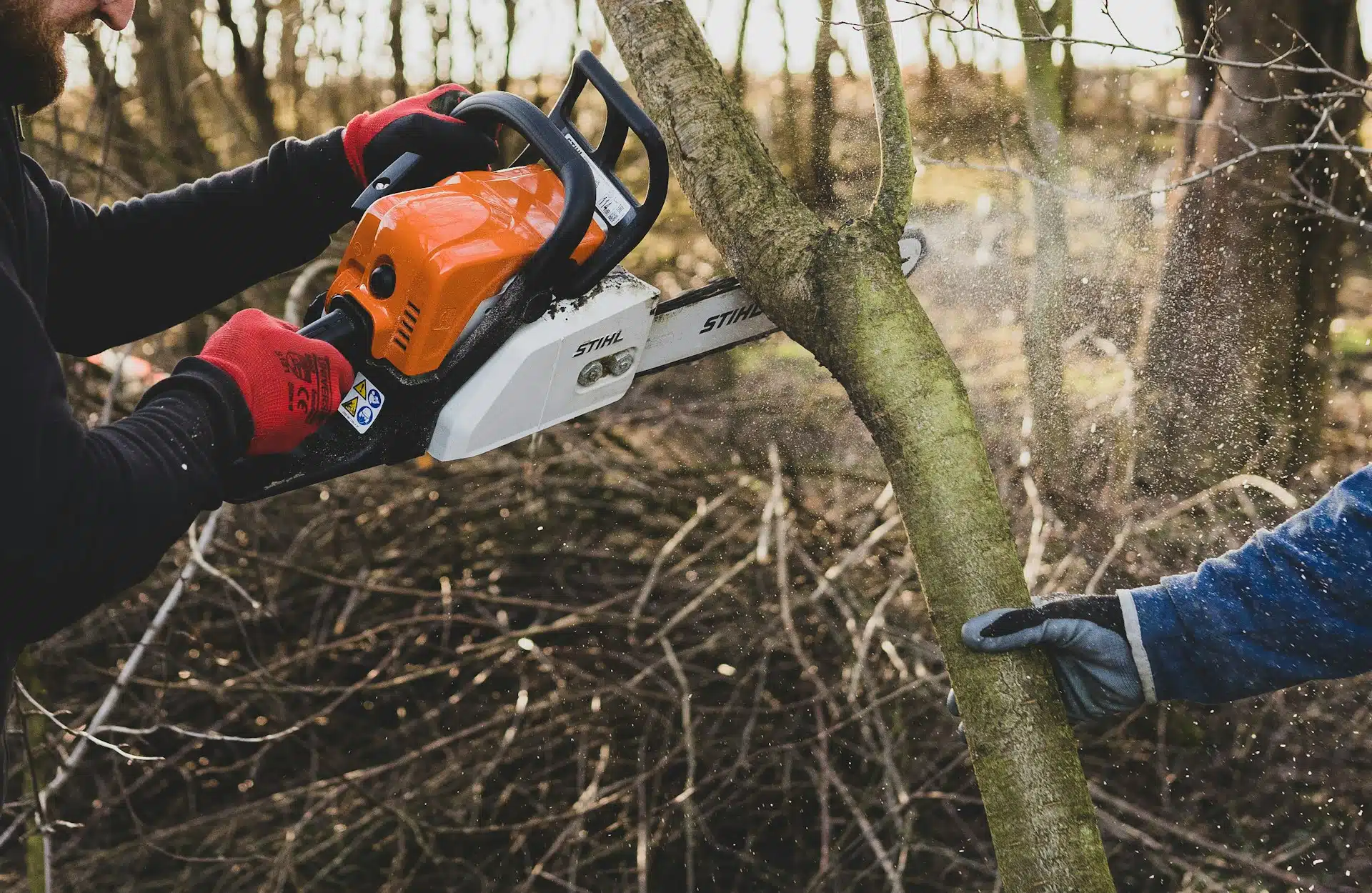
As expectations evolve, choosing a tree service company is less about speed or price and more about trust. Homeowners want assurance that the work being done supports safety while respecting the broader goal of conservation.
Community Trends: From Profit to Preservation
This move toward values-driven care reflects a broader cultural trend. Just as consumers have pushed for transparency in food sourcing or sustainable fashion, many are now extending that expectation to home services. Neighborhood associations, HOAs, and even city ordinances are beginning to adopt language around canopy preservation and environmentally responsible trimming practices.
In Austin, for example, regulations prevent the unnecessary removal of heritage trees, while cities across the U.S. are introducing “tree equity” goals to ensure underserved neighborhoods have equal access to the benefits of green space. It’s not just about protecting what’s pretty—it’s about resilience.
Preserving More Than Just Trees
As climate challenges intensify, the role of trees in cities and suburbs will only grow more critical. The good news is that public attitudes are shifting toward seeing trees as irreplaceable infrastructure rather than background scenery.
For homeowners, the takeaway is simple: the next time a branch hangs too low or a storm leaves limbs scattered, the decision isn’t just about cleanup—it’s about stewardship. Asking whether a tree can be saved, rather than removed, contributes not just to curb appeal but to community health and environmental resilience.
In the end, ethical tree care is less about perfection and more about preservation. Each choice, from how we prune to the tree company we trust, becomes part of a much larger story: protecting the ecosystems rooted right in our backyards.
Jordan Mathews, who has a degree in horticulture from Texas A&M University, has been a guiding force in plant health and sustainable gardening for over 16 years. His career began with a role at a renowned botanical garden, where he deepened his understanding of plant physiology and eco-friendly cultivation methods. Jordan joined our website as a freelancer in 2020, becoming a go-to expert for readers seeking advice on nurturing diverse plant species apart from offering insights grounded in scientific knowledge and practical experience. Beyond his professional achievements, Jordan is a keen nature photographer, capturing the beauty of flora in its immensely diversified forms.