
While major projects capture attention, it’s often the quiet improvements that transform daily living. For instance, choosing double glazing in Fenwick enhances comfort, lowers energy costs, and adds lasting value. These subtle upgrades to windows, doors, and fittings deliver savings and ease without the disruption of a full renovation.
Smarter Window Improvements
Contemporary glazing does far more than keep the rain out. Properly selected units help control temperature, reduce noise, and enhance security. Installing single-pane windows with double glazing will minimise draughts and prevent rooms from losing their heat quickly. Low-emissivity glass helps keep the house warm in winter and can reduce excessive heating in summer.
Frame quality is also essential. Leaks, which allow air to escape, are prevented by tight seals and proper installation to ensure that certain parts are difficult to heat. In the long run, such improvements reduce energy costs and make living environments more comfortable.
Although new windows also improve the exterior appearance, they are valued more for the performance that enhances everyday living.
Doors That Work Harder
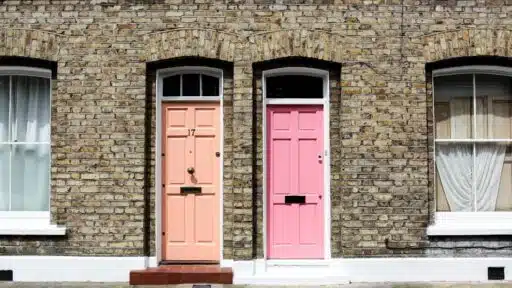
During renovation, the front and back doors are typically completed last, even though they provide significant security and insulation benefits. The poor locks, warped frames, and thin panels of older models allow heat to escape, putting the property at risk.
Insulating doors with multi-point locking systems provides greater protection and prevents draughts.
Even internal doors should be considered. Between living spaces and corridors, solid-core designs are used to improve sound control and heating performance. Simple extras, such as correctly fitted thresholds and soft-close hinges, help movement around the house be smoother and more sophisticated.
Lighting That Supports Living
Lighting affects mood, safety and energy consumption. Most households continue to use several old-fashioned ceiling fittings that were not intended to accommodate contemporary living habits. The use of layered lighting, which combines overhead, task and accent lighting, changes the functionality of rooms.
Switching incandescent bulbs for warmer, more efficient LED lighting will reduce electricity use and make the room feel more welcoming. Kitchens have under-cabinet strips to lighten up worktops. Chairs or beds with reading lamps are more useful.
Sensor lights outside the doors enhance security and prevent tripping in low-light conditions. These modifications are relatively cheap but provide long-term benefits.
Fittings That Stand Up To Daily Use
Handles, hinges, taps and switches are always touched. Old or damaged fittings cause frustration each time they are used. Replacing weak door handles with solid metal ones increases the door’s sturdiness. Newer hinges eliminate squeaks and enhance alignment.
Taps in the bathroom and kitchen should have smooth flow control and be free of limescale buildup, as this makes daily chores easier and minimises water waste. Even a slight feeling of safety and durability can be provided by quality light switches and socket plates. Perceived quality is disproportionately affected by focusing on regularly handled items.
Storage That Reduces Visual Clutter
Homes quickly look tired when belongings lack clear places to go. Basic storage upgrades introduce sanity without significant construction. Awkward alcoves can be fitted with shelving, coat hooks by the door, or pull-out baskets in the base cupboard, transforming wasted areas into useful ones.
Properly constructed storage also helps protect items and minimises wear on clothes, shoes, and equipment. An organised surrounding is more relaxed and tends to make rooms look bigger. This type of order is what prospective buyers typically notice and assume indicates that the property has been well-maintained.
Ventilation For Healthier Air
Stale air and moisture reduce the life of finishes and may have health effects. Poor ventilation in bathrooms and kitchens leads to condensation and mould growth. Switching fans to more powerful, quieter models encourages more frequent use. Background ventilation is possible with trickle vents in the window frames, which do not cause significant heat loss.
Proper airflow helps maintain paintwork and plaster, reducing the need for redecoration. There is also the added advantage of cleaner air for respiratory comfort, particularly in well-insulated homes where natural draughts are minimised.
Small Tech Changes With Big Effects
A handful of inconspicuous technical improvements can assist without transforming a property into a gadget showroom. Programmable and straightforward room thermostats help ensure heating systems operate more efficiently.
Enhanced security at entrances is achieved with doorbell cameras or peepholes. Smoke and heat sensors interconnected throughout the house provide greater protection than outdated, standalone devices.
The changes do not alter the building’s structure but enhance operational safety and efficiency. They will be able to reassure existing residents and attract new buyers.
Refreshing Exterior Details
People tend to make judgments about a property before entering. First impressions can be reset by modest exterior work, including repainting fascias, cleaning gutters, and replacing damaged house numbers or post boxes. The introduction of a small canopy over the front door also gives protection and shields the entrance against the weather.
The welcome can be enhanced without extensive landscaping by installing path lighting or planting simple shrubs around the doorway. Although these updates might appear superficial, they add value and express concern.
A Long-Term View Of Value
Careful improvements beyond mere decoration can extend a home’s useful life, reduce operating expenses, and enhance the daily experience. Insulated windows, doors that close, solid fittings, and lighting that reflect real-life patterns all help improve the environment.
These small changes might not be immediately apparent, but can have a significant impact on daily life. Homeowners pay attention to unobtrusive yet important details, resulting in spaces that care for their inhabitants and remain highly attractive over the long term.

With a Master in Architectural Studies from University of Pennysylvania, Marwa Haydar has pioneered living spaces since 2005. Her expertise, initially honed in a prestigious architectural firm, is evident in her approach to creating environments. Marwa became part of our team in 2019 and has since been a driving force in our home improvement section, known for her practical yet stylish solutions. She’s been spearheading our design workshops since then, infusing her passion for teaching into her work. In her leisure time, Marwa enjoys exploring historic architecture and is an enthusiastic pottery hobbyist, further enriching her understanding of form and texture.