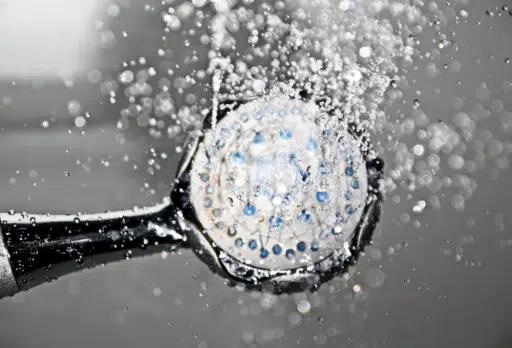

Imagine stepping into the shower bright and early. You pour yourself into the tub — expecting soothing hot water.
Instead what you get is icy torture shooting out of the pipes.
Getting spammed with cold water halfway through your shower is about as pleasant as bathing with sandpaper.
And most homeowners think the problem’s ONLY cause is an aging water heater.
It’s not.
Usually — several different small factors contribute to inconsistent hot water issues AND most of them can be completely prevented with professional water heater service.
Small issues worsen over time. They don’t JUST stop working “overnight.”
Years of poor maintenance, worn parts, and tiny factors adding up finally catch up to your water heater when you’re blasting lukewarm water at yourself trying to wake up.
By the time you have inconsistent hot water, it’s likely been developing for several months.
(Water heating makes up about 18% of the average home’s energy usage. Making it the 2nd highest energy cost in most homes.)
It’s also why your energy bills creep higher as soon as your water heater starts underperforming.
Okay, but what’s REALLY causing these wild temperature shifts?
Want to guess.
Failing heating elements are actually responsible for a HUGE percentage of inconsistent hot water cases. So much so that your technician will always inspect them first during service.
If they catch the problem early, you could be saving yourself hundreds on repair bills.
But broken heater elements aren’t the only cause.
You’ll Actually Learn
- Nine Hidden Reasons Your Hot Water Is Inconsistent
- Why These Small Problems Are Actually Costing You Hundreds
- When To Trust Your Gut & Call For Professional Water Heater Service
Nine Hidden Reasons Your Hot Water Is Inconsistent
Alright — let’s get to the good stuff.
Mineral Buildup & Sediment
Okay, so technically this is TWO separate issues. But they both fall under “grounds at the bottom of the tank.” So they’re being lumped together.
Sediment & mineral buildup in your tank is easily the biggest cause of reduced performance that goes completely ignored.
Over time — minerals from your local water supply develop at the bottom of the tank.
This causes 2 big issues:
Your heater has to work MUCH harder & longer to reach its desired temperature.
AND
You actually have LESS water to heat.
Too much buildup & your heat can’t keep up with demand. Thus causing inconsistent water temperatures.
Flush your tank annually to prevent this problem.
Professional plumbers see homeowners skip this maintenance task more than you’d think. Then wonder why their water heater is losing efficiency years later.
Heater Elements Are Going Out
Okay, now we’re talking.
If your water heater is electric, you have 2 heater elements.
An upper element and lower element.
The upper element does the heavy lifting when heating your water. The lower element kicks on to maintain temperature at the bottom of the tank.
Weak or failing heater elements cause supply issues and sudden temperature swings.
Technicians catch failed elements ALL THE TIME during water heater service calls. Thankfully — because this problem can completely ruin your day if left unchecked.
Dip Tube Is Cracked
Disclosure: You’ve probably NEVER heard of a dip tube.
The dip tube is a plastic tube that transports incoming cold water to the bottom of your tank.
When the dip tube cracks or breaks, cold water shoots straight into the supply line without being heated.
Cold water mixing with your hot water sounds like the main reason your water gets cold suddenly. Especially if it happens in the shower.
Dip tubes are ONLY visible during professional inspection. You’ll never know your water heater has a broken dip tube unless you get it checked.
(Keep in mind older units tend to develop this problem more frequently.)
Thermostat Problems
If your water heater’s thermostat is malfunctioning or broken, it may not signal the heating system to turn on at the proper times.
Thermostat failures show up as water that quickly goes from hot to lukewarm or warm water that suddenly switches to cold despite setting temperatures hotter.
Water heaters with this issue can STILL run properly. It just won’t consistently heat water according to the attached thermostat.
Wrong Sized Tank
This is a SUPER common problem.
Believe it or not — your water heater can be just fine and the real issue is that your household needs a larger tank.
Most standard tank water heaters last 8 to 12 years unless they develop serious problems.
But the amount of hot water your family needs can change FAR before that.
New appliances, additional people living at the home, and even changing routines can strain an older water heater.
And when your water heater can’t keep up, it WILL feel like your water’s going cold.
It’s going cold — it just takes a little longer to heat a new batch.
If your water heater is older than 10 years and your bills are rising — chances are you’re due for an upgrade.
Pressure Balancing Valve Is Faulty
Alright. Here’s the biggest mystery problem of them all.
The pressure balancing valve can be completely worthless if your home has poor plumbing.
Water pressure should balance hot and cold water supply automatically.
If your home’s plumbing is built wrong or the pressure balancing valve develops a buildup of scale/rust/debris, it can get stuck.
Think about it.
If your pressure balancing valve is stuck open or closed — there’s no way it can control water pressure.
Needless to say, this issue comes with huge temperature fluctuations.
(Especially when more than 1 sink/shower is running in your home.)
You’ve likely never even heard of your pressure balancing valve. Most homeowners haven’t — until they start running into this problem.
Why These Small Problems Are Actually Costing You Hundreds
Ask yourself this…
If your water heater had a problem that CAUSED your shower to cut out suddenly, would you fix the problem or just take colder showers?
Here’s the honest answer.
You’d call a plumber and have your water heater checked.
Problems with your water heater don’t just disappear.
Sediment accumulates. Old heating elements won’t get better on their own. And dip tubes don’t magically un-break themselves.
The longer you wait, the harder your water heater has to work.
And the harder your water heater works, the shorter it’ll last.
AND the more it costs you in wasted energy.
Don’t wait until it’s TOO late. Call your local plumber and see what professionals can find.
When To Trust Your Gut & Call For Professional Water Heater Service
Could you really tell if any of the above issues were SLIGHTLY off just by looking at your water heater?
Unfortunately, no — you can’t.
But there ARE warning signs that tell you NOW is a better time than later to schedule water heater service.
- Noticeable temperature fluctuations that won’t go away after you adjust your thermostat.
- Strange noises like rumbling, popping, banging. etc.
- Rust colored water.
- Your water heater is older than 10 years and you’ve never had it serviced.
- Higher energy bills and you haven’t changed your hot water habits.
ANY of the above can be spotted during professional water heater service.
Instead of guessing what the problem is — let a trained technician diagnose your water heater and get it fixed properly.
Don’t wait until you’re taking cold showers to get professional water heater service.
Somewhere in your house RIGHT NOW, your water heater has an issue that needs correcting.
Whether it’s slick minerals building up in the tank or a dying heater element — a professional technician can fix it.
And get it fixed before you run out of hot water AGAIN.
Any reputable service will provide an honest assessment of what needs replaced or repaired.
Take the guesswork out of water heater maintenance. Schedule annual water heater service.

With a Master’s in Architecture from the University of California, Berkeley, Mitchell Green has spent over two decades dedicated to the study and practical application of home fixture design. His career started in an architectural firm, providing him a strong foundation in the structural and aesthetic aspects of home interiors. Mitchell brought his comprehensive knowledge to our platform, where he has been an influential voice in our home fixtures and fittings section. Since 2018, he has been guiding our readers through the intricacies of selecting and installing fixtures, combining technical know-how with design flair. In his spare time, Mitchell is a keen photographer, capturing architectural details and design elements, an interest that complements his professional focus.