

The Comfort of Routine
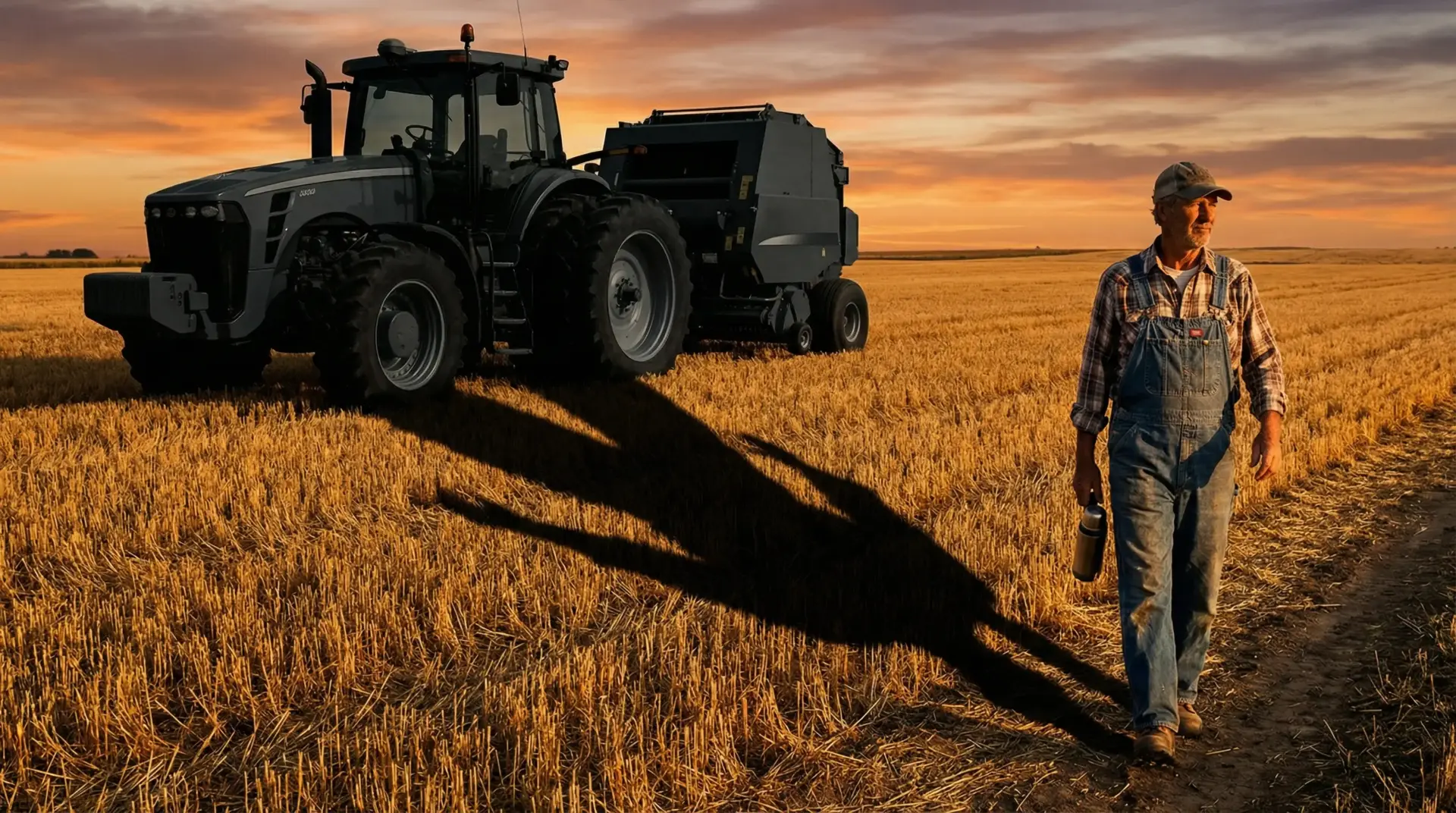
There is a quiet confidence that comes from doing the same work every day. Movements become smoother, decisions feel automatic, and tasks that once required full attention begin to feel second nature. Over time, that familiarity creates a sense of control. The work no longer feels unpredictable. It feels known.
In farming, where daily responsibilities often involve machinery, livestock, and demanding physical labor, routine is necessary. Efficiency depends on it. Experience grows through it. The ability to move quickly and confidently through familiar tasks is often what keeps everything running.
Yet routine has a hidden cost. As familiarity increases, awareness can fade in subtle ways. Precautions that once felt essential may begin to feel optional. A task that once required full attention might be done while thinking about something else. The mind starts filling in gaps based on experience, assuming today will unfold like every other day.
That is where risk begins to change. Not all at once, and not in ways that are always easy to spot, but gradually. The environment may look the same, the equipment may be unchanged, and the tasks may be familiar. What shifts in the level of attention they receive?
In work that carries real danger, that shift matters.
When Familiarity Turns Into a Blind Spot
The longer someone performs the same task, the less consciously they tend to think about it. Actions become automatic, guided by habit rather than active decision-making. In many settings, this makes work more efficient. In high-risk environments, it can quietly create problems.
One of the clearest changes is a reduced perception of danger. When nothing has gone wrong for a long time, the mind begins to treat that outcome as normal. Equipment that once demanded caution now feels predictable. Processes that carry serious risk begin to feel ordinary.
In farming, this often appears in small ways. A guard on a machine may be skipped to save time. A task that requires concentration may be done while distracted. Long hours lead to fatigue, and fatigue slows reaction time. None of these choices seems major in the moment. They feel practical.
Over time, these small decisions build on one another. Work that once felt deliberate becomes faster and less guarded. Experience creates confidence, but it can also create assumptions. The belief that a situation is under control can replace the need to evaluate it carefully.
The danger does not come from inexperience. It comes from the belief that nothing unexpected will happen.
The Reality of Farming Accidents
When something does go wrong, the consequences are often serious. Farming accidents tend to be sudden, severe, and difficult to recover from quickly. The same conditions that make the work productive on a good day can make an incident far more damaging when something shifts.
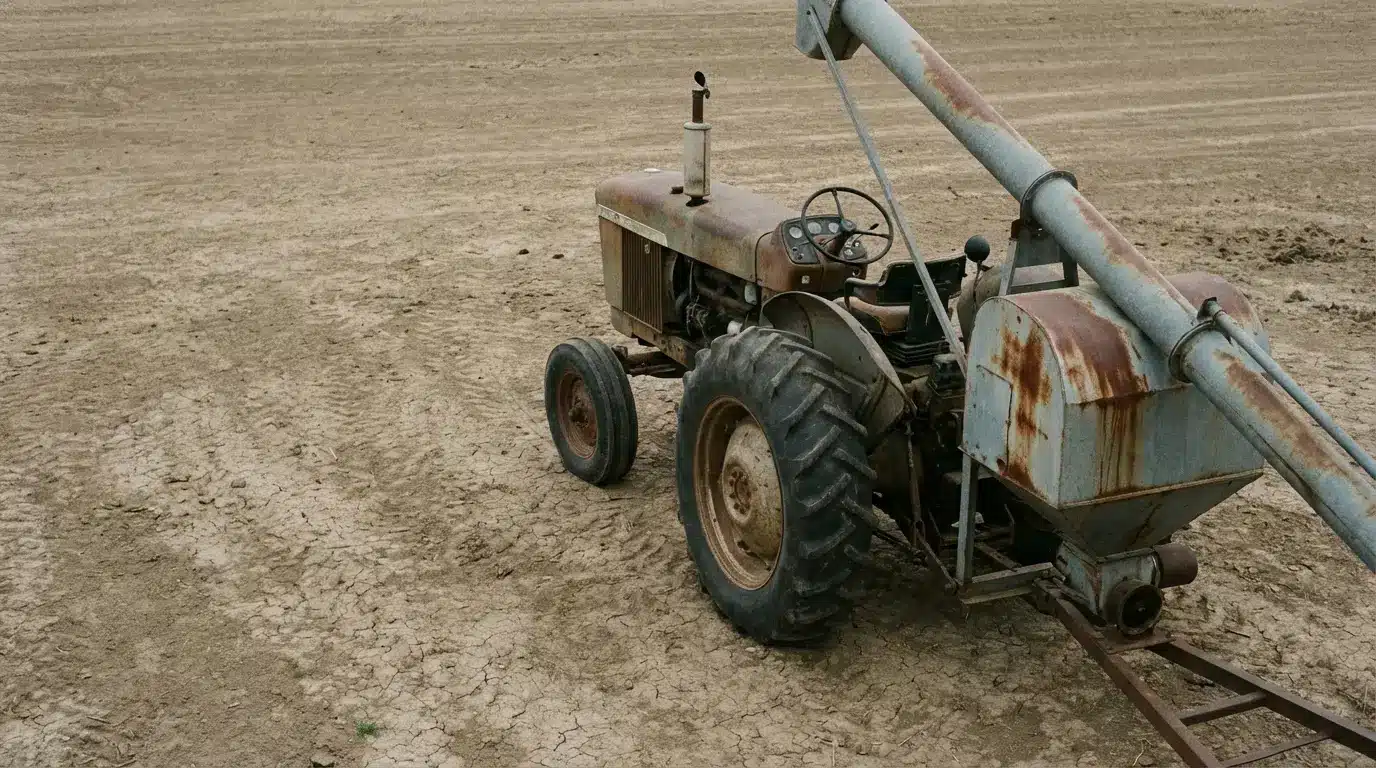
Heavy machinery is one of the most common sources of injury. Tractors, augers, balers, and other equipment are powerful and unforgiving. A moment of distraction or a small miscalculation can lead to entanglements, crush injuries, or lasting physical damage. These are not incidents that resolve with a few days of rest. They often involve extended treatment and long recovery periods.
Livestock presents another layer of risk. Even experienced workers who understand animal behavior can be caught off guard. Sudden movement, stress responses, or environmental changes can turn a routine interaction into a dangerous one within seconds.
Falls, vehicle-related incidents, and injuries caused by exhaustion or repetitive strain also add to the risk. Long working hours and physically demanding tasks increase the chance of mistakes. Fatigue builds gradually, and its effects are often underestimated until judgment or reaction time begins to slip.
What makes these accidents so difficult is not only the injury itself, but everything that follows. Recovery can take weeks or months. Work is disrupted. Income may be affected. Responsibilities remain, even when the ability to manage them does not.
For many people, the full weight of a farming accident is only understood after it happens.
What Makes These Situations More Complicated Than They Seem
In the immediate aftermath of a farming accident, the focus is usually on the injury. Medical care, pain management, and getting through the next few days tend to take priority. What often goes unnoticed at that stage is how quickly the situation can become more complex.
Responsibility is not always clear. The equipment may have malfunctioned. Safety measures may have been poorly maintained. In some cases, more than one party may be involved, including employers, property owners, or equipment manufacturers. What appears straightforward at first can become much harder to sort out.
Financial pressure also builds quickly. Medical expenses can grow fast, especially when treatment is ongoing. Time away from work affects income, and in farming, lost time can disrupt an entire operation. The longer recovery takes, the heavier those pressures become.
Many people assume these issues will work themselves out or that there is a simple process to follow. In reality, the aftermath of an accident often requires a clear understanding of rights, responsibilities, and available options. In that situation, speaking with a farming accident lawyer can be an important step toward understanding what to do next.
Without the right guidance, it becomes easy to miss details that may have long-term consequences. A single injury can develop into a much more complicated situation than it first appears.
Why Delayed Action Can Make Things Worse
After an accident, many people take a wait-and-see approach. Injuries are often underestimated at first, especially when adrenaline masks pain or when there is pressure to get back to work. What seems manageable in the moment can become far more serious over time.
Delay affects more than physical recovery. It also affects how clearly the situation can be understood later. Details fade, conditions change, and important information becomes harder to verify. In incidents where several factors may have contributed, timing can shape how accurately those factors are documented.
There is also a tendency to assume that if something was not addressed right away, it may not be worth pursuing later. That belief can leave injured people carrying the full burden on their own, even when the circumstances suggest otherwise.
Broader agricultural safety insights indicate that farming remains one of the higher-risk industries, where delayed reporting and a lack of early action can lead to more complex recoveries and increased financial strain.
Taking action early does not mean reacting impulsively. It means recognizing that the full impact of an accident may not be visible right away, and that the first steps taken after an injury can shape the outcome in meaningful ways.
The Overlooked Side of Recovery
Recovery is often viewed in physical terms. The focus is on healing injuries, attending appointments, and regaining strength. Those things matter, but they are only part of the process.
For many people, the financial impact becomes just as difficult as the physical one. Medical bills can continue long after the initial treatment. Time away from work creates income gaps, and in farming, those gaps can affect more than one person. Operations may slow down, responsibilities may shift, and the pressure to return before fully recovering can grow.
There is also the challenge of making important decisions without clear guidance. Questions about responsibility, compensation, and next steps do not always come with easy answers. Without a solid understanding of available options, people may make choices based on urgency rather than long-term stability.
The emotional strain of an accident can be just as disruptive. Uncertainty about recovery, financial pressure, and disruptions to daily life can create ongoing stress. That strain is easy to overlook, yet it often shapes how a person moves forward after the incident.
Recovery involves physical healing, financial adjustment, and difficult decision-making all at once. When any of those pieces are ignored, the path forward becomes harder to manage.
Rethinking Risk in Work We Know Too Well
The idea that experience leads to safety feels natural. The more time a person spends on a task, the more control they seem to have over it. In many cases, experience does improve skill, speed, and confidence. What it does not always improve is awareness.
In familiar work environments, risk does not disappear. It becomes easier to overlook. The same tasks are repeated, the same equipment is used, and the same routines are followed. Over time, attention shifts from potential hazards to efficiency. That shift can make it harder to notice when something is slightly off.
In farming, where conditions can change quickly, that matters. Weather, machinery condition, physical fatigue, and environmental factors all influence safety. Even small changes can raise the likelihood of an accident, especially when they go unnoticed.
Rethinking risk means questioning what feels routine. It means giving familiar tasks the same level of attention they required at the beginning. It also means being prepared to respond when an accident happens and understanding the issues that can follow. A clearer view of long-term consequences and recovery challenges can help people make more informed decisions after an injury.
Awareness is not a one-time habit. In work that feels second nature, it has to be maintained.
Awareness Is the First Layer of Protection
Risk does not always come from the unknown. Often, it develops in places that feel the most familiar. Tasks repeated every day, equipment used countless times, and routines that feel automatic can all create a false sense of stability.
Farming depends on experience, but experience alone does not remove danger. Over time, it can make certain hazards easier to miss. When attention fades, even slightly, the margin for error narrows.
Recognizing that pattern matters. It shifts the focus from reacting after an accident to staying alert before one happens. It also helps people understand the full impact of an incident beyond the injury itself.
The goal is not to approach work with fear, but with clarity. Familiar tasks still require attention. Routine cannot replace caution. The risks that go unnoticed are often the ones that carry the greatest consequences.

Priya Nair, MPH, is a certified wellness coach and former hospital dietitian with 12 years of translating public-health research into everyday habits. She joined us in 2024 to deliver evidence-based guidance on nutrition, stress relief, and holistic fitness that fits busy schedules. Off the mat, Priya practices yoga, hikes coastal trails, and tests plant-forward recipes for weekend potlucks with friends and neighbors.