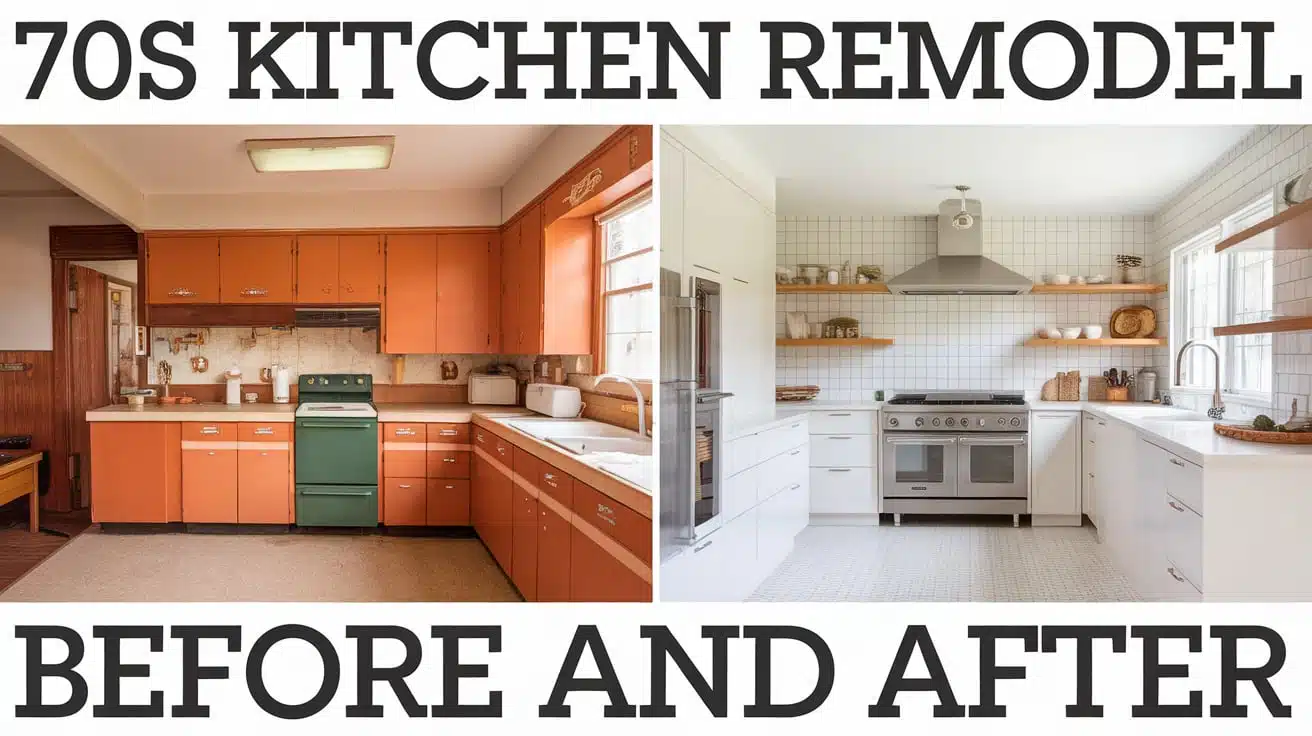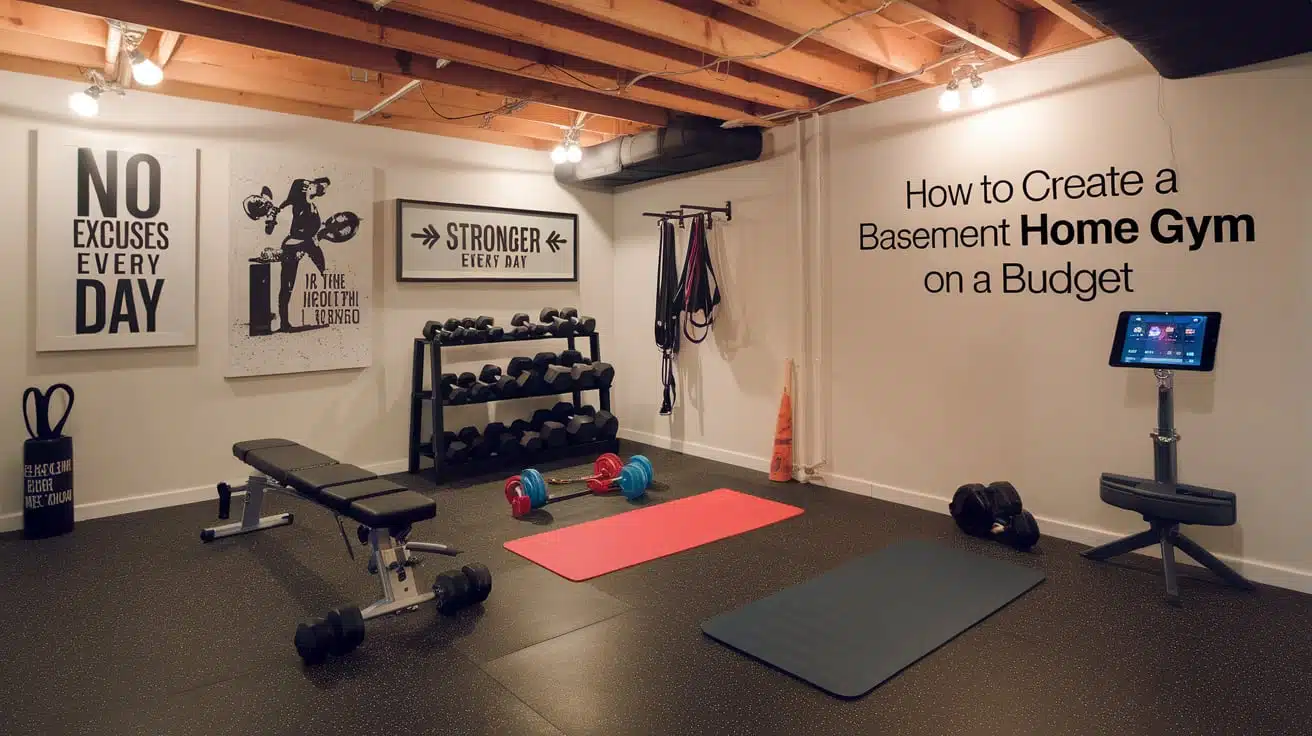

Starting a whole home remodel sounds exciting, but it can quickly go off track. Costs spiral, timelines stretch, permits become confusing, and suddenly you are juggling too many decisions at once.
Most people do not struggle because of bad ideas. They struggle because they did not plan the process properly. If you are asking, trying to figure out how to approach a whole home renovation, you are at right place.
This blog breaks everything down into clear, practical steps so you can move from idea to execution without costly mistakes or unnecessary stress.
What Is a Whole Home Remodel?
A whole home remodel involves updating most or all parts of a home at once, including changes to the layout, systems, and finishes.
Unlike a partial remodel, a whole home renovation usually includes kitchens, bathrooms, flooring, electrical and plumbing systems, HVAC, roofing, and sometimes structural changes, focusing on specific spaces like a kitchen or bathroom such as removing walls or reconfiguring floor plans.
People usually choose a whole home remodel when the property is outdated, has functional issues, or no longer fits their needs, especially if the location is desirable.
For many people researching “whole home remodel where to start,” this stage is about deciding whether the home is worth transforming or replacing.
However, moving may be a better option if renovation costs approach or exceed the home’s market value, or if major structural problems make a whole home renovation impractical.
How to Plan Your Whole Home Remodel the Right Way?
Planning a whole-home remodel requires clear decisions on goals, budget, priorities, team, and legal requirements to avoid costly mistakes and delays.
1. Define Goals and Scope
Start by clearly identifying what you want from your whole home remodel, balancing daily living needs with long-term resale value.
If you are figuring out “whole home remodel where to start,” this step sets the foundation. Decide whether you need a full, whole-home renovation or just a partial update based on your home’s condition and goals.
It is also important to distinguish between structural changes, such as removing walls, and cosmetic upgrades, such as finishes. Prioritizing layout, space use, and functionality will guide all future decisions.
2. Set a Realistic Budget
Establish a budget that reflects the scope of your whole-home renovation. Most US projects range from $100,000 to $300,000 or more, depending on size and complexity.
Always include a contingency fund of 10–20% to cover unexpected expenses. As part of your home renovation checklist, break down costs into labor, materials, and permits to maintain clarity.
Avoid underestimating costs, as this is a common reason a whole home remodel exceeds budget.
3. Plan Key Upgrades
Focus on improvements that Improve both function and efficiency throughout your whole-home remodel.
Open layouts can improve flow and usability, while energy-efficient systems help reduce long-term costs. Adding usable space, such as a home office or storage, can increase both comfort and property value.
Including these priorities early in your home renovation checklist ensures your whole home renovation stays aligned with your goals.
4. Hire the Right Team
Working with experienced professionals ensures your whole home remodel is executed correctly.
A designer can assist with layouts and finishes, while a licensed and insured contractor handles execution. Comparing multiple bids and checking references should be part of your home renovation checklist to help you make a reliable decision.
This step is critical when deciding “whole home remodel where to start,” as the right team directly impacts results.
5. Understand Permits and Regulations
Before starting construction, review all local building codes and permit requirements for your whole home renovation.
Most projects require approvals for electrical, plumbing, and structural work. If applicable, check HOA rules to avoid conflicts. Adding permits and approvals to your home renovation checklist helps prevent delays and future legal issues.
6. Prioritize Work in the Right Order
Following the correct sequence is essential for a successful whole-home remodel.
Start with structural and safety upgrades, such as foundations, roofs, electrical, and plumbing. Then focus on kitchens and bathrooms for better usability and value.
Improve efficiency with HVAC, insulation, and windows, then make layout changes to better use space. Complete flooring and interior finishes after major work, handle exterior repairs, and finish with safety checks and required inspections.
Organizing these steps into your home renovation checklist keeps your entire renovation on track and reduces costly rework.
Whole Home Remodel Costs and Timeline Breakdown
Understanding the cost and timeline of a whole home remodel helps you plan realistically and avoid unexpected delays or budget overruns.
| Category | Details |
|---|---|
| Average Total Cost (US) | $48,600 (ranges from $17,700 to $79,400 for basic to mid-range projects) |
| Typical Full Remodel Range | $100,000 to $300,000+ depending on size, location, and upgrades |
| Cost per Square Foot | $10 to $150 per sq. ft. |
| Bathroom Cost | $6,700 to $28,000 |
| Kitchen Cost | $14,600 to $40,000 |
| Laundry Room Cost | Around $6,000 |
| Living Room Cost | $5,000 to $10,000 |
| Bedroom Cost | $1,500 to $5,500 |
| Planning & Design Timeline | 1–3 months |
| Permits & Approvals Timeline | 2–8 weeks |
| Construction Timeline | 3–9 months |
| Major Cost Components | Labor, materials, permits, plus 10–20% contingency |
| Key Cost Drivers | Home size, material quality, contractor availability, scope changes |
| High-Cost Areas | Kitchens, bathrooms, and utility spaces require plumbing and electrical work |
Smart Whole Home Remodeling Ideas to Consider
look in the right remodeling ideas can help you improve functionality, increase home value, and make better use of your space without unnecessary changes.
1. Open Floor Layouts for Better Flow

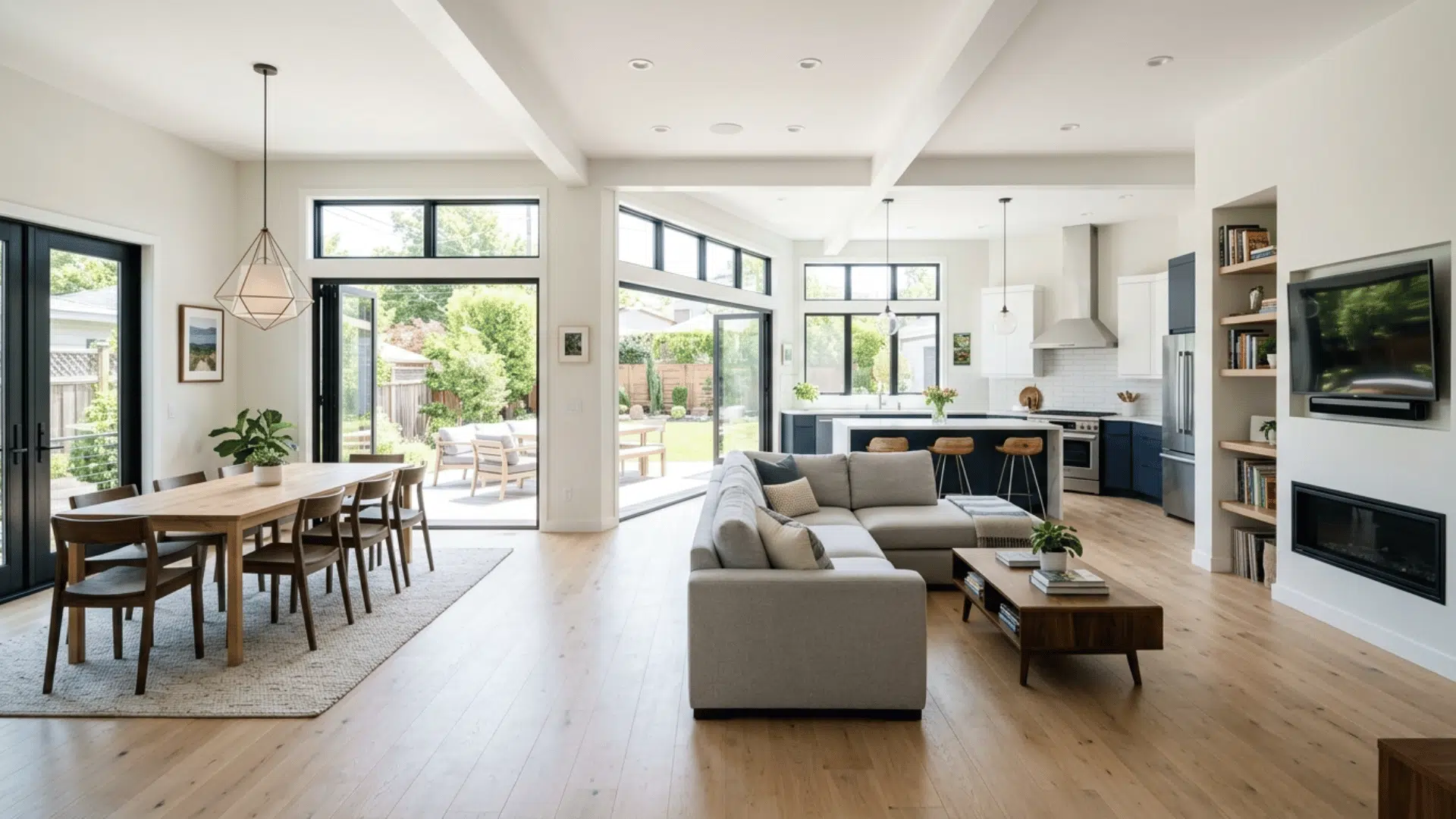
Removing unnecessary walls can create a more connected and functional living space. Open layouts improve natural light and make rooms feel larger, and they are especially popular in modern US homes.
- Improves interaction between living, dining, and kitchen areas
- Increases natural light across spaces
- Makes smaller homes feel more spacious
2. Upgrade Kitchen Functionality

Focus on improving storage, layout, and workflow rather than just aesthetics. Adding an island, better cabinets, and efficient appliances can significantly improve daily use and home value.
- Optimize the kitchen work triangle for efficiency
- Add smart storage like pull-out cabinets
- Upgrade to energy-efficient appliances
3. Modernize Bathrooms for Comfort

Updating bathrooms with better ventilation, fixtures, and layouts improves both usability and long-term value. Walk-in showers and double vanities are common upgrades.
- Improve ventilation to prevent moisture issues
- Use durable, easy-to-clean materials
- Add features like double sinks or storage
4. Add Energy-Efficient Features

Installing energy-efficient windows, insulation, and HVAC systems helps reduce utility bills and improve indoor comfort. These upgrades also appeal to future buyers.
- Lower monthly energy costs
- Improve indoor temperature consistency
- Qualify for tax credits or rebates
5. Create Flexible Living Spaces

Adding a home office, guest room, or multi-use space makes your home more adaptable to changing needs, especially for remote work or growing families.
- Design spaces that serve multiple purposes
- Plan for future lifestyle changes
- Maximize unused areas like basements or corners
6. Improve Storage Solutions

Built-in storage, closets, and organized spaces reduce clutter and improve functionality without increasing square footage.
- Use vertical space for extra storage
- Add custom closets or shelving
- Reduce clutter and improve organization
7. Improve Outdoor Living Areas

Upgrading patios, decks, or landscaping extends usable space and improves overall property value, especially in areas where outdoor living is common.
- Create functional outdoor seating areas
- Improve curb appeal and first impression
- Add features like lighting or shade structures
Common Mistakes to Avoid
Avoiding common mistakes can save time and money and prevent unnecessary stress during a whole-home remodel.
- Starting without a complete plan and a clearly defined scope
- Underestimating the total budget and not setting aside a contingency fund
- Choosing the cheapest contractor instead of prioritizing experience and reliability
- Making design or material changes after construction has started
- Ignoring permits, inspections, and local building regulations
- Not setting a realistic timeline, leading to delays and cost overruns
- Poor communication with contractors and a lack of regular progress tracking
Final Thoughts
A well-planned whole-home remodel can save both time and money while reducing costly mistakes along the way.
Taking a structured approach, from defining goals to hiring the right professionals, ensures each step of your whole home renovation supports the overall outcome.
Breaking decisions into phases helps you stay in control of the budget and timeline without feeling overwhelmed, especially if you are figuring out “whole home remodel where to start.”
A clear strategy is what separates a smooth whole-home renovation from one filled with delays and extra costs.

Holding a Master’s in Architecture from the University of Texas at Austin, Emily Rodriguez has dedicated more than two decades to the art and science of building renovation. Starting her journey in historic preservation, she developed a profound respect for blending old with new in building design. Emily became a vital part of our team in 2019, renowned for her insightful and innovative renovation tips. She has been leading our DIY home improvement series since ever since, where she shares her wealth of knowledge in turning outdated spaces into modern havens. When not engaged in writing or consulting, Emily is a passionate advocate for heritage conservation and enjoys exploring vintage architecture, a hobby that complements her professional expertise.