
As energy costs continue to escalate, it has caused many homebuyers to seek not only smarter but also more sustainable ways of heating and cooling their spaces.
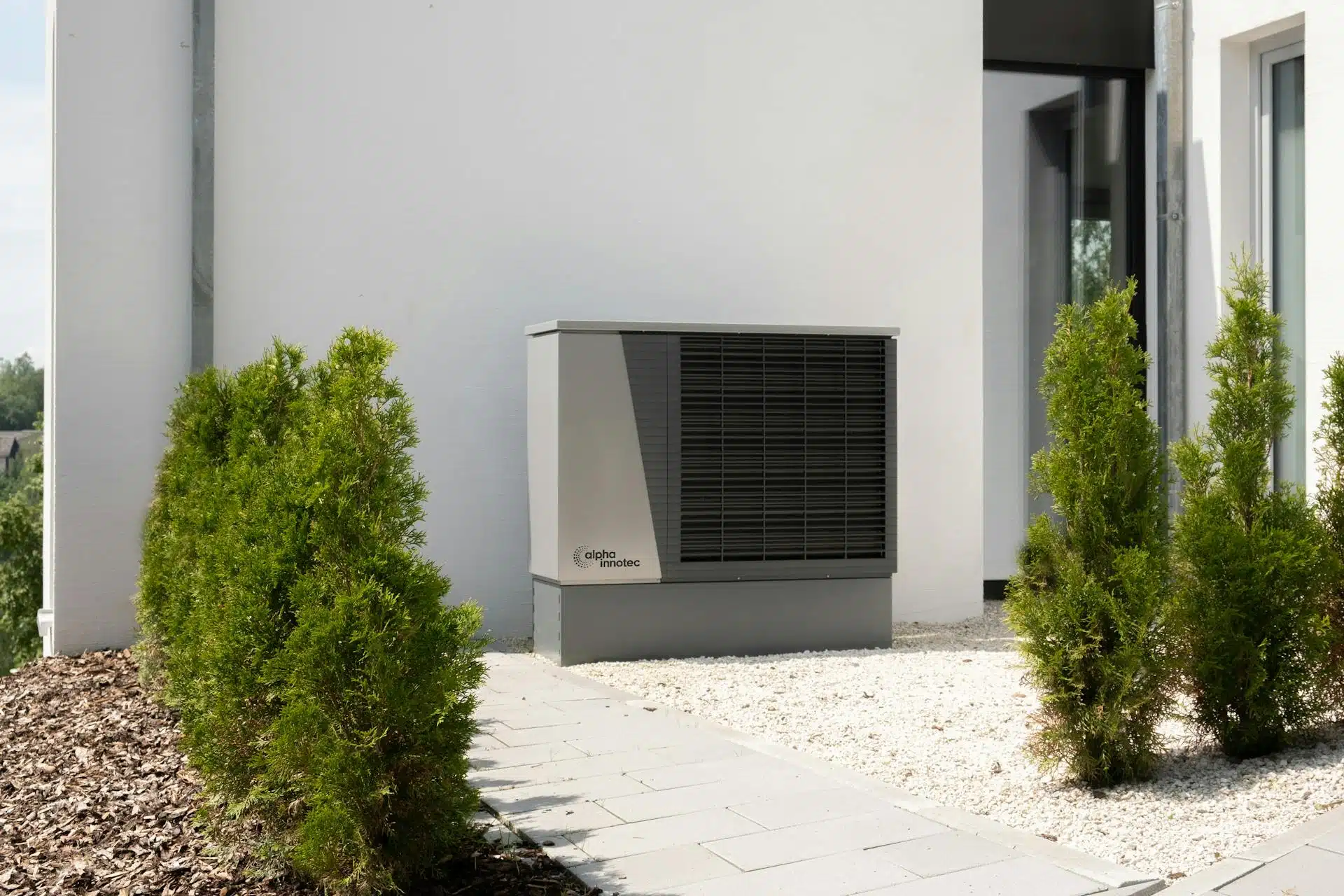
Heat pumps have emerged as a highly popular solution because, different from other traditional systems that actually generate heat or cold air, they work in the way of heat transfer, which makes them very efficient and environment-friendly. Be it residential or commercial, with heat pumps, comfort is guaranteed throughout the year with long-term savings.
Below are the top 10 benefits of heat pumps for efficient heating and cooling.
1. High Energy Efficiency
One of its greatest advantages is that it is extremely energy-efficient. Rather than using fuel or electrical energy to produce heating directly, a heat pump involves transferring heating from one location to another. It is a process that requires far less energy compared to other heating technologies such as furnaces or electric space heaters.
Often, a heat pump is able to provide three to four units of energy for every unit it consumes. This makes a heat pump one of the most efficient systems available.
2. Heating and Cooling in One System
Heat pumps heat and cool using the same system. It draws heat from the outside air or ground during cold months, moving it indoors. During warmer weather, it reverses that process: removing the heat from inside the building to cool the space.
Another very important advantage is that it performs a dual role, where heating and air conditioning systems are usually separate, necessitating increased space, cost, and maintenance.
3. Lower Energy Bills
A heat pump consumes less energy to function. This may result in huge advantages when it comes to energy bills. Although the installation of the heat pump may end up being more expensive than some of the other systems, this may not necessarily be the case.
Over time, lower energy usage means lower running costs, ensuring heat pumps remain a cheap alternative for homeowners and business owners alike.
4. Environmentally Friendly Solution
Heat pumps also qualify as a green and eco-friendly technique or method because heat pumps give off fewer carbon emissions compared to gas or oil-based heating systems, which mostly encompass gas or oil as the heating source.
When combined with renewable energy sources such as solar energy, heat pumps can significantly lower the carbon emissions of a building, thus contributing towards living sustainably on a global platform.
5. Consistent and Comfortable Indoor Temperatures
Heat pumps also have a good reputation for being able to provide consistent temperatures throughout a given area. Heat pumps do not turn off and on like conventional systems; therefore, there will be no sudden changes in temperature.
It therefore leads to more comfortable space inside, which is less prone to cold or hot spots.
6. Improved Indoor Air Quality
Since heat pumps operate by circulating fluids without combustion, they do not generate smoke, fumes, or dangerous gases such as carbon monoxide. This simply makes them a safer and much healthier option for indoor air quality.
Additional features to help reduce dust, allergens, and pollutants add to the general cleanliness and healthiness of your living space.
7. Quiet Operation
Contemporary heat pump systems are engineered to run quietly. In this way, heat pump systems can be applied not only in residential areas but in commercial too. Heat pump systems are quieter compared to traditional HVAC systems when working.
This quiet mode provides better comfort.It is recommended for bedrooms, living rooms, as well as working space.
8. Long Lifespans & Easy Maintenance Requirements
The remaining lifetime of heat pumps is expected to be much longer compared to that of conventional heating, ventilation, and air conditioning systems. Assuming that they are properly maintained periodically, they should last for about 15 to 20 years or even longer.
They also require less maintenance, given the fact that the number of components exposed to high heat is relatively low. Simple maintenance will ensure the continued efficiency of the system over several decades.
9. Adaptability to Different Climates and Properties
Heat pumps can be applied in many different ways. They can be applied in different environmental conditions. With the latest technology, heat pumps are working efficiently in some of the coldest environments, unlike previous designs.
They are suitable for:
- Single Family Homes
- Apartments
- Offices
- Commercial buildings
- New construction, retrofit projects
This makes heat pumps a viable solution for a variety of uses.
10. Increased Property Value
Adding a heat pump will enhance the value of the property. Energy-efficient systems will attract customers who desire lower utility bills and eco-friendly houses.
With more stringent regulations on energy usage, as well as growing pressures towards sustainability, properties with heat pump systems are considered future-ready.
Conclusion
Heat pumps are energy efficient, economical, as well as environmentally friendly solutions for both cooling and heating. From saving energy consumption to lower carbon emissions, ease of operation to improvements in air quality, there are many advantages to heat pumps, which are paving their way to becoming one of the most popular systems for buildings.
Whether you are upgrading an existing system or planning a new installation, making an investment in a heat pump is an excellent choice that brings you long-term comfort, savings, and sustainability.

Tommy Hardy, an alumnus of the Georgia Institute of Technology with a degree in Mechanical Engineering, has been a go-to figure in residential upkeep and innovation for over 18 years. His career commenced in a leading home appliance manufacturing company, where he mastered the intricacies of household systems. Joining our platform in 2020, Tommy quickly became a reader favorite for his practical and easy-to-follow guides. He took the helm of our DIY section in 2019, consistently delivering content that empowers homeowners. Beyond his professional pursuits, Tommy is a passionate gardener and enjoys woodworking, skills enhancing his hands-on approach to home care.