Quick Answer
If your home feels colder than usual despite the thermostat being set correctly, your furnace is making banging or squealing noises, or you notice a spike in energy bills, it’s likely time for professional attention.
Other red flags include frequent on-off cycling, yellow pilot light flames, dusty or stale-smelling air, and uneven heating between rooms. Ignoring these signs can lead to complete system failure – especially during freezing temperatures – so addressing them early helps maintain comfort, safety, and efficiency.
Introduction
Winter in Canada can be relentless. One day, your home feels cozy and evenly warm; the next, you’re reaching for extra blankets while wondering why certain rooms feel like iceboxes. These inconsistencies aren’t just uncomfortable – they’re often the first whispers of a deeper issue within your heating infrastructure.
When your system starts showing unusual behaviour, a reliable solution is often closer than you think. Many homeowners turn to trusted local support like furnace repair Calgary for fast, knowledgeable assistance – especially when temperatures plummet overnight.
Rather than guessing what’s wrong or risking a temporary fix, it’s wise to understand the clear signals that point to a need for expert intervention. Recognizing these signs early can prevent minor glitches from turning into major, costly breakdowns – and keep your household safe and warm all season long.
Top Signs Your Home’s Furnace Needs Professional Repair
When your furnace begins to falter, it rarely fails without warning. Most systems send clear – though sometimes subtle – signals that something’s amiss. Recognizing these indicators early can mean the difference between a minor adjustment and a full-blown emergency during a snowstorm. Below are the most common and telling signs that it’s time to call in a trained professional.
1. Unusual or Loud Noises
A well-functioning furnace operates quietly. If you hear banging, popping, squealing, or grinding sounds during startup or while running, it could point to issues like a cracked heat exchanger, loose components, or a failing blower motor. Ignoring these sounds may accelerate wear or create safety hazards.
2. Inconsistent or Inadequate Heating
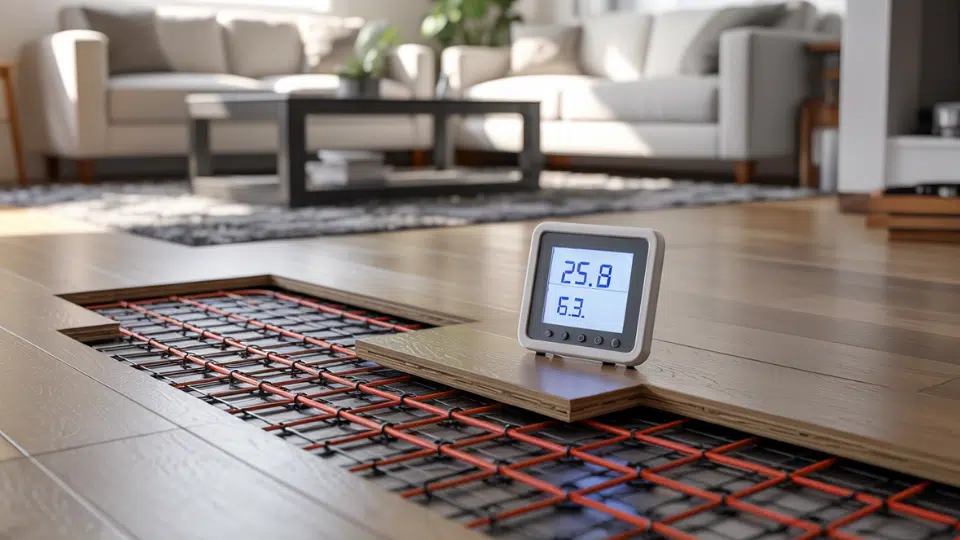
Cold spots in certain rooms – even with the thermostat set consistently – suggest airflow problems, duct leaks, or an undersized or aging unit. If your home never reaches the desired temperature, the system may be struggling to keep up due to internal faults.
3. Frequent Cycling (Short Cycling)
When your furnace turns on and off every few minutes, it’s known as short cycling. This not only reduces comfort but also strains the system, leading to premature wear. Causes range from a dirty air filter to an overheating heat exchanger or an incorrectly sized unit.
4. Rising Energy Bills Without Increased Usage
If your heating costs climb unexpectedly while your usage habits remain unchanged, your furnace might be losing efficiency. This inefficiency often stems from dirty burners, clogged filters, or failing components that force the system to work harder.
5. Yellow Pilot Light or Flame
In gas-powered systems, a healthy flame burns blue. A yellow or flickering flame can indicate incomplete combustion – often due to dust, improper venting, or even carbon monoxide production. This is a serious red flag that requires immediate attention.
6. Poor Indoor Air Quality or Dust Buildup
An increase in dust, dry air, or stale odours may be linked to a malfunctioning furnace. Cracked components or leaky ductwork can pull in contaminants or circulate unfiltered air throughout your home – aggravating allergies and reducing overall air quality.
7. Thermostat Commands Are Ignored
If your furnace doesn’t respond promptly – or at all – to thermostat adjustments, the issue might lie in the control board, wiring, or sensor calibration. This isn’t just inconvenient; it can leave you unprepared during sudden cold snaps.
To help homeowners assess urgency, here’s a quick-reference guide:
| Symptom | Possible Cause | Urgency Level |
|---|---|---|
| Loud banging or squealing | Loose parts, failing motor, cracked exchanger | High – inspect ASAP |
| Yellow flame | Incomplete combustion, venting issue | Critical – safety risk |
| Short cycling | Overheating, dirty filter, wrong sizing | Medium to High |
| Skyrocketing energy bills | Reduced efficiency, aging components | Medium |
| Cold rooms despite thermostat | Duct leaks, blower issues, airflow blockage | Medium |
| Dusty air or burning smell | Dirty filters, internal debris, electrical fault | Medium to High |
While DIY troubleshooting like replacing filters or checking thermostat settings can help in mild cases, deeper issues demand expertise. This is where licensed HVAC technicians play a vital role – they have the training to diagnose complex problems safely and accurately, especially in tightly sealed modern homes where ventilation and gas safety are paramount.
What to Do Next: Smart Steps After Spotting Warning Signs
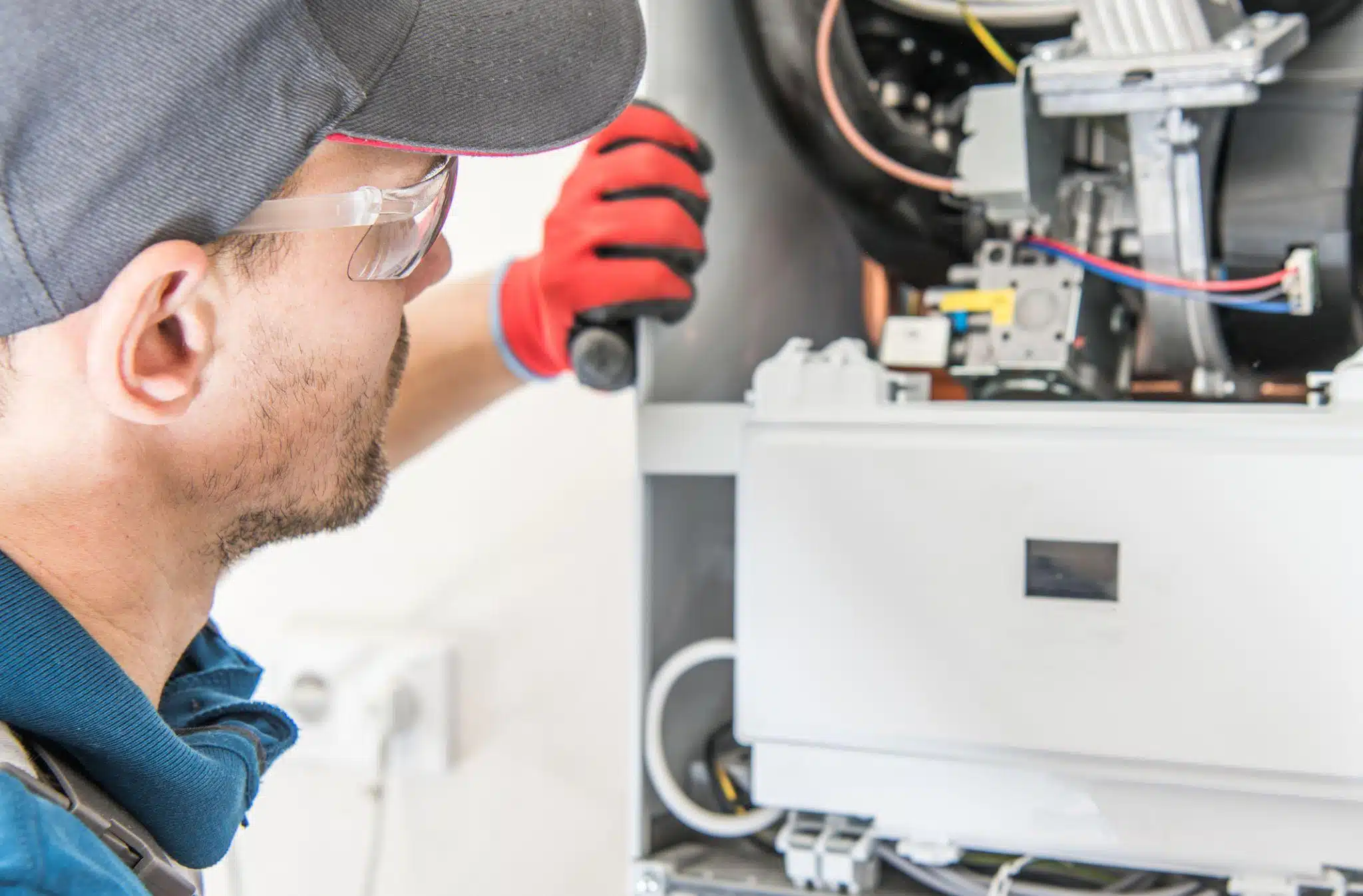
Noticing a furnace issue is only the first step – what you do next can significantly impact your safety, comfort, and repair costs. Rather than panicking or attempting risky fixes, follow a clear, practical path that prioritizes both immediate response and long-term reliability.
Know When It’s an Emergency
Some furnace problems demand same-day attention. If you smell gas, hear a persistent clicking without ignition, see soot around the unit, or your carbon monoxide detector goes off, emergency furnace service is essential. These situations can pose serious health or fire risks and should never be ignored – even if it’s late at night or during a holiday.
Avoid DIY Repairs on Core Components
While replacing a filter or adjusting the thermostat is safe for most homeowners, tampering with gas lines, electrical connections, or the heat exchanger is not. These require specialized tools, training, and safety protocols.
That’s why calling licensed HVAC technicians is non-negotiable for anything beyond basic maintenance. They’re certified to handle refrigerants, gas systems, and electrical diagnostics in compliance with Canadian safety codes.
Schedule a Professional Diagnostic
If your system is showing milder symptoms – like inconsistent heat or unusual cycling – a full diagnostic can uncover root causes before they escalate. Technicians use combustion analyzers, manometers, and airflow meters to assess performance objectively. This is far more effective than guesswork and helps avoid unnecessary part replacements.
Consider Preventive, Energy-Efficient Maintenance
Once your system is running properly again, prioritize ongoing care. Energy-efficient furnace maintenance isn’t just about cleaning – it’s about calibration, component inspection, and performance tuning.
A well-maintained unit can operate 15–20% more efficiently, lowering bills and reducing wear. Most experts recommend annual check-ups, ideally in the fall before heating season peaks.
When Replacement Makes Sense
If your furnace is over 15 years old, requires frequent repairs, or uses outdated technology (like a standing pilot light), upgrading may be more cost-effective than continued fixes. Modern units offer higher AFUE ratings, smart thermostat compatibility, and quieter operation.
Consult with winter heating repair specialists who can also advise on sizing and efficiency – ensuring your new system matches your home’s actual needs.
Build a Relationship with Trusted Professionals
Unlike one-off repairs, ongoing care works best with technicians who understand your system’s history. Whether you live in a historic home with unique ductwork or a newer build with a high-efficiency condensing furnace, consistent service from qualified experts leads to better outcomes. Look for providers who explain findings clearly, offer transparent pricing, and stand by their work.
Final Thoughts – Don’t Wait Until the Cold Wins
A furnace isn’t just a machine in your basement – it’s the quiet guardian of your home’s warmth, air quality, and daily comfort, especially during Canada’s long, unpredictable winters.
When it starts sending signals – whether through odd sounds, uneven heat, or unexplained spikes in your utility bills – it’s not just asking for attention. It’s warning you that something’s off, and timely action can prevent discomfort, danger, or costly system failure.
Many homeowners delay calling for help, hoping the problem will resolve itself or fearing high repair costs. Yet, the reality is that minor issues often grow exponentially when ignored. A cracked heat exchanger, a clogged condensate line, or a failing ignition system might seem like small glitches today – but next week, during a deep freeze, they could leave you without heat entirely.
That’s why understanding the signs and knowing when to involve qualified professionals is so valuable. Whether you’re troubleshooting a strange noise or planning your annual heating system troubleshooting check, the goal is the same: keep your system running safely, efficiently, and reliably.
Tommy Hardy, an alumnus of the Georgia Institute of Technology with a degree in Mechanical Engineering, has been a go-to figure in residential upkeep and innovation for over 18 years. His career commenced in a leading home appliance manufacturing company, where he mastered the intricacies of household systems. Joining our platform in 2020, Tommy quickly became a reader favorite for his practical and easy-to-follow guides. He took the helm of our DIY section in 2019, consistently delivering content that empowers homeowners. Beyond his professional pursuits, Tommy is a passionate gardener and enjoys woodworking, skills enhancing his hands-on approach to home care.