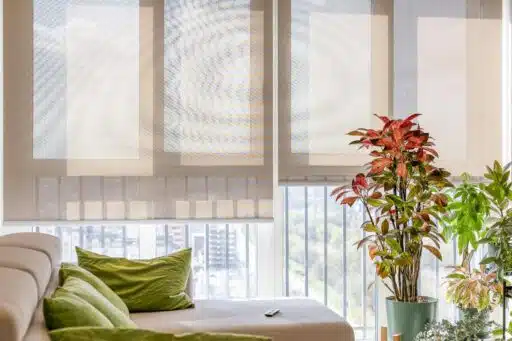
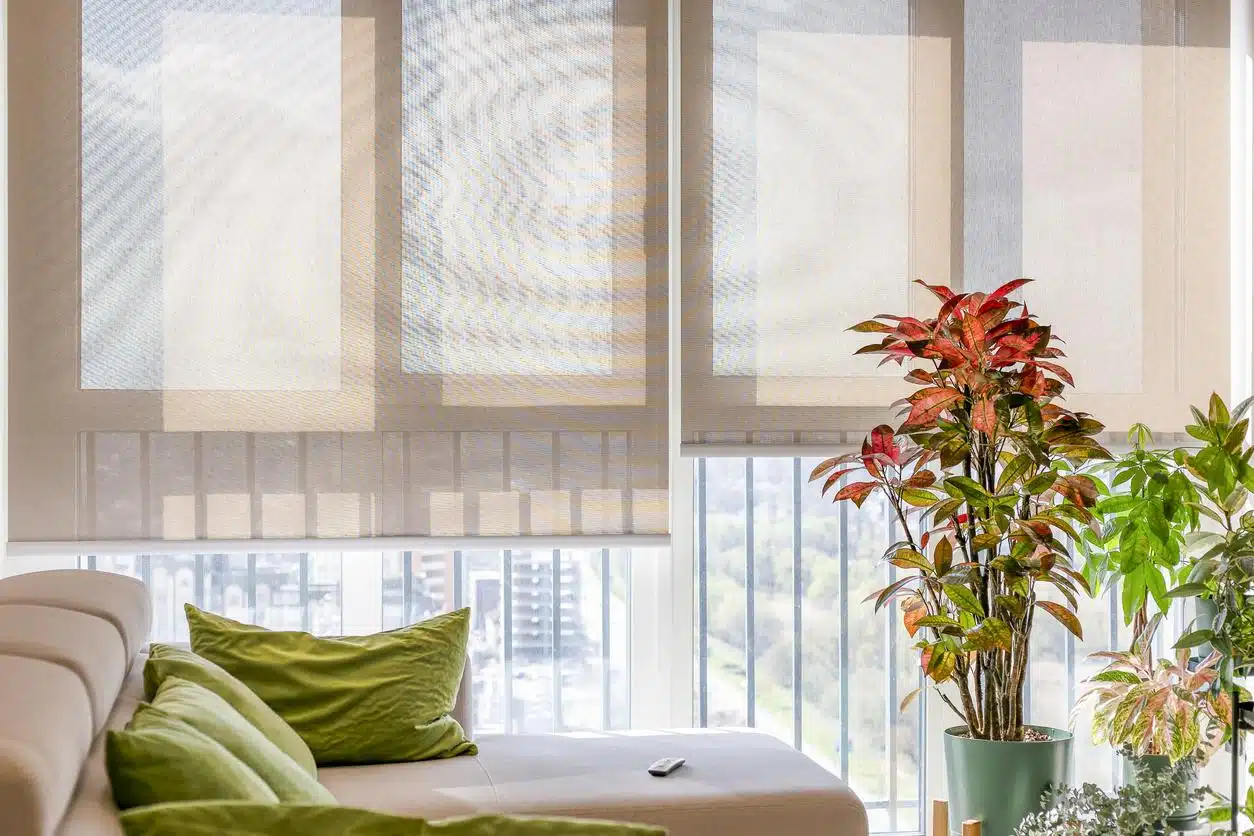

In 2026, the best smart home window solutions revolve around motorized smart blinds that work flawlessly with major ecosystems. Top features include voice-controlled blinds (Google Assistant, Alexa, Siri), precise app-controlled window blinds, scheduling, solar-powered batteries, and silent motors.
Systems now prioritize energy efficiency, child safety, and seamless retrofitting. Whether you choose roller, cellular or Roman styles, automation delivers convenience, privacy, and real utility bill savings every single day.
Introduction
Picture this: you’re rushing out the door on a frosty morning and realize you forgot to close the bedroom shades again. Instead of turning back, you simply say, “Hey Google, close all upstairs” while locking the front door, and every window instantly goes dark. Moments like these have turned automated window treatments from a nice-to-have into a daily essential for thousands of homeowners.
Local specialists Shade It Blinds in Calgary show how professional measuring and installation can make even complex multi-window setups perform perfectly from day one.
The technology has matured dramatically by 2026. Motors are quieter, batteries last years on a single charge, and integration feels effortless. Homeowners now expect their shades to respond to voice commands, follow sunrise/sunset schedules, and even adjust automatically when the HVAC kicks on.
Top Smart Window Treatment Options for 2026
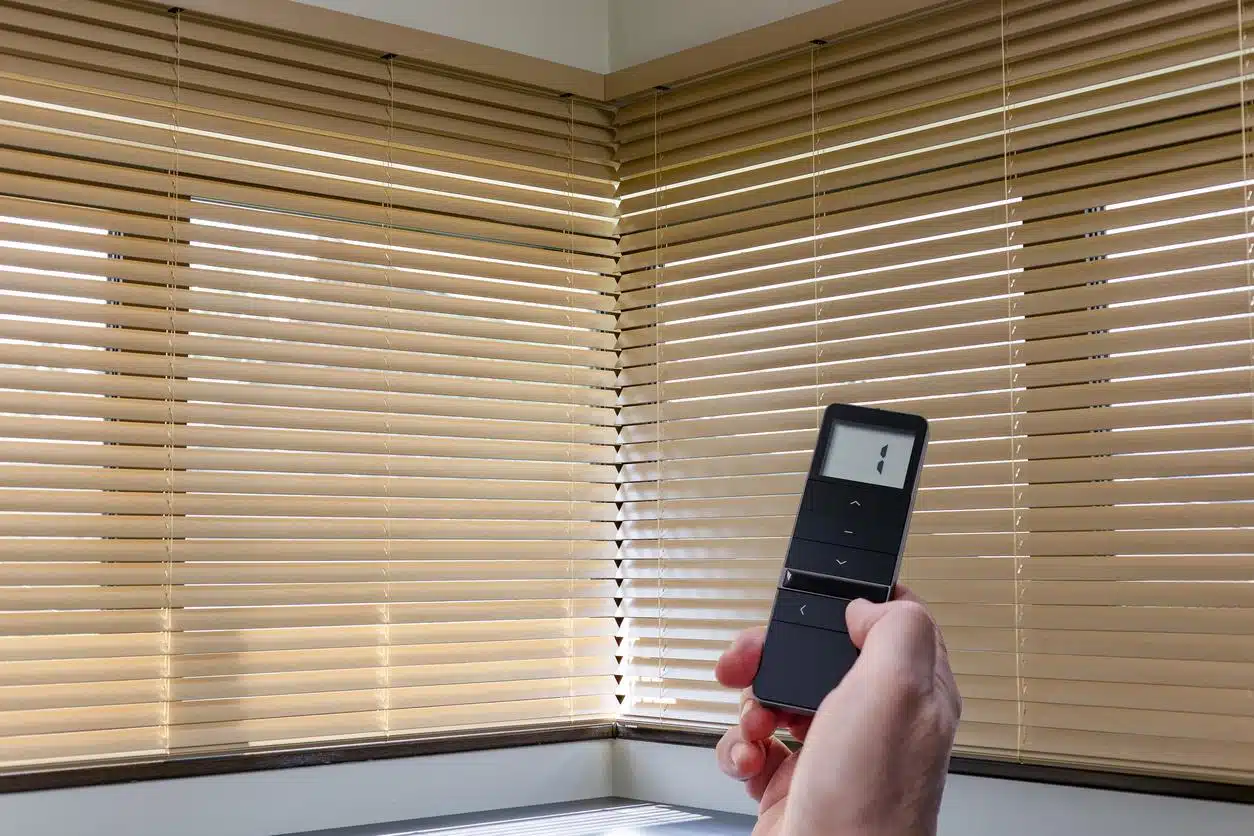
The days of choosing between “smart” and “stylish” are gone. Every major category of window covering now comes with reliable automation built in. Here are the four styles homeowners actually buy most often in 2026.
Roller Shades with Built-in Motors
Roller shades remain the bestseller for good reason: clean lines, huge fabric selection, and the lowest price point for full automation. Light-filtering, blackout, and solar-screen fabrics all work perfectly with motorized smart blinds. Many 2026 models include Google Assistant (Google Home blinds) or Amazon Alexa (Alexa compatible blinds) and dual-roller setups (one sheer, one blackout) on a single bracket so you can switch moods instantly via app or voice.
Cellular (Honeycomb) Shades for Insulation
Anyone prioritizing energy efficiency gravitates toward cellular shades. The honeycomb pockets trap air and create an insulating barrier that manual shades simply cannot match. Top-tier lines now pair cordless motorized operation with side tracks that eliminate light gaps, delivering R-values above 5.0 in double-cell configurations. These are especially popular in bedrooms and north-facing rooms.
Roman and Woven Wood Automated Shades
For homeowners who refuse to sacrifice warmth or texture, automated Roman shades offer soft folds that stack neatly when raised. Motors hide inside the headrail, preserving the tailored look. Similarly, woven wood and bamboo shades now ship with whisper-quiet lift systems that maintain the relaxed, natural aesthetic while adding scheduling and voice control.
Dual-Layer Day/Night Systems
Sometimes called zebra or transitional shades, these combine alternating sheer and opaque bands on a single continuous loop. A quick voice command or app tap shifts from full daylight to total privacy without changing shades. In 2026, most premium versions include independent motor control of each layer, giving you thousands of possible light combinations.
Each style integrates with the same hubs and apps, so you can mix roller shades in the kitchen, cellular in the bedrooms, and Roman in the dining room while controlling everything from one dashboard. The key is choosing the fabric and opacity first, then confirming the motor and connectivity options, never the other way around.
Comparison Table: Best Motorized Systems Available in 2026
Choosing the right automated window covering often comes down to five practical factors: power source, noise level, ecosystem support, warranty length, and relative cost. The table below compares the five systems homeowners and designers actually install most often this year.
System | Power Options | Noise Level | Native Ecosystem Support | Battery Life / Solar | Warranty | Relative Cost* |
|---|---|---|---|---|---|---|
Somfy WireFree RTS | Rechargeable Li-ion, Solar | <38 dB | Google, Alexa, SmartThings, HomeKit (via bridge) | 18–24 months / Yes | 5 years | $$ |
Lutron Serena | Rechargeable, Plug-in, Hardwire | <35 dB | HomeKit native, Alexa, Google, Matter | 12–18 months / Yes | 8 years | $$- $$$ |
IKEA FYRTUR/KADRILJ | Rechargeable only (USB-C) | ~42 dB | Zigbee (Tradfri hub), Google, Alexa | 6–12 months / No | 2 years | $ |
Tilt My Blinds (Eve) | Solar strip + small backup battery | <36 dB | Thread/Matter, HomeKit native, Google | Perpetual with sun | 5 years | $$-$ |
Budget Chinese Wi-Fi (Aqara, Zemismart) | Rechargeable, Solar add-on | 40–45 dB | Alexa, Google, Tuya/Smart Life | 12–15 months / Optional | 1–2 years | $$ |
*Average cost rating based on a typical 36″ × 60″ window, single window, including motor and basic fabric.
Quick takeaways from real-world installations in 2026:
- Somfy and Lutron dominate premium systems rarely need service calls and hold resale value.
- IKEA remains the gateway drug for first-time buyers who later upgrade.
- Solar-powered options (especially Tilt and Somfy) essentially eliminate battery anxiety in sun-facing windows.
- Matter and Thread support now decides most tie-breakers when future-proofing matters.
Pick the row that matches your budget and ecosystem first; fabric choice and exact sizing adjust from there.
Energy Efficiency and Cost-Saving Benefits
Automated window coverings have evolved into one of the most effective passive energy upgrades available to homeowners in 2026. When programmed thoughtfully, they deliver measurable reductions in heating and cooling demands without requiring behavioural changes.
How Automated Shades Reduce Energy Loss
Glass remains the weakest thermal link in most building envelopes. Motorized systems tackle the problem in three complementary ways:
- Blocking solar heat gain before it enters living spaces during summer peaks
- Trapping stationary air against windows in winter to slow conductive loss
- Responding instantly to changing conditions via sensors, timers, or weather feeds
Independent testing by Natural Resources Canada and ENERGY STAR confirms that well-implemented installations lower whole-home energy use by 10–25 % annually in climates with distinct seasons.
Real-World Savings and Payback Examples
Recent field data from 2026 installations shows consistent patterns:
- Average annual savings of $180–$420 for a typical 2,000 sq ft detached home with 15–20 windows
- Payback period of 3–6 years on mid-range cellular systems, faster with available utility rebates
- Additional indirect savings from reduced HVAC run-time and extended equipment life
Many regional utilities continue to offer $50–$150 instant rebates when documentation proves the app controlled window blinds meet minimum insulation and automation criteria.
Choosing Shades for Maximum Efficiency
Prioritize these features in voice controlled blinds when energy performance matters most:
- Double-cell honeycomb construction with side tracks for an airtight seal
- Light-coloured exterior-facing fabrics that reflect solar radiation
- Integration with indoor/outdoor temperature sensors or local weather APIs
When these elements align, the shades stop being decorative and start functioning as a genuine part of the home’s thermal control system – one that pays dividends every month the bill arrives.
Final Thoughts on Choosing Window Automation for 2026
The decision no longer hinges on whether to automate your windows, but on how soon you want the benefits to start. In 2026, reliable motorized smart blinds are quieter, cheaper to run, and easier to live with than the manual versions most homes still use. They deliver tangible daily comfort, real energy savings, and a cleaner, cord-free look that instantly modernizes any room.
Start small if you like: one bedroom or the sunniest west-facing window. Once you experience waking to gradual daylight, closing everything with a single “Good night,” or watching your heating bill drop the first winter, the rest of the house tends to follow quickly.
The future of window treatments has arrived, and it is remarkably simple, elegant, and ready for your home today.

Ava Taylor, holding a Bachelor’s degree in Interior Design from the Pratt Institute, has made her mark in creating engaging and functional living spaces for over 14 years. She began her career with a New York-based design studio, where she gained a reputation for her innovative and user-centric designs. Ava joined our team in 2019, bringing a blend of artistic flair and practicality to our home improvement section. Since the she has been the lead contributor to our room transformation series, inspiring readers with her unique approach to maximizing space utility and aesthetic appeal. Beyond her professional work, Ava is a passionate collector of vintage furniture, a hobby that enriches her design perspective.