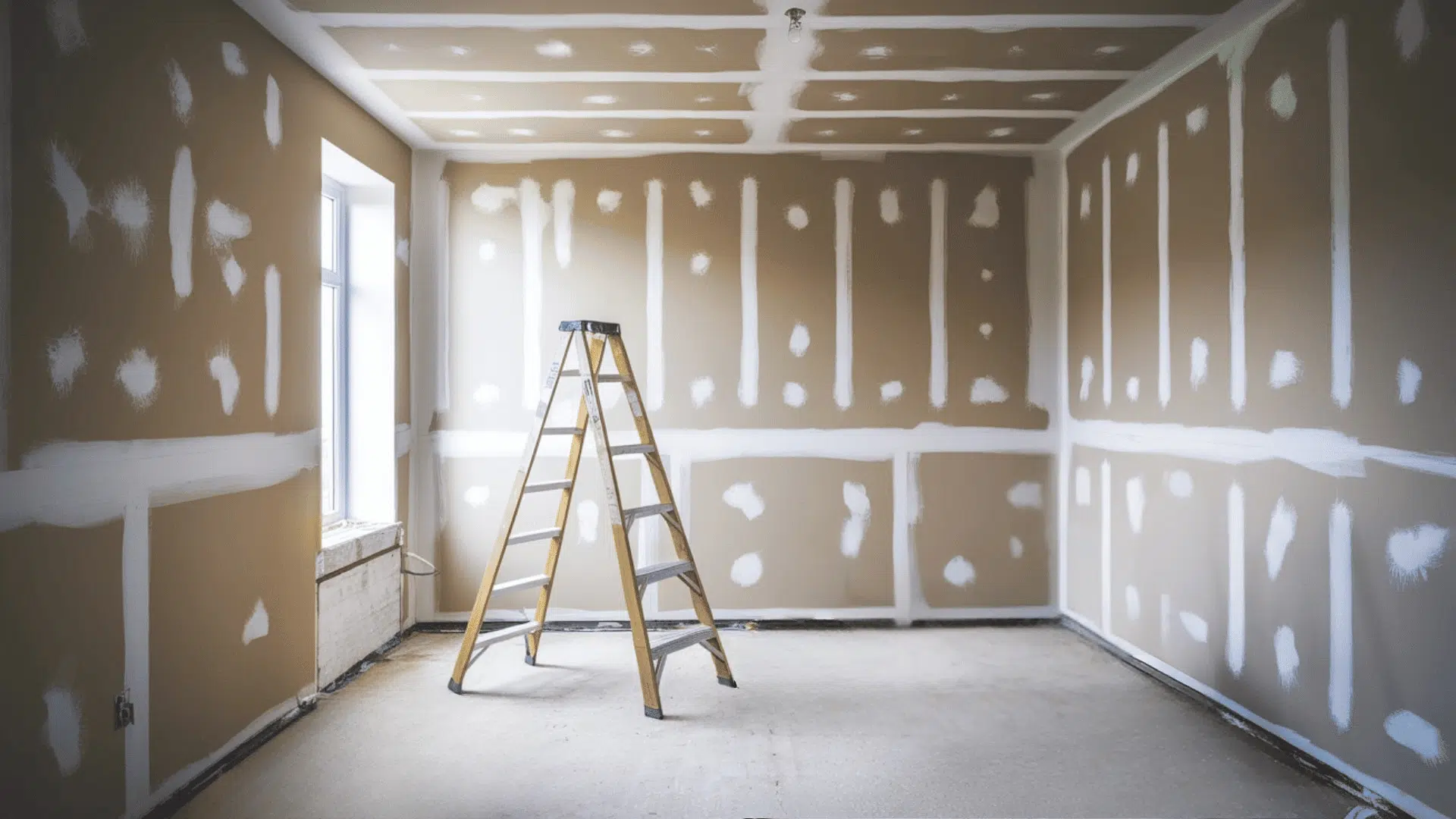

Drywall is an essential component in nearly every construction project, from residential homes to commercial spaces. However, drywall isn’t one-size-fits-all.
Whether you’re updating an existing space or designing from the ground up, choosing the right drywall type ensures optimal durability, functionality, and performance.
In this blog, you’ll see various types of drywall, each outlined with features, benefits, and recommended uses to help you choose the best option for your needs.
What is a Drywall?
Drywall, also known as gypsum board, is a material used to create smooth, sturdy surfaces for walls and ceilings. It is made from a gypsum core sandwiched between two layers of heavy paper.
The material is lightweight, easy to install, and relatively inexpensive. Drywall is used in almost every building project, from homes to commercial buildings.
While all drywall serves the same basic function, different types are better suited to different environments and needs.
For instance, some drywall is water-resistant, making it ideal for humid areas like bathrooms, while others are reinforced to resist impact and provide soundproofing.
Different Types of Drywall
Understanding these differences will help you choose the right drywall for your project, whether you’re building, renovating, or soundproofing a room.
1. Standard Drywall (Regular Drywall)
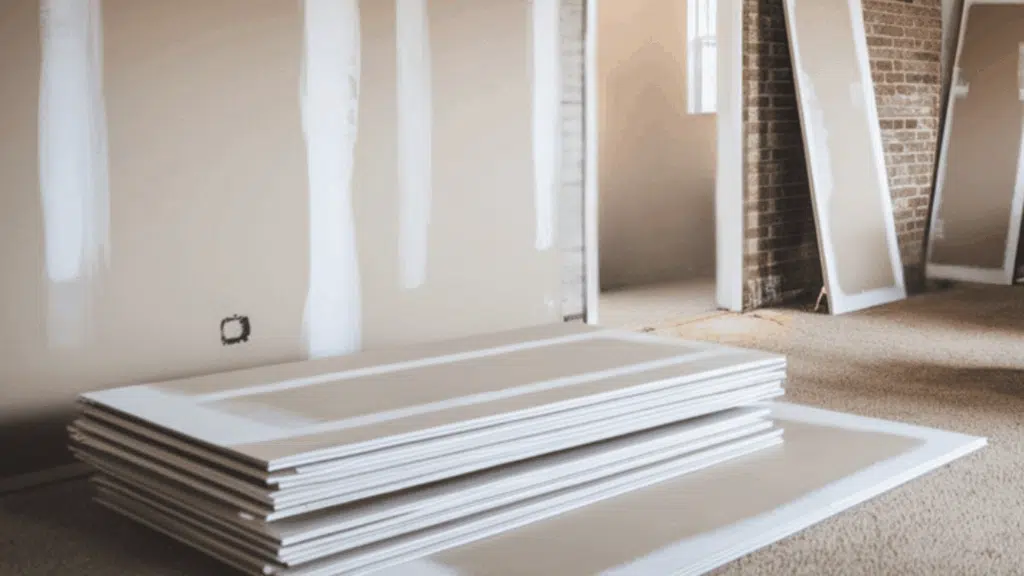
Standard drywall is the most widely used type of drywall in both residential and commercial construction due to its versatility and affordability.
This all-purpose material is perfect for most areas of a building, providing a smooth, sturdy surface for walls and ceilings.
It is easy to work with, as it can be quickly cut to size and installed with minimal effort, making it a favorite choice for DIY projects and large-scale constructions alike.
Benefits:
- Standard drywall is one of the most affordable options, making it a great choice for budget-conscious projects.
- It’s lightweight, making handling and installation straightforward and saving time and labor costs.
- It can be used in almost any dry area of the home or office, offering flexibility for different design needs.
Best for: Standard drywall is ideal for general walls and ceilings in living rooms, bedrooms, offices, hallways, and other dry areas. It is not recommended for places with high moisture levels.
2. Moisture-Resistant Drywall (Greenboard)
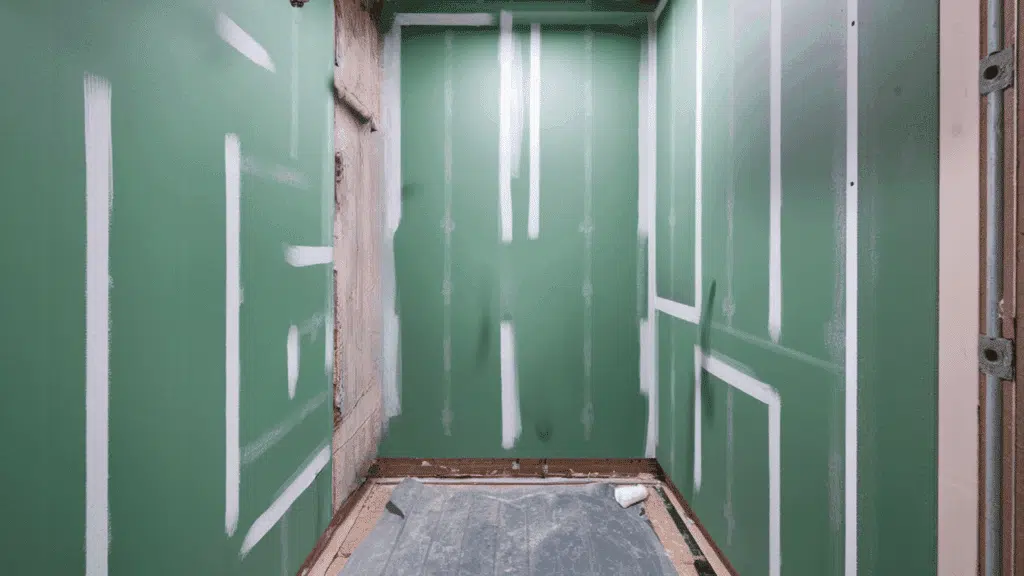
Moisture-resistant drywall, commonly known as “greenboard,” is specifically designed to withstand high humidity levels and moisture exposure.
Unlike regular drywall, greenboard is designed to withstand the challenges of high-moisture environments without deteriorating.
This type of drywall is not waterproof, but it offers significant protection against the damaging effects of moisture over time.
Benefits:
- It effectively resists moisture damage, making it a reliable choice for areas prone to high humidity.
- The water-resistant coating helps inhibit mold and mildew growth, which can be harmful to both the structure and indoor air quality.
Best for: Moisture-resistant drywall is ideal for bathrooms, kitchens, and laundry rooms, protecting walls from damage caused by steam, water, and humidity. It prevents mold growth and ensures long-lasting durability in high-moisture areas.
3. Mold-Resistant Drywall (Purple or Mold Tough)
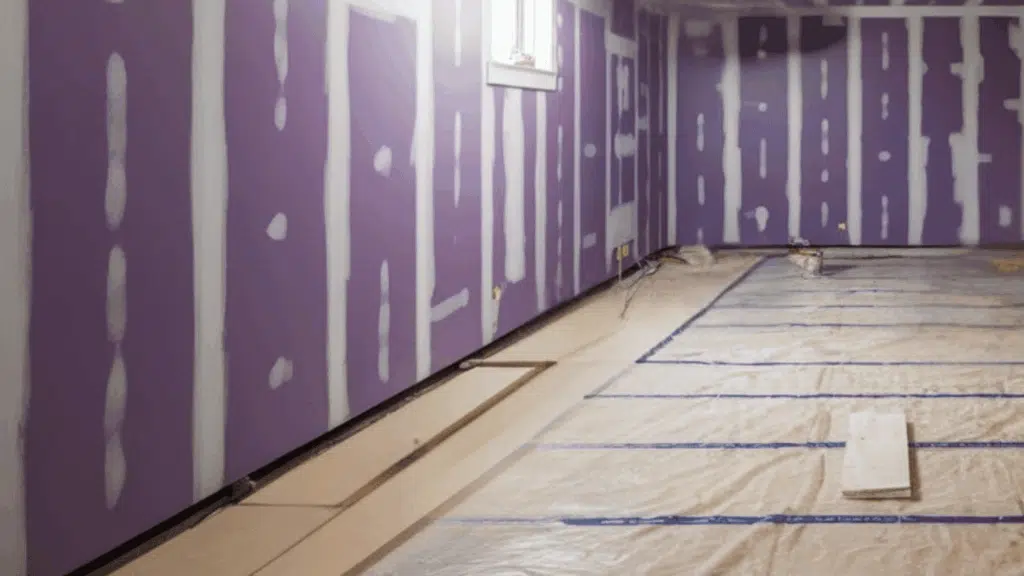
Mold-resistant drywall is specially treated with additional chemicals that help prevent the growth of mold and mildew, making it a valuable material for areas prone to high humidity.
This type of drywall typically features a purple coating that distinguishes it from standard drywall and indicates its superior moisture resistance.
The added treatment not only prevents the growth of mold but also ensures that the drywall can withstand exposure to moisture without deteriorating.
Benefits:
- By preventing mold and mildew buildup, this drywall helps maintain a healthier indoor environment, particularly in spaces where high humidity can contribute to respiratory issues or allergies.
- Mold-resistant drywall lasts longer in moist environments than regular drywall, reducing the need for frequent replacements.
Best for: Basements, often damp and poorly ventilated, benefit from mold-resistant drywall, which helps prevent mold growth. Similarly, kitchens and laundry rooms, where humidity and water spills are common.
4. Fire-Resistant Drywall
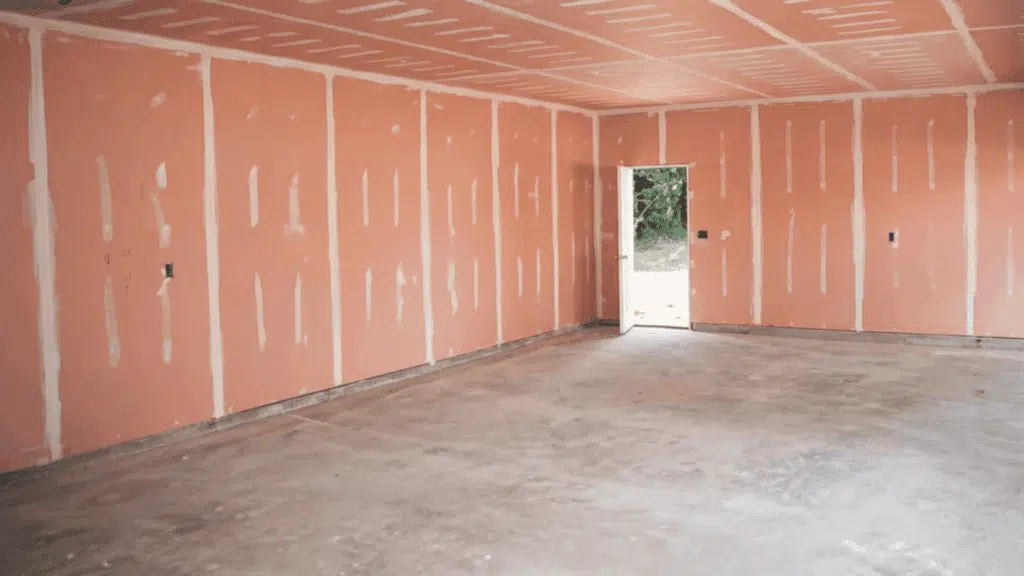
This type of drywall is ideal for areas requiring higher fire resistance, providing an additional layer of protection for buildings and occupants. It is commonly used in spaces where fire safety is a critical concern.
Fire-resistant drywall is specifically designed to provide enhanced protection against fire hazards.
The material is also treated with fire-retardant compounds, making it significantly more heat- and flame-resistant than standard drywall.
Benefits:
- Increases fire safety by delaying the spread of flames, giving extra time for evacuation.
- Helps contain fire, smoke, and heat, reducing potential property damage.
Best for: Fire-resistant drywall is essential for garages, kitchens, and commercial buildings, where fire risks are higher due to flammable materials or cooking appliances.
5. Soundproof Drywall
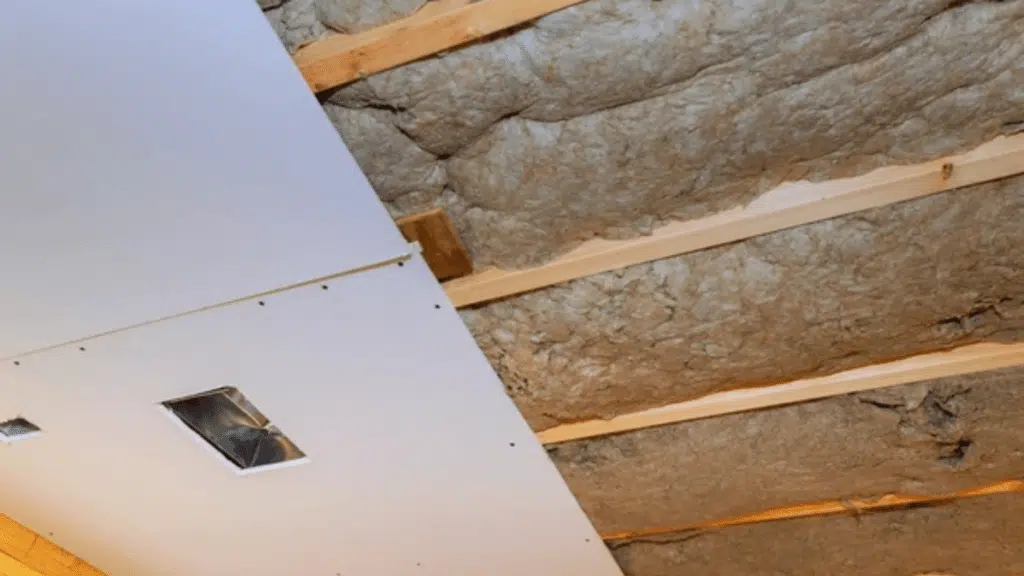
Soundproof drywall, also known as acoustic drywall, is specifically engineered to reduce sound transmission between rooms or floors.
It features additional layers of sound-dampening materials, such as dense cores, fiberglass, or soundproofing compounds, which help absorb and block noise.
This type of drywall is designed to minimize the impact of sound from neighboring rooms or external sources, making it an excellent choice for spaces where noise control is essential.
Benefits:
- Provides effective noise reduction by absorbing and blocking sound, making it ideal for spaces that require quiet or privacy.
- Perfect for reducing sound transmission in multi-story buildings, apartments, and offices where noise between rooms can be disruptive.
- Enhances privacy in shared living spaces, creating a more peaceful environment by minimizing internal and external noise disturbances.
Best for: Soundproof drywall is ideal for home theaters, music studios, and offices, providing effective sound isolation and reducing external noise interference.
6. Lightweight Drywall
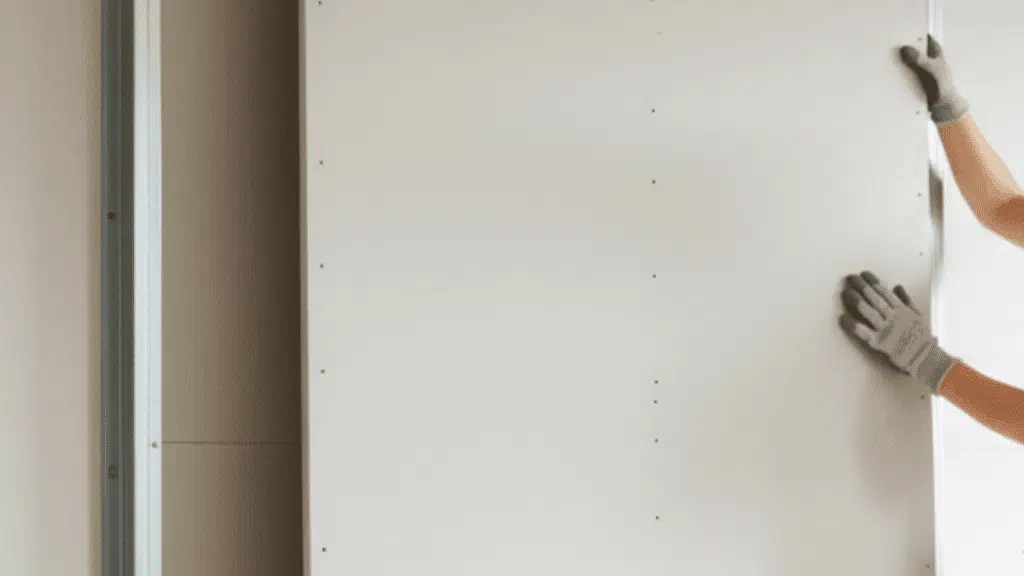
Lightweight drywall is a variation of standard drywall that weighs significantly less, making it easier to handle and install.
It is made with materials similar to traditional drywall, but with advanced technologies that reduce weight without sacrificing strength or durability.
This type of drywall is designed to be easier to cut and maneuver, especially for smaller teams or individuals working on DIY projects.
Benefits:
- Lightweight drywall is easier to lift, handle, and cut, making it ideal for both professionals and DIY enthusiasts.
- Its ease of use means less time and effort for installation, ultimately lowering labor costs.
- The reduced weight of lightweight drywall leads to lower transportation costs, making it more economical for larger projects
Best for: Lightweight drywall is ideal for DIY projects, ceilings, and small-scale renovations where ease of handling and faster installation are important.
7. High-Impact Drywall
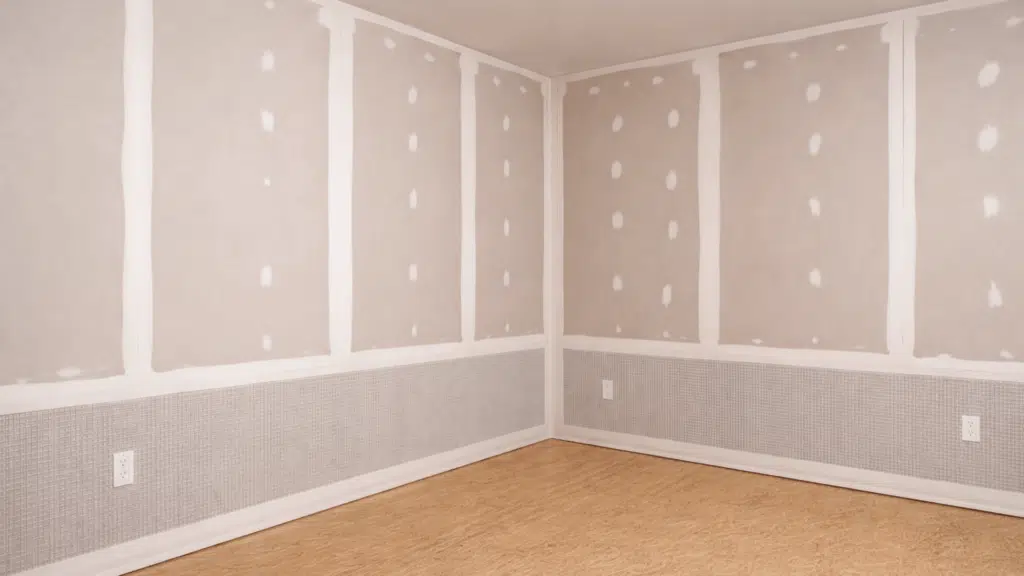
High-impact drywall is specially engineered to offer increased durability and resistance to physical damage, such as bumps, knocks, and scratches.
It is reinforced with additional materials, such as fiberglass or polymers, which strengthen the core and enhance its impact resistance.
This type of drywall is thicker and denser than standard drywall, making it much more resilient in high-traffic areas where walls are frequently touched.
Benefits:
- High-impact drywall is built to withstand physical contact without showing signs of damage, ensuring longevity.
- Its reinforced structure makes it perfect for spaces exposed to frequent bumps, reducing the need for repairs.
- By preventing damage and minimizing repairs, high-impact drywall helps lower long-term maintenance costs.
Best for: High-impact drywall is ideal for high-traffic areas such as hallways, schools, and hospitals, where walls are regularly bumped or scratched.
8. Paperless Drywall
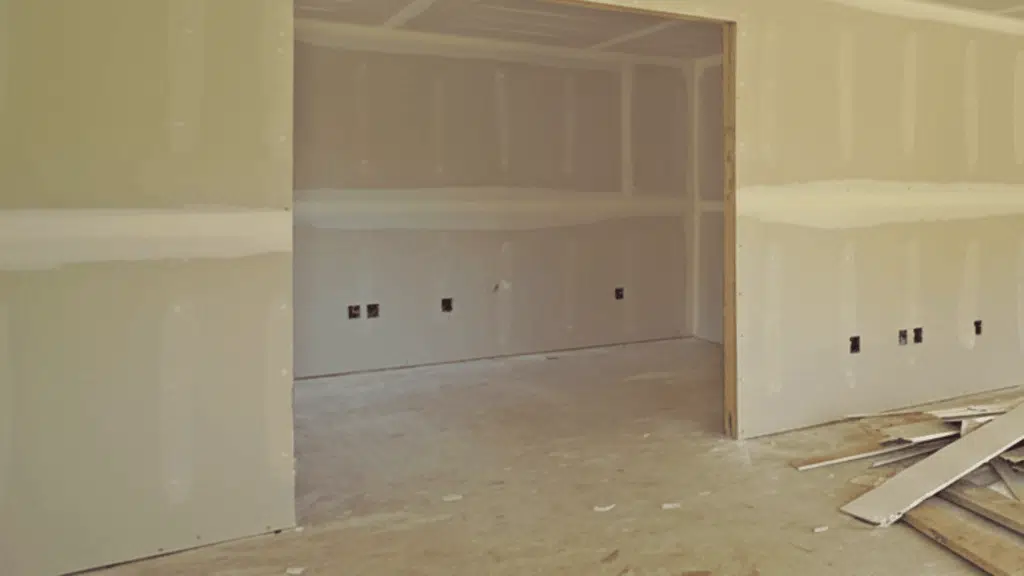
Paperless drywall is a specialized type of drywall that eliminates the traditional paper covering found on standard drywall.
Instead of paper, it uses fiberglass matting to encase the gypsum core, providing a more durable and moisture-resistant surface.
This unique construction makes paperless drywall highly effective in environments that are prone to humidity or dampness.
Benefits:
- Paperless drywall is designed to withstand moisture better than traditional drywall, making it ideal for high-humidity areas.
- The fiberglass matting prevents mold and mildew growth, reducing health risks and the need for mold remediation.
- This drywall is more durable in damp environments, offering greater longevity and requiring fewer repairs.
Best for: Paperless drywall is ideal for bathrooms, basements, and kitchens, where moisture levels are consistently high from activities like showers, sinks, and dishwashing.
Factors to Consider Before Choosing a Drywall
When choosing drywall for your construction or renovation project, several important factors should be considered to ensure you select the right type for the space.
- Choose Drywall Based on Specific Needs: Select drywall types based on the space’s unique requirements, such as moisture resistance for bathrooms, soundproofing for media rooms, or fire protection for kitchens.
- Thicker Drywall for Durability, Lighter Drywall for Ease: Thicker drywall provides greater durability, while lighter drywall is easier to handle and install, ideal for DIY projects or smaller spaces.
- Balance Cost with Performance: Balance cost considerations with the drywall features you need, such as moisture resistance, soundproofing, or fire protection, to ensure you’re getting the best value.
- Comply with Local Building Codes: Ensure the drywall meets local building codes and safety regulations for compliance with required standards.
- Consider the Visual Impact of Drywall Texture and Finish: Even though drywall is often hidden behind paint or wallpaper, the texture and finish can impact the overall aesthetic of the space, so choose finishes that complement your design.
Conclusion
Selecting the right drywall is more than just a matter of convenience; it’s essential for creating a space that is both functional and safe.
By considering the unique features of each drywall type, such as moisture resistance for wet areas, soundproofing for quiet spaces, or fire resistance for safety, you can ensure your project meets all necessary requirements.
Taking the time to choose the best drywall will not only enhance the durability of your walls but also contribute to the overall comfort and aesthetic of your home or commercial space.
With the right choice, your drywall will serve its purpose for years, providing long-term value and protection for your investment.

With a Master in Architectural Studies from University of Pennysylvania, Marwa Haydar has pioneered living spaces since 2005. Her expertise, initially honed in a prestigious architectural firm, is evident in her approach to creating environments. Marwa became part of our team in 2019 and has since been a driving force in our home improvement section, known for her practical yet stylish solutions. She’s been spearheading our design workshops since then, infusing her passion for teaching into her work. In her leisure time, Marwa enjoys exploring historic architecture and is an enthusiastic pottery hobbyist, further enriching her understanding of form and texture.