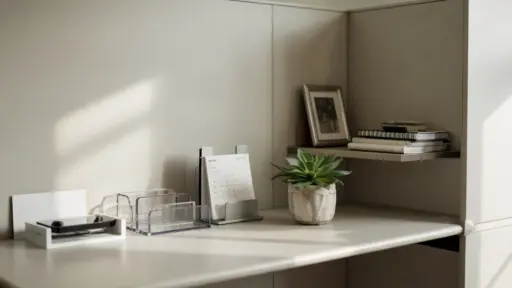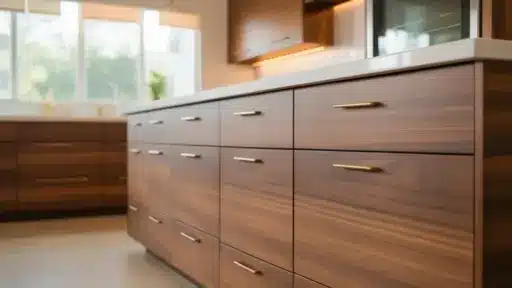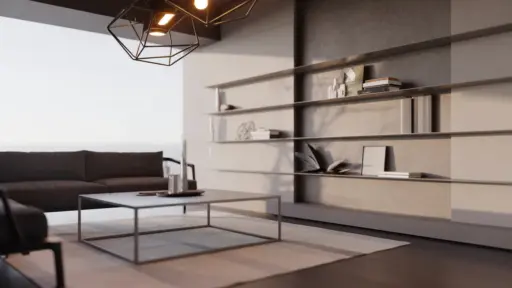
Interior spaces influence how people live, work, and interact with buildings, yet the role of professional interior design services is often misunderstood. For many clients, interior design is assumed to sit somewhere between decoration and personal taste.
In reality, it is a technical discipline that plays a central role in how buildings function, comply with regulations, and support long-term use.
Professional interior design services sit at the intersection of planning, coordination, and execution. They translate a client brief into spatial layouts, material strategies, and technical documentation that can be built, not just visualised.
When delivered properly, these services contribute directly to project clarity, cost control, and the quality of the finished environment.
This article explains what professional interior design services involve, how they fit within wider project teams, and why they are most effective when aligned with architectural design from the outset.
What Are Professional Interior Design Services?
Interior design services cover far more than finishes or furniture selection. At a professional level, they address how internal spaces are planned, detailed, and delivered within the constraints of a real building project.
Typical interior design services include spatial planning, layout development, material specification, lighting coordination, and the production of technical drawings. These drawings may cover joinery details, reflected ceiling plans, floor finishes, and interfaces with architectural and building services elements.
Interior designers also play a key role in interpreting the client brief. This includes understanding how spaces will be used, how users move through them, and what operational requirements must be met.
In commercial and hospitality projects, this may involve compliance with accessibility standards, fire regulations, and brand guidelines. In residential projects, it often includes storage planning, lighting strategy, and long-term flexibility.
Professional interior design services are not isolated tasks. They are part of a wider project system that includes architectural design, structural coordination, and construction delivery.
Interior Design vs Decoration
One of the most common misconceptions is that interior design and decoration are interchangeable. Decoration focuses on surface-level choices such as colour palettes, soft furnishings, and styling. Interior design, by contrast, is involved much earlier in the project process and has a technical dimension.
Interior designers work with scaled drawings, building regulations, and construction details. They coordinate with architects, engineers, and contractors to ensure that design decisions can be delivered on site. For example, changes to wall layouts, ceiling heights, or lighting positions affect multiple disciplines and must be resolved before construction begins.
This distinction matters because projects that treat interior design as an afterthought often encounter problems later. Poor coordination can lead to last-minute changes, cost increases, or compromised outcomes. Professional interior design services reduce these risks by addressing design decisions at the right stage.
The Relationship Between Interior Design and Architectural Design
Interior design services are most effective when developed alongside architectural design rather than applied after planning approval or structural decisions have been finalised.
Architectural design establishes the building’s form, structure, and regulatory framework. Interior design works within that framework to define how spaces function internally. When both disciplines collaborate early, decisions about layout, circulation, and building services can be aligned rather than corrected later.
This integrated approach is common within an architecture and interior design company, where teams work together from concept stage through to delivery. In these settings, interior designers are involved in early feasibility studies, planning layouts, and design reviews. Their input helps test whether proposed spaces work in practice, not just in drawings.
For clients, this alignment improves clarity. It reduces the gap between architectural intent and finished interiors, and it supports smoother coordination during construction.
What Clients Should Expect From Interior Design Services
Clients engaging professional interior design services should expect a structured process rather than a series of isolated design decisions.
The process typically begins with a briefing phase, where the designer gathers information about the project goals, budget, timeline, and operational needs. This may include reviewing existing architectural drawings or contributing to early concept design.
Concept development follows, where layout options, material approaches, and lighting strategies are explored. These ideas are tested against technical constraints and refined through client feedback.
As the project progresses, interior design services move into detailed design. This stage produces drawings and schedules that contractors can price and build from. Coordination with architectural design and building services is critical at this point, particularly in complex projects.
During construction, interior designers may also provide site support, responding to queries, reviewing samples, and checking that work aligns with the design intent. This involvement helps maintain consistency between the approved design and what is delivered on site.
Interior Design Services in Different Project Types
The scope of interior design services varies depending on the project type.
In residential projects, interior designers often focus on space planning, lighting, bespoke joinery, and material coordination. They help translate lifestyle requirements into practical layouts that work within planning and structural constraints.
In commercial and workplace environments, interior design services address efficiency, compliance, and user experience. This may include workstation planning, acoustic treatment, and coordination with mechanical and electrical systems.
Hospitality and mixed-use projects place additional emphasis on durability, maintenance, and operational flow. Interior designers work closely with operators to understand back-of-house requirements as well as guest-facing spaces.
Across all project types, the common thread is that interior design services support function as much as appearance.
Choosing the Right Interior Design Partner
Selecting the right provider of interior design services involves more than reviewing visual portfolios. Clients should consider how the designer works within project teams and how their services integrate with architectural design and construction processes.
Experience with similar project types is important, as is an understanding of regulatory requirements. Clients should also look for clarity in scope and deliverables, particularly around technical documentation and coordination responsibilities.
An architecture and interior design company can offer advantages for projects where alignment between disciplines is critical. With shared workflows and communication channels, design decisions are made with a clearer understanding of their wider impact.
Conclusion
Professional interior design services play a central role in shaping how buildings are used, experienced, and delivered. They go beyond visual choices to address layout, coordination, and technical detail.
When interior design is integrated with architectural design from the outset, projects benefit from clearer decision-making and fewer compromises during construction. For clients, understanding the scope and value of these services is the first step toward better project outcomes.
Interior design is not an optional extra. It is a core part of how thoughtful, well-resolved spaces are created.

With a Master in Architectural Studies from University of Pennysylvania, Marwa Haydar has pioneered living spaces since 2005. Her expertise, initially honed in a prestigious architectural firm, is evident in her approach to creating environments. Marwa became part of our team in 2019 and has since been a driving force in our home improvement section, known for her practical yet stylish solutions. She’s been spearheading our design workshops since then, infusing her passion for teaching into her work. In her leisure time, Marwa enjoys exploring historic architecture and is an enthusiastic pottery hobbyist, further enriching her understanding of form and texture.