

Homeowners’ insurance policies generally cover sudden and accidental water damage, including issues with plumbing, such as burst pipes or appliance malfunctions. Gradual leaks or maintenance-related problems usually are not covered. Coverage details depend on your policy, so understanding your terms is essential to protect your home and make a smooth plumbing leak insurance claim.
Table of Contents
- Insurance Insights for Common Plumbing Leak Scenarios
- Types of Plumbing Leaks and How Insurance Responds
- What Insurance Does Not Cover for Plumbing Issues
- Filing a Plumbing Leak Insurance Claim
- Tips to Prevent Plumbing Leaks and Reduce Claims
- Conclusion
Insurance Insights for Common Plumbing Leak Scenarios
Plumbing leaks are among the most frequent causes of homeowners’ insurance water damage claims. A burst pipe, faulty water heater, or hidden leak can quickly result in costly repairs and damage to flooring, walls, or personal belongings.
Insurance policies are designed to provide financial protection against unexpected events, not preventable problems. Understanding what insurance covers for plumbing issues helps homeowners know when they can rely on their coverage and when proactive maintenance is the only safeguard.
For urgent situations, professional services like Drain Rescue Plumbers in North York can quickly identify and fix leaks to prevent further damage.
Types of Plumbing Leaks and How Insurance Responds
Sudden and Accidental Leaks
Most standard home insurance policies cover damage caused by sudden and accidental plumbing failures.
Examples:
- A pipe bursts overnight, flooding a basement.
- A washing machine hose suddenly breaks, causing water to pool on the laundry room floor.
Insurance companies usually define “sudden” as unexpected and immediate. Slow leaks or repeated dripping over months do not qualify.
Tip: Document the leak and resulting damage immediately with photos and notes to strengthen your plumbing leak insurance claim.
- Appliance Failures
If an appliance like a water heater, dishwasher, or refrigerator fails suddenly and damages your home, insurance coverage for water leaks generally applies.
Examples:
- A dishwasher hose bursts, flooding the kitchen.
- A water heater tank fails, soaking the surrounding floor and walls.
Important: Damage from wear-and-tear or lack of maintenance usually is not covered. Policies may require proof that the appliance was properly installed and maintained.
- Frozen Pipes
Frozen pipes can expand and burst, causing significant water damage. Many policies cover such damage if homeowners took reasonable precautions:
- Maintaining adequate heating
- Draining exterior or unused pipes during winter
Tip: Insurers may deny claims if pipes freeze due to negligence, like turning off the heat in a winter vacation home.
What Insurance Does Not Cover for Plumbing Issues
Gradual Leaks
Slow leaks are usually excluded. Dripping faucets, small pipe leaks, or slow water seepage that goes unnoticed over time falls under homeowner’s responsibility.
- These incidents are considered maintenance issues.
- Over time, they may lead to mould or structural damage, but insurance typically won’t cover repair costs.
Tip: Regular inspections and early detection save money and prevent denied claims.
- Neglect and Maintenance Issues
Insurance policies exclude damage caused by neglect or lack of proper maintenance.
Examples:
- Ignoring a small leak behind a wall
- Failing to replace aging plumbing pipes
- Not repairing a previously known plumbing issue
Even if the leak results in sudden damage, insurers may deny the claim if negligence contributed.
- Flood Damage
Important: Most standard homeowners’ insurance does not cover flooding. Flood insurance is a separate policy.
- If a plumbing leak occurs during a flood, only the leak-related damage may be considered for coverage.
- External floodwater damage is excluded.
Filing a Plumbing Leak Insurance Claim
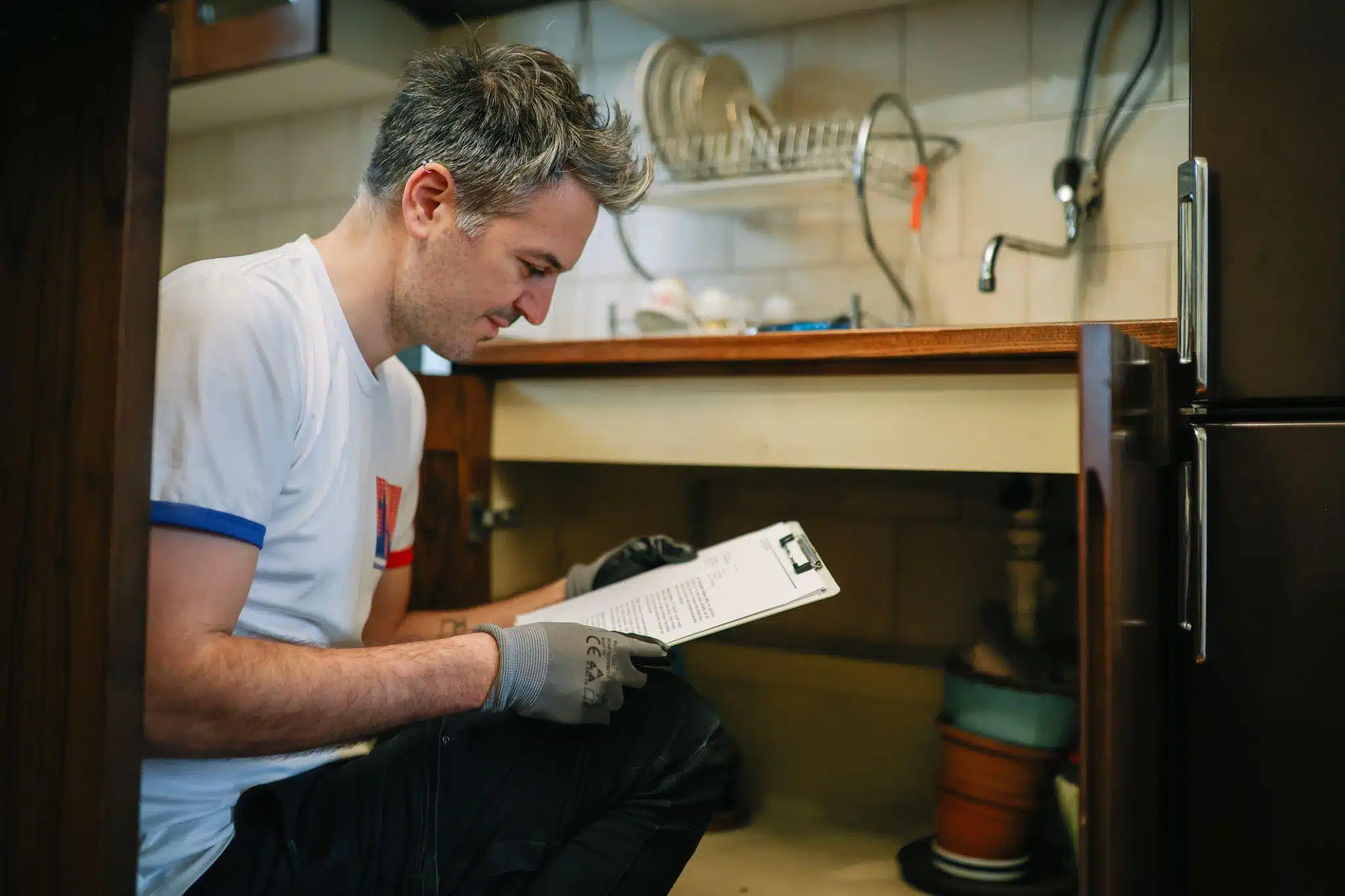
Successfully filing a plumbing leak insurance claim requires understanding the steps:
- Document Damage Immediately
Take photos, videos, and notes of all affected areas. Include furniture, flooring, and personal items. - Stop the Leak Temporarily
Make emergency repairs to prevent further damage, but avoid permanent fixes until an adjuster reviews the situation. - Contact Your Insurance Company
Notify your insurer as soon as possible. Provide clear documentation and answer their questions honestly. - Keep Records
Track all repair receipts, communication with contractors, and correspondence with your insurance provider. - Review Policy Details
Know your deductible, coverage limits, and exclusions. Understanding your homeowners’ insurance water damage policy avoids surprises.
Tips to Prevent Plumbing Leaks and Reduce Claims
Preventative measures reduce risk and protect your home:
- Inspect Pipes Regularly: Look for corrosion, cracks, or moisture buildup.
- Maintain Appliances: Replace hoses on washing machines and dishwashers every 3–5 years.
- Install Water Detection Devices: Smart sensors can alert you to leaks before they cause major damage.
- Insulate Pipes: Keep pipes warm in winter, especially in basements or crawlspaces.
- Schedule Routine Maintenance: Professional plumbers can spot vulnerabilities before they escalate.
Conclusion
Homeowners insurance covers sudden and accidental plumbing failures, providing financial support when damage occurs.
Regular maintenance and prompt repairs are still the homeowner’s responsibility, but knowing your policy limits and following proper steps for a plumbing leak insurance claim ensures the claim process goes smoothly. Acting quickly, documenting damage thoroughly, and addressing leaks immediately protects your home and reduces costly out-of-pocket expenses.

Tommy Hardy, an alumnus of the Georgia Institute of Technology with a degree in Mechanical Engineering, has been a go-to figure in residential upkeep and innovation for over 18 years. His career commenced in a leading home appliance manufacturing company, where he mastered the intricacies of household systems. Joining our platform in 2020, Tommy quickly became a reader favorite for his practical and easy-to-follow guides. He took the helm of our DIY section in 2019, consistently delivering content that empowers homeowners. Beyond his professional pursuits, Tommy is a passionate gardener and enjoys woodworking, skills enhancing his hands-on approach to home care.