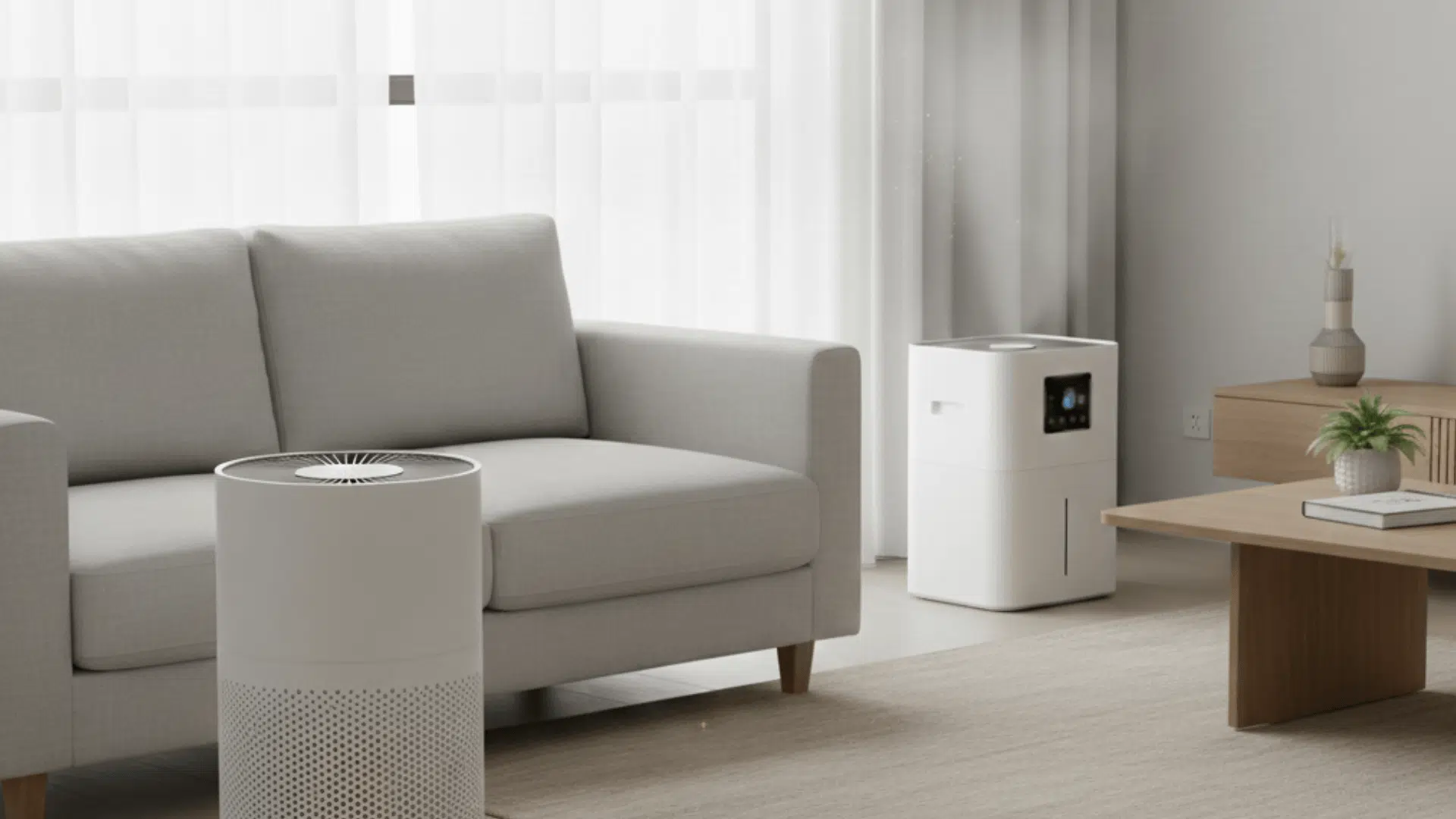

Your home’s air might look clean, but it could be hiding things you can’t see.
Dust, mold spores, smoke, and chemicals float around without you knowing. You want cleaner air for your family, but you’re not sure which solution actually works.
Air scrubbers offer a solution, but you need to know if they’re right for your situation.
This blog explains what an air scrubber is and how it cleans the air in your home.
You’ll learn how it compares to other systems, where people use them, and whether they’re worth the money.
By the end, you’ll know exactly how air scrubbers work and if one is right for your home.
What is an Air Scrubber?
An air scrubber is a machine that cleans dirty air inside your home or building. It sucks in air, pushes it through special filters, and sends cleaner air back out.
Think of it like a super-powered vacuum for your air. Regular air filters catch some dust, but air scrubbers catch much tinier things.
They grab mold spores, smoke particles, dust, and even chemicals floating in the air.
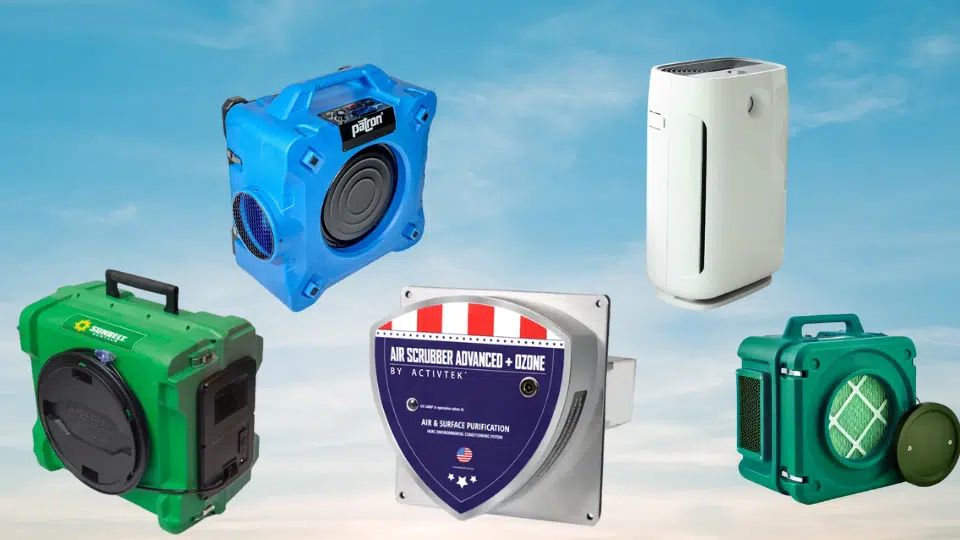
Some air scrubbers are small boxes you can move around. Others get installed right into your heating and cooling system, so they clean the air all the time.
How Does an Air Scrubber Work?
Air scrubbers use a strong fan to pull dirty air inside the machine. The fan creates a sucking force that keeps air flowing through the system.
Once the air gets inside, it goes through different filters stacked on top of each other.
The first filter catches big stuff like hair and dust bunnies. Then a HEPA filter catches tiny particles you can’t even see with your eyes.
Some air scrubbers do more than just trap dirt. They have special technology that kills germs and breaks down chemicals.
After the air gets cleaned, the machine pushes it back into your room. The air gets cleaner and cleaner each time it goes through.
Types of Air Scrubbers
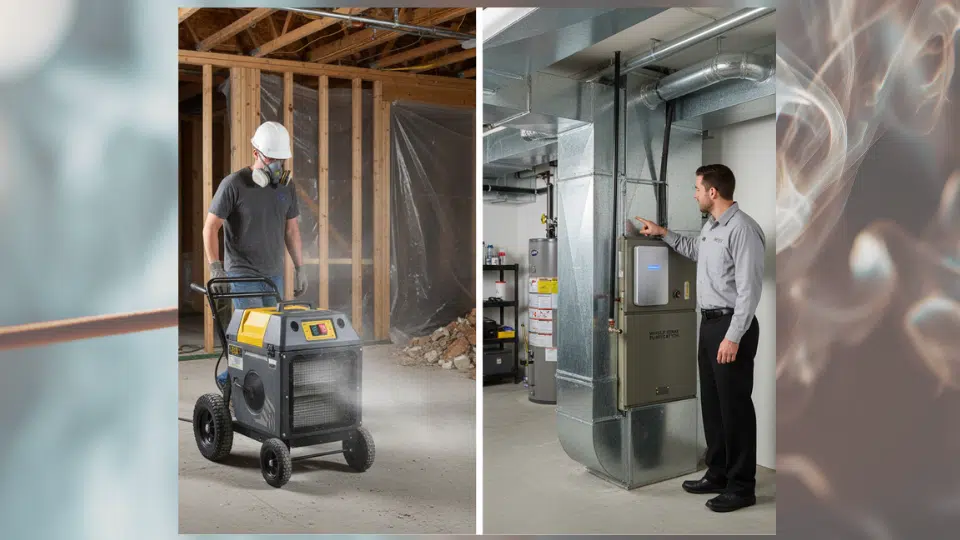
1. Portable Air Scrubbers
These are air scrubbers with wheels or handles that you can move around.
Workers use them during construction projects or when cleaning up after water damage or mold problems.
You can roll them into any room that needs extra air cleaning. They work great when you only need clean air in one spot for a short time.
2. Air Scrubber for HVAC Systems
These air scrubbers get installed inside your home’s heating and air conditioning system.
Once they’re in, they clean your air automatically whenever your heat or AC is running.
They clean the air in your whole house instead of just one room. Many families choose this type because it works without them having to think about it.
What is an Air Scrubber Used For?
Air scrubbers are used in settings where air quality control is essential. Their ability to handle high contaminant levels makes them suitable for both professional and residential environments.
1. Mold Control and Remediation: Air scrubbers capture airborne mold spores during remediation projects. They help limit the spread of spores but do not remove mold growing on surfaces.
2. Odor and Smoke Reduction: Air scrubbers reduce lingering odors from smoke, chemicals, pets, and building materials by filtering odor-causing particles from the air.
3. Construction and Renovation Projects: Dust from sanding, cutting, and demolition can remain airborne for long periods. Air scrubbers help maintain safer air during active projects.
4. Healthcare and Industrial Settings: Hospitals and factories use air scrubbers to control airborne particles that could affect health, safety, or regulatory compliance.
Air Scrubber vs Air Purifier
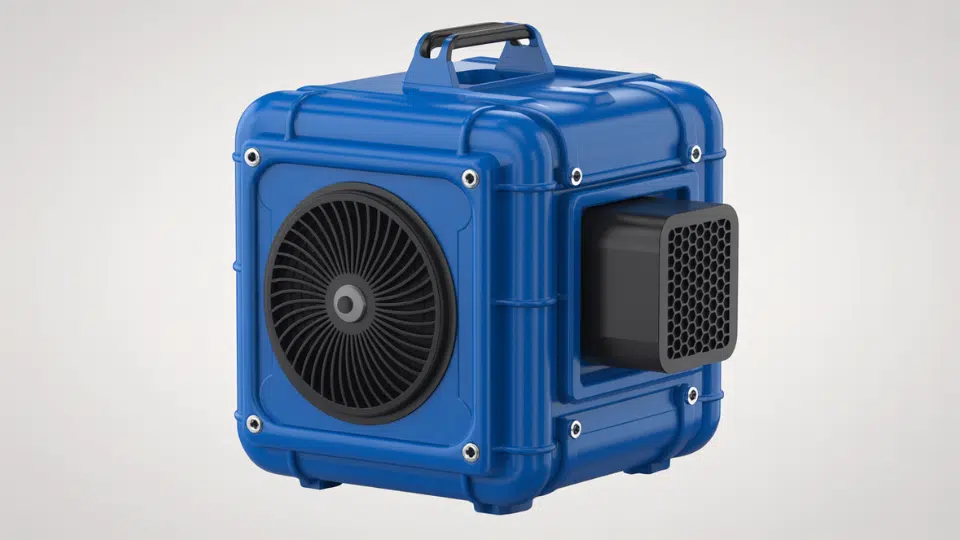
An air purifier is a standalone device that cleans air in a single room by pulling it through filters to remove dust, allergens, and odors, improving indoor air quality.
Air scrubbers are built for stronger air control, while air purifiers are suited for smaller spaces and lighter needs.
| Feature | Air Scrubber | Air Purifier |
|---|---|---|
| Coverage area | Whole building or large zones | Single room |
| Installation | Portable or HVAC-integrated | Standalone unit |
| Particle removal | Very high efficiency | Moderate to high |
| Best use | Heavy contamination control | Every day, indoor air cleaning |
| Cost range | Higher | Lower |
Are Air Scrubbers Worth It?
Air scrubbers make sense when you have serious air problems that won’t go away. They help a lot if someone in your family has allergies, if you’ve found mold in your home, or if you’re doing renovation work.
If you just want to freshen up the air a little bit, a regular air purifier might do the job for less money. But when air quality is a bigger concern, an air scrubber does a better job of fixing the problem.
Are Air Scrubbers Safe to Use at Home?
Yes, air scrubbers are safe when you use them the right way. Most newer models don’t make ozone, which is a gas that can irritate your lungs and cause breathing problems.
Just follow the instructions that come with your air scrubber. Make sure it’s installed correctly, and you won’t have any safety worries.
Best Air Scrubber for Home and HVAC Use
When choosing an air scrubber for your home or HVAC system, selecting a reliable model can make a big difference in air quality and long-term performance.
Below are some well-regulated options that are widely used and trusted:
Aerus Air Scrubber Plus: A popular HVAC-integrated unit that works with existing heating and cooling systems to continuously reduce contaminants throughout the home.
RGF REME HALO In-Duct Air Purifier: Designed to integrate into ductwork, this unit uses advanced oxidation technology and helps reduce airborne particles and odors.
Blueair Pro XL Air Scrubber: A portable high-capacity scrubber with strong HEPA performance, suitable for large living spaces or multi-room coverage.
Honeywell Home HVAC Air Cleaner: Works with many residential HVAC systems and includes multi-stage filtration designed to capture fine particles.
Each of these options supports improved indoor air quality, though features like filter type, airflow capacity, noise level, and maintenance needs vary.
Consider your space size, whether you want whole-home integration or a room-specific unit, and how often filters need replacement when making your choice.
Conclusion
Knowing what an air scrubber is helps you decide if it’s the right choice for your home.
These machines clean the air more powerfully than regular filters.
They work well in homes, offices, and construction sites where air quality really matters.
Air scrubbers handle tough jobs like controlling mold and removing stubborn odors that simpler devices can’t fix.
They cost more money upfront, but they clean the air in larger areas and do a more thorough job.
The right air scrubber for you depends on how big your space is, what you need it for, and how much you care about long-term air quality.
Have questions about choosing the right air cleaning system for your home? Drop a comment below, and find the best solution!
Frequently Asked Questions
Does an Air Scrubber Actually Work?
Yes, air scrubbers work by continuously pulling air through high-efficiency filters. They capture tiny particles like dust, mold spores, and smoke. Over time, this process significantly improves indoor air quality in your home or workspace.
Is It Safe to Stay Inside While an Air Scrubber is Running?
Yes, it’s completely safe to stay inside while an air scrubber runs. Modern units are designed for occupied spaces and don’t produce harmful gases. Just make sure your unit is properly installed and follows the manufacturer’s safety guidelines.
What Are the Downsides of an Air Scrubber?
The main downsides are higher upfront costs and the need for professional installation. Air scrubbers also require regular filter changes and maintenance. Compared to basic air purifiers, they’re more expensive but offer stronger cleaning power for serious air problems.
How Many Air Scrubbers Are Needed for a Space?
The number depends on your room size, ceiling height, and how quickly you want air cleaned. Larger spaces need more units or higher-capacity models. Check the manufacturer’s coverage area rating and calculate based on your square footage and airflow needs.

Holding a Master’s in Library and Information Science from the University of Illinois, Josh Clarke has dedicated more than 15 years to managing and disseminating information across various platforms. His professional journey includes significant experience as a research librarian, where he developed an expertise in sourcing and providing accurate and comprehensive answers to diverse questions. In 2018, Josh brought his rich experience to our platform, quickly establishing himself as a reliable source for general FAQs. He has been overseeing our information curation since then, combining his research skills with a flair for engaging content delivery. When not involved in information management, Josh enjoys exploring digital photography and participating in local quiz competitions, hobbies that complement his inquisitive nature and love for learning.