
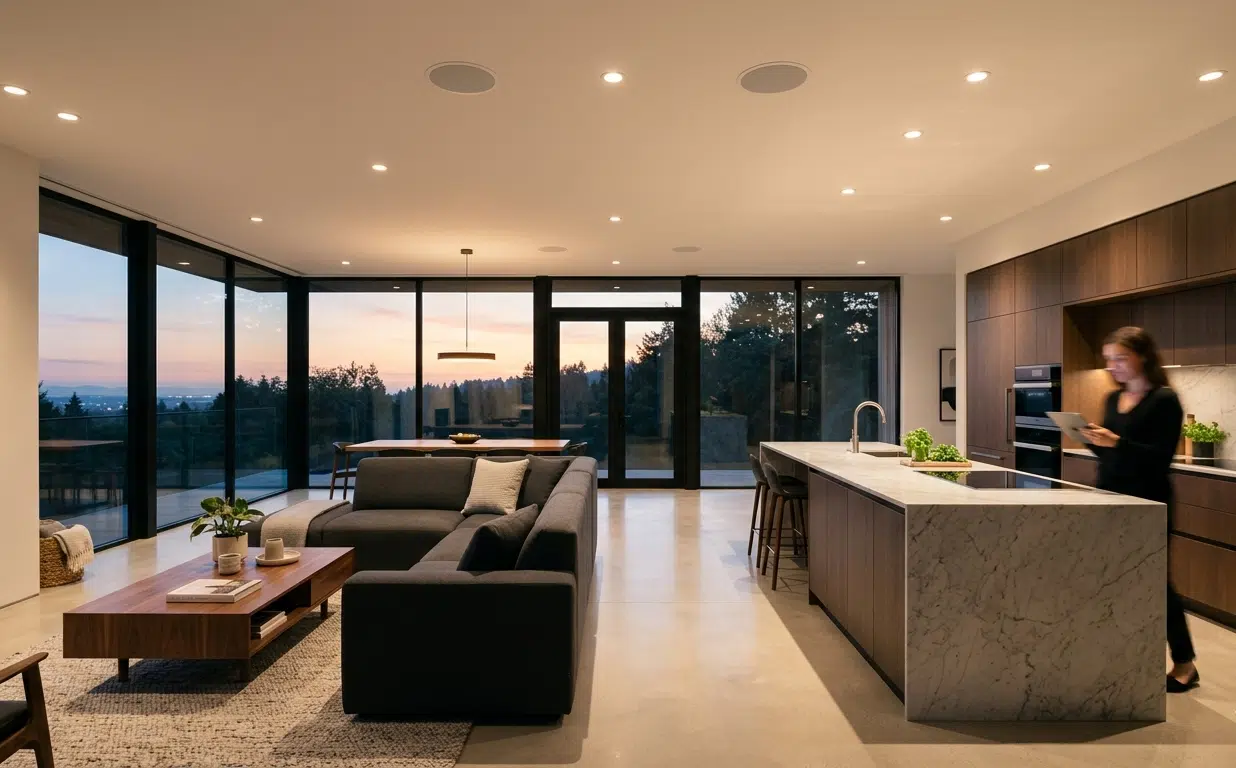

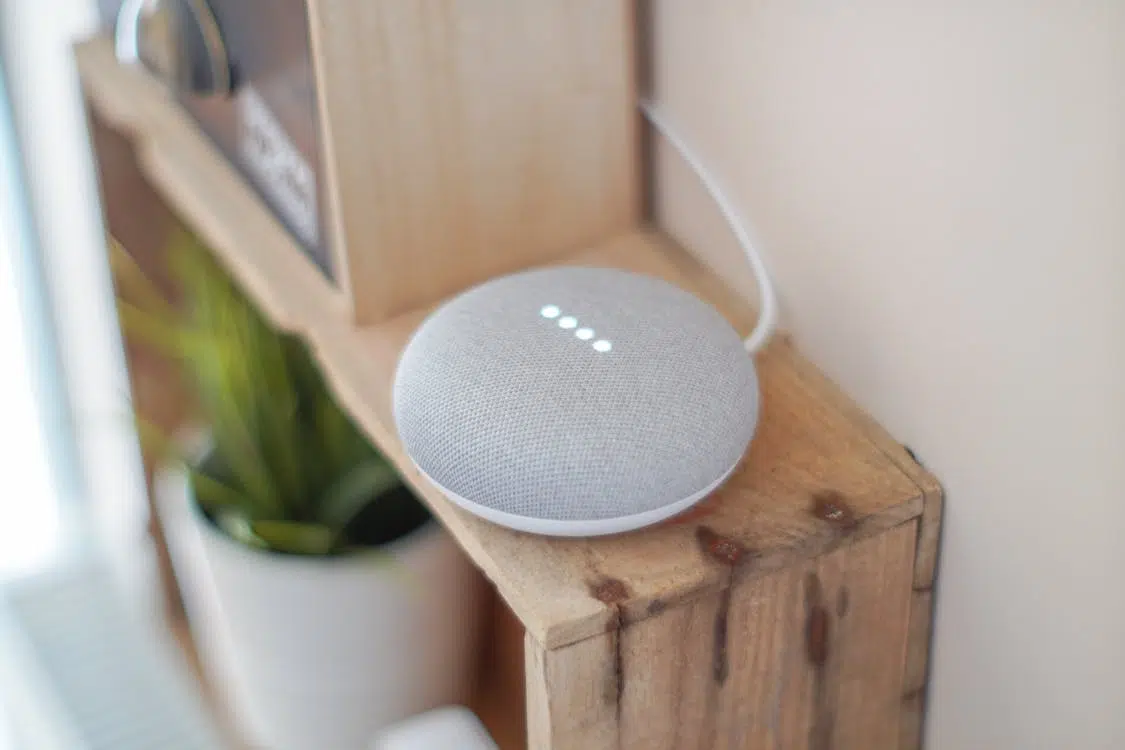
There are 100,000 smart speaker installations every day as homeowners look to digitize their living environments. While a single Bluetooth speaker in the kitchen was once the height of convenience, the expectation has shifted toward a seamless, invisible layer of sound that follows you from the bedroom to the patio.
Whole home audio, often called distributed audio, is a centralized system that allows you to play music, podcasts, or television audio in multiple rooms simultaneously or independently.
Modern systems have evolved far beyond the clunky receivers and tangled wires of the past. The US household penetration for smart speakers is projected to reach nearly 31% by the end of 2026, signaling a massive shift in how we consume media at home.
Whether you are hosting a large dinner party or just going through your morning routine, the ability to maintain a consistent acoustic environment changes how a house feels.
Defining Distributed Audio Technology
At its core, whole home audio is about removing the friction of local playback. Instead of pairing your phone to a different device every time you change rooms, a distributed system uses a central hub to push high fidelity signals to speakers embedded in ceilings or walls. This creates a “zone” system where the basement can have a different playlist than the nursery, all managed through a single smartphone app or wall mounted keypad.
When you begin planning a layout, the choice between wired and wireless infrastructure becomes the first major fork in the road. Wireless systems are popular for retrofitting existing homes because they require no demolition, but they often experience interference or slight delays between rooms. In contrast, wired systems remain the gold standard for reliability and low latency because they do not rely on the strength of your Wi-Fi signal to keep the beat in sync.
The hardware you choose dictates the longevity of the setup. If you want to explore professional options, check out Briggs AV Solutions and the premium AV brands they install to see how high-end components integrate into a unified ecosystem. Professional-grade amplifiers and architectural speakers provide a level of clarity that consumer-grade “plug and play” boxes simply cannot match.

Benefits Of Integrated Sound Zones
One of the most immediate advantages of a professional installation is the preservation of your interior design’s aesthetic. Large bookshelf speakers and floor-standing towers have their place in dedicated listening rooms, but they can clutter a minimalist living area or a sleek modern kitchen. In-ceiling speakers with paintable grilles disappear into the architecture, providing “source-less” sound that fills the room without occupying a single square inch of floor space.
Beyond the looks, the functionality of a synchronized system is what truly sells the concept. You can start a podcast in the garage while working on a project and have it follow you into the house as you go to grab a drink. This level of integration is becoming a standard residential expectation rather than a luxury add-on.
Consider these common reasons why homeowners are making the switch:
- Invisible architectural speakers eliminate cluttered wires and bulky cabinets
- Independent volume controls allow for different moods in every room
- Outdoor weatherized speakers extend the living space to the backyard
Building a system during a new construction phase is always the most cost-effective route. It allows for the installation of high-quality copper wiring before the drywall goes up, ensuring that every room is future-proofed for the next decade of technology. However, even if you are living in a finished home, modern “bridge” devices can link existing speakers into a newer, smarter network with minimal disruption.
Balancing Your Budget And Performance
Entry-level systems usually start with a few smart speakers linked via an app, but as the room count grows, so does the network’s complexity. Basic wireless setups for two rooms start at a few hundred dollars, while a comprehensive wired system for a larger estate can easily reach the mid-four figures. The investment is typically reflected in the property value, as integrated technology is a high-demand feature for modern buyers, and with 55% of market growth driven by integrated systems, it’s clear that many people are willing to pay more.
You must decide if you value the convenience of a DIY setup or the performance of a commissioned system. Cheap speakers often distort at high volumes, which ruins the immersive effect you are trying to create. Spending a bit more on the front end for better amplification and shielded cabling prevents the “hum” and “hiss” that plague lower-end audio distributions.
Enhancing Your Daily Routine
The transition from a silent home to one filled with high-fidelity audio is often described as a lifestyle upgrade that people didn’t know they needed until they had it. It removes the silence of chores and turns a simple Tuesday night dinner into an event. As technology becomes more accessible, the barrier to entry is dropping, allowing more people to enjoy the luxury of invisible sound.
If you are curious about how to make even more of your home, whether that’s building from scratch or making aesthetic adjustments, we’ve got plenty more posts to keep you informed and entertained.

Holding a Master’s in Architecture from the University of Texas at Austin, Emily Rodriguez has dedicated more than two decades to the art and science of building renovation. Starting her journey in historic preservation, she developed a profound respect for blending old with new in building design. Emily became a vital part of our team in 2019, renowned for her insightful and innovative renovation tips. She has been leading our DIY home improvement series since ever since, where she shares her wealth of knowledge in turning outdated spaces into modern havens. When not engaged in writing or consulting, Emily is a passionate advocate for heritage conservation and enjoys exploring vintage architecture, a hobby that complements her professional expertise.


