
When was the last time you truly felt at ease in your own space? Not just physically comfortable, but mentally calm? Maybe it was a quiet morning, soft light coming in, and just enough silence to breathe. For most of us, those moments are rare—but they shouldn’t be.
Home now plays a bigger role than ever. It’s where we work, rest, raise kids, and try to keep life balanced. That’s why more people are choosing to live in places like Waller, TX, where space, nature, and quiet help support a more grounded lifestyle.
In this blog, we will share how home design and layout impact your physical and mental health and what it means to shape a space that gives more than it takes.
Wellness Isn’t a Room—It’s a Design Mindset
Wellness in a home starts with choices that support how you move, rest, and recharge day after day. These choices can be small. Natural light in the right places. Clean air. Quiet zones. Smart storage. Flexible layouts. These are the things that make life feel smoother, not more crowded.
That’s where design gets personal. What works for one person might stress another out. Some people need open space and light. Others want cozy corners and quiet. Wellness begins when your space fits how you actually live—not how it looked in a catalog.
Take Lakeview: a new home community in Waller TX. It’s built around ideas that support modern well-being—like larger lots for privacy, access to green space, and homes that offer flexible layouts. The kind of place where fresh air is easy to find and you don’t have to sacrifice quiet for connection. For people moving away from dense city life in search of more balance, that design choice makes a big difference.
The Role of Nature and Space in Daily Wellness

Let’s talk about air, light, and green space. These aren’t luxuries. They’re the base layer of a healthy life. Studies show that natural light boosts mood, improves sleep, and even increases productivity. Homes designed to let in daylight—without turning into greenhouses—help your body stay in rhythm.
Then there’s airflow. Good ventilation can lower the spread of germs, reduce allergens, and improve focus. In homes where the windows don’t open or HVAC filters are outdated, people tend to feel sluggish and tired. Upgraded systems, openable windows, and smart air purifiers all help.
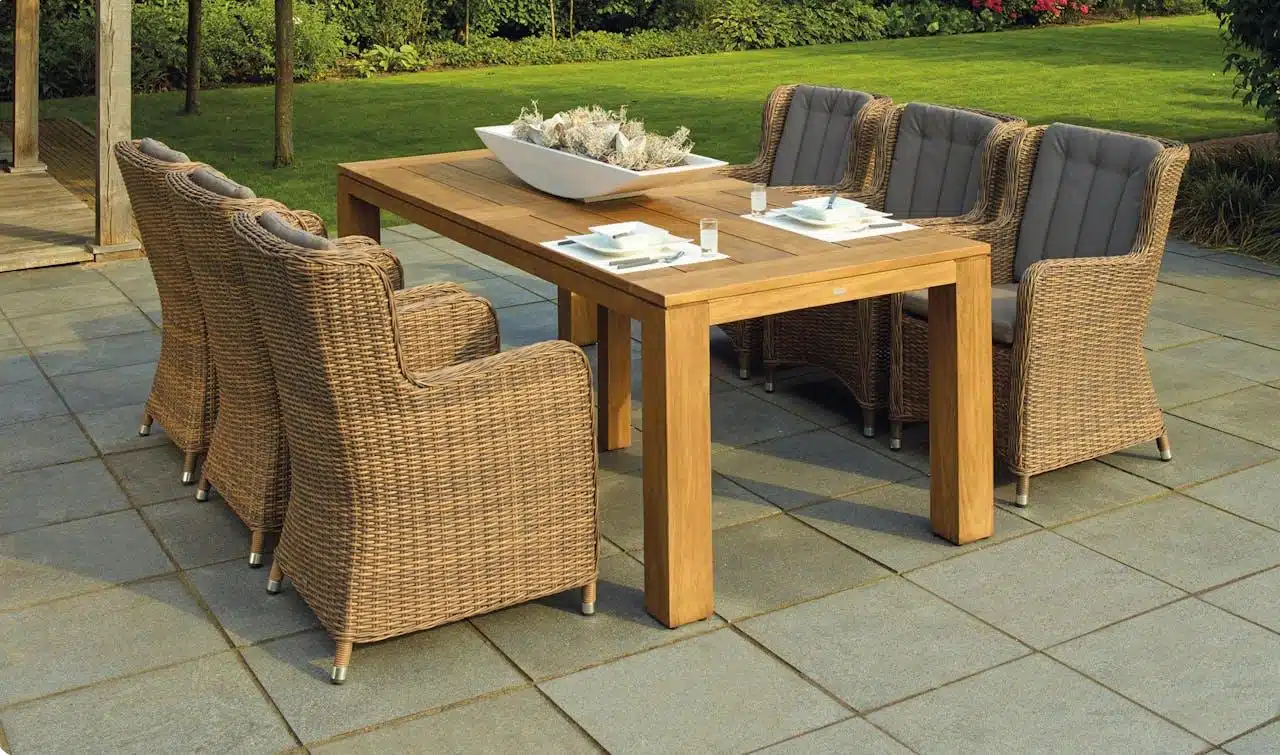
Outside, things get even better. Access to green space reduces stress and supports physical activity. Whether it’s a walk around the block, gardening in your backyard, or sipping coffee on a shaded porch, being outdoors helps the nervous system reset. This is why more homebuyers are choosing neighborhoods with nature built in—walking trails, water features, open skies.
It’s not about escaping your house. It’s about making sure your house lets you breathe.
Quiet Isn’t Just Nice—It’s Necessary
Noise is more than an annoyance. It messes with your sleep, your focus, and even your blood pressure. City living comes with sirens, traffic, and neighbors who don’t know the meaning of “quiet hours.” That constant noise can wear on you.
At home, controlling your sound environment is a big part of wellness. This includes insulation that blocks outside noise, but also thoughtful layout inside. Bedrooms away from busy living areas. Soft materials that absorb sound. Doors that close well. Even separating work areas from rest areas can help create a mental boundary between “on” and “off.”
If you’ve ever tried to take a Zoom call while someone was blending a smoothie in the next room, you know how important this is. The goal isn’t silence. It’s peace.
Function Fuels Well-Being
Wellness is hard to chase when your home works against you. If your kitchen lacks storage, your bathroom has poor lighting, or you’re constantly walking back and forth to get what you need, your space becomes a source of friction. Over time, that adds up.
Homes designed around functionality reduce that friction. Think walk-in pantries with real shelving. Drop zones by the entryway for shoes and bags. Laundry rooms that don’t double as hallway obstacles. These details may seem small, but they free up mental space. When your home runs smoothly, your mind does too.
It’s also about making room for new habits. A quiet corner with a chair and soft light might become your reading spot. A flex room could support a side project, workout, or just a break from screens. The more your home adapts to your lifestyle, the better it works for you.
Personal Touches That Go Beyond Decor
Wellness also lives in how your home makes you feel. And that’s often tied to personal meaning. Photos that make you smile. Art that speaks to you. A wall painted your favorite color—not what’s trending. These choices don’t just reflect who you are. They help you feel safe, seen, and calm in your space.
This is where custom homes play a big role. Instead of working around someone else’s layout, you start with your own needs. That means fewer compromises. More comfort. More satisfaction over time. Personalized lighting plans. Kitchen layouts that match how you cook. Storage that fits your hobbies. When your home reflects your life, everything gets easier.
Wellness at Home Isn’t a Trend—it’s a Foundation
In a time when mental health and stress are front and center, our homes have a new job: support us. This isn’t about luxury. It’s about having spaces that meet our needs, reflect our values, and help us rest, recharge, and reset.
We spend more time at home now than we ever imagined. So the question becomes: is your home working for you, or wearing you out?
Designing for wellness doesn’t mean changing everything overnight. It means paying attention. Noticing what’s draining your energy and what gives it back. And choosing spaces, layouts, and features that support how you really live.
Because wellness doesn’t start with a gym membership or a vacation. It starts where you wake up every morning. Where you unwind at night. Where you feel most like yourself. And that begins—without question—at home.

With a Master’s in Architecture from the University of California, Berkeley, Alexander Martin has dedicated the last 18 years to enhancing outdoor living through thoughtful and robust structure design. His career kicked off in urban planning, giving him a unique perspective on integrating structures into diverse environments. In 2019, Alexander brought his expertise to our website, offering insights into creating versatile outdoor spaces. Since then, he has been the lead advisor for our outdoor design projects and is known for his ability to merge functionality with environmental consciousness. Alexander enjoys rock climbing outside of work and participates in community development projects, activities that reflect his passion for the outdoors and sustainable design.