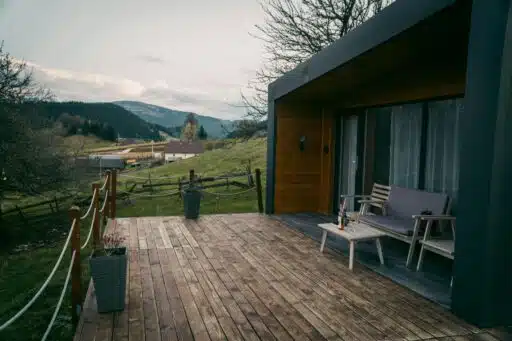
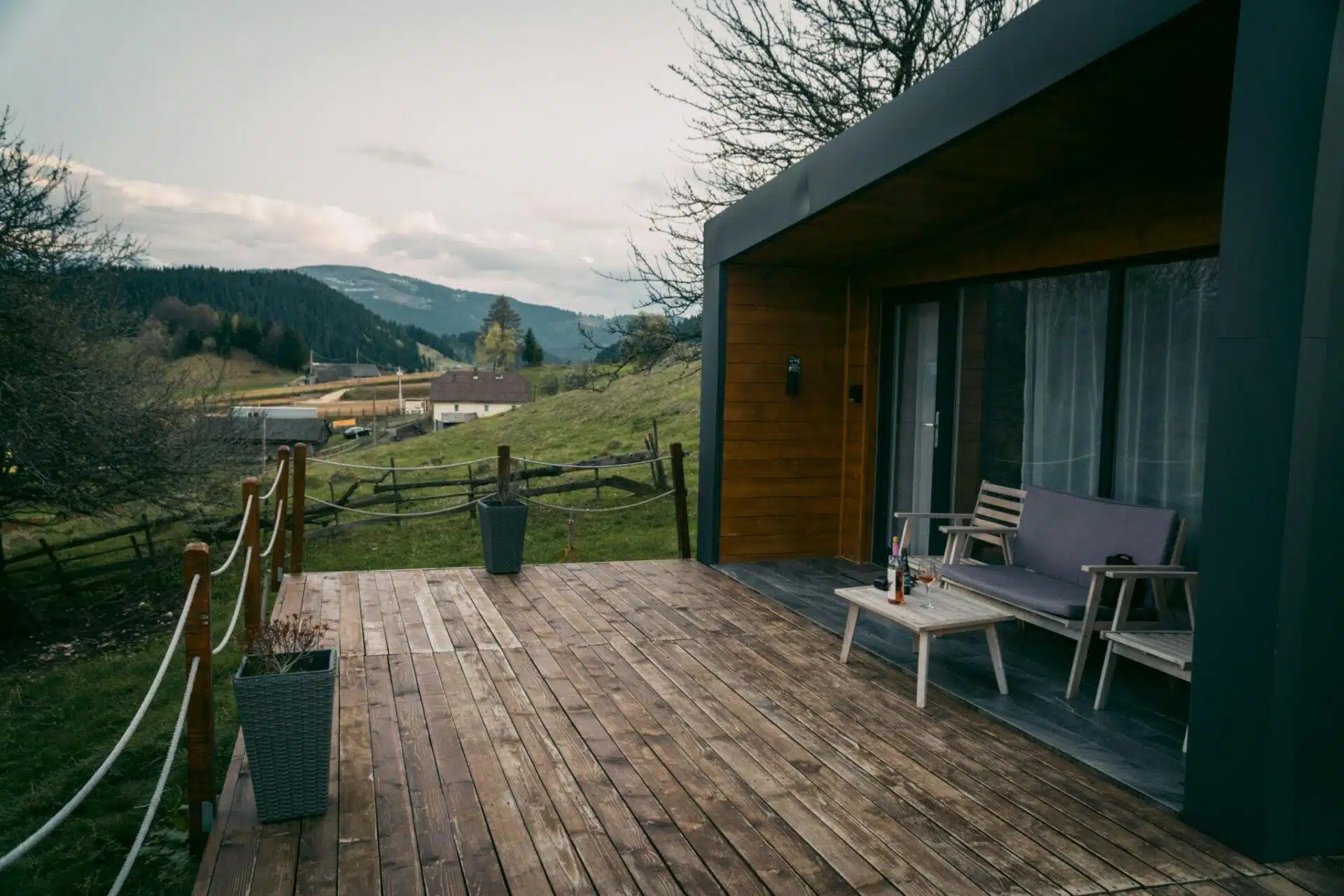

Picture this: barefoot, coffee in hand, ready to enjoy the morning — and your foot sinks slightly into the boards. Congratulations, you’ve discovered rot. It’s the silent relationship-ender between homeowners and their outdoor spaces.
Ignore it, and that mushy little spot graduates into a full-on safety nightmare quicker than milk goes bad in July.
But here’s the silver lining. Most wood rot is completely preventable — and fixable, too. This guide covers why lumber breaks down, how to spot warning signs early, and what it takes to rescue your backyard before things get ugly.
Common Causes of Deck Rot and How to Spot Them Early
Rot is patient. It doesn’t announce itself with fireworks — it creeps in quietly while you’re busy grilling burgers. Moisture kicks things off. Standing water, lousy ventilation below, and leaf gunk crammed between planks hand fungi a VIP invitation they never refuse.
The formula is simple. Fungi need three things: moisture, oxygen, and wood. Kill one, and the party’s over. That’s why boards hugging the ground or sitting under a leaky downspout always cave first. All that dirt and debris wedged into gaps? It holds water the way your uncle holds grudges — stubbornly and forever.
Want to catch problems early? Grab a flathead screwdriver. Push it into anything that looks off. If it slides in like butter, call for backup.
Signs of Wood Rot on a Deck Every Homeowner Should Know
Some signs are obvious. Others? Not so much. Discoloration is usually the first red flag — dark patches or white, cotton-like growth on the surface often signal fungal activity eating away underneath.
Soft, crumbly wood is a clear giveaway. So is paint that keeps peeling in the same spot, which usually means moisture is pushing it off from below. Warped or buckled boards tell a similar story. And if you notice a musty smell near your outdoor space, trust your nose. Something is breaking down.
One thing many homeowners overlook is structural damage beneath the surface. Joists and support beams can rot silently while the top boards still look fine. This is especially common in the Fremont area, where coastal moisture and seasonal fog accelerate hidden decay. If you suspect damage that goes deeper than what you can see, it’s worth bringing in deck repair specialists in Fremont who can properly assess the substructure. Companies like Bayside Builders Group have built a solid reputation for catching this kind of hidden rot before it becomes a safety issue.
How Moisture and Poor Drainage Lead to Deck Deterioration
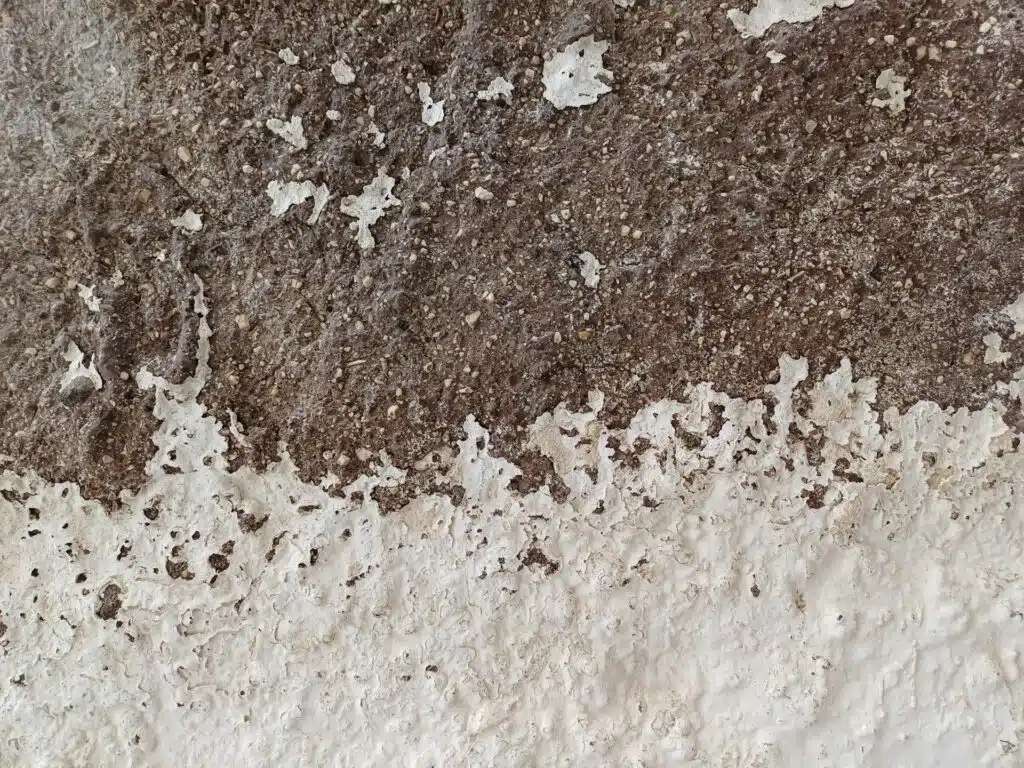
Water is wood’s worst enemy. Period. Even pressure-treated lumber will eventually give in if it’s constantly soaked. The problem isn’t a single rainstorm — it’s repeated wet-dry cycles that break down wood fibers over time.
Poor drainage amplifies everything. If the ground beneath your structure doesn’t slope away from the house, water pools underneath and creates a humid microclimate. Add poor airflow to the mix, and you’ve got conditions that fungi absolutely love.
Flashing failures around ledger boards are another sneaky culprit. When water seeps between the house and the ledger, it rots the connection point — arguably the most critical structural joint. Many catastrophic collapses trace back to exactly this issue.
Best Wood Types and Materials That Resist Rotting
Wood selection is a bit like dating — pick poorly, and you’ll pay for it later. Getting the material right from day one saves you years of frustration.
- Cedar and Redwood — Mother Nature’s own rot fighters. Natural oils keep bugs and fungi away. They age gorgeously, but still want a fresh coat of sealant now and then.
- Pressure-Treated Pine — The budget-friendly workhorse. Chemicals baked in give it real staying power against rot, though cracking and warping can show up uninvited over time.
- Composite Materials — Part recycled wood, part plastic, fully unbothered by rot. The catch? Your credit card takes the first hit.
- Tropical Hardwoods (Ipe, Tigerwood) — Built like tanks and naturally bulletproof. They’ll outlast your mortgage, though they’re priced accordingly.
Bottom line: your budget, local weather, and laziness tolerance should guide the decision.
How to Prevent Deck Rot With Proper Sealing and Maintenance
Prevention beats repair every single time. A good waterproof sealant applied every two to three years is the single best thing you can do. It creates a barrier that keeps moisture from penetrating the wood fibers.
Clean your boards at least twice a year. A stiff broom and a garden hose handle most surface debris. For deeper cleaning, an oxygen bleach solution works wonders without damaging the wood. Avoid chlorine bleach — it can break down lignin and actually weaken the lumber.
Keep the gaps between boards clear. Trim any plants or shrubs that press against the structure and trap moisture. And make sure your gutters aren’t dumping water directly onto or near the wood surface. Small habits like these add years to the lifespan of your outdoor space.
Step-by-Step Guide to Repairing Rotted Deck Boards
Caught it early enough? You might be able to handle the repair yourself.
Start by identifying all affected areas. Use that screwdriver test mentioned earlier and mark every soft spot. Remove the damaged boards carefully — a pry bar and a circular saw are your best friends here. Inspect the joists beneath. If they’re compromised, you’ll need to sister new lumber alongside them for support.
Cut replacement boards to size and pre-treat the cut ends with a wood preservative before installation. Stainless steel screws outperform nails for longevity. Once everything is secured, apply a quality sealant to the new and surrounding boards.
If the damage is extensive — say, more than 25% of the structure — a full replacement often makes more financial sense than patching things together.
Conclusion: Protecting Your Deck for Years to Come
Look, nobody wants to spend their Saturday poking boards with a screwdriver. But rot doesn’t care about your weekend plans. A quick walkaround every spring and fall catches trouble while it’s still cheap to fix. Think of it like flossing — annoying, yes, but way better than the alternative.
Pick good materials. Seal them properly. Sweep the gunk out. Do that, and your backyard stays party-ready instead of becoming an insurance claim waiting to happen.
Frequently Asked Questions
How long does it take for wood rot to spread?
Faster than you’d like. In humid conditions, for a few months. In drier climates, maybe a year. Either way, don’t procrastinate.
Can rotted wood be treated without replacing it?
Surface-level rot? Sure — wood hardener and epoxy can help. Anything deeper than a quarter-inch? Rip it out. No negotiations.
Is pressure-treated wood immune to rotting?
Immune? Nope. Resistant? Absolutely. Think of it like sunscreen — it buys time, but you still can’t live underwater forever.
How much does it cost to repair a rotted outdoor structure?
Small fixes run $200–$500. Bigger jobs hit $1,000–$3,000. Full rebuilds? $5,000–$15,000. Basically, procrastination has a very expensive price tag.
Should I repair the rot myself or hire a professional?
Cosmetic stuff? Grab your tools, champ. Structural damage to joists or supports? Call a pro. Your backyard shouldn’t become a liability.

With a Master’s in Architecture from the University of California, Berkeley, Mitchell Green has spent over two decades dedicated to the study and practical application of home fixture design. His career started in an architectural firm, providing him a strong foundation in the structural and aesthetic aspects of home interiors. Mitchell brought his comprehensive knowledge to our platform, where he has been an influential voice in our home fixtures and fittings section. Since 2018, he has been guiding our readers through the intricacies of selecting and installing fixtures, combining technical know-how with design flair. In his spare time, Mitchell is a keen photographer, capturing architectural details and design elements, an interest that complements his professional focus.