
Technically, furnaces do not strip water molecules from the air. Instead, they raise the temperature, which lowers relative humidity. Warmer air can hold more moisture, but if no additional water vapor is introduced, the air feels dry. This explains why homeowners often experience dry indoor air from furnace systems during winter.
When discussing furnace dry air, experts highlight that infiltration plays a role. Combustion furnaces may draw air from inside the home, leading to increased air exchange with the outdoors. Since cold outdoor air contains less humidity, this exchange contributes to dryness indoors.
What Problems Can Furnace Humidity Issues Cause?
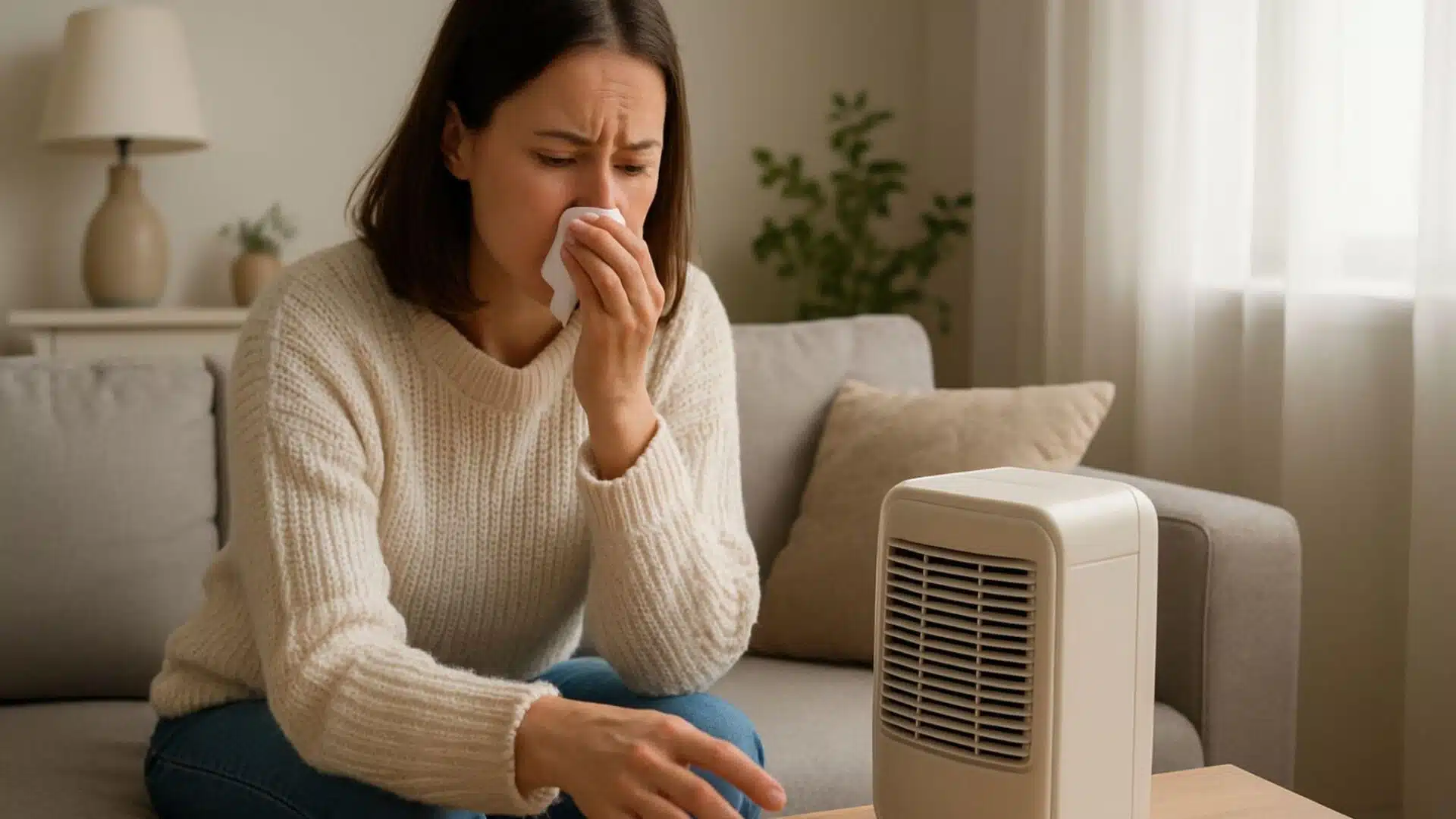
Low humidity levels can trigger several discomforts. Dry skin, cracked lips, and irritated sinuses are common complaints. Static electricity shocks become more frequent, and wooden furniture or flooring may shrink or crack. These furnace humidity problems are not only inconvenient but can also affect long-term home maintenance.
Health concerns also arise. Dry air can worsen respiratory conditions, increase susceptibility to colds, and irritate allergies. Families often notice that children experience nosebleeds or sore throats more frequently in homes with low humidity.
How to Add Moisture to Home Air?
Fortunately, there are effective ways to restore balance. Whole-home humidifiers connected to HVAC systems are one of the most reliable solutions. Portable humidifiers can also help in individual rooms. Other strategies include placing bowls of water near heating vents, using indoor plants, or air-drying laundry indoors. These methods naturally add moisture back into the environment.
Ventilation improvements also matter. Allowing fresh air circulation reduces dryness, especially in tightly sealed homes. Homeowners exploring Furnace repair services in Maryland often find that technicians recommend humidifier installation alongside furnace maintenance.
Can Humidity Affect Furnace Performance?
Humidity levels don’t just impact comfort—they also influence furnace efficiency. Extremely dry air can make heating feel less effective, forcing the system to run longer. Conversely, overly humid conditions can strain the furnace and lead to condensation issues. Balancing humidity ensures both comfort and energy efficiency.
Conclusion
Managing furnace dry air is essential for both comfort and health during winter. By understanding how heating affects humidity and implementing solutions like humidifiers, ventilation, and natural moisture sources, homeowners can create a healthier indoor environment. For professional support, First Response Heating & Cooling offers expert solutions to address furnace humidity problems and ensure your home stays warm without sacrificing comfort.
FAQs (Frequently Asked Questions)
1. Does a furnace remove moisture from the air?
No, furnaces don’t remove water molecules. They heat air, which lowers relative humidity and makes it feel dry.
2. Why does my skin feel dry when the furnace runs?
Low humidity caused by heated air leads to moisture loss from skin, lips, and sinuses.
3. Can a humidifier solve furnace humidity problems?
Yes, humidifiers are the most effective solution to restore balanced moisture indoors.
4. Is dry indoor air from furnace systems harmful?
It can cause discomfort, worsen respiratory issues, and damage wood furniture or flooring.
5. How can I add moisture to home air naturally?
Indoor plants, water bowls near vents, and drying clothes indoors are simple methods.

Tommy Hardy, an alumnus of the Georgia Institute of Technology with a degree in Mechanical Engineering, has been a go-to figure in residential upkeep and innovation for over 18 years. His career commenced in a leading home appliance manufacturing company, where he mastered the intricacies of household systems. Joining our platform in 2020, Tommy quickly became a reader favorite for his practical and easy-to-follow guides. He took the helm of our DIY section in 2019, consistently delivering content that empowers homeowners. Beyond his professional pursuits, Tommy is a passionate gardener and enjoys woodworking, skills enhancing his hands-on approach to home care.