

A plant that thrives quietly, asks for little, and still manages to hold attention tends to earn its place indoors.
The ZZ plant does exactly that. With its polished leaves and steady presence, it often becomes part of a home before its value is fully noticed.
Over time, its role goes beyond appearance, fitting into daily spaces in subtle ways.
The zz plant benefits at home are not always obvious at first glance, yet they reveal themselves through consistency, balance, and ease.
Known as a reliable indoor choice, this plant adapts without fuss. What follows takes a closer look at how this unassuming plant quietly supports modern living spaces.
About: ZZ Plant
The ZZ plant is a tropical perennial valued for its strong structure and consistent appearance.
Native to parts of Eastern Africa, this plant developed natural survival traits that allow it to store moisture in its thick rhizomes and glossy leaves.
Its upright stems and symmetrical growth give it a tidy, balanced form that remains stable over time.
Unlike flowering houseplants, the ZZ plant is mainly grown for its foliage, which keeps its color and shape throughout the year.
Because of this predictable growth pattern, it is commonly used as a long-term indoor plant rather than a seasonal one.
| Aspect | Details |
|---|---|
| Scientific Name | Zamioculcas zamiifolia |
| Plant Type | Tropical perennial foliage plant |
| Growth Pattern | Upright stems with uniform spacing |
| Leaf Structure | Thick, waxy, oval-shaped leaflets |
| Root System | Rhizome-based, moisture-storing |
| Average Lifespan Indoors | Several years with stable conditions |
| Flowering | Rare indoors, not a primary feature |
| General Use | Long-term indoor decorative plant |
Its slow growth rate also means it rarely outgrows its container, making it suitable for controlled indoor environments and easy to source from plant-focused platforms such as ladyjsflorist and heyrooted, where indoor varieties are commonly available.
Ideal Rooms to Place a ZZ Plant
The ZZ plant adapts well to a wide range of indoor environments, making room selection more about stability than special conditions. Its slow growth and upright form allow it to settle into spaces without frequent adjustments.
Choosing the right room helps maintain its structure while fitting naturally into everyday home layouts:
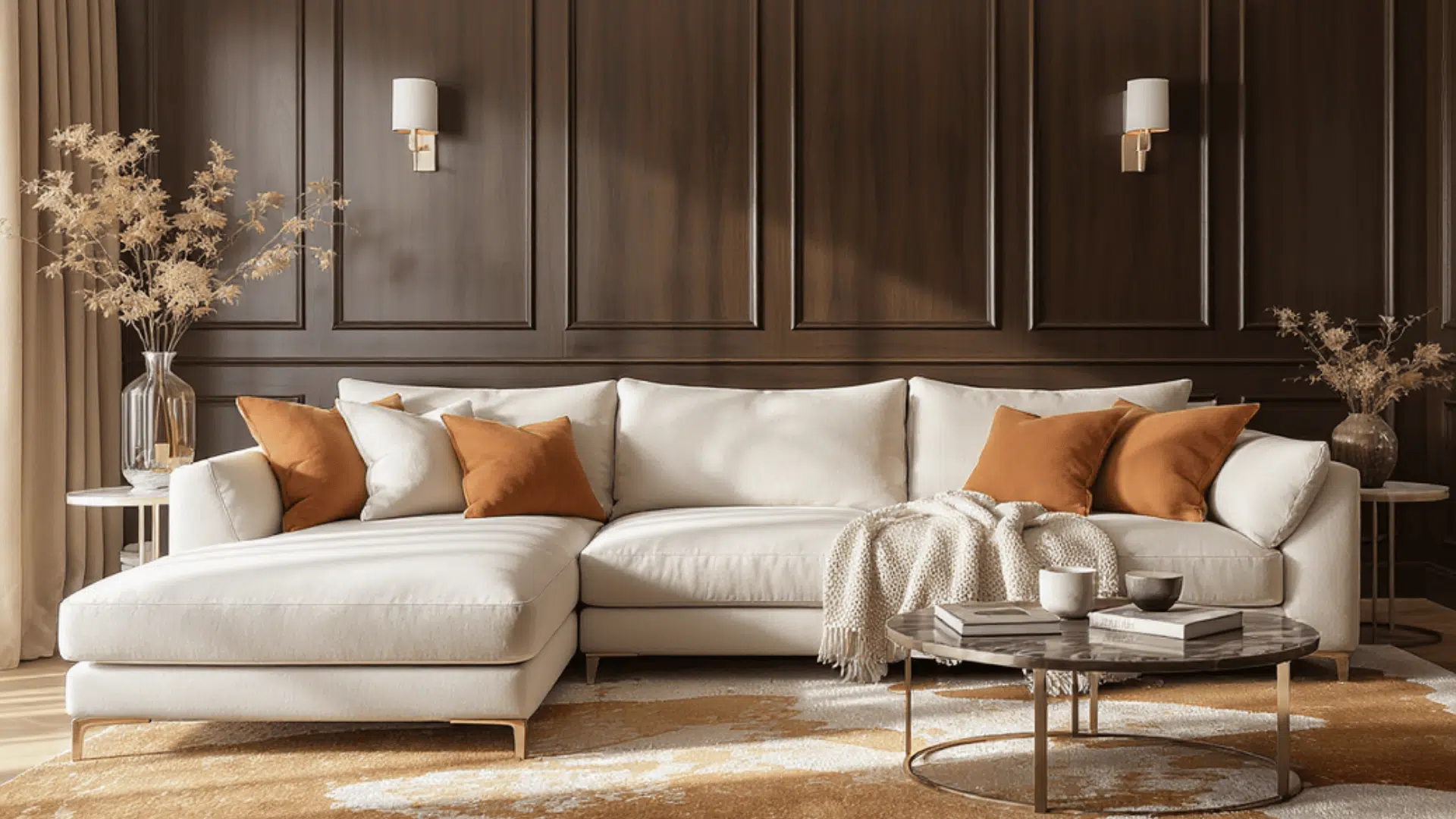
- Living Room: Works well near sofas, shelves, or unused corners where it adds balance without overpowering the space. It tolerates indirect light and steady indoor activity.
- Bedroom: Suitable for quiet areas due to its controlled growth and minimal care needs. It remains visually consistent without requiring regular attention.
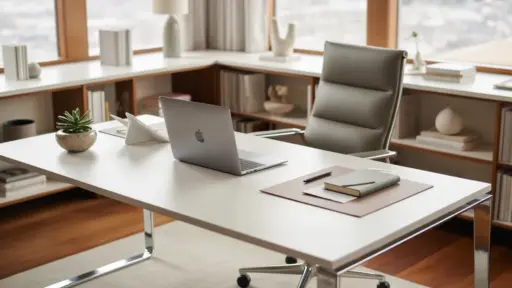
- Home Office: Fits well beside desks or cabinets, helping maintain an organized look. Its steady form supports focused environments without becoming distracting.
- Hallways and Entry Areas: Performs reliably in pass-through spaces with limited light. Its upright shape fills empty spots without blocking movement.
- Small Rooms or Apartments: Ideal for compact interiors, as it grows slowly and stays contained, reducing the need for frequent repositioning.
For more greenery ideas suited to workspaces, read: Best Office Plants
Placement note: Once positioned, allow the plant to remain in the same location, as consistent surroundings support healthier long-term growth.
ZZ Plant Benefits at Home

Indoor plants often serve a role beyond aesthetics. The ZZ plant stands out because its structure, growth habits, and adaptability make it well-suited to everyday home environments.
The points below explain how this plant supports indoor living without adding extra effort or disruption:
1. Helps Maintain Cleaner Indoor Spaces
The ZZ plant supports indoor environments by interacting with common airborne particles released from furnishings, finishes, and daily household activity.
Its smooth, firm leaves allow light surface contact with indoor air, which can contribute to a more balanced living space over time.
While it does not act as a mechanical filter, its steady presence complements regular cleaning habits and natural airflow, making it suitable for closed rooms and frequently used areas.
2. Fits Well Into Busy Daily Routines
Designed by nature to endure periods without care, the ZZ plant manages well when attention is inconsistent.
Its underground rhizomes retain moisture, allowing the plant to remain stable even if watering schedules vary. This makes it a practical option for households where plant care is occasional rather than structured.
The plant maintains its form without constant checks, fitting easily into demanding or unpredictable routines.
3. Supports Calm and Orderly Interiors
The ZZ plant contributes to indoor balance through its upright stems and evenly arranged leaves. Its growth remains contained, helping spaces appear neat rather than overfilled.
This sense of visual order can support focused or restful settings, especially in areas used for work or relaxation.
Because the plant changes slowly, it does not disrupt the overall arrangement of a room once placed.
4. Performs Reliably in Limited Light
Many indoor areas receive filtered or indirect light for most of the day.
The ZZ plant remains healthy under these conditions, maintaining leaf color and firmness without requiring direct exposure.
This adaptability allows placement in rooms with small windows or shaded corners. Its ability to function without strong lighting makes it suitable for modern interiors with varied light access.
5. Maintains Appearance Throughout the Year
Consistency is one of the defining traits of the ZZ plant. Its leaves resist frequent yellowing or shedding, allowing the plant to look stable across seasons.
Because it does not require seasonal trimming or replacement, it works well as a long-term indoor feature.
This steady appearance reduces upkeep demands while keeping indoor spaces visually uniform over time.
In homes where natural light remains limited, combining floor plants with suspended greenery can help balance the space. Options suited for shaded interiors, such as best low light indoor hanging plants for homes, work well alongside structured plants like the ZZ plant.
How to Care for a ZZ Plant Indoors?
Caring for a ZZ plant indoors focuses on maintaining stable conditions rather than frequent attention. Its natural structure allows it to remain healthy with simple, consistent care habits.
The points below outline basic indoor care needs without overlapping with placement or benefit-related details:
- Light Exposure: Grows well in indirect light and shaded indoor areas.
- Watering Pattern: Water only after the soil dries; excess moisture causes issues.
- Soil Choice: Needs well-draining soil to prevent water buildup.
- Container Selection: Use pots with drainage holes to control moisture.
- Indoor Temperature: Prefers stable indoor temperatures, free of drafts.
- Leaf Care: Wipe leaves occasionally to remove dust and keep them clean.
Keep the plant in one consistent spot and avoid frequent adjustments, as stable surroundings support healthier, more predictable growth over time.
Common Myths About ZZ Plants
Despite its popularity as an indoor plant, the ZZ plant is often surrounded by assumptions that can confuse plant owners. Many of these ideas come from comparing it to other houseplants with very different needs.
The table below separates widely held beliefs from actual plant behavior:
| Myth | Reality |
|---|---|
| ZZ plants do not need any light | The plant still requires some level of indoor light to remain stable, even if it is indirect or low. |
| Frequent watering keeps the plant healthy | Too much water is more harmful than occasional dryness due to its moisture-storing roots. |
| ZZ plants grow quickly indoors | Growth is naturally slow and steady, especially in controlled indoor conditions. |
| Yellow leaves mean the plant is dying | Leaf color changes often point to care imbalance rather than permanent damage. |
| ZZ plants must be repotted often | The plant can remain in the same container for long periods without issues. |
Understanding how the ZZ plant actually behaves helps set realistic expectations and supports long-term indoor success without unnecessary changes or overcare.
Conclusion
By now, it’s clear why the ZZ plant continues to earn a place in modern homes.
From its steady structure and low-intervention care needs to its ability to adapt across rooms and lighting conditions, this plant fits into daily life without disruption.
The zz plant benefits at home extend beyond appearance, offering consistency, order, and long-term reliability in indoor settings.
It works quietly in the background, requiring little while giving back in subtle, lasting ways.
For anyone looking to add greenery without added complexity, the ZZ plant remains a dependable choice.
Have experience with one at home, or a favorite spot where it thrives? Share your thoughts or tips below.

With a Master in Architectural Studies from University of Pennysylvania, Marwa Haydar has pioneered living spaces since 2005. Her expertise, initially honed in a prestigious architectural firm, is evident in her approach to creating environments. Marwa became part of our team in 2019 and has since been a driving force in our home improvement section, known for her practical yet stylish solutions. She’s been spearheading our design workshops since then, infusing her passion for teaching into her work. In her leisure time, Marwa enjoys exploring historic architecture and is an enthusiastic pottery hobbyist, further enriching her understanding of form and texture.