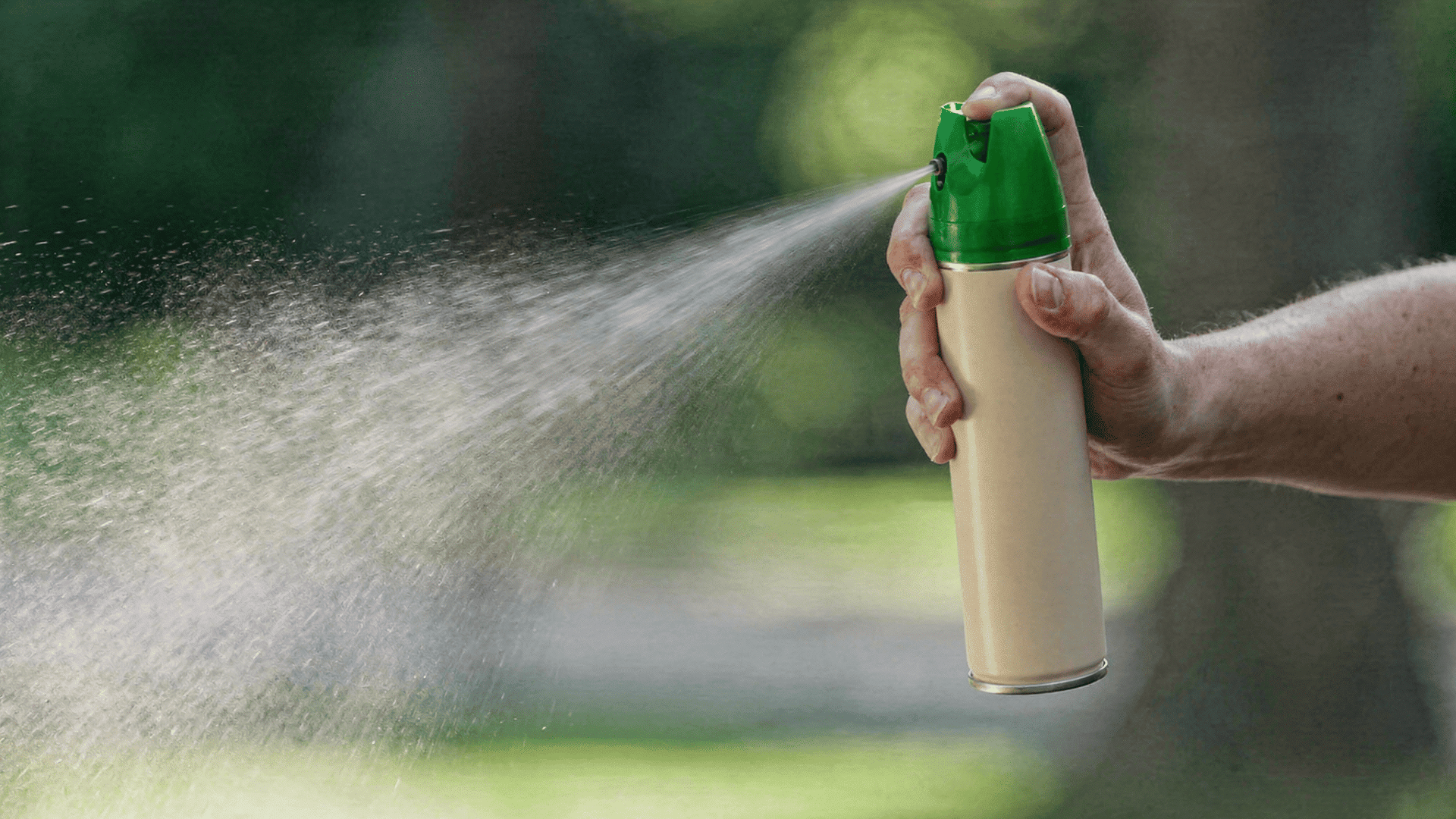
Uninvited insects have a way of showing up when least expected, quietly changing how a space feels and functions.
As awareness around everyday products grows, interest in natural pest repellent options continues to rise, alongside curiosity about natural insecticides and how they differ.
Both approaches rely on ingredients drawn from nature, yet their purpose and use are not the same.
Choosing between them often depends on the situation, the environment, and personal comfort levels.
From simple household ingredients to ready-made alternatives, natural solutions offer varied paths for managing insects. The sections ahead unpack how these methods work, where they fit best, and what to consider before using them.
What Is a Natural Insect Repellent?
A natural insect repellent is a substance made from plant-based, mineral, or common household ingredients that helps keep insects away without relying on synthetic chemicals.
These repellents work by using scents, textures, or natural compounds that insects tend to avoid, making treated areas less attractive to them.
Natural insect repellents are commonly used for:
- personal care
- indoor spaces
- and outdoor areas.
They may come in sprays, oils, sachets, or surface treatments, depending on the ingredients and purpose.
Many people choose natural options to reduce chemical exposure inside the home while maintaining basic insect control.
Unlike conventional products, natural insect repellents usually require more frequent application.
Their effectiveness can vary based on ingredients, concentration, and environmental conditions such as heat, humidity, and airflow.
Natural Insect Repellent Ingredients Found at Home
Natural insect repellents can be made using everyday household items that are easy to access and simple to use.
Below are some commonly used ingredients suitable for basic insect control in home and personal settings:
1. Essential oils
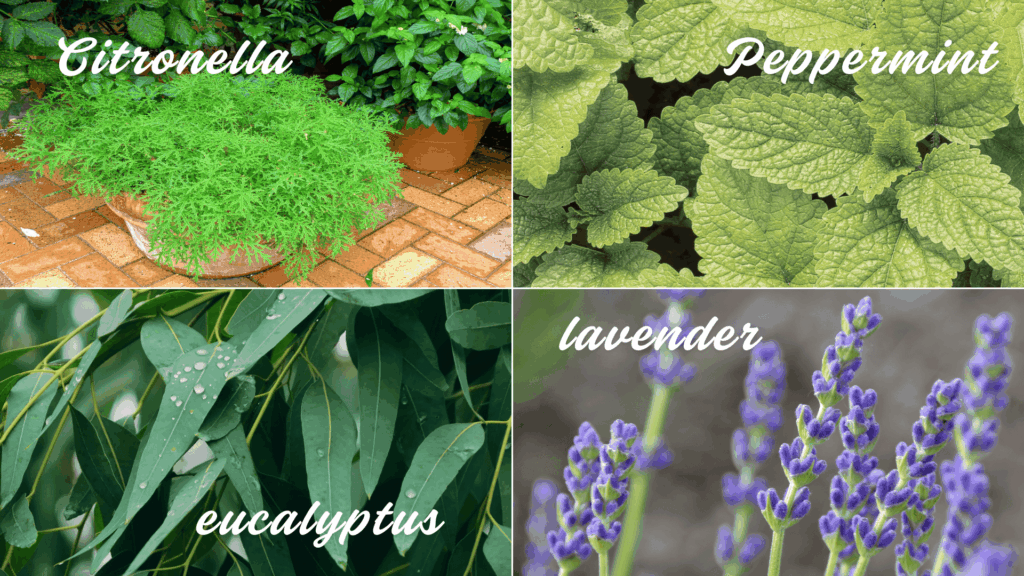
Essential oils are frequently used in DIY insect repellents due to their strong natural scents, which many insects avoid.
Oils commonly used include: citronella, peppermint, eucalyptus, lavender, tea tree, and lemongrass.
Each oil serves a general purpose, such as discouraging mosquitoes, ants, flies, or other household insects. Essential oils are usually diluted before use to reduce skin sensitivity and ensure safe application.
2. Natural liquids and bases
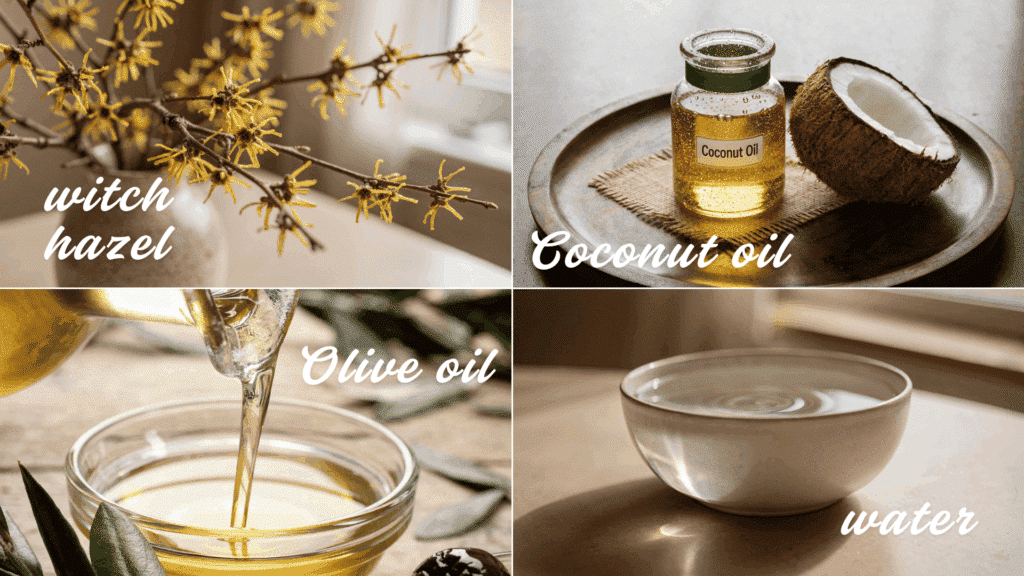
Liquids and bases help carry active ingredients and allow even application.
Common bases include: water, vinegar, witch hazel, and carrier oils like coconut or olive oil.
These liquids help disperse essential oils and other ingredients evenly. The choice of base affects how the repellent is applied, absorbed, and how long it lasts.
3. Household ingredients
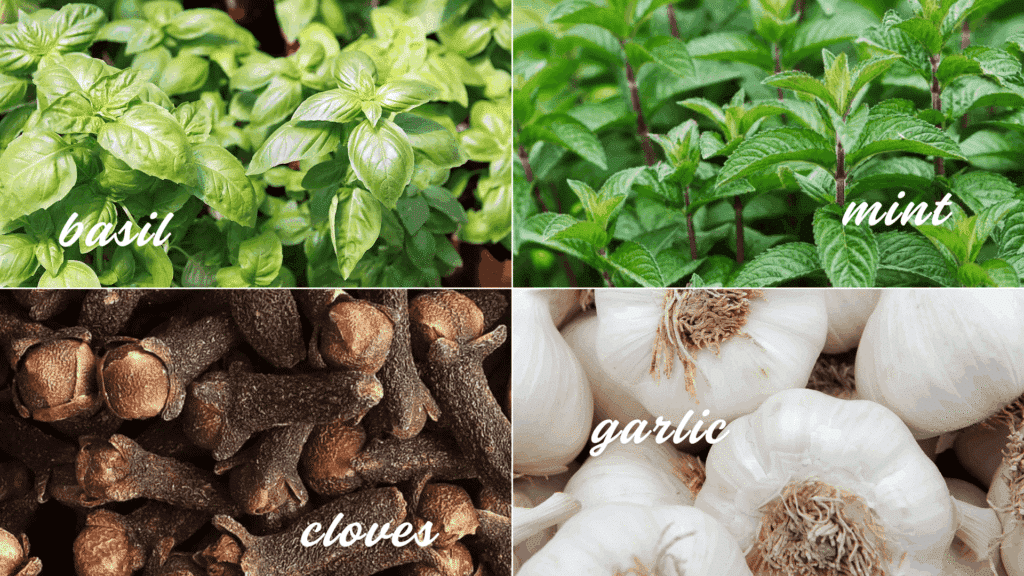
Many pantry and garden items are used in simple insect-repelling preparations.
Herbs and spices such as basil, mint, cloves, garlic, and bay leaves are commonly used.
Citrus peels and vinegar are often applied to surfaces or entry points. These options are generally suitable for indoor use when applied in small amounts and refreshed regularly.
How to Make DIY Natural Insect Repellent?
DIY natural insect repellents can be prepared using simple ingredients and basic tools commonly available at home.
These methods focus on ease of preparation, suitable use for personal care or living spaces, and controlled application.
1. DIY Insect Repellent Spray for Skin
Ingredients
- Water or witch hazel as a base
- Diluted essential oils commonly used for insect control
- A clean spray bottle
Basic Preparation Steps
- Pour the base liquid into a clean spray bottle until it is nearly full.
- Add a small amount of essential oils to the bottle, keeping the mixture well diluted.
- Secure the spray nozzle and shake the bottle gently to combine the ingredients evenly.
Application Notes
Apply the spray lightly to exposed skin areas only, taking care to avoid the eyes, mouth, and sensitive skin.
Reapplication may be needed after sweating or spending extended time outdoors, as natural ingredients tend to wear off more quickly than chemical products.
2. DIY Insect Repellent Spray for Home Use
Ingredients
- Water or diluted vinegar
- Essential oils suitable for indoor use
- Spray bottle
Preparation Steps
- Fill the spray bottle with the chosen base liquid.
- Add the essential oils in small amounts to prevent strong residue or scent buildup.
- Close the bottle tightly and shake it well to mix the solution thoroughly.
Indoor Application Notes
Use the spray lightly along door frames, window edges, and other common entry points where insects are often noticed.
It can also be applied to corners, baseboards, and low-traffic areas. Avoid spraying directly on food preparation surfaces or delicate materials.
3. DIY Insect Repellent for Outdoor Areas
Ingredients
- Water or natural liquid base
- Essential oils, herbs, or citrus peels
- Containers, spray bottles, or cloth pieces
Preparation steps
- Combine the liquid base with selected scent-based ingredients in a container or spray bottle.
- Allow the mixture to sit briefly so the ingredients can blend naturally.
- Stir or shake the preparation before each use to maintain consistency.
Placement tips
Place or apply the repellent near seating areas, patios, and outdoor entry points where insects tend to gather.
Focus on locations with airflow rather than enclosed spaces, and refresh the preparation regularly to maintain its effect.
How Long Do DIY Natural Insect Repellents Last?
DIY natural insect repellents usually provide short-term protection because they rely on plant-based and household ingredients rather than synthetic preservatives.
Their effectiveness depends on the ingredients used, how they are applied, and the surrounding environment.
In most cases, skin-applied DIY repellents last for a few hours before reapplication is needed.
Factors such as sweating, humidity, and outdoor activity can reduce how long the repellent remains effective. Indoor sprays may last slightly longer, especially when applied to low-traffic areas with limited airflow.
Outdoor DIY repellents tend to wear off the fastest due to wind, sunlight, and open-air conditions. Regular refreshing is often required to maintain results.
Storing DIY mixtures properly and preparing them in small batches can help maintain consistency and usability over time.
Natural Insect Repellent Products You Can Buy
Along with homemade solutions, several ready-made natural insect repellents are available in the market.
These products are commonly used when quick application, longer shelf life, or consistent formulation is preferred.
- Repel Plant-Based Lemon Eucalyptus Insect Repellent: Often used for personal protection and made with oil of lemon eucalyptus.
- Murphy’s Naturals Mosquito Repellent Spray: Uses plant-based oils and is commonly applied to skin or clothing.
- Badger Anti-Bug Shake & Spray: A botanical-based option suitable for outdoor activities.
Note: When selecting store-bought natural insect repellents, ingredient labels, intended use areas, and safety instructions should always be reviewed. Even natural formulations may not be suitable for all environments, surfaces, or sensitivities.
Natural Pest Repellent vs Natural Insecticides
Natural pest repellents and natural insecticides differ mainly in how they manage insects. Repellents are designed to keep insects away, while insecticides are used to control or reduce insect populations through direct action.
Below are more differences that explain how they vary in purpose and use:
| Aspect | Natural Pest Repellent | Natural Insecticides |
|---|---|---|
| Primary purpose | Keeps insects away from people or spaces | Controls or reduces insect populations |
| Mode of action | Uses scents or compounds insects avoid | Kills insects or disrupts growth and feeding |
| Typical use | Personal care, indoor areas, outdoor spaces | Gardens, plants, soil, and affected surfaces |
| Impact on insects | Does not kill insects | Designed to eliminate insects |
| Application frequency | Requires frequent reapplication | Applied as needed based on infestation |
| Risk to beneficial insects | Lower when used properly | Higher if misapplied |
| Intent | Prevention | Treatment and control |
Wrapping It All Together
Natural pest repellent options offer simple ways to manage insects using familiar ingredients and flexible methods.
Household preparations, DIY recipes, and ready-made products each serve different needs across personal, indoor, and outdoor spaces.
These approaches focus on reducing insect presence without harsh products and fit easily into everyday routines.
When used thoughtfully, natural pest repellent solutions can support a more comfortable living environment.
Share your experience or a preferred natural option in the comments below.
Read: How to Protect Your Manitoba Property from Common Pests
Frequently Asked Questions
What Smell do All Bugs Hate the Most?
There is no single smell that all insects avoid. Still, many common insects widely dislike strong scents such as peppermint, citronella, eucalyptus, and lavender, and are often used in natural repellent preparations.
Is Dawn Dish Soap an Insecticidal Soap?
Dawn dish soap isn’t officially an insecticidal soap but is sometimes used in diluted form to control soft-bodied insects. Caution is needed to prevent damage from improper dilution.
Do Coffee Grounds Keep Bugs Away?
Coffee grounds may help deter some insects because of their strong odor, but results are inconsistent. They are more commonly used in small areas and should not be relied on as a standalone insect control method.

Certified Veterinary Technician Ethan Brooks has cared for companion animals in clinics and shelters for 13 years. Joining us in 2025, he shares health advice, training hacks, and product reviews that keep pets happy and owners informed. Off duty, Ethan rehabilitates injured wildlife and competes in agility trials with his border collie, Scout.