
Creating a DIY escape room is a practical way to turn a regular space into an interactive puzzle activity.
It works well for home gatherings, classrooms, and small team events because it allows full control over difficulty, theme, and setup.
Unlike commercial escape rooms, a DIY escape room can be adjusted for time, space, and skill level without high costs or complex tools.
The focus stays on problem-solving, teamwork, and clear thinking rather than elaborate props.
This type of setup encourages participation and keeps players engaged through simple clues and logical progression.
The sections below explain how a DIY escape room works, how to set one up step by step, and which ideas and puzzles fit best for different situations.
What Makes a DIY Escape Room Work?
A successful DIY escape room depends on structure rather than scale.
Clear rules, a defined goal, and logical puzzle flow help players stay focused. Each puzzle should lead naturally to the next without forcing guesswork.
Difficulty should remain consistent, so progress feels steady rather than frustrating.
Time limits help maintain urgency, but should allow room for thinking. Hints should be planned in advance to prevent players from getting stuck for too long.
When these elements are balanced, the escape room feels smooth and rewarding instead of confusing.
How to Make an Escape Room at Home?
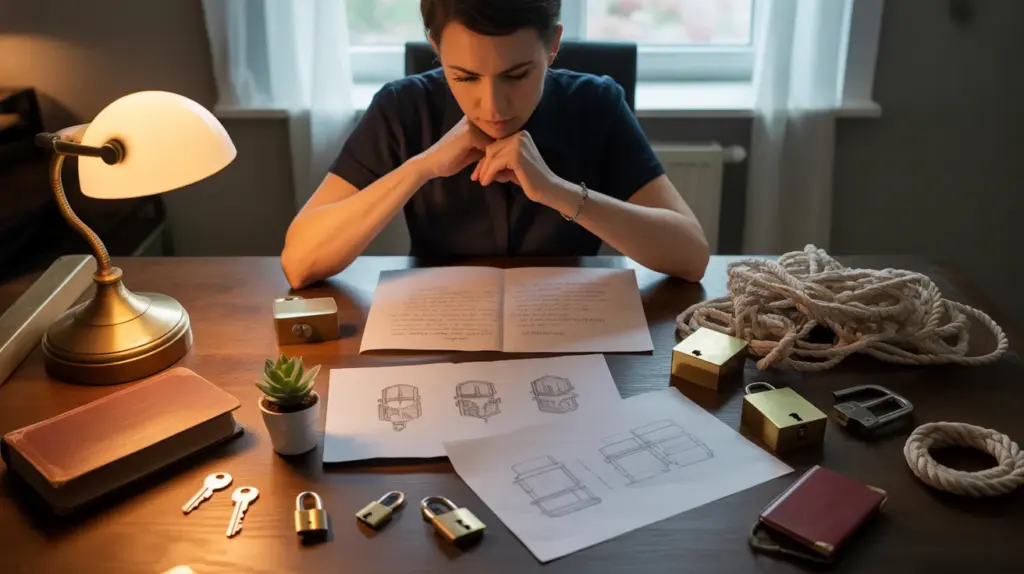
Creating an escape room at home starts with planning before anything is set up physically.
Writing ideas down, testing puzzle flow, and preparing materials ahead of time help everything run smoothly once players begin.
1. Choose a Simple Theme and Storyline
A basic storyline helps connect puzzles without needing heavy decoration.
In the example escape room, the theme focused on everyday household items, pets, and familiar spaces like a linen closet and kitchen. This made clues feel natural and easy to follow while keeping costs low.
2. Set the Final Goal and Rules
The final goal should be clear, such as unlocking a door or opening a final box. Rules should explain what players can touch, how locks work, and how hints are given.
Having all materials laid out at the start helps players understand where to begin.
3. Decide the Number of Puzzles
A home escape room works best with a manageable number of puzzles that flow into one another.
Each puzzle should lead directly to the next, such as a hidden message leading to a key, then to a locked box, and onward through the room. This keeps progress steady without overwhelming players.
4. Map Puzzle Order and Clue Connections
Planning the puzzle order on paper is essential. Writing everything in a notebook allows ideas to be tested, crossed out, and refined.
Marking important steps helps track critical moments where players must understand clues clearly to continue.
5. Set Time Limits and a Hints System
Time limits help maintain urgency, usually between 30 and 60 minutes. Hints can be built into the room through notebooks, extra notes, or verbal guidance if players get stuck.
Testing the escape room beforehand helps confirm that timing and difficulty feel balanced.
Make Your Own Escape Room Ideas
Choosing the right idea makes planning much easier. A clear concept helps determine what puzzles to include, where clues should be placed, and how players move through the space.
These ideas work well for home setups and can be adjusted based on age, group size, and available materials.
1. Mystery Room at Home
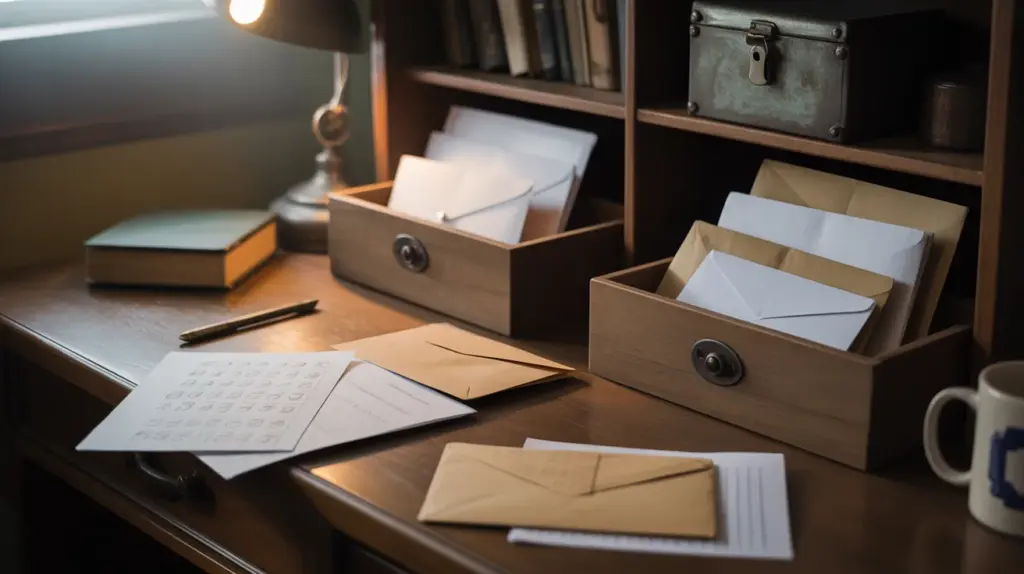
A mystery-style escape room is one of the easiest options to create. The goal usually involves uncovering a secret, finding a missing item, or solving a simple case.
Written notes, hidden messages, and everyday household objects work well for this setup.
Clues can lead players from one room to another, such as a message pointing to a closet, drawer, or cabinet. Locks, envelopes, and boxes help control progress while keeping the experience grounded in familiar surroundings.
This idea works best when puzzles follow a clear sequence, and each solved clue answers a specific question.
2. Classroom Learning Challenge
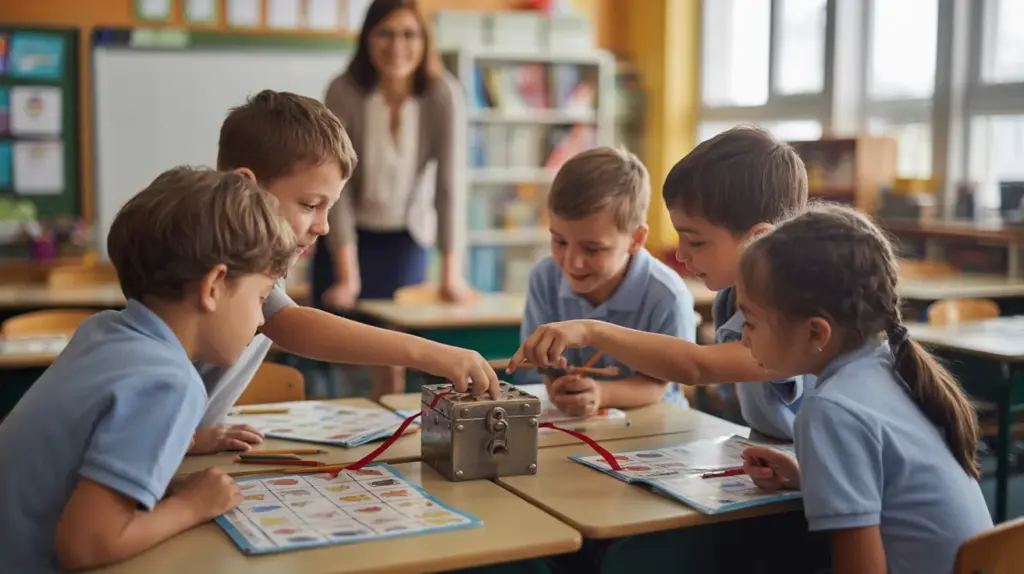
A classroom escape room focuses on reinforcing knowledge through puzzles tied to lessons.
Math problems can unlock number codes, vocabulary clues can reveal hidden words, and history-based puzzles can involve timelines or matching events.
The structure should guide students step by step so learning remains the focus rather than speed. Writing space, such as notebooks or worksheets, helps students organize answers.
This type of setup encourages collaboration while keeping tasks aligned with educational goals.
3. Birthday Party Escape Setup
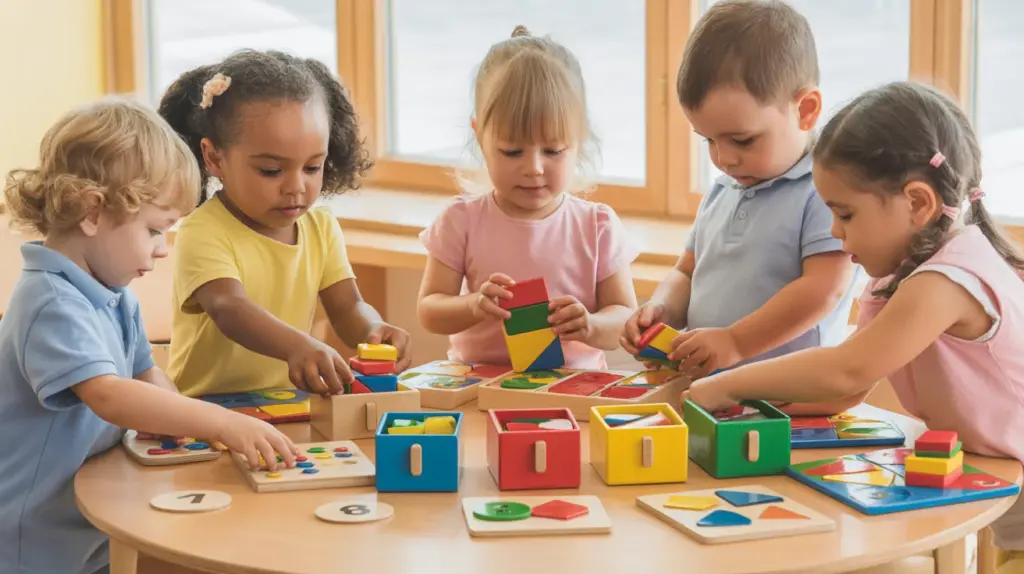
For birthday parties, escape rooms should stay simple and visually clear. Bright colors, themed decorations, and straightforward puzzles help younger players stay engaged.
Locks should be easy to open, and clues should rely on matching, counting, or basic observation. Rewards at the end, such as treats or small prizes, give players a strong sense of completion.
Shorter time limits work better here to maintain excitement without fatigue.
4. Team Activity Puzzle Room

Team-focused escape rooms work well for group problem-solving. Puzzles should require communication, shared information, and combined effort.
Pattern recognition, sorting tasks, and logic-based challenges encourage teamwork without relying on individual knowledge. Using shared workspaces like tables or whiteboards helps groups track progress.
This setup benefits from puzzles that cannot be solved alone, reinforcing collaboration throughout the experience.
5. Holiday or Seasonal Escape Room
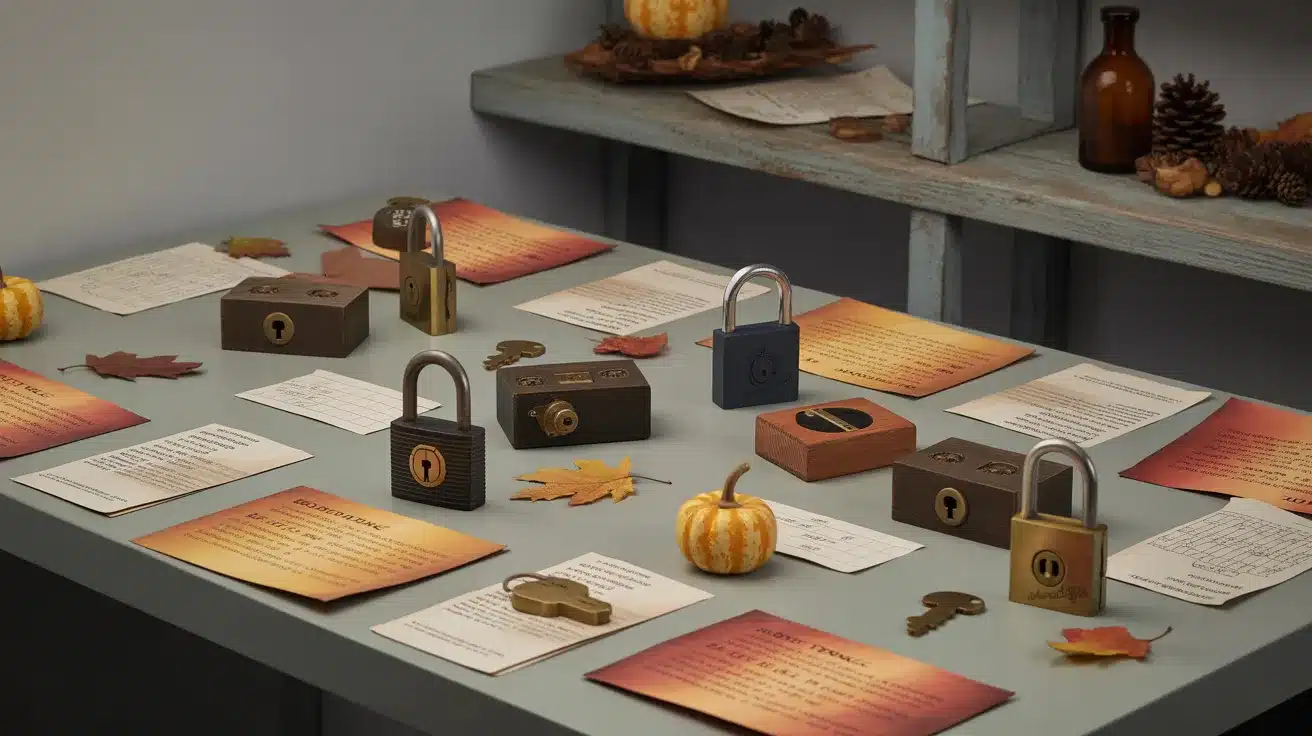
Seasonal escape rooms add variety without changing the basic structure. Clues can reference holidays, weather, or annual events while still using the same types of locks and puzzles.
Decorations and themed props help set the mood, but are not required for success. This idea works well when the theme supports the clues rather than distracting from them.
Seasonal setups are easy to reuse by swapping small details while keeping the core puzzles intact.
DIY Escape Room Puzzles and Clue Types
Using a mix of puzzle styles keeps players engaged and helps different strengths shine. Each puzzle should connect clearly to the next so progress feels natural.
Logic and Pattern Puzzles
These rely on reasoning, such as number sequences, matching items, or ordering objects. They work well early in the game and help players ease into problem-solving.
Hidden Message and Cipher Clues
Messages written with lemon juice, simple codes, or mirror writing add interest. The tools needed to reveal the message should be nearby so players can figure it out without guessing.
Physical Object Challenges
Hands-on tasks like arranging items, placing objects correctly, or assembling simple pieces help balance thinking-based puzzles with movement.
Combination Locks and Codes
Locks control access and pacing. Codes should always come from earlier clues, so players understand how they earned the answer.
Observation-Based Clues
These reward attention to detail, such as counting objects or noticing patterns in the room. They work best when blended naturally into the space.
Common DIY Escape Room Mistakes to Avoid
Several issues can reduce player enjoyment if not addressed early.
- Puzzles that require guessing rather than logic
- Instructions that lack clarity
- Clues placed too far apart or too close together
- No hint system for stalled progress
- Difficulty that changes too sharply
Testing the escape room once before use helps catch most issues.
Conclusion
A DIY escape room offers a flexible and engaging activity that fits many settings without complex planning.
With a clear goal, logical puzzle flow, and simple theme, the experience stays enjoyable for all participants.
Planning puzzles in advance and testing the setup ensures smooth progress and balanced difficulty.
Small details, such as clue placement and hint timing, make a noticeable difference in how the game feels overall.
For those planning a first escape room, starting small and building gradually often leads to better results.
Thoughts, adjustments, or unique puzzle ideas can be shared in the comments to help improve future setups and inspire others.
James McLaren, with a rich background in architecture from the University of Manchester, has been contributing his expertise to the world of creative construction and home innovation for over 20 years. His journey began as a project manager for a leading construction firm, where he honed his skills in bringing complex designs to life. James joined our platform as a freelancer in 2019, quickly becoming a favorite for his insightful and practical advice. He has been a pivotal force to our wing ever since, bringing our readers a blend of technical know-how and creative flair. Beyond his professional life, James is an avid woodworker and enjoys restoring vintage furniture, a hobby that complements his professional insights beautifully.