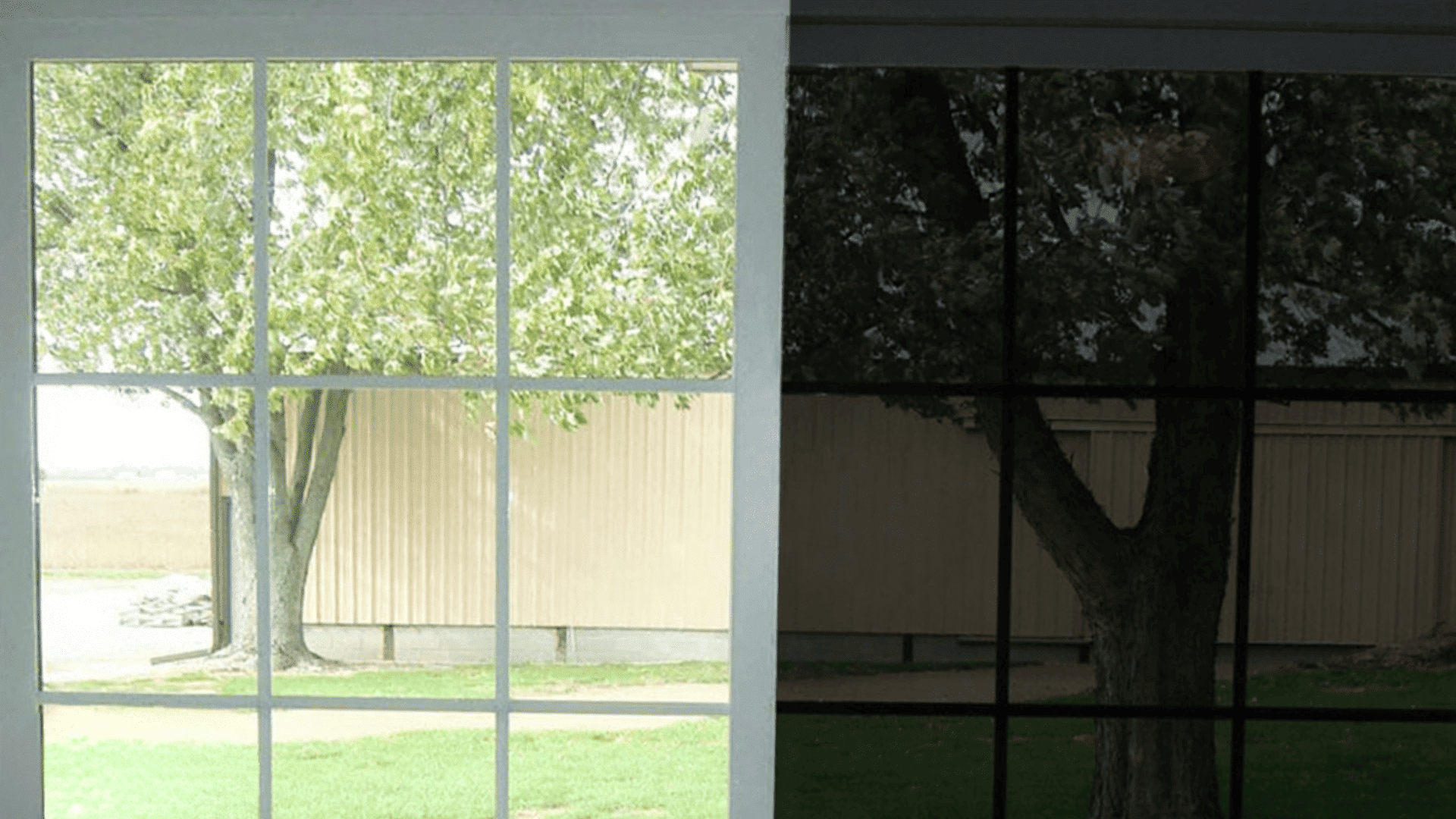

The sun streaming through your windows looks beautiful until you realize what it’s actually doing to your home.
Window tinting seems like the perfect solution for controlling heat, protecting furniture, and adding privacy.
Many homeowners rush to install it, expecting immediate benefits and long-term savings.
But there’s another side to this popular home improvement that doesn’t get discussed enough.
From installation mishaps to unexpected legal complications, tinting your windows can pose challenges that turn a simple upgrade into a costly mistake.
Understanding the disadvantages of home window tinting helps you make smarter decisions about whether this solution is truly a good fit for your needs and budget.
What Is Home Window Tinting?
Home window tinting is the process of applying a thin, transparent film to your windows.
This film helps control how much sunlight, heat, and UV rays enter your home.
The tint comes in different shades and types, each offering specific benefits like reducing glare, lowering energy costs, or adding privacy.
Professional installers apply the film directly to the glass surface, creating a protective barrier that improves your home’s comfort and efficiency.
Many homeowners select this practical option to improve their living areas and safeguard their furniture from sun damage.
Can You See Through a Tinted House Window?
Yes, you can see through tinted house windows from the inside.
The film allows clear outward visibility while reducing glare and brightness. However, the view from outside depends on the tint shade and lighting conditions.
During the daytime, darker tints make it harder for others to see in, providing privacy.
At night with interior lights on, visibility reverses, making it easier to see inside than out. The film adheres to the glass pane, one of the key parts of a window.
Disadvantages of Home Window Tinting
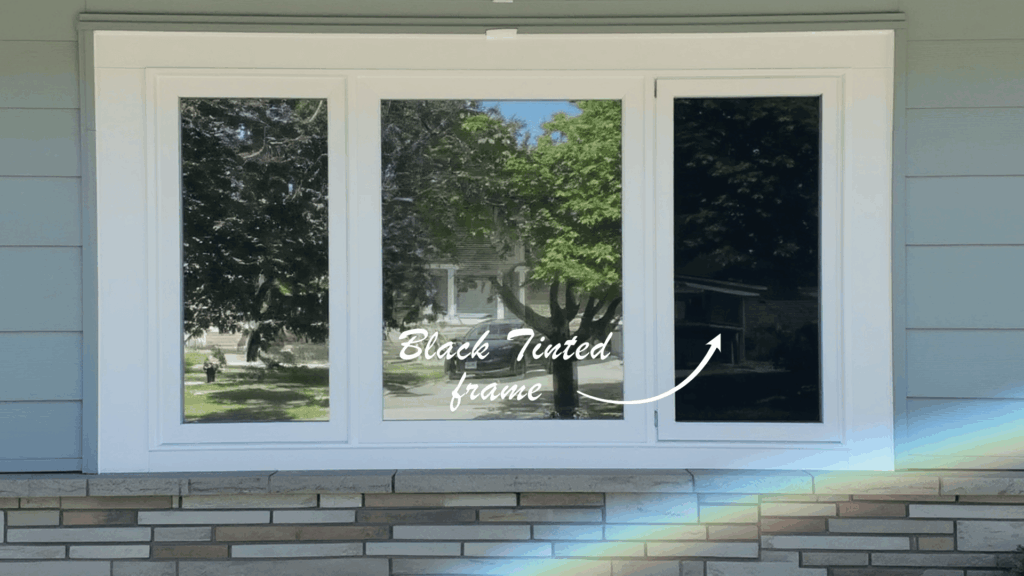
Choosing the right window tint can significantly influence how your home looks and operates. Different films serve different purposes, from blocking heat to enhancing security.
Here are the main types to consider:
1. Uneven Application
Applying window film requires steady hands and precise technique. Without professional tools, you’ll likely struggle with air bubbles, wrinkles, and misalignment.
Even minor placement errors become permanent once the adhesive sets.
Large windows make this worse, as maintaining consistent pressure across the entire surface is nearly impossible for beginners.
2. Shorter Lifespan
DIY films typically use thinner materials that deteriorate faster than professional-grade options.
Sun exposure and temperature fluctuations cause them to fade, peel, or bubble within a few years.
Poor installation weakens the bond between the film and the glass, so you’ll face replacement costs sooner than expected.
3. Reduced Visibility
Mistakes during installation can trap dust or create distortions that interfere with your view.
What looks acceptable in daylight often becomes frustrating at night when indoor lighting highlights every imperfection.
Hazy spots or misaligned edges make it harder to see outside clearly, affecting both comfort and safety.
4. Heat Shrink and Alignment Issues
Some films need controlled heat application to fit properly around window edges.
Without the right equipment, the material can shrink unevenly or pull away from corners.
This leaves unsightly gaps and reduces the film’s effectiveness, creating an unprofessional appearance that’s difficult to correct.
5. Risk of Glass Damage
Inexperienced handling during installation can put unnecessary stress on your windows.
Applying too much pressure, using blades incorrectly, or exposing glass to uneven heat may cause cracks or chips. Older or thinner panes are especially vulnerable to these mistakes.
What begins as a simple home improvement task could result in costly repairs or the need for a complete window replacement.
6. Limited UV and Heat Control
Budget DIY films often provide only basic shading, with little protection against ultraviolet rays or solar heat.
These lower-quality materials may darken your windows but fail to block the harmful elements that cause furniture fading and temperature spikes.
Your rooms continue getting uncomfortably warm, and your belongings remain exposed to sun damage despite the tinted appearance.
7. Time-Consuming Process
Installing window film involves multiple detailed steps for every single pane: thorough cleaning, accurate measuring, precise cutting, careful positioning, and patient smoothing.
Mistakes force you to remove everything and start over, wasting both materials and time.
For homes with numerous windows, this project can take an entire weekend or span several days, especially for first-timers.
8. Difficult Removal
When DIY tint fails or doesn’t meet expectations, getting it off becomes another frustrating challenge.
Adhesive residue clings stubbornly to the glass and requires extensive scraping or chemical treatments to eliminate.
This cleanup process is tedious and messy. Aggressive removal attempts can leave scratches or permanent marks on the window surface, creating additional problems.
9. Warranty Limitations
Most manufacturers restrict their warranties exclusively to professional installations. If you apply the film yourself, any defects, such as peeling, bubbling, or discoloration, won’t qualify for replacement or customer support.
You bear complete responsibility for material failures or performance issues.
There’s no manufacturer backing to help when problems arise, leaving you to cover all correction costs.
10. Inconsistent Appearance Across Windows
Achieving uniform results across windows requires skill and experience.
Small differences in film placement, tension, or edge trimming become noticeable when viewing multiple windows, creating a mismatched look that impacts your home’s interior and exterior aesthetics.
The installation appears unfinished or unprofessional, diminishing rather than enhancing your property’s visual appeal.
Legal and HOA Restrictions for Home Window Tinting
Home window tinting is not always a free design choice.
Local regulations and community rules can limit how and where window films are used, making compliance an important consideration.
Local building codes: Some municipalities regulate window modifications for safety and visibility reasons. Restrictions may apply to reflectivity levels, tint darkness, or specific window locations.
Energy and safety standards: Certain areas require window materials to meet energy-efficiency or fire-safety guidelines, and not all tint films meet these requirements.
Homeowners association rules: Many HOAs control exterior appearance to maintain uniformity. Reflective or dark window films are often restricted or prohibited.
Approval requirements: Written approval may be required before installation, and unapproved changes can lead to fines or mandatory removal.
Failure to follow applicable rules can result in added costs, disputes, or the need to reverse the installation, reducing the overall value of home window tinting.
Is it Worth it to Tint Your Home Windows?
Yes, tinting your home windows is absolutely worth the investment.
You’ll enjoy lower energy bills as your cooling system works less hard, and your furniture stays vibrant longer without sun-induced fading.
The added privacy during daytime hours and reduced screen glare make daily activities more comfortable.
The upfront cost pays for itself through consistent energy savings, while the protection and comfort improvements enhance your living space year-round.
It’s a practical upgrade that delivers genuine, long-lasting value.
Can You Get Vitamin D from Sun Through a Window?
Sunlight coming through a window does not help the body produce vitamin D.
Vitamin D synthesis requires UVB rays, and standard window glass blocks most UVB radiation.
Even on bright, sunny days indoors, the skin receives light without the UVB needed for vitamin D production.
As a result, time spent near windows does not replace direct outdoor sun exposure for maintaining healthy vitamin D levels.
How Long Does Window Tint Last on a House?
Professional window tint typically lasts 10 to 20 years on residential windows, depending on the film quality and installation method.
Premium films, when applied properly, often reach the upper end of this range, while standard options may need replacement sooner.
Factors like:
- sun exposure,
- climate conditions, and
- Maintenance habits affect longevity.
Related Read: Factors That Affect Window Replacement
Films facing intense direct sunlight may fade or degrade faster than those on shaded windows.
Regular cleaning with appropriate products helps maintain the tint’s appearance and protective qualities throughout its lifespan.
Making the Right Choice for Your Home!
Home window tinting offers real benefits: lower energy bills, UV protection, and enhanced privacy make it an attractive option for many households.
However, the disadvantages of home window tinting deserve equal attention before you commit.
DIY installations often result in bubbles, reduced lifespan, and warranty issues that negate initial savings.
Professional installation costs more upfront but delivers better results and longer-lasting protection.
You’ll also need to check local building codes and HOA restrictions to avoid legal complications.
The decision ultimately depends on your budget, expectations, and willingness to invest in quality materials and expert application.
What’s been your experience with window tinting?
Share your thoughts below!

With a Master’s in Architecture from the University of California, Berkeley, Mitchell Green has spent over two decades dedicated to the study and practical application of home fixture design. His career started in an architectural firm, providing him a strong foundation in the structural and aesthetic aspects of home interiors. Mitchell brought his comprehensive knowledge to our platform, where he has been an influential voice in our home fixtures and fittings section. Since 2018, he has been guiding our readers through the intricacies of selecting and installing fixtures, combining technical know-how with design flair. In his spare time, Mitchell is a keen photographer, capturing architectural details and design elements, an interest that complements his professional focus.