
Bad hair days are frustrating. Dry strands, frizz, breakage, and hair fall: these are problems most people deal with at some point.
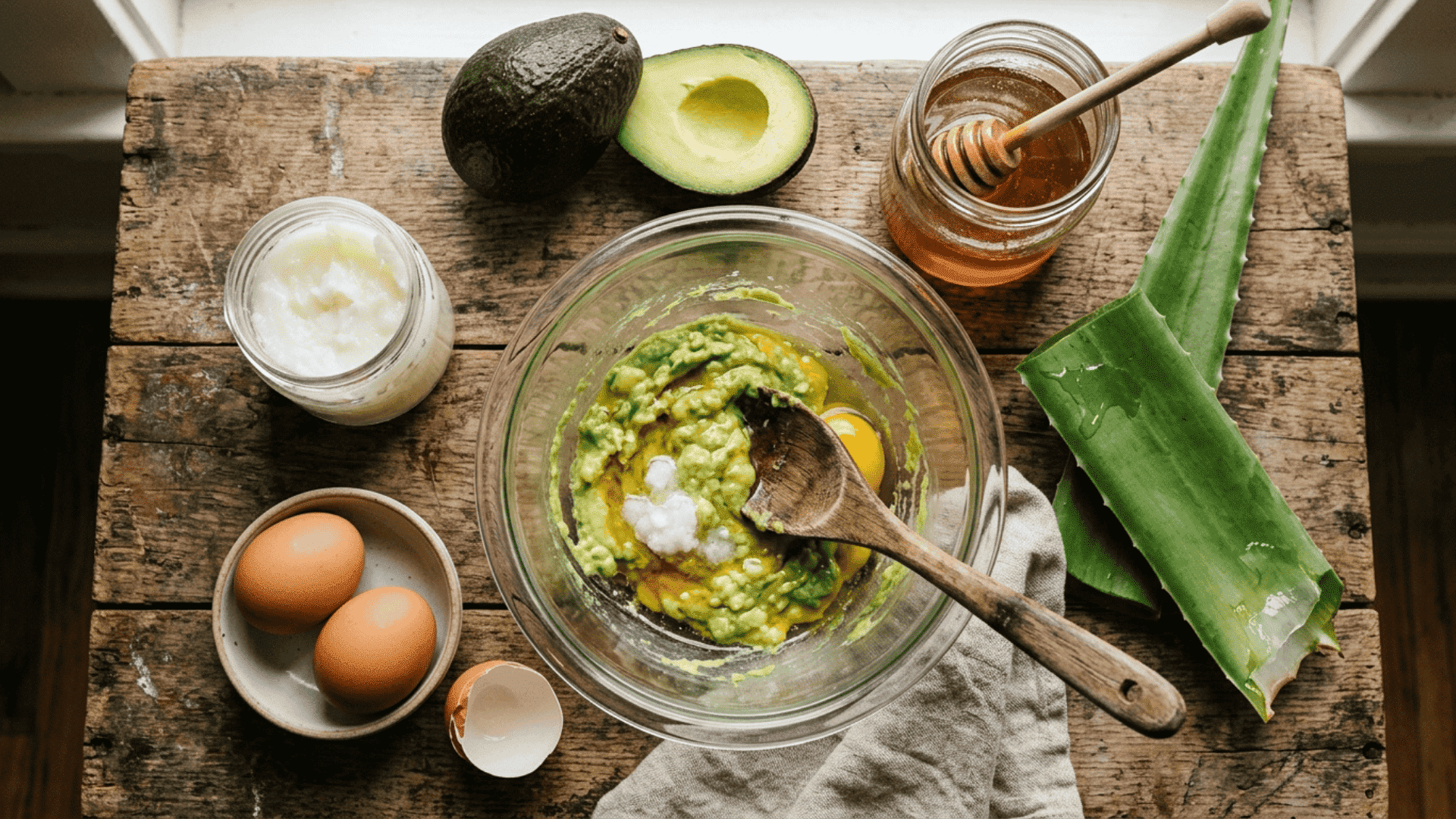
A DIY hair mask does not require fancy products or expensive salon treatments actually to work. Simple kitchen ingredients like eggs, coconut oil, and honey can do the job just as well.
And the results? Surprisingly effective when the right ingredients are matched to the right hair concern.
This blog covers different DIY hair mask recipes, each one built for a specific need, from oily scalps to brittle ends, so there is always a recipe that fits.
How a DIY Hair Mask Works
DIY hair masks are an easy and effective way to nourish your hair using simple, natural ingredients. They work by delivering moisture and nutrients directly to the hair and scalp, helping improve overall health with consistent use.
- Deep Nourishment – Provides essential nutrients that strengthen hair from root to tip
- Chemical-Free Option – Free from synthetic additives, making it gentler on hair
- Easy Application – Simple mix, apply, leave for 20–30 minutes, and rinse
- Flexible Routine – Can be used weekly or more often for damaged hair
- Improves Texture – Helps make hair softer, smoother, and easier to manage
- Gradual Results – Visible improvement appears with regular use over time
- Scalp Support – Helps maintain a healthier scalp environment
DIY Hair Mask Recipes for Different Hair Needs
Not every hair concern needs the same fix, and each DIY hair mask recipe below targets a different problem using a distinct primary ingredient.
1. Coconut Oil Mask for Deep Moisture
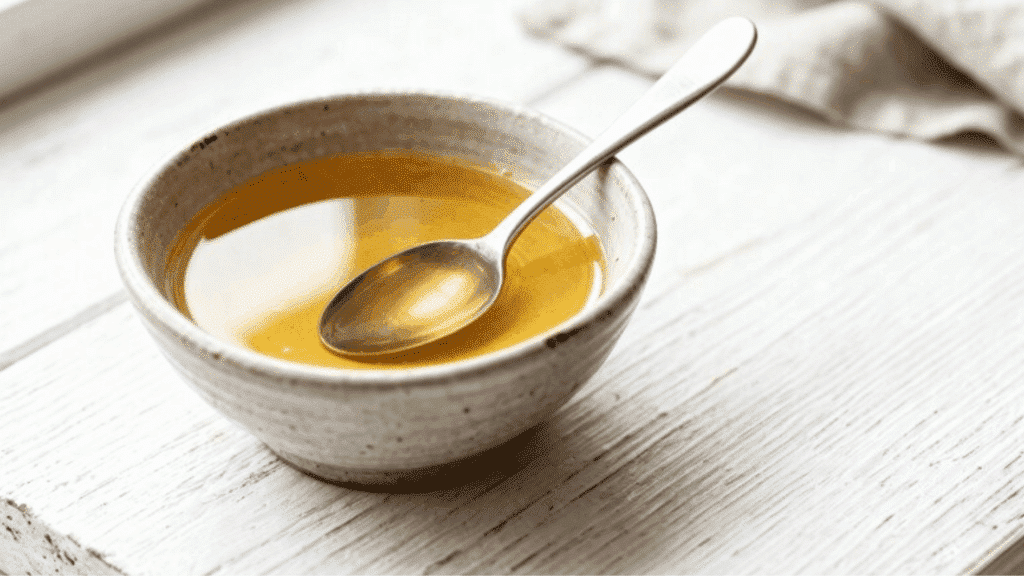
Coconut oil is one of the most effective ingredients for restoring moisture to dry hair. It penetrates the hair shaft deeply, reducing protein loss and leaving strands softer after just a couple of uses.
To use it, warm 2 tablespoons of coconut oil slightly, then apply from mid-length to the ends. Leave it on for 30 minutes, then rinse with a gentle shampoo. Once a week works well for dry or frizzy hair.
2. Egg Mask for Protein Repair
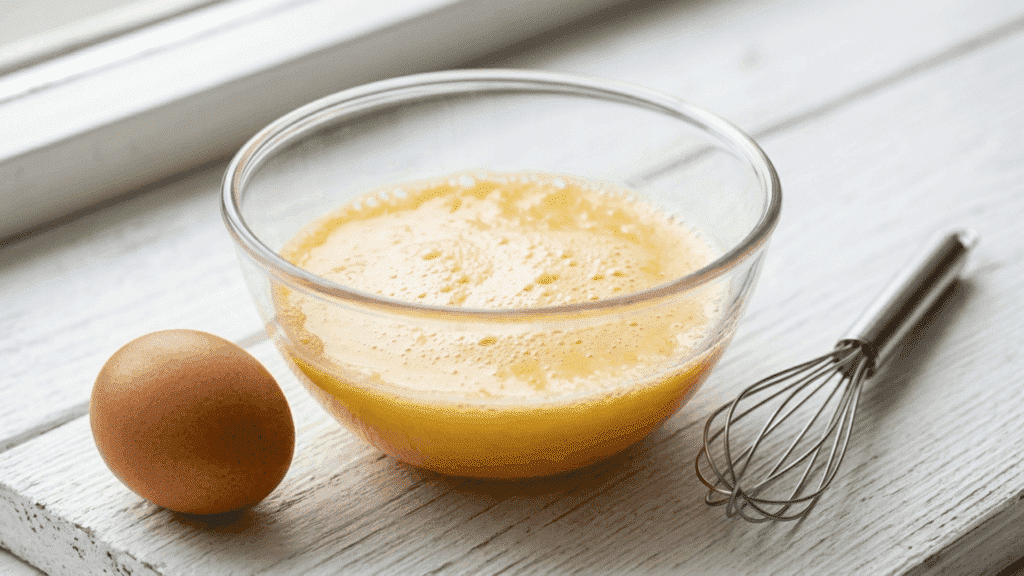
The egg hair mask is one of the most reliable treatments for damaged hair. It is packed with protein and biotin, both of which help rebuild weak strands and reduce breakage over time.
Beat one whole egg and apply it evenly from roots to ends. Leave it on for 20 minutes and rinse with cool water, never warm, to avoid cooking the egg in the hair.
3. Banana Mask for Frizz Control
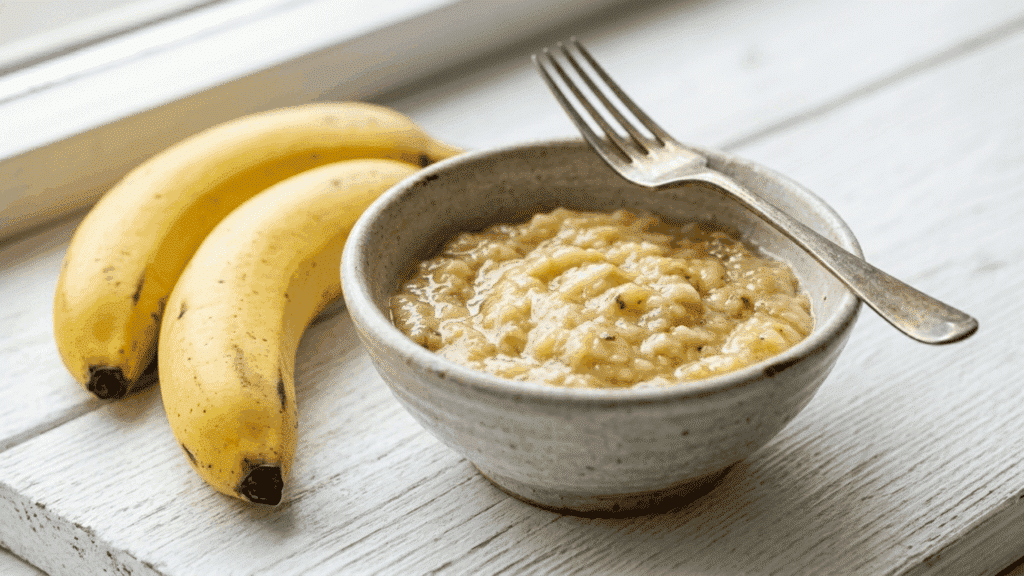
Banana is rich in natural oils and potassium, which help smooth the outer layer of the hair and reduce frizz caused by humidity or rough handling.
This hair mask works best with a fully ripe banana. Mash it until there are no lumps and work it through the hair from roots to tips. Leave it on for 25 minutes, then rinse thoroughly.
Making sure the banana is fully mashed before applying is important. Any lumps left in the mixture can get stuck in the hair and become difficult to rinse out.
4. Aloe Vera Mask for Scalp Soothing
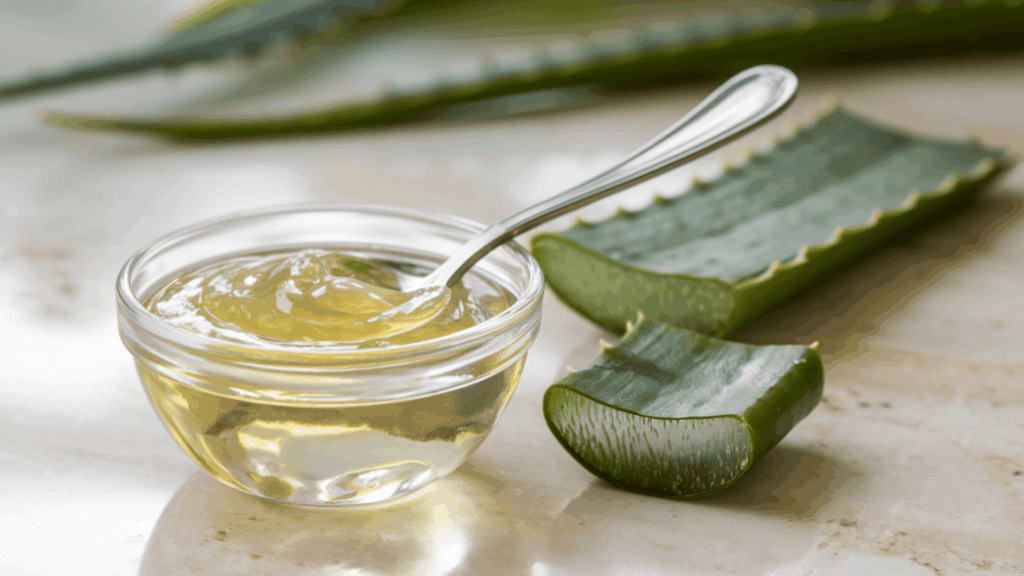
Aloe vera has natural anti-inflammatory properties that calm an itchy, irritated scalp. It also adds lightweight hydration without making the hair feel heavy or greasy.
This hair mask requires two tablespoons of fresh aloe vera gel applied directly to the scalp. Leave it on for 20 minutes and rinse with cool water. Sensitive scalps can use these two to three times a week without any irritation.
5. Avocado Mask for Deep Conditioning
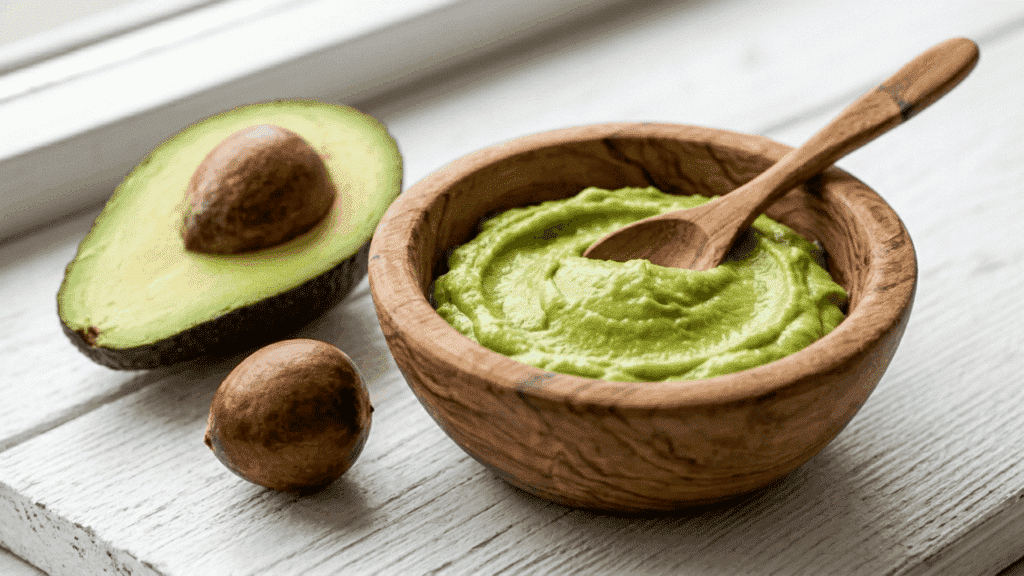
Avocado is loaded with healthy fats and vitamins that penetrate deeply into dry, brittle strands. It is one of the more nourishing options for hair that feels rough and lacks softness.
Mash half a ripe avocado into a smooth paste and apply it from mid-length to the ends. Leave it on for 30 minutes, then rinse with lukewarm water.
Adding this DIY hair mask to a weekly routine can make a noticeable difference in brittle hair over time. Consistency is what brings results.
6. Castor Oil Mask for Hair Growth Support
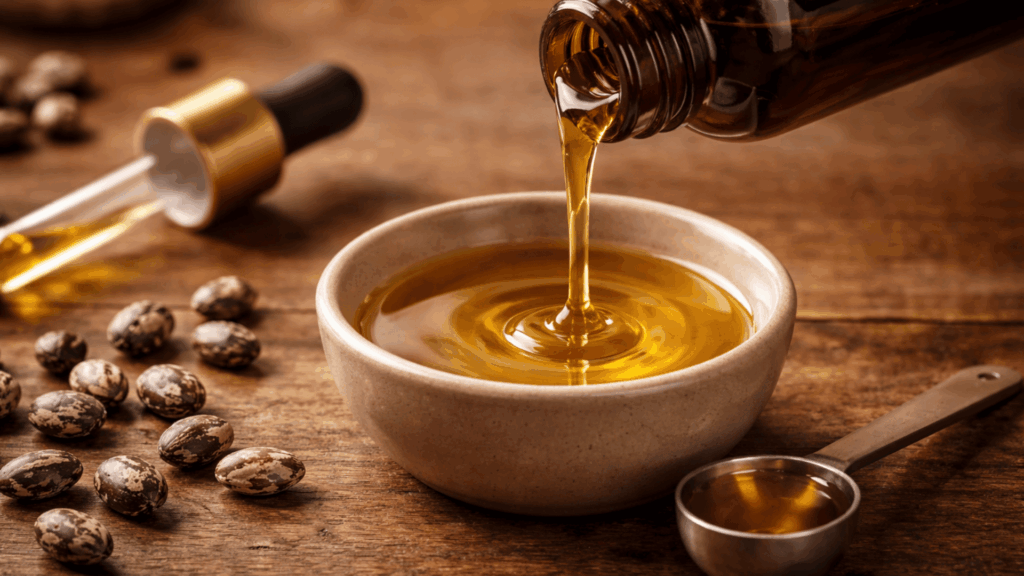
The castor oil hair mask is thick and rich in ricinoleic acid, which improves blood circulation to the scalp and supports healthier hair growth. It works especially well for thin or low-density hair.
Massage one tablespoon of castor oil directly into the scalp and leave it on for at least 30 minutes before washing out. Because of its thick consistency, mixing it with a lighter oil makes it easier to rinse.
7. Yogurt Mask for Dandruff Reduction
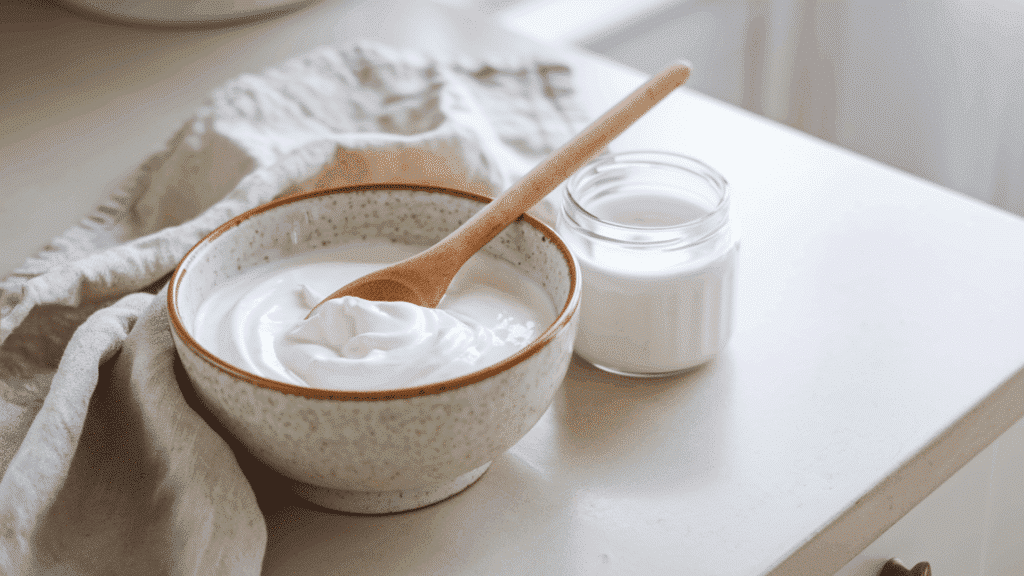
Yogurt contains lactic acid and probiotics that help break down flakes and balance the scalp’s natural bacteria. It is one of the more effective options for anyone dealing with persistent dandruff or buildup.
Apply two tablespoons of plain yogurt directly to the scalp and work it through the lengths. Leave it on for 25 minutes, then rinse with cool water.
This hair mask works best when used consistently. Two to three applications a week can visibly reduce flaking within a few weeks of regular use.
8. Almond Oil Mask for Strength
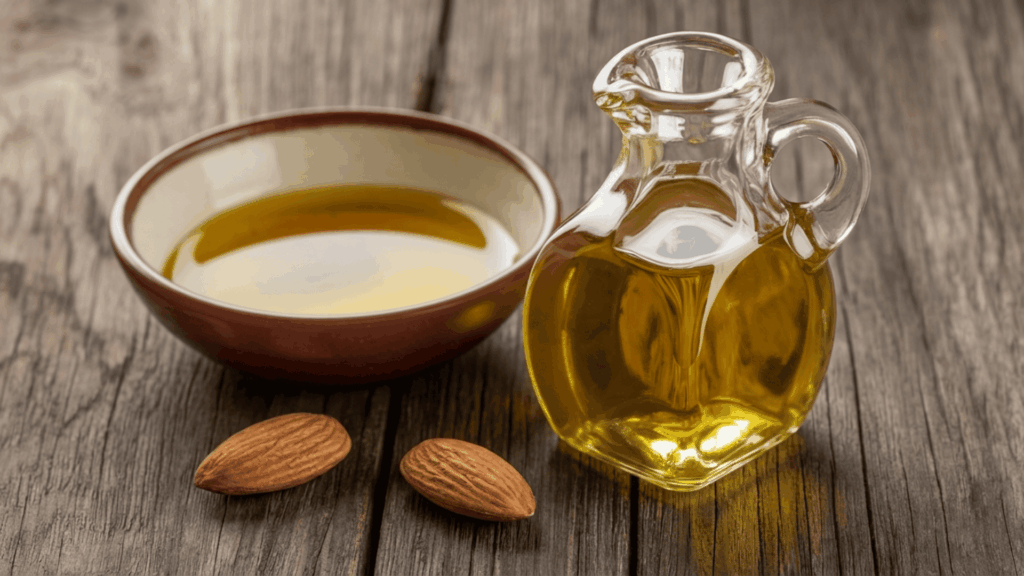
The almond oil hair mask is packed with magnesium and vitamin E, both of which help strengthen hair from the roots and reduce breakage.
Massage 2 tablespoons of almond oil into the scalp, then work it through to the ends. Leave it on for 30 minutes and rinse with a mild shampoo. Visible improvement in hair strength usually occurs within 3 to 4 weeks of regular use.
9. Rice Water Mask for Smooth Texture
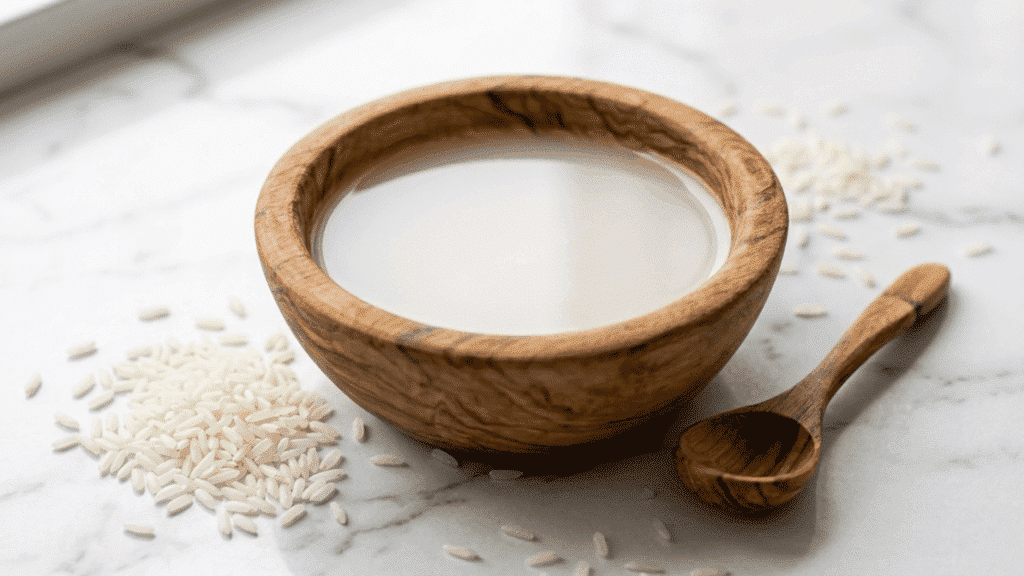
Rice water is rich in inositol, a compound that repairs damaged hair and helps smooth the outer surface of each strand. It is a simple yet effective option for hair that feels rough or unmanageable.
Soak half a cup of rice in water for 30 minutes, strain the water, and apply it evenly through the hair. Leave it on for 20 minutes, then rinse thoroughly.
This hair mask is lightweight and suits most hair types. Regular use once a week gradually improves texture and adds a natural softness to the hair.
10. Green Tea Mask for Oily Scalp Control
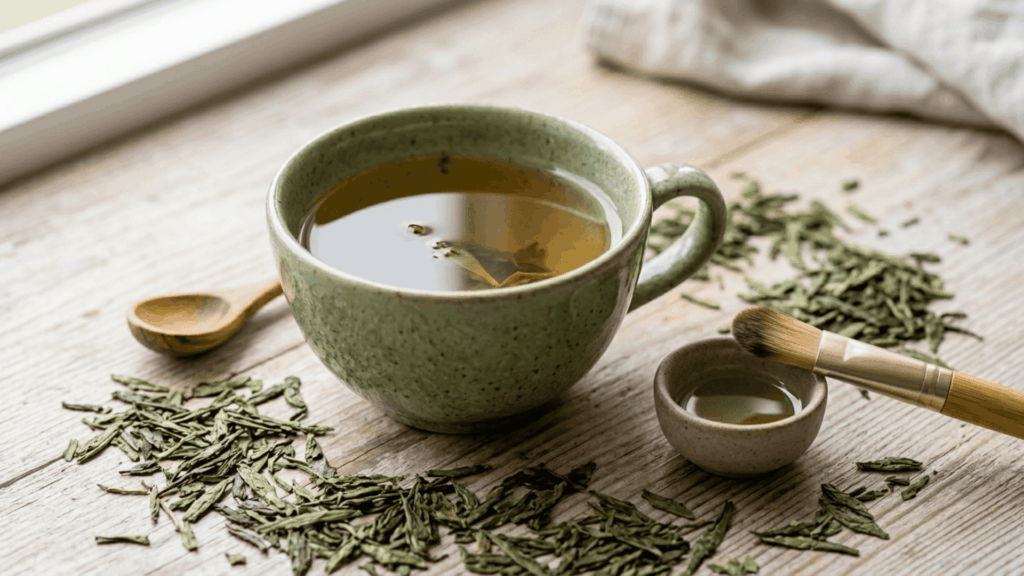
Green tea is high in antioxidants and helps regulate excess sebum production on the scalp. This DIY hair mask is a practical option for anyone whose hair tends to get greasy quickly between washes.
Brew a strong cup of green tea, let it cool completely, and apply it directly to the scalp. Leave it on for 20 minutes and rinse with water. Using it once or twice a week helps keep oil production in check without drying out the scalp.
11. Apple Cider Vinegar Mask for pH Balance
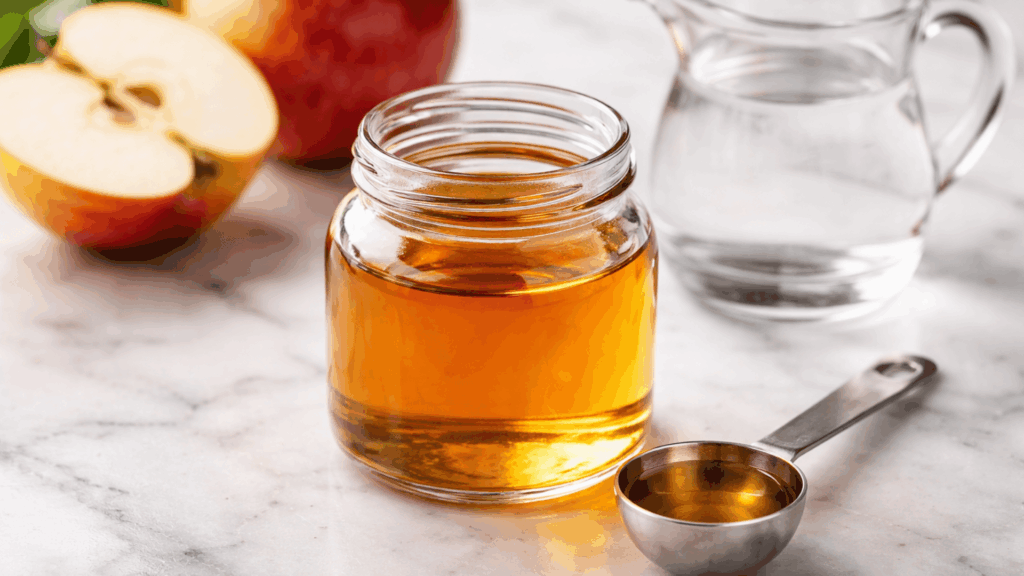
Apple cider vinegar helps restore the scalp’s natural pH level and clears away product buildup that regular shampoo often leaves behind. It works well for hair that feels weighed down or lacks natural bounce.
Mix 1 tablespoon of apple cider vinegar with 2 tablespoons of water, then apply it to the scalp. Leave it on for 15 minutes and rinse thoroughly. Scalp buildup clears up noticeably within 2 to 3 weeks with regular application.
12. Fenugreek Seed Mask for Hair Thickening
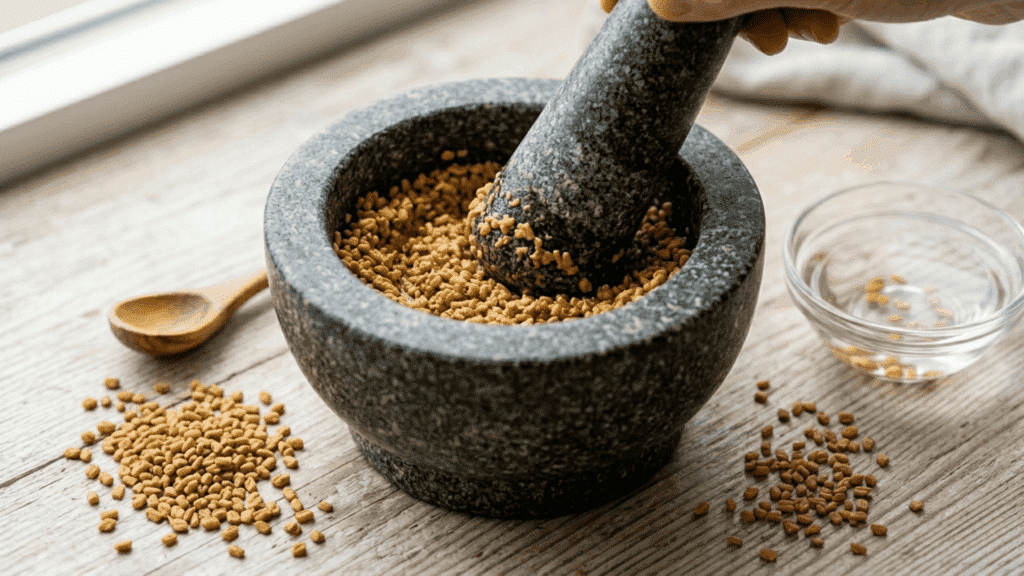
Fenugreek seeds are rich in protein and nicotinic acid, both of which help strengthen hair follicles and add volume to thin, flat hair. Soaking the seeds overnight is key to getting the right consistency for this hair mask.
Soak two tablespoons of fenugreek seeds overnight, grind them into a smooth paste the next morning, and apply it directly to the scalp. Leave it on for 30 minutes, then rinse with cool water.
Using this mask twice a week over a few weeks can make a visible difference in hair thickness and overall volume.
13. Mayonnaise Mask for Split Ends Care
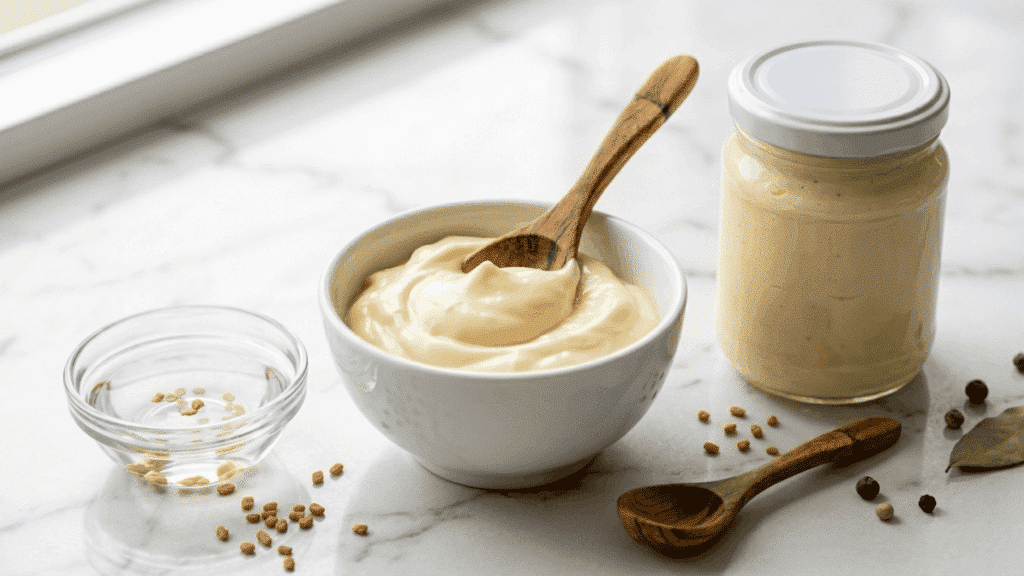
Mayonnaise is high in oil and eggs, making it a practical option for sealing split ends and adding moisture to dry, damaged lengths. This DIY hair mask coats the hair shaft and helps reduce further breakage at the tips.
Apply two tablespoons of mayonnaise from mid-length to the ends, avoiding the scalp.
Leave it on for 20 minutes and rinse with a gentle shampoo. Ends feel noticeably smoother and more sealed after two to three consistent applications.
14. Olive Oil Mask for Shine Boost
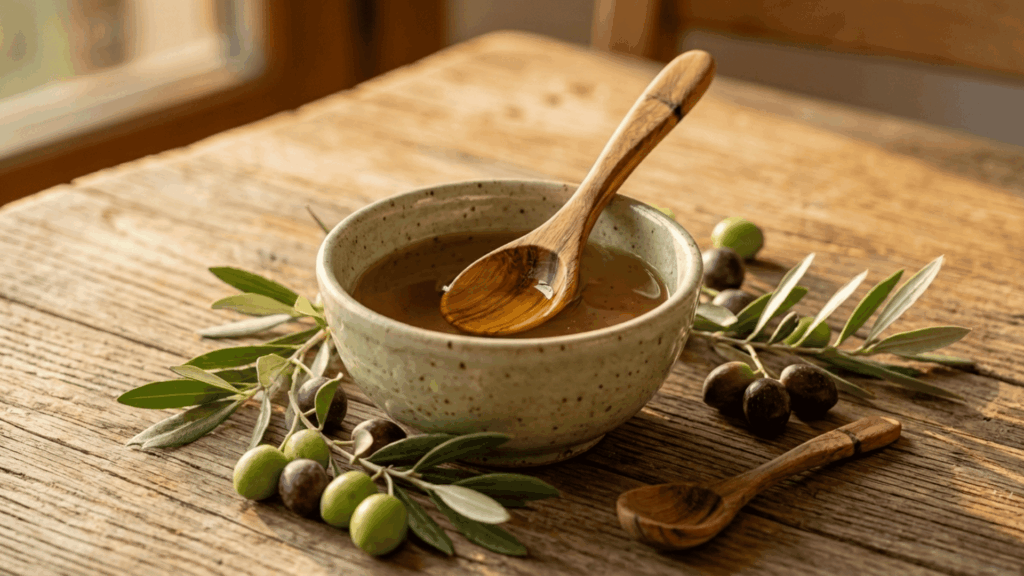
Olive oil is rich in antioxidants and healthy fatty acids that coat the hair shaft and bring back natural shine to dull, lifeless hair. It is one of the simplest and most accessible options for a quick conditioning treatment.
Warm two tablespoons of olive oil slightly and apply it from roots to ends. Leave it on for 30 minutes and rinse with a mild shampoo. This hair mask works best when used once a week on dull or dry hair.
15. Papaya Mask for Scalp Cleansing
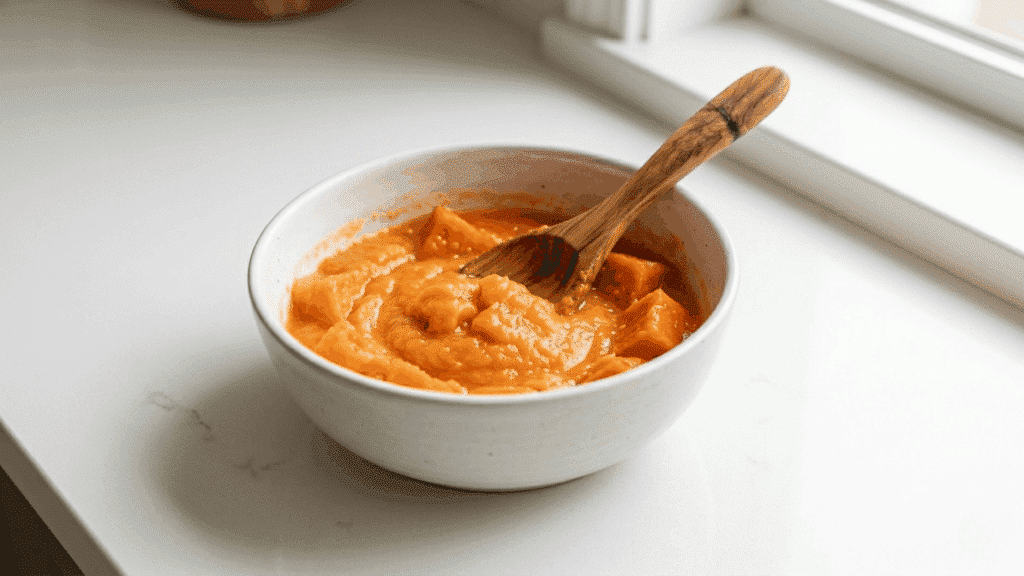
Papaya contains an enzyme called papain that helps break down dead skin cells and buildup on the scalp. This hair mask is a natural and effective option for anyone whose scalp feels congested or lacks freshness.
Mash a few chunks of ripe papaya into a smooth paste and apply it directly to the scalp. Leave it on for 25 minutes and rinse with cool water.
This mask works particularly well for those who use a lot of styling products regularly. Those who use heavy styling products regularly will notice a cleaner, lighter scalp within a few weeks.
16. Onion Juice Mask for Hair Fall Control
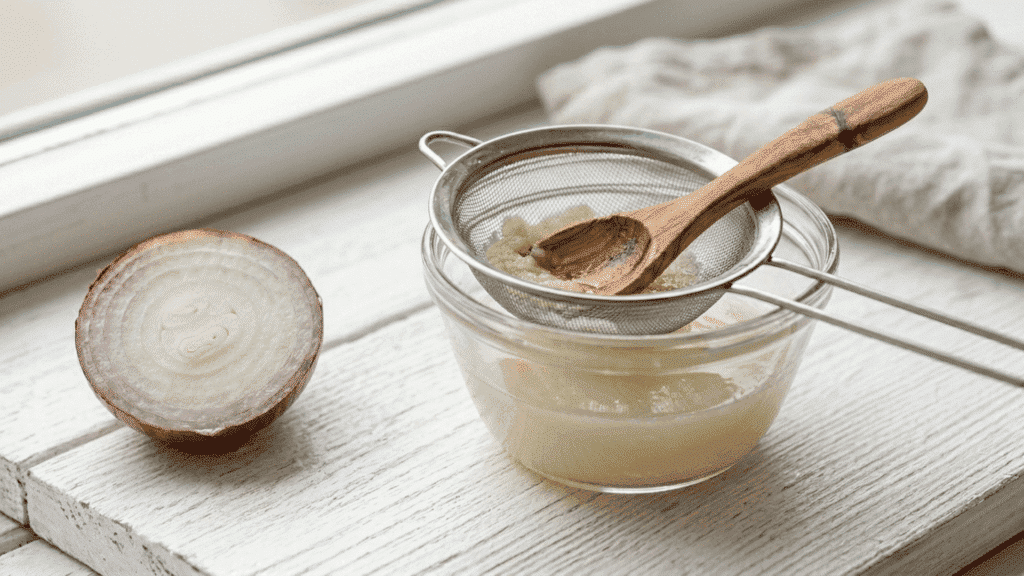
Onion juice is high in sulfur, which supports collagen production and helps strengthen hair follicles that are prone to excessive shedding. It has a strong smell, but remains one of the more researched natural options for controlling hair fall.
Extract the juice from one medium onion, apply it directly to the scalp, and leave it on for 30 minutes before rinsing with a mild shampoo.
This DIY hair mask works best when followed by a light conditioner on the ends, which also helps manage the smell.
17. Cornstarch Mask for Oil Absorption
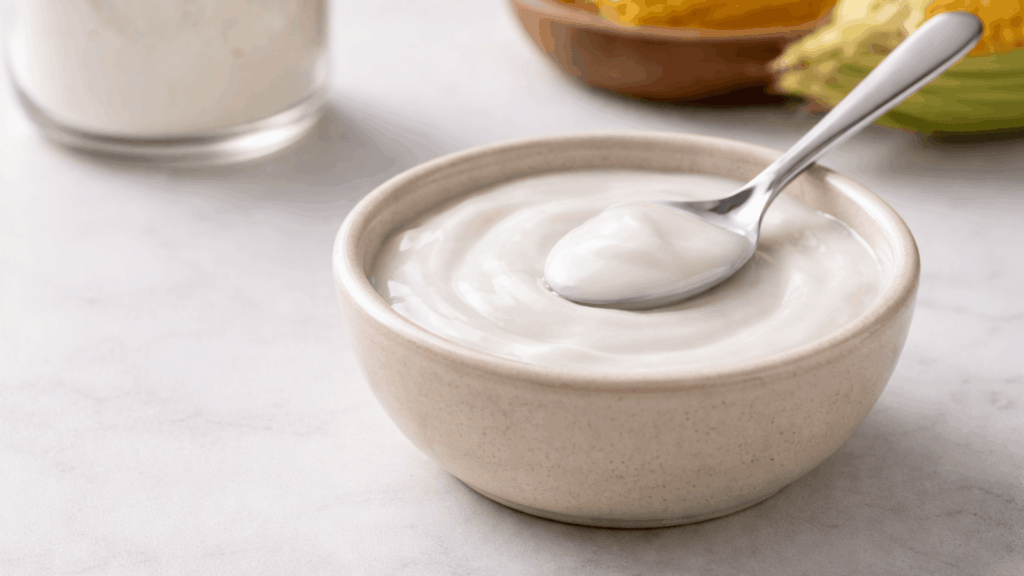
Cornstarch is a dry treatment that works between wash days, absorbing surface oil from the scalp without any water or rinsing required initially.
It is not a deep treatment but rather a quick reset for hair that turns greasy within a day or two of washing.
Mix 2 tablespoons of cornstarch with enough water to form a smooth paste, then apply it to the scalp. Leave it on for 20 minutes and rinse thoroughly with a gentle shampoo. Once a week is sufficient for managing oily roots.
18. Hibiscus Mask for Hair Strength
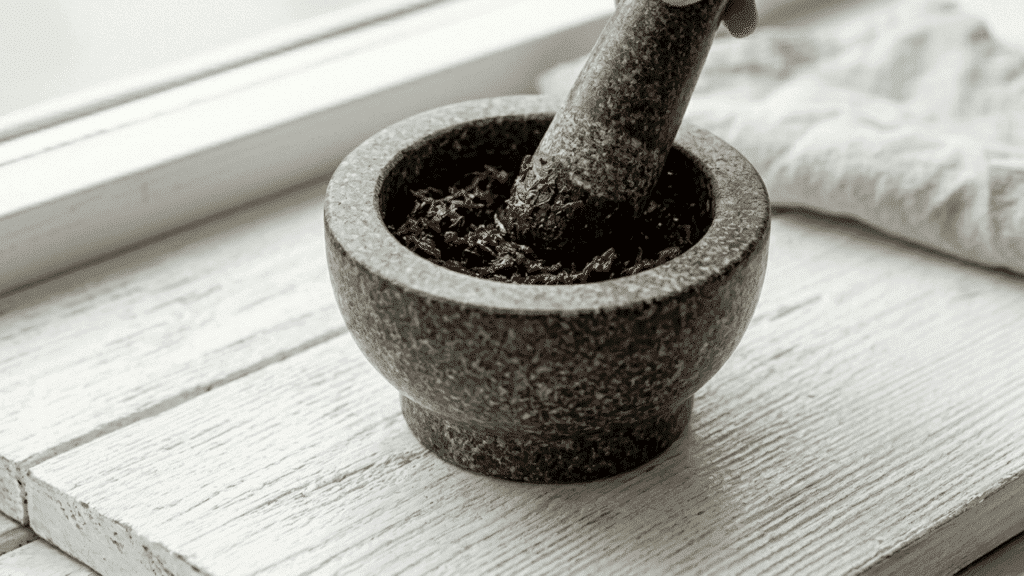
Hibiscus is rich in amino acids and vitamins that nourish the scalp and improve the overall elasticity of the hair strand. It is a well-known ingredient in traditional hair care for strengthening weak or brittle hair.
Grind a few fresh hibiscus petals and leaves into a smooth paste and apply it evenly from roots to ends. Leave it on for 30 minutes, then rinse with cool water.
This hair mask works best when used consistently once a week. Over time, it helps reduce breakage and improves the natural strength of each strand.
19. Shea Butter Mask for Extreme Dryness
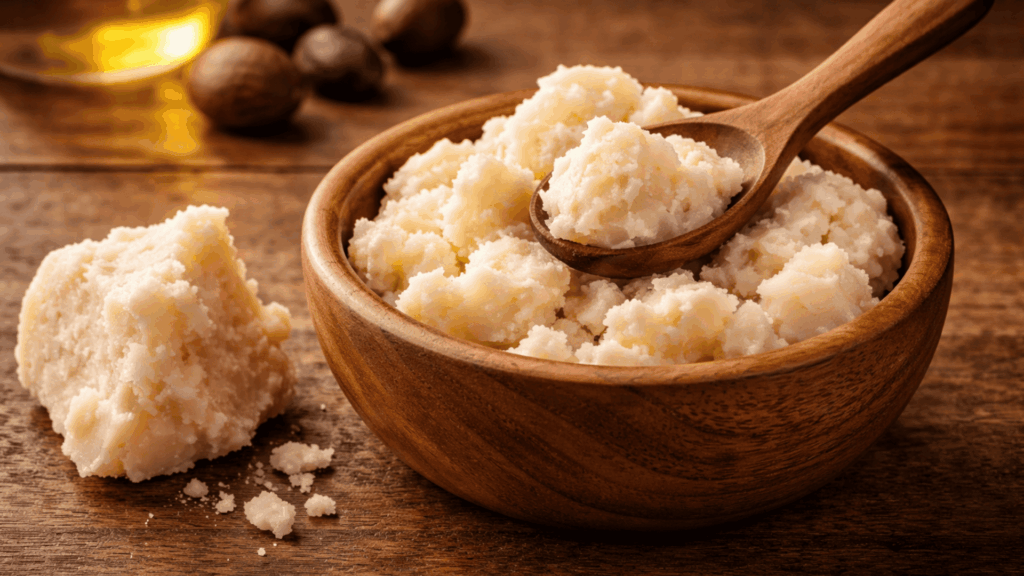
Shea butter is deeply moisturizing and works well for very coarse or dry hair that does not respond to lighter conditioning treatments. It forms a protective layer around each strand, locking in moisture and reducing brittleness.
Soften 2 tablespoons of raw shea butter between the palms, then apply it generously from mid-length to the ends.
Leave it on for 30 to 40 minutes and rinse with a clarifying shampoo to remove the heaviness. Using this mask once a week gives coarse hair the intense conditioning it needs.
How Often Should You Use a DIY Hair Mask?
How often you should use a DIY hair mask depends on your hair type and the level of damage. Using it too often or too little can affect results, so balance is key.
| Hair Type / Concern | Recommended Frequency | Why It Works |
|---|---|---|
| Normal Hair | Once a week | Maintains overall health and softness |
| Dry or Damaged Hair | 1–2 times a week | Restores moisture and repairs damage |
| Oily Hair | Once every 7–10 days | Avoids excess buildup on the scalp |
| Curly or Coarse Hair | 1–2 times a week | Needs extra hydration and nourishment |
| Severely Damaged Hair | 2 times a week | Supports recovery and reduces breakage |
Conclusion
Choosing the right DIY hair mask comes down to one simple thing: knowing what the hair actually needs. Dry hair calls for heavier, oil-based masks.
An irritated scalp needs something soothing and light. Weak or thinning hair responds better to protein-rich ingredients. Starting with one or two recipes that match the current hair concern is always the smarter approach.
Results take time, and adjusting the recipe based on how the hair responds is part of the process.
The best part about making a hair mask at home is that the ingredients are simple, affordable, and easy to find. There is no reason to overcomplicate it.

Stephanie Grace, a graduate with a degree in Fine Arts from the Savannah College of Art and Design, has been inspiring DIY enthusiasts with her creative and practical guidance for over 14 years. Her career in design and crafting began in a small artisan workshop, where she developed a passion for transforming everyday materials into beautiful and functional items. Stephanie joined our website in 2018, rapidly gaining popularity for her easy-to-follow DIY tutorials and innovative project ideas. Since then, she has been the creative mind behind our DIY section, helping readers bring their artistic visions to life. Outside her professional pursuits, Stephanie enjoys pottery and urban gardening, hobbies that showcase her love for hands-on creativity and nature.