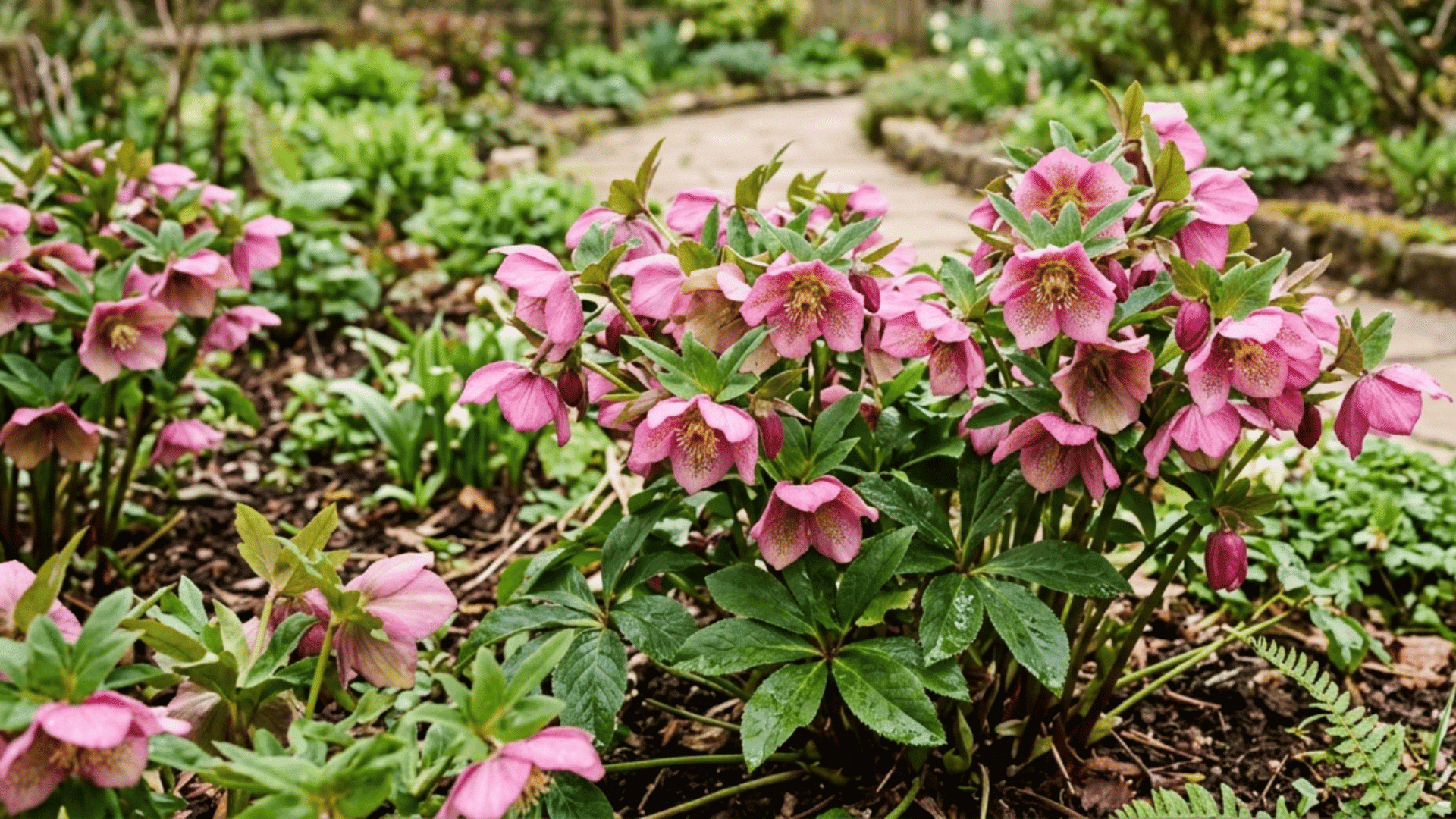

After weeks of grey skies and bare branches, there’s nothing quite like spotting the first flash of colour in the garden. It stops you in your tracks.
That little burst of yellow, purple, or white is a reminder that winter is finally loosening its grip. And early spring flowers are the ones that do it first, showing up before anything else dares to.
So if you’ve been staring at bare soil and wondering what to plant right now to get those early blooms, you’re in the right place.
We’ve put together a structured list of the best early spring flowers, along with simple planting tips you can act on today. So grab your gloves, because we’re getting straight to some practical stuff.
Why Plant Flowers in Early Spring?
Planting flowers in early spring comes with several clear benefits that help your garden thrive. The cooler weather allows plants to establish strong roots before the heat sets in, which supports healthier growth over time.
Flowers planted early also tend to bloom sooner, giving your garden color much earlier in the season compared to late planting.
Young plants face less stress in mild temperatures, as the risk of heat damage or rapid water loss is reduced. This gentle start helps them grow steadily and adapt better.
Another advantage is a longer blooming period, so you can enjoy flowers for more weeks. Starting early also spreads out gardening tasks, making the process feel easier and less rushed later on.
Best Early Spring Flowers To Plant Now
Not sure where to start? Here are some tried and tested spring flowers that deliver colour, fragrance, and life to your garden before most plants have even woken up.
1. Crocuses
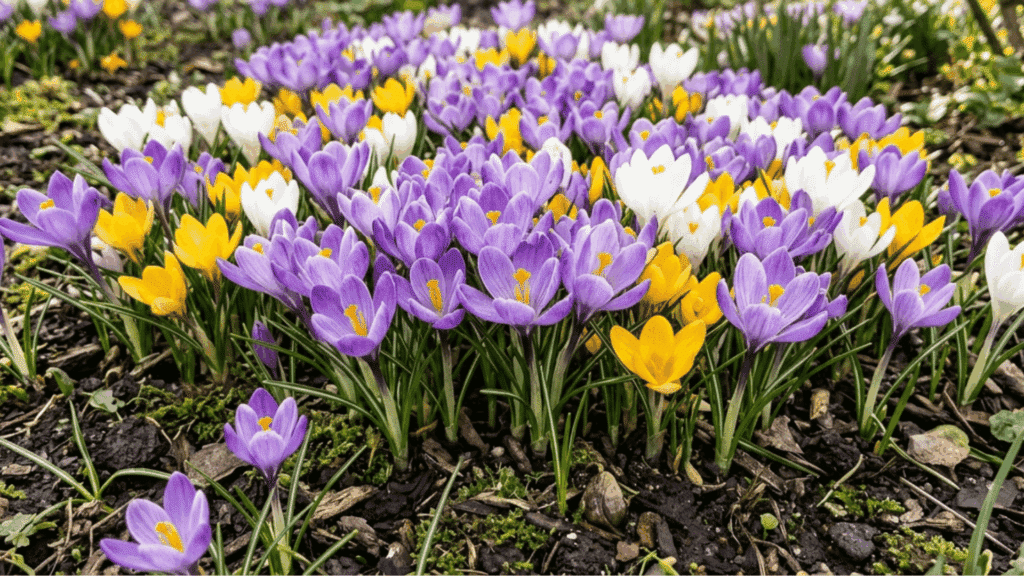
Crocuses are a reliable early bloomer, arriving in February or March in a range of purples, yellows, and whites. They do well in full sun or light shade and are not fussy about soil as long as it drains well.
Plant corms about 8 to 10 cm deep in autumn, in clusters for the best visual impact. Squirrels can be a problem, so covering the area with wire mesh after planting is a smart move.
2. Daffodils (Narcissus)
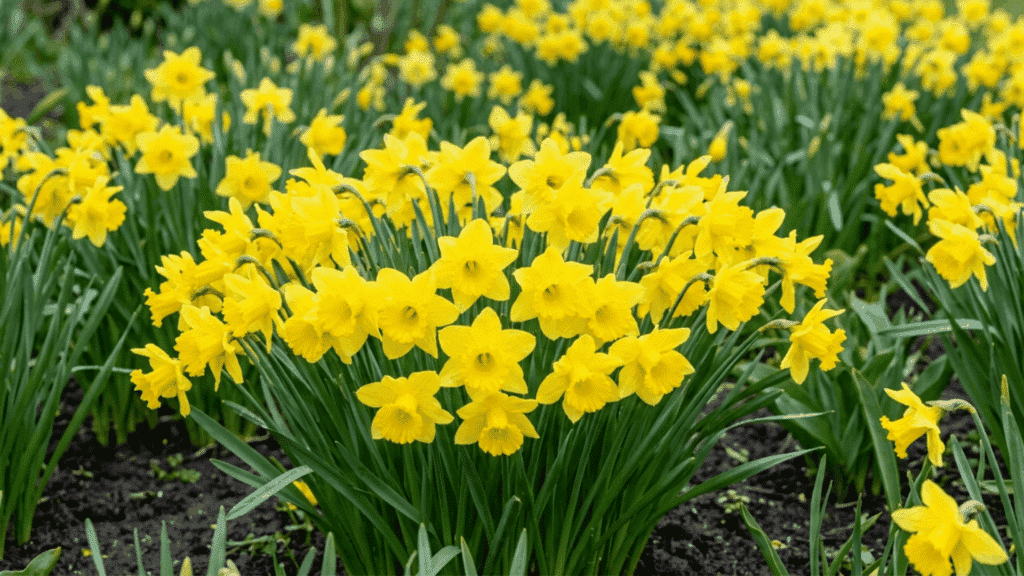
Daffodils are one of the most recognised early spring flowers, and for good reason. They are tough, low-maintenance, and come back stronger each year. The best time to plant these flowers is Autumn (Sep–Oct).
Plant bulbs in autumn, pointed end up, at roughly twice the depth of the bulb itself. They prefer full sun to partial shade and well-drained soil.
After flowering, let the foliage die back naturally so the bulb can store energy for next season.
3. Tulips
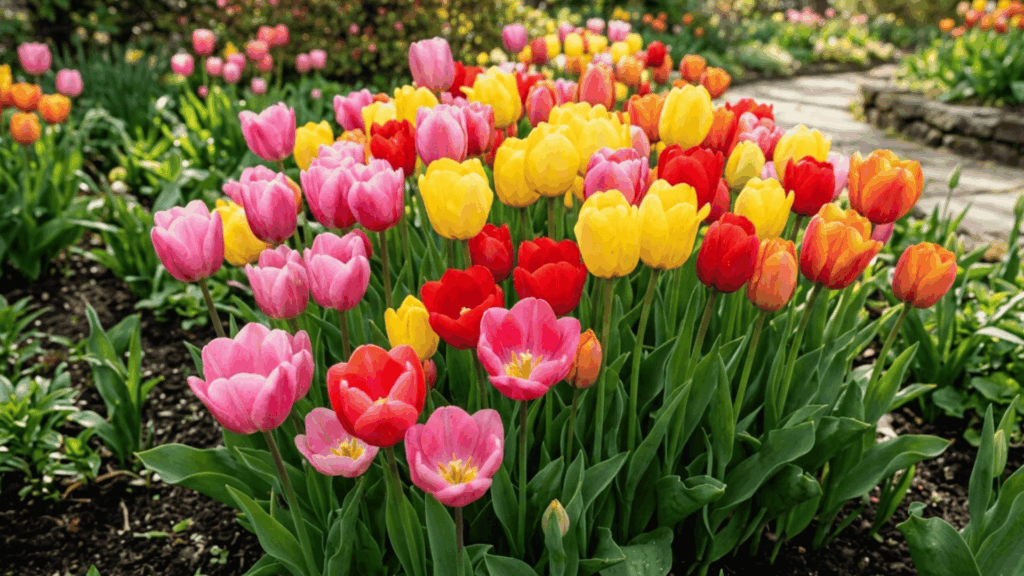
Tulips bring bold colour to the garden from March through May, depending on the variety.
Unlike other spring bulbs, they actually prefer to be planted later in autumn, around November, to reduce the risk of disease.
Go for a depth of about 15-20 cm in free-draining soil, in a sunny spot. For the longest display, mix early, mid, and late-season varieties together in the same bed.
4. Hyacinths
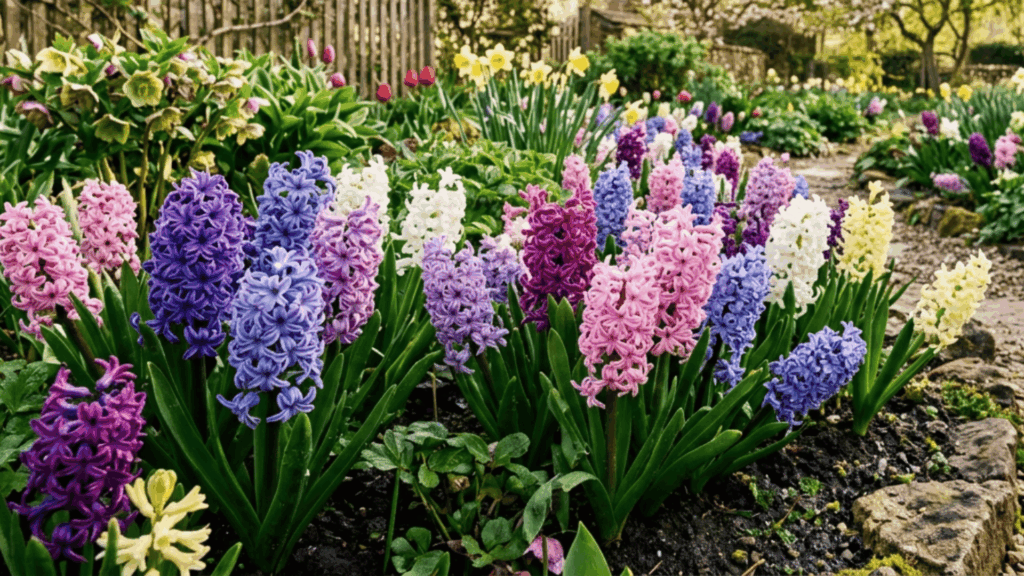
Hyacinths are hard to miss. Their thick flower spikes and strong fragrance make them a standout in any spring garden or pot.
Plant bulbs in autumn, around 10 cm deep, in a sunny or lightly shaded spot with good drainage.
They work just as well indoors as out, making them a great option for window boxes and containers, too. Wear gloves when handling them, as the bulbs can irritate sensitive skin.
5. Winter Aconite
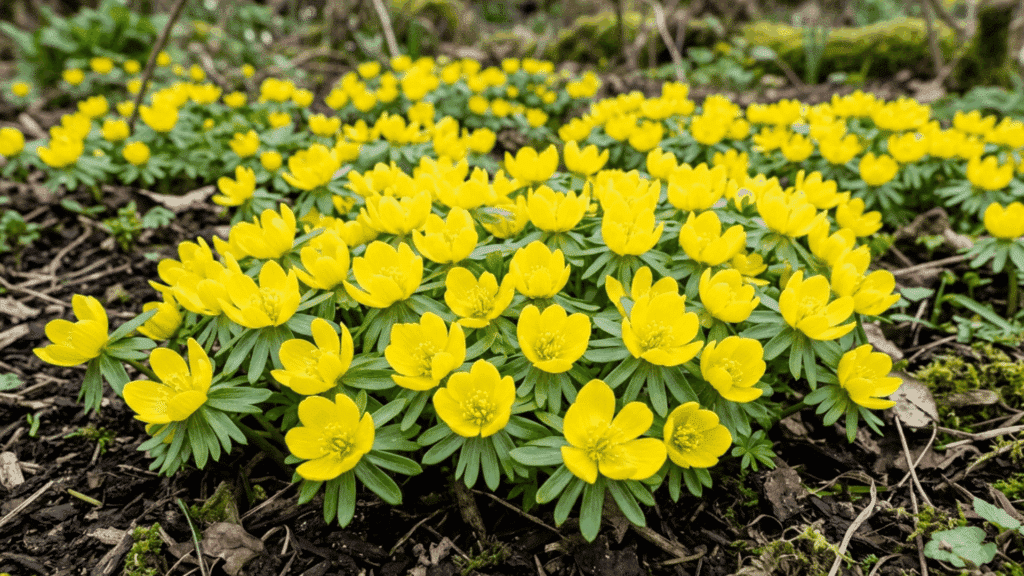
Winter Aconite is one of the earliest bloomers you can grow, often flowering alongside snowdrops in January and February.
The small, bright yellow flowers sit on a ruff of green leaves and are a brilliant source of early nectar for bees.
Soak the tubers in water overnight before planting to improve germination, then plant about 5 cm deep in humus-rich, moist soil.
They prefer dappled shade and spread gradually to form a cheerful ground cover.
6. Hellebores
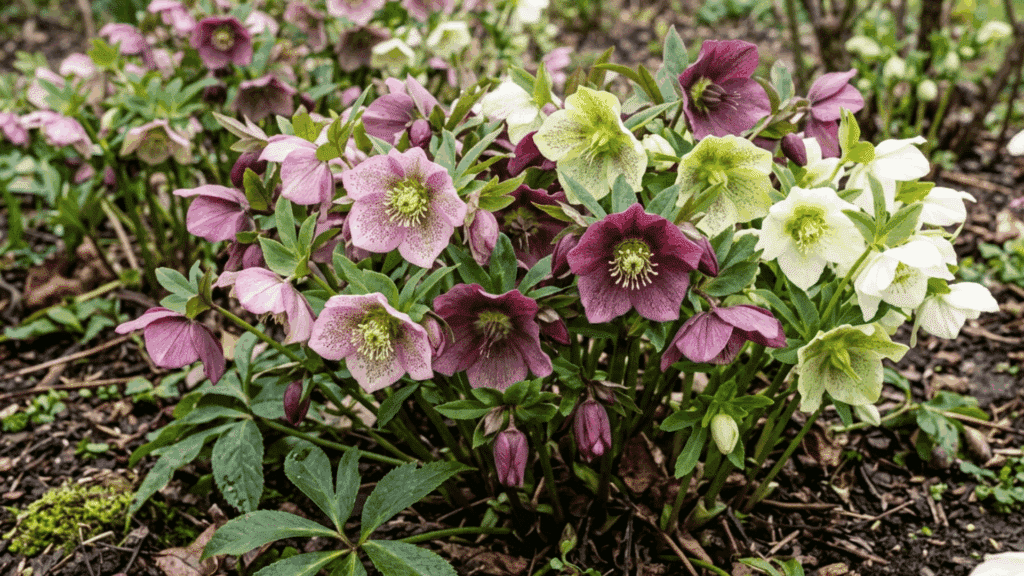
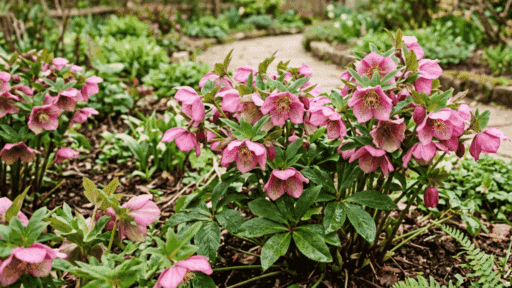
Hellebores, often called the Christmas or Lenten rose, bloom from midwinter right through to early spring.
They are one of the few plants that flower reliably in shade, making them ideal for tricky spots under trees or along north-facing borders.
Plant them in rich, well-drained soil and leave them undisturbed once settled, as they take time to establish but then thrive for years. Remove old leaves in early winter to give the flowers room to show and to reduce disease.
7. Primroses
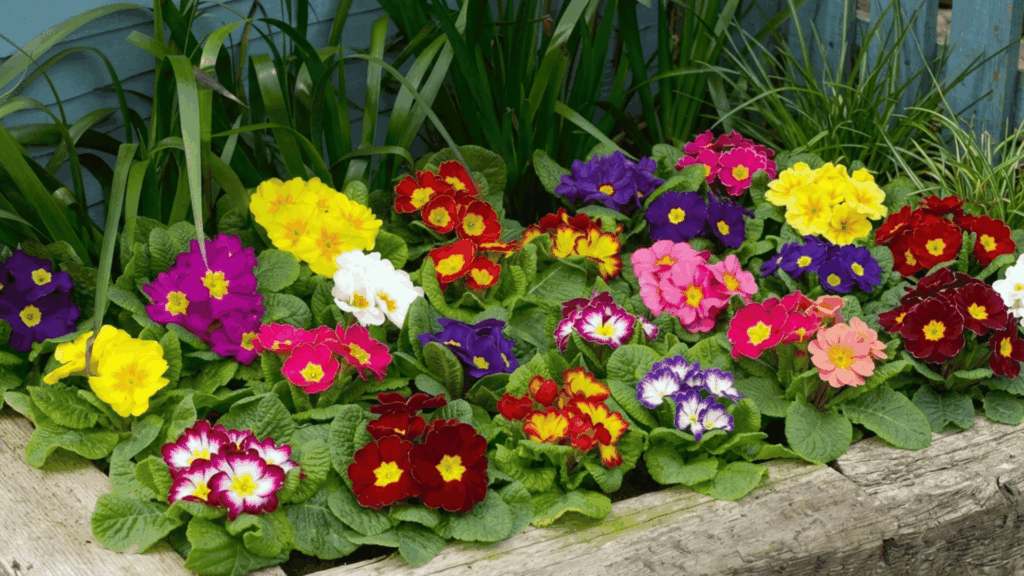
Primroses are a classic cottage garden flower that brighten up borders from February onwards with soft yellows, pinks, and purples.
They prefer cool conditions and partial shade, which makes them a good fit for spots that get morning sun but are sheltered in the afternoon.
Keep the soil consistently moist but not waterlogged, and they will reward you with weeks of colour. They are also a great choice for containers and window boxes if garden space is limited.
8. Pansies
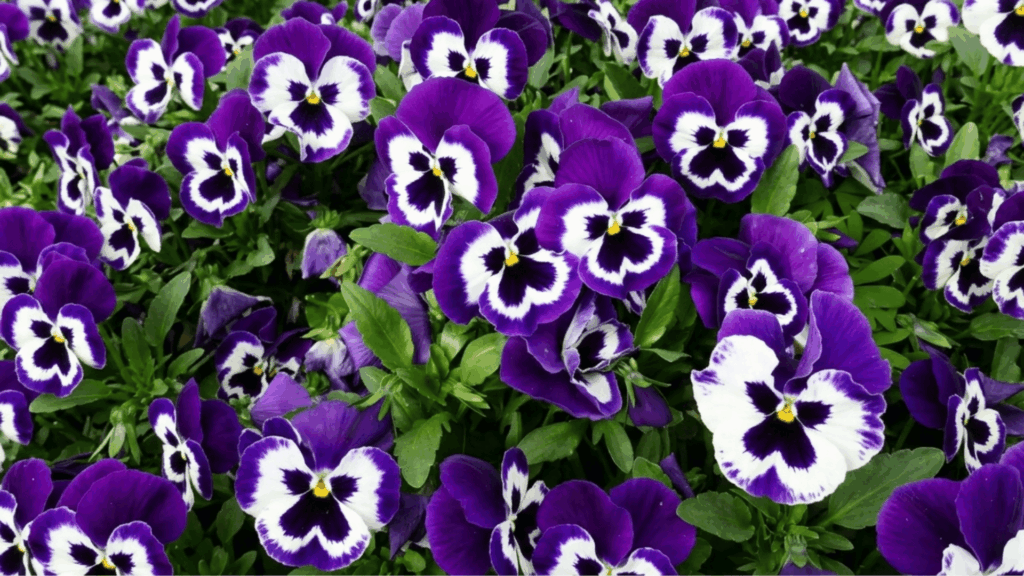
Pansies are among the few flowers that can withstand frost, making them a go-to choice for early spring colour. They come in a wide range of colours and patterns and keep producing blooms throughout a long season.
Plant them in full sun to partial shade in fertile, well-drained soil. Deadheading regularly is the single best thing you can do to keep them flowering.
They also work brilliantly in hanging baskets, containers, and as edging along paths.
9. Bergenia (Pigsqueak)
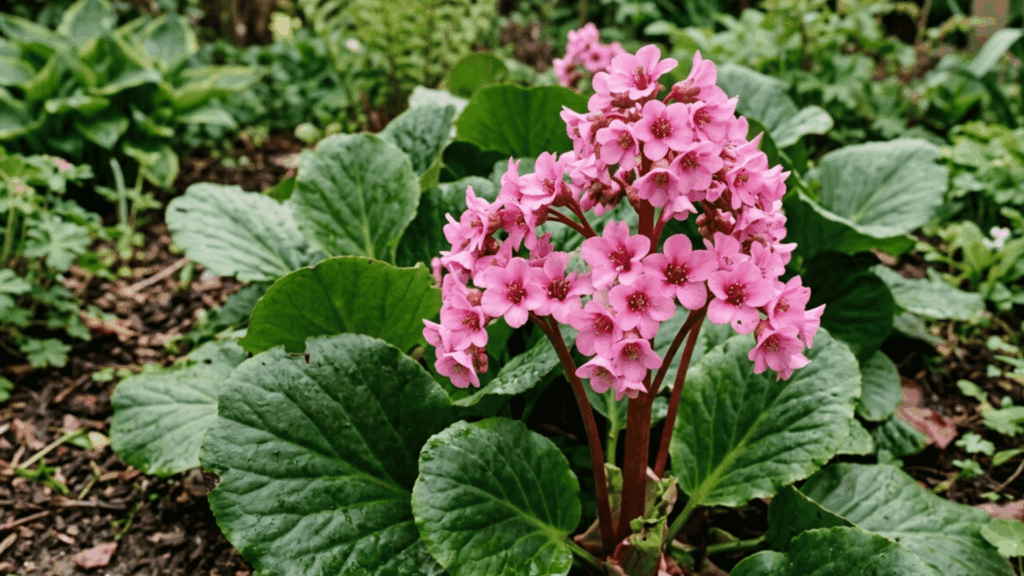
Bergenia is a tough, evergreen perennial that produces clusters of pink, red, or white flowers from late winter into early spring. It gets its quirky nickname from the squeaky sound the leaves make when rubbed together.
Plant it in partial shade or full sun in almost any soil type, which makes it one of the most forgiving options on this list.
The large, glossy leaves also add structure and ground cover through the colder months, so it earns its space in the garden year-round.
10. Muscari (Grape Hyacinth)
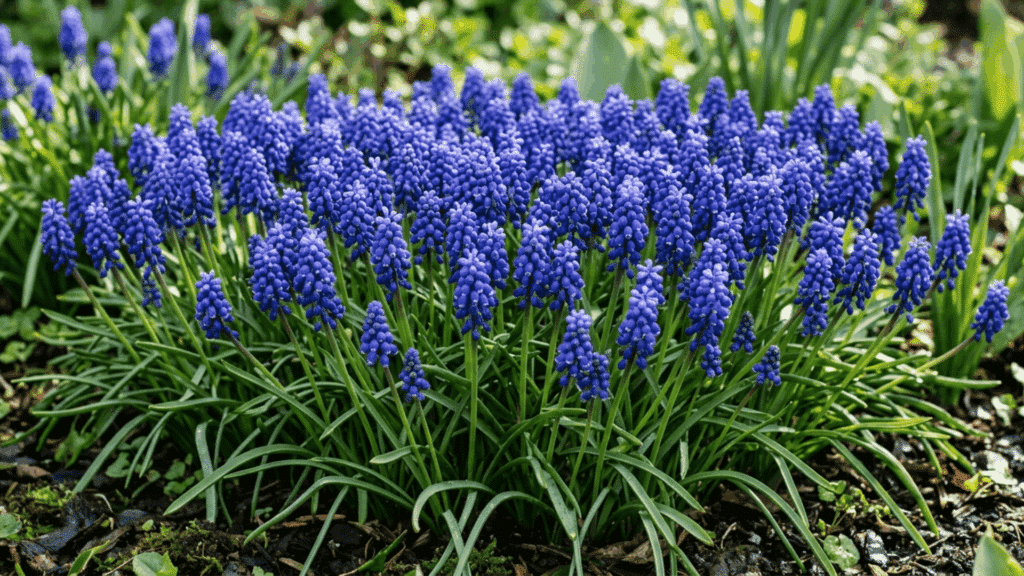
Muscari are small but have a big presence in the spring garden. Their deep violet-blue flower spikes appear in March and April and pair beautifully with yellow daffodils or white snowdrops.
Plant bulbs in autumn about 10 cm deep in a sunny spot, and expect them to spread and fill in gaps over the years. They are low-maintenance, drought-tolerant once established, and work well in both borders and containers.
A simple flower that consistently punches above its weight.
Tips For Planting Early Spring Flowers
Planting early spring flowers is simple, but small details can affect how well they grow. Following the right steps and avoiding common mistakes helps your garden look better for longer.
- Check Soil Is Not Frozen Before Planting: Frozen or hard soil can damage roots and slow down early growth. Always wait until the soil is workable.
- Use Well-Draining Soil To Avoid Root Rot: Cool, wet soil can lead to root issues. Good drainage keeps plants healthy from the start.
- Water Lightly But Regularly: Plants still need moisture, but too much water can harm them in cooler weather. Keep it balanced.
- Place Flowers Based on Sunlight Needs: Some flowers need full sun, while others prefer partial shade. Matching their needs helps them bloom better.
- Add Mulch To Protect Roots From Cold Snaps: Mulch helps regulate soil temperature and protects young roots from sudden temperature drops.
- Give Plants Enough Space To Grow: Proper spacing improves airflow, reduces the risk of disease, and helps each plant grow without competition.
How To Keep Early Blooms Lasting Longer?
Once flowers start blooming, a little care goes a long way in keeping them fresh and healthy. Removing faded flowers helps the plant focus on producing new blooms instead of maintaining old ones.
Watering should be consistent but not excessive, as soggy soil can damage roots, especially in cooler weather. It also helps to protect plants from sudden frost by covering them during unexpected temperature drops.
Using a light fertilizer provides the nutrients needed for steady growth without overwhelming the plant.
Paying attention to these small habits can extend the blooming period and keep your garden looking bright and full for longer.
Conclusion
Growing early spring flowers is a simple way to add color and freshness right when your garden needs it most. With the right planting time and basic care, these flowers can bloom earlier and stay lively for weeks.
Even small efforts can lead to noticeable results, making your outdoor space feel more alive. Starting early also gives plants a stronger base for the rest of the season.
Try adding a few of these flowers to your garden and see the difference yourself. Ready to get started? Pick your favorites and plant them early to enjoy blooms sooner in the season.

With a Master’s in Landscape Architecture from the University of Virginia, Sophia Stephenson has dedicated the last 20 years to creating and maintaining vibrant outdoor spaces. Her professional journey started in landscape design, where she gained a reputation for innovative and sustainable approaches. Sophia became a part of our editorial team as a freelancer in 2019, offering a fresh perspective on outdoor living. Since 2020, she has been the chief for our outdoor design content, blending aesthetic appeal with environmental stewardship. In her leisure time, Sophia is a keen photographer, capturing the beauty of natural landscapes, a hobby that complements her professional expertise.