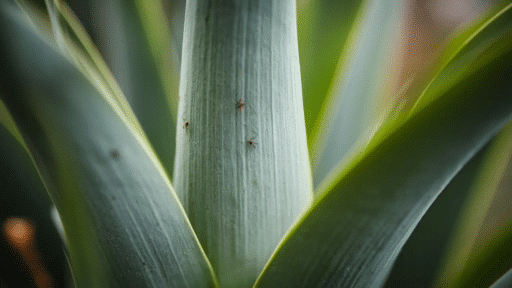
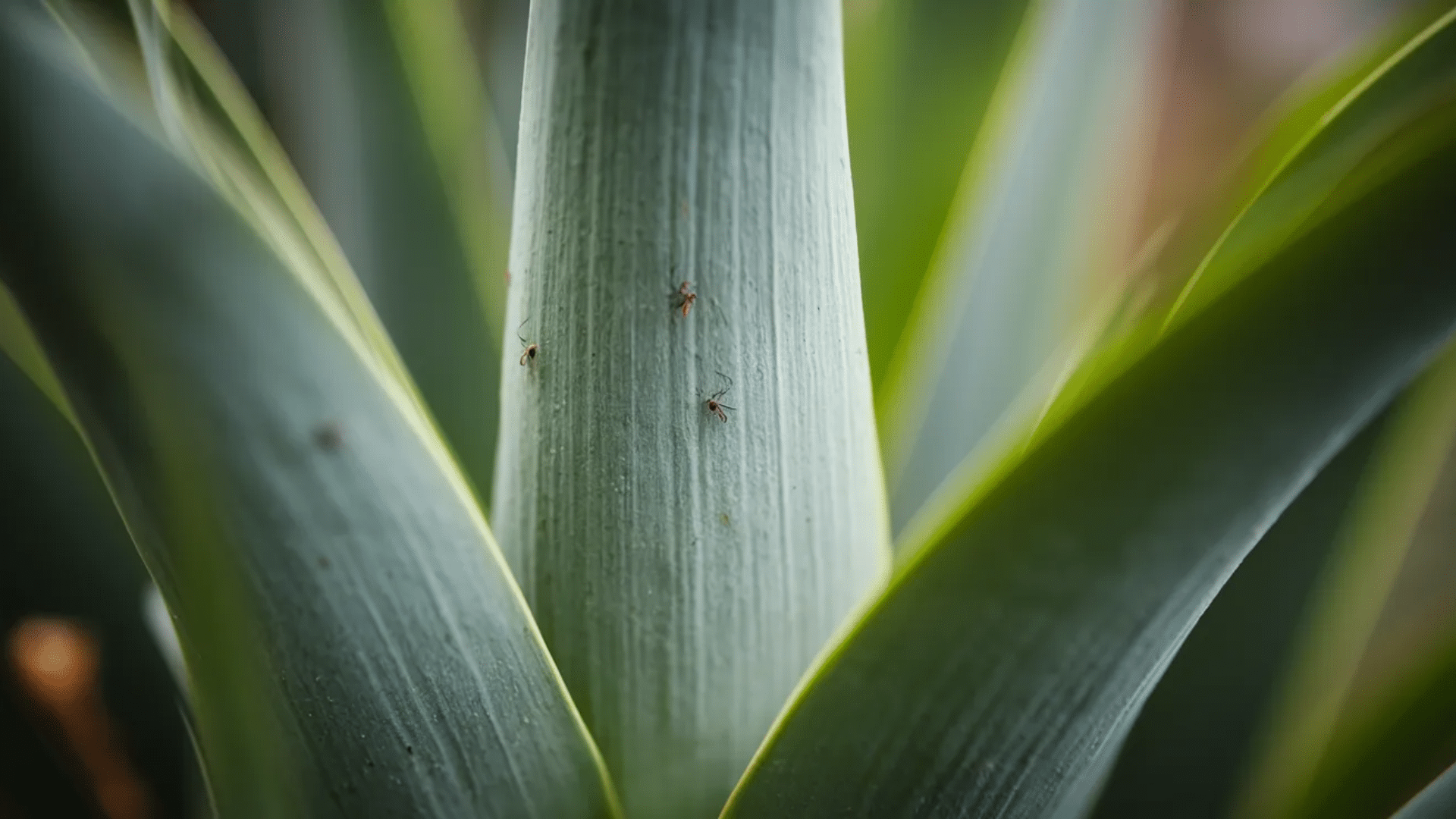

Tiny. Almost invisible. But incredibly destructive. Thrips on plants are one of the most common problems people face.
These minuscule pests feed on leaves, flowers, and stems, leaving behind silvery streaks, discolored patches, and weakened plants that struggle to grow.
Most people don’t even notice them until the damage is already done. And by then, the infestation has spread further than expected.
But identifying and stopping thrips early makes a huge difference. This guide walks through exactly how to spot them, what signs to look for, and practical steps to keep plants protected and healthy.
What are Thrips on Plants?
Thrips on plants can quickly affect the health and appearance of leaves, flowers, and new growth.
They feed by piercing plant tissues and sucking out the contents, causing damage such as silvery streaks, discolored patches, and distorted leaves.
Because they are extremely small and often hide under leaves or inside buds, many people do not notice them until the infestation becomes more visible.
Thrips can affect many plants, including houseplants, vegetables, and flowering plants. Their fast reproduction and ability to spread make them difficult to manage once established.
Learning the early signs and following the right advice and methods to control and prevent thrips infestations can help limit damage and protect your plants.
Common Signs of Thrips Damage on Plants
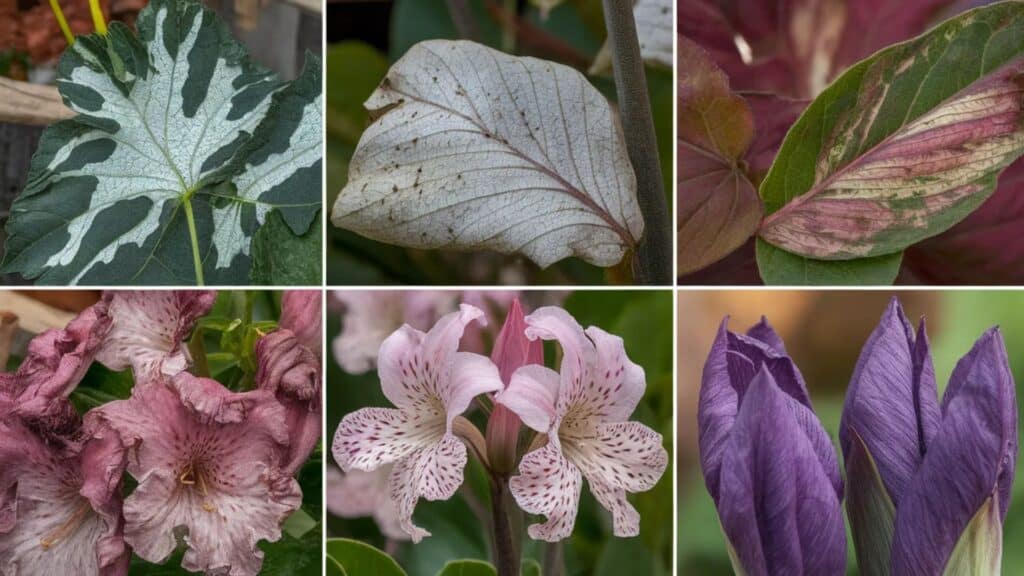
You can often spot thrips activity by looking for visible changes in leaves and flowers. Watch for the following signs:
1. Leaf Damage and Discoloration
Silvery or pale streaks appear on leaves as thrips feed on plant tissue. Over time, leaves may look dull and faded, losing their healthy green color and reducing overall plant vitality.
In severe cases, affected areas may turn brown, dry out, and become brittle.
2. Visible Waste and Residue
Tiny black dots on leaves are a clear sign of thrips activity. These waste deposits often gather near feeding areas and indicate an active infestation.
You may also notice them on the underside of leaves, where thrips commonly hide and feed.
3. Leaf Distortion
Leaves may begin curling, twisting, or becoming misshapen as damage increases. This happens because thrips feeding interferes with normal cell growth.
New leaves are often the most affected and may grow unevenly or appear crinkled.
4. Flower Damage
Flowers can develop faded, streaked, or spotted petals, which can affect their appearance. If buds are attacked early, blooms may become deformed or fail to open properly. This damage can significantly reduce the visual appeal of ornamental plants.
5. Stunted Plant Growth
Severe infestations can slow overall plant growth and development. Plants may appear weaker, with smaller leaves and reduced vigor.
In some cases, growth may appear uneven or delayed compared to healthy plants. Long-term damage can impact overall plant health.
6. Early Leaf Drop
Damaged leaves may dry out, turn brittle, and fall off prematurely. This reduces the plant’s ability to produce energy through photosynthesis.
Over time, excessive leaf loss can weaken the plant and slow recovery. Continuous leaf drop can also further stress the plant.
When Thrips Damage Becomes Serious?
Thrips damage becomes serious when the infestation is left untreated and begins spreading across leaves, buds, and flowers.
What starts as minor discoloration can quickly lead to stunted growth, frequent leaf drop, and reduced flowering, especially as the population increases.
New growth is usually affected first, and continuous feeding can prevent proper development. In more severe cases, the plant may lose strength and take longer to recover.
The problem becomes more critical when multiple plants are involved, allowing thrips to spread rapidly.
At this stage, simple control methods are often not enough, and consistent treatment is required to limit further damage and restore plant health.
Natural Ways to Get Rid of Thrips on Plants
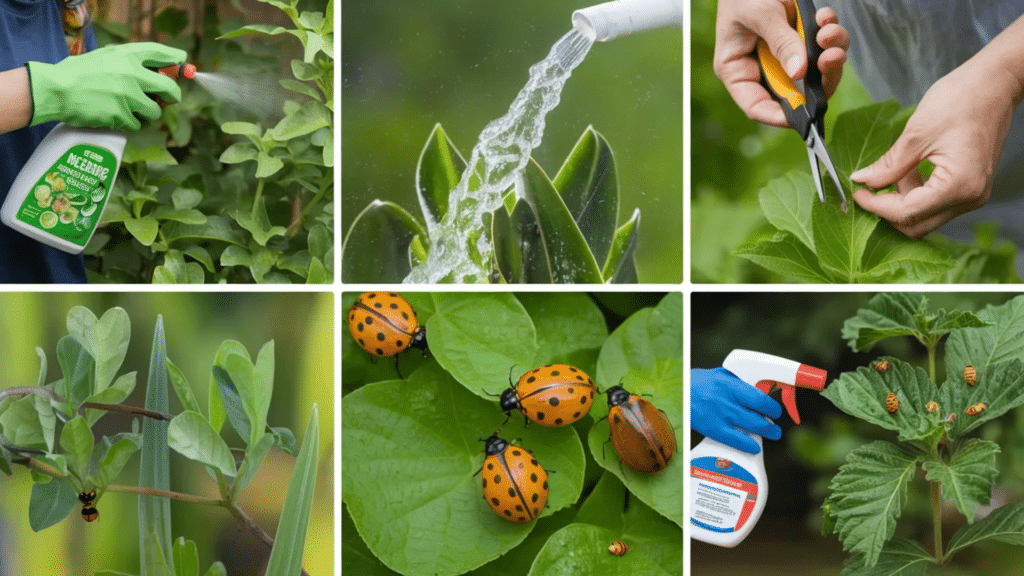
Natural methods can help manage thrips while keeping plants and beneficial insects safe. These approaches focus on reducing pest populations without relying heavily on harsh chemicals.
- Neem Oil Spray: Neem oil is a popular natural remedy that disrupts the feeding and reproduction cycle of thrips. Spraying diluted neem oil on affected leaves can help reduce their population.
- Rinsing Plants with Water: Washing plants with a gentle stream of water can help remove thrips from leaf surfaces and naturally reduce their population. Focus on the underside of leaves, where thrips usually hide and lay eggs, to make the cleaning more effective.
- Removing Infested Leaves: Pruning heavily damaged leaves or buds can help prevent thrips from spreading to other parts of the plant and reduce further pest activity and plant damage.
- Using Beneficial Insects: Natural predators such as ladybugs, lacewings, and predatory mites can help control thrips populations in gardens and nearby plantings.
- Insecticidal Soap: Insecticidal soaps kill thrips on contact by disrupting their outer protective layer. They are generally safe for most plants and garden environments when used according to the recommended directions.
Indoor Vs Outdoor Thrips: Key Differences to Know
Thrips behave differently depending on whether they are indoors or outdoors, mainly due to environmental conditions and natural predators. Understanding these differences helps in choosing the right control method.
| Factor | Indoor Thrips | Outdoor Thrips |
|---|---|---|
| Spread Rate | Faster due to close spacing | Slower but wider spread |
| Predators | Rare or none | Naturally present |
| Detection | Often noticed late | Easier to spot early |
| Entry Source | New plants, soil, and indoor transfer | Wind, nearby plants |
| Control Difficulty | More difficult to manage | Easier with natural balance |
The Bottom Line
Healthy plants depend on consistent care and attention. Regularly checking leaves, buds, and flowers helps people spot problems before they spread.
Preventive habits such as inspecting new plants, maintaining clean gardening tools, and providing proper watering and spacing can significantly reduce pest risks.
When people stay proactive and respond quickly to visible changes, plants are more likely to remain vibrant and productive.
A simple routine of observation and proper plant care can go a long way in keeping both indoor and outdoor plants growing throughout the growing season.

With a Master’s in Landscape Architecture from the University of Virginia, Sophia Stephenson has dedicated the last 20 years to creating and maintaining vibrant outdoor spaces. Her professional journey started in landscape design, where she gained a reputation for innovative and sustainable approaches. Sophia became a part of our editorial team as a freelancer in 2019, offering a fresh perspective on outdoor living. Since 2020, she has been the chief for our outdoor design content, blending aesthetic appeal with environmental stewardship. In her leisure time, Sophia is a keen photographer, capturing the beauty of natural landscapes, a hobby that complements her professional expertise.