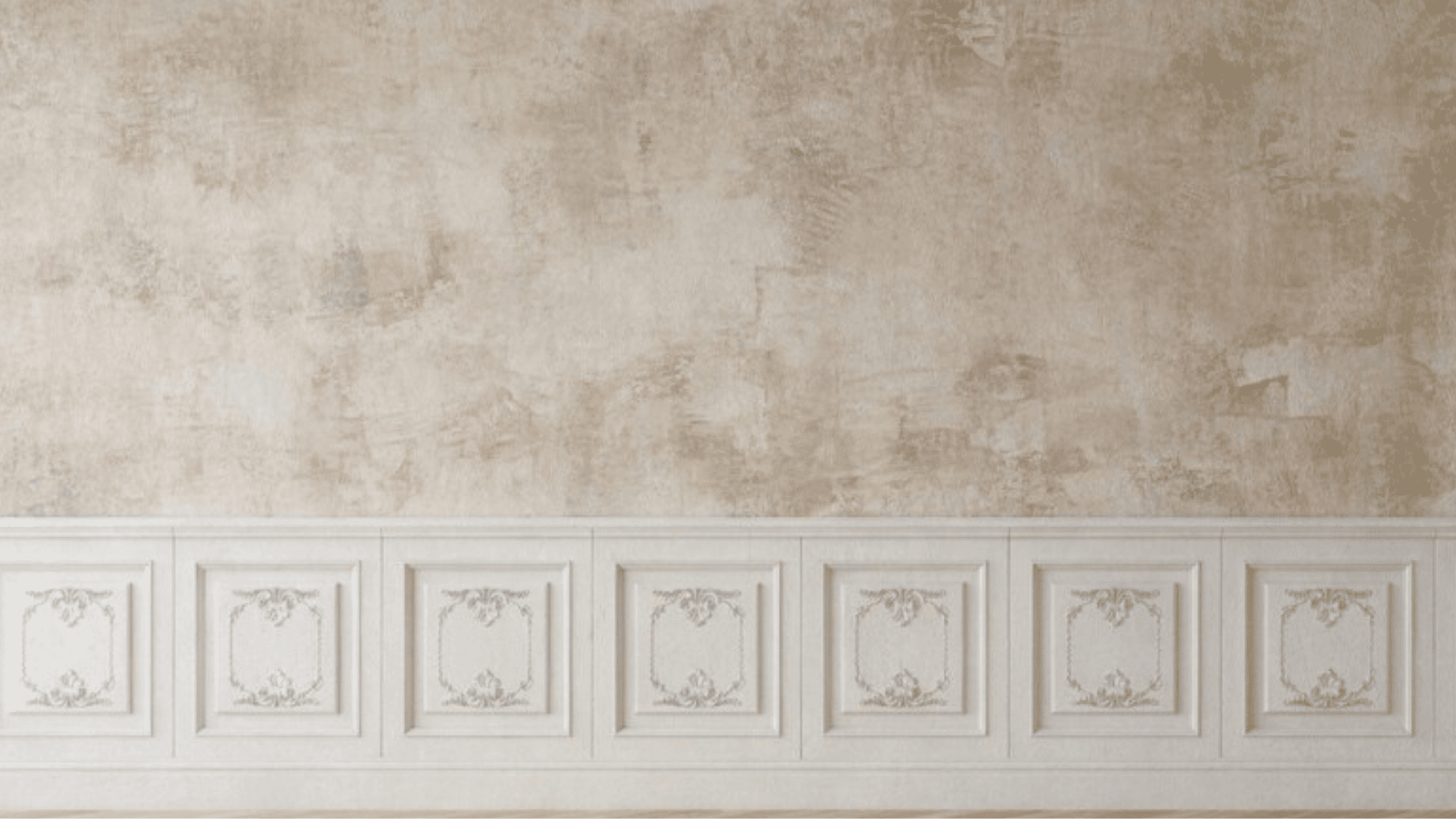

Have you ever noticed walls that don’t look perfectly flat or uniform, yet somehow feel warmer and more natural? If so, you might have been looking at limewash.
At first glance, limewash appears to be a modern interior design trend. Designers frequently feature it in contemporary homes and stylish spaces.
But the truth is a little surprising. Limewash has been used for centuries, dating back to ancient architecture and historic European buildings. So why is this old technique suddenly gaining attention again?
Ahead, I unpack the what limewash is, how it creates its signature textured look, and why it is gaining attention in modern interior design.
What is Limewash?
Limewash is a natural, mineral-based paint made primarily from crushed limestone, processed into lime, and mixed with water.
When applied to surfaces such as plaster, brick, or stone, the mixture soaks into the material rather than forming a surface film like conventional paint.
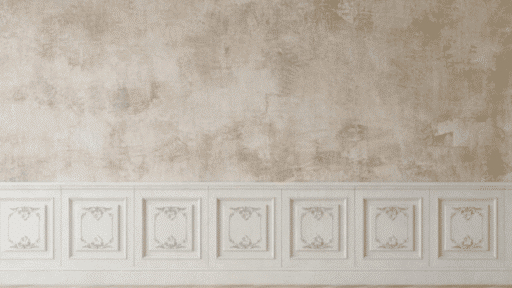
This absorption process creates the signature chalky, matte finish that limewash is known for. Instead of producing a uniform color, limewash develops subtle tonal variations, giving walls a soft, cloud-like appearance.
Because of its breathable nature, limewash allows moisture to pass through surfaces. This quality has historically made it useful for buildings constructed from porous materials such as stone or plaster.
What is Limewash Made of?
Traditional limewash consists of just a few simple ingredients. The simplicity of these ingredients is one reason limewash is considered a natural and environmentally friendly wall finish compared to many synthetic paints.
- Crushed limestone (calcium carbonate): The main component that forms the base of the coating.
- Water: Used to dilute the lime into a brushable mixture.
- Natural pigments (optional): Added to create different color tones.
How Limewash Differs from Traditional Paint
Although limewash is sometimes described as a type of paint, it behaves very differently from modern wall coatings. Key differences include:
| Aspect | Traditional Paint | Limewash |
|---|---|---|
| Composition | Made with acrylic or latex binders | Made from natural limestone (quicklime + water) |
| Environmental Impact | More synthetic, less eco-friendly | Natural, mineral-based, environmentally friendly |
| Application Behavior | Sits on the surface as a coating | Absorbs into porous surfaces like brick, stone, plaster |
| Durability Over Time | Can peel, chip, or crack | Ages naturally with a patina, no peeling |
| Visual Finish | Uniform, flat, or consistent finish | Soft tonal variation with depth and movement |
| Texture | Smooth and even | Layered, textured, and dynamic |
| Breathability | Traps moisture behind the surface | Breathable, allowing moisture to escape |
| Best Use Cases | Modern drywall and sealed surfaces | Historic buildings, masonry, and traditional materials |
| Impact on Indoor Air | Neutral to low impact | Can improve air quality by reducing trapped moisture |
The History of Limewash
Limewash has been used as a building finish for thousands of years. Long before modern paints existed, builders relied on lime-based coatings to protect surfaces and improve sanitation in homes and public buildings.
In Ancient Architecture
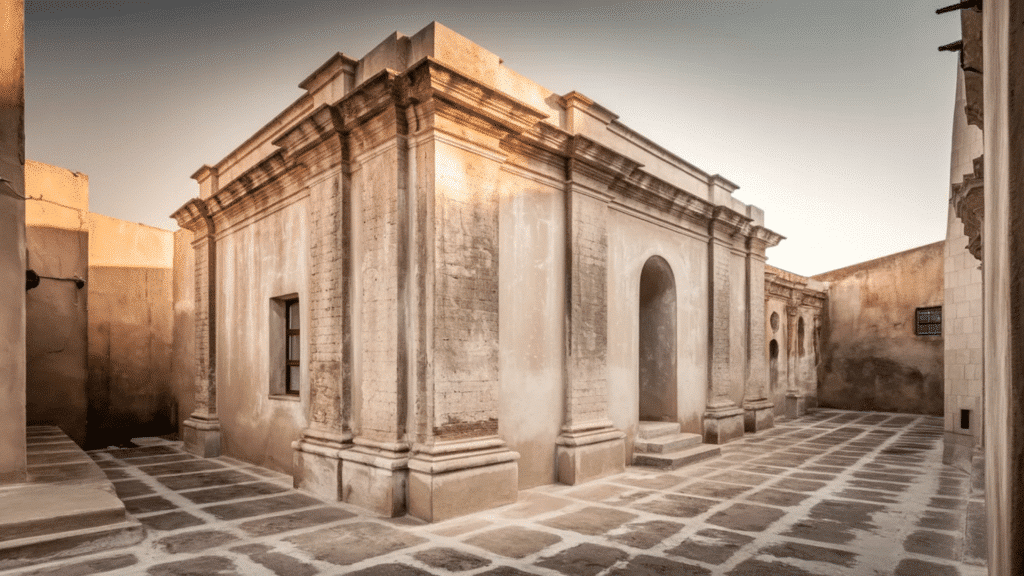
The use of limewash dates back to ancient civilizations such as Egypt, Greece, and Rome. Builders applied lime-based coatings to stone structures and plaster walls to protect surfaces from weathering and moisture.
In many historical buildings, limewash served multiple purposes:
- Protecting porous materials like stone and brick
- Brightening interiors with light reflective finishes
- Helping reduce bacteria and mold growth
Because limewash chemically bonds with mineral surfaces, it creates a durable protective layer that could last for years with proper maintenance.
In European and Colonial Homes
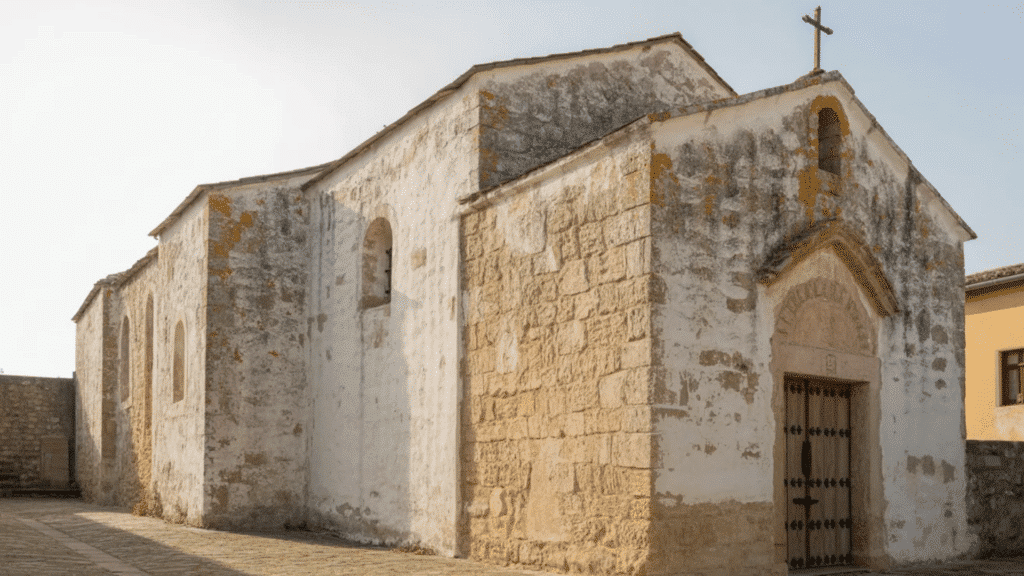
During the Middle Ages and into the colonial era, limewashing became a common practice across Europe. It was widely used on cottages, farmhouses, and churches.
In rural communities, limewash was often reapplied annually or seasonally to refresh walls and maintain sanitation. The technique spread to North America as settlers adopted traditional European building practices.
Many historic homes, especially those constructed with brick, stone, or plaster, were coated with limewash to preserve the structure while maintaining a simple, natural look.
Today, this historical finish is being rediscovered as designers look for ways to bring traditional materials and craftsmanship into modern spaces.
Where Limewash is Commonly Used Today
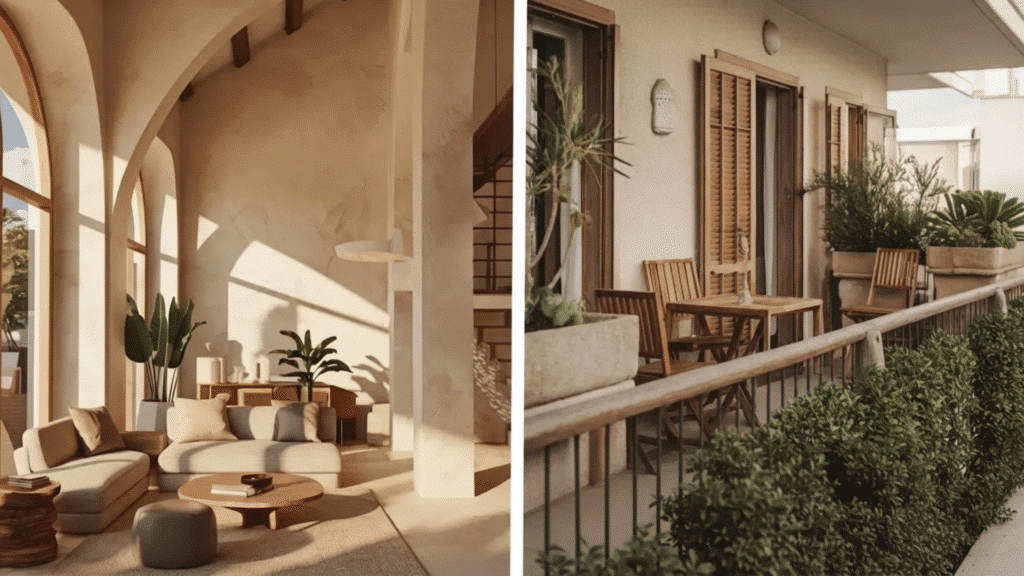
Although limewash originated as a traditional building finish, it is now used in a variety of modern design applications. It is applied to both interior and exterior surfaces.
Interior Walls
One of the most popular uses of limewash today is on interior feature walls, where its soft, chalky texture adds depth and a subtle, lived-in character that standard paint cannot achieve.
Its natural variation creates a calm, organic feel that works well across many design styles, from rustic to modern minimal. Designers often use limewash in spaces such as:
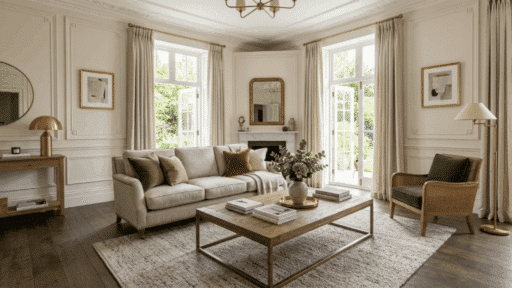
- Living rooms: Adds warmth and texture to focal walls, especially behind sofas, fireplaces, or TV units, creating a cozy yet refined atmosphere.
- Bedrooms: Ideal for accent walls behind beds, limewash brings a soothing, cloud-like finish that improves relaxation and comfort.
- Dining areas: Limewash makes a textured backdrop that pairs beautifully with wood, metal, and natural materials.
- Entryways: It makes a strong first impression by adding visual interest and depth, setting the tone for the rest of the home.
Exterior Surfaces
Limewash is also commonly used on exterior surfaces because it bonds well to porous materials. Typical exterior applications include:
- Brick Walls: Limewash penetrates brick surfaces, creating a durable, matte finish that softens harsh tones while allowing the material to breathe and age naturally.
- Stone Facades: On natural stone, limewash enhances texture and adds a subtle, aged patina that complements traditional and rustic architecture.
- Stucco Surfaces: Limewash works especially well with stucco, bonding seamlessly to create a cohesive, weathered look that resists peeling and cracking over time.
Why Limewash is Trending in Modern Design
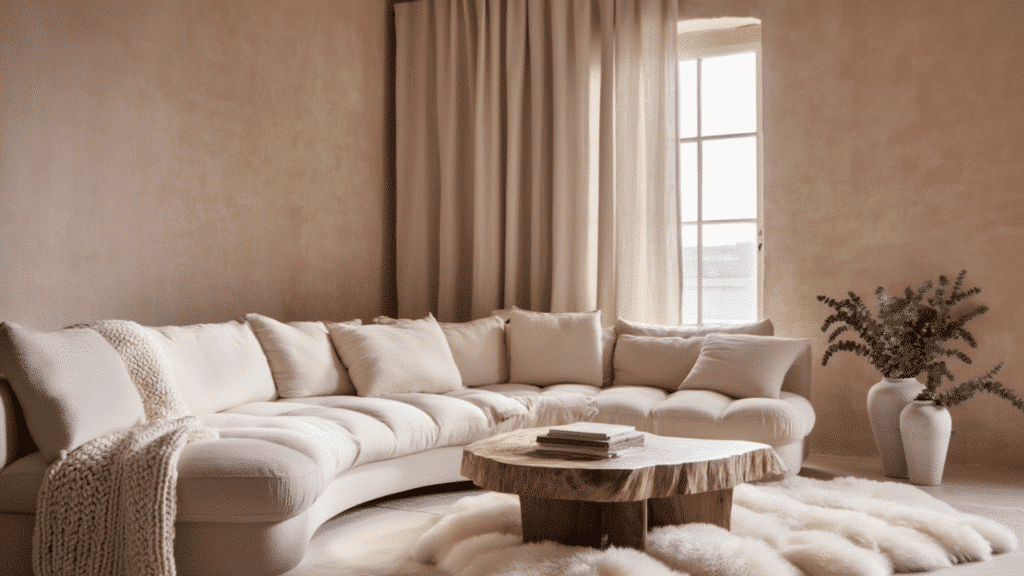
Although limewash has ancient origins, it has recently gained attention in contemporary interior design. Designers and homeowners are increasingly drawn to finishes that feel natural and textured.
Several factors have contributed to the growing popularity of limewashing walls.
- Rise of Organic and Natural Finishes: Modern design trends favor natural materials and organic textures over synthetic finishes. Limewash fits this shift because it is made from natural minerals and creates subtle, handcrafted variations that add warmth to walls.
- Unique Texture and Depth of Limewashing: Limewash creates a soft, tonal movement rather than a flat paint finish. The natural absorption and brush application produce layered textures that add depth and visual interest to interior spaces.
- Social Media and Designer Influence: Interior designers and social media platforms have helped popularize limewashed walls. Images of limewash finishes frequently appear in modern design inspiration, especially in Mediterranean, rustic, and minimalist interiors.
- Sustainability and Eco-Friendly Appeal: As more homeowners prioritize sustainable choices, limewash stands out for its low environmental impact. It is free from harsh chemicals and VOCs, making it a healthier option for indoor spaces while aligning with eco-conscious design values.
- Eternal Appearance: Limewash bridges the gap between traditional and modern design. Its soft, aged look works equally well in rustic, Mediterranean, contemporary, and minimalist interiors, making it a flexible choice across styles.
Conclusion
If you’ve been wondering what limewash is, it’s clear that this mineral-based finish offers more than just visual appeal; it brings durability, breathability, and a natural look that has stood the test of time.
What truly sets limewashing apart is the character it adds to walls. Instead of a flat, uniform surface, it creates soft tonal variations that make spaces feel warmer and more organic.
From a design perspective, limewash introduces a depth that standard paint often lacks.
Its growing popularity reflects a shift toward finishes that feel authentic, textured, and eternal, making limewashing a thoughtful choice for both modern and classic interiors.

Tommy Hardy, an alumnus of the Georgia Institute of Technology with a degree in Mechanical Engineering, has been a go-to figure in residential upkeep and innovation for over 18 years. His career commenced in a leading home appliance manufacturing company, where he mastered the intricacies of household systems. Joining our platform in 2020, Tommy quickly became a reader favorite for his practical and easy-to-follow guides. He took the helm of our DIY section in 2019, consistently delivering content that empowers homeowners. Beyond his professional pursuits, Tommy is a passionate gardener and enjoys woodworking, skills enhancing his hands-on approach to home care.