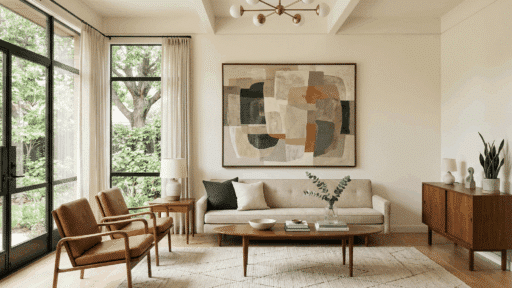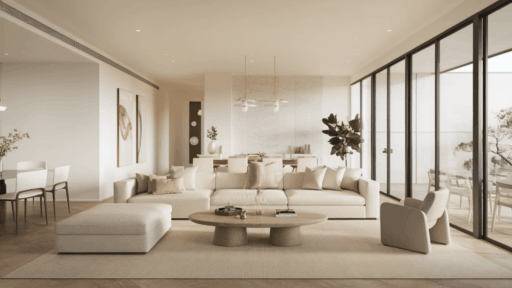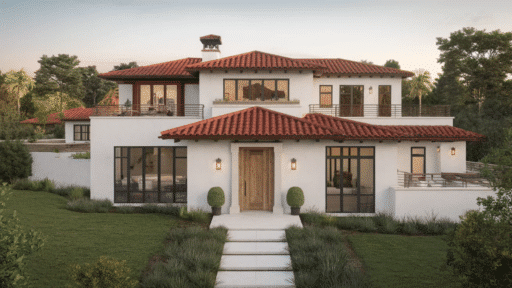
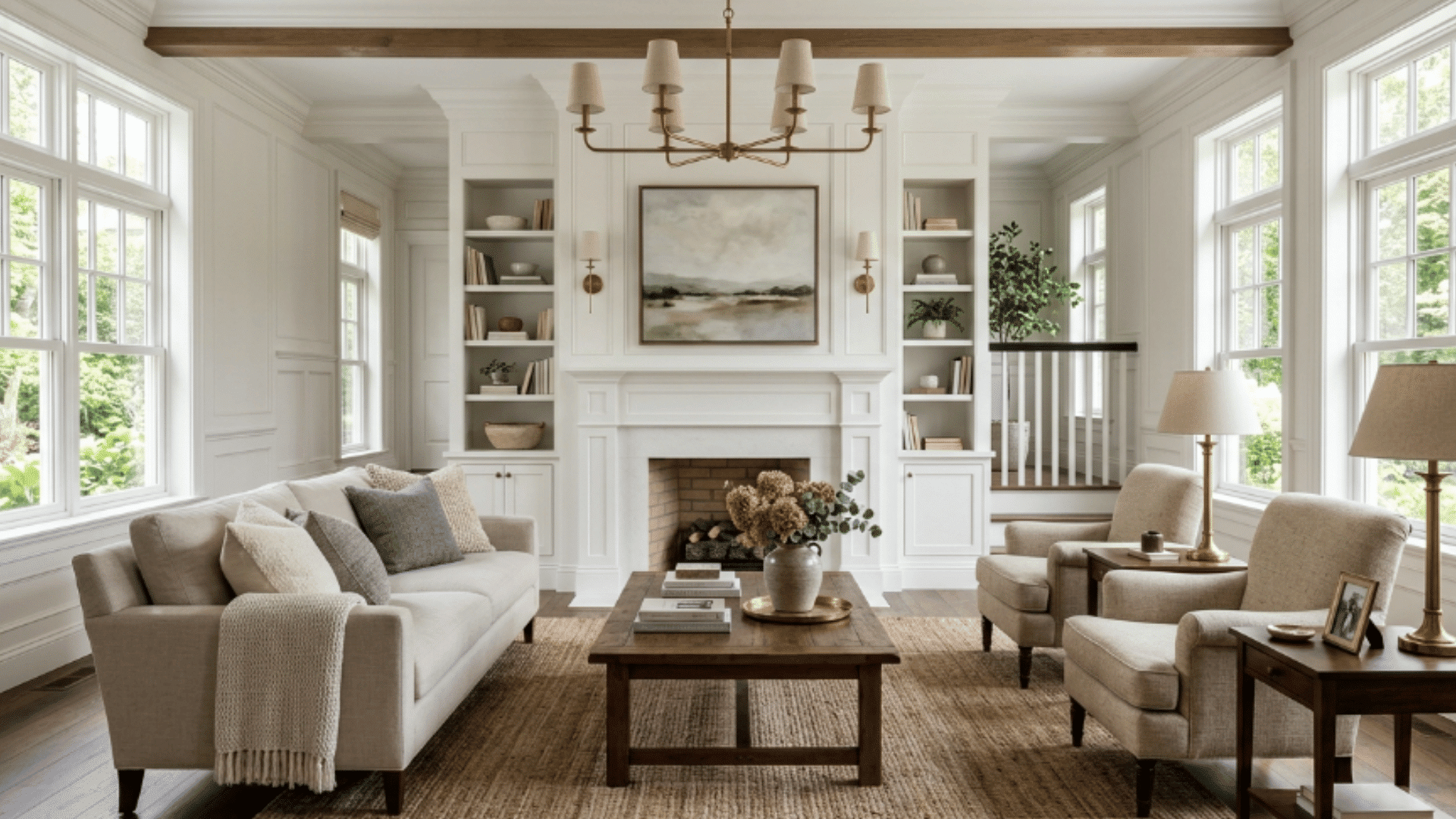

Modern homes often borrow ideas from the past, and modern colonial interior design shows how classic style can work beautifully in today’s spaces.
Traditional elements like balanced layouts, wood furniture, and neutral palettes remain important, but they appear in a lighter and more relaxed way.
This blog explains the key features of the style, popular modern updates, and helpful styling tips for creating a balanced colonial-inspired interior.
What is Modern Colonial Interior Design?
Modern colonial interior design combines the structure and tradition of classic colonial homes with the comfort and simplicity of modern living today.
The style takes inspiration from the colonial house style, known for its symmetry, solid wood furniture, and balanced, well-proportioned interior layouts.
In modern versions, these traditional features are softened with lighter colours, cleaner lines, and simple decor, creating spaces that feel brighter, more relaxed, and easier to live in.
The goal is to keep the charm of colonial interiors while making the space feel brighter, less formal, and more practical for everyday life.
The History Behind Colonial Interior Design
Colonial interior design began in early American homes, where the colonial house style blended European traditions, shaping what later became modern colonial interior design.
- European Influence on Early Colonial Homes: Colonial interiors developed between the 1600s and 1700s as European settlers brought familiar building and decorative styles.
- Symmetry as a Core Architectural Principle: Early colonial homes emphasised symmetry, with balanced room layouts and evenly spaced windows creating structured interiors.
- Locally Sourced Wood and Handcrafted Furniture: Settlers relied on locally available woods like oak, maple, and pine to craft sturdy furniture designed for daily use.
- Practical Design Shaped by Everyday Living: Colonial interiors focused on durability and usefulness, with furniture and layouts designed to support everyday family life.
- Natural Materials Dominating Early Interiors: Interiors commonly featured wood floors, exposed beams, and simple finishes that reflected materials and practical building methods.
- Simple Yet Durable Furniture Construction: Furniture remained simple in appearance but sturdy in structure, often handmade by craftsmen and designed to last through generations.
Over the years, colonial interiors gradually shifted from strictly traditional spaces to lighter and more adaptable designs.
Today’s modern colonial interior keeps the symmetry and classic architecture but pairs them with brighter colour palettes, simpler furniture, and relaxed styling.
Key Features of Modern Colonial Interiors
These elements define the look of modern colonial interior design, blending classic structure with comfort while preserving the colonial house style seen in modern colonial homes today.
| Feature | Description | Design Impact |
|---|---|---|
| Wainscoting Wall Panels | Decorative panels that add depth and structure | Creates a refined and detailed wall finish |
| Crown Moulding Ceiling Trim | Trim that frames ceilings and walls | Highlights traditional craftsmanship |
| Panelled Door Designs | Classic multi-panel door styles | Adds character and architectural detail |
| Traditional Staircase Railings | Wooden balusters with simple shapes | Reflects classic residential design |
| Classic Furniture Influence | Wooden tables, cabinets, and chairs | Maintains a heritage-inspired look |
| Contemporary Pieces Within Classic Rooms | Simple modern furniture additions | Balances traditional style with a lighter feel |
Decorating Rooms in a Modern Colonial Home
Instead of decorating each room separately, the goal is to maintain balance, use natural materials, and maintain a classic structure across the home.
1. Living Room
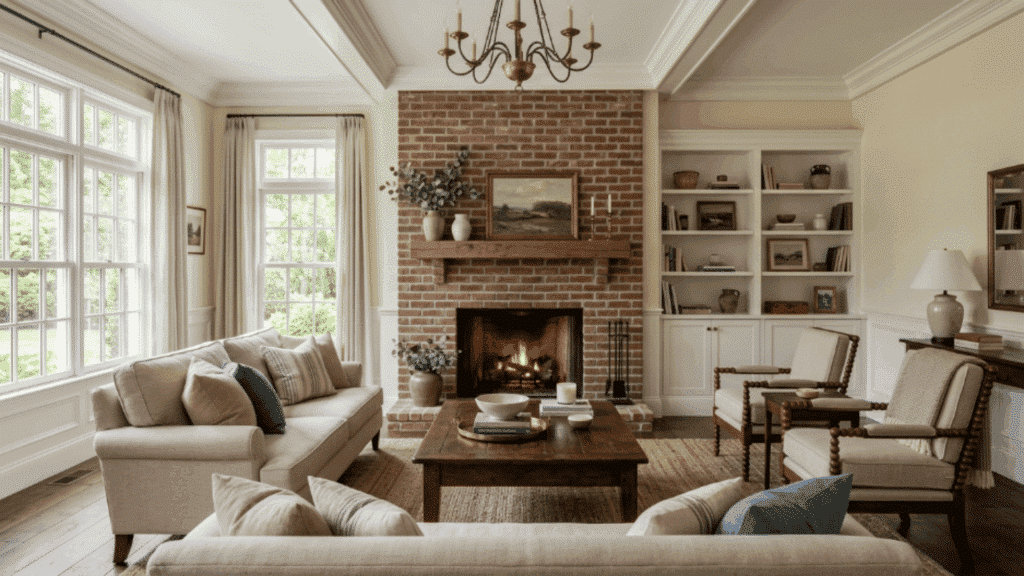
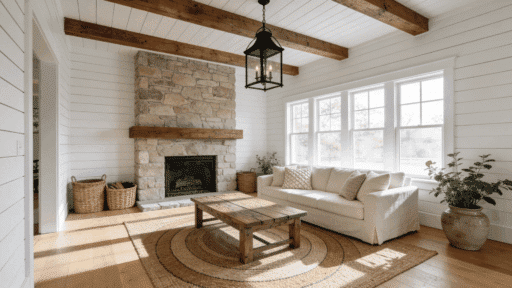
The living room often serves as the heart of a modern colonial interior. A fireplace usually becomes the natural focal point, around which furniture is arranged in a balanced layout.
Seating tends to include neutral upholstered sofas paired with classic wooden tables, creating a calm space that reflects the symmetry typical of a colonial house style.
2. Kitchen
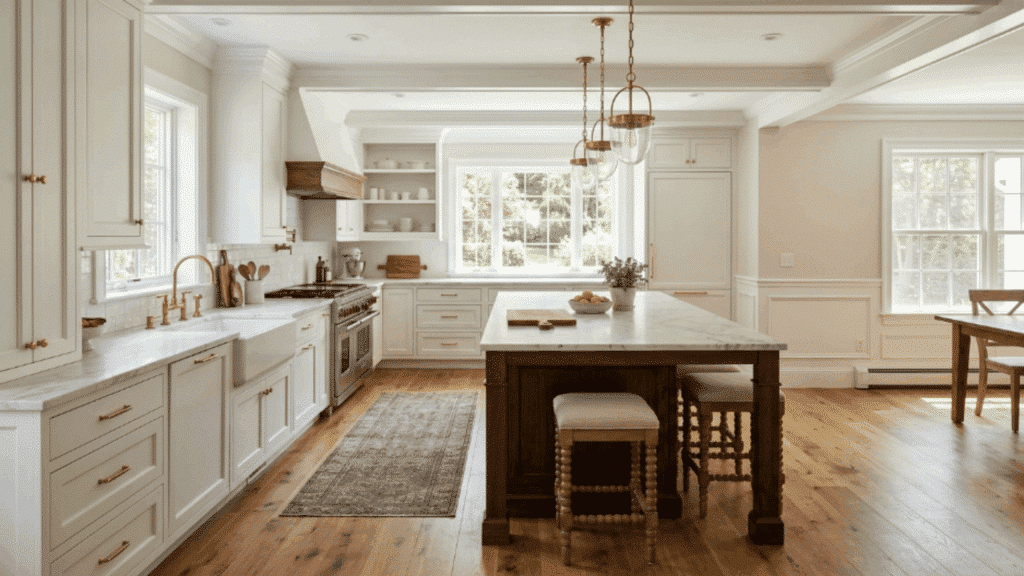
Kitchens in modern colonial homes combine traditional cabinetry with practical modern layouts. Shaker-style cabinets remain a common choice because their clean lines suit both historic and updated interiors.
A large central island often anchors the room, while marble or stone countertops bring durability to the space.
3. Bedroom
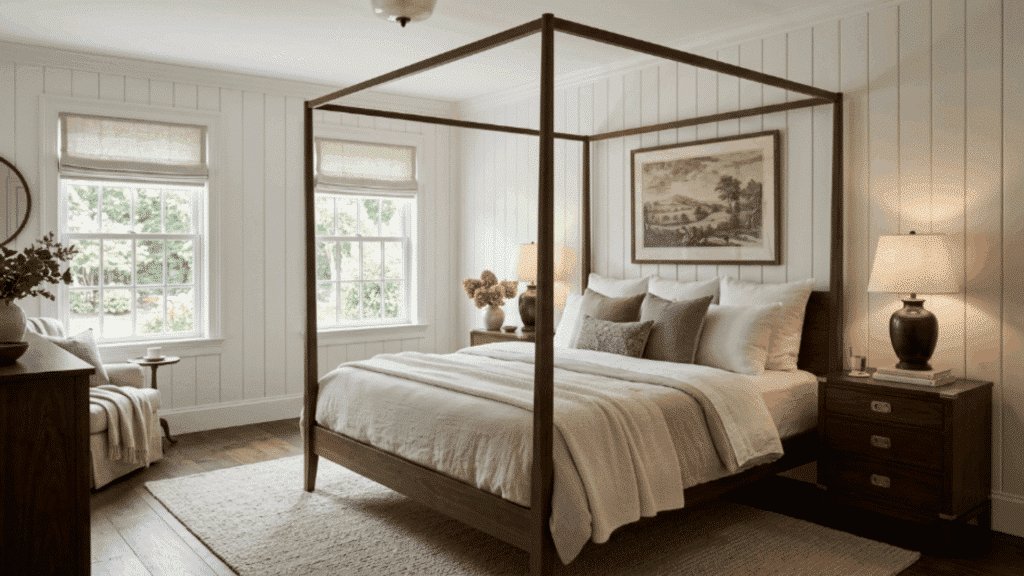
Bedrooms in a modern colonial interior design focus on comfort while keeping a structured look. Upholstered beds help establish a traditional feel without overwhelming the room.
Soft neutral bedding, paired with wooden side tables and simple lamps, creates a calm environment that suits the relaxed atmosphere of a modern colonial home.
4. Dining Room
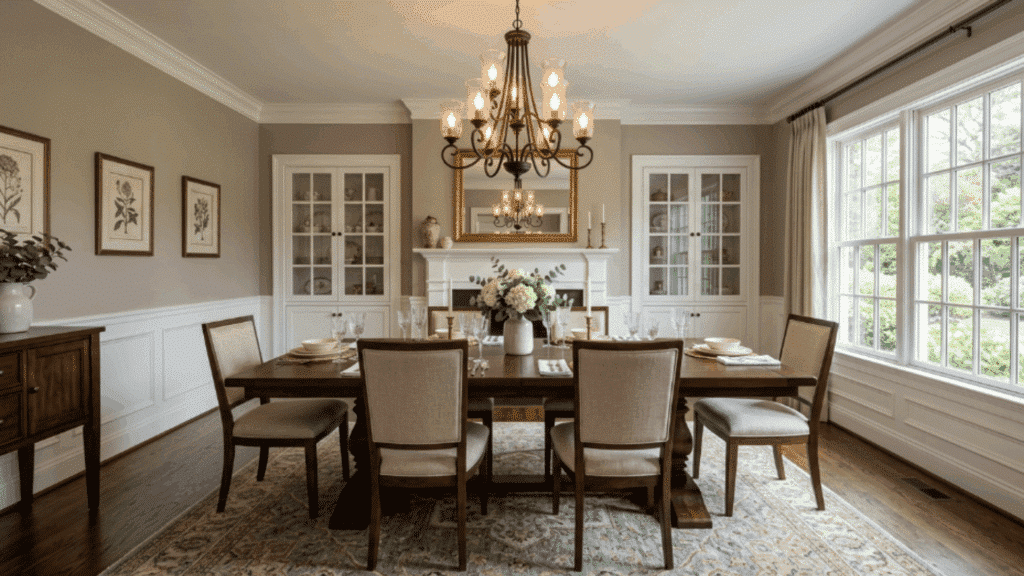
Dining rooms often highlight the formal side of the colonial house style while still feeling welcoming. A classic wood dining table becomes the main feature of the space.
Chairs are typically arranged symmetrically around the table, and a statement chandelier above adds visual interest while reinforcing the traditional layout.
Warm lighting and natural wood tones help soften the formality, creating an inviting atmosphere that encourages relaxed gatherings and everyday family meals.
5. Bathroom
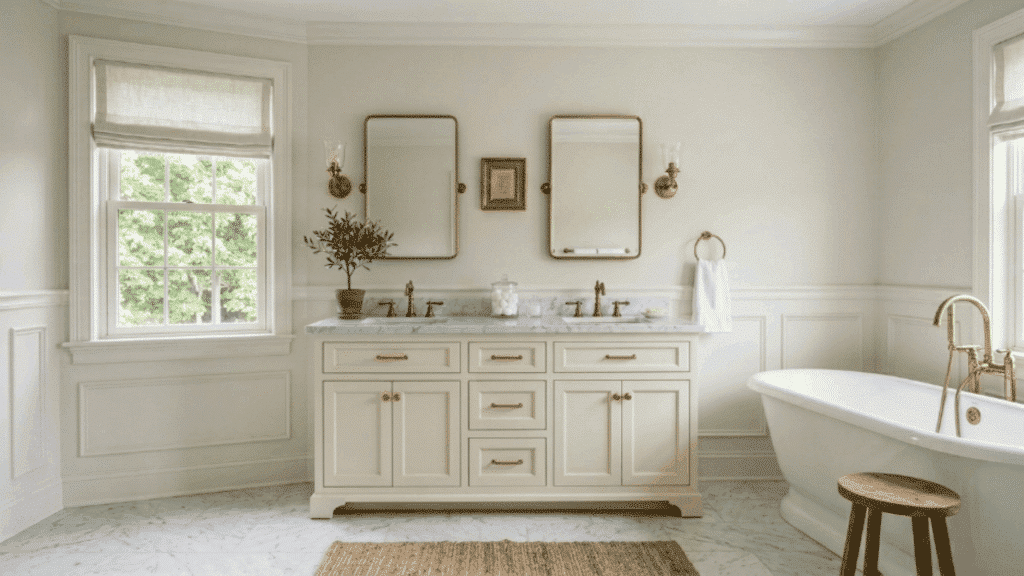
Bathrooms in a modern colonial home keep the design simple yet refined. Marble surfaces or classic tile patterns help maintain the traditional character of the space.
Brass or black fixtures add subtle contrast, while panelled walls or simple wainscoting introduce architectural detail often seen in colonial house style interiors.
Why Modern Colonial Interior is Trending Right Now
Interest in modern colonial interior design has grown as homeowners look for spaces that feel comfortable and welcoming instead of overly styled or temporary.
Many people are moving away from extremely minimal interiors that can feel plain or impersonal, and are choosing styles that bring warmth and character back into the home.
The modern colonial approach offers that balance by combining clean, updated spaces with traditional structure and thoughtful details.
Elements from the classic colonial house style, such as symmetry, natural materials, and architectural trim, help interiors feel grounded while still fitting modern lifestyles.
This blend of heritage influence and practical design makes the style appealing to people who want homes that feel both current and lasting.
How to Incorporate Modern Colonial Style in Your Home
The style works best when traditional structure meets simple updates that fit a modern colonial lifestyle while respecting the character of a colonial house style.
- Neutral Colour Foundation: Start with light wall colours such as white, cream, or greige, allowing larger furniture pieces to maintain a calm visual base.
- Architectural Wall Detailing: Introduce classic features like wall moulding, panelled walls, or traditional trim to reinforce the structured character associated with colonial homes.
- Vintage-Inspired Furniture Selection: Choose furniture that reflects traditional craftsmanship, such as wooden tables or chairs with simple shapes rooted in design.
- Modern Lighting Accents: Add contemporary lighting fixtures that simplify the space while balancing the traditional furniture forms and architectural features.
- Natural Material Emphasis: Use materials such as hardwood, linen textiles, cotton upholstery, or stone surfaces to maintain the organic warmth typical of classic interiors.
- Intentional Decorative Styling: Keep décor minimal by selecting a few meaningful objects like framed art, ceramics, or vintage accessories instead of filling every surface.
Conclusion
Modern colonial interior design stands out for keeping the structure and charm of a traditional colonial house style while adapting it for everyday living.
Clean layouts, neutral palettes, natural materials, and carefully chosen furniture help create spaces that feel both classic and practical.
By focusing on thoughtful details, quality materials, and calm colour palettes, homeowners can create interiors that feel warm, organised, and welcoming.
If this style feels right for your space, start small. Try updating one room with neutral colours, classic trim, or natural textures, then gradually build the look throughout your home.

With a Master in Architectural Studies from University of Pennysylvania, Marwa Haydar has pioneered living spaces since 2005. Her expertise, initially honed in a prestigious architectural firm, is evident in her approach to creating environments. Marwa became part of our team in 2019 and has since been a driving force in our home improvement section, known for her practical yet stylish solutions. She’s been spearheading our design workshops since then, infusing her passion for teaching into her work. In her leisure time, Marwa enjoys exploring historic architecture and is an enthusiastic pottery hobbyist, further enriching her understanding of form and texture.