
Fresh paint and trendy fixtures only take curb appeal so far. Often, the biggest upgrade comes from combining exterior materials to add depth, texture, and personality.
Picture smooth siding framed by natural stone around the entrance, or a traditional brick house warmed up with wood accents. Pairings like these create visual interest without an elaborate architectural redesign.
Knowing which materials work together and where to put them is the real challenge. Too many competing textures make a house look busy, whereas thoughtful combinations highlight its best features. A few basic design principles can give you an exterior that feels balanced, welcoming, and uniquely yours.
Take Cues From Your Existing Architecture
Before planning a house siding replacement or browsing material samples, study your home’s existing architecture. Its shape, roofline, windows, and entrance offer clear clues about which combinations will look natural.
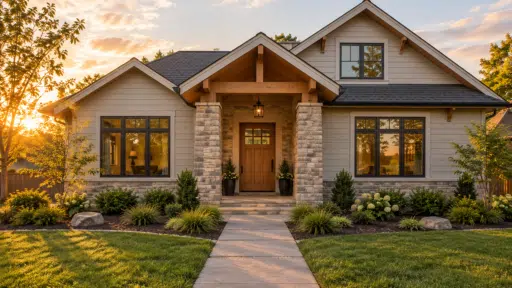
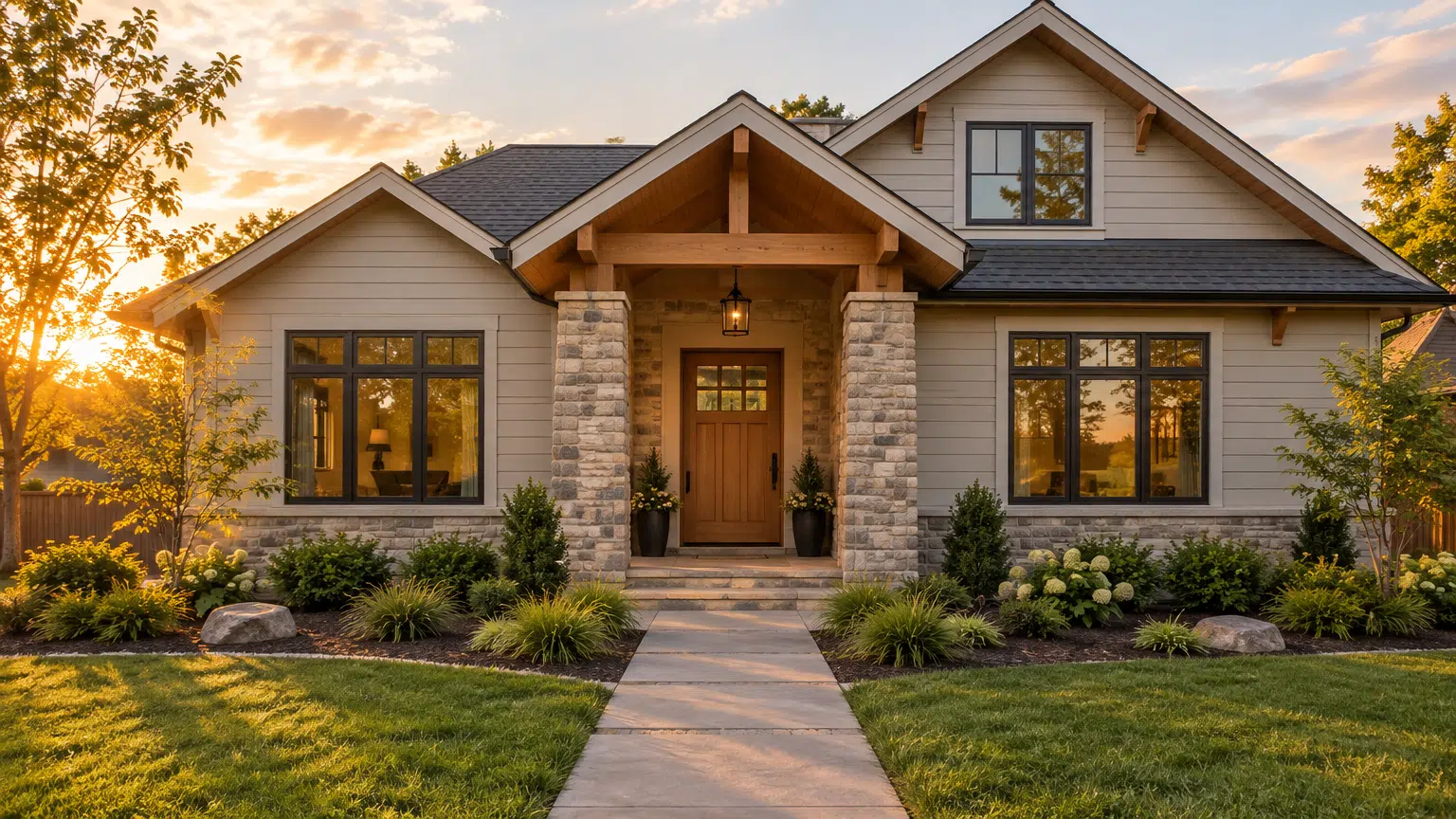
A traditional Colonial often shines with classic horizontal siding and subtle brick or stone accents. Craftsman-style houses feel inviting with textured stone columns, lap siding, and warm wood details. Modern homes offer more freedom to experiment with clean lines and contrasting surfaces, pairing vertical panels with smooth siding for a contemporary look without extra decoration.
You don’t need to make every house look modern or expensive. Let existing character features, like a prominent front porch, an interesting roofline, or a distinctive entryway, guide your choices.
Pick a Primary Material to Anchor the Design
Cohesive exteriors rely on a clear hierarchy: let one material dominate while others highlight specific areas.
For most homes, siding provides the main visual foundation. Stone, brick, or wood accents then introduce contrast around the entrance, porch, or upper sections of the facade. Letting one material lead stops the design from feeling overwhelming, establishing a steady backdrop so texture stands out where it counts.
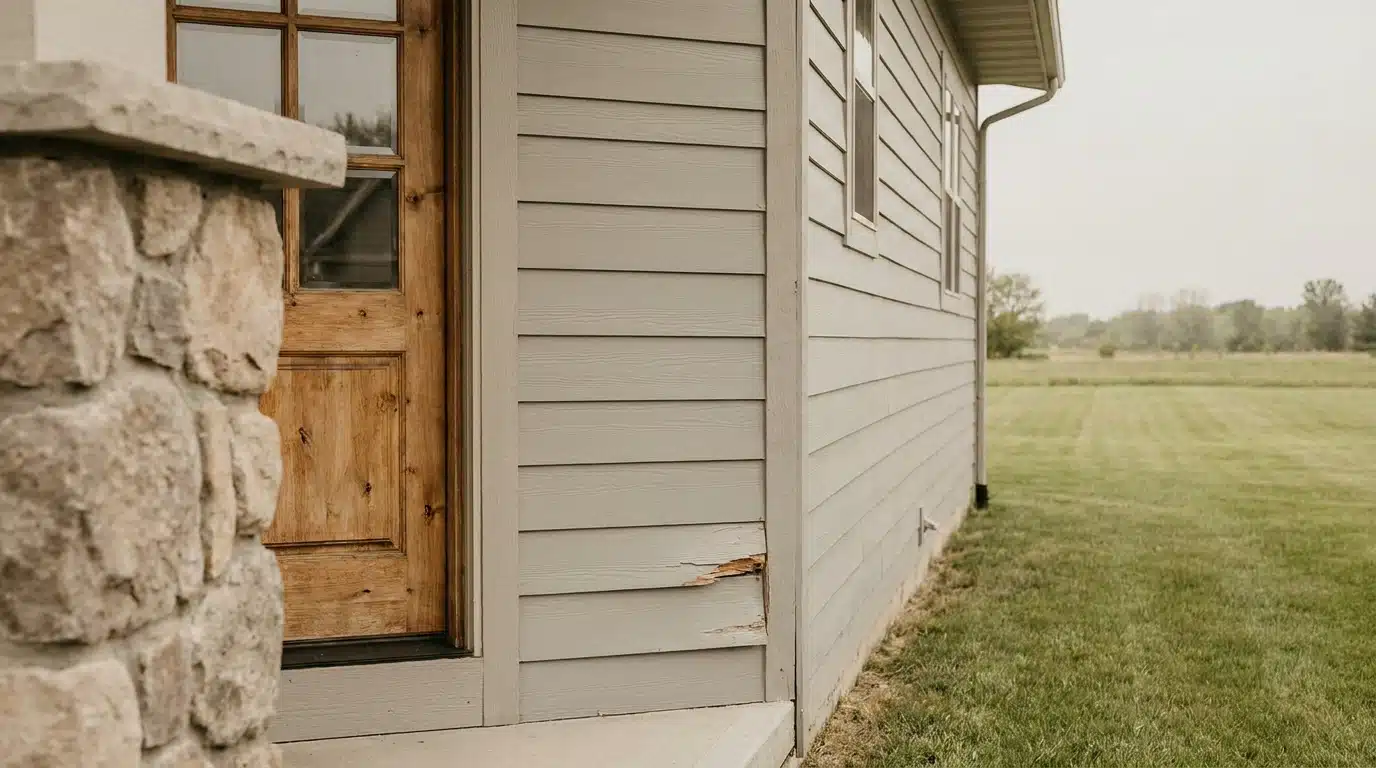
Replacing every surface isn’t always necessary. If existing materials are in good condition, update a smaller section first. When existing siding shows heavy wear or no longer fits the house, updating your siding creates an opportunity to introduce new textures while keeping a consistent overall appearance. Treat your primary material as the foundation, and let accents support it.
Material Pairings That Naturally Belong Together
Certain pairings work naturally because their colors and textures create appealing contrast.
Classic Horizontal Siding With Stone
Stone brings permanence and natural texture, while horizontal siding provides a clean, familiar backdrop. This pairing suits traditional and Craftsman-style homes well. Stone accents around porch columns or along the lower facade ground the building visually. Choose stone colors that complement your siding instead of introducing an unrelated palette.
Modern Siding Warmed up by Wood Details
Wood adds warmth to exteriors that might otherwise feel plain or industrial. A recessed entrance with natural wood detailing softens a modern facade finished in charcoal, white, or light gray siding. Wood-look composite materials provide a similar effect, depending on the product. Use wood selectively: a small area around the entrance or beneath a covered porch makes a stronger impression than covering unrelated sections.
Traditional Brick Paired With Vertical Panels
Brick offers rich texture and traditional character, while vertical siding panels bring clean lines that give an older facade a more contemporary feel. When renovating a home with existing brick, preserve the masonry and add vertical panels on an upper-level section or architectural extension. The contrast between brick’s irregular texture and the panels’ straight lines creates interest without dramatic colors.
Subtle Contrast Using Horizontal and Vertical Siding
You don’t need completely different materials for a mixed-texture look. Combining horizontal lap siding with vertical board-and-batten-style panels adds architectural interest while keeping things straightforward. Horizontal siding can cover the main walls while vertical panels highlight a front-facing gable. Using the same color for both finishes creates subtle contrast through their changing orientations.
How to Balance Color and Texture
Establishing a clear color palette before making final selections makes mixing materials easier. Two or three coordinated colors are usually enough.
Start with your dominant siding color, then match stone, brick, or wood accents to it. Warm materials generally pair well with other warm tones, like cream-colored siding, beige stone, and natural wood for a welcoming, traditional exterior. For something more contemporary, try cool gray siding with dark trim and stone accents sharing similar undertones.
Texture matters equally. Rough stone contrasts against smooth siding, while wood grain softens painted panels. Avoid picking materials solely for their individual beauty, since a stone sample can look stunning alone yet feel disconnected once installed. Always view samples outdoors together, where natural light shifts colors throughout the day.
Where to Place Your Accent Materials
Placement matters as much as material choice. Start with the areas people naturally notice when approaching the house.
The front entrance is ideal for contrast, where stone detailing, wood-look panels, or a change in siding direction makes the doorway prominent and welcoming. Front-facing gables also invite texture, with vertical siding drawing the eye upward to highlight the roofline. Porch columns and lower walls look grounded with stone or brick accents that connect the house to the surrounding landscape. If a garage occupies a large portion of the front elevation, subtle material changes break up that broad surface.
Wherever finishes meet, align transitions with corners, changes in wall depth, or existing architectural features instead of making random changes across a flat wall.
The Practical Side of Mixing Materials
Appearance matters, yet exterior materials must also perform in everyday conditions. Climate should influence your choices, since frequent rain, snow, intense sunlight, and temperature shifts affect protection and upkeep. Natural wood looks appealing but often needs periodic finishing, while vinyl siding requires less routine maintenance. Fiber cement and masonry each carry their own installation and care requirements, and any pairing should remain cohesive after years of weather exposure.
Budget plays a role too. Natural stone and specialty finishes can be costly, especially when installation requires extra structural support or preparation. On a limited budget, focus on one or two accent areas rather than redesigning every wall.
Installation details deserve equal attention. Different cladding materials need specific fastening systems, flashing, drainage provisions, and proper transitions, particularly around windows and doors where poorly installed connections let moisture enter the wall assembly. Consult a qualified professional about material compatibility and installation requirements before committing to a design so your update protects the home beneath its finishes.
Pulling the Final Look Together
Mixing exterior materials gives your home character without changing its architecture. Balance is the secret: pick one dominant material, add complementary textures, and place accents where they highlight existing features.
Lean into wood’s warmth, stone’s natural look, or modern siding’s clean lines based on what suits your home and taste. You don’t need to follow every design trend or cover the facade in several finishes. A few carefully chosen details can turn an ordinary exterior into something memorable when those materials work naturally together.

With a Master’s in Architecture from the University of California, Berkeley, Alexander Martin has dedicated the last 18 years to enhancing outdoor living through thoughtful and robust structure design. His career kicked off in urban planning, giving him a unique perspective on integrating structures into diverse environments. In 2019, Alexander brought his expertise to our website, offering insights into creating versatile outdoor spaces. Since then, he has been the lead advisor for our outdoor design projects and is known for his ability to merge functionality with environmental consciousness. Alexander enjoys rock climbing outside of work and participates in community development projects, activities that reflect his passion for the outdoors and sustainable design.