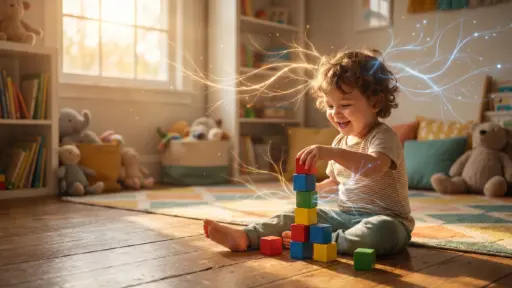
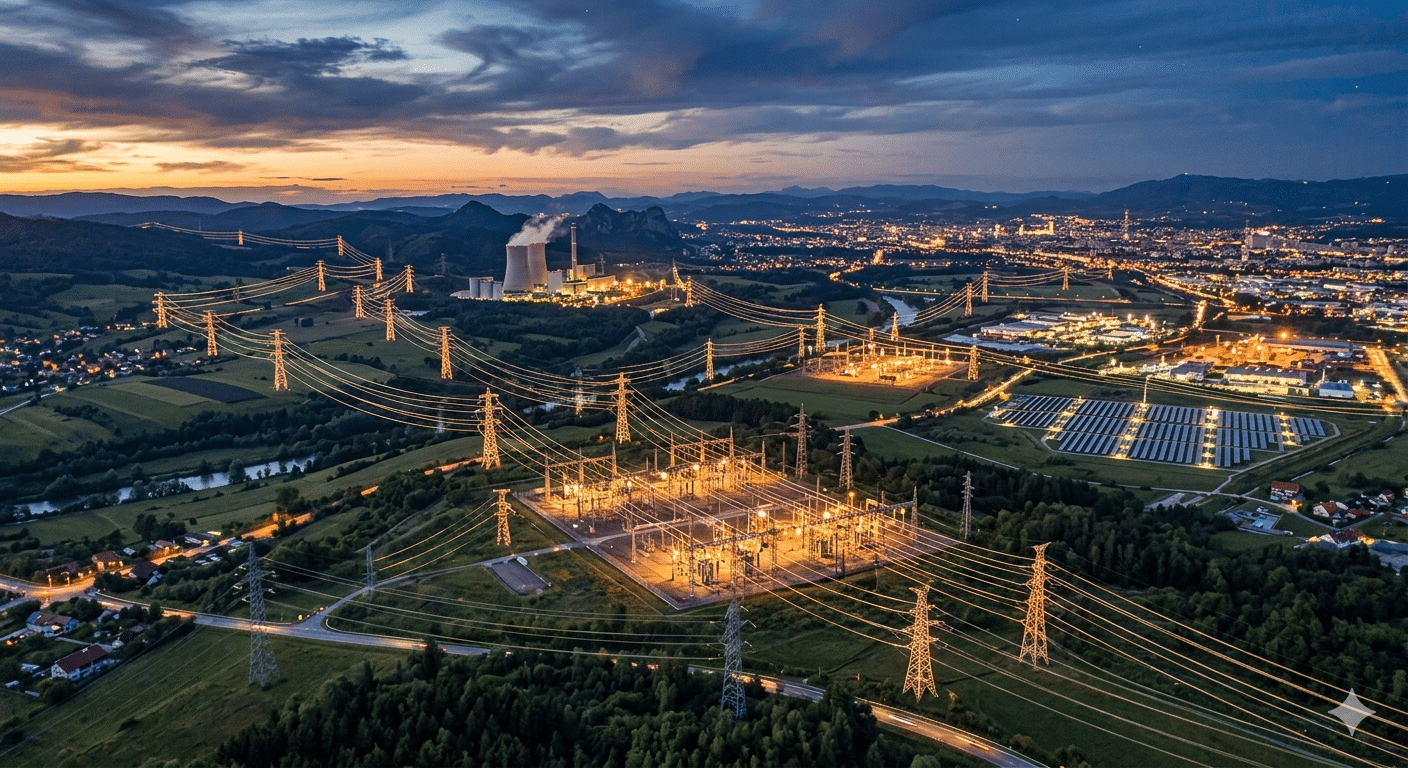

Energy bills are not something that constantly goes in one direction. They slowly increase, have sudden peaks, and also fluctuate due to external factors that most homeowners cannot influence. The best way to protect yourself from such volatility is to minimize the amount of grid energy you depend on.
Start with the building, not the hardware
Before anyone installs a single panel or battery, the house itself needs attention. This is the “efficiency first” principle, and skipping it is expensive in the long run.
A home that’s poorly insulated or has single-glazed windows has a high baseline load – the minimum energy it consumes just to function. If you install a generation system sized for that load, you’ll need more of everything: more panels, a larger battery, a bigger inverter. Bringing that baseline down through insulation upgrades, draught proofing, and better glazing means your eventual system can be smaller and cheaper.
Getting an energy audit before any installation is worth it. A professional assessor maps where your home is losing heat and which appliances are pulling the most power. Your EPC rating improves too, which directly affects property value. Think of this phase as building the foundation.
The core hardware stack
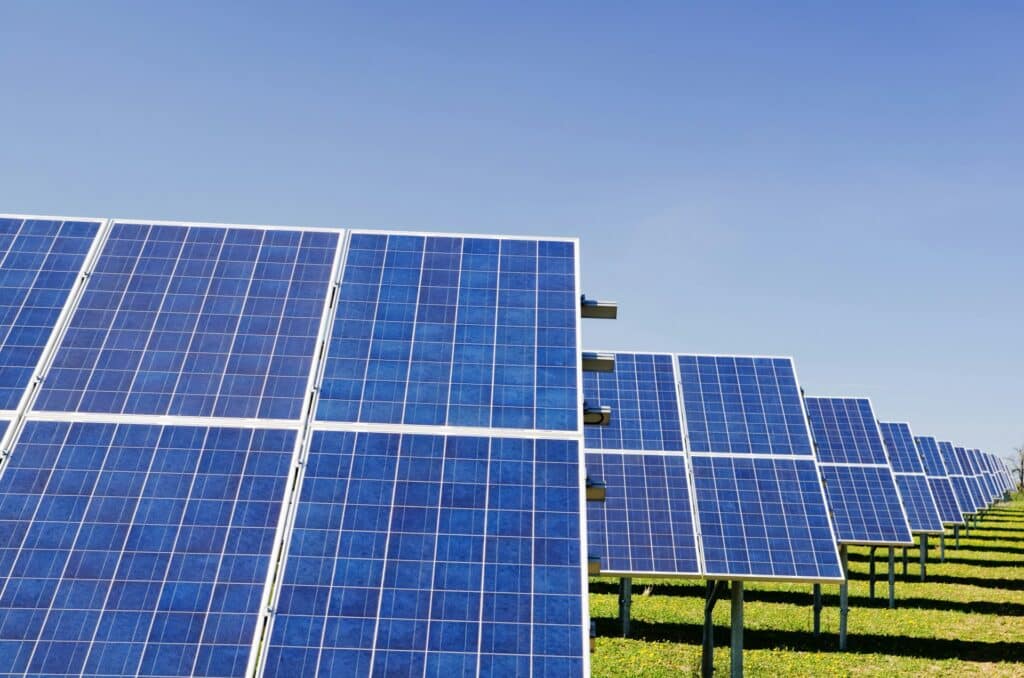
Once the building envelope is tightened, generation becomes the next layer. Photovoltaic technology – where cells convert sunlight directly into DC electricity, which an inverter then converts to AC for your appliances – has become reliable and cost-competitive enough that it’s the standard starting point for most residential setups.
Modern high-efficiency solar panels serve as the foundational technology for any grid-reduction strategy, and the economics have shifted significantly in their favor. The avoided cost of not buying grid power is the primary financial return here – not government export payments, though those exist too.
Battery storage is what bridges the gap. Solar only produces during daylight hours, and a home’s peak demand is usually in the evenings. A lithium-ion battery bank charges during the day and discharges at night, stretching each unit of generated electricity further. Without storage, you’re still heavily dependent on the grid for roughly half the day.
Building toward the prosumer model
A change in perspective occurs when you cease to be an energy couch potato. As soon as the generation and storage are in place, the theoretical question arises about when the system has to produce most and whether we can adapt our consumption to these times?
That’s load shifting. It’s not rocket science to start the dishwasher at noon instead of 8 p.m., to schedule the washing program on the washing machine, or to load an electric car at maximum solar power – but it all adds up. The households that achieve the highest savings with their systems are those who look at energy consumption as something that requires attention rather than something that just happens.
Monitoring tools make this possible. Most modern inverters are connected to apps that show the current generation, the current consumption, and the current state of the battery. This data changes the behavior of people relatively quickly.
Diversifying beyond electricity
Solar PV systems generate electricity, not heat, which can be a large proportion of the total energy used, depending on the local climate.
Therefore, air-source heat pumps complement solar PV systems very well. Heat pumps operate on electricity, so they are directly compatible with a solar PV system, and they extract heat from the outside air much more efficiently than resistance heating (e.g., baseboard heaters) produces it. By coupling a heat pump with solar generation, space and water heating can be sourced largely from the roof, especially in the warmer months.
This system – solar generation, battery storage, and a heat pump – is a truly resilient system. Each element covers something the others don’t, allowing both the electricity and heating/cooling needs of a household to be met without over-dependence on any single source or technology.
The grid stays useful – for now
While full grid defection – disconnecting entirely from utility infrastructure – is technically possible (and not as niche as you might imagine), it’s rarely practical or financially sensible for most households.
The grid serves as a backstop during protracted periods of low-to-no generation, and, for instance, most export schemes are configured to let households sell surplus power back to the grid. Do so over the course of a year and it pays for months of standing charges.
With the Smart Export Guarantee, the new system that’s replaced the Feed-in Tariff, you’re paid a rate for any electricity your system exports to the grid, but that rate is almost always considerably lower than the rate you’d pay to buy that electricity back.
The strategy is fairly logical: use what you generate, store what you can’t use immediately, and export only what is genuinely surplus.
If this all feels a bit conceptual, step back and look at the broader picture. Fitting solar and storage and potentially other technologies one year and then replacing boilers or windows or a roof the next makes less financial sense than looking at it as the start of an ongoing multi-renewable, multi-year process.
Get advice and assistance with your bills and maximize your baseline efficiency, then gradually move through generation, storage, and diversification. You won’t just be future-proofing for the next few months, you’ll be doing so for the next decades.
Energy markets are only going to become more volatile. The question is whether your home is positioned to be affected by that volatility or insulated from it.

With a Master’s in Architecture from the University of California, Berkeley, Alexander Martin has dedicated the last 18 years to enhancing outdoor living through thoughtful and robust structure design. His career kicked off in urban planning, giving him a unique perspective on integrating structures into diverse environments. In 2019, Alexander brought his expertise to our website, offering insights into creating versatile outdoor spaces. Since then, he has been the lead advisor for our outdoor design projects and is known for his ability to merge functionality with environmental consciousness. Alexander enjoys rock climbing outside of work and participates in community development projects, activities that reflect his passion for the outdoors and sustainable design.