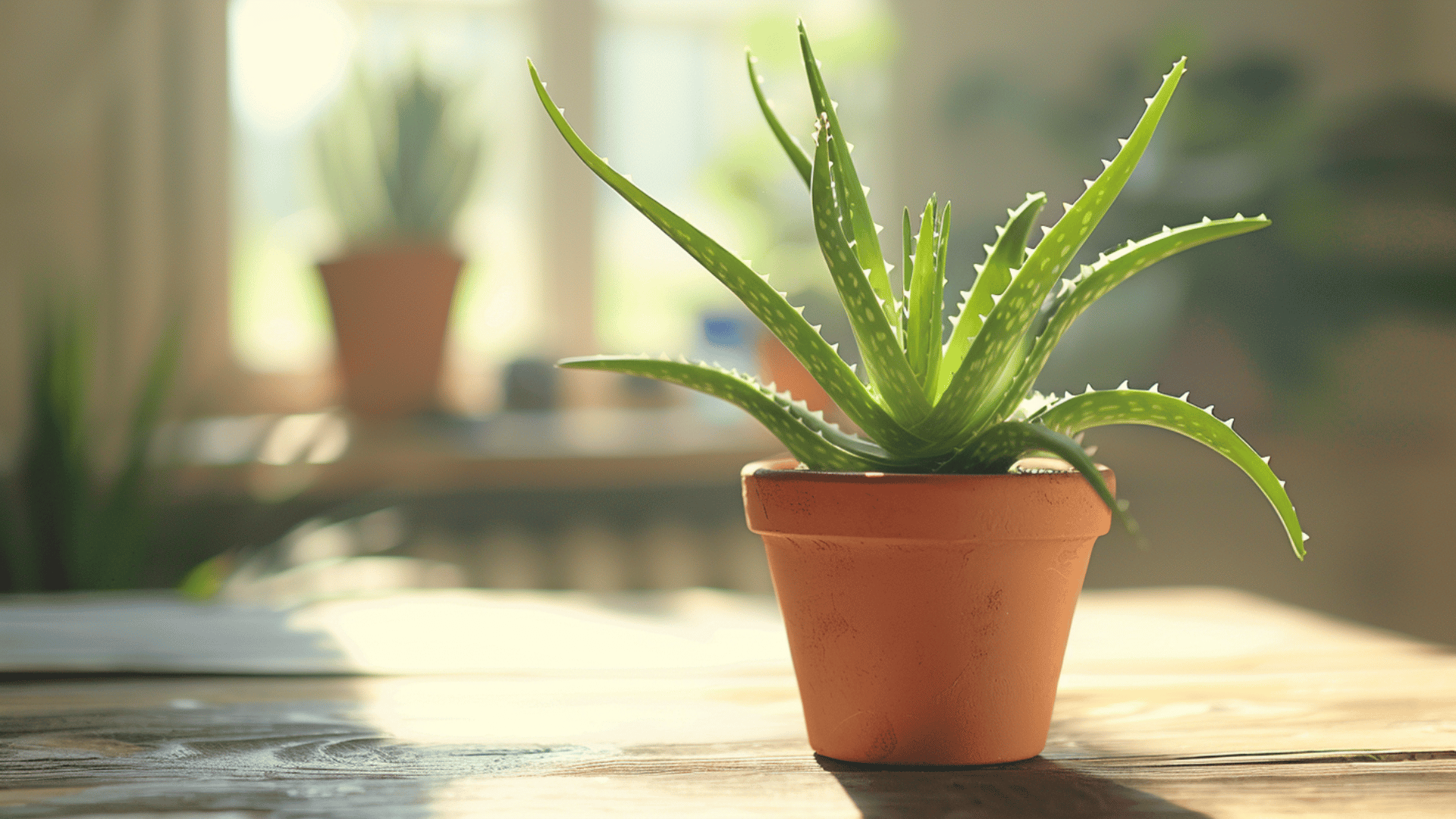

Aloe vera is one of the easiest plants to grow at home, which is why it’s so popular with beginners. A little too much water or not enough sunlight can quickly cause problems.
This blog explains aloe plant care in an easy and beginner-friendly way, so nothing feels confusing. It covers the basics you need to know, from watering habits to proper light and general care.
If the goal is to keep your plant healthy and growing well without second-guessing every step, it will help you do it with confidence and ease.
Basics of Aloe Plant Care
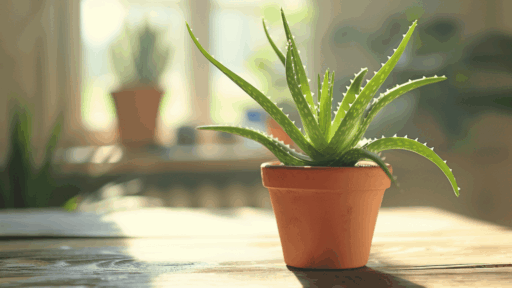
Aloe vera is a succulent plant, which means it stores water in its thick, fleshy leaves. This is why it can survive in dry conditions and does not need frequent watering like other houseplants.
Many people like aloe because it is low-maintenance and easy to care for, even with a busy routine. It grows well indoors, especially when placed near a bright window with indirect sunlight.
The key to keeping it healthy is simple. Since it naturally holds water, it prefers dry conditions between watering cycles. With just a little attention to light, soil, and watering, aloe vera can stay healthy and grow steadily for a long time.
Popular Types of Aloe Plants
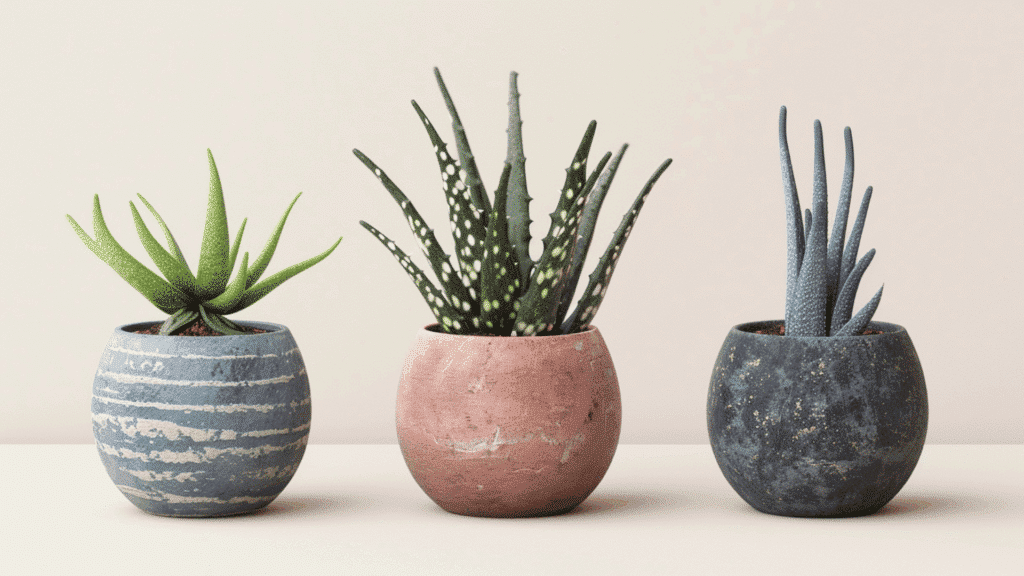
When learning about aloe plant care, understanding the different aloe types can help you choose the right plant for your space, size preferences, and maintenance needs.
- Aloe Variegata (Tiger Aloe): Features short, smooth leaves with white stripes and a compact size. Best for small spaces and indoor pots.
- Aloe Aristata (Lace Aloe): Has pointed leaves with white spots and fine edges, forming a rosette shape. Ideal for easy care and decorative indoor use.
- Aloe Glauca (Blue Aloe): Known for thick, silver-blue leaves and larger growth. Best suited for outdoor spaces and bigger areas.
Aloe Plant Care Tips for Healthy Growth
With the right balance of water, light, and basic care, aloe vera can stay strong for years with very little effort.
1. Watering Aloe the Right Way
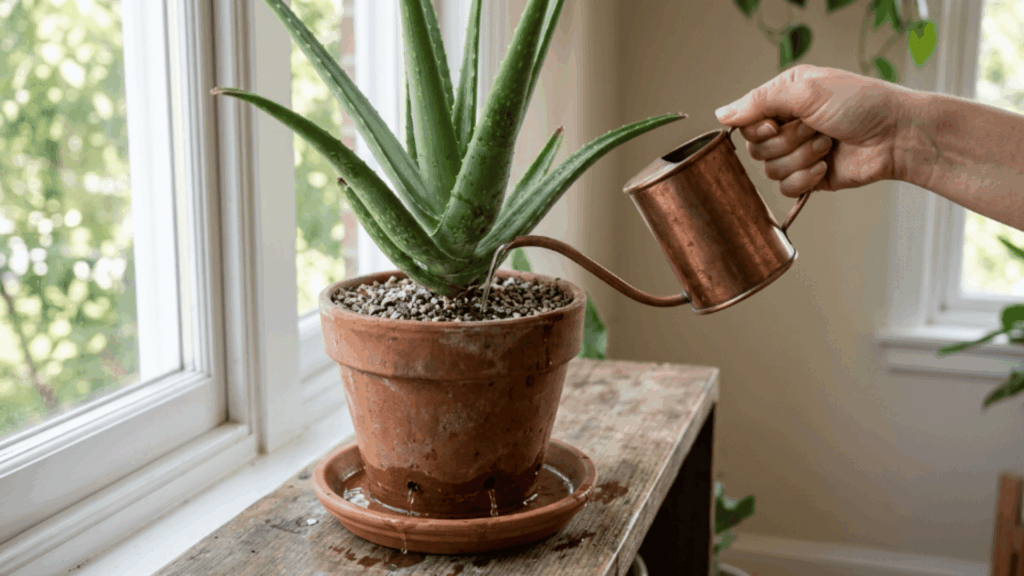
Drainage holes in the pot play a key role in proper watering. These holes allow excess water to drain out instead of pooling at the bottom, helping prevent root rot.
Without drainage holes, water can accumulate around the roots, leading to the plant’s death over time.
When watering aloe, always use a pot with one or more holes at the base so the soil can dry out properly. This simple setup keeps the roots healthy and supports better overall growth.
2. Providing the Right Sunlight
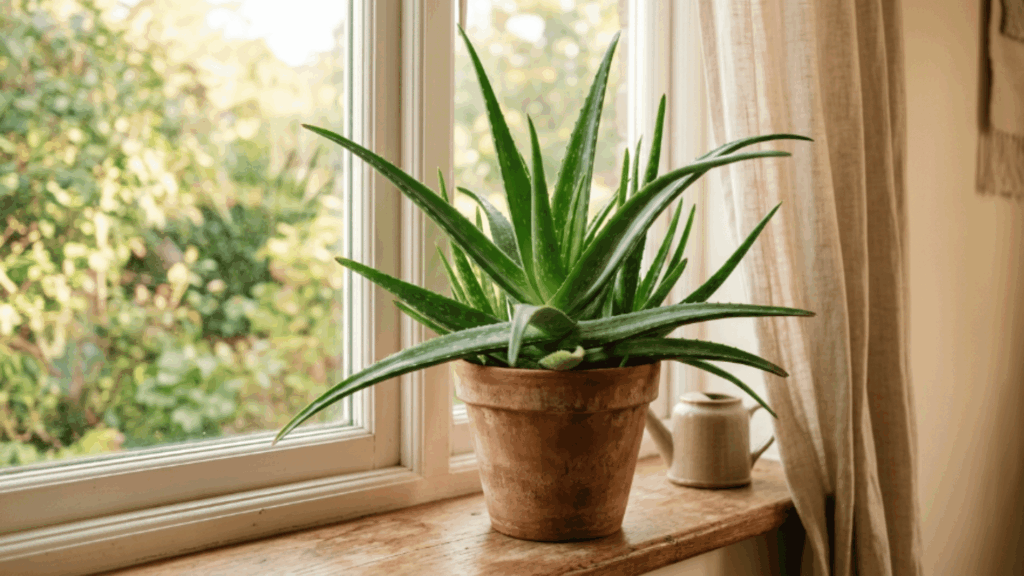
Aloe plants need plenty of bright light to grow well. They do best in areas with strong, indirect sunlight, though they can handle some direct sun in the morning or evening.
Too much direct sunlight can cause brown or scorched patches on the leaves. If the plant looks stretched, pale, or weak, it may not be getting enough light.
When moving aloe to a brighter spot, make the change gradually to avoid stress. Good lighting helps maintain its color, shape, and overall health.
3. Choosing Soil and Pot Carefully
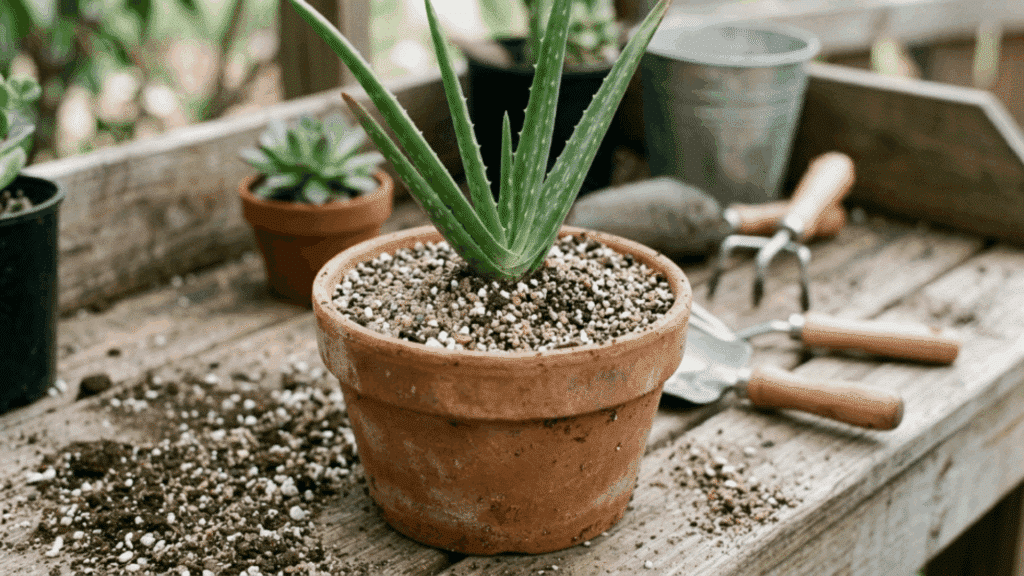
The right soil and container are key to healthy root growth. Aloe needs fast-draining soil to prevent excess moisture from sitting around the roots.
A cactus or succulent mix works well, and adding sand or perlite further improves drainage. The pot should always have drainage holes to allow extra water to escape.
Terra-cotta pots are a good option because they help the soil dry faster than plastic containers do. A proper setup reduces the chances of overwatering and keeps the plant stable.
4. Maintaining Temperature
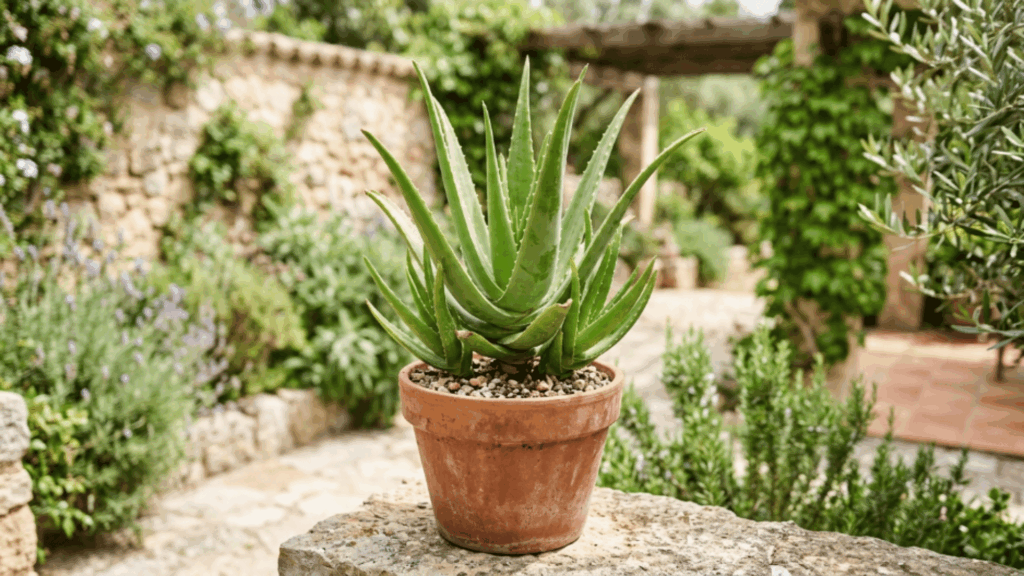
Aloe grows best in warm and dry conditions, making it suitable for both indoor and outdoor environments. It prefers temperatures above 13°C (55°F) and does not tolerate frost or extreme cold.
Choose a location with steady conditions and good airflow. If kept outdoors, make sure it is protected from heavy rain and cold weather. A stable environment helps aloe vera stay healthy and grow steadily.
5. Maintaining Basic Care
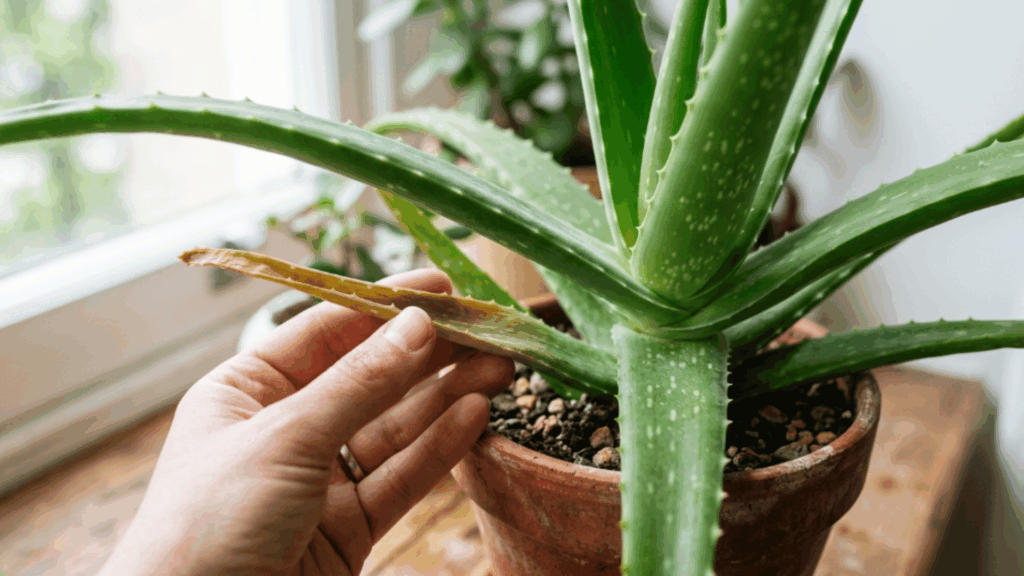
Aloe plants need very little daily effort, but regular observation helps keep them in good condition. Check the leaves from time to time and look for any changes in color or texture.
Yellow or soft leaves often indicate too much water, while thin or weak leaves may indicate the plant needs more light.
Catching these early signs makes it easier to adjust care before the problem spreads. Small changes in watering or placement can quickly bring the plant back to a healthy state.
Indoor Vs Outdoor Aloe Care
Understanding aloe plant care for indoor and outdoor settings helps you choose the right setup for your space and climate.
| Care Factor | Indoor Aloe Care | Outdoor Aloe Care |
|---|---|---|
| Growth Speed | Slower due to limited natural conditions | Faster with natural light and open space |
| Pest Exposure | Lower risk of pests | Higher risk from insects and bugs |
| Space For Growth | Limited by pot size | More room to spread and grow naturally |
| Rainwater Impact | No exposure to natural rain | Rain can affect soil moisture levels |
| Seasonal Adjustment | Minimal seasonal changes | Needs care adjustments with weather changes |
When and How to Repot Your Aloe Plant?
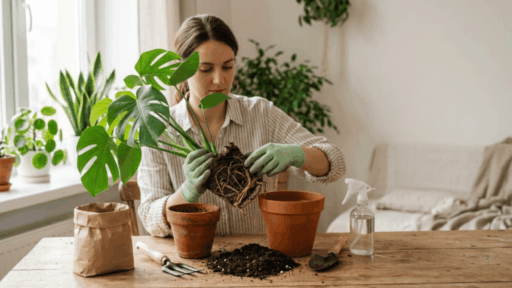
Repotting your aloe plant every 2–3 years helps keep it healthy and gives the roots enough space to grow. Over time, the plant can outgrow its pot, slowing growth or making it unstable.
When repotting, choose a slightly bigger pot with proper drainage holes to prevent excess water buildup. Gently remove the plant from its old pot and shake off any loose soil before placing it into fresh, well-draining soil.
Make sure the plant sits at the same level as before and avoid watering immediately after repotting. Giving it a few days to adjust to stress supports better root development.
Common Aloe Plant Problems and Fixes
Even easy plants can run into problems. Knowing the signs helps you fix issues quickly and improve your aloe plant care routine before things get worse.
- Soft, Drooping Leaves: Usually due to root damage from too much moisture. Improve drainage and avoid letting water sit in the pot.
- Brown or Dry Leaf Tips: This can occur from too much direct sunlight or insufficient water. Adjust light exposure and maintain a balanced watering routine.
- Pale or Stretched Leaves: A sign that the plant isn’t getting enough light. Gradually move it to a brighter spot to avoid shock.
- Slow or No Growth: Often caused by low light or poor soil quality. Use well-draining soil and place the plant in a better-lit spot.
- Leaf Spots or Damage: Can result from sudden temperature changes or stress. Keep the plant in a stable environment with consistent conditions.
Wrapping It Up
Aloe vera is a simple plant, but the right care makes all the difference. Once you understand how it responds to water, light, and its environment, keeping it healthy becomes much easier.
Small changes in your routine can prevent the most common problems and help your plant grow strong and healthy over time.
Staying consistent with your aloe plant care will give you a low-maintenance plant that lasts for years and even provides useful benefits.
Try applying these tips today and watch your aloe grow. For easier plant care tips, keep learning and make your space greener step by step.

With a Master’s in Landscape Architecture from the University of Virginia, Sophia Stephenson has dedicated the last 20 years to creating and maintaining vibrant outdoor spaces. Her professional journey started in landscape design, where she gained a reputation for innovative and sustainable approaches. Sophia became a part of our editorial team as a freelancer in 2019, offering a fresh perspective on outdoor living. Since 2020, she has been the chief for our outdoor design content, blending aesthetic appeal with environmental stewardship. In her leisure time, Sophia is a keen photographer, capturing the beauty of natural landscapes, a hobby that complements her professional expertise.