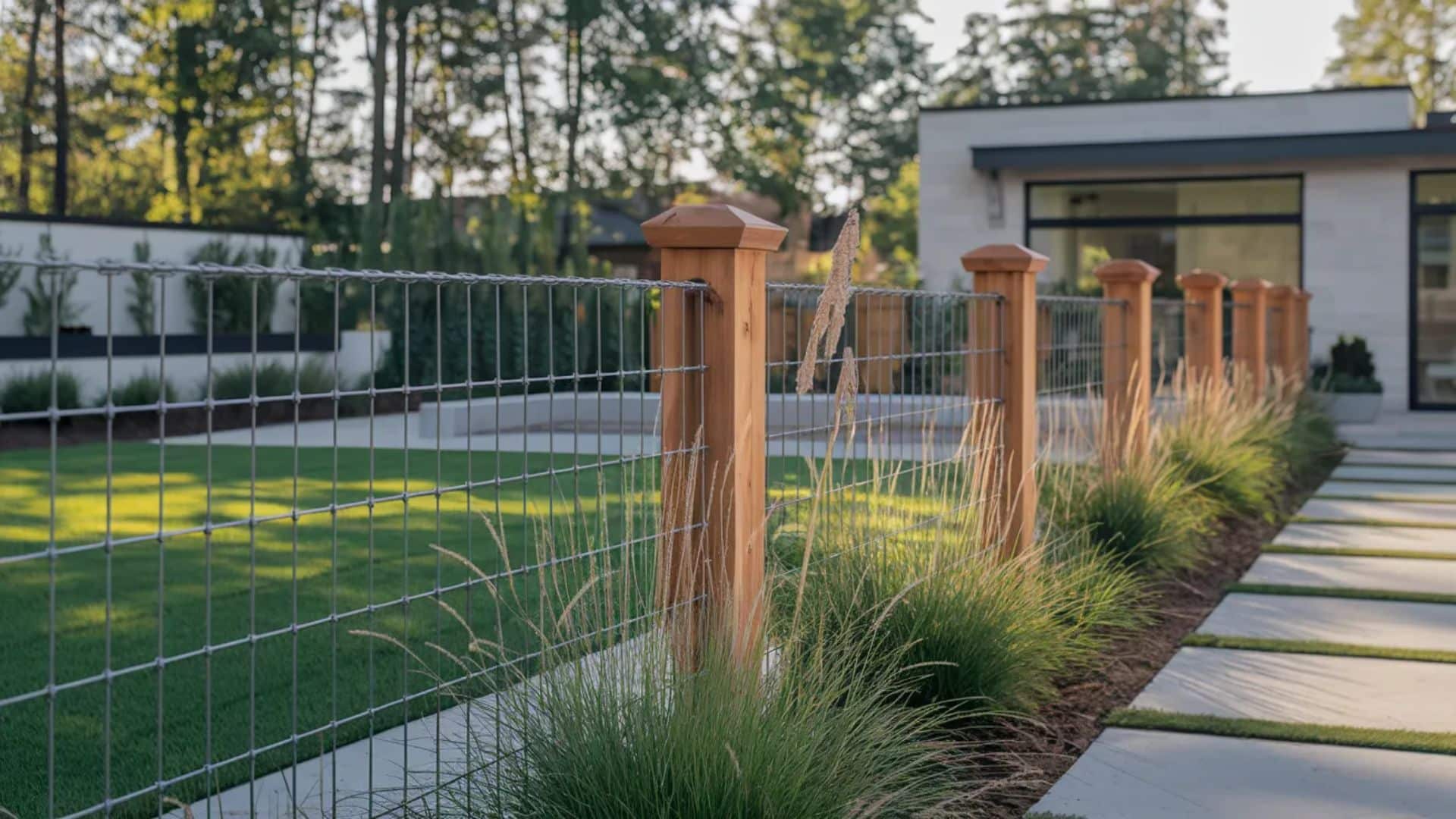

Hog wire fences aren’t just for farms anymore; they’ve become a go-to choice for modern homes, gardens, and outdoor spaces.
If you’re searching for hog wire fence ideas, you’ll quickly notice how stylish they can be, blending function with a clean, contemporary look.
From sleek backyard enclosures to creative deck railings and garden borders, hog wire fencing offers never-ending design possibilities.
In this blog, you’ll find inspiring ideas to help you use hog wire fencing in ways that improve both the look and practicality of your space.
What Is Hog Wire Fencing?
Hog wire fencing, also called hog panel fencing, cattle panel fencing, or livestock wire fencing, is a type of welded wire mesh originally designed for containing farm animals.
Today, it’s one of the most popular choices for residential landscaping, garden borders, and decorative property fencing. The basic anatomy of a hog wire fence includes three main components:
- Wire Mesh Panel: Hog wire panels are made from galvanized steel wire, meaning the steel is coated in a layer of zinc to resist rust and corrosion. Some panels are also available with a black powder-coat finish.
- Posts: Hog wire panels need a solid frame to attach to. People typically choose between wood posts (cedar, redwood, or pressure-treated pine) and metal posts (steel or aluminum).
- Rails: Horizontal top and bottom rails run along the frame to keep panels taut and give the fence its finished appearance. These are usually made from 2×4 or 4×4 lumber, or square steel tubing for metal-framed designs.
Common Panel Sizes and Wire Gauges
One of the things that makes hog wire fence ideas so appealing is how standardized and accessible the materials are. Most hog wire panels are sold at farm supply stores and home improvement retailers in these common sizes:
| Panel Size | Common Use |
|---|---|
| 16 ft x 34 in | Garden borders, raised bed edging |
| 16 ft x 48 in | Standard backyard fencing |
| 16 ft x 52 in | Taller privacy or livestock fencing |
Wire gauge is equally important and often overlooked by first-time buyers. The lower the gauge number, the thicker and stronger the wire:
- 4-gauge wire: Heavy-duty, ideal for security fencing or areas with large animals
- 9-gauge wire: The most popular choice for residential projects; strong, flexible, and easy to work with
- 12-gauge wire: Lighter weight, better suited for garden trellises or decorative applications
Top Hog Wire Fence Ideas
Here are the best styles across every look, from classic farmhouse to sleek modern. Each one offers a unique look while balancing durability, privacy, and curb appeal.
1. Classic Cedar Post and Hog Wire Backyard Fence
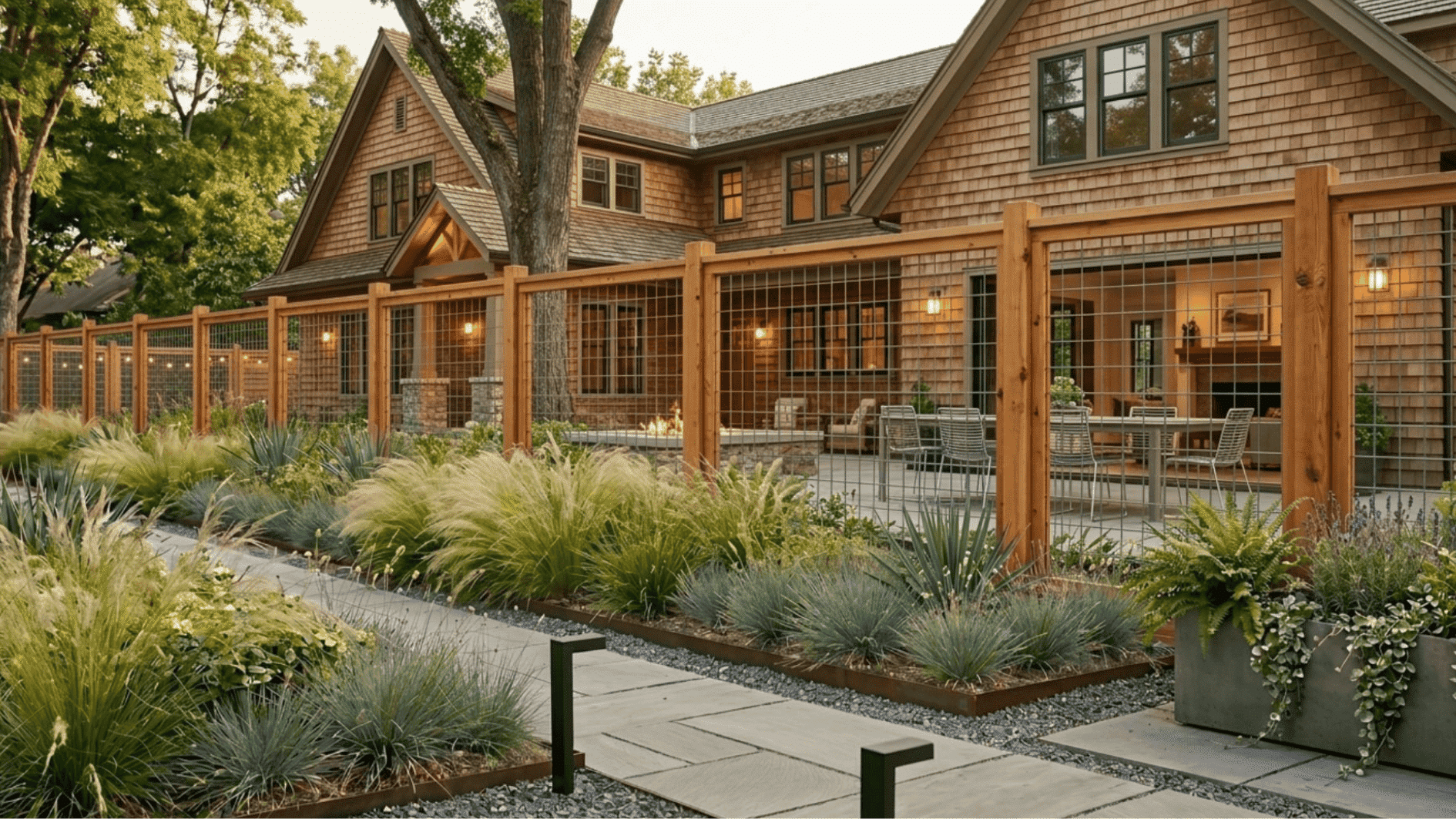
Cedar is naturally rot-resistant and weather-tolerant, making it one of the smartest wood choices for any outdoor build.
The warm, honey-toned grain contrasts beautifully against the structured wire grid, rustic yet clean at the same time. This style works equally well in suburban backyards and rural properties without feeling out of place in either setting.
It’s beginner-friendly, too, with straightforward post setting, simple panel attachment, and very little finishing work. A classic starting point for anyone findingDIY hog wire fence builds for the first time.
2. Black Powder-Coated Hog Wire Fence
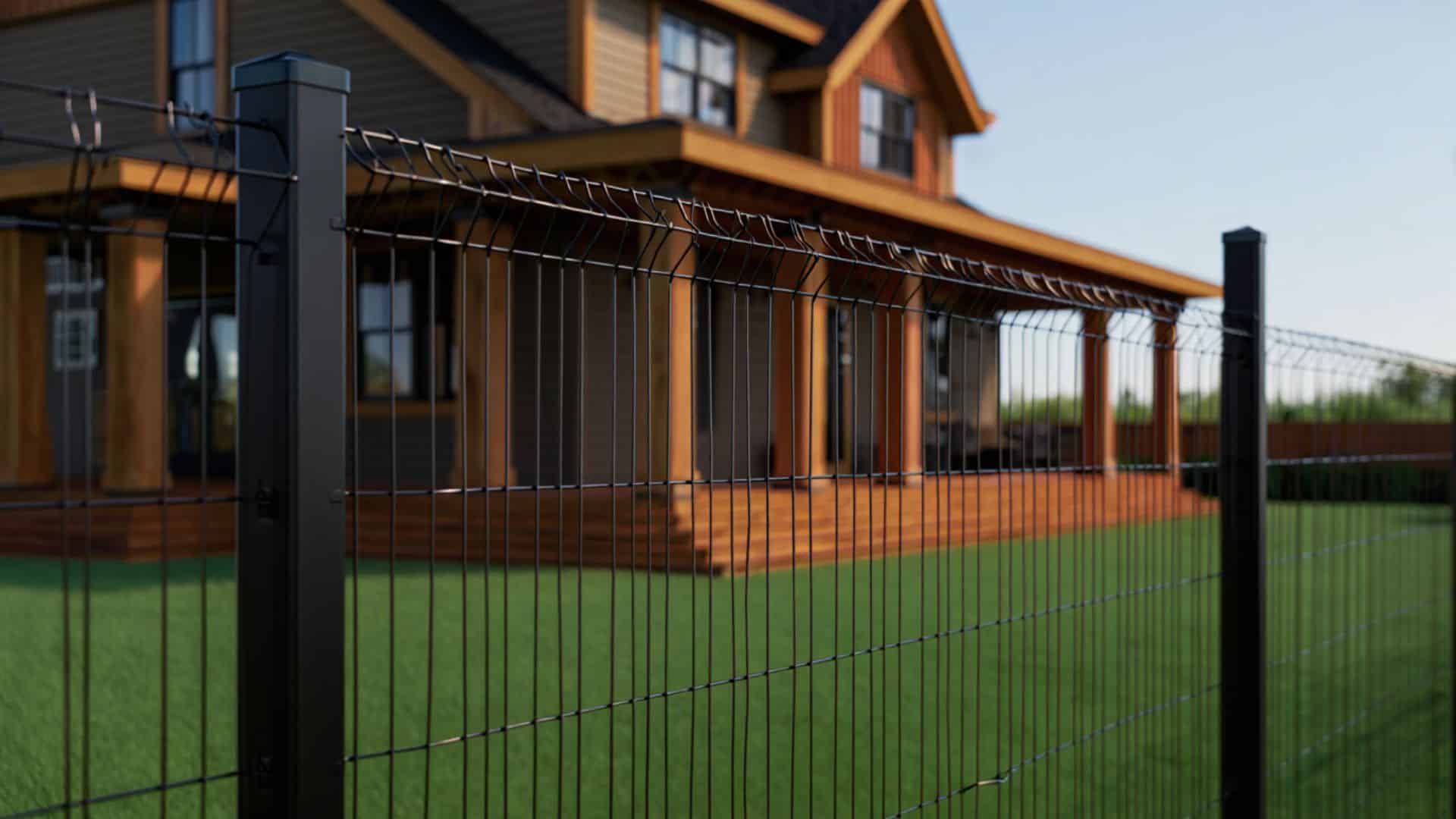
A black powder-coated hog wire fence is one of the boldest hog wire fence ideas for contemporary homes.
The deep matte black finish, paired with a sleek steel or dark-stained wood frame, creates a high-contrast look that complements modern architecture.
Unlike standard galvanized wire, powder-coated panels resist chipping, fading, and corrosion with almost zero upkeep. This look suits urban backyards, minimalist landscapes, and homes with dark exterior finishes.
3. Hog Wire Garden Trellis Fence
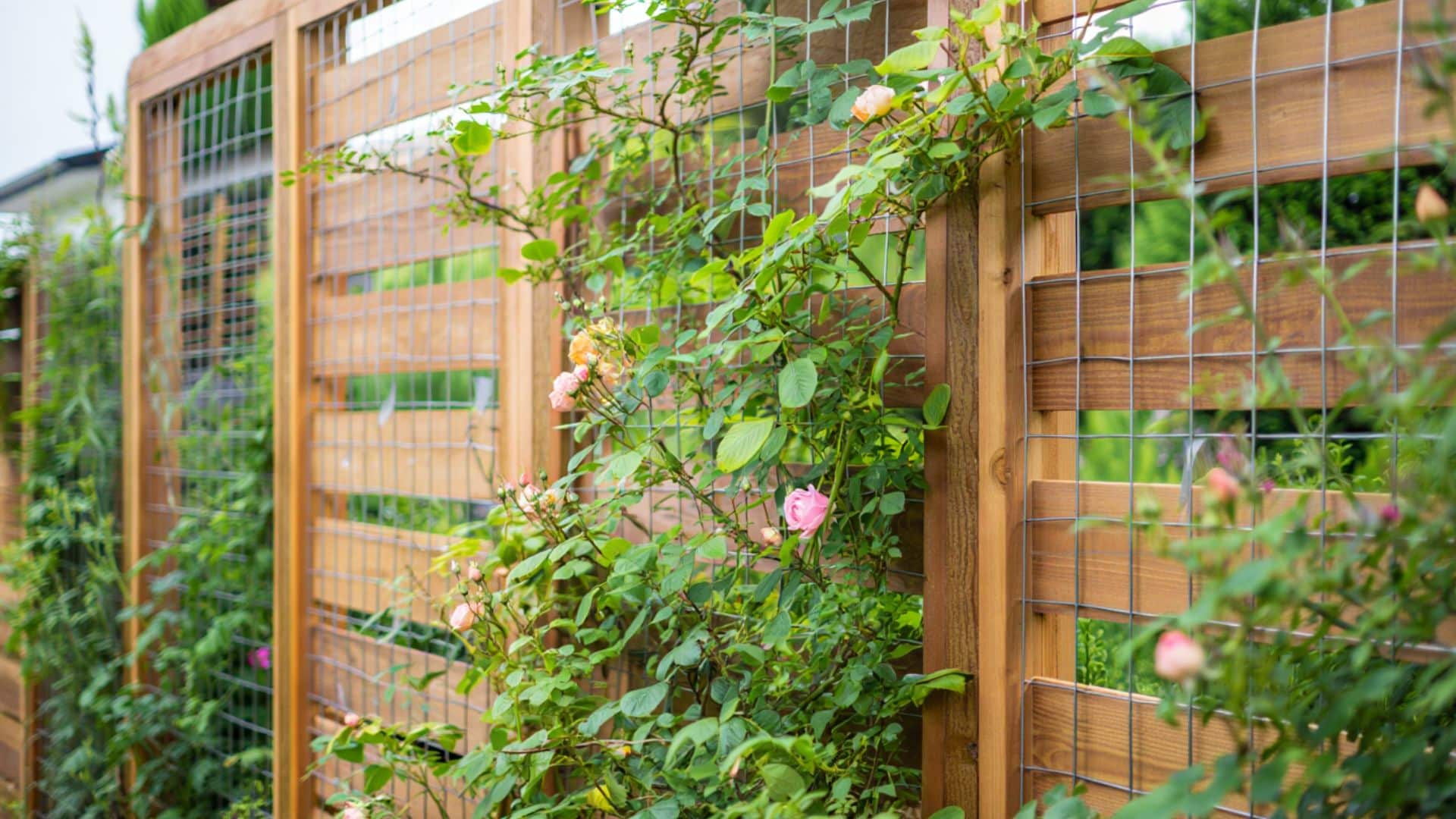
A DIY hog wire fence trellis is one of the most rewarding builds you can take on, even with zero fencing experience. Two sturdy wooden posts, a standard hog wire panel, and basic hardware are all you need to get started.
Once in place, the open grid becomes a natural support for climbing plants like roses, jasmine, clematis, or cucumbers.
Over a single growing season, the wire practically disappears beneath the foliage.
4. Horizontal Wood Rail and Hog Wire Panel Combo
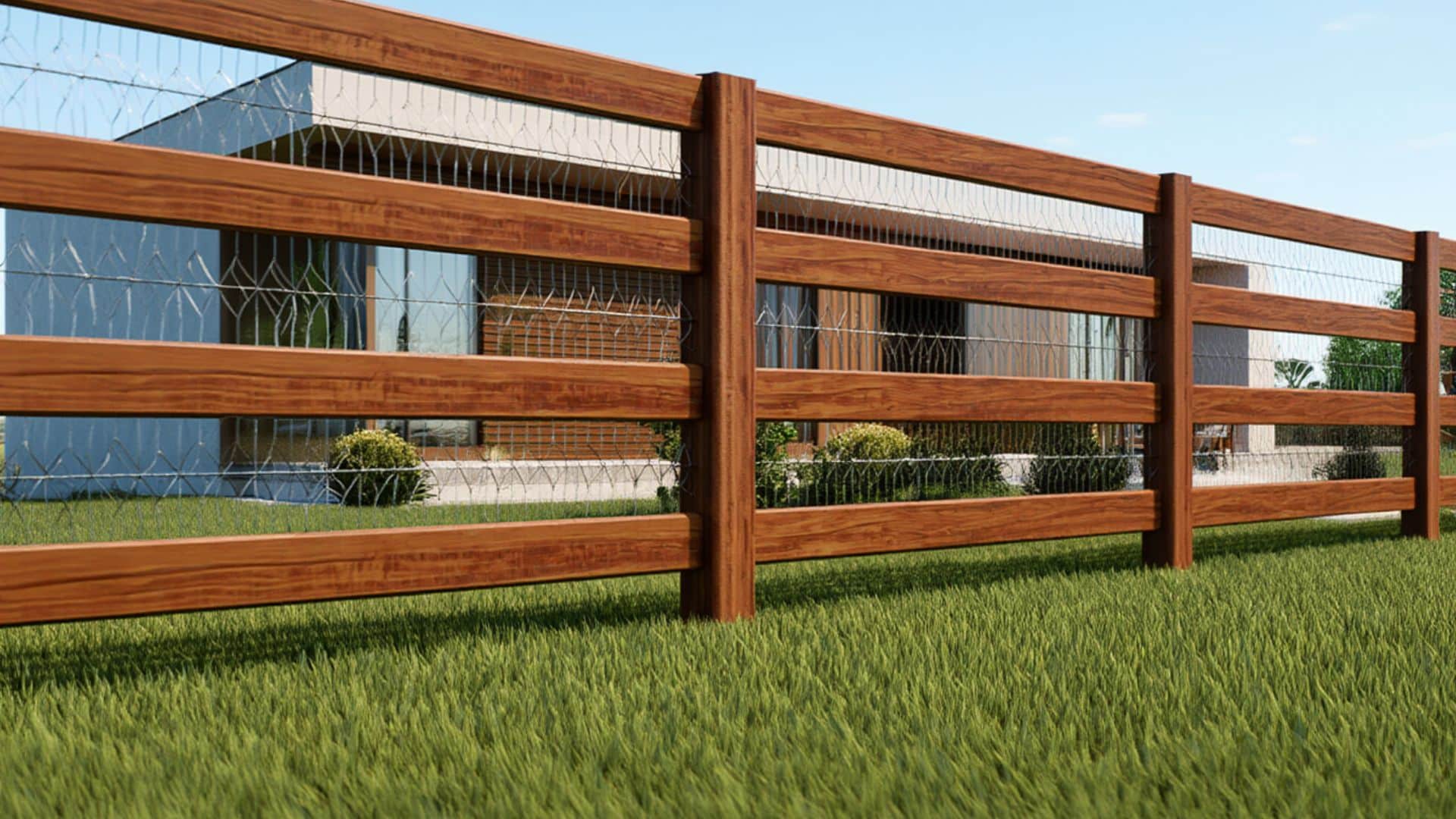
Running wide cedar or redwood boards horizontally along the top and bottom of the wire panels creates a ranch-modern look without the custom price tag.
This is also one of the most approachableDIY hog wire fence builds. Set your posts, attach the rails, then secure the wire panels into the frame.
It suits modern farmhouses, craftsman bungalows, and ranch-style properties equally well. Stain your rails in a warm walnut or dark espresso tone for a designer-level finish at a fraction of the cost you’d expect.
5. Hog Wire Pool Fence
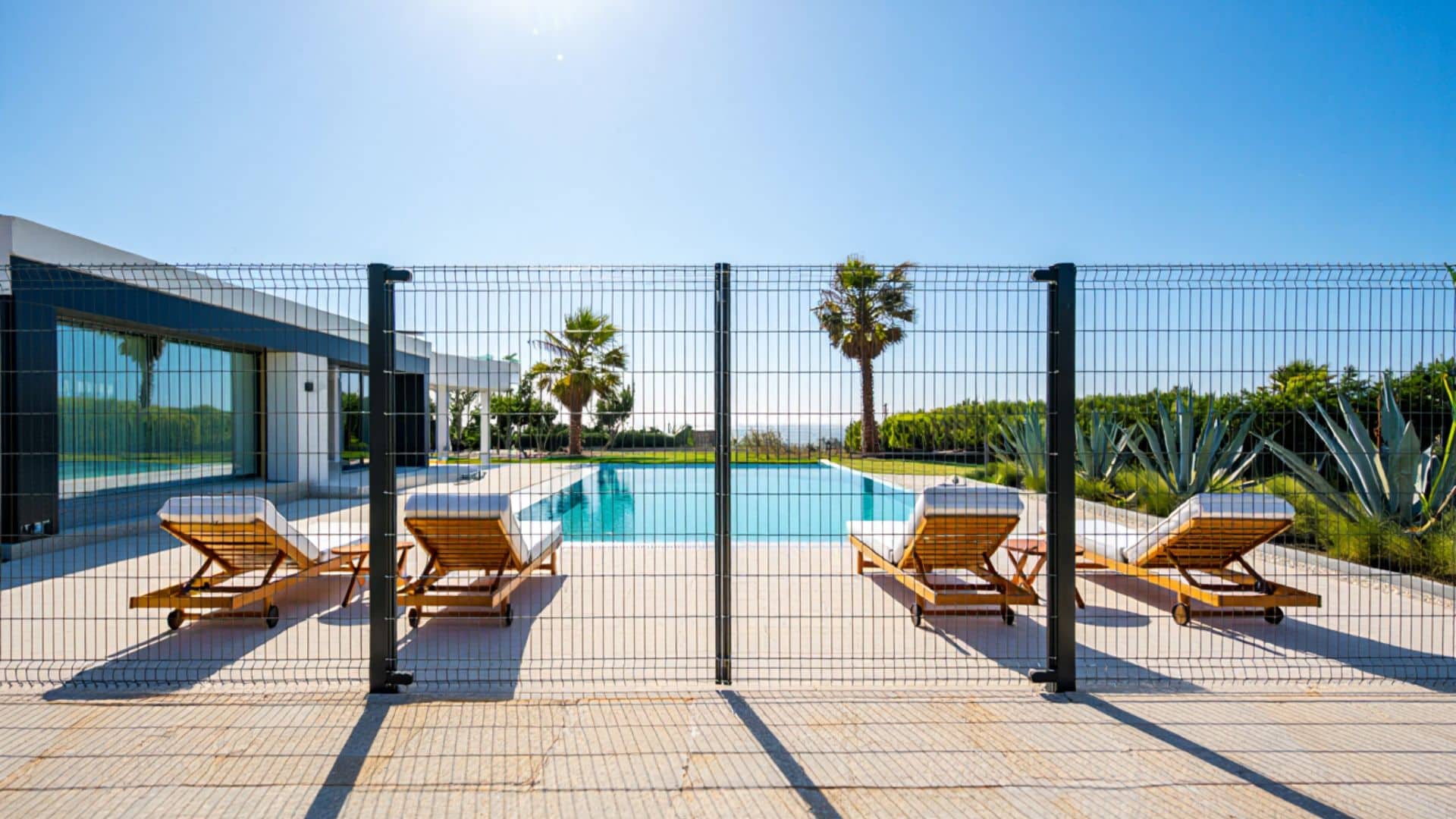
A hog wire pool fence balances safety, style, and long-term practicality in a single build. The open grid keeps sightlines clear so you can always see the pool, a key safety benefit for families with young children.
Most standard panels meet minimum height and opening-size requirements for residential pool enclosures, though checking local codes before building is always worth the extra step.
The wire is rust-resistant and won’t crack or warp the way wood or vinyl can over time. Style and safety, side by side.
6. Raised Garden Bed Border with Hog Wire Panels
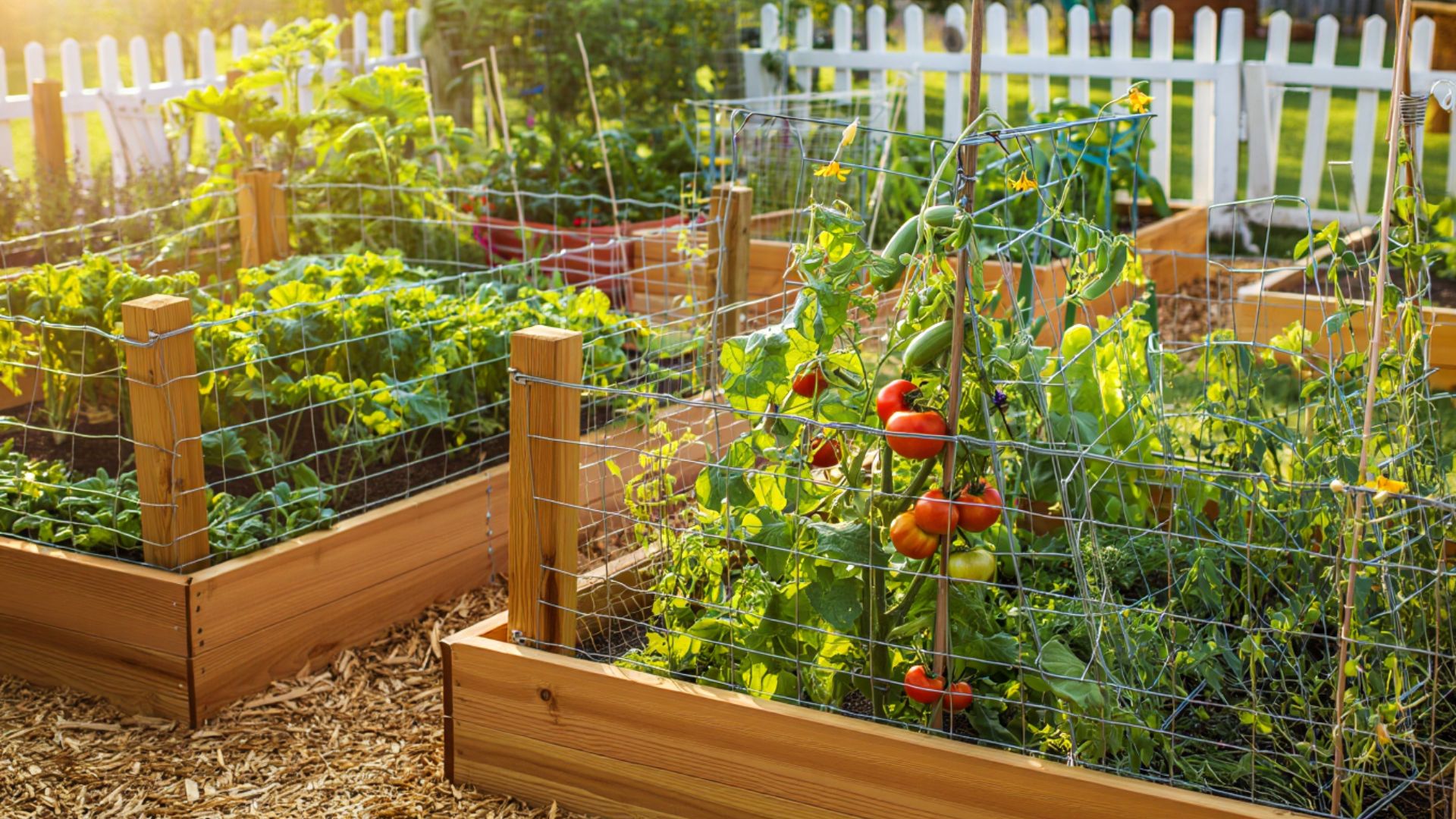
Using hog wire panels as a border around raised garden beds is one of the most practicalhog wire fence ideas for gardeners.
Short sections installed around the perimeter create a strong barrier against rabbits and deer without blocking sunlight or airflow.
The open grid also doubles as a built-in trellis for tomatoes, peas, and cucumbers, eliminating the need for separate supports entirely.
From a design angle, these borders give raised beds a neat, structured look that ties the whole garden layout together.
7. Hog Wire Fence with Stone or Brick Pillars
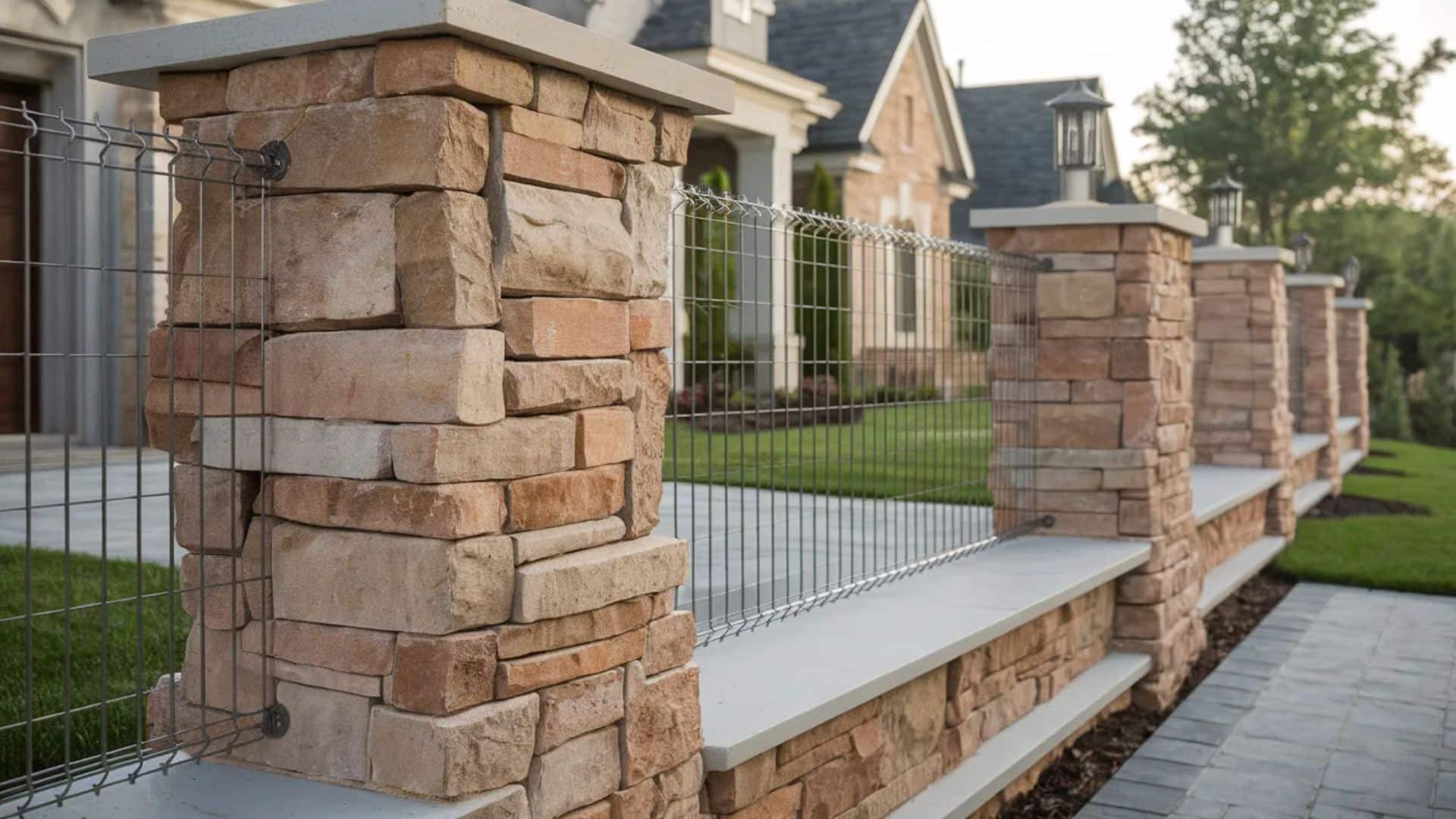
Solid masonry columns visually anchor each fence section, while the open wire mesh keeps the overall look light and breathable.
This combination works especially well for front-yard fencing and driveway entrances, where curb appeal and first impressions genuinely matter.
The contrast between natural stone and a clean metal grid delivers a high-value appearance that’s difficult to replicate with any other material pairing.
8. Hog Wire Deck and Porch Railing
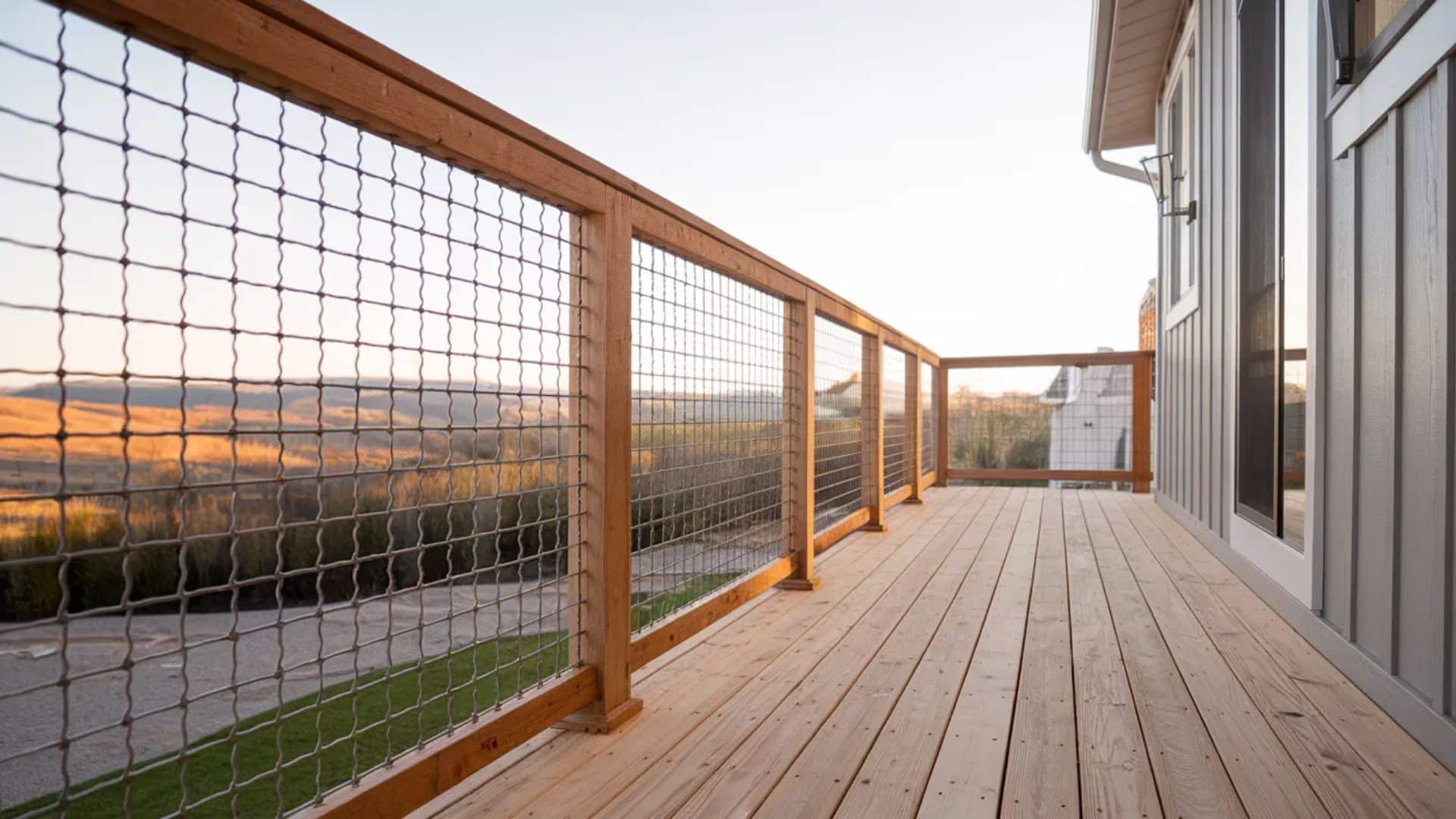
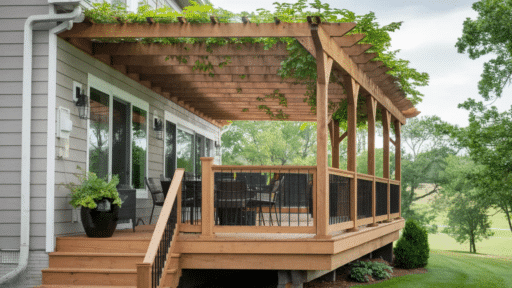
The open wire mesh keeps views fully unobstructed, a major advantage on elevated decks or hillside porches with worthwhile surrounding landscapes.
Panels are cut to fit between top and bottom rails, then secured with U-staples or wire clips for a clean, tight hold. This upgrade costs far less than custom metal railing systems and holds up for decades with virtually no maintenance.
9. Dog Run Enclosure Using Hog Wire
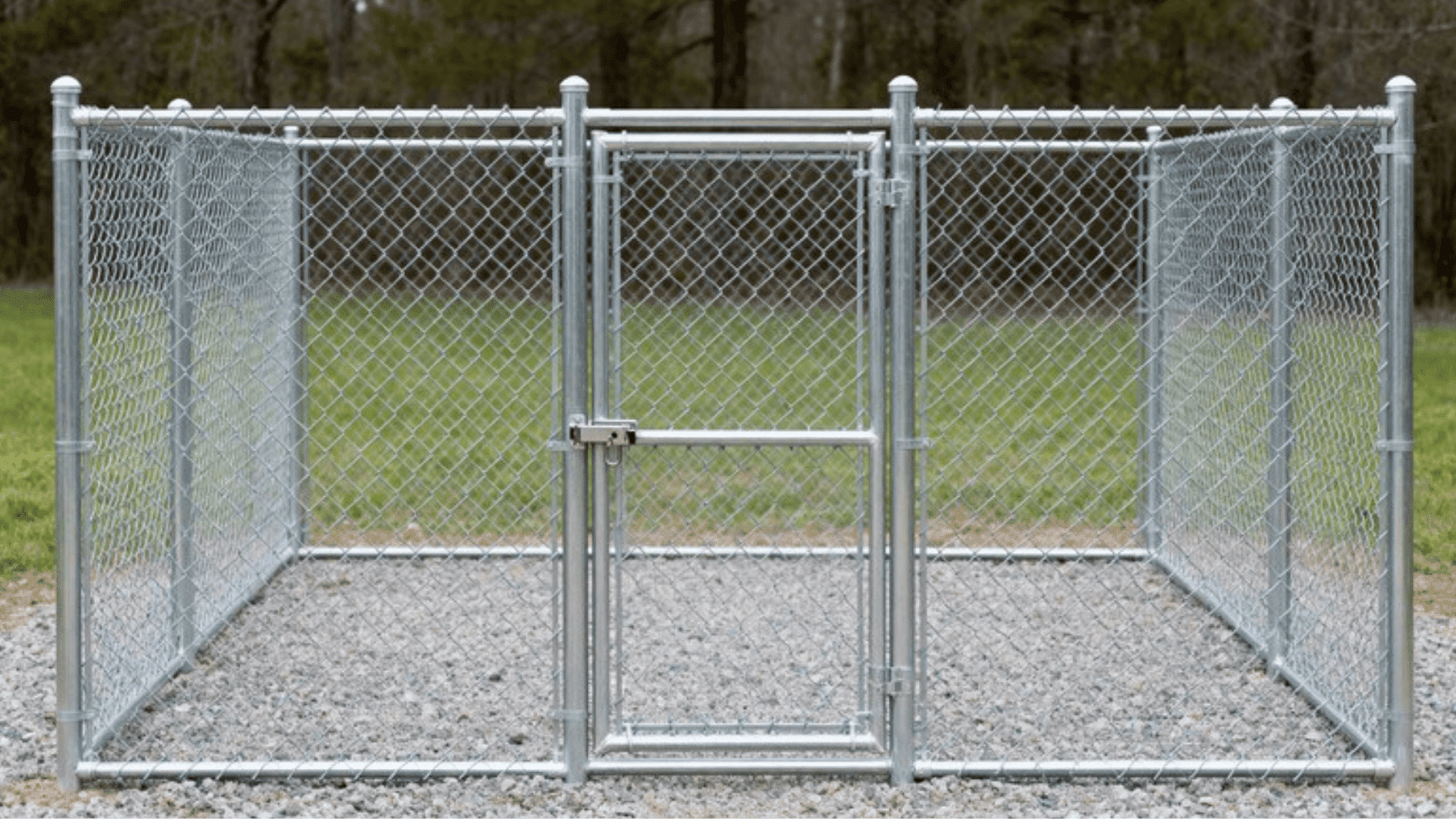
Heavy-gauge wire, 4-gauge or 9-gauge, is strong enough to contain large, determined breeds, and the rigid, welded grid resists chewing and digging far better than chicken wire or lightweight mesh.
Panels attach to pressure-treated posts or steel t-posts and can be configured in any shape or size to suit your yard layout. For dogs that jump, choose 52-inch panels or add an inward-leaning top section to deter jumping.
10. Reclaimed Wood and Hog Wire Fence
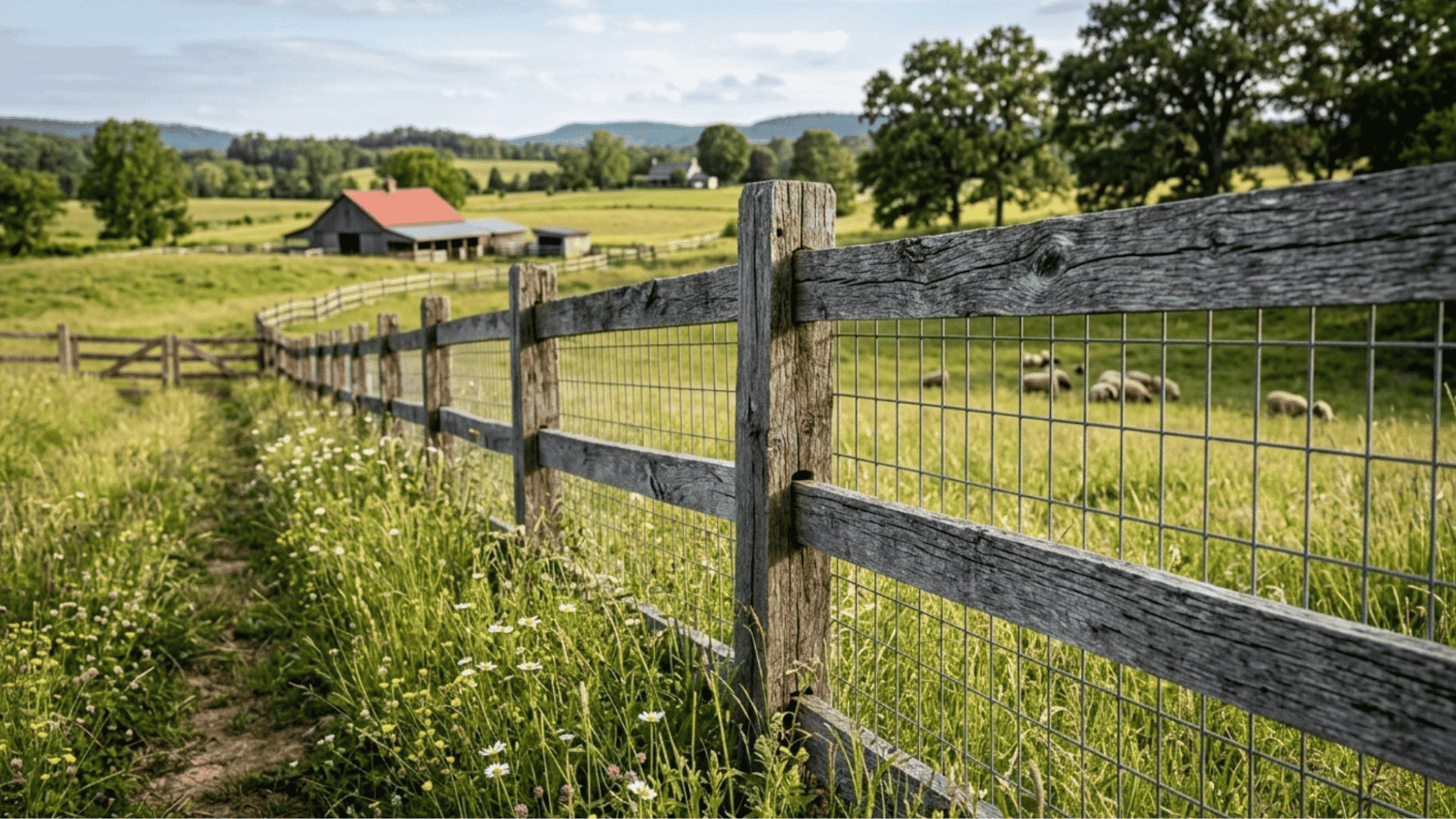
Pairing reclaimed barn wood with hog wire panels is one of the most visually distinct fence styles for properties with a farmhouse or rustic identity.
The weathered texture, natural grey tones, and imperfect knots of salvaged timber create a warmth that new lumber simply can’t replicate, and the contrast against structured wire mesh is genuinely striking.
Seal with a clear weatherproofing coat to extend the wood’s life while keeping that naturally aged character intact.
11. Hog Wire Privacy Screen with Climbing Plants
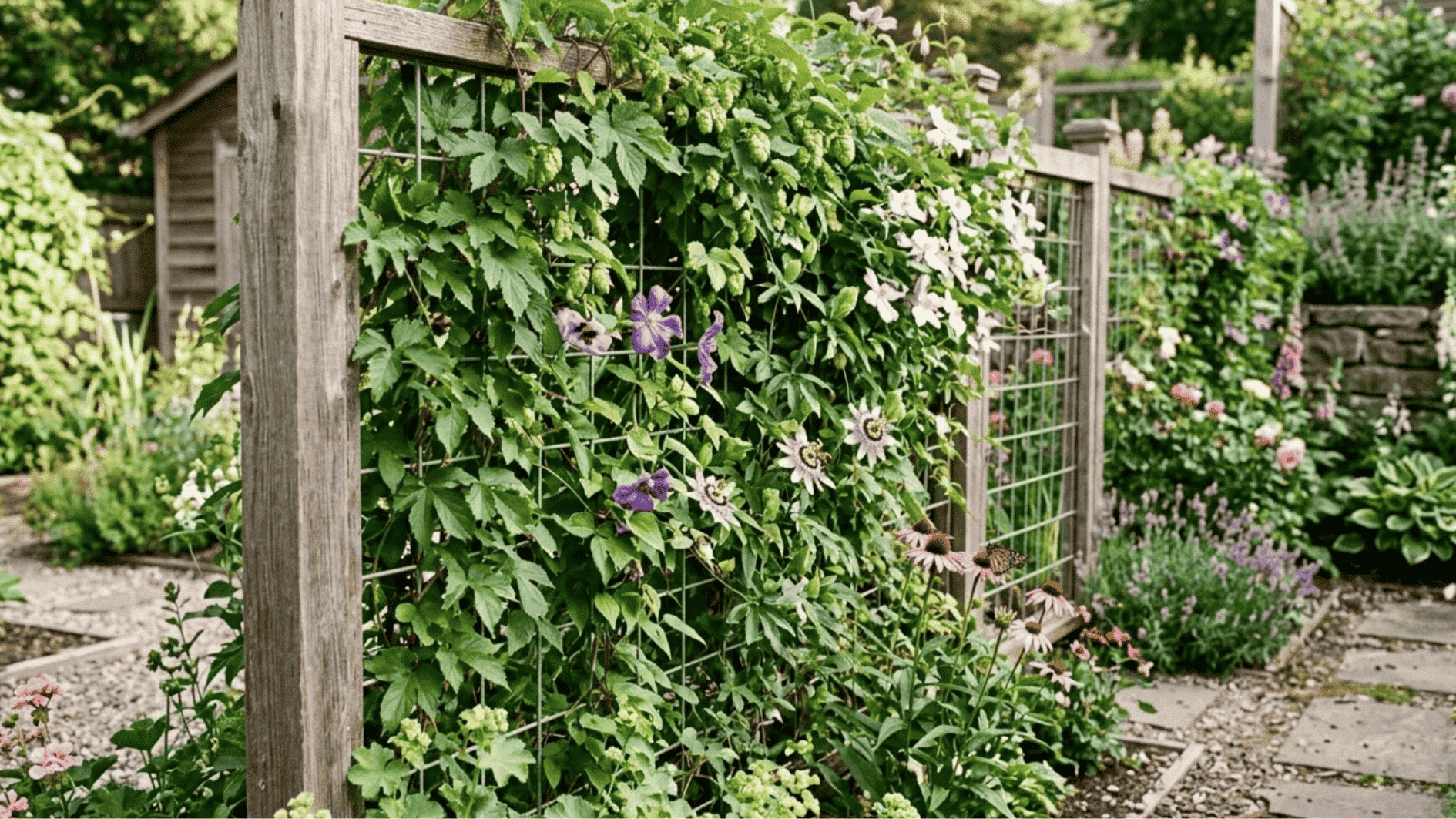
Training climbing plants up a hog wire panel is one of the most organic and visually appealing hog wire fence ideas available.
Plants like clematis, hops, passionflower, and Virginia creeper attach naturally to the open mesh and can cover a full panel within a single growing season.
Over time, the wire disappears beneath a lush wall of foliage that delivers real privacy without the closed-in feeling of a solid wood fence. This works especially well in urban gardens where both privacy and greenery are limited.
12. White-Painted Wood Frame and Hog Wire Cottage Fence
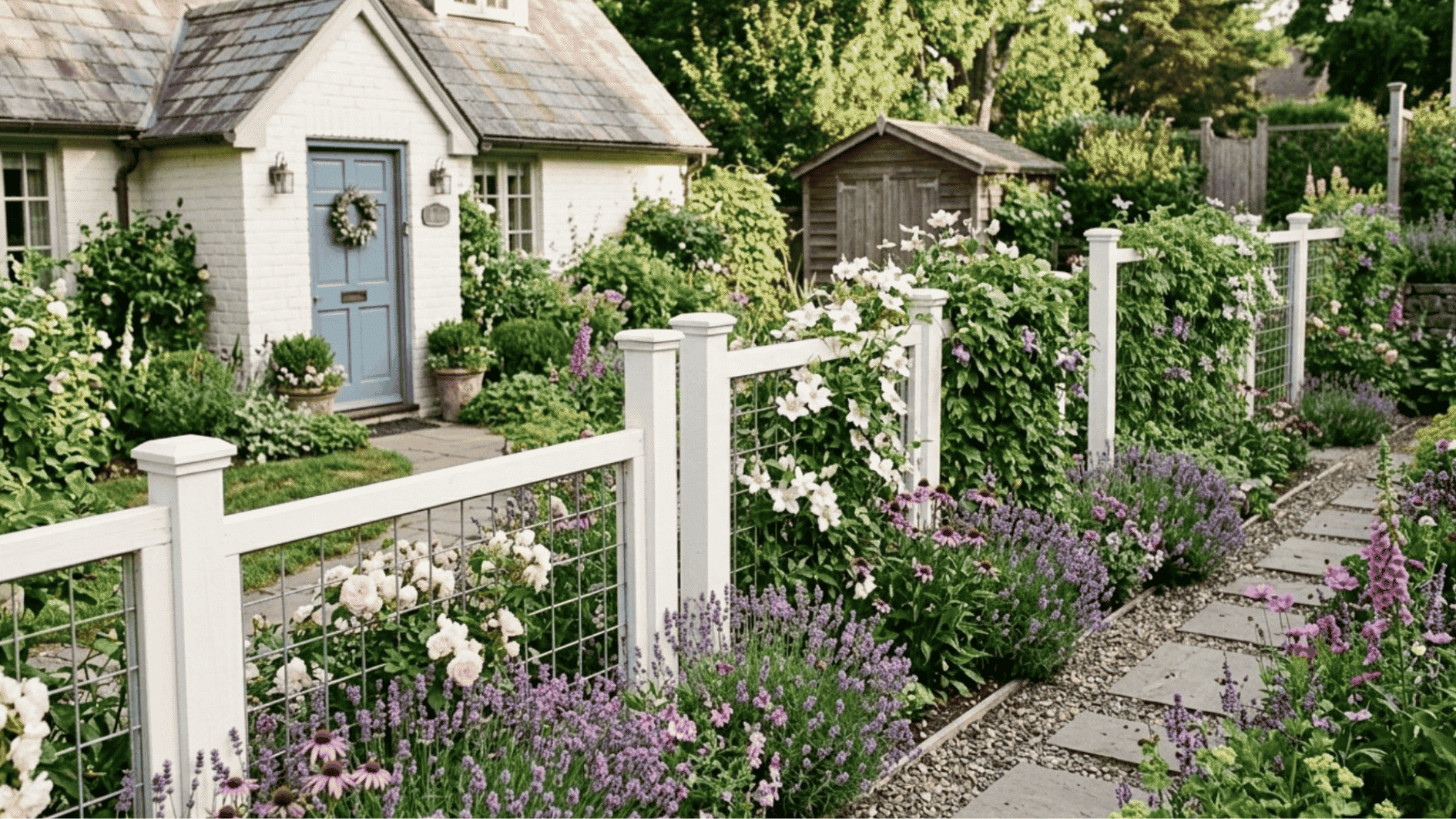
Painting your fence posts and rails crisp white and filling the frames with hog wire panels is one of the most welcoming hog wire fence ideas for cottage-style homes and flower-forward front yards.
The white paint softens the wire mesh and gives the fence a fresh, well-maintained appearance, immediately boosting curb appeal. This style pairs well with climbing roses, lavender borders, and perennial plantings along the fence line.
It’s also one of the more beginner-friendly DIY hog wire fence builds, with straightforward construction, low material costs, and a paint step that even first-timers can handle confidently.
13. Hog Wire Fence Gate as A Design Feature
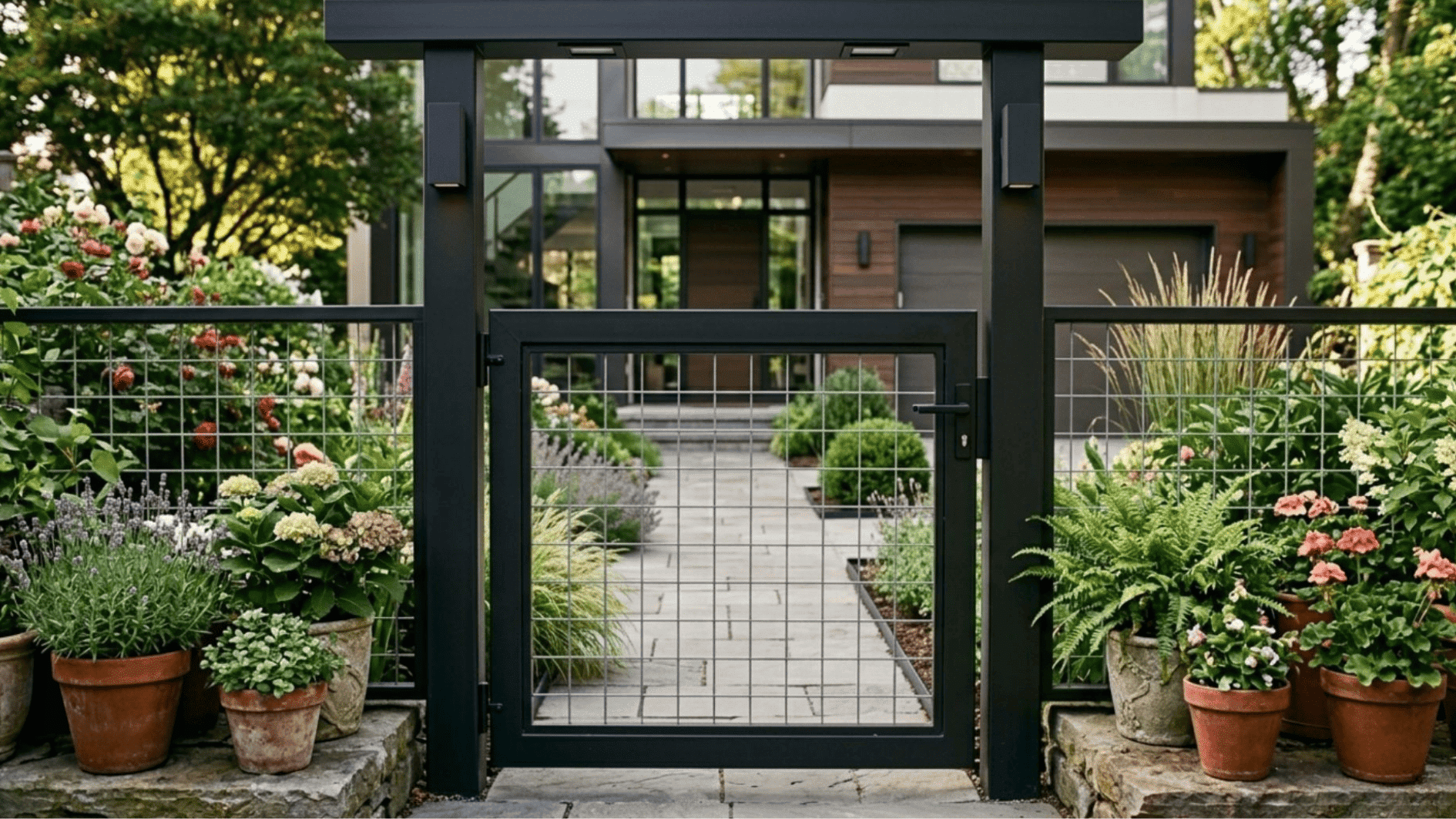
A well-designed hog wire fence gate can become one of the most memorable features on your entire property.
Built from thick cedar lumber, welded steel tubing, or a combination of both, the hog wire panel at the center ties it back into the fence while adding texture and visual interest.
An overhead beam or simple arch above the gate takes the entry from functional to architectural in one step.
14. Hog Wire Fence Along a Sloped Yard
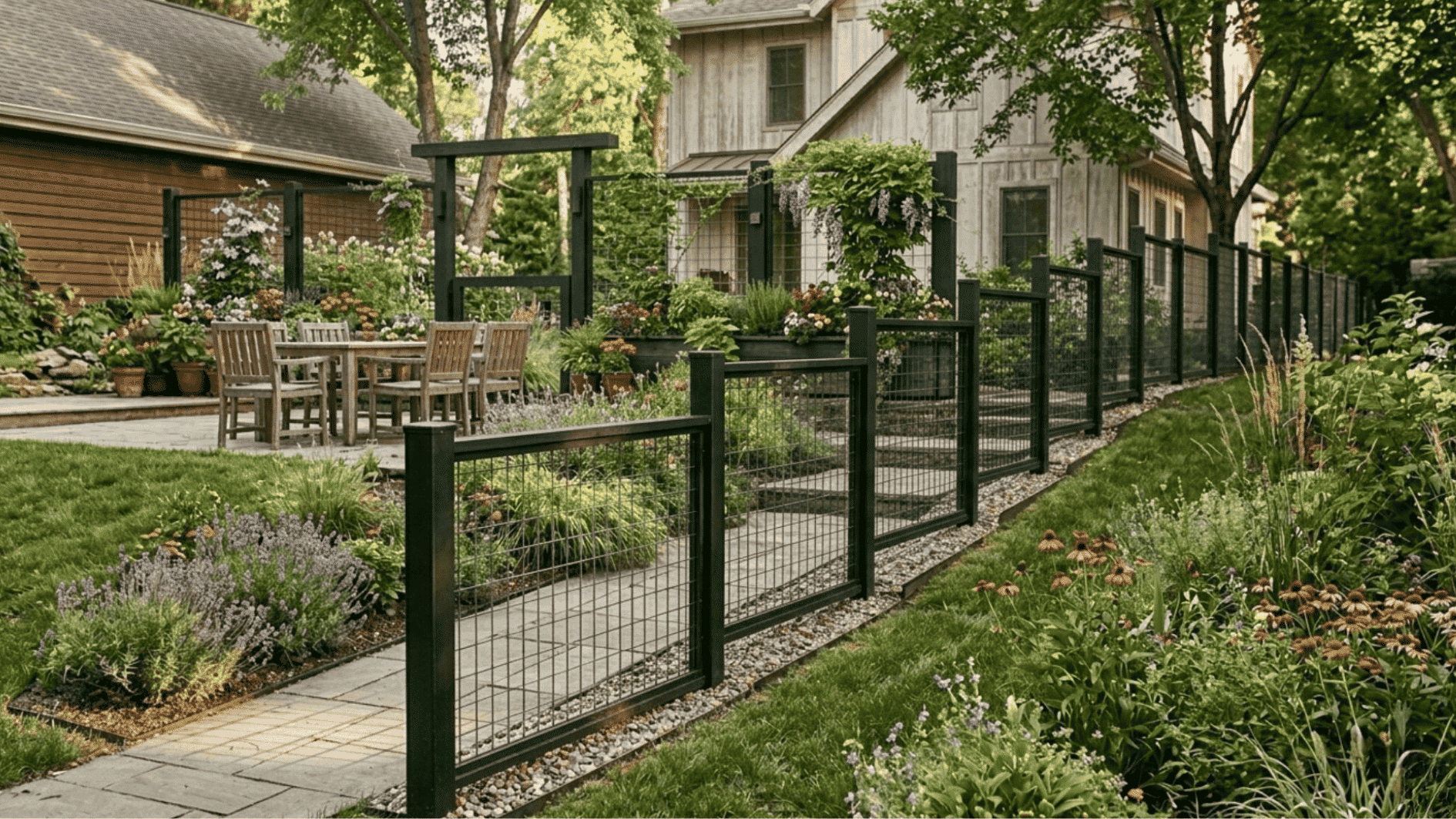
Hog wire panels handle sloped terrain far more gracefully than most fencing materials, making this one of the most practical solutions for hilly properties.
The standard approach is a stair-step installation, each panel section drops down incrementally following the natural grade, with posts set at consistent heights and gaps beneath each section filled with gravel or stone trim.
Because the panels are rigid and pre-formed, they don’t need to be racked or bent the way chain link does.
15. Hog Wire Fence with Built-In Planter Boxes
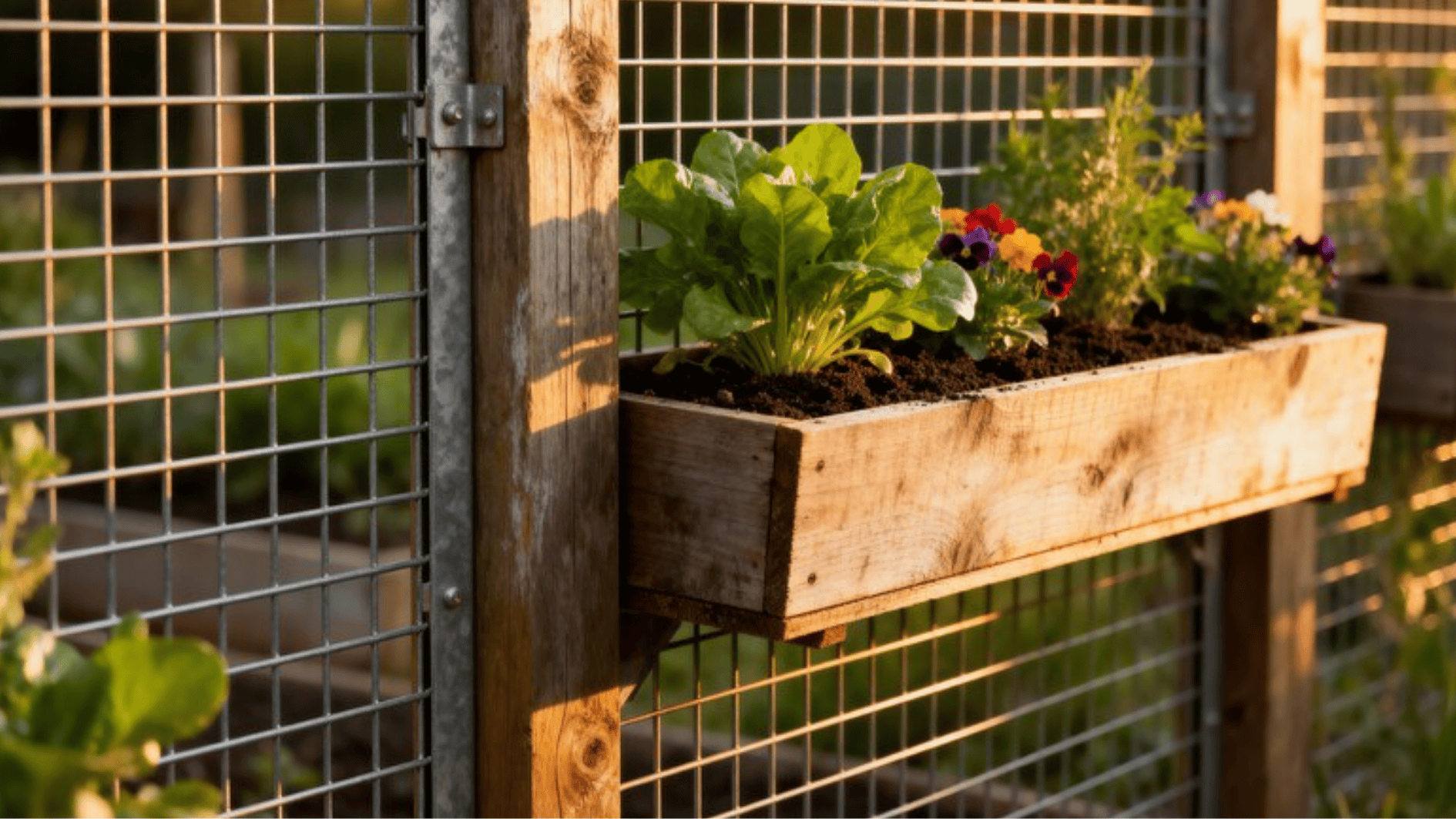
Attaching cedar planter boxes to the base or lower rail of your fence is one of the most space-efficient hog wire fence ideas for small backyards and urban gardens.
Built from the same cedar or redwood as the fence frame, the boxes create a unified appearance that looks professionally designed from the start.
Fill them with trailing plants, colorful annuals, or culinary herbs, and you’ll have a fence line that genuinely comes alive through the growing season.
16. Industrial-Style Hog Wire Fence with Steel Posts
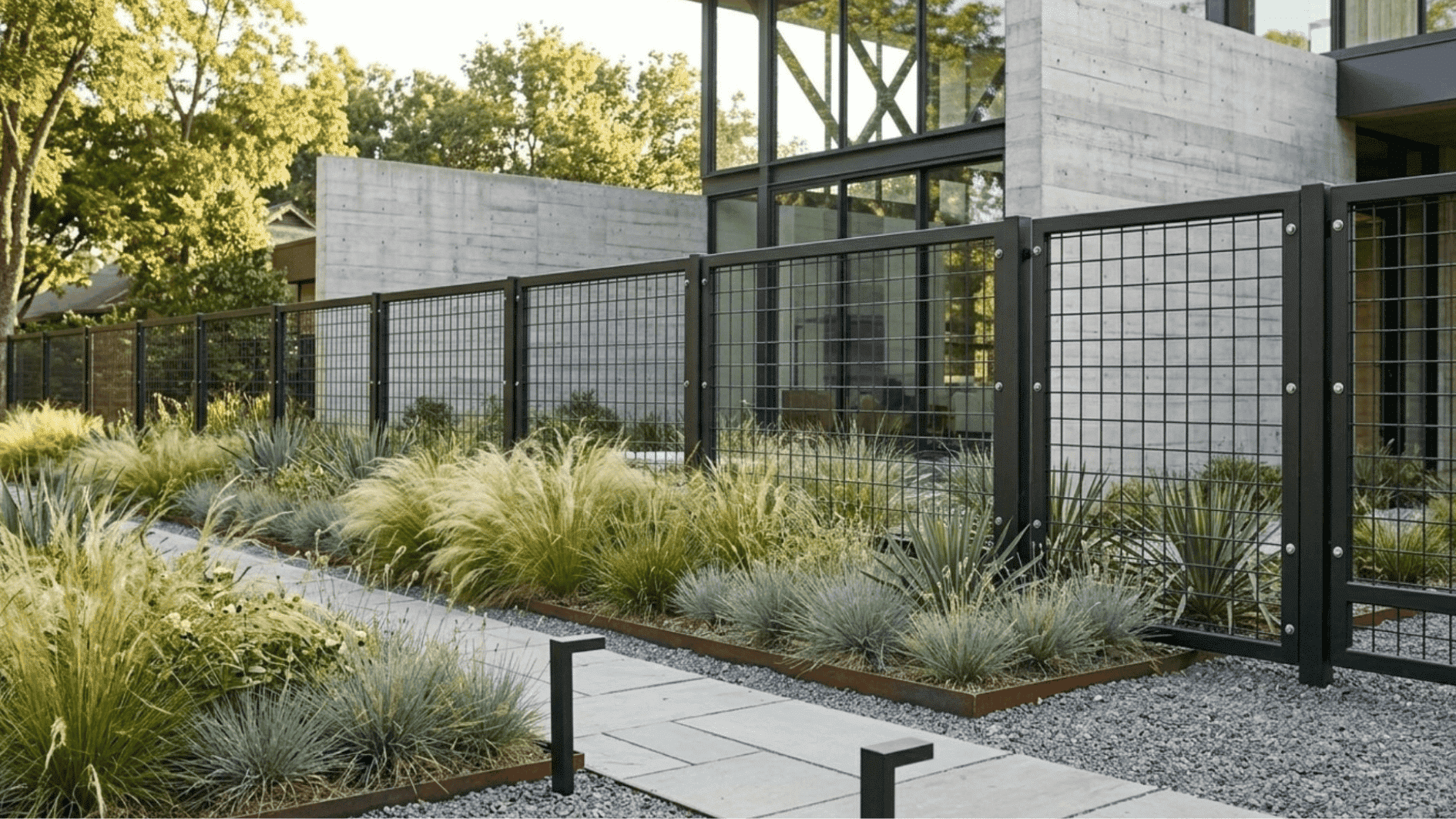
Square steel tubing used as posts and rails, combined with heavy-gauge wire panels bolted to the frame, creates a structure that resists rot, pests, warping, and extreme weather.
This look suits modern urban homes, commercial properties, and architectural landscapes where raw material and clean geometry are part of the design language.
17. Hog Wire Fence with Integrated Outdoor Lighting
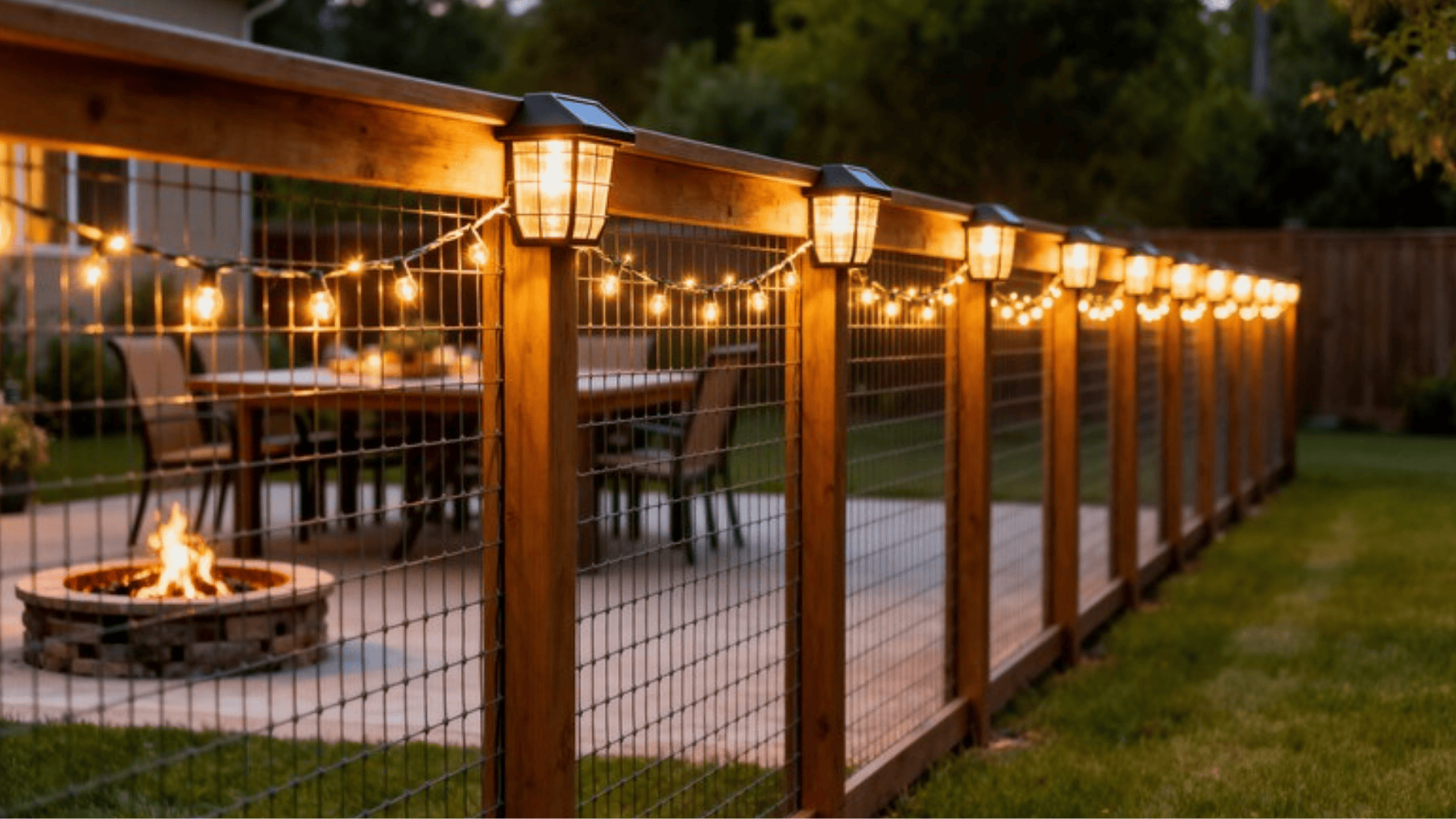
Adding lighting to your fence is one of the most underrated finishing touches. Solar post cap lights installed on top of each fence post create a warm, rhythmic glow along the fence line that looks inviting and intentional after dark.
String lights woven through the wire grid or draped along the top rail add a softer, more relaxed ambiance perfect for outdoor dining areas and fire pit spaces.
For a polished look, low-voltage LED strip lights mounted under the top rail cast a downward wash that highlights the wire mesh texture.
Conclusion
So here’s the thing, a hog wire fence isn’t just a boundary. done right, it becomes a genuine design feature that adds character, structure, and long-term value to your outdoor space.
And because a DIY hog wire fence is one of the more approachable outdoor projects out there, you don’t need to hire a contractor to get a result worth being proud of.
Pick the style that fits your property, gather your materials, and start with one section this weekend. The results speak for themselves.

With a Master’s in Architecture from the University of California, Berkeley, Alexander Martin has dedicated the last 18 years to enhancing outdoor living through thoughtful and robust structure design. His career kicked off in urban planning, giving him a unique perspective on integrating structures into diverse environments. In 2019, Alexander brought his expertise to our website, offering insights into creating versatile outdoor spaces. Since then, he has been the lead advisor for our outdoor design projects and is known for his ability to merge functionality with environmental consciousness. Alexander enjoys rock climbing outside of work and participates in community development projects, activities that reflect his passion for the outdoors and sustainable design.