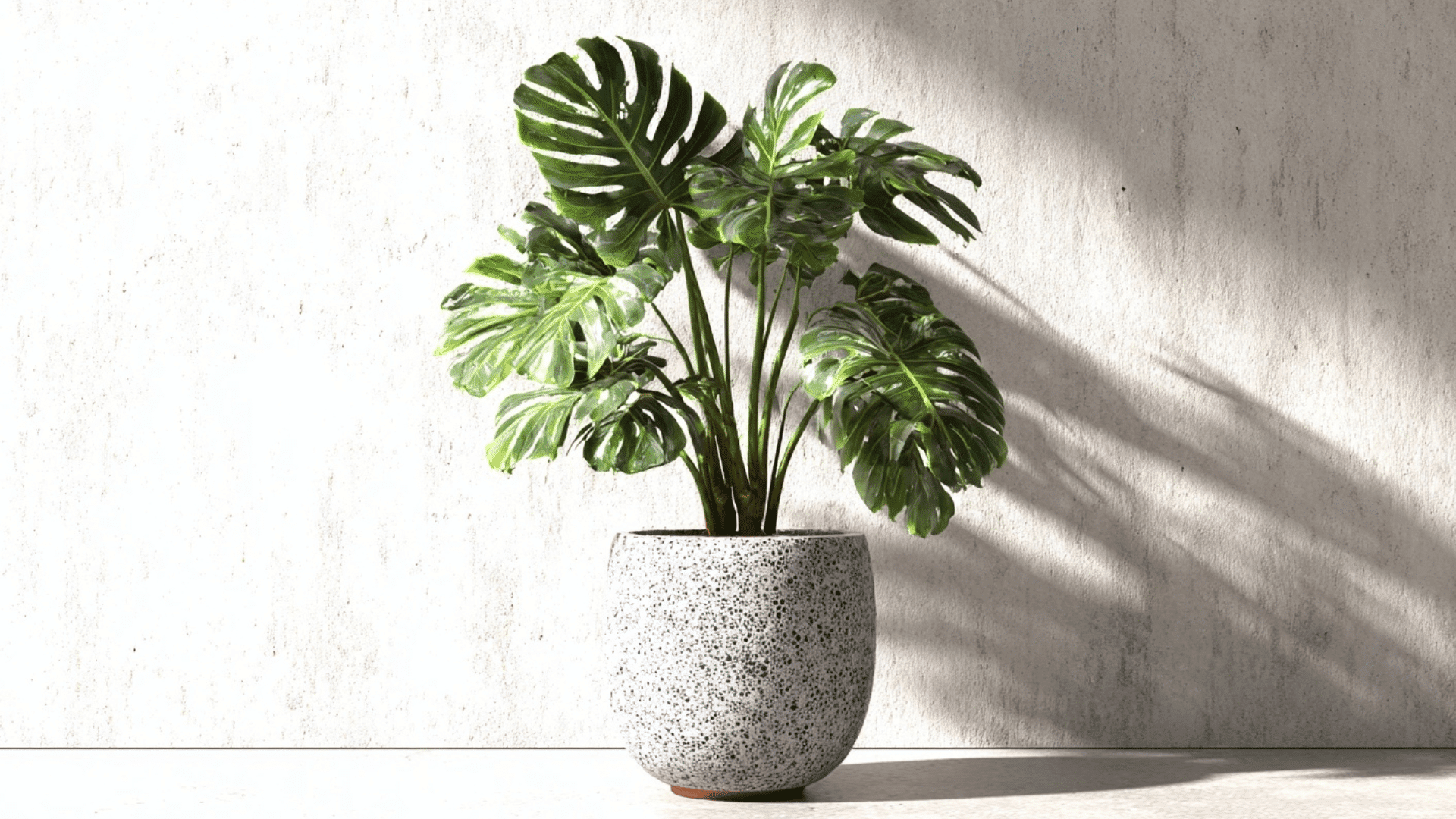

If you’ve ever scrolled through a home décor feed and paused in awe at those dramatic, hole-punched leaves, you’ve met the Monstera Plant.
Proper monstera plant care is simpler than it looks, yet a few common mistakes can leave even the most enthusiastic plant parent stumped.
If you’re a curious beginner or a seasoned collector, this blog covers everything, including light, watering, soil, propagation, and the community wisdom that makes growing this tropical houseplant genuinely enjoyable.
What Is Monstera?
The Monstera plant, also known as the Swiss cheese plant, belongs to the Araceae family. These epiphytic climbers can reach impressive heights when given the right conditions indoors.
Monstera plants are instantly recognizable by their large, glossy, and deeply lobed leaves, which develop distinctive holes and splits called fenestrations as they mature, giving each plant a uniquely sculptural appearance.
Why Plant Lovers Cannot Stop Talking About It:
- Grows visibly fast and rewards patience with impressive new leaves
- Suits every interior style from minimalist to boho
- Forgiving and beginner-friendly, tolerating occasional neglect
- Known to purify indoor air while adding bold, natural greenery to any space
- Offers exciting varieties for collectors to check out
Types of Monstera Plants
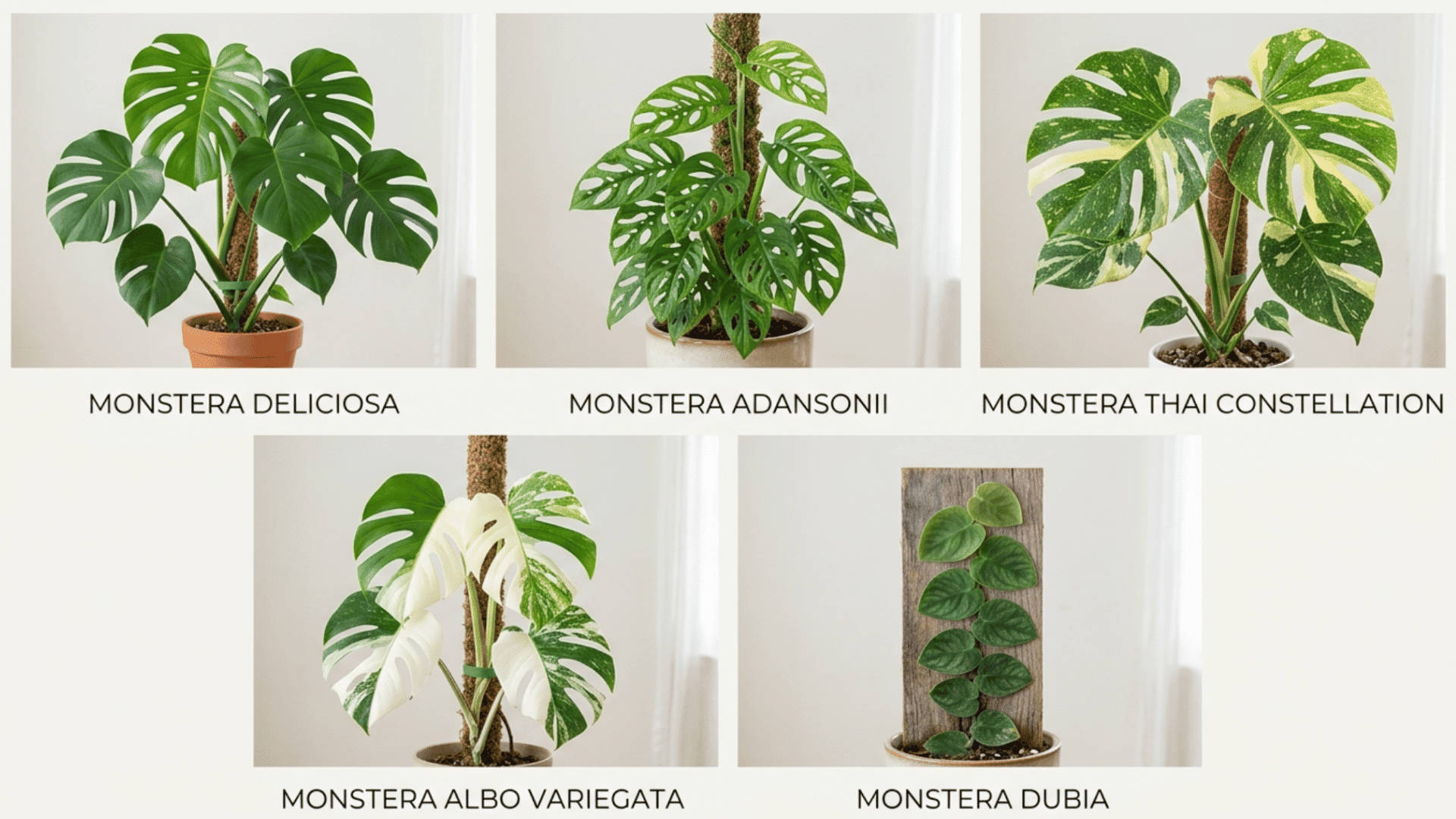
Monstera comes in several impressive varieties, each with its own personality and visual appeal. Here are five popular types every plant lover should know:
- Monstera deliciosa: The most popular variety, known for its large, deeply split leaves and impressive indoor growth.
- Monstera adansonii: Often called the Swiss cheese vine, this variety features smaller leaves with oval-shaped holes, perfect for hanging baskets.
- Monstera thai constellation: A rare, highly sought-after variety with creamy white variegation splashed across its dark green leaves.
- Monstera albo variegata: Features striking white and green marbled leaves, making it one of the most prized plants among collectors.
- Monstera dubia: A lesser-known variety with small, heart-shaped leaves that cling flat against surfaces as it climbs.
Monstera Plant Care: The Complete Breakdown
Getting monstera plant care right comes down to a few key factors that any plant parent can easily master.
How Much Light Does Monstera Need?
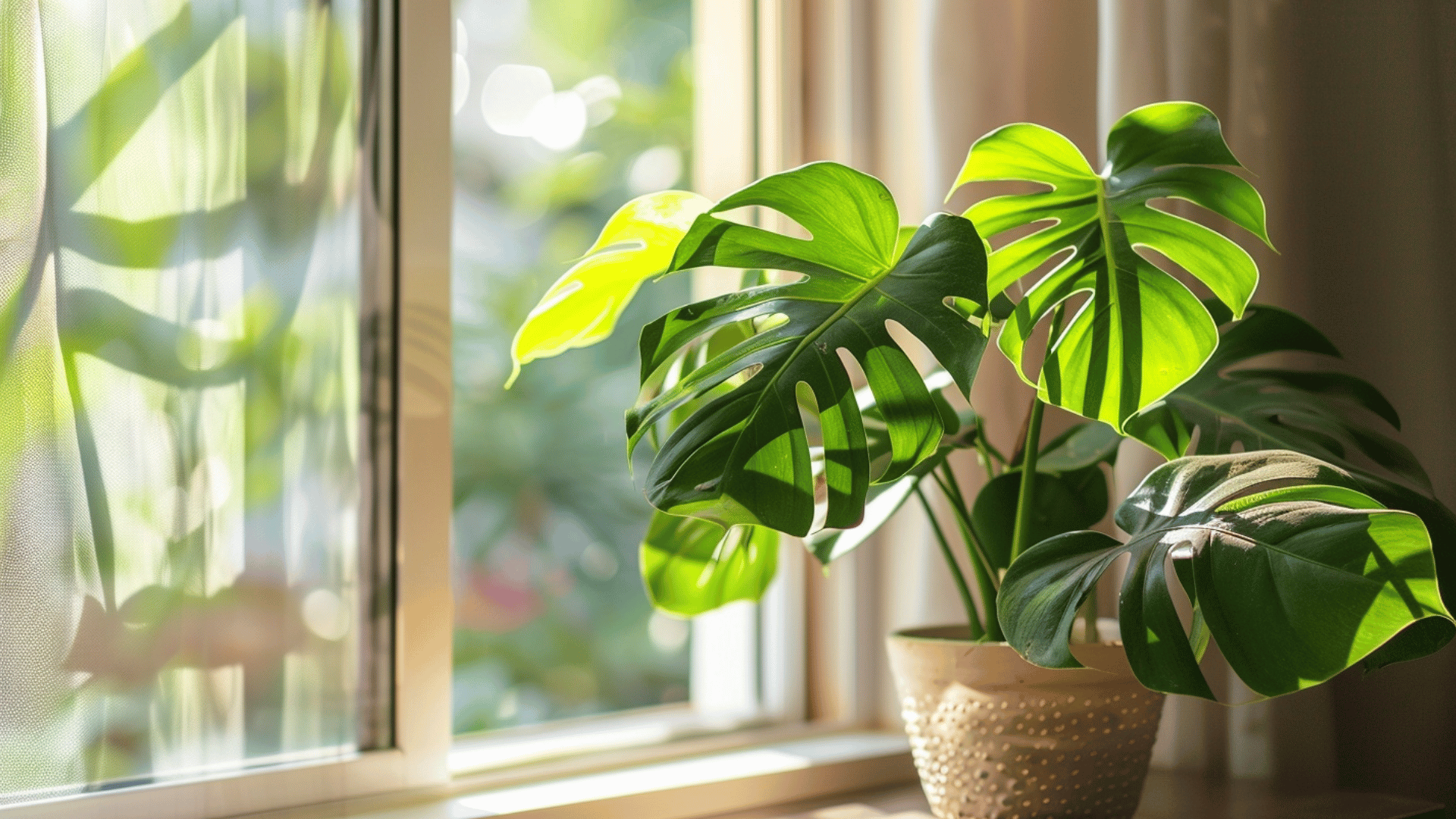
Direct sunlight can scorch their leaves, leaving unsightly brown patches, while very low light can significantly slow growth and prevent fenestrations from developing altogether.
- Monstera plants do well in bright, indirect light.
- Placing them near an east or north-facing window works best.
- If natural light is limited, a good-quality grow light can be a great alternative.
- Aim for at least 6 to 8 hours of filtered light daily for healthy, consistent growth.
How Often Should You Water a Monstera?
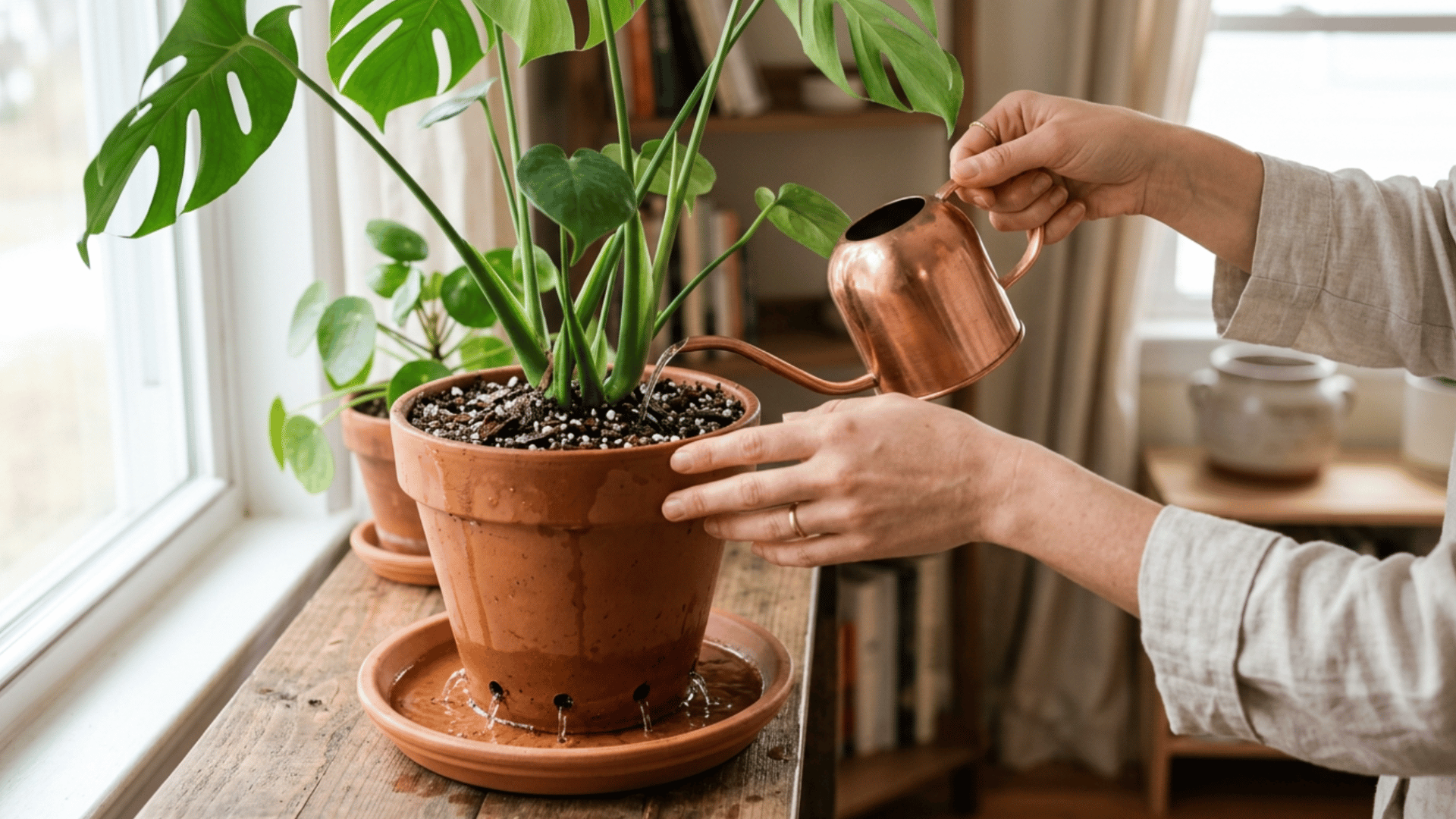
Monstera prefers watering when the top 2 inches of soil feel dry to the touch. Overwatering is the most common mistake and can lead to root rot.
- Water thoroughly and allow excess to drain fully
- Reduce watering frequency during winter months
- Always use a pot with drainage holes
- Use room temperature water to avoid shocking the roots
What is the Best Soil for Monstera?
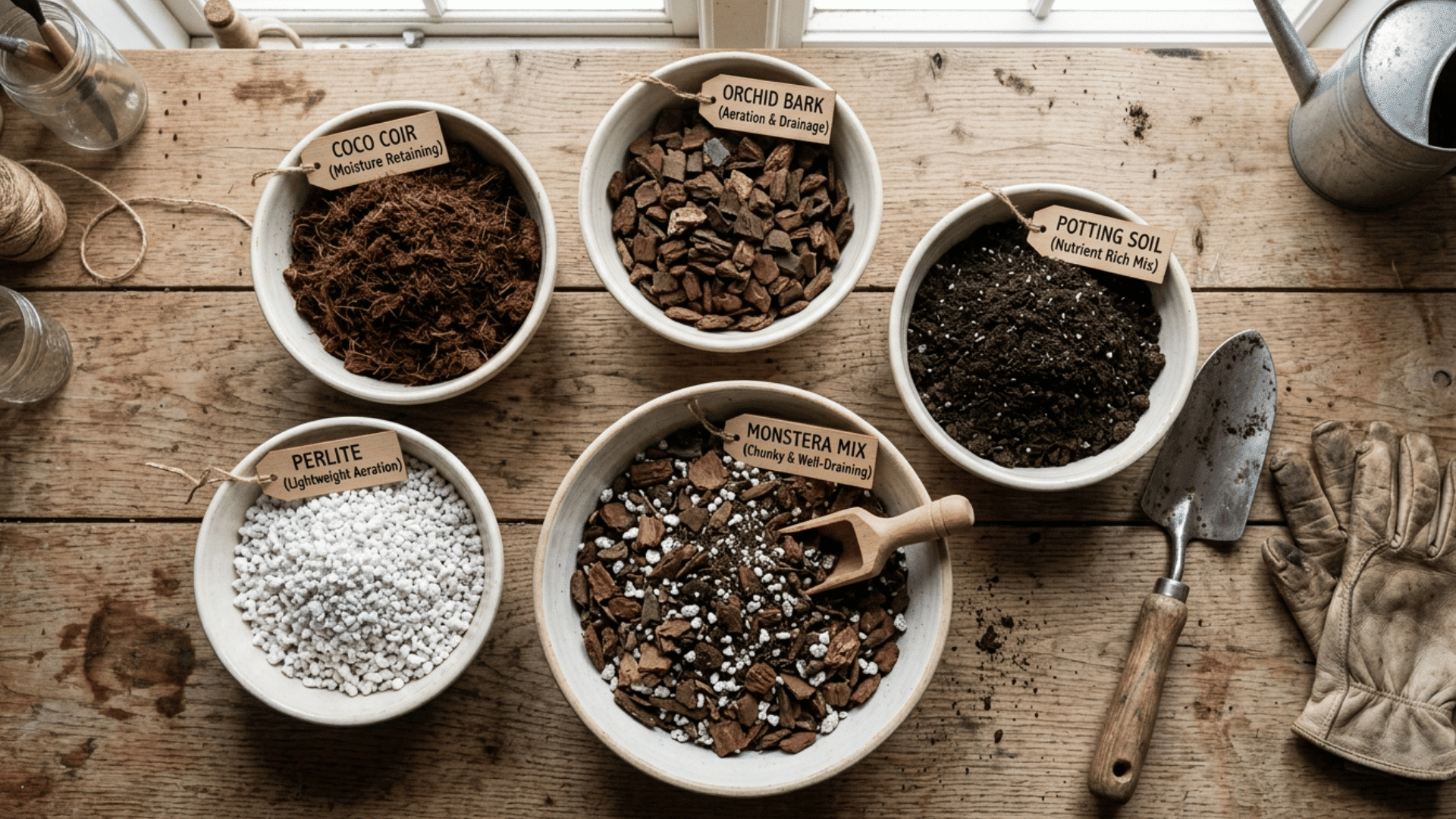
A well-draining, airy soil mix is essential for monstera health. Dense, heavy soils hold too much moisture around the roots, creating the perfect conditions for fungal issues and rot.
Many experienced plant parents prefer making their own aroid mix at home rather than using standard potting soil straight from the bag. The ideal mix includes:
- Peat or coco coir for moisture retention
- Perlite for drainage and aeration
- Orchid bark for a chunky, breathable texture
- A small amount of activated charcoal to keep the soil fresh and odor-free
What Temperature Does Monstera Prefer?
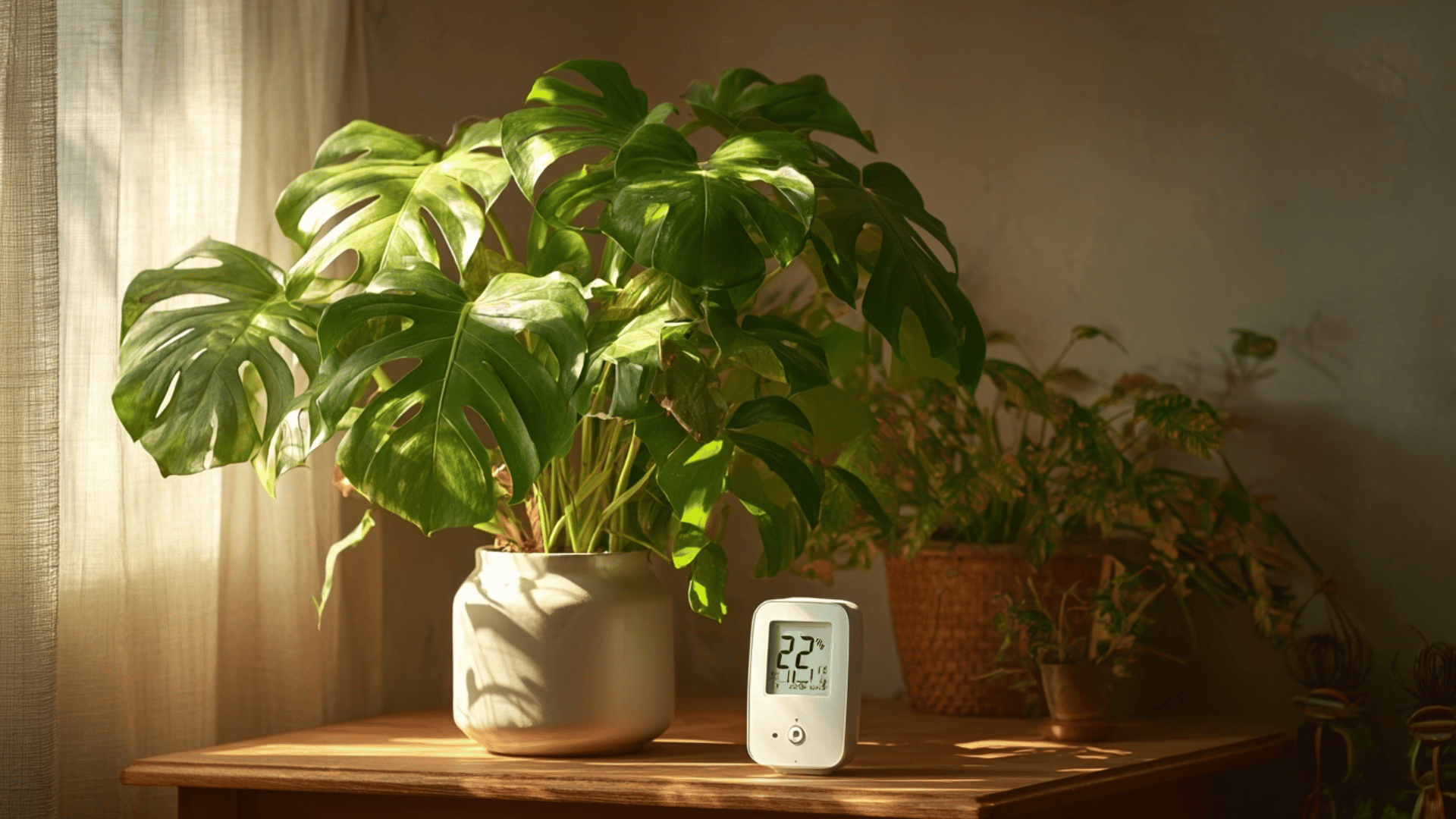
Monstera grows best in temperatures between 18°C and 27°C (65°F to 80°F). It does not tolerate frost or sudden temperature drops, which can cause the leaves to wilt, blacken, or drop entirely.
- Keep the plant away from cold drafts, air conditioning vents, and radiators, as extreme temperature fluctuations stress the plant considerably.
- If you live in a warm climate, Monstera does well outdoors in a shaded spot during the summer months.
- However, always bring it back indoors before temperatures begin to dip in autumn.
How and When to Fertilize Your Monstera?
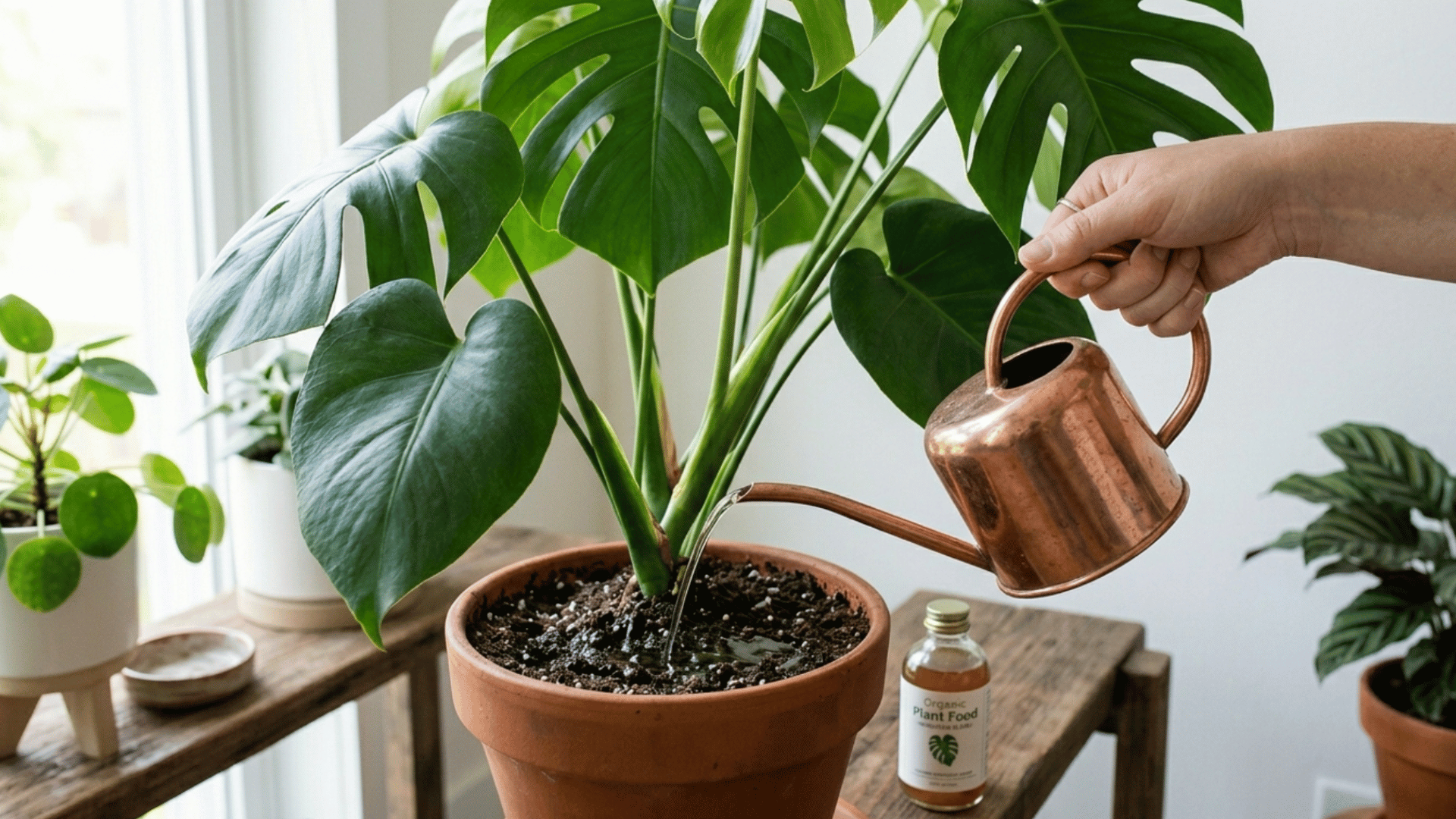
Feed your monstera once a month during spring and summer using a balanced liquid fertilizer.
- Avoid fertilizing in autumn and winter, when the plant is in a slower growth phase.
- Over-fertilizing can burn the roots and cause yellowing leaves, brown leaf edges, and stunted growth.
- Always dilute the fertilizer to half the recommended strength to be safe.
- A fertilizer with an equal NPK ratio, such as 20-20-20, works well for consistent and healthy foliage growth.
How to Propagate Your Monstera Plant?
Knowing when and how to repot your monstera can make a huge difference in how well it grows.
If you notice roots creeping out of the drainage holes or your growth has slowed despite good care, your monstera is ready for a bigger home.
Always choose a pot that is only 2 to 3 inches larger than your current one with good drainage holes to prevent waterlogging. Spring is the ideal time to repot as your plant recovers quickly during its active growing season.
Monstera is a natural climber, and giving it a moss pole to work with can completely change how it grows. As the plant climbs upward, it produces larger leaves with more pronounced fenestrations.
Simply secure the pole in the center of the pot and gently tie the stems to it as the plant grows taller.
Monstera Care Advice Shared by The Community
In this discussion, people are sharing what they use to polish and clean their Monstera leaves. There are mixed opinions, especially about neem oil.
Some users say it works well when used carefully, while others warn that it can cause leaf damage if used in bright light. People have also shared their own methods and experiences on Reddit, like:
I polished my plant a few weeks ago with a soft toothbrush using a mixture of dish soap, water, and neem oil. No issues, and she even sprouted two new leaves just this week.-ThePrimeCrow
I polish both my monsteras and orchids with a water, few drops lemon and mayonnaise solution using paper towels. I easily remove hard water and dust with the solution then remove any extra and gently polish with paper towels or napkins.-1lunaticintrovert
I remember reading neem oil can cause burns and other damage if sprayed in the morning and the plant receives a lot of light. I also just read that a gentle soap like Dr. Bronner’s might be a good option if diluted with water. I’ll try that next time.-fowlurk
Common Monstera Problems and How to Fix Them
Even the hardiest monstera sometimes runs into trouble. Here is what to watch for and how to fix it quickly.
- Yellow leaves: Usually a sign of overwatering. Allow the soil to dry out before the next watering
- Brown Leaf Tips: Often caused by low humidity. Mist regularly or place a humidifier nearby
- No New Growth: Check light levels and consider repotting if the plant has outgrown its current pot
- Curling Leaves: Typically signals underwatering or low humidity levels
- Black Spots on Leaves: Usually caused by overwatering, root rot, or fungal infection
- Pests: Treat spider mites, fungus gnats, and mealybugs with neem oil or insecticidal soap
- Drooping or Wilting Leaves: Usually a sign of underwatering or transplant shock after repotting
- Loss of Leaves: Check for serious upsets like overwatering, too much heat, or cold drafts near radiators
- No Holes in Leaves: Caused by lack of light, cold air, too little water, or underfeeding in mature plants
Final Thoughts
Caring for a monstera is one of the most enjoyable experiences you can start on as a plant parent.
From finding the perfect bright corner to watching that first new leaf unfurl, every step of monstera plant care brings its own quiet satisfaction.
The key takeaways are simple: get the light right, water mindfully, choose well-draining soil, and give your plant room to climb and grow.
If you are just starting out or adding to an already thriving collection, the monstera rewards patience and attention every single time. Start with one small change today and watch the difference it makes.

With a Master’s in Landscape Architecture from the University of Virginia, Sophia Stephenson has dedicated the last 20 years to creating and maintaining vibrant outdoor spaces. Her professional journey started in landscape design, where she gained a reputation for innovative and sustainable approaches. Sophia became a part of our editorial team as a freelancer in 2019, offering a fresh perspective on outdoor living. Since 2020, she has been the chief for our outdoor design content, blending aesthetic appeal with environmental stewardship. In her leisure time, Sophia is a keen photographer, capturing the beauty of natural landscapes, a hobby that complements her professional expertise.