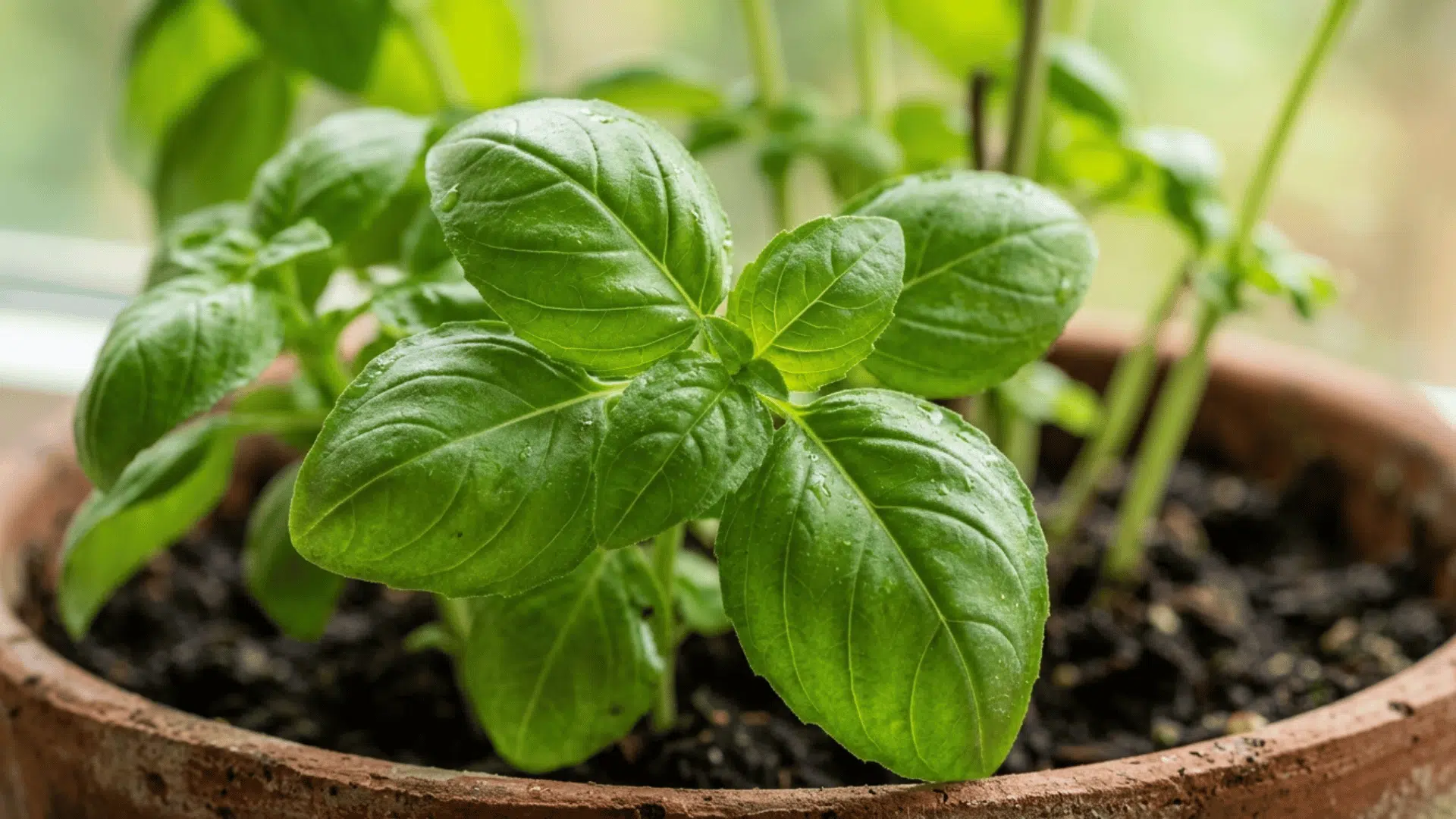

Growing basil at home is one of the easiest ways to add fresh flavor to your everyday meals.
This simple herb doesn’t need much space, making it perfect for small pots, balconies, or even a sunny kitchen window. Many people start with basil because it grows quickly and responds well to basic care.
But getting a healthy, full plant is not just about planting seeds and watering them. In this guide, you’ll learn how to grow basil step by step, along with simple tips to keep it thriving and productive.
All About Basil
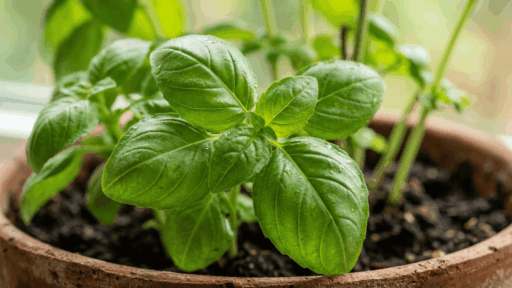
Basil is a popular herb known for its fresh smell and rich taste, often used in cooking around the world. It is commonly added to dishes like pasta, salads, soups, and sauces to bring extra flavor.
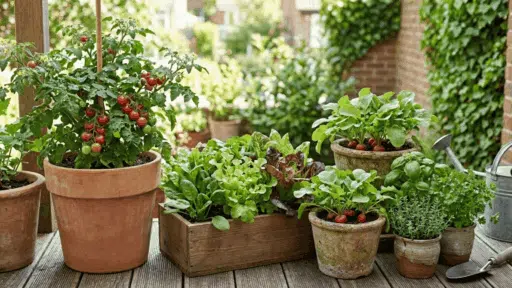
This herb is easy to grow and works well in small pots, garden beds, or even kitchen windowsills. Basil grows best in warm weather and needs good sunlight and regular watering to stay healthy.
Apart from cooking, it is also valued for its natural properties, as it contains antioxidants and may support overall wellness.
With simple care and the right conditions, basil can grow quickly and provide a steady supply of fresh leaves for daily use.
Best Types of Basil to Grow at Home
Different types of basil offer unique flavors, aromas, and uses. Choosing the right variety depends on how you plan to use it and the space you have.
| Basil Type | Flavor Profile | Best Use |
|---|---|---|
| Sweet Basil | Mild, slightly sweet | Pasta, pesto, and sauces |
| Thai Basil | Spicy with a hint of licorice | Stir-fries and Asian dishes |
| Holy Basil (Tulsi) | Strong, slightly peppery | Herbal teas and traditional use |
| Lemon Basil | Fresh, citrusy taste | Salads, seafood, and drinks |
| Purple Basil | Slightly spicy with a bold look | Garnishing and decorative use |
| Genovese Basil | Rich and aromatic | Classic Italian dishes and pesto |
How to Plant Basil the Right Way
Planting basil the right way helps your plant grow faster and stay healthy. With the right soil, spacing, and care, you can easily grow fresh basil at home without much effort.
Step 1: Choose the Right Container or Spot
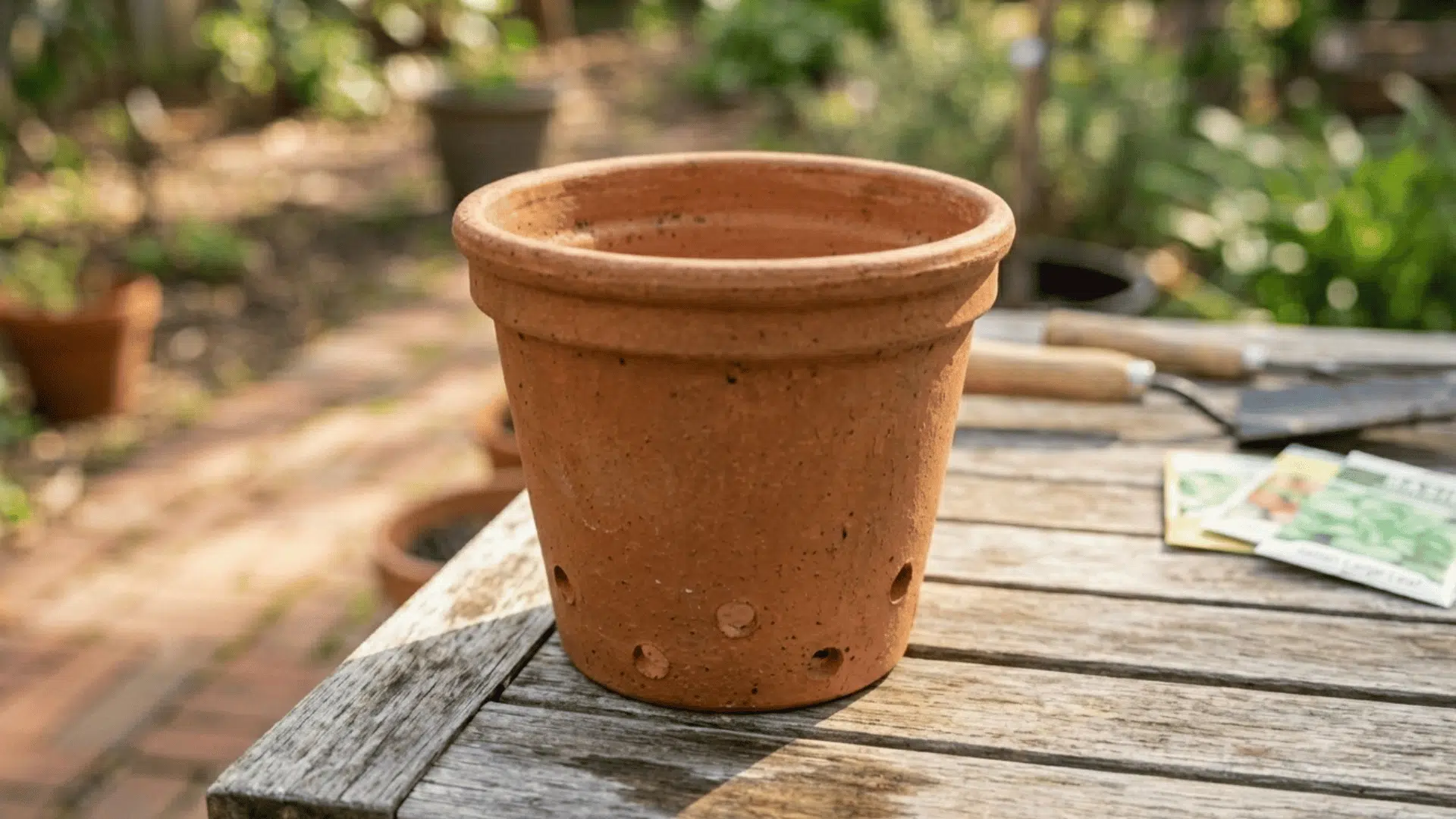
Start by picking a container with proper drainage holes or a garden spot that drains well. Basil does not like standing water, so good drainage is important for healthy roots.
If using a pot, make sure it is wide enough to give the plant space to grow. For outdoor planting, choose a location that gets plenty of sunlight throughout the day.
A bright spot helps seeds sprout faster and supports early growth. Setting up the right place from the beginning makes the rest of the growing process much easier and more successful.
Step 2: Fill with Quality Soil
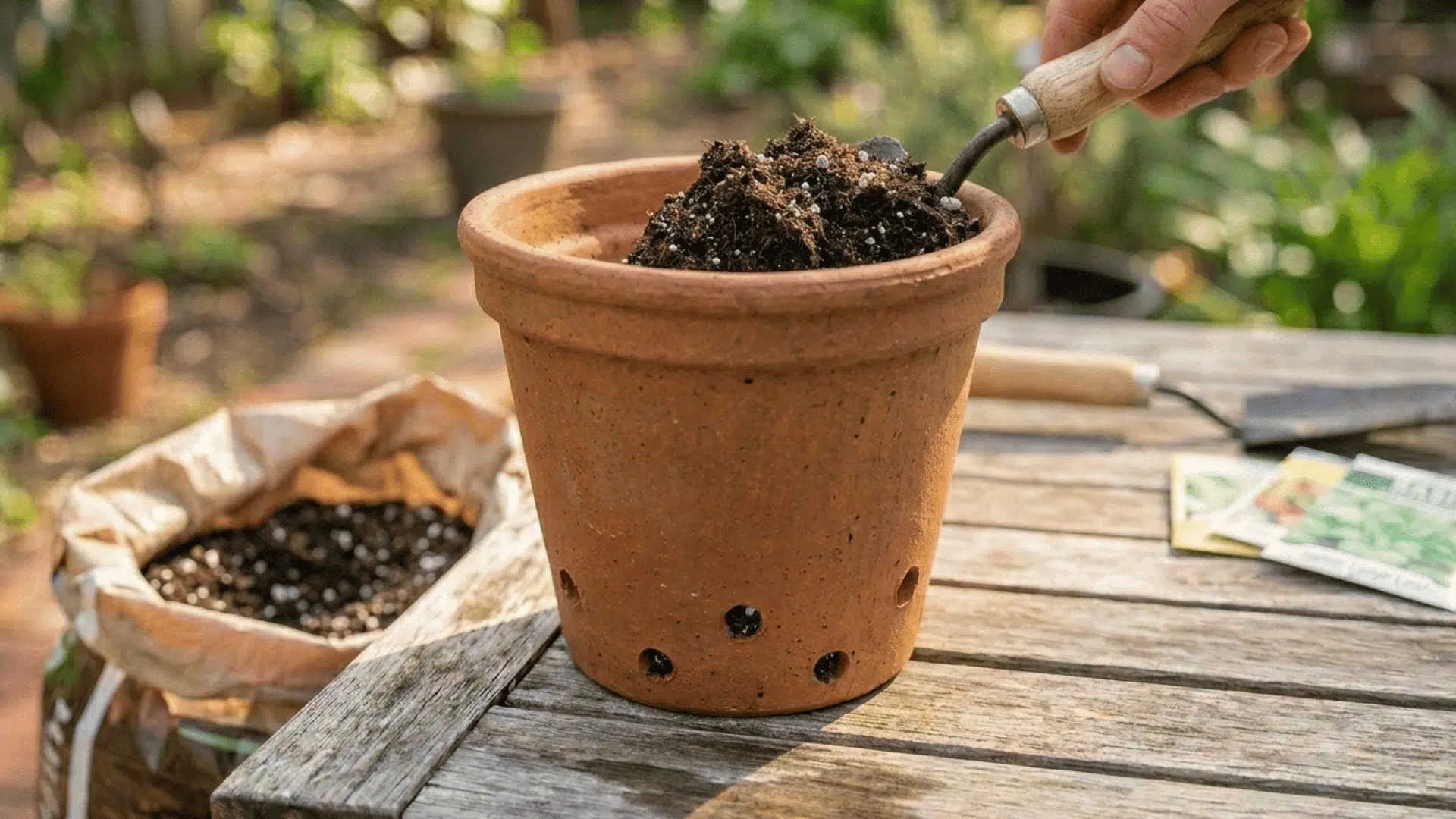
Use light, well-drained soil that is rich in nutrients. Regular garden soil can sometimes be too heavy, so mixing it with compost or potting mix works better.
This helps improve airflow and prevents water from sitting around the roots. Basil grows best in soil that stays slightly moist but not wet.
Before planting, gently loosen the soil so seeds can settle in easily. Good soil gives the seeds a strong start and helps the plant grow faster and healthier as it develops.
Step 3: Sow the Seeds Properly
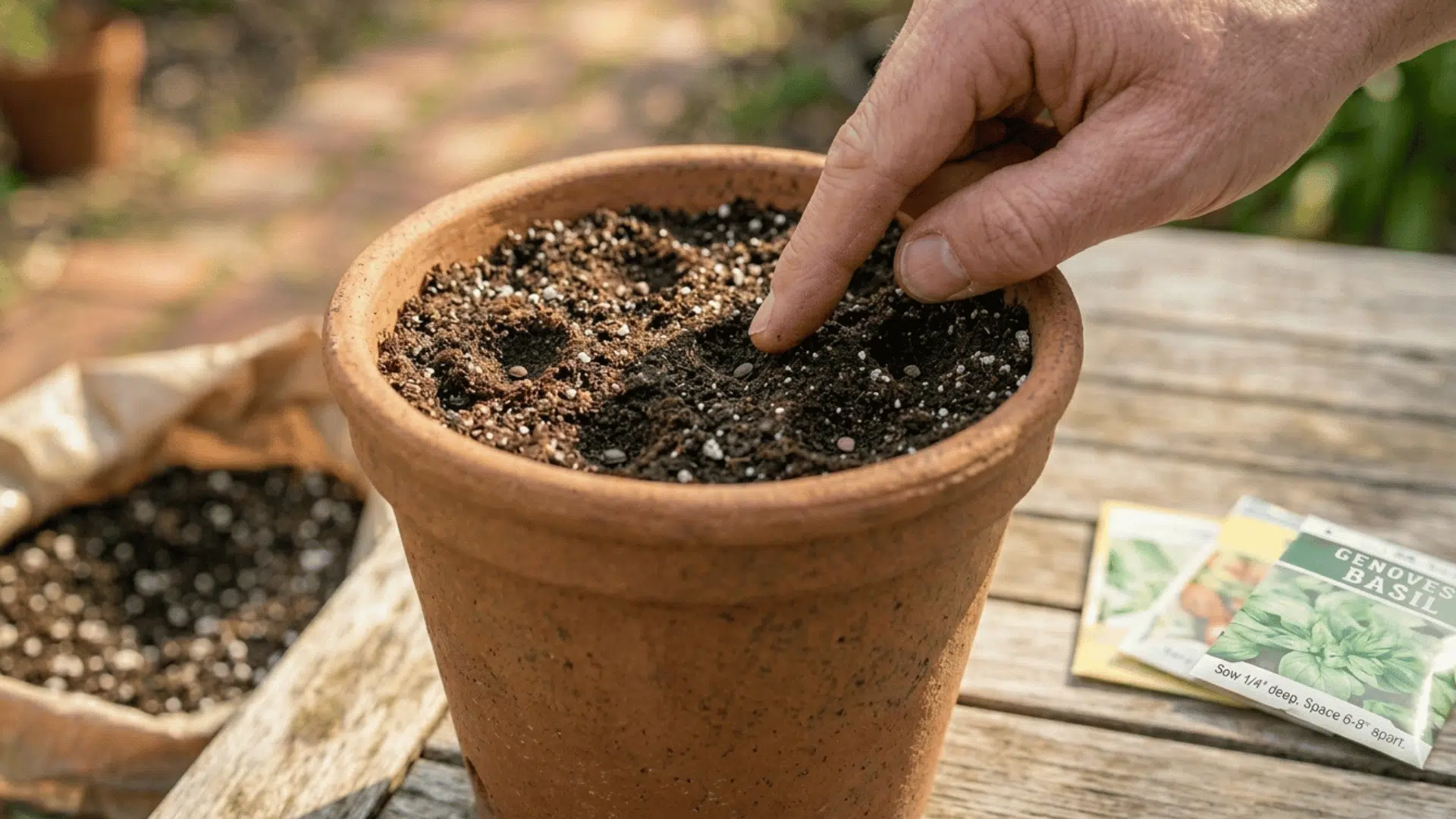
Place the basil seeds about ¼ inch deep into the soil. Do not bury them too deep, as they need some light and air to sprout well. Leave a little space between each seed so the plants do not crowd each other once they grow.
Lightly cover the seeds with soil and press gently to keep them in place. Proper spacing helps each plant get enough nutrients and room to grow. Taking care during this step improves germination and leads to stronger seedlings.
Step 4: Water Gently After Planting
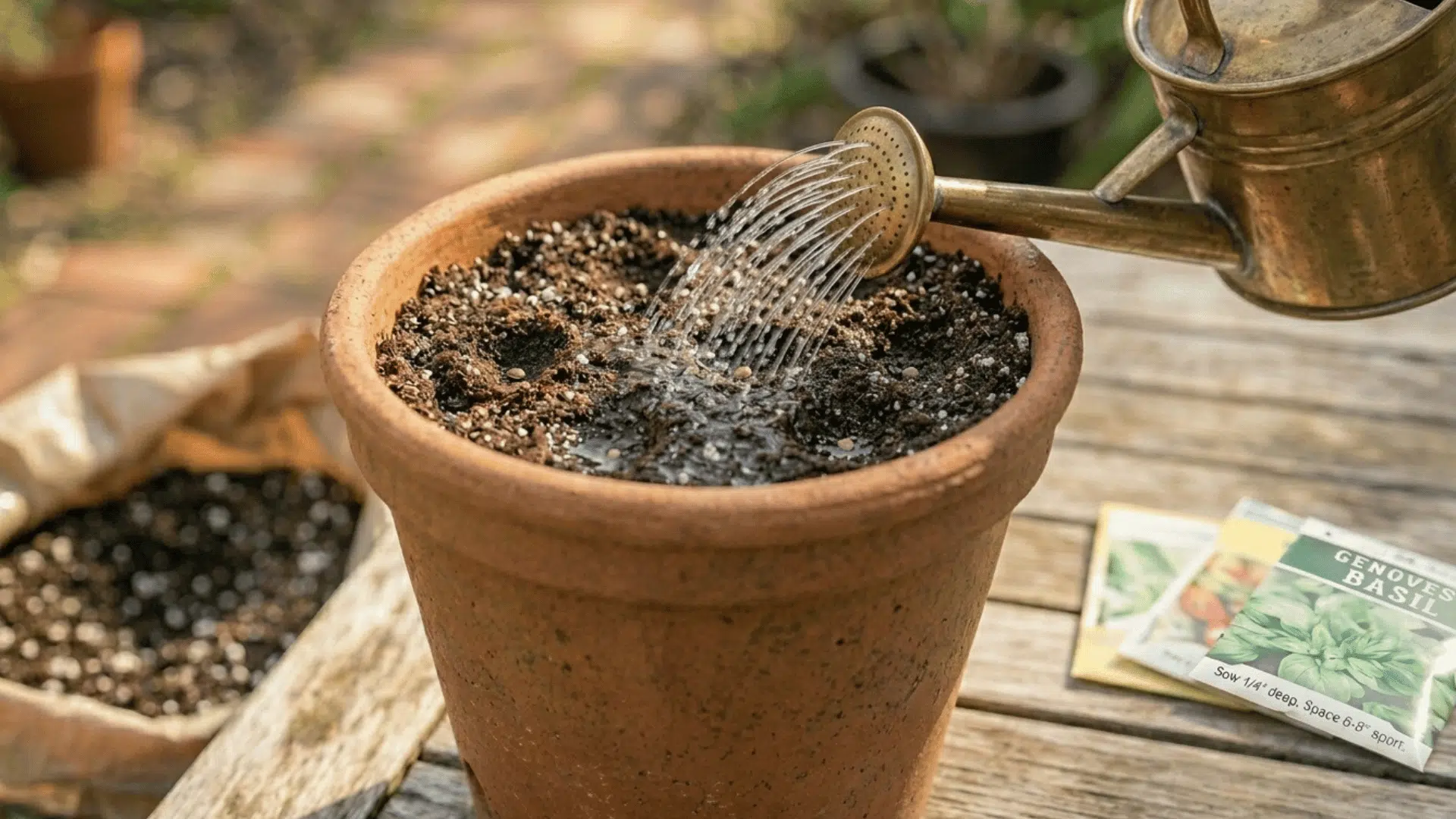
After sowing the seeds, water the soil lightly to keep it moist. Use a gentle stream or spray so the seeds do not move from their place. Basil seeds need consistent moisture to sprout, but too much water can cause rot.
Check the soil daily and add small amounts of water when it feels dry on top. Keeping the right moisture balance is key during the early stages. This helps seeds germinate evenly and supports healthy root development.
Step 5: Provide Warmth and Sunlight
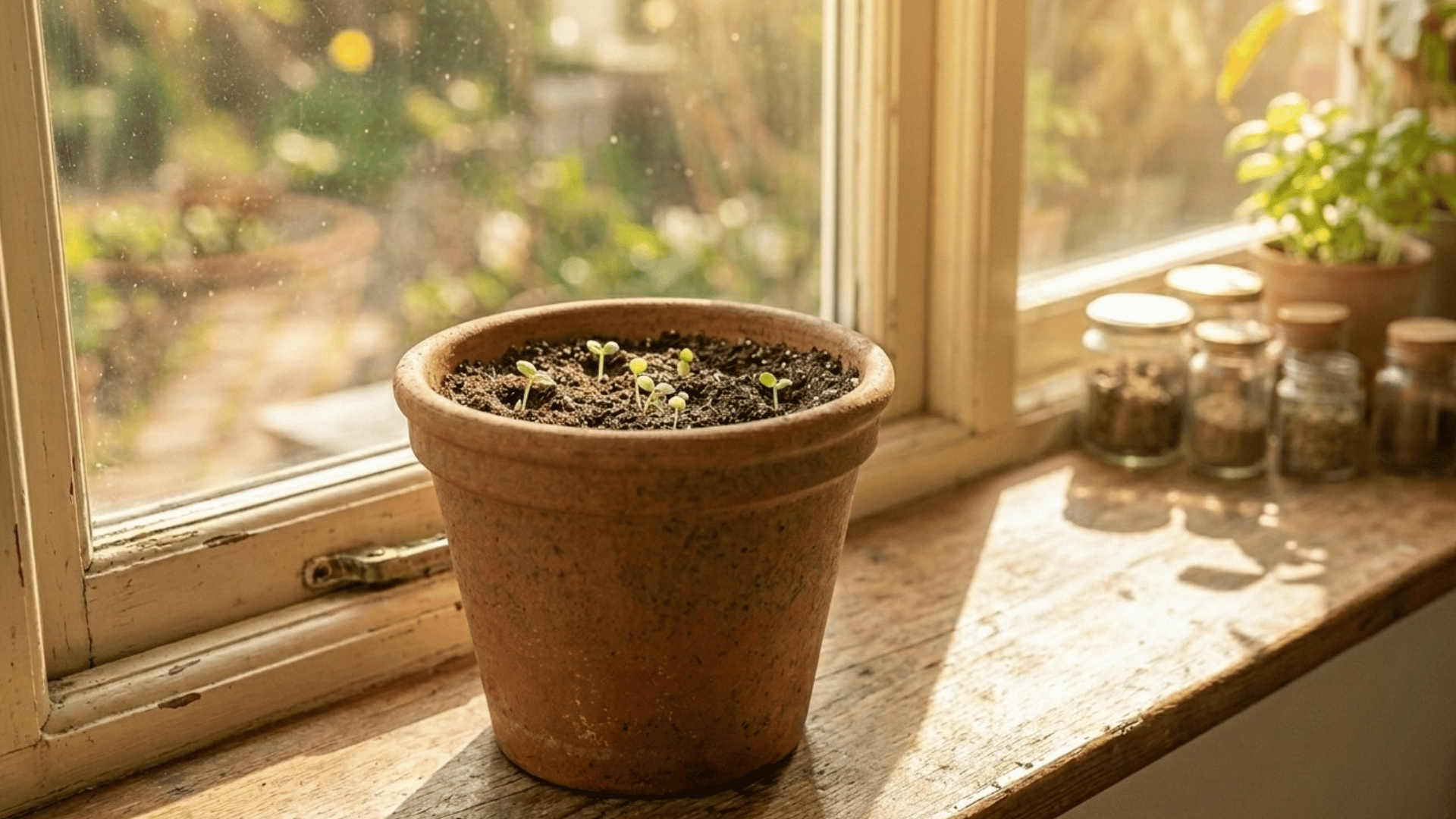
Place the container in a warm spot where it gets plenty of sunlight each day. Basil seeds grow best in warm conditions, so avoid cold areas or sudden temperature drops.
A sunny windowsill or balcony works well for indoor growing. Most seeds begin to sprout within 5–10 days if they get enough warmth and light.
Consistent sunlight helps the young plants grow strong and prevents them from becoming weak or leggy. This final step ensures steady and healthy growth right from the start.
Best Conditions to Grow Basil
Getting the right setup helps basil grow faster and stay healthy. Small changes in light, soil, and care can make a big difference in how your plant grows and how many leaves it produces.
| Condition | Requirement | Care Tip |
|---|---|---|
| Sunlight | 6–8 hours of direct sunlight daily | Place near a sunny window, balcony, or garden spot |
| Temperature | Warm climate (20–30°C) | Keep away from cold drafts and frost |
| Soil Type | Well-drained, nutrient-rich soil | Keep soil slightly moist, not soggy |
| Watering | Water when topsoil feels dry | Avoid overwatering to protect roots |
| Air Circulation | Good airflow around the plant | Avoid overcrowding to prevent disease |
How to Prune Basil for Better Growth
Pruning basil helps the plant grow fuller and produce more leaves over time. With the right method, you can keep it healthy and prevent it from becoming leggy.
- Start Pruning Early – Begin when the plant has at least 6–8 leaves to encourage bushier growth.
- Cut Above Leaf Nodes – Trim just above a pair of leaves so new stems grow from that spot.
- Remove Top Growth Regularly – Snipping the top prevents the plant from growing too tall and thin.
- Pinch Off Flower Buds – Removing flowers helps the plant focus on leaf production.
- Use Clean, Sharp Tools – Prevents damage and reduces the risk of disease.
- Avoid Over-Pruning – Never remove more than one-third of the plant at once.
- Prune Consistently – Regular trimming keeps the plant full, healthy, and productive.
Wrapping It Up
Growing basil at home is simple, rewarding, and perfect for beginners who want fresh herbs without much effort. By using the seeding method, it becomes easy to start from scratch and watch the plant grow step by step.
With the right sunlight, proper watering, and regular care, basil can thrive in both indoor and outdoor spaces. Learning how to grow basil does not require special tools or skills, just a little attention and patience.
Growing basil this way ensures a steady supply of fresh, flavorful leaves for everyday use. With these basics in place, fresh basil is always within reach and ready to use in your kitchen.

With a Master’s in Landscape Architecture from the University of Virginia, Sophia Stephenson has dedicated the last 20 years to creating and maintaining vibrant outdoor spaces. Her professional journey started in landscape design, where she gained a reputation for innovative and sustainable approaches. Sophia became a part of our editorial team as a freelancer in 2019, offering a fresh perspective on outdoor living. Since 2020, she has been the chief for our outdoor design content, blending aesthetic appeal with environmental stewardship. In her leisure time, Sophia is a keen photographer, capturing the beauty of natural landscapes, a hobby that complements her professional expertise.