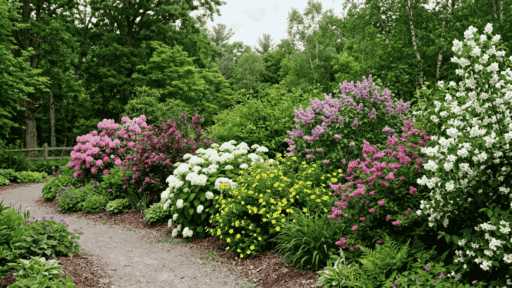

There’s nothing wrong with desiring a beautiful yard. New flower beds, mature shade trees, and a cozy patio can make your home feel complete. Landscaping often feels like the finishing touch, the detail that brings everything together.
But poor landscaping decisions can do more than hurt curb appeal. In many cases, they can threaten your home’s structure, safety, and long-term value.
Trees planted too close to the foundation can crack concrete and invade plumbing. Improper grading can send rainwater toward your basement. Overcrowded plants can trap moisture against siding, leading to rot and pest problems. Even design choices that seem harmless can reduce resale value and increase maintenance costs over time.
The good news is that most of these issues are preventable. With thoughtful planning and a clear understanding of how landscaping affects your home, you can protect your investment and avoid expensive repairs.
Let’s get into it.
Planting Too Close to the House
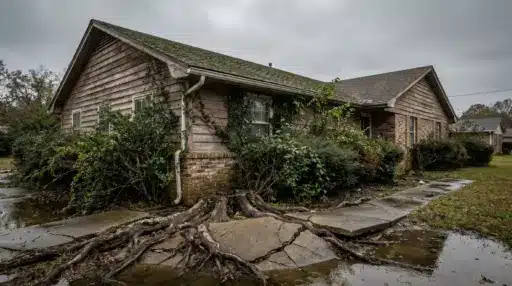
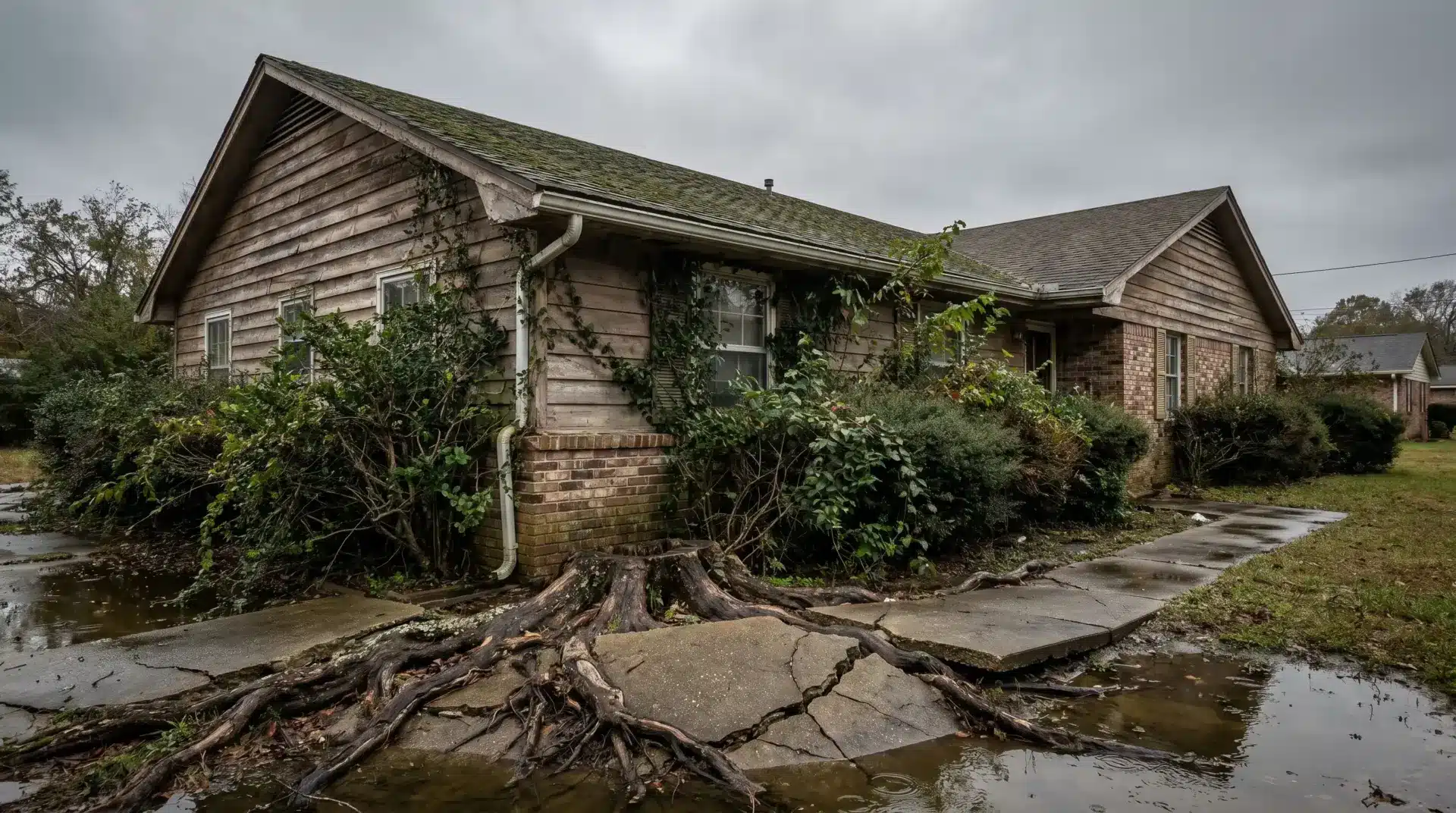
A small tree from the garden center might look harmless today, but fast forward 10 or 15 years, and its roots could be pushing against your foundation, cracking your driveway, or invading underground plumbing lines.
Even shrubs can create problems when planted directly against siding. Dense foliage traps moisture against the house, creating the perfect environment for rot, mildew, and pests.
Before planting, think long-term. Check the mature size of trees and shrubs and give them adequate space from your foundation. As a general rule, larger trees should be planted at least 15 to 20 feet away from the house. Smaller shrubs still need breathing room to prevent moisture buildup.
Ignoring Drainage
Water damage is one of the most dangerous things that can happen to a home. If your yard slopes toward the house, rainwater will collect around the foundation instead of draining away.
Over time, that moisture can cause foundation cracks, basement leaks, mold growth, and soil erosion. What starts as minor pooling can evolve into serious structural repairs.
Make sure soil slopes away from your home. Extend downspouts several feet beyond the foundation. Keep gutters clean and consider installing French drains or surface drains if needed. Managing runoff properly is one of the most important steps in protecting your home.
Forgetting About Sunlight and Mature Plant Size
Every plant has specific sunlight requirements. Ignoring those needs often results in weak growth, disease, and repeated replacements.
Observe how sunlight moves across your yard throughout the day. Full-sun plants need consistent exposure, while shade-loving plants can scorch in harsh afternoon light.
Also plan for mature growth. Overgrown shrubs can block windows, crowd walkways, and restrict airflow around your home. Proper spacing ensures plants enhance your property instead of overwhelming it.
Skipping Soil Preparation
Healthy soil is the foundation of a successful landscape. Planting in compacted or nutrient-poor soil leads to struggling plants and wasted money.
Testing soil pH and nutrient levels helps you understand what amendments are needed. Adding compost or organic matter improves structure, drainage, and root development.
When roots establish properly, plants become stronger, require less maintenance, and are less likely to fail. Strong plants reduce erosion and stabilize the soil around your foundation, that’s another layer of protection for your home.
Poorly Sloped Paved Surfaces
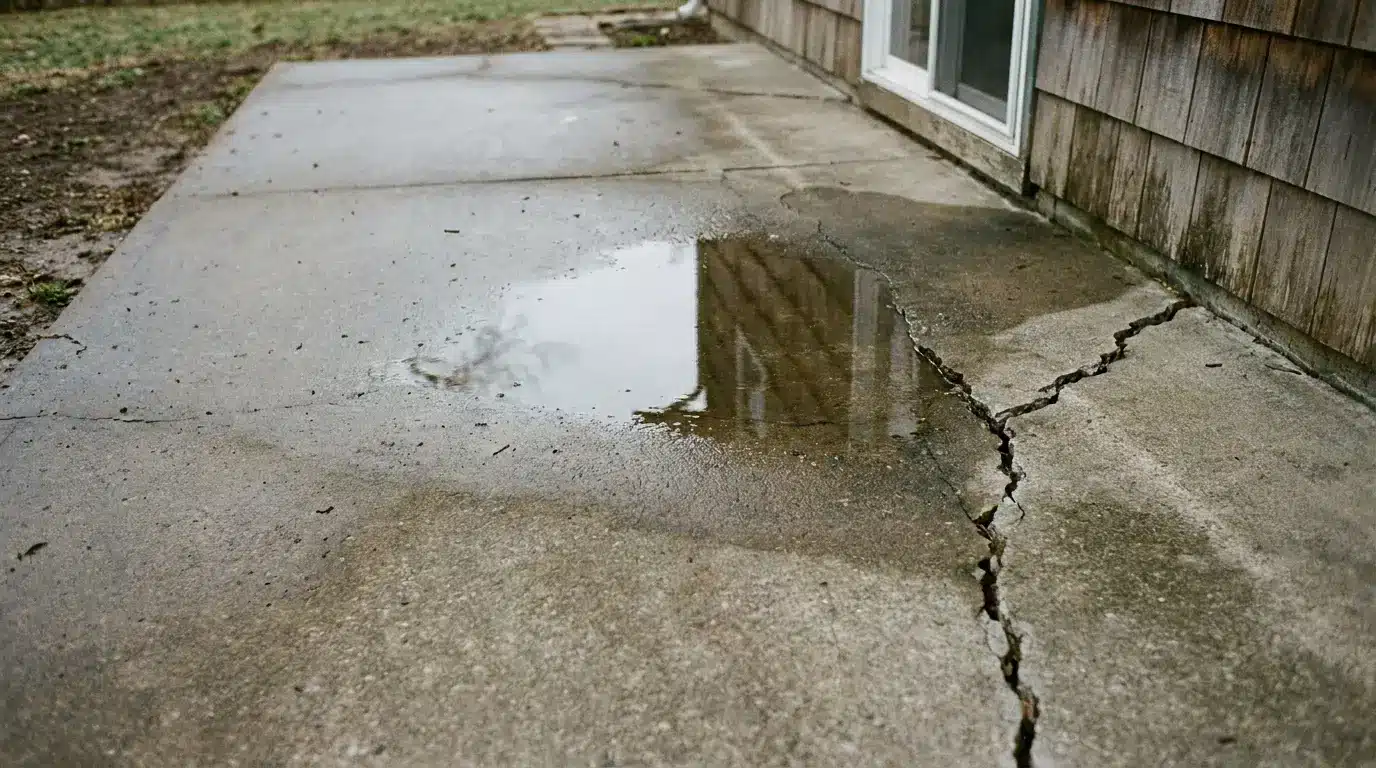
Driveways, walkways, and patios are built to make life easier, but if they’re not sloped correctly, they can create serious problems for your home. Hard surfaces should always direct water away from the foundation. When they don’t, rainwater has nowhere to go. It collects in low spots, seeps into cracks, and slowly works its way toward the house.
That small puddle you notice after a storm may not seem urgent, but repeated pooling can weaken concrete, worsen cracks during freeze-thaw cycles, and increase pressure against the foundation. Over time, what looks like a minor drainage issue can turn into costly structural repairs.
The solution starts with proper grading, as one of the concrete experts from Fixora NYC suggests. Paved surfaces should have a subtle slope that carries runoff safely away from the home. If regrading isn’t practical, drainage channels, retaining features, or redirecting runoff can help manage the flow. And if you’re already seeing cracks, settling, or persistent pooling, it’s wise to have a professional evaluate the surface before the damage spreads.
Poor Irrigation
Inconsistent watering stresses plants and weakens root systems. Too much water can cause root rot and soil instability. Too little leads to dying plants and exposed soil, which increases erosion near the home.
Instead of relying on guesswork, use drip irrigation or soaker hoses to provide steady moisture. Group plants with similar water needs together for efficiency. Apply mulch to retain moisture and regulate soil temperature.
A thoughtful irrigation plan prevents both plant loss and the moisture imbalance that can threaten your foundation.
Landscaping Without a Plan
Impulse plant purchases often lead to overcrowding and poor placement. Without a clear layout, your yard can quickly become difficult to maintain and expensive to fix.
A lack of planning may result in blocked drainage paths, plants competing for nutrients, or root systems interfering with structures. Over time, these issues increase maintenance costs and create unnecessary stress around your home.
Sketch a simple layout before planting. Layer tall, medium, and low-growing plants thoughtfully. A cohesive plan reduces future problems and protects your property’s long-term value.
Letting Ivy Grow Directly on Walls
Ivy-covered walls may look charming, but they can cause significant damage over time.
Climbing ivy attaches using small rootlets that penetrate cracks and hold moisture against exterior surfaces. On brick homes, this can weaken mortar joints and loosen bricks. On wood siding, trapped moisture can accelerate rot.
If you like the look, grow climbing plants on trellises or pergolas rather than directly on your home. If ivy is already established, remove it carefully and gradually to prevent surface damage.
Forgetting About All-Season Interest
A yard that looks beautiful in spring but lifeless the rest of the year may not crack your foundation, but it can quietly hurt your home’s value. Landscaping plays a major role in first impressions, and inconsistent seasonal appeal can make a property feel neglected or poorly maintained.
If your landscape peaks for a few weeks and fades into bare patches and dull beds, buyers and neighbors may perceive the home itself as lacking care. That perception directly affects resale potential and curb appeal.
To protect your investment, include evergreens, ornamental grasses, and plants with staggered bloom times. A landscape that looks intentional year-round supports your home’s value instead of dragging it down.
Not Edging Your Landscape
Skipping edging may seem minor, but over time it creates larger problems. Without defined borders, grass invades flower beds, mulch spreads onto lawns, and plants creep closer to your foundation.
That uncontrolled growth can trap moisture against exterior walls, create hiding spots for pests, and increase maintenance costs. What starts as a cosmetic issue can slowly contribute to moisture retention and structural stress around the home.
Installing durable edging materials such as steel, stone, or composite barriers keeps planting beds contained and reduces long-term maintenance. Clean boundaries don’t just improve appearance, they help protect your home from gradual damage.
Lacking Color Coordination
Too many competing colors can do more than create visual clutter. When landscaping overwhelms a home’s architecture, it diminishes curb appeal, and it directly affects property value.
A chaotic yard can make even a well-maintained home feel disorganized, which may reduce buyer confidence and perceived value. In competitive real estate markets, poor visual cohesion can translate into lower offers or longer time on the market.
Instead, choose two or three core colors and use accent plants strategically. Structured plantings with perennials, seasonal annuals, and evergreens create harmony that enhances rather than competes with your home.
Conclusion
The common thread in all of these mistakes is a lack of balance between beauty and function. Landscaping should do more than look attractive, it should protect your foundation, manage water responsibly, support healthy plant growth, and maintain property value.
When landscaping decisions ignore drainage, spacing, grading, or long-term growth, the risks extend beyond extra yard work. They can threaten your home’s structure and cost thousands in repairs. Before digging or planting, take time to plan. If needed, consult a professional to ensure your landscape supports rather than endangers your home. A well-designed yard doesn’t just boost curb appeal, but it actively protects your biggest investment.

With a Master’s in Landscape Architecture from the University of Virginia, Sophia Stephenson has dedicated the last 20 years to creating and maintaining vibrant outdoor spaces. Her professional journey started in landscape design, where she gained a reputation for innovative and sustainable approaches. Sophia became a part of our editorial team as a freelancer in 2019, offering a fresh perspective on outdoor living. Since 2020, she has been the chief for our outdoor design content, blending aesthetic appeal with environmental stewardship. In her leisure time, Sophia is a keen photographer, capturing the beauty of natural landscapes, a hobby that complements her professional expertise.