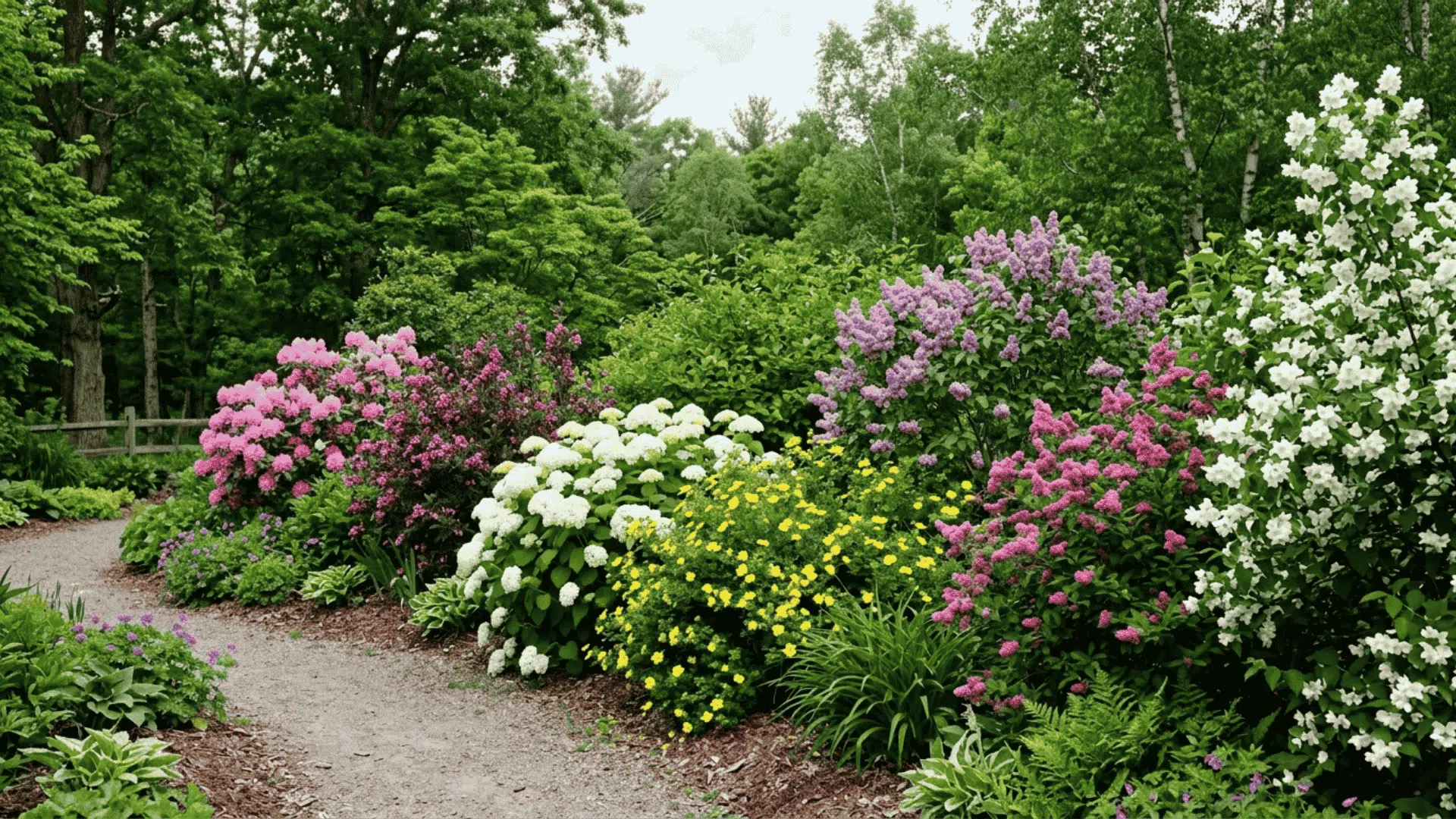

Most gardens look great in spring. But come summer, fall, or winter? Things get quiet fast.
That’s where flowering shrubs come in. These woody plants bloom across different seasons, keeping the space colorful and balanced without constant replanting.
This guide covers the best flowering bushes to grow for year-round color, along with simple tips on choosing the right ones for any garden size or climate.
Why Flowering Bushes are a Smart Choice for Garden Color
Flowering shrubs are a simple way to add lasting color and structure to your garden. They require less effort over time while still keeping your space visually appealing.
- Long-Lasting Blooms – Many shrubs flower for extended periods compared to seasonal plants.
- Low Maintenance – Once established, they need minimal care and fewer replacements.
- Adds Structure and Depth – Helps define garden layout with height and shape.
- Versatile in Design – Works well as borders, hedges, or focal points.
- Supports Year-Round Interest – Different varieties bloom across seasons for continuous color.
- Ideal for All Garden Sizes – Suitable for both small spaces and large landscapes.
Best Flowering Shrubs for Year-Round Garden Color
This list covers a mix of flowering bushes selected for different bloom seasons, colors, and growing conditions to ensure variety without repetition.
1. Hydrangea
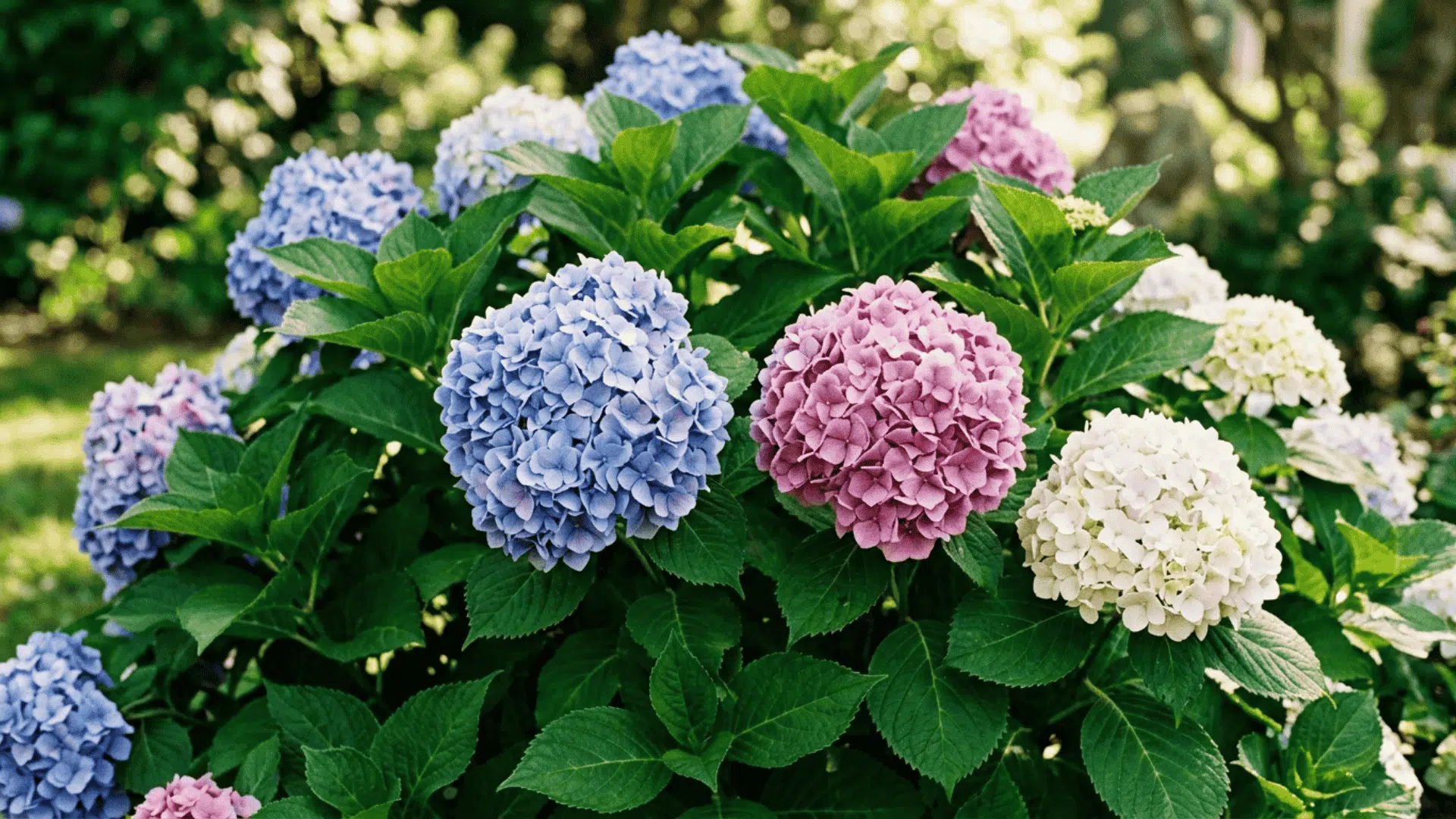
Hydrangea is one of the most popular flowering shrubs in American gardens. It produces large, showy blooms in shades of blue, pink, white, and purple, typically from early summer through fall.
It grows well in partial shade and moist, well-drained soil. Different varieties offer different bloom times, making it easy to find one that fits any outdoor space or climate.
2. Rose of Sharon
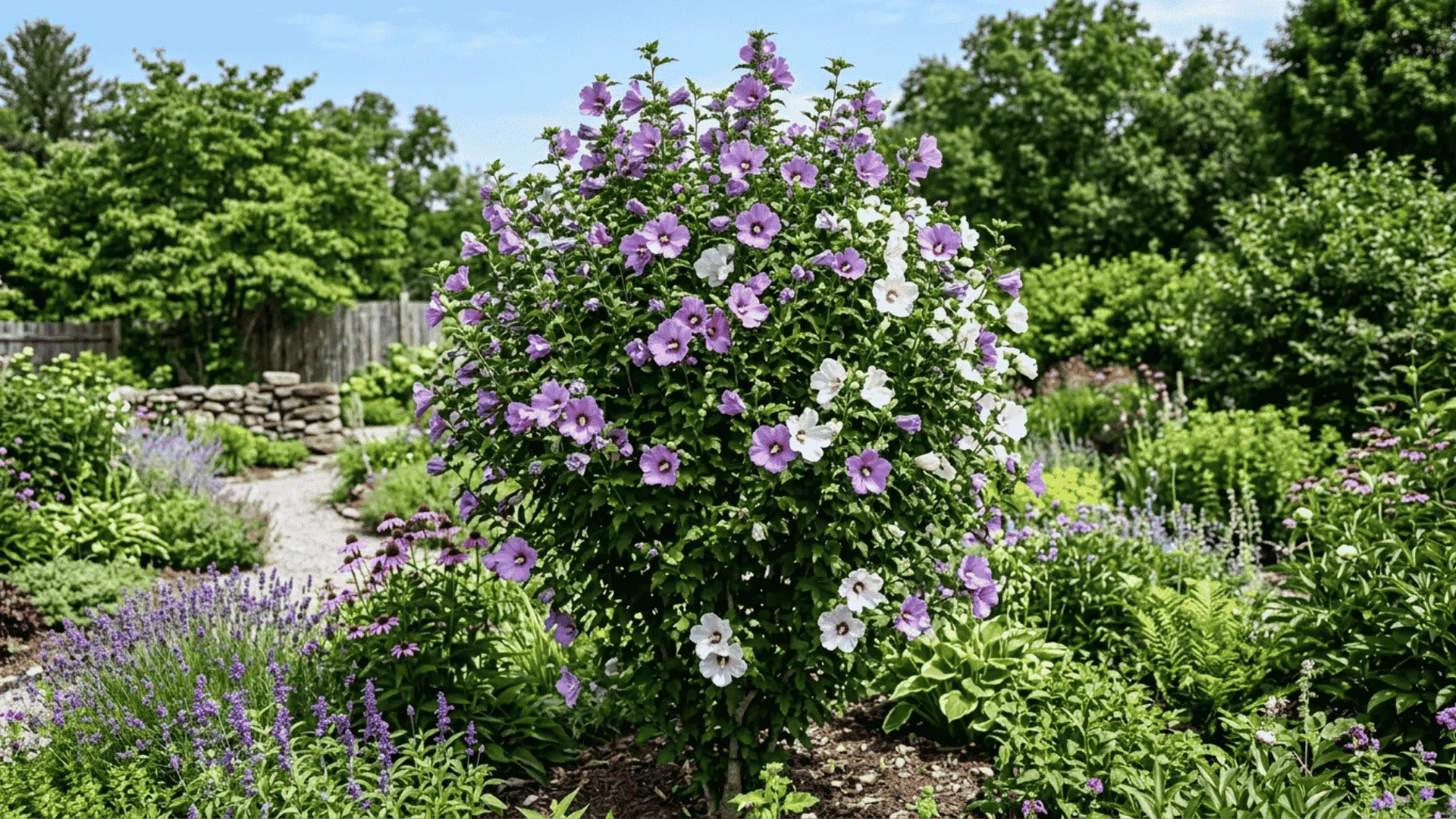
Rose of Sharon is a late-blooming flowering bush that produces trumpet-shaped flowers in shades of white, pink, purple, and blue.
It blooms from midsummer all the way into fall, filling the gap when most shrubs have finished.
It thrives in full sun and adapts well to different soil types. It is also drought-tolerant once established, making it a low-maintenance option for warmer climates.
3. Azalea
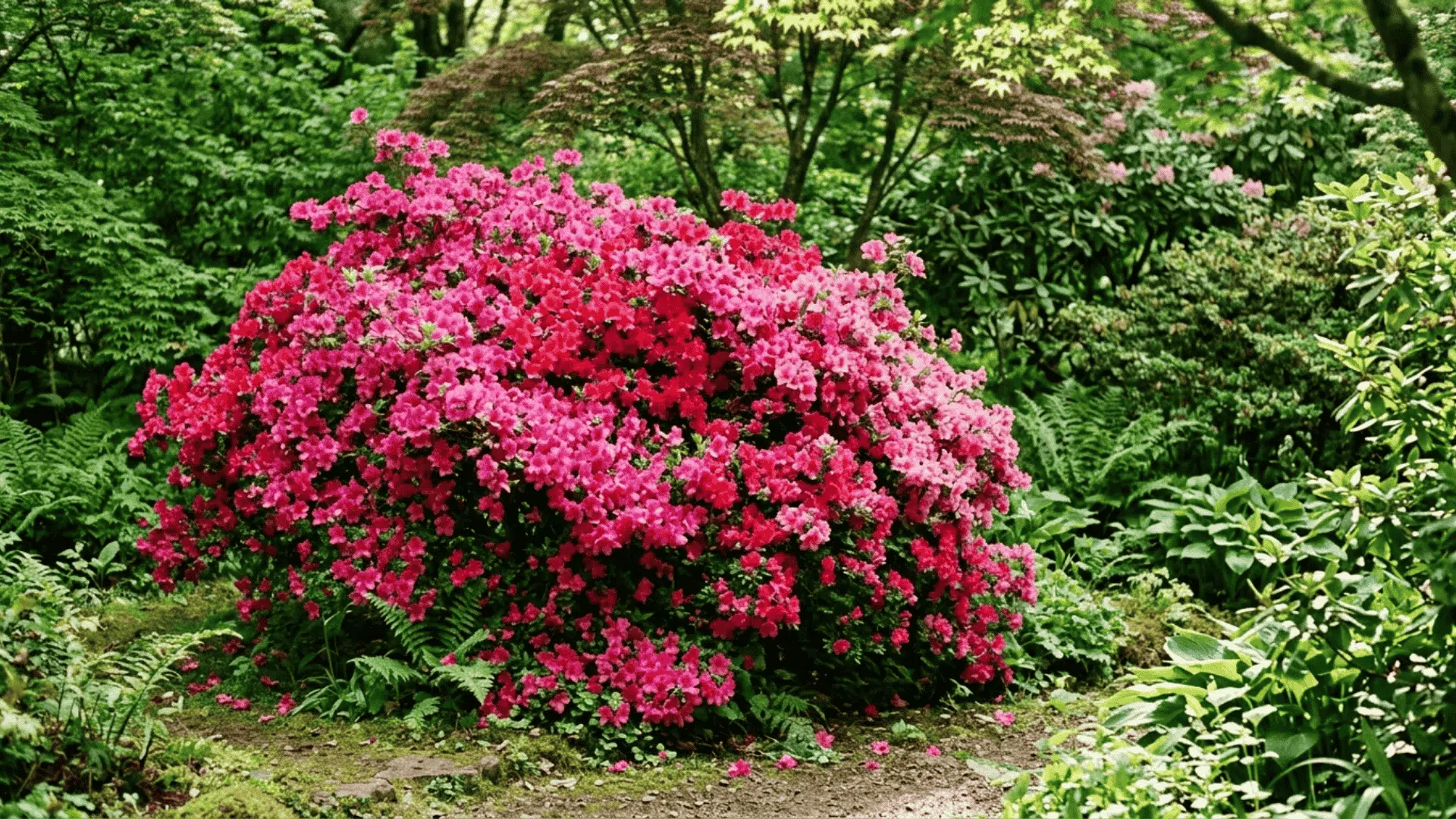
Azalea is a spring-blooming shrub known for its bold, colorful flowers that cover the entire plant. It comes in a wide range of colors, including red, pink, orange, white, and purple.
It prefers acidic, well-drained soil and partial shade. Azaleas are available in both deciduous and evergreen varieties, giving gardeners flexibility based on their climate and preferences.
4. Rhododendron
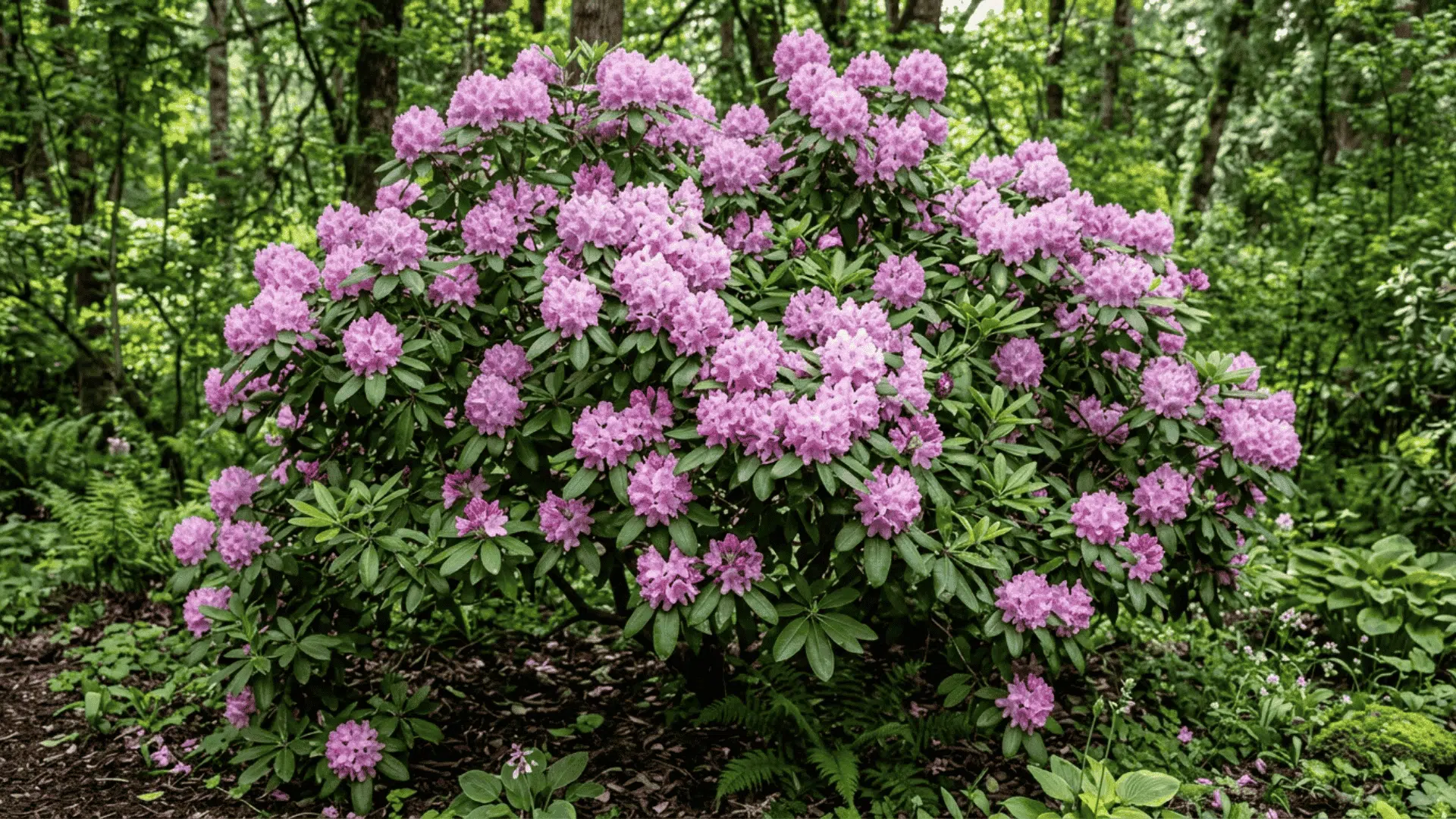
Rhododendron is a large, evergreen flowering bush that produces clusters of bold blooms in spring.
The flowers come in shades of pink, red, white, and lavender, creating a strong visual impact in any setting.
It grows best in acidic, well-drained soil with partial shade. Because it stays green year-round, it also provides structure and color to the garden even outside its bloom season.
5. Lilac
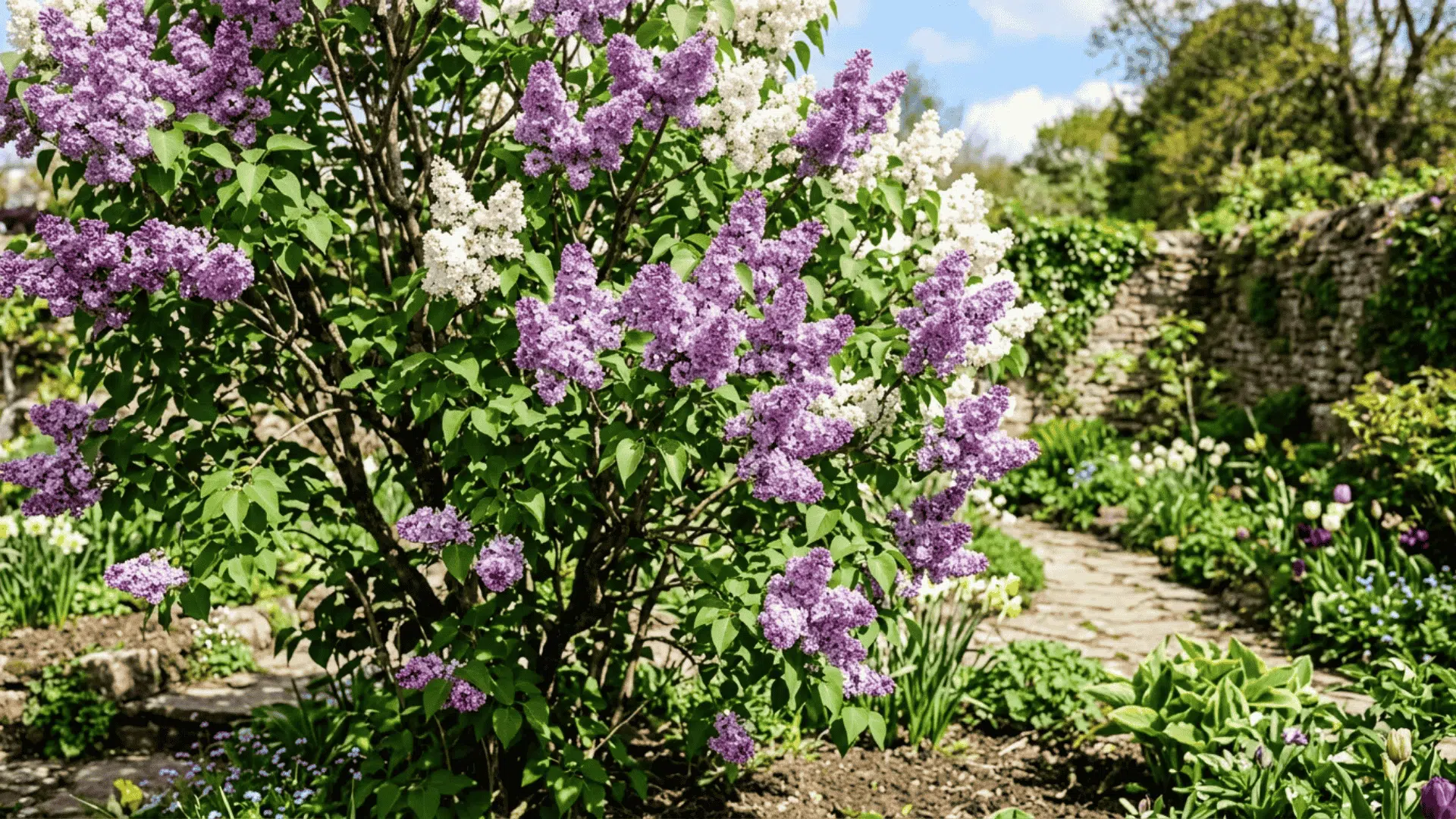
Lilac is a classic spring-blooming shrub best known for its fragrant purple, pink, or white flower clusters. The blooms appear in mid to late spring and are a favorite for cutting gardens.
It does best in full sun and well-drained soil. Lilac is a hardy flowering shrub that can live for decades with minimal care, making it a long-term investment for any garden.
6. Butterfly Bush
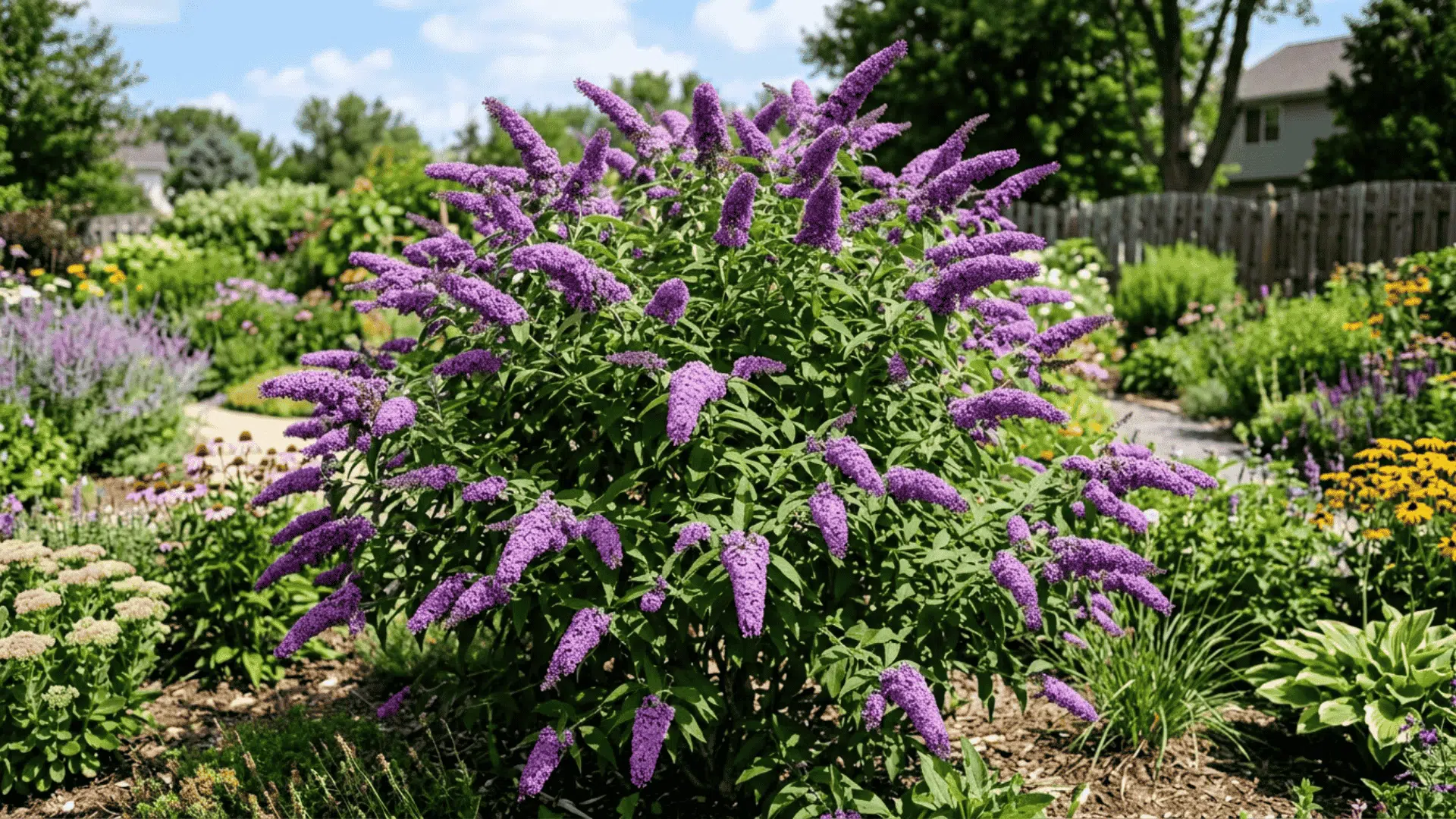
Butterfly Bush is a fast-growing flowering bush that produces long, cone-shaped flower spikes in purple, pink, white, and red. As the name suggests, it is a strong attractor of butterflies and other pollinators.
It blooms from midsummer through fall and thrives in full sun with well-drained soil. Regular deadheading of spent blooms encourages continuous flowering throughout the season.
It is worth noting that some varieties are considered invasive in certain states, so it is recommended to check local guidelines before planting.
7. Spirea
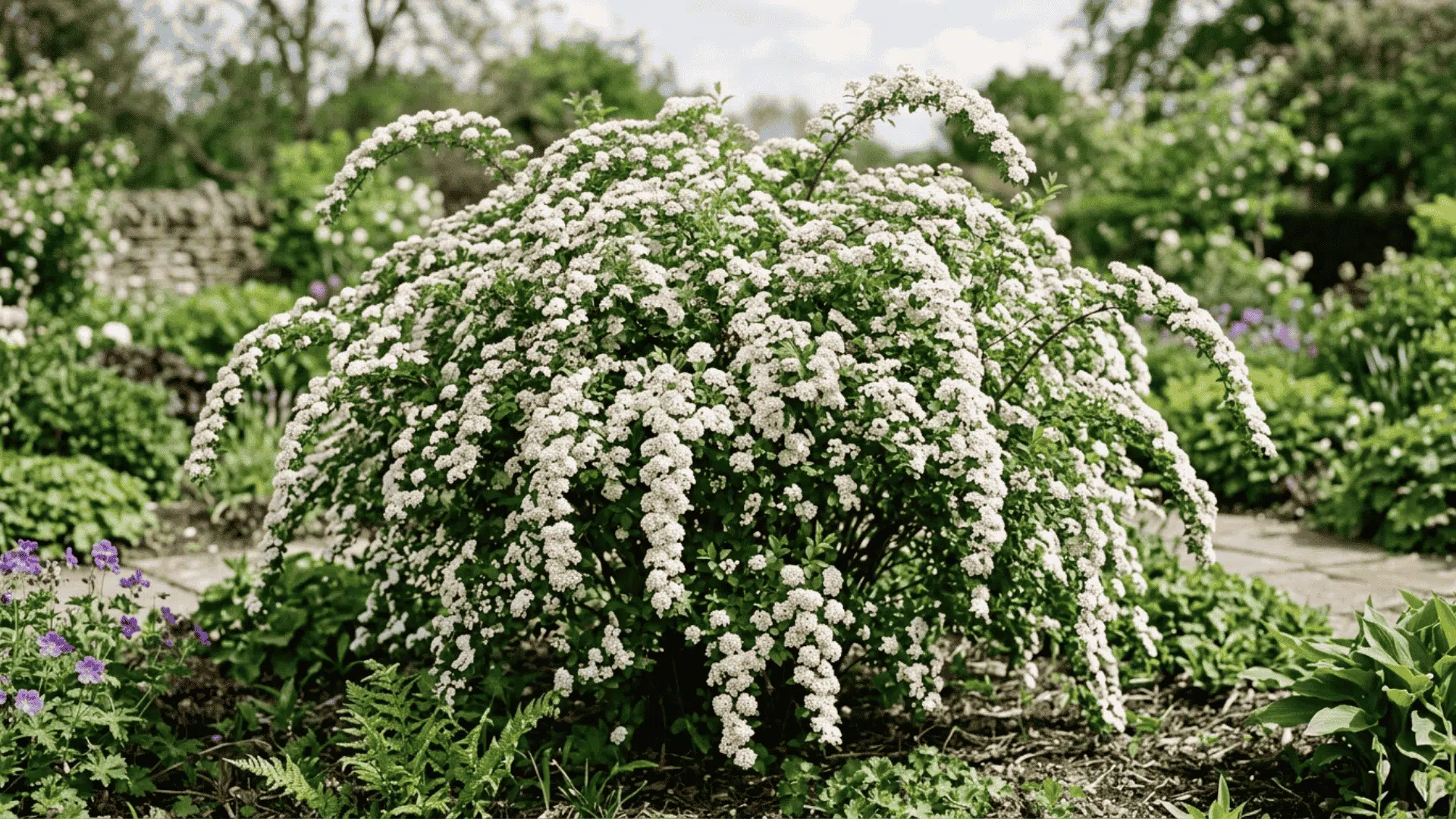
Spirea is a versatile flowering shrub that works well in borders, mass plantings, and as a low hedge. It produces clusters of small flowers in white or pink, depending on the variety.
Some varieties bloom in spring, while others flower in summer, allowing you to extend the bloom season by planting more than one type.
8. Camellia
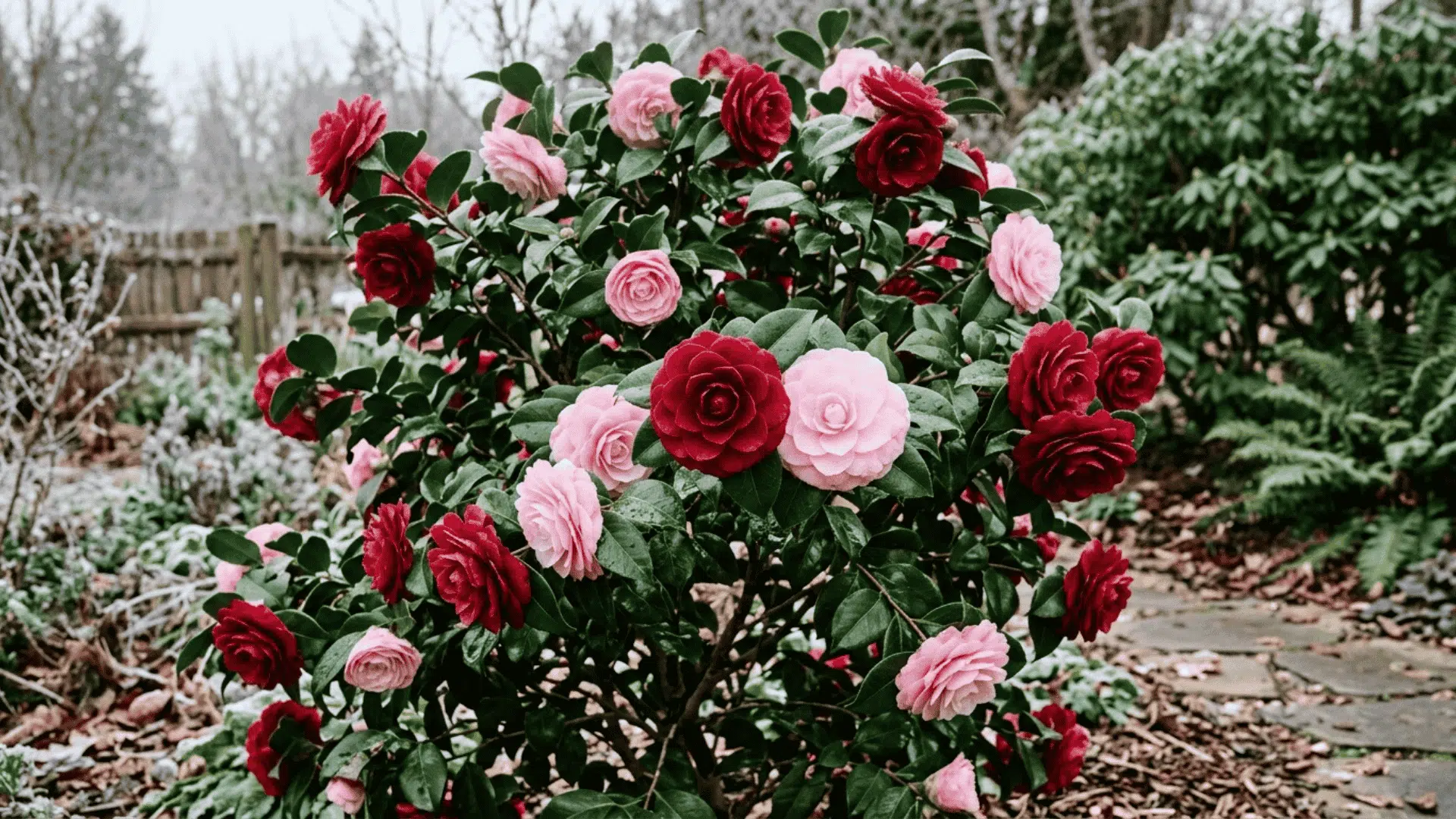
Camellia is an evergreen flowering bush that blooms in late fall and winter, a time when most other shrubs are dormant. Its large, rose-like flowers come in shades of red, pink, and white.
It grows best in partial shade with acidic, well-drained soil. Camellia is a particularly valuable addition to gardens in mild climates where winters are not too harsh.
9. Gardenia
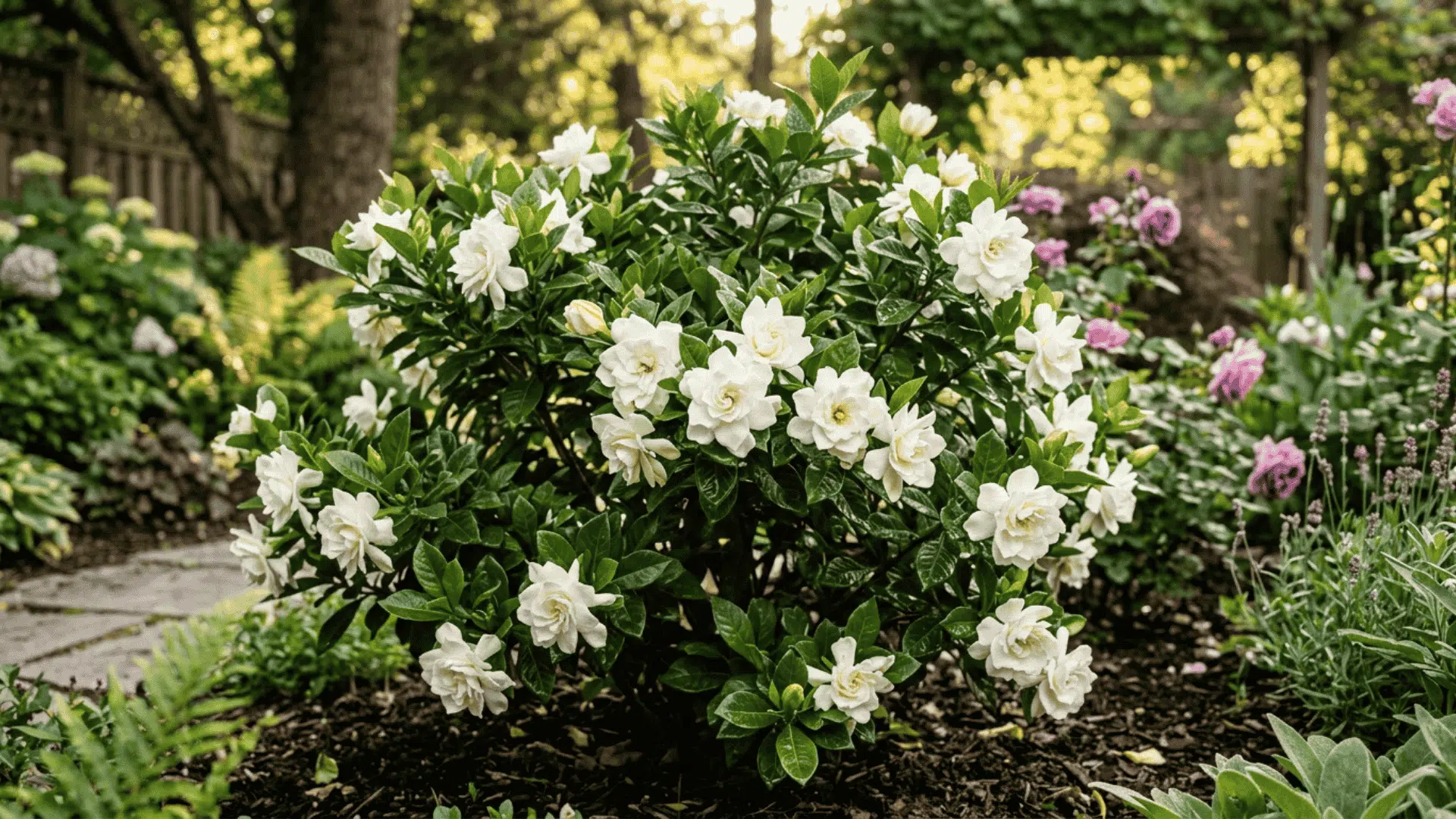
Gardenia is a warm-weather shrub prized for its creamy white blooms and strong, sweet fragrance. It typically blooms from late spring through summer and is a popular choice for southern gardens.
It requires full sun to partial shade and acidic, well-drained soil. Consistent moisture and humidity help it perform at its best throughout the growing season.
Gardenia also works well as a container plant, making it a flexible option for gardeners with limited outdoor space.
10. Forsythia
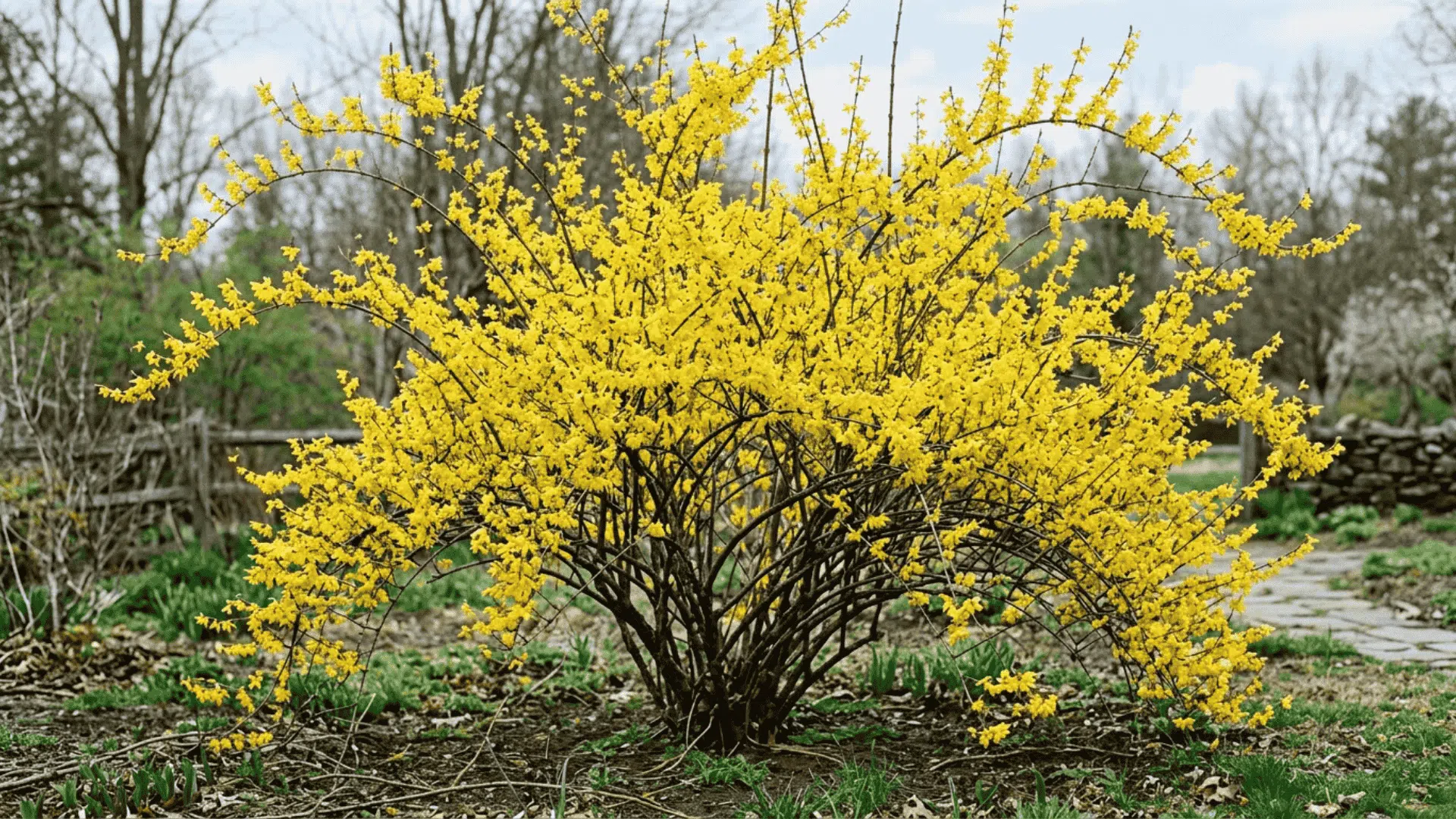
Forsythia is one of the earliest flowering bushes to bloom each year, producing bright yellow flowers in late winter or early spring before the leaves even appear.
It is one of the first signs that warmer weather is on the way. It grows quickly in full sun and adapts to a wide range of soil conditions.
Forsythia is also commonly used as a hedge or screen, adding both function and early-season interest to the garden.
11. Weigela
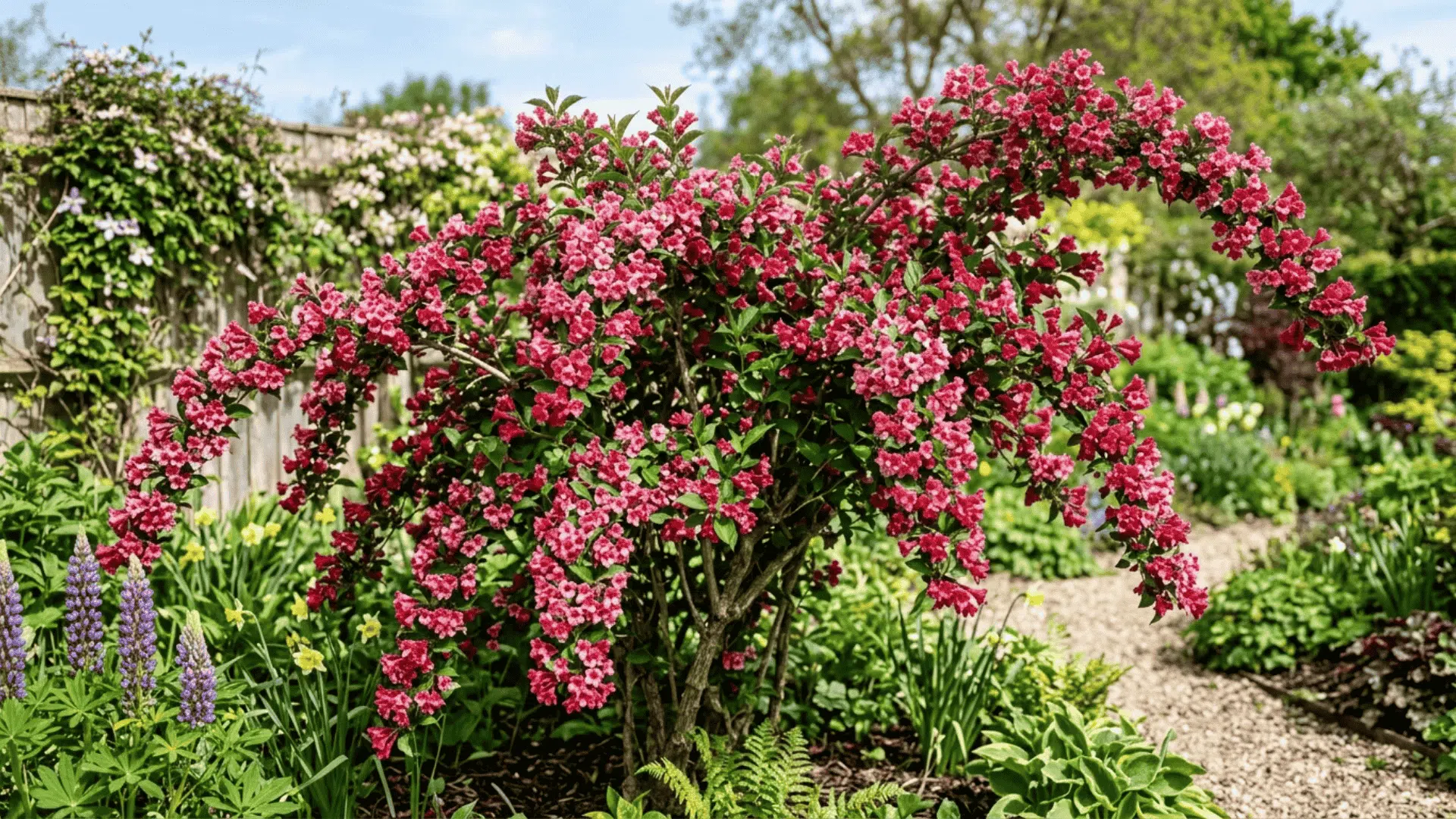
Weigela is a mid-spring bloomer that produces funnel-shaped flowers in red, pink, or white.
It is a reliable flowering shrub that attracts hummingbirds and other pollinators throughout the blooming season.
It thrives in full sun to partial shade and is adaptable to most well-drained soils. Some newer varieties also offer colorful foliage, adding visual interest even after the blooms have faded.
12. Potentilla
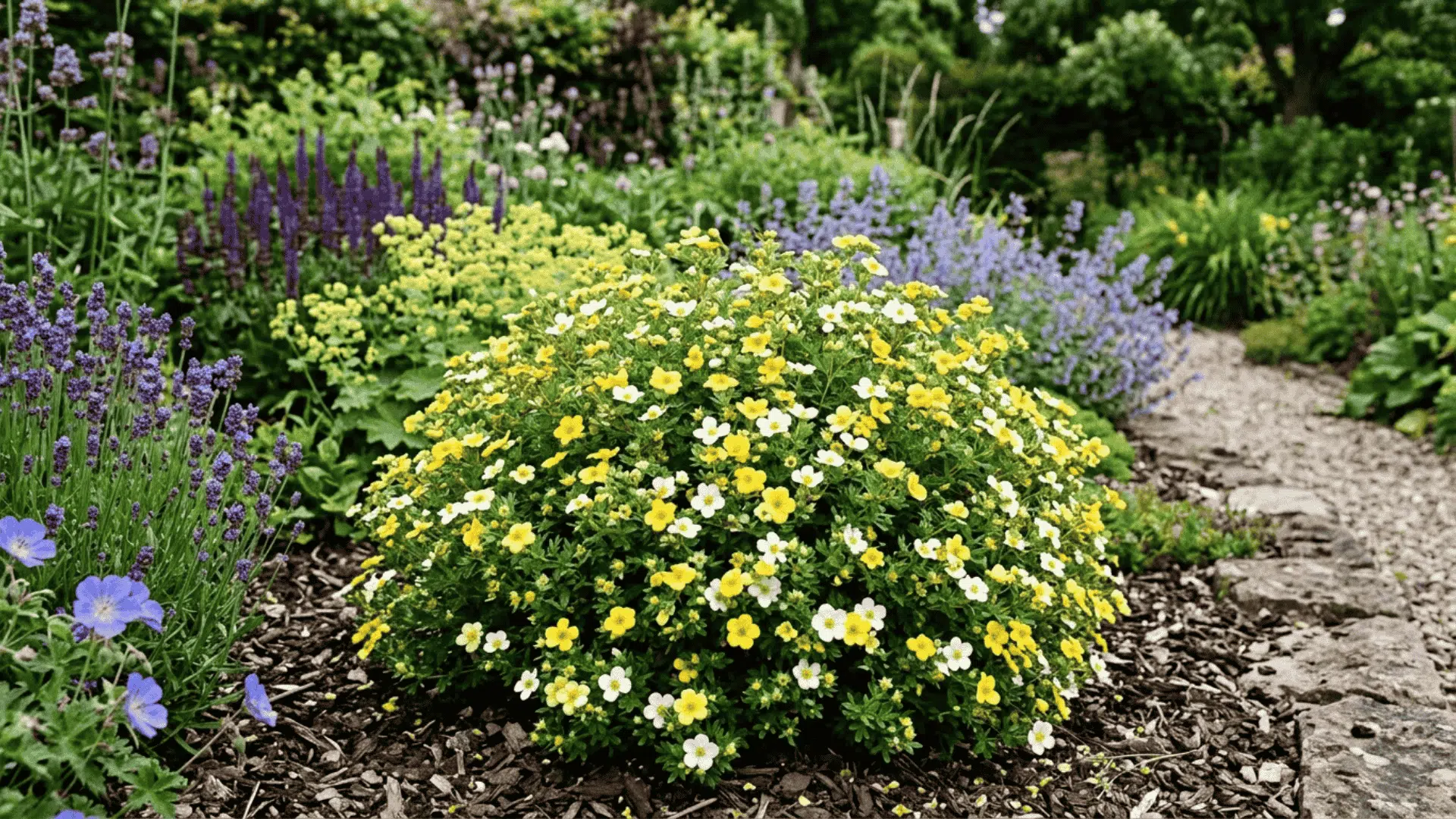
Potentilla is a compact flowering bush that produces small, cheerful blooms in yellow, white, pink, or red from late spring through fall. Its long bloom period makes it one of the more reliable options for continuous color.
It thrives in full sun and well-drained soil, and is highly tolerant of drought and cold.
This makes it a great choice for gardeners in harsher climates who still want consistent seasonal color.
13. Viburnum
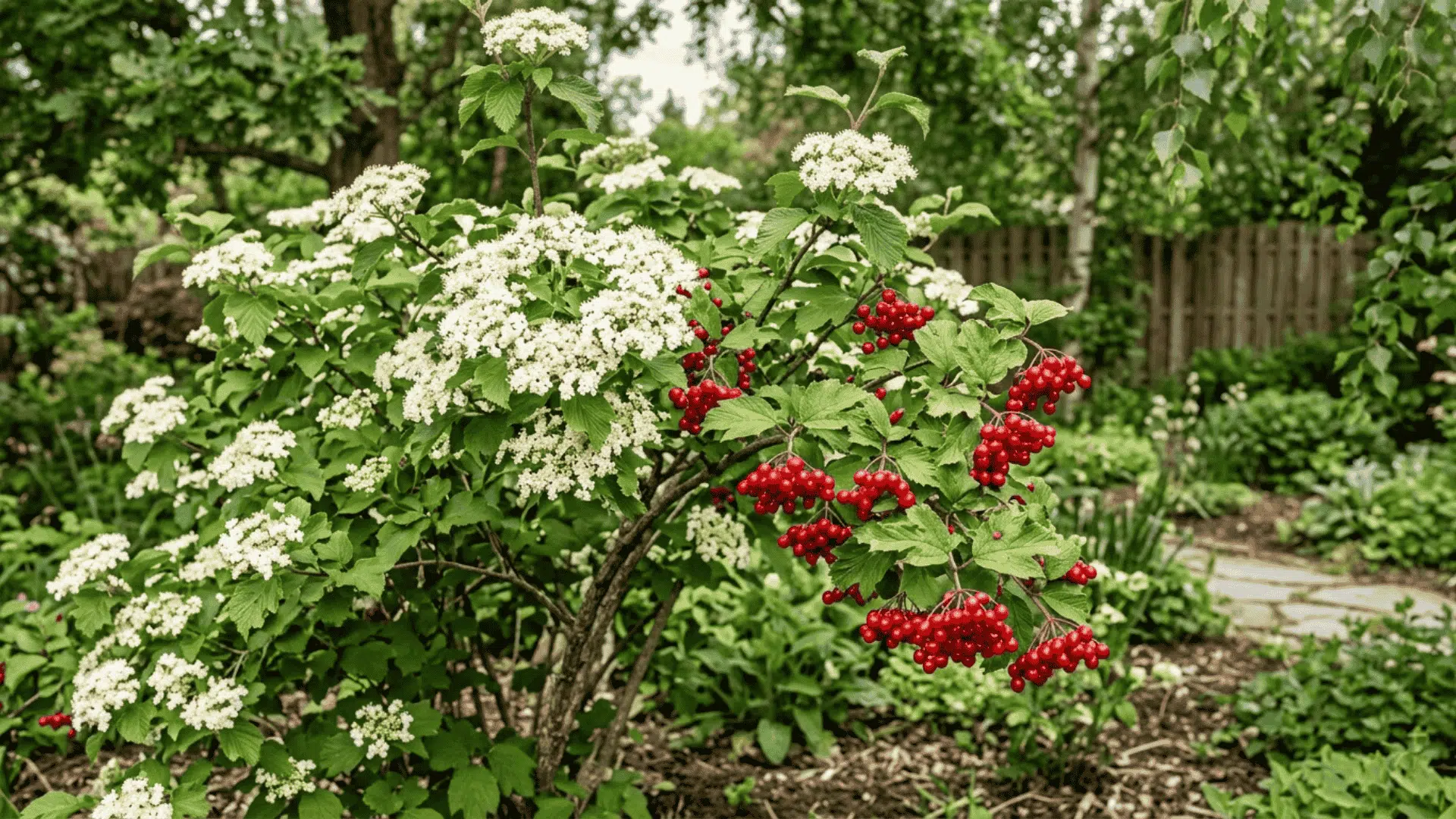
Viburnum is a diverse group of flowering shrubs that offer something for every season. Some varieties produce fragrant white or pink blooms in spring, while others develop colorful berries in fall and winter.
It grows well in full sun to partial shade and adapts to most soil types. With so many varieties available, there is a Viburnum suited for almost any garden size or style.
14. Abelia
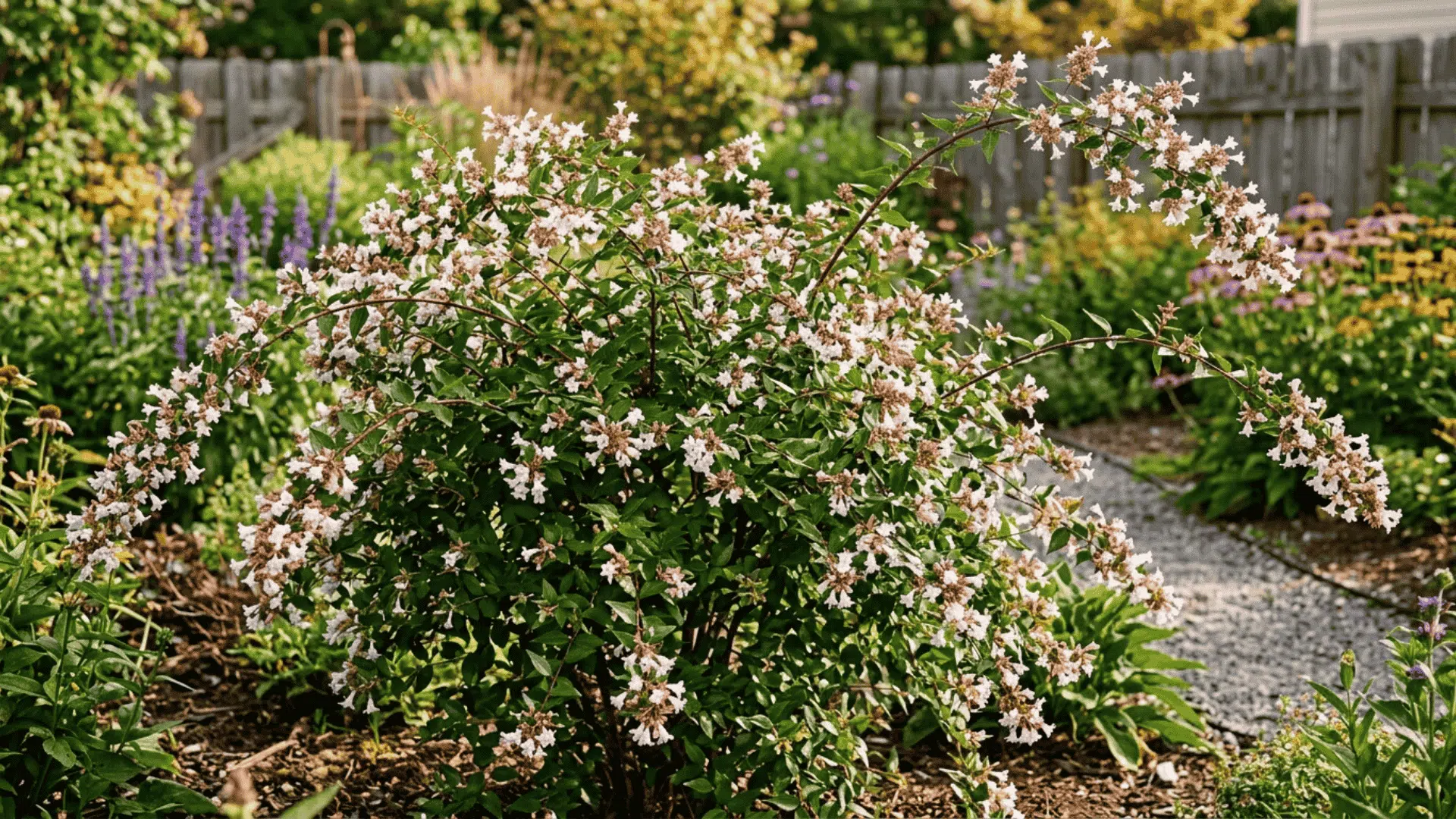
Abelia is a semi-evergreen flowering bush that blooms from late spring all the way through fall. Its small, tubular flowers in white or pink are a consistent draw for butterflies and hummingbirds.
It grows best in full sun to partial shade and well-drained soil. Abelia also holds its foliage well into winter in mild climates, providing form and visual interest long after the blooms have faded.
15. Mock Orange
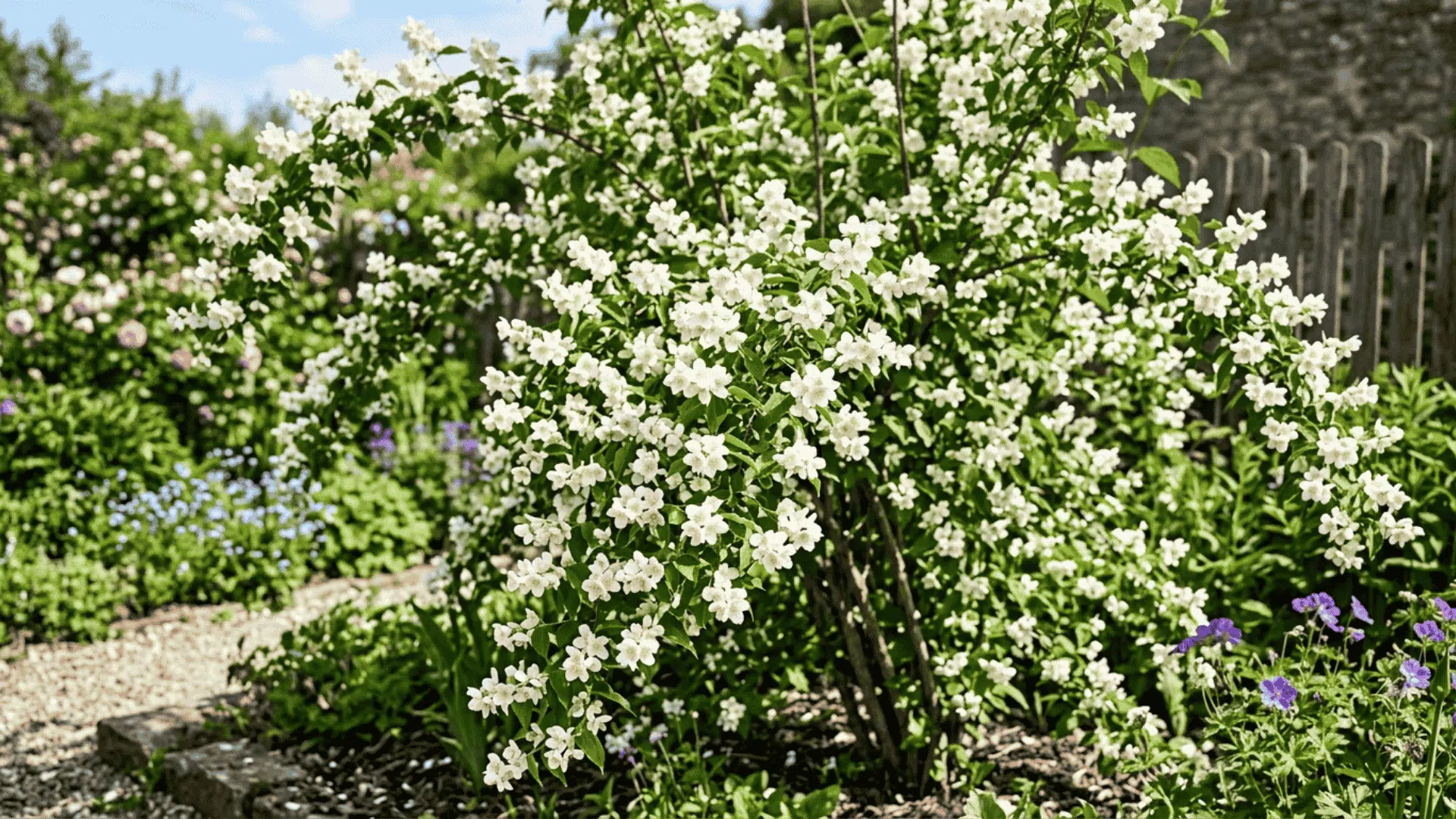
Mock Orange is a spring-blooming shrub known for its white, four-petaled flowers and strong citrus-like fragrance. It is a classic addition to cottage gardens and informal borders.
It does best in full sun and well-drained soil and is quite tolerant of cold temperatures. After flowering, its dense green foliage continues to provide a clean backdrop for other plants in the garden.
16. Bluebeard
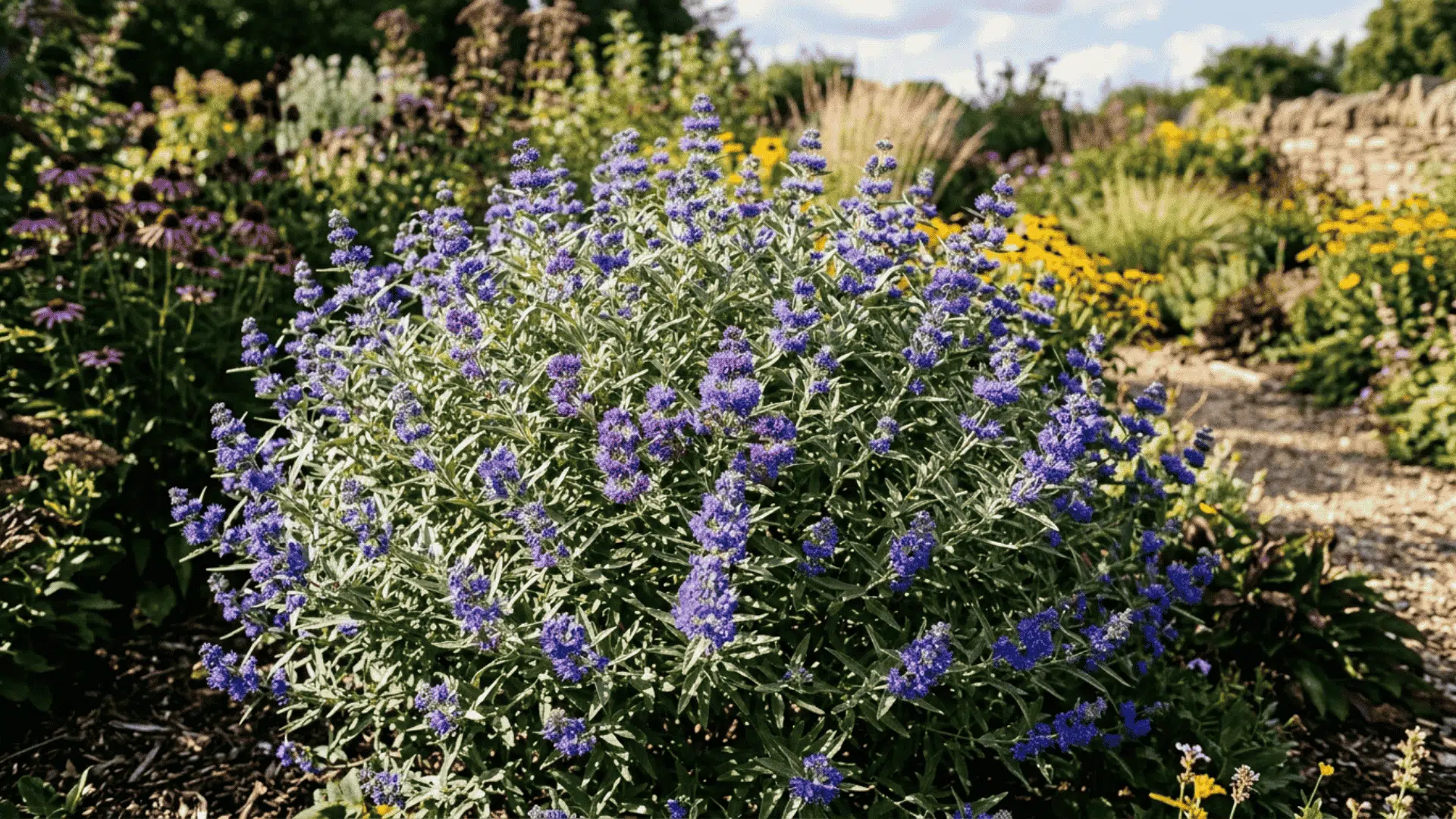
Bluebeard is a small, mounding flowering shrub that produces clusters of bright blue or purple flowers from late summer through fall.
It fills a color gap that many other shrubs leave open during the later months of the season.
It thrives in full sun and well-drained soil and handles drought conditions well once established. Its silvery-green foliage also adds a soft contrast against the bold blue blooms throughout the season.
17. Ninebark
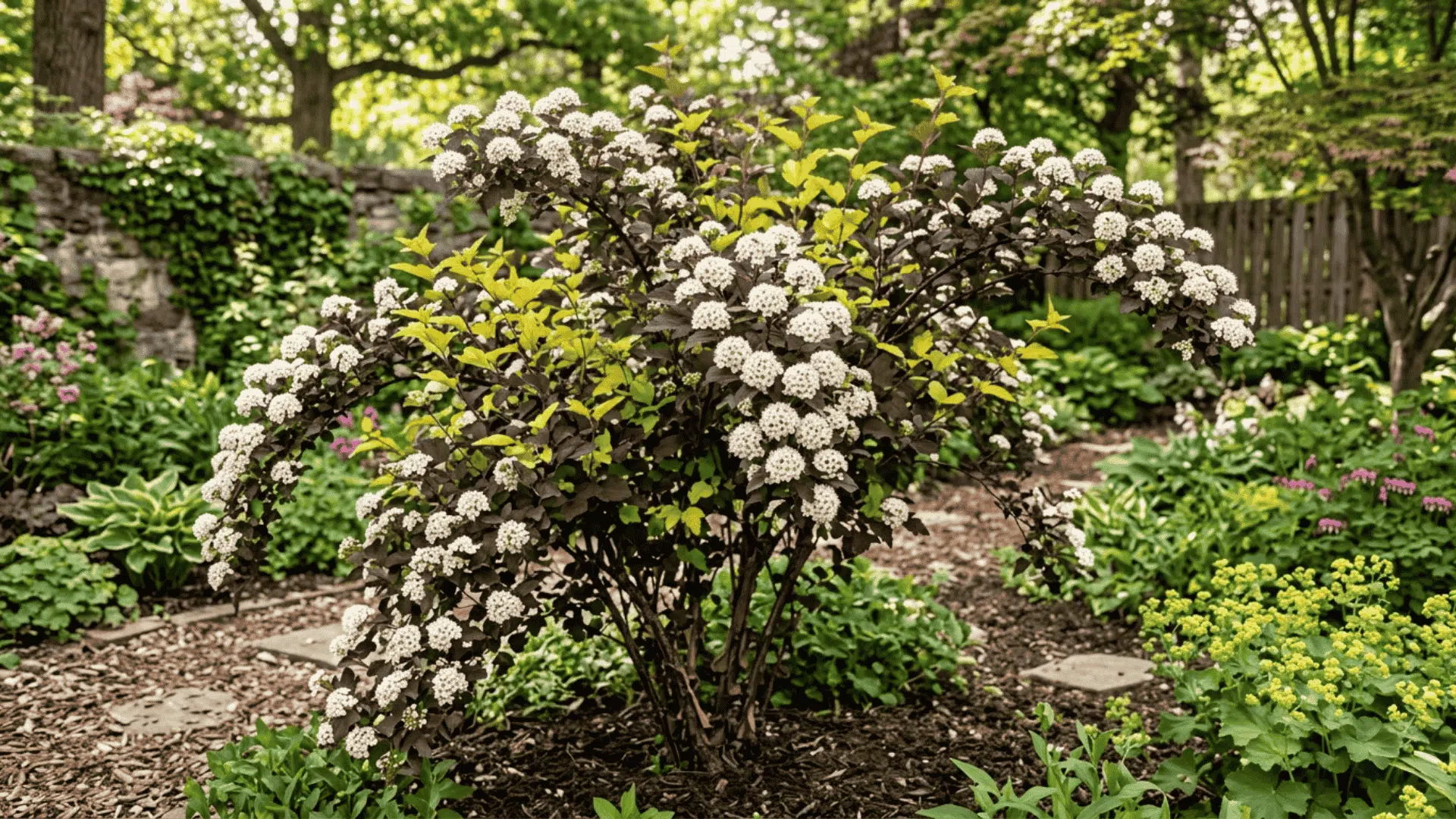
Ninebark is a hardy flowering bush that offers more than just blooms. It produces clusters of small white or pink flowers in late spring, but its real standout feature is its striking foliage in shades of burgundy, gold, or green.
It grows well in full sun to partial shade and tolerates a wide range of soil conditions, including clay. Ninebark is also highly resistant to pests and disease, making it a low-maintenance choice for busy gardeners.
18. Japanese Kerria
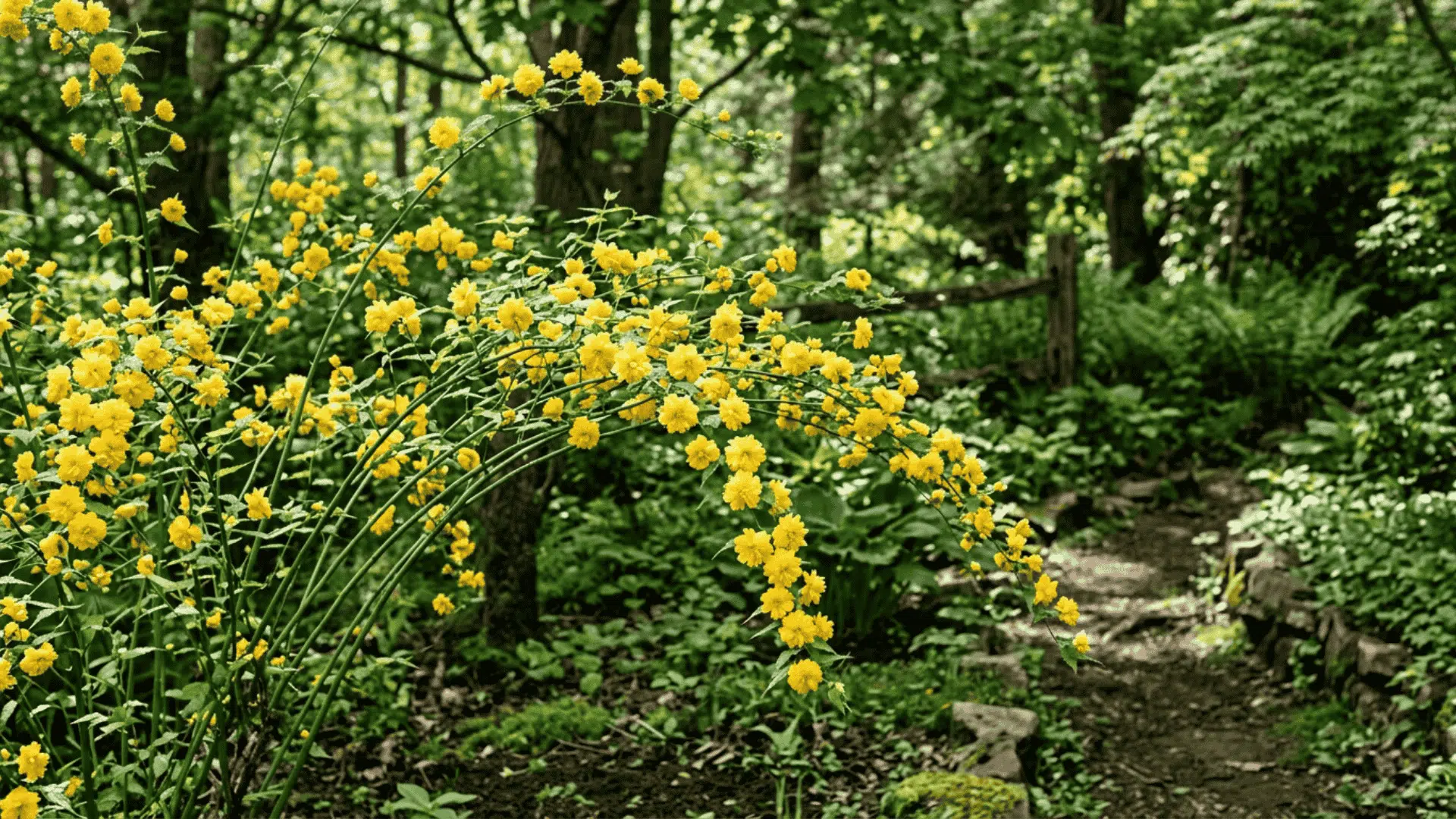
Japanese Kerria is a spring-blooming shrub that produces bright yellow, rose-like flowers along arching green stems.
It is one of the few flowering bushes that thrives in full shade, making it a valuable option for darker garden spots.
It prefers moist, well-drained soil and is relatively low-maintenance once established. Its green stems also remain visible through winter, adding subtle interest to the garden during the colder months.
19. Daphne
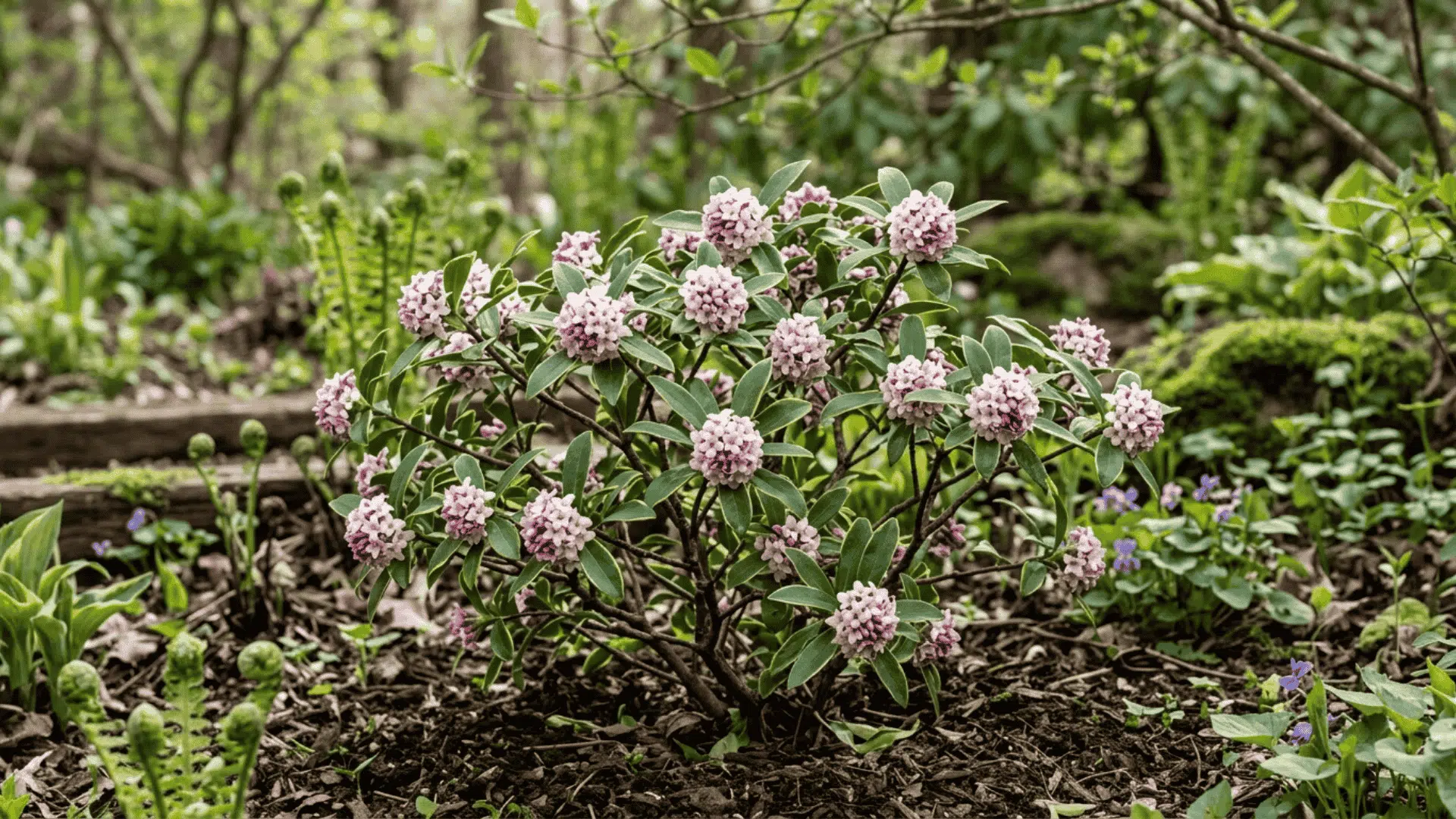
Daphne is a small but impactful flowering shrub known for its intensely fragrant blooms in pink, white, or purple.
It typically flowers in late winter to early spring, making it one of the first fragrant shrubs to bloom each year.
It grows best in partial shade with well-drained, slightly alkaline soil. Daphne can be particular about its growing conditions, but the reward of its powerful fragrance makes it well worth the extra attention.
20. Summersweet
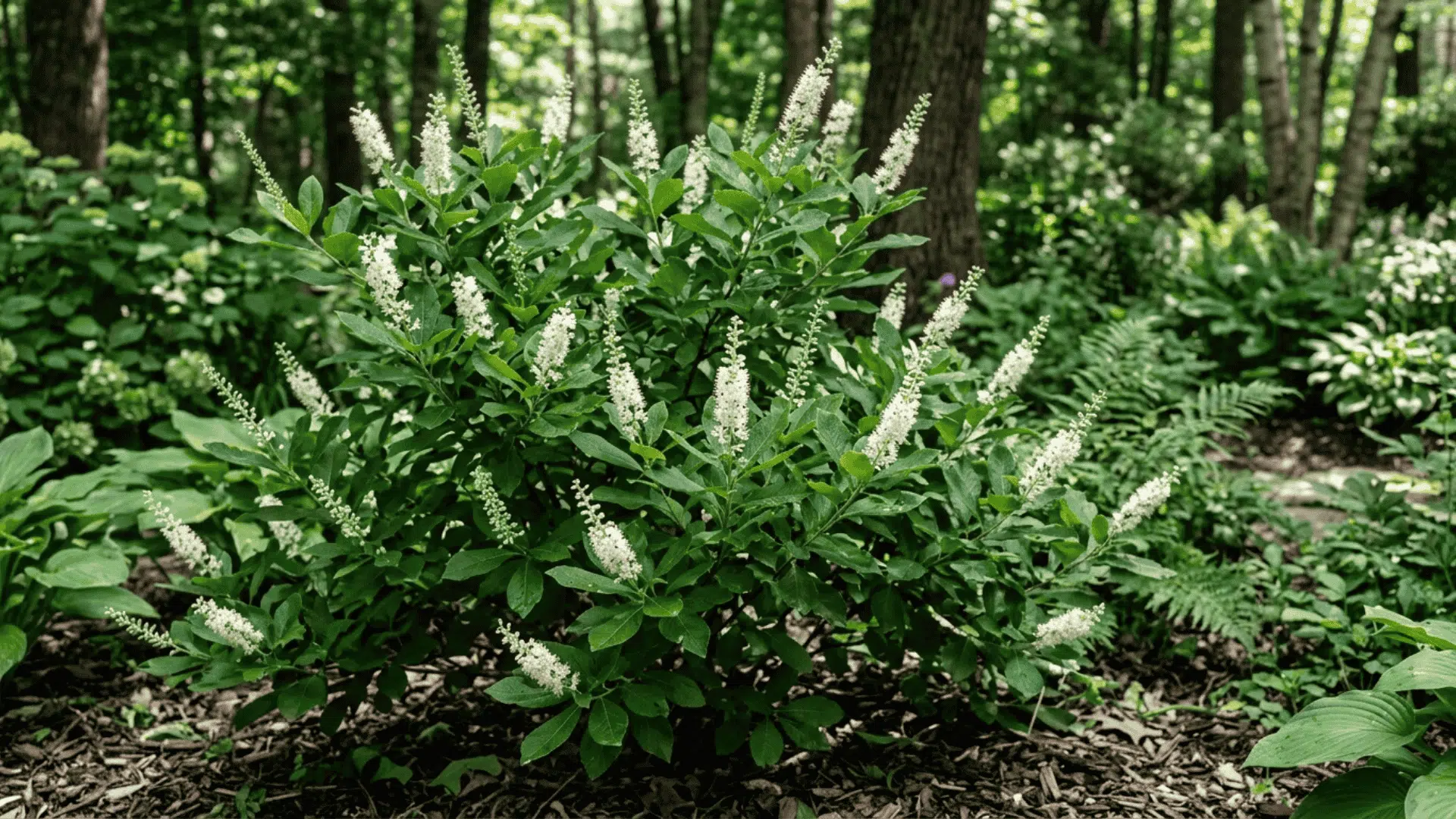
Summersweet is a native flowering bush that blooms in midsummer when many other shrubs have already finished.
It produces spikes of small white or pink flowers with a sweet, spicy fragrance that carries well through the garden.
It thrives in moist soil and partial to full shade, making it a strong choice for low-lying or shaded garden areas. Its foliage also turns a warm golden yellow in fall, extending its garden appeal well beyond the bloom season.
21. Beautyberry
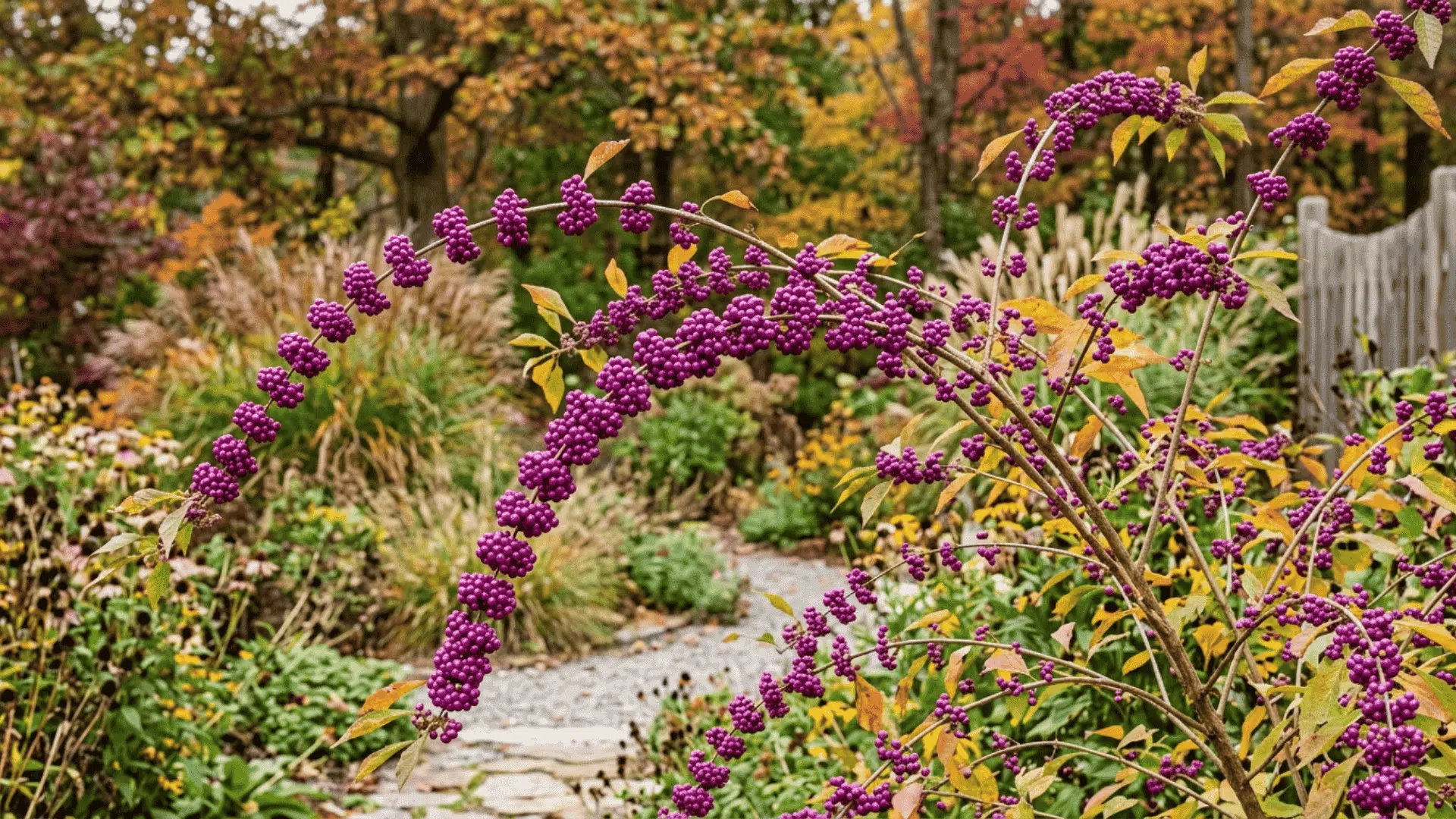
Beautyberry is a unique flowering bush grown primarily for its extraordinary clusters of bright purple or white berries that appear in fall. While its summer flowers are modest and small, the berries more than make up for it with a bold seasonal display.
It grows well in full sun to partial shade and adapts to most soil types. The berries also attract birds, making it a great addition to wildlife-friendly gardens.
22. Snowberry
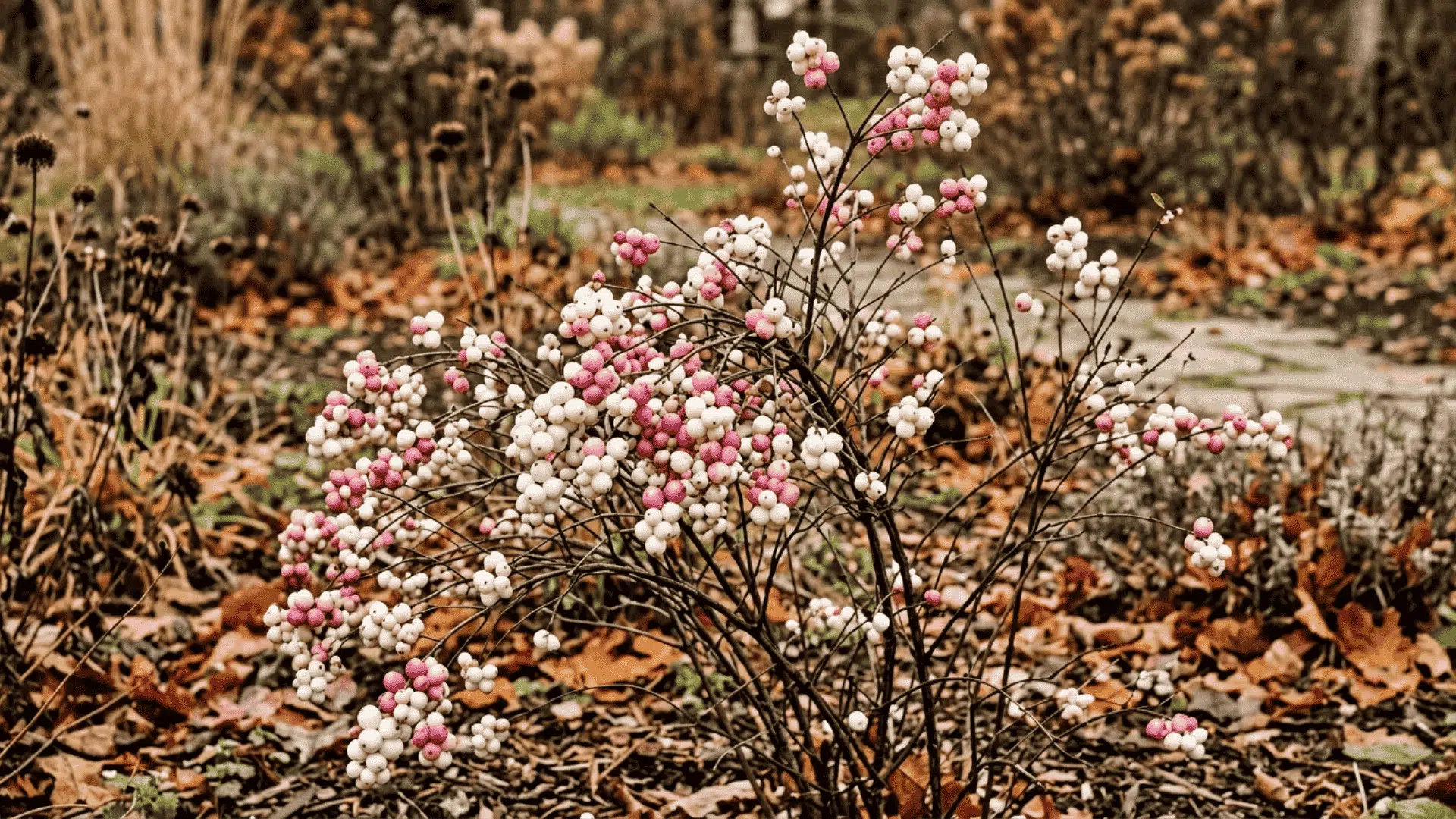
Snowberry is a deciduous flowering shrub that produces small pink flowers in summer, followed by distinctive white or pink berries in fall and winter.
The berries persist on the branches long after the leaves have dropped, providing off-season interest.
It is a tough, adaptable plant that grows in full sun to full shade and tolerates poor soil conditions. Snowberry also spreads naturally over time, making it useful for erosion control on slopes or banks.
23. Firethorn
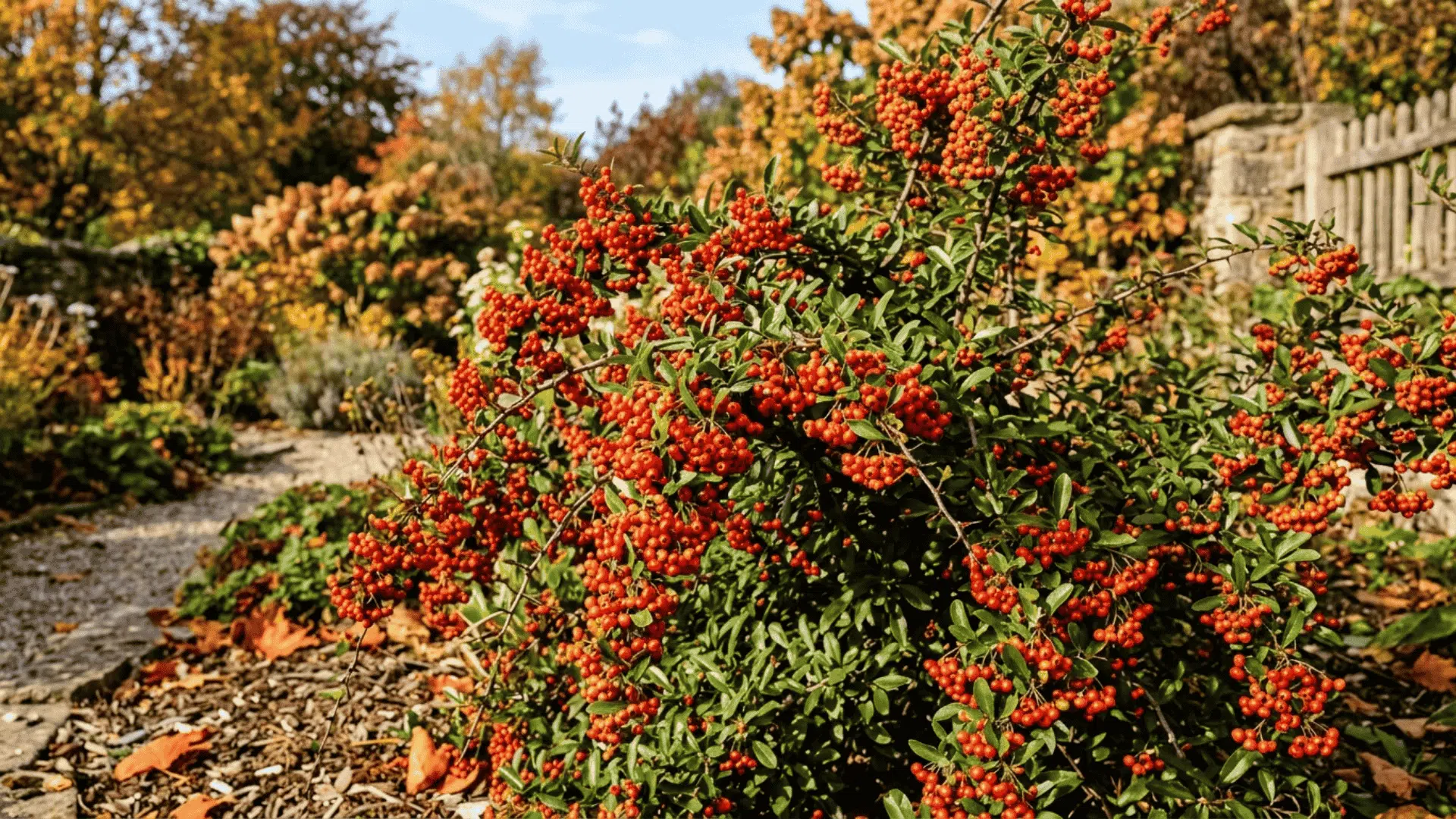
Firethorn is an evergreen flowering bush that produces clusters of small white flowers in spring, followed by masses of bright red, orange, or yellow berries in fall and winter. The berries are one of its most striking seasonal features.
It grows vigorously in full sun and well-drained soil and can be trained against a wall or fence as an espalier.
Its sharp thorns also make it an effective barrier hedge, combining both function and visual appeal.
24. Oleander
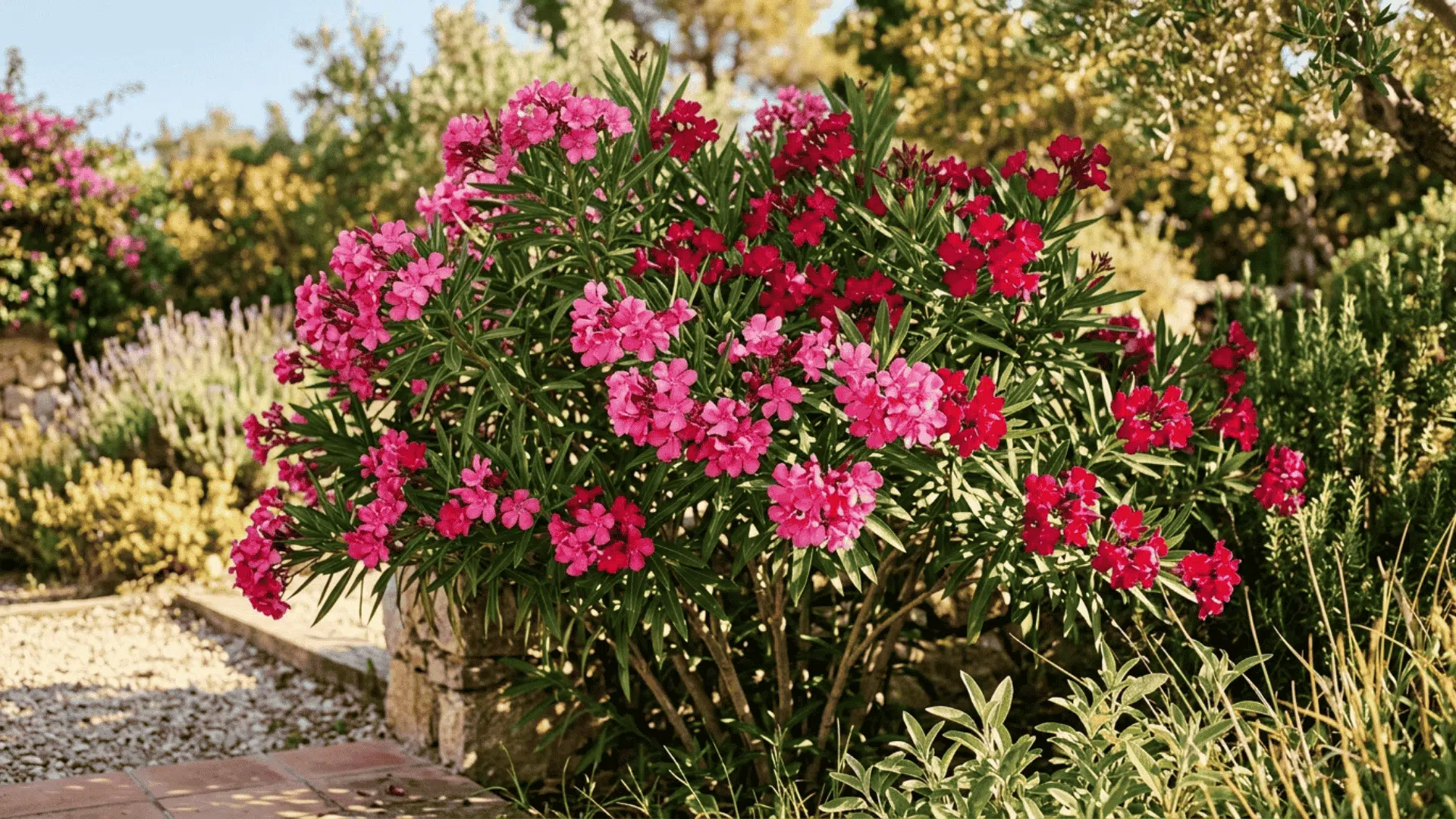
Oleander is a warm-climate flowering shrub that blooms prolifically from spring through fall.
It produces clusters of red, pink, white, or yellow flowers and is widely used in southern and coastal gardens for its heat- and drought-tolerance.
It thrives in full sun and well-drained soil and is resistant to salt spray, making it a strong choice for seaside gardens.
It is important to note that all parts of the Oleander plant are toxic, so it should be planted with caution in gardens where children or pets are present.
25. Indian Hawthorn
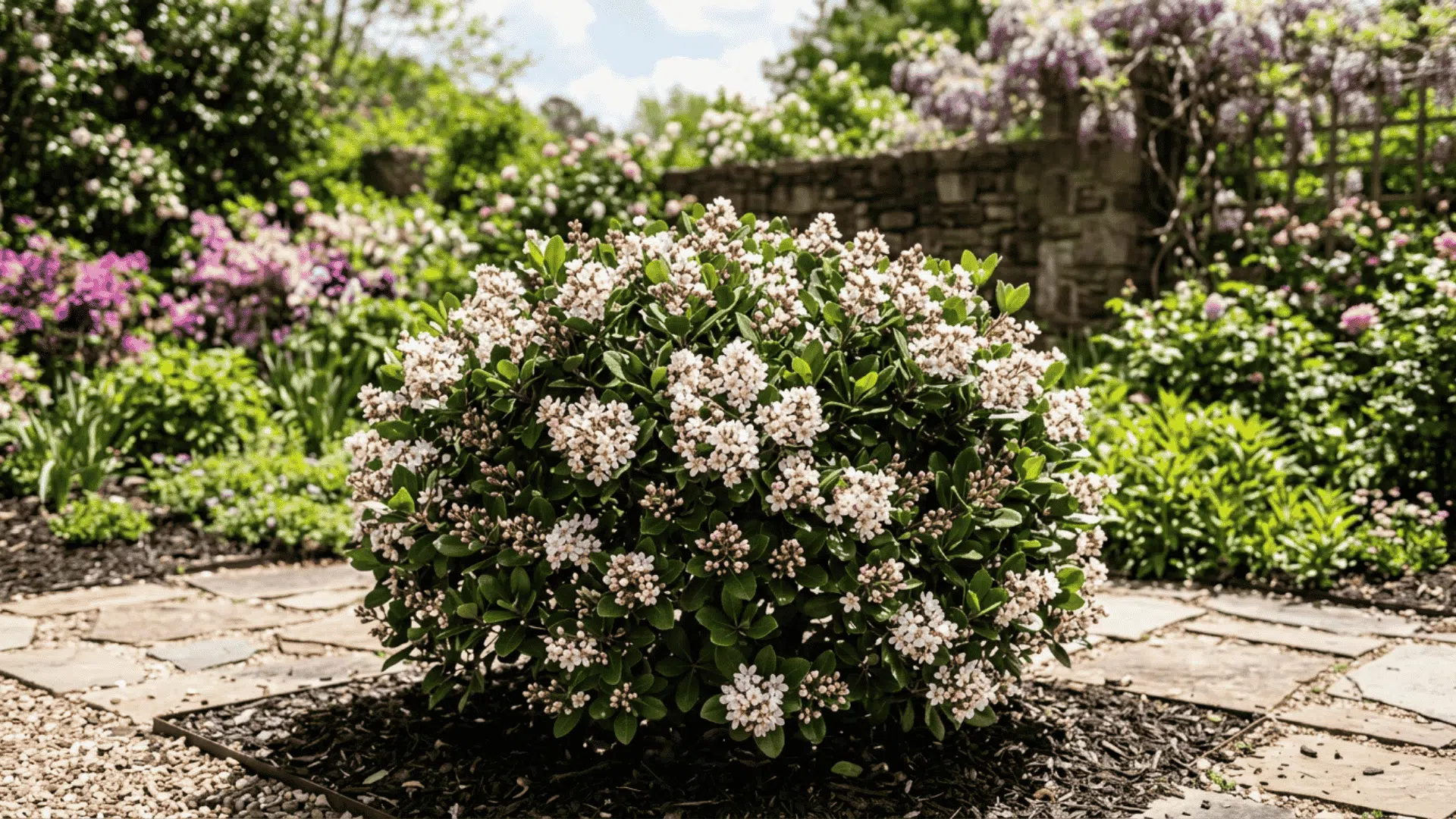
Indian Hawthorn is a compact evergreen flowering bush that produces clusters of small pink or white flowers in spring.
It is a popular choice for low borders, foundation plantings, and mass plantings in southern gardens.
It thrives in full sun and well-drained soil and is highly tolerant of heat, drought, and salt spray. Its dark green foliage also provides a clean, structured look throughout the year, even when the plant is not in bloom.
26. Escallonia
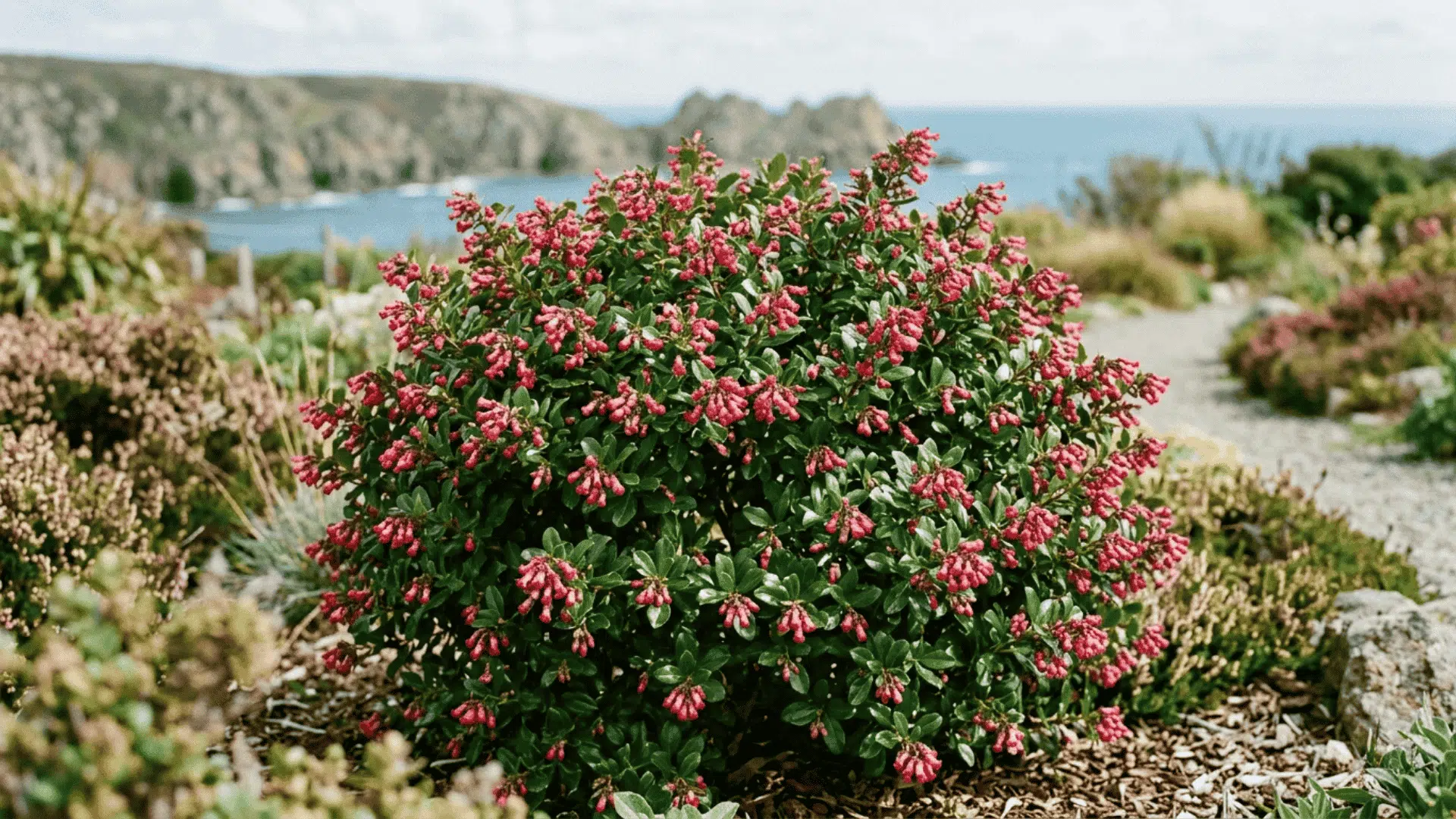
Escallonia is an evergreen flowering shrub that produces small tubular flowers in pink, red, or white from late spring through summer. It is a particularly popular choice for coastal gardens due to its strong tolerance for wind and salt air.
It grows best in full sun and well-drained soil. Escallonia also responds well to pruning, making it a practical option for shaped hedges and formal garden borders.
27. Rockrose
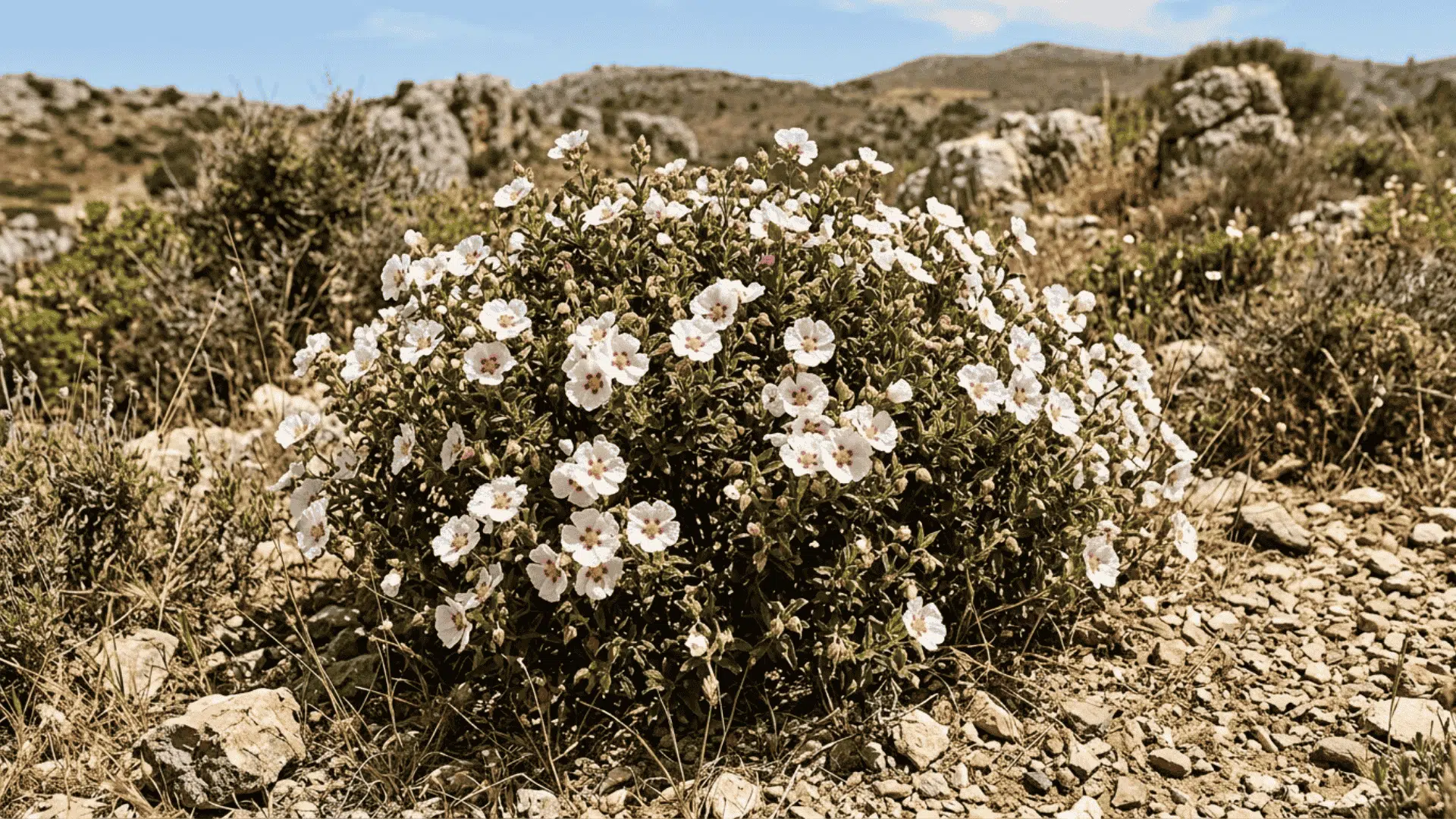
Rockrose is a drought-tolerant flowering bush that produces papery, rose-like flowers in white, pink, or purple during late spring and early summer.
It is a strong performer in dry, rocky conditions where many other shrubs struggle to survive.
It thrives in full sun and poor, well-drained soil and requires very little maintenance once established. Rockrose is an especially practical choice for water-wise gardens or for difficult-to-irrigate slopes.
28. Lavender Shrub Varieties
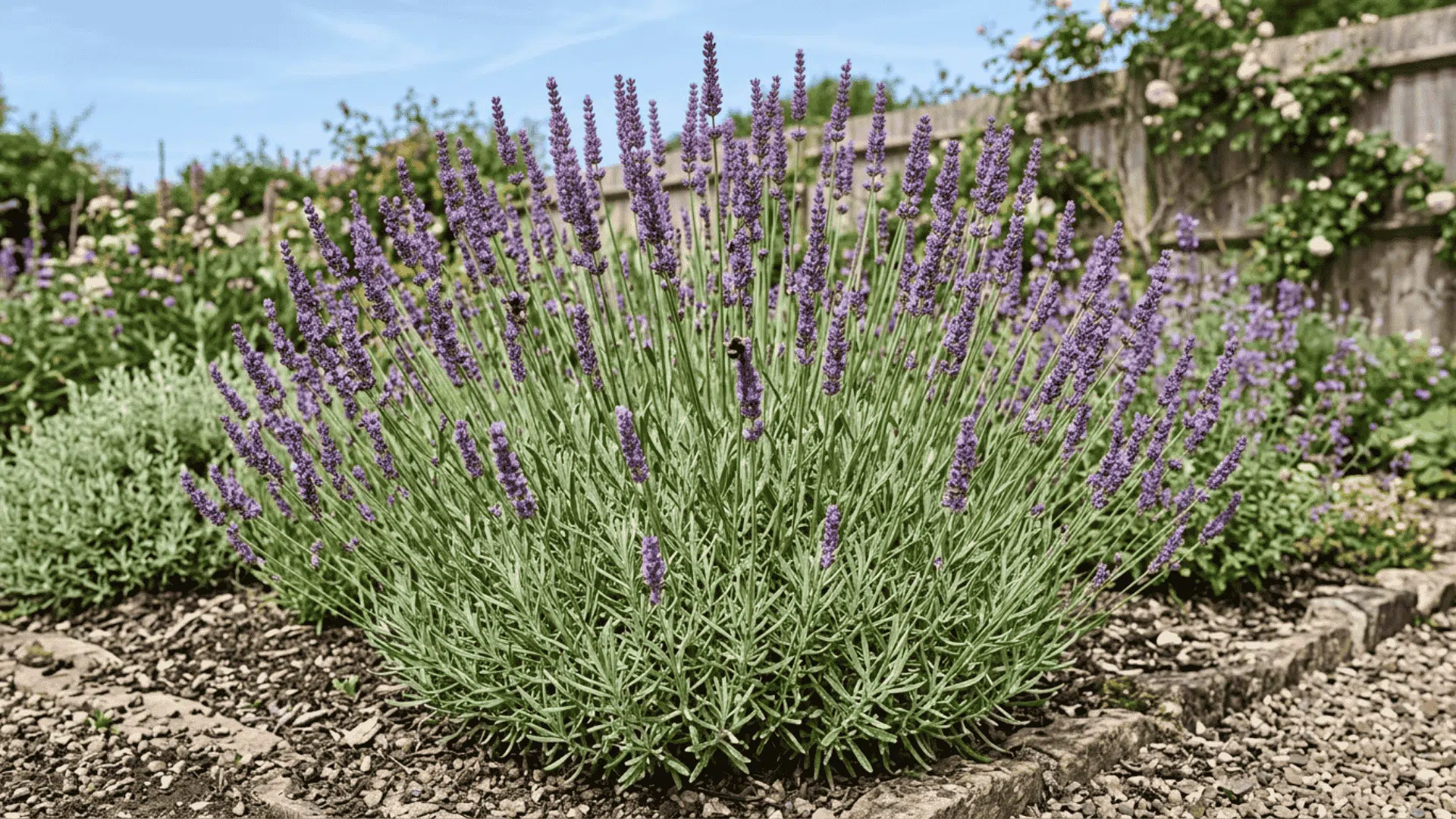
Lavender is one of the most recognized flowering shrubs in both gardens and landscapes.
Its tall purple flower spikes bloom from late spring through summer and carry a distinctive fragrance, making it a standout in any planting.
It grows best in full sun and well-drained, slightly alkaline soil. Beyond its visual appeal, lavender is also valued for its ability to attract pollinators and its wide range of practical uses in cooking, aromatherapy, and natural pest control.
29. Barberry
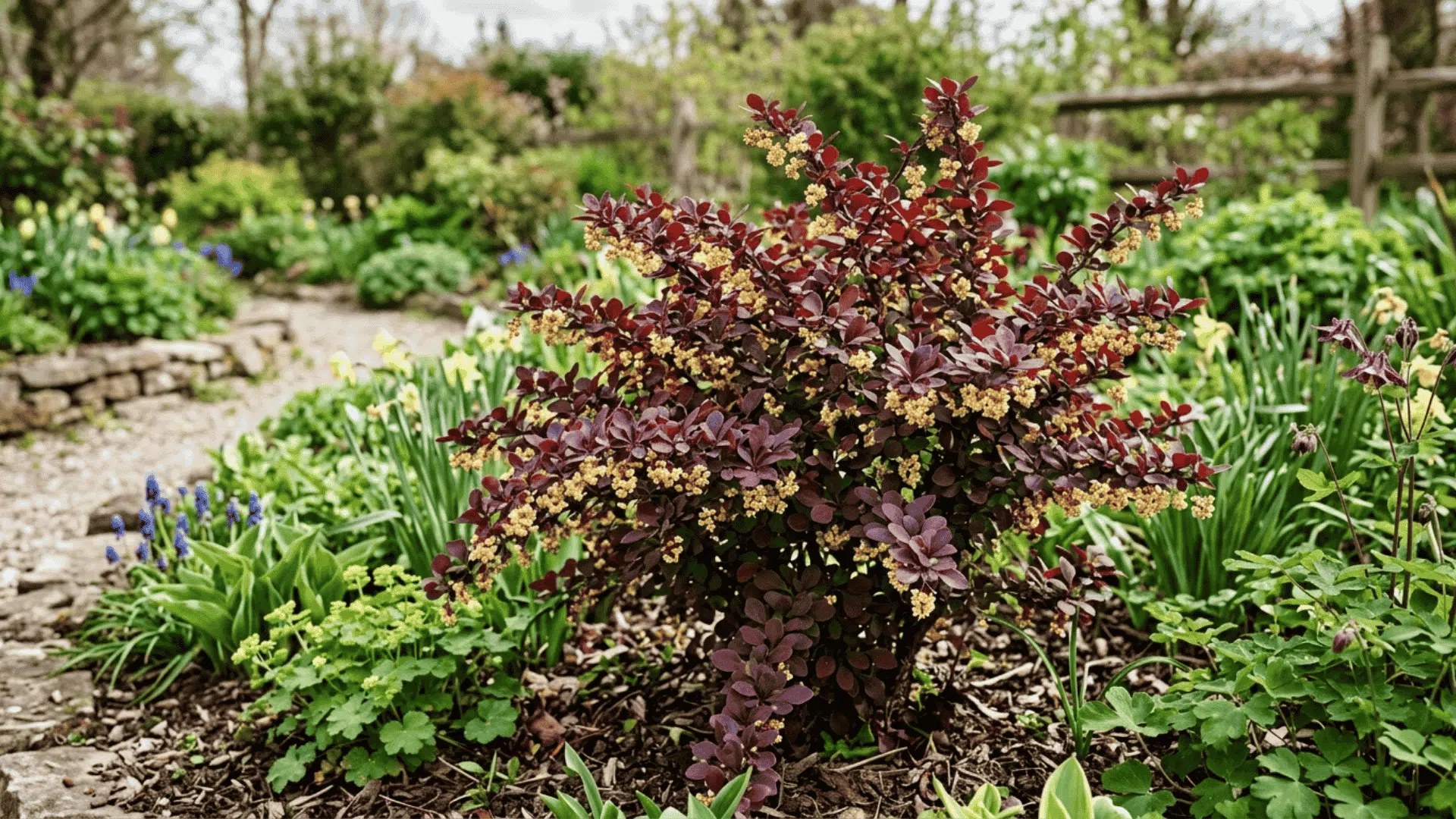
Barberry is a hardy flowering bush known for its small yellow flowers in spring and its striking foliage in shades of red, purple, or gold.
While the flowers are modest, the colorful leaves provide consistent visual interest from spring through fall.
It grows well in full sun to partial shade and tolerates a wide range of soil conditions. Barberry is also highly resistant to deer, drought, and poor soil, making it a dependable low-maintenance choice for challenging garden spots.
30. Witch Hazel
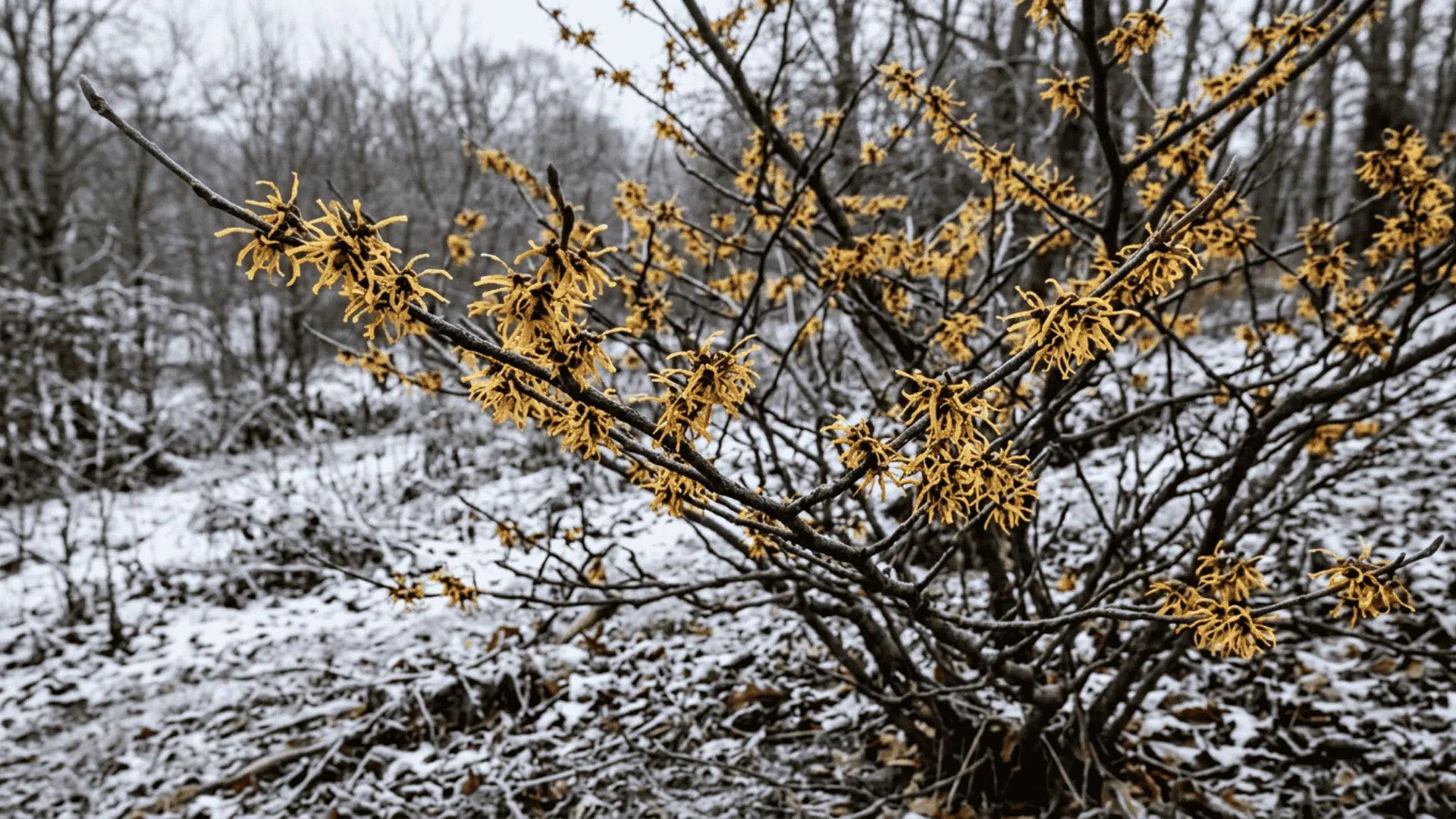
Witch Hazel is a unique flowering shrub that blooms in late fall or winter, producing spidery yellow, orange, or red flowers directly on bare branches. It is one of the very few flowering bushes that bring color to the garden during the coldest months of the year.
It grows best in full sun to partial shade and moist, well-drained soil. Its fall foliage also turns brilliant shades of yellow, orange, and red before the leaves drop, giving it two distinct seasons of visual interest.
31. Pieris Japonica
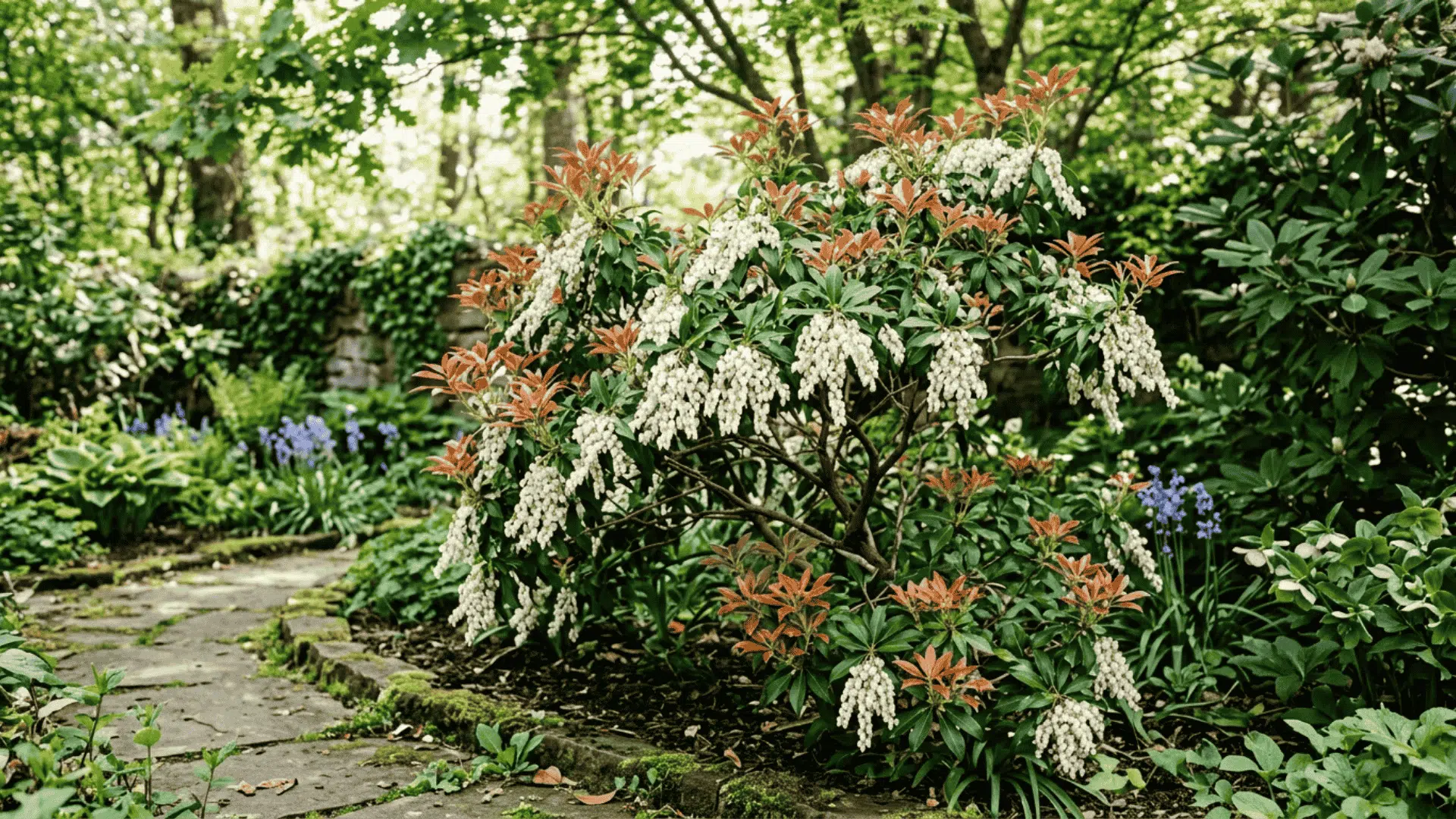
Pieris Japonica is an evergreen flowering shrub that produces delicate chains of small white or pink bell-shaped flowers in late winter to early spring.
It is one of the earliest-flowering bushes, blooming each year, making it a valuable source of early-season color.
It grows best in partial shade with acidic, well-drained soil. Its new foliage emerges in shades of bright red or bronze before maturing to green, adding an extra layer of color and texture throughout the growing season.
Choose the Right Flowering Shrubs for Any Garden Size
Choosing the right shrubs depends on your space, sunlight, and how much maintenance you want. A few simple checks can help you pick plants that grow well and fit your garden perfectly.
| Garden Size | What to Choose | Why It Works |
|---|---|---|
| Small Garden | Compact shrubs like Potentilla, Lavender, or Indian Hawthorn | Saves space and keeps the area neat without overcrowding |
| Medium Garden | Balanced shrubs like Hydrangea, Azalea, or Weigela | Adds color and structure without taking over the space |
| Large Garden | Larger shrubs like Lilac, Viburnum, or Rose of Sharon | Fills space well and creates strong visual impact |
| Shady Areas | Plants like Camellia, Japanese Kerria, or Summersweet | Thrives in low light where other plants may struggle |
| Sunny Spots | Sun-loving shrubs like Butterfly Bush, Forsythia, or Oleander | Performs best with full sunlight and blooms better |
| Low-Maintenance Needs | Hardy options like Spirea, Ninebark, or Barberry | Requires less care and adapts to different conditions |
| Seasonal Color Planning | Mix early, mid, and late bloomers | Keeps your garden colorful throughout the year |
Conclusion
A well-planned garden does not have to lose its appeal when one season ends.
By choosing the right mix of flowering shrubs, it is possible to keep something blooming from the first warm days of spring all the way through the coldest months of winter.
The key is combining early, mid, and late bloomers so there is always something adding interest, form, or texture to the space.
Start with a few varieties, see what works best, and build from there. A colorful garden year-round is entirely achievable.

With a Master’s in Landscape Architecture from the University of Virginia, Sophia Stephenson has dedicated the last 20 years to creating and maintaining vibrant outdoor spaces. Her professional journey started in landscape design, where she gained a reputation for innovative and sustainable approaches. Sophia became a part of our editorial team as a freelancer in 2019, offering a fresh perspective on outdoor living. Since 2020, she has been the chief for our outdoor design content, blending aesthetic appeal with environmental stewardship. In her leisure time, Sophia is a keen photographer, capturing the beauty of natural landscapes, a hobby that complements her professional expertise.