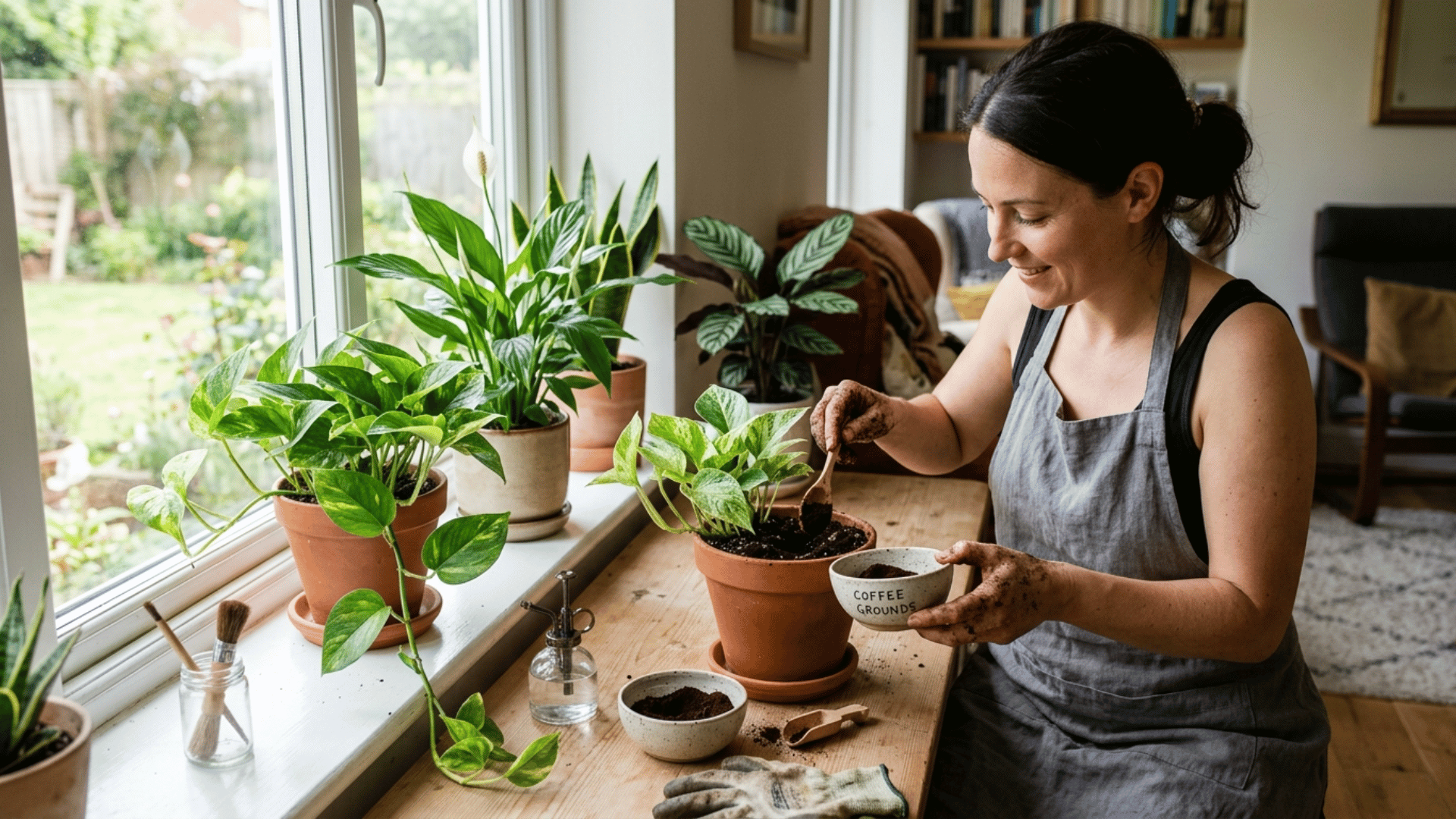

Used coffee grounds often end up in the trash, but many plant owners wonder if they can put them to better use.
The truth is, not every plant will benefit, and using them the wrong way can do more harm than good. That’s why it helps to know what actually works.
If you’ve been searching for what indoor plants like coffee grounds or what plants like coffee grounds, you’re in the right place.
This blog breaks it down simply so you can use coffee grounds wisely and keep your indoor plants healthy without guesswork.
Are Coffee Grounds Good for Indoor Plants?
Coffee grounds can be useful for indoor plants, but only when used the right way. They contain nitrogen along with small amounts of potassium and phosphorus, which can support plant growth over time.
They also add organic matter to the soil, helping improve its texture and moisture retention. That said, there’s a catch many people miss when figuring out what indoor plants like coffee grounds or what plants like coffee grounds.
Fresh grounds are acidic, but used ones are closer to neutral. Even then, adding too much can compact the soil, reduce airflow, and even lead to mold indoors.
Indoor Plants That Can Benefit from Coffee Grounds
Coffee grounds can be useful, but only for the right plants and in the right amount. Instead of applying them to everything, it’s better to focus on indoor plants that can actually handle the extra organic matter and mild nutrients.
1. Pothos (Money Plant)
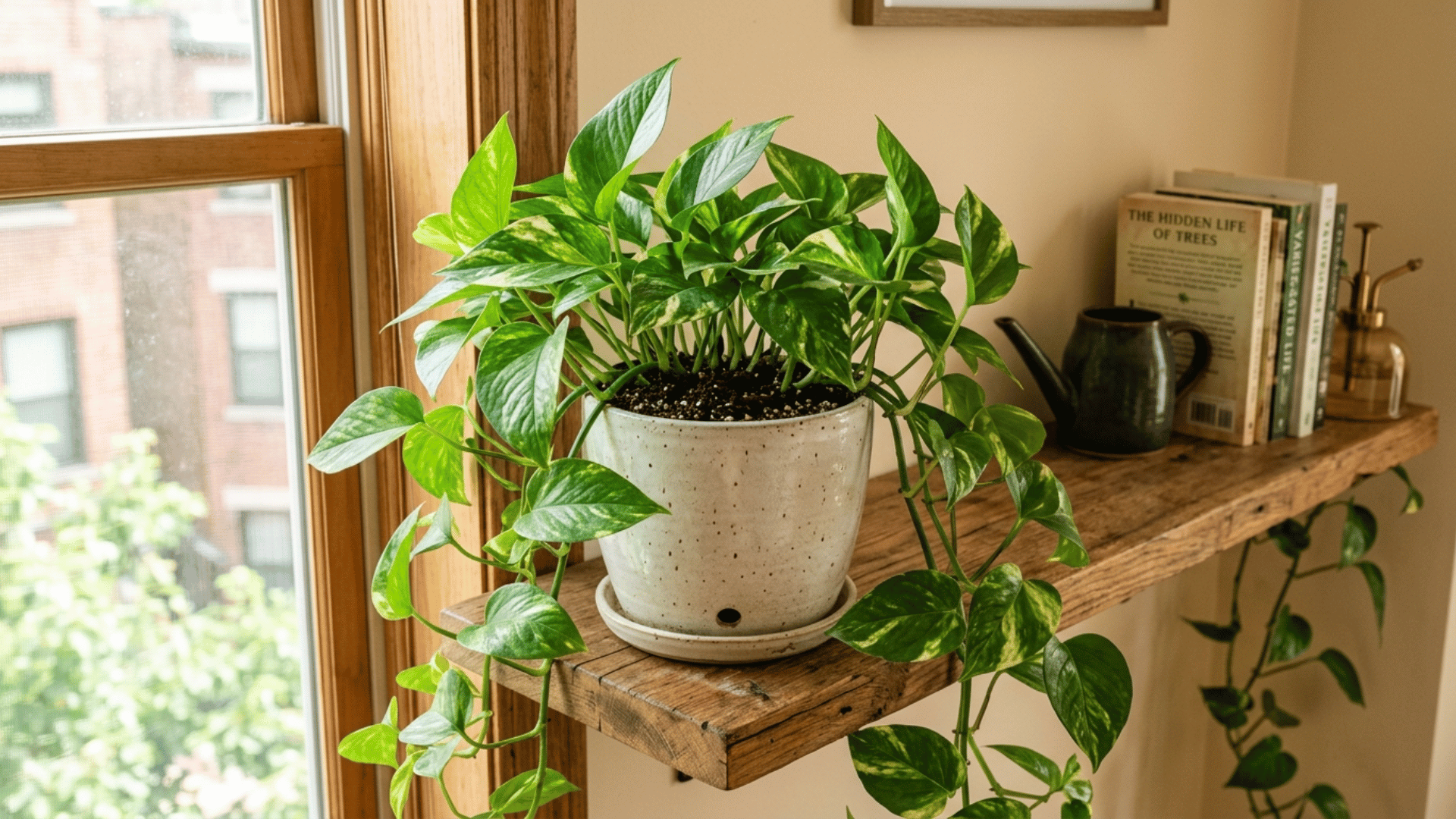
Pothos is one of the easiest houseplants to care for, and it adapts well to minor changes in feeding. Since it grows quickly, it can take advantage of the mild nutrients in coffee grounds. Still, too much can slow it down rather than help. Keeping the amount low is key here.
How to use:
- Dry the used coffee grounds first
- Mix about 1 teaspoon into the topsoil
- Gently loosen the soil so it blends well
- Apply once a month only
- You can also add it through compost
2. Peace Lily
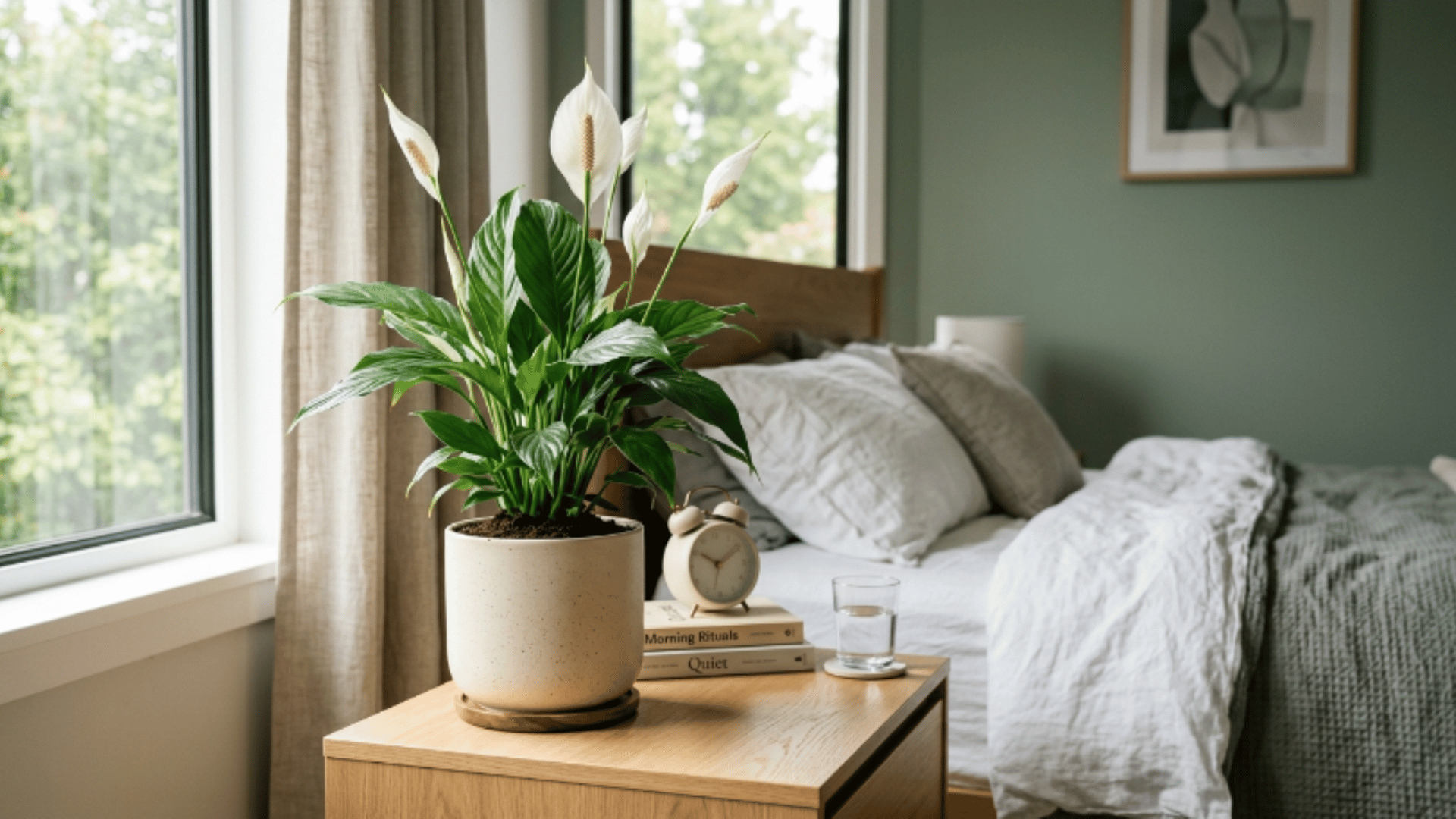
Peace lilies prefer slightly acidic soil, which makes them a decent match for coffee grounds when used carefully. They are also sensitive to buildup, so balance matters. A little goes a long way with this plant.
How to use:
- Use only a very thin layer of dried grounds
- Lightly mix into the topsoil
- Do not leave it sitting on the surface
- Water lightly after mixing
- Repeat every 4 weeks at most
3. Philodendron
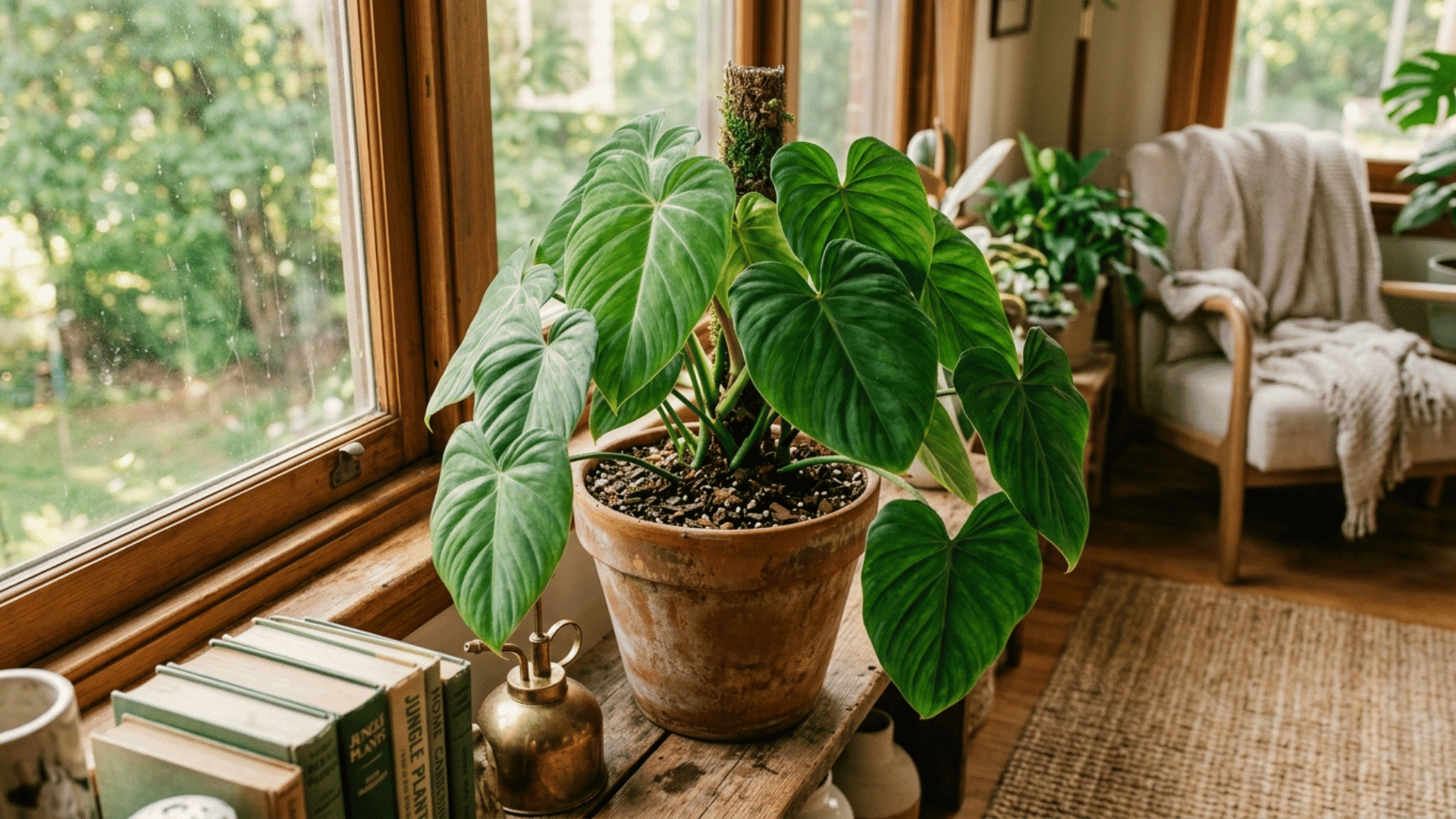
Philodendrons grow well in soil with some organic matter, so they can benefit from coffee grounds in the right form. However, they don’t do well with dense or compact soil. That’s why direct use isn’t the best option.
How to use:
- Add coffee grounds to the compost
- Mix compost into the potting soil evenly
- Avoid direct top application
- Use during repotting for best results
- Limit use to occasional feeding
4. Snake Plant (Sansevieria)
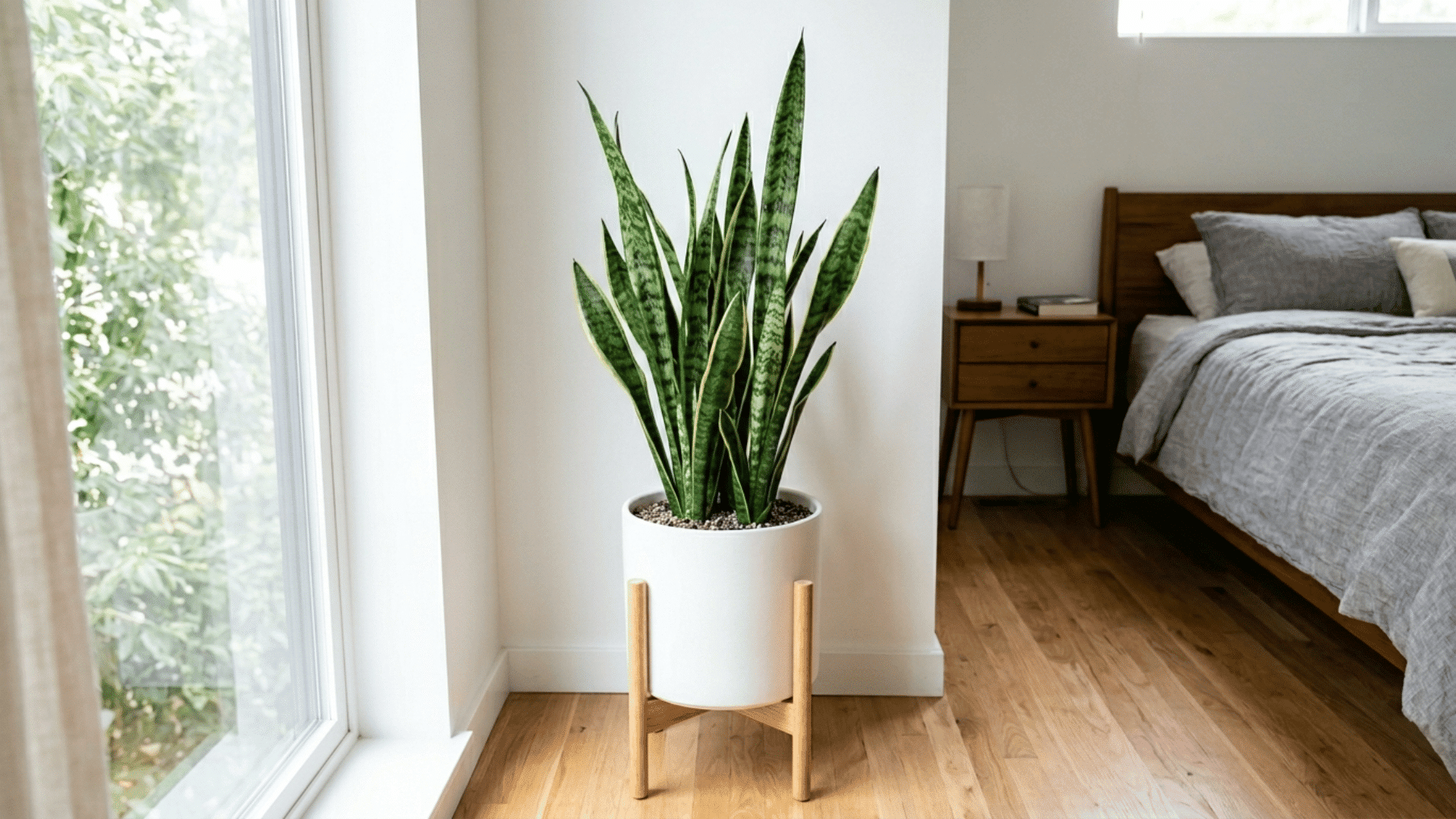
Snake plants are low-maintenance and don’t need much feeding at all. They can tolerate a small nutrient boost, but too much will do more harm than good. It’s better to stay on the safer side with this one.
How to use:
- Use a very small pinch of dried grounds
- Mix it directly into the soil, not on top
- Apply once every 6 to 8 weeks
- Keep soil well-draining
- Avoid overwatering after use
5. Spider Plant
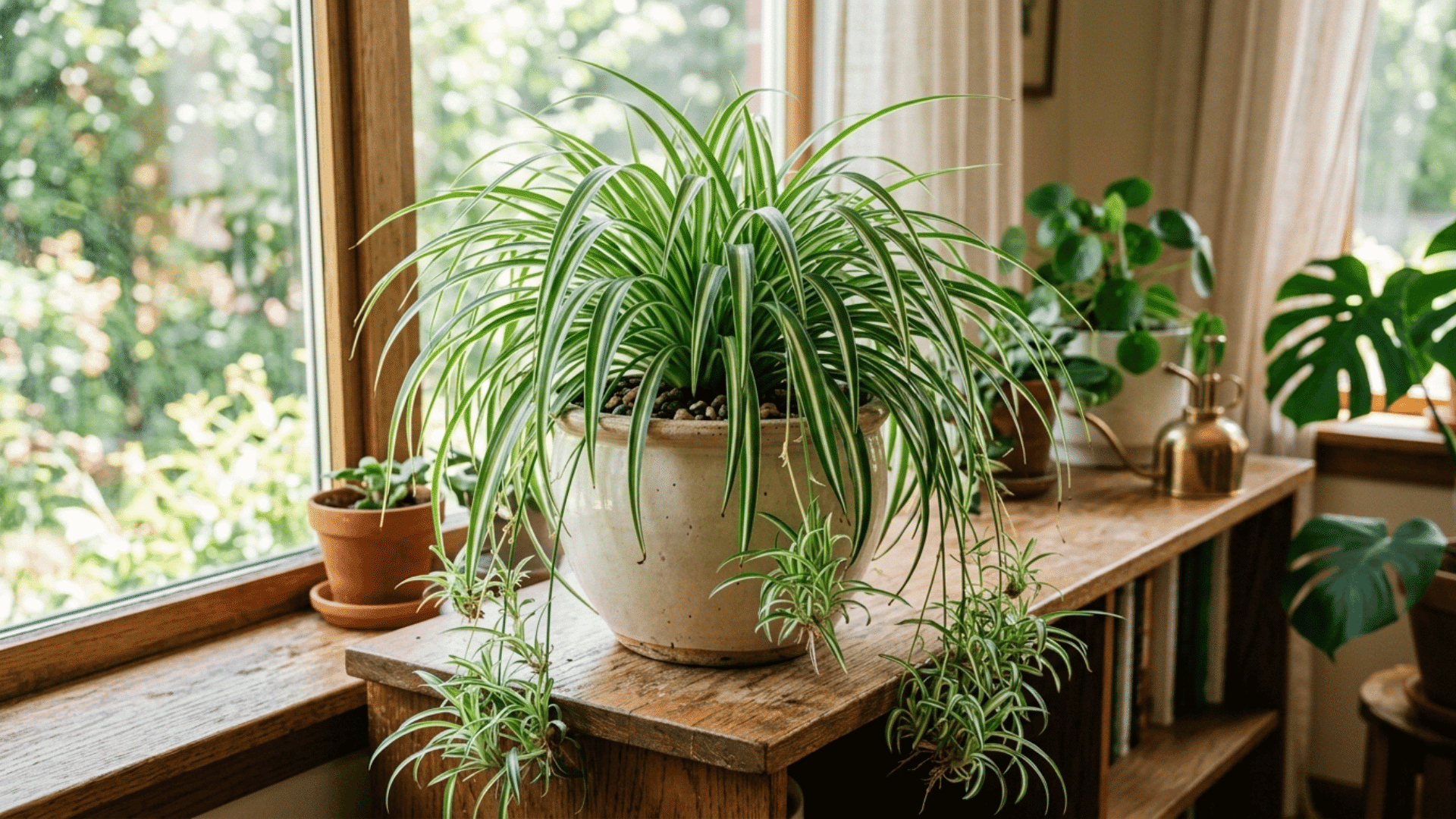
Spider plants respond well to light feeding, especially during active growth. Still, they don’t need strong fertilizers, so diluted coffee works better than solid grounds. Overdoing it can lead to buildup in the soil.
How to use:
- Brew weak coffee water (highly diluted)
- Let it cool completely
- Water the plant lightly with it
- Use once a month
- Avoid repeated applications
6. Rubber Plant (Ficus elastica)
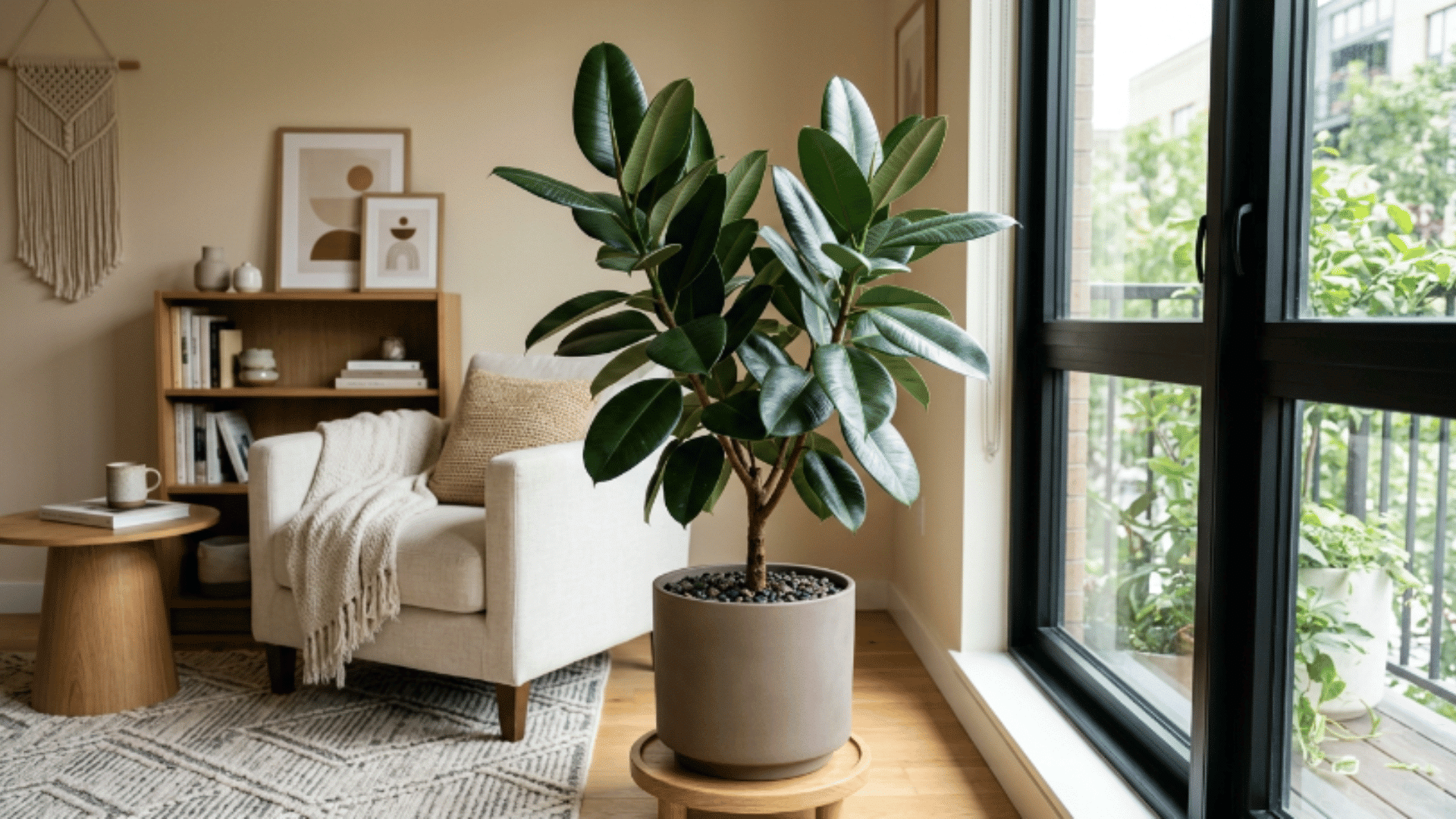
Rubber plants have large leaves and tend to use more nutrients than smaller houseplants. They can benefit from added organic matter, but only when it’s mixed properly. Surface application is not ideal here.
How to use:
- Mix small amounts into potting mix
- Do this during repotting
- Blend evenly into soil
- Avoid using as a top layer
- Use only occasionally
7. Boston Fern
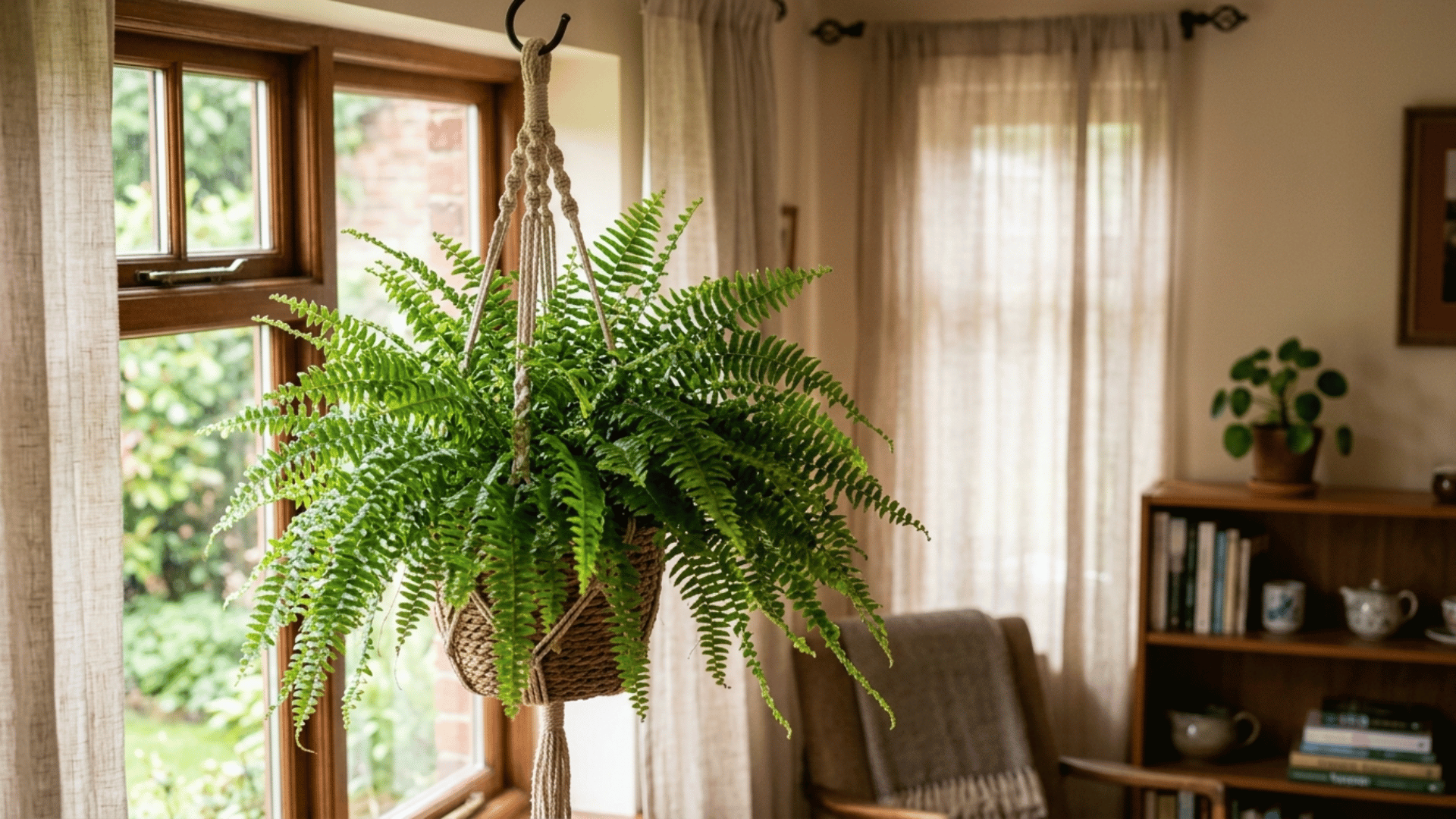
Boston ferns naturally prefer slightly acidic and rich soil, so they are one of the better matches. They can handle coffee grounds more easily than many other indoor plants. Even then, balance is still important.
How to use:
- Mix dried grounds into compost
- Add compost to soil every 3-4 weeks
- Keep soil moist but not soggy
- Avoid thick layers
- Monitor for mold indoors
8. Dracaena
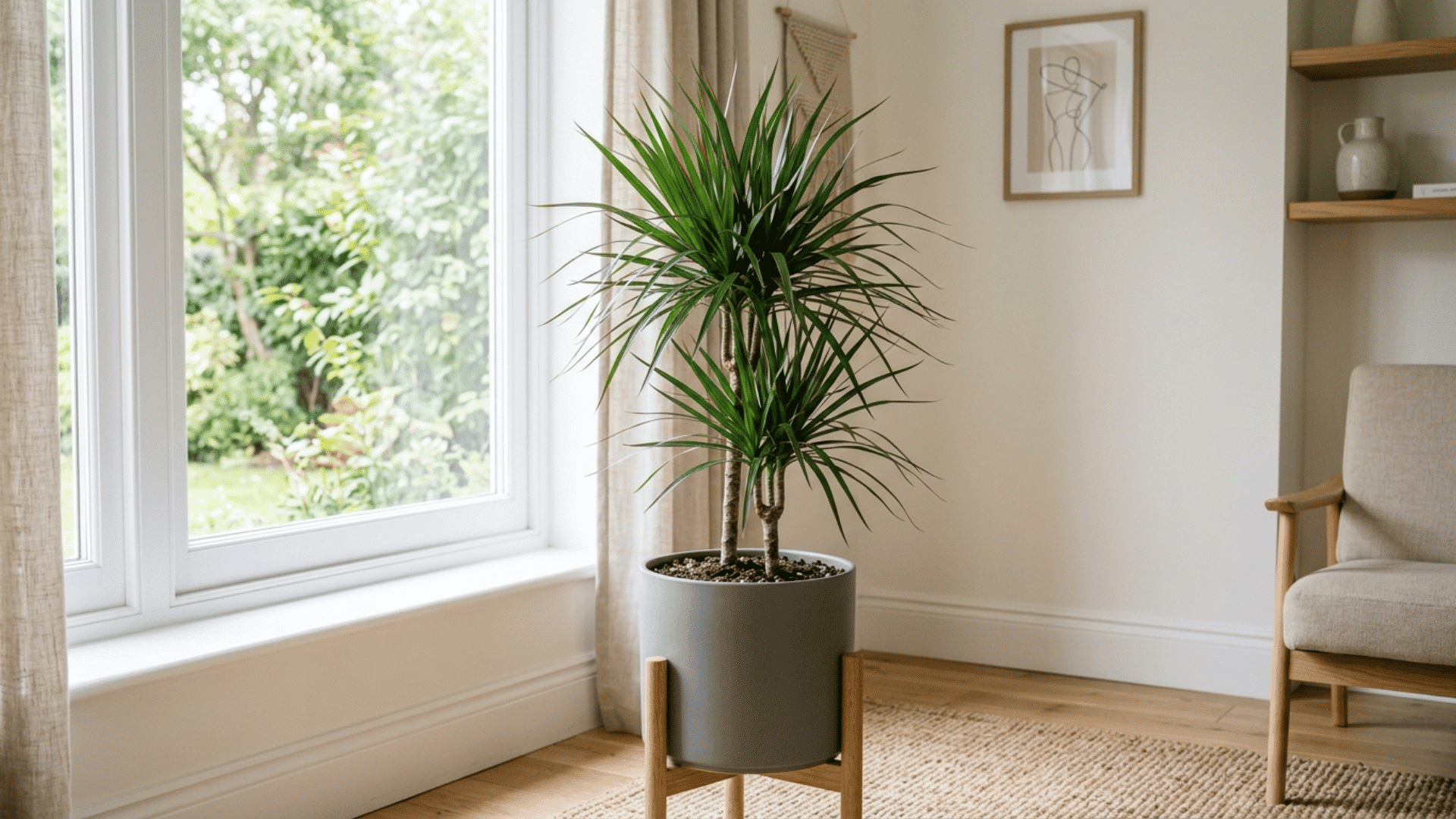
Dracaena plants can benefit from mild nutrients, but they are also known to be sensitive. Direct use of coffee grounds can sometimes stress the roots. A gentler approach works better.
How to use:
- Use only composted coffee grounds
- Mix into soil lightly
- Avoid direct application
- Apply in small quantities
- Space out usage every few weeks
9. ZZ Plant
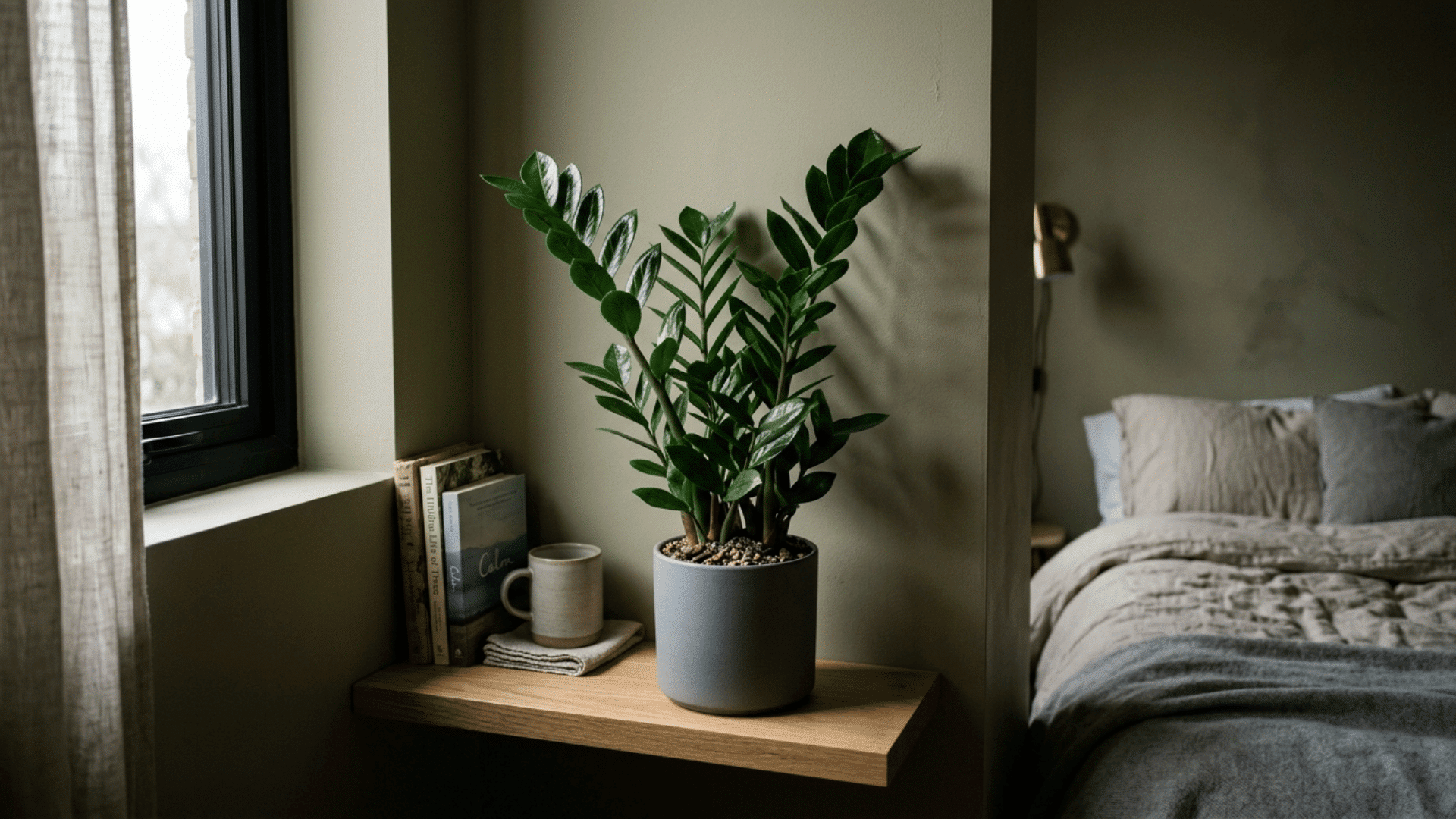
ZZ plants are very low maintenance and don’t need frequent feeding. They can tolerate small amounts, but they won’t benefit from regular use. Keeping it minimal is the safest approach.
How to use:
- Use only a pinch of dried grounds
- Mix into soil gently
- Apply once every 2 months
- Ensure soil stays airy
- Do not overwater
10. Anthurium
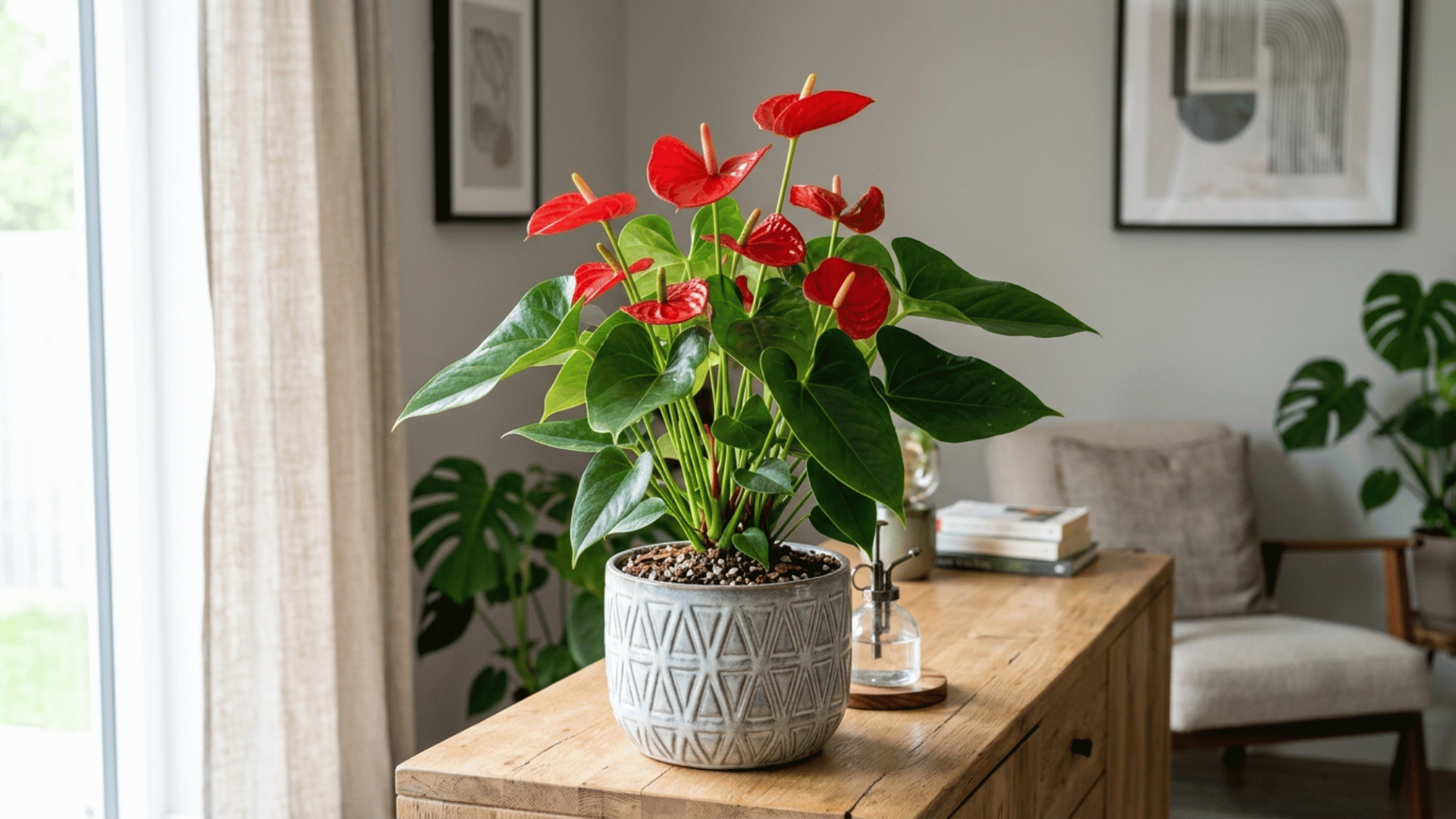
Anthuriums prefer slightly acidic conditions and well-draining soil, which makes them a reasonable match. They also react quickly to changes, so it’s important not to overdo it. Controlled use works best.
How to use:
- Mix small amounts into soil blend
- Ensure proper drainage
- Avoid water buildup
- Apply lightly every few weeks
- Do not overuse
11. African Violet
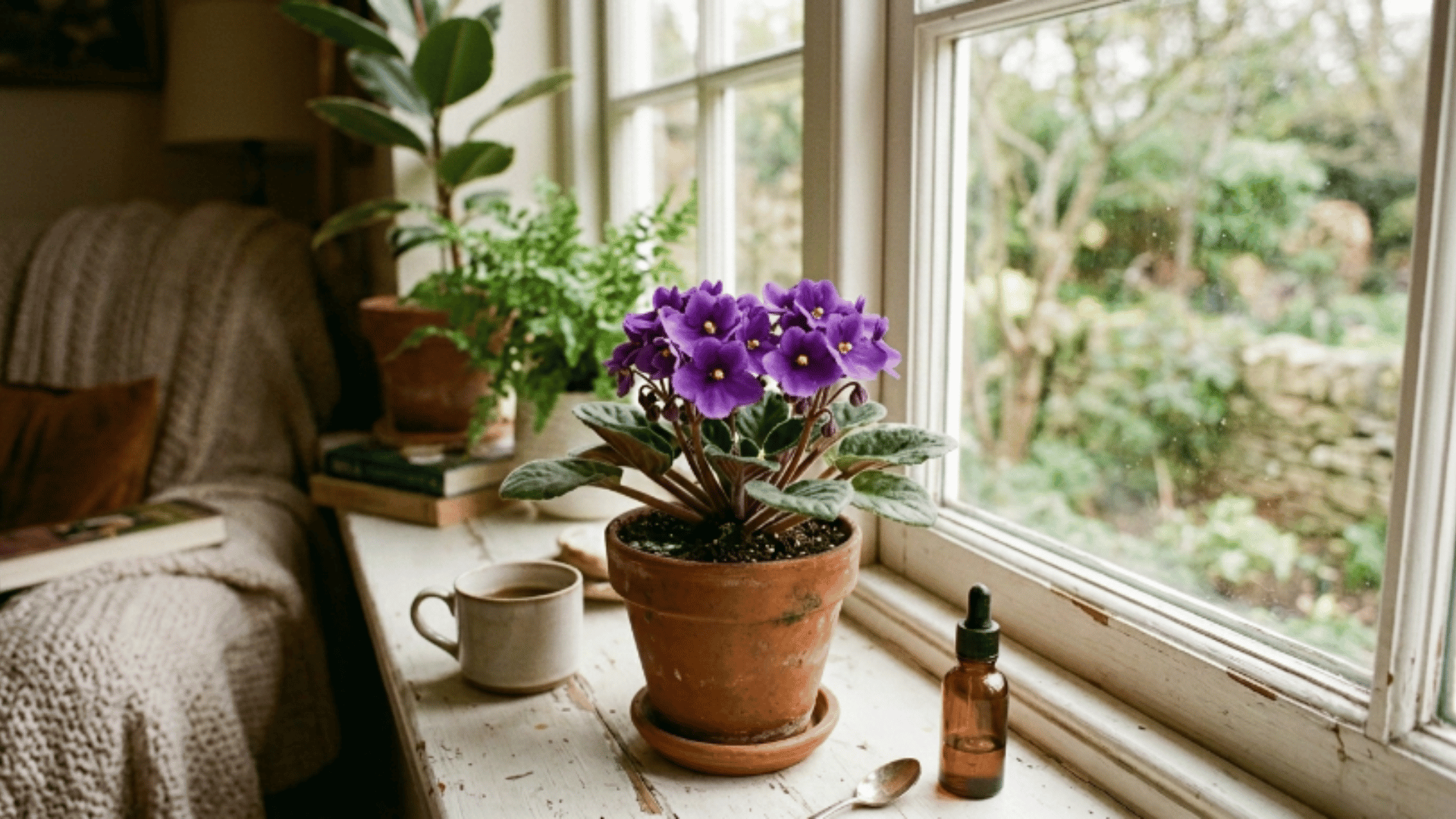
African violets like a slightly acidic environment but are quite delicate overall. Direct application of grounds can be too harsh for them. A diluted method is much safer.
How to use:
- Use diluted coffee water only
- Make sure it’s very weak
- Water sparingly
- Avoid direct grounds
- Apply occasionally
12. Calathea
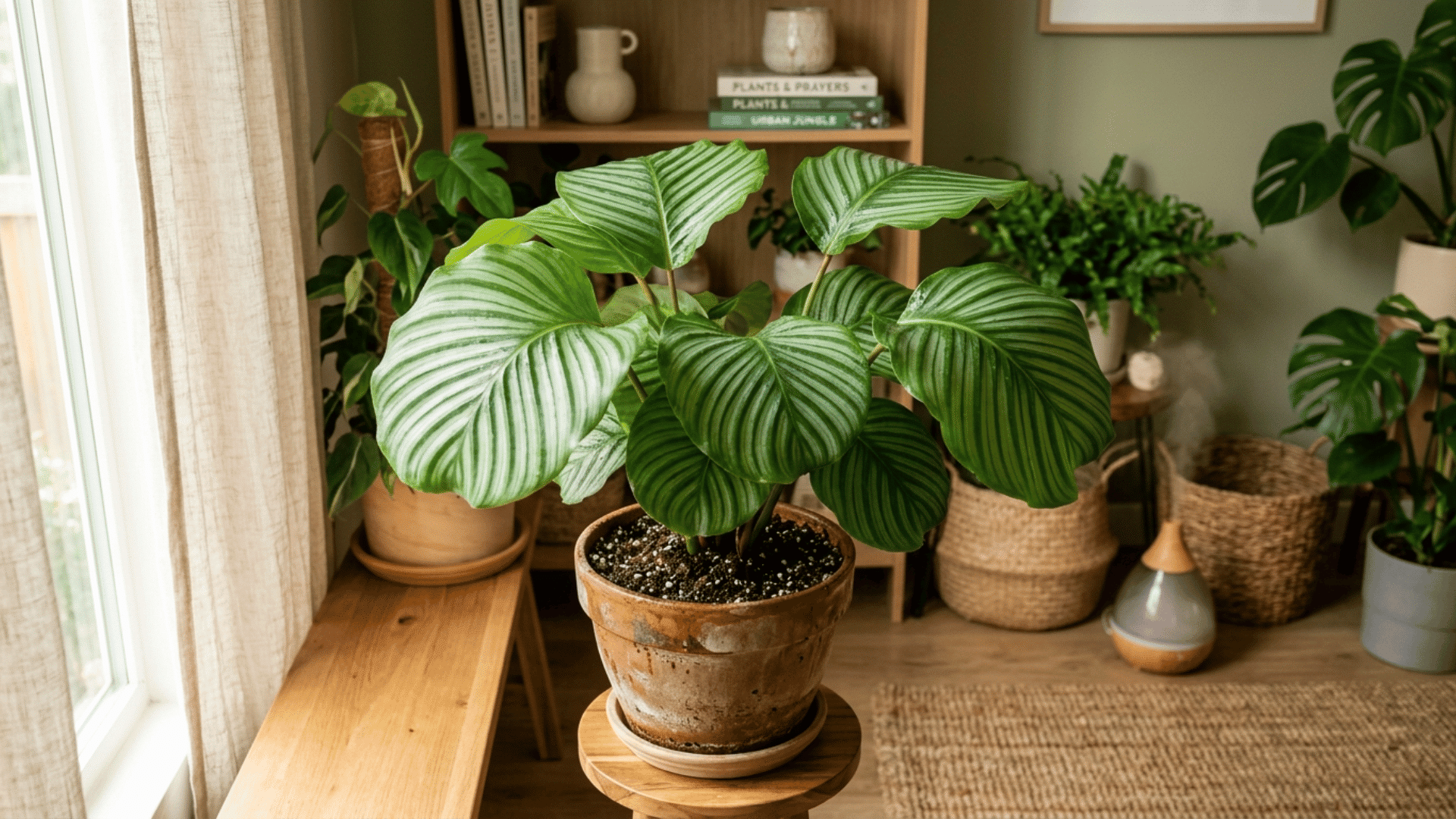
Calatheas prefer soil that holds some moisture and has organic content. They can benefit from compost that includes coffee grounds. Still, too much can affect soil balance.
How to use:
- Add coffee grounds via compost
- Mix compost into soil
- Helps retain slight moisture
- Use in small amounts
- Avoid frequent application
13. Orchids (Indirect Use Only)
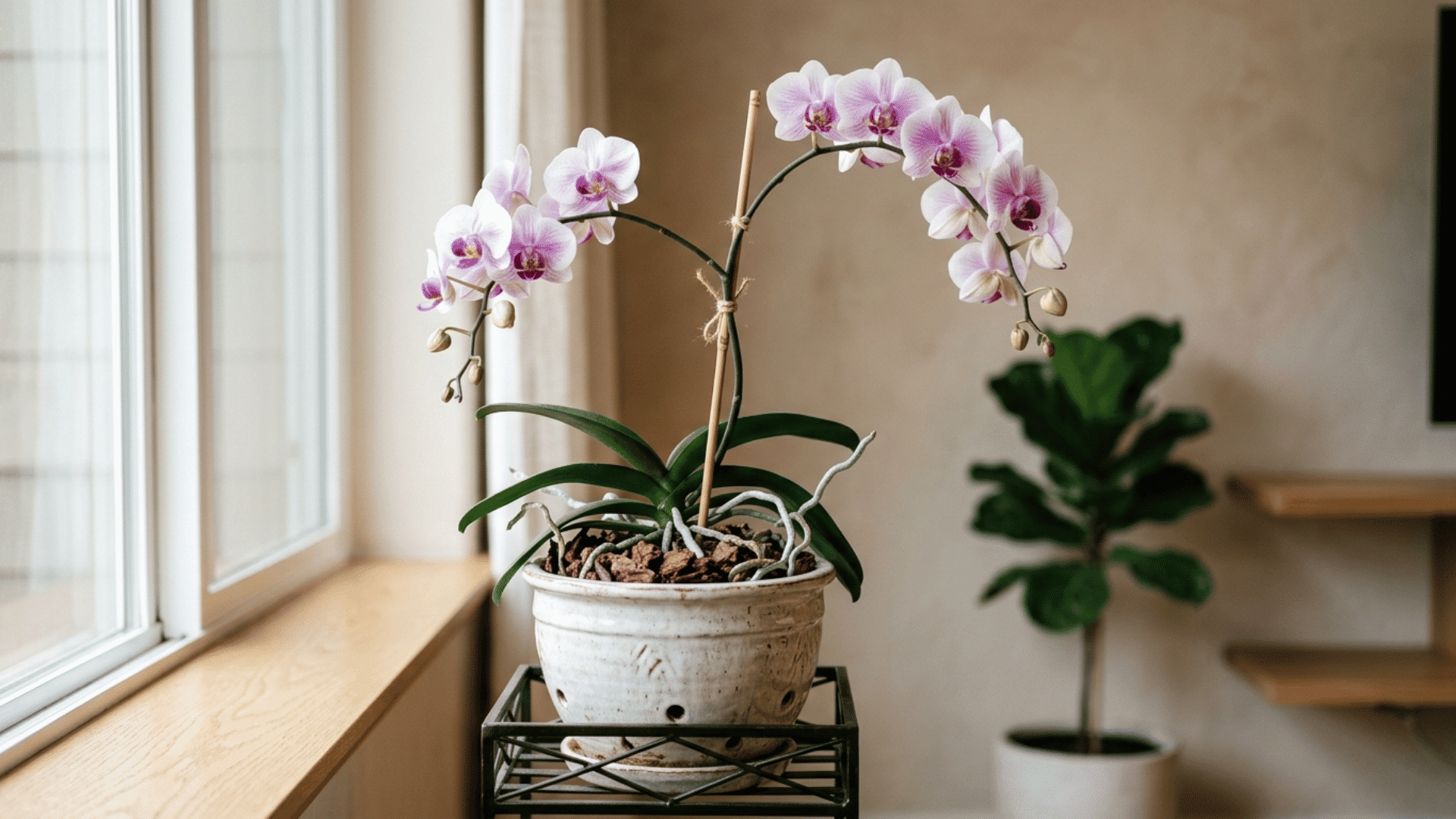
Orchids are sensitive and require good airflow around their roots. Direct use of coffee grounds can easily harm them. Indirect use through compost is the only safe option.
How to use:
- Use only compost with coffee grounds
- Mix compost into orchid media lightly
- Never apply grounds directly
- Keep roots well-aerated
- Use rarely
14. Jade Plant (Use With Caution)
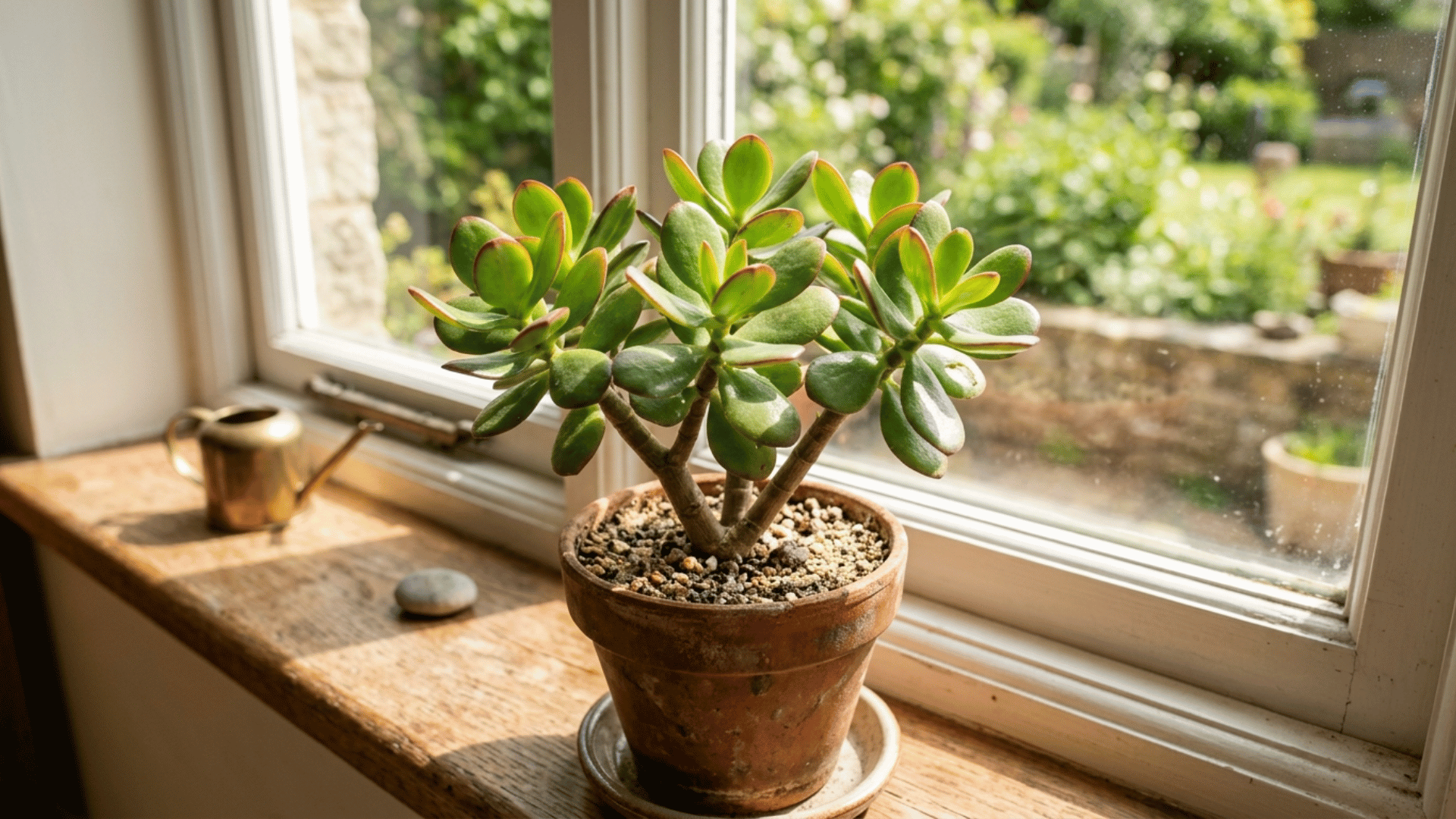
Jade plants prefer dry and fast-draining soil, so coffee grounds are not a natural fit. They can tolerate very small amounts, but even that comes with some risk. It’s often better to skip it.
How to use:
- Use only a tiny amount if needed
- Mix deeply into soil
- Apply very rarely
- Ensure soil drains well
- Best avoided in most cases
15. Aloe Vera (Mostly Avoid)
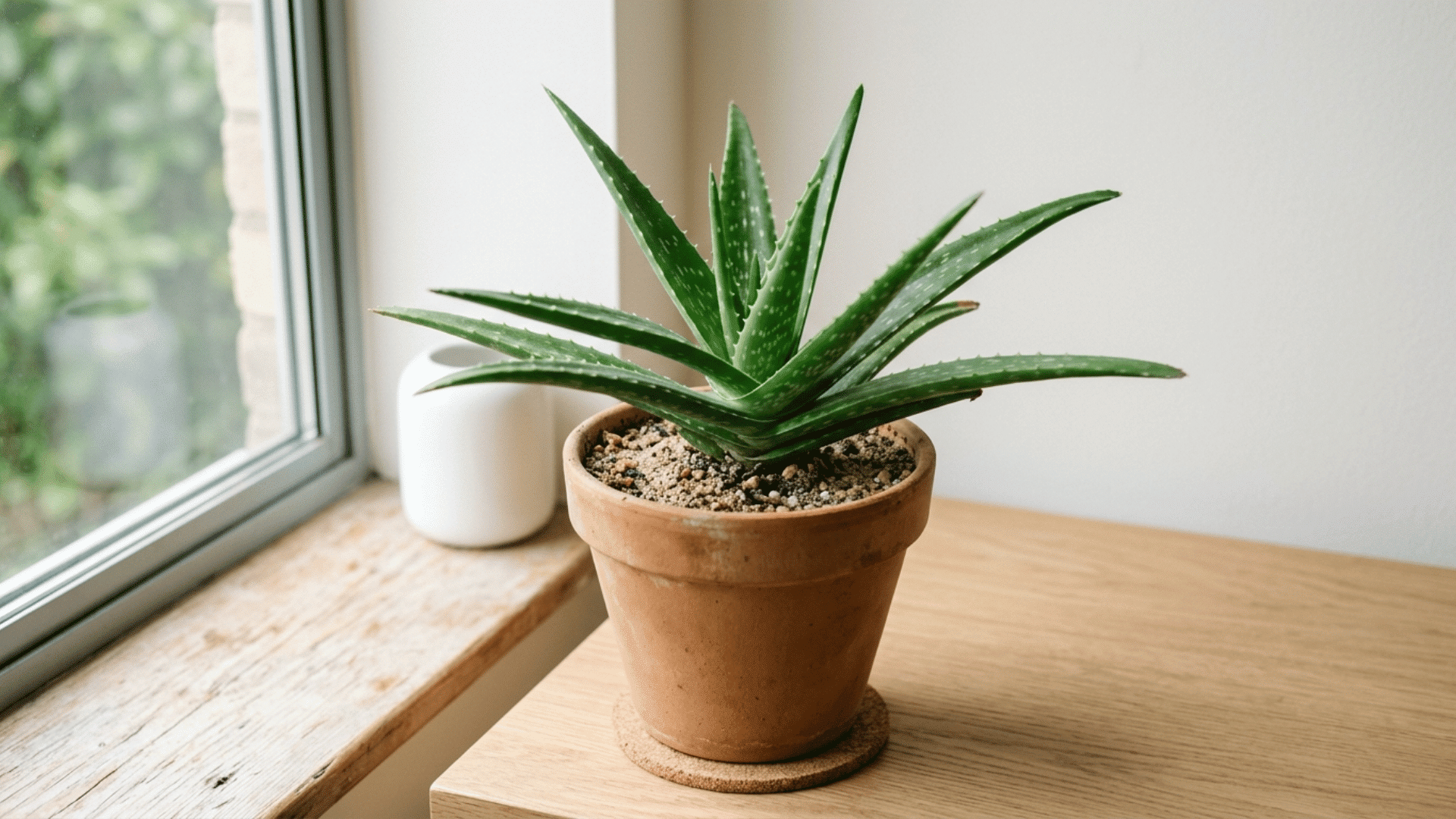
Aloe vera stores water in its leaves and prefers dry soil conditions. Coffee grounds can hold moisture and disrupt that balance. If used at all, it should be extremely limited.
How to use:
- If used, add a very small amount
- Mix fully into soil
- Do not apply on surface
- Use only once in a long time
- Avoid regular use completely
Coffee Grounds vs. Other Natural Fertilizers
Coffee grounds can help improve soil, but they are not a complete solution on their own.
When looking into what indoor plants like coffee grounds and what plants like coffee grounds, it’s just as important to compare them with other natural options. This helps you use them appropriately rather than relying on them fully.
| Fertilizer | Key Nutrients | Best Use Case | Limitations |
|---|---|---|---|
| Coffee Grounds | Nitrogen (low), trace minerals | Improves soil texture, light feeding | Not a complete fertilizer, can compact soil |
| Banana Peels | Potassium, small phosphorus | Supports flowering and root strength | Slow breakdown, needs composting |
| Compost | Balanced nutrients | Overall soil health and structure | Takes time to prepare |
| Vermicompost | Rich in nutrients and microbes | Strong organic fertilizer for growth | Can be heavy if overused |
Common Mistakes to Avoid
Using coffee grounds can seem simple, but small mistakes can quickly affect plant health.
Many issues come from overuse or applying them without understanding what indoor plants like coffee grounds are, and what plants like coffee grounds in general are
- Using fresh coffee grounds directly instead of used ones
- Adding too much at once, which can damage roots
- Applying to every plant without checking its suitability
- Leaving wet grounds on the soil surface, leading to mold
- Not mixing grounds into the soil, causing compaction
- Using them too frequently instead of spacing applications
Final Thoughts
Coffee grounds can be a helpful addition to your plant care routine, but only when used with care. The key is knowing what indoor plants like coffee grounds and what plants don’t like coffee grounds, instead of applying them to everything.
Small amounts, proper mixing, and the right plant choice make all the difference. Rather than treating coffee grounds as a main fertilizer, think of them as a light boost alongside better options like compost.
Pay attention to how your plants respond, and adjust as needed. A simple, mindful approach will keep your indoor plants healthy without creating avoidable problems.

With a Master’s in Landscape Architecture from the University of Virginia, Sophia Stephenson has dedicated the last 20 years to creating and maintaining vibrant outdoor spaces. Her professional journey started in landscape design, where she gained a reputation for innovative and sustainable approaches. Sophia became a part of our editorial team as a freelancer in 2019, offering a fresh perspective on outdoor living. Since 2020, she has been the chief for our outdoor design content, blending aesthetic appeal with environmental stewardship. In her leisure time, Sophia is a keen photographer, capturing the beauty of natural landscapes, a hobby that complements her professional expertise.