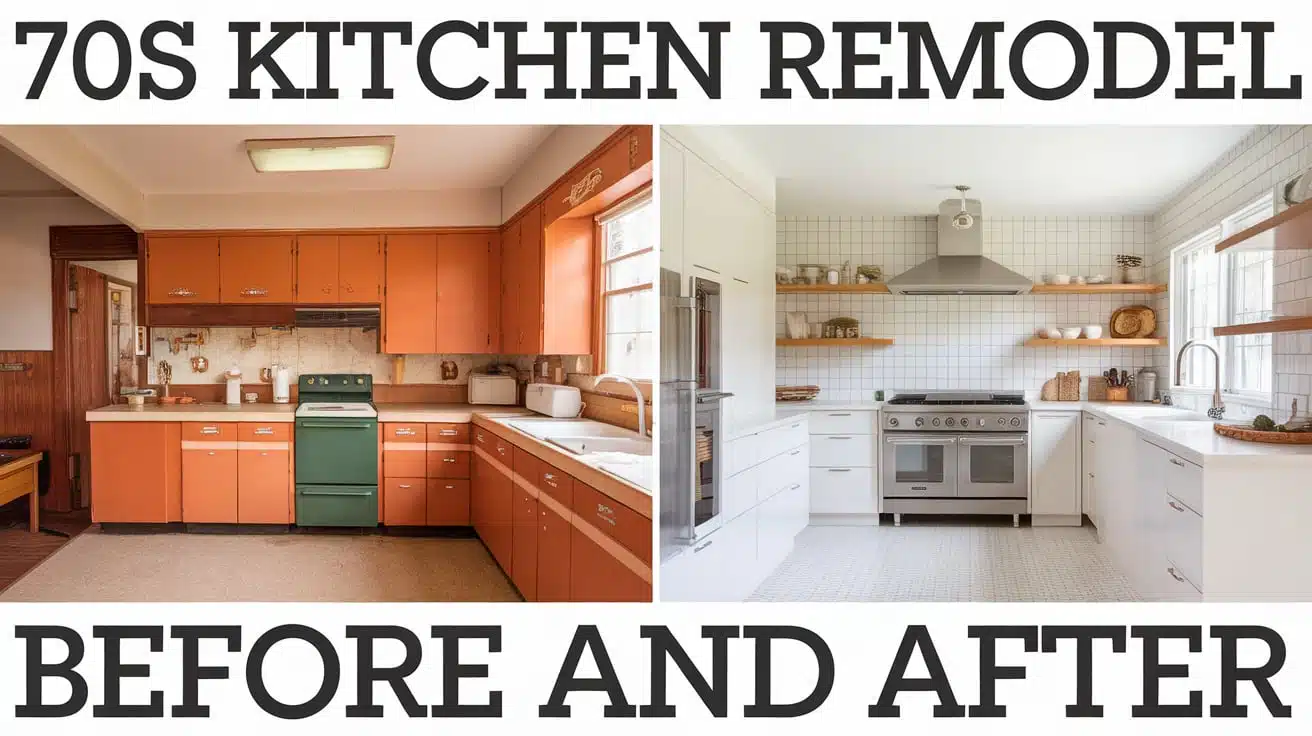
A kitchen remodel can be one of the most rewarding home upgrades, but it can also be one of the most painful when things go wrong. Cabinets that do not fit. Countertops that stain after a year. A layout that looks beautiful in renderings but feels awkward to actually cook in. The average kitchen remodel in the United States now costs between $30,000 and $80,000 depending on size and finish level, which means the price of a single mistake can add up quickly.
The good news is that most kitchen remodel regrets are completely avoidable with better planning. After watching homeowners walk into the same traps year after year, the patterns become predictable. Here are the ten most common kitchen remodel mistakes, why they happen, and how to avoid them.
Skipping a Detailed Layout Plan
Many homeowners start their remodel by picking finishes, faucets, or paint colors. That feels exciting, but it skips the most important step. Without a detailed layout plan that maps out workflow, storage, lighting, and traffic patterns, even the most beautiful materials end up in a kitchen that does not function well.
A proper layout plan should account for how the kitchen is actually used on a daily basis. Where does the cook stand? Where do groceries get unloaded? Where do kids do homework? Skipping this step almost always leads to expensive change orders later, when the homeowner realizes the dishwasher is too far from the sink or the refrigerator door blocks the main walkway.
Choosing Trendy Over Timeless
Open shelving was everywhere a few years ago. Then it fell out of favor as homeowners realized how much dust collects on exposed plates and how stressful it is to keep dishes display-ready at all times. The same cycle has happened with bold colored cabinetry, oversized hardware, and high-contrast tile patterns.
Trendy choices feel exciting in the moment but often look dated within five to seven years. The smart approach is to keep major surfaces (cabinets, countertops, flooring) timeless and bring trends in through cheaper-to-replace elements like paint, hardware, lighting fixtures, and decorative accessories. That way the kitchen can evolve without another full renovation.
Underestimating Storage Needs
Most homeowners think they have enough storage until they actually move into the new kitchen. Then they discover that the spice drawer is too small, there is nowhere to put small appliances, and the pantry should have been twice as deep.
This mistake usually traces back to designing around current storage habits rather than ideal ones. A good rule is to inventory everything currently in the kitchen, then plan for 20 percent more capacity. Built-in dividers, deep drawers, pull-out trays, appliance garages, and corner solutions like lazy Susans or magic corners can dramatically increase usable space without expanding the footprint.
Cutting Corners on Cabinet Quality
Cabinets typically represent 30 to 40 percent of a kitchen remodel budget, which makes them tempting to downgrade. The problem is that cabinets are also the part of the kitchen that gets used most and shows wear fastest. Particle board boxes, weak hinges, and stapled construction may save several thousand dollars upfront but often need replacement within a decade.
Investing in solid wood or quality plywood boxes, soft-close hinges, and full-extension drawers pays off in both daily satisfaction and resale value. If the budget is tight, it is usually better to keep the kitchen smaller and the cabinets better than to fill a large space with low-quality boxes that will sag and warp.

Ignoring Workflow and the Kitchen Triangle
The classic kitchen work triangle (the relationship between sink, stove, and refrigerator) exists for a reason. When these three points are too far apart, cooking becomes a marathon. When they are too close together, the kitchen feels cramped and crowded.
Modern kitchens often expand this concept into work zones for prep, cooking, cleaning, and storage. According to research from the National Association of Home Builders, workflow consistently ranks among the top regrets homeowners report after a kitchen remodel. A skilled designer plans for how multiple people use the kitchen at once, not just one cook. That means accounting for second prep zones, beverage stations, and traffic paths.
Overlooking Lighting Layers
A single overhead fixture is not enough for a working kitchen. Good kitchen lighting uses three layers: ambient lighting for general visibility, task lighting for prep areas, and accent lighting for atmosphere and highlighting features.
Common lighting mistakes include relying only on recessed cans, forgetting under-cabinet lighting entirely, and placing fixtures based on the existing layout instead of the new one. Lighting should be planned during the design phase, not after cabinets are installed, because moving wiring later is expensive and disruptive. Dimmers on every circuit are also worth the small extra cost since they let the kitchen shift from bright work mode to soft evening mode.
Forgetting About Ventilation
Range hoods are one of the least exciting parts of a kitchen remodel and one of the most important. Poor ventilation traps grease, odors, and moisture, all of which damage cabinets, walls, paint, and air quality over time.
Many homeowners install hoods that are underpowered for their stove or vent into the attic instead of outside, which creates serious moisture problems and can even lead to mold. The hood CFM rating should match the BTU output of the cooktop, and the duct should vent to the exterior whenever possible. For high-output gas ranges, makeup air provisions may also be required by code.
Picking the Wrong Countertop Material
Countertops are constantly under attack from heat, knives, water, oil, wine, and cleaning products. Materials that look perfect in a showroom can stain, scratch, or etch within months in a real kitchen.
Marble looks luxurious but stains and etches easily. Butcher block needs frequent oiling. Some quartzites are softer than they appear at first glance. Quartz, certain granites, and properly sealed natural stone tend to hold up best for daily use. Independent reviews from sources like Consumer Reports compare durability and stain resistance across brands and material types, which is worth reviewing before signing off on a slab. The cheapest material is rarely the best long-term value.
Hiring the Wrong Contractor
Probably the single most expensive mistake on this list. A good contractor saves homeowners thousands through better planning, smarter material ordering, fewer change orders, and faster timelines. A bad contractor can leave a kitchen torn apart for months while costs spiral and quality suffers.
Red flags include cash-only payment requests, no written contract, vague estimates, no proof of insurance or licensing, and high-pressure tactics to start immediately. Homeowners should verify licensing through their state contractor board, request references from completed projects in the past year, and read recent online reviews carefully.
For larger projects, working with experienced Bay Area kitchen remodelers who handle design, permitting, and construction in-house can avoid the coordination problems that come from juggling multiple separate trades. Design-build firms also tend to catch issues earlier in the process, when changes are still cheap to make.

Setting an Unrealistic Budget
The final mistake is also the most common: starting a remodel without a realistic budget that includes a contingency for surprises. Older homes almost always reveal hidden issues during demolition. Outdated wiring, old galvanized plumbing, water damage behind walls, or rotten subfloors can add thousands to the project, and pretending those will not happen sets the project up for stress and rushed decisions.
A realistic budget includes a 15 to 20 percent contingency reserve held back from the start. If the surprises do not happen, the leftover budget can fund upgrades the homeowner originally cut for cost reasons. If the surprises do happen, the project stays on track without painful financial decisions or compromised finishes.
Final Thoughts
Most kitchen remodel regrets come from rushing the planning phase, prioritizing aesthetics over function, or trying to cut costs in the wrong places. The kitchen is the most used and most expensive room in most homes, so the time spent planning carefully pays off for years of daily satisfaction and a stronger return at resale.
Homeowners considering a major kitchen renovation can learn more from DevArt8 Builders, a Bay Area design-build company that handles full home remodeling, kitchens, bathrooms, and ADU projects across San Jose and the surrounding region.

Holding a Master’s in Architecture from the University of Texas at Austin, Emily Rodriguez has dedicated more than two decades to the art and science of building renovation. Starting her journey in historic preservation, she developed a profound respect for blending old with new in building design. Emily became a vital part of our team in 2019, renowned for her insightful and innovative renovation tips. She has been leading our DIY home improvement series since ever since, where she shares her wealth of knowledge in turning outdated spaces into modern havens. When not engaged in writing or consulting, Emily is a passionate advocate for heritage conservation and enjoys exploring vintage architecture, a hobby that complements her professional expertise.