
Choosing the right door size is more important than it seems, as even small measurement mistakes can lead to fitting issues later.
Many residents face challenges simply because the basics are overlooked.
Understanding door dimensions helps you make better decisions for both function and overall layout. It ensures everything fits well and works as expected in your space.
This blog gives you a clear overview of how tall is an average door and what to keep in mind. It helps you approach the process with more clarity and confidence.
How Door Height Impacts Your Space?
Door height has a direct impact on how spacious or confined a room feels. Taller doors create a sense of openness and make ceilings appear higher, while shorter doors can make a space feel more closed in.
It also influences the overall visual balance of the room by aligning with the ceiling height and surrounding elements. When proportions are right, the space feels more cohesive and well-designed.
Beyond appearance, door height affects everyday comfort and movement within the space. Proper sizing ensures easy access, smoother flow, and a more functional layout overall.
Measuring Doors in Some Easy Steps
Measuring a door correctly is important to ensure a proper fit and avoid installation issues. A few simple steps can help you get accurate dimensions quickly and easily.
Step 1: Decide what to use: pre-hung (new frame included) or slab (existing frame stays). Everything else follows from this.
Step 2:Measure height from the floor to the top of the frame opening on both sides. Use the shorter number.
Step 3:Measure the width at the top, middle, and bottom of the frame. Use the smallest number.
Step 4: Measure thickness because most doors are 1⅜ to 1¾ inches thick. Match the existing jamb depth.
Step 5: Confirm the swing direction; face the closed door from the side you’ll push it open. Hinges on your left = left-hand door.
Step 6: Add a rough opening allowance (pre-hung only),+2 inches to the width and +2½ inches to the height.
Standard Door Dimensions at a Glance
| Door Type | Standard Height | Standard Width |
|---|---|---|
| Interior Bedroom / Hallway | 80″ (6 ft 8 in) | 28″ to 32″ |
| Interior Bathroom | 80″ (6 ft 8 in) | 28″ to 30″ |
| Interior Closet / Utility | 76” (6 ft 4 in) | 24″ to 30″ |
| Exterior / Front Entry | 80” to 96” | 36″ |
| Sliding Glass / Patio | 80″ to 96″ | 60″ to 72″ |
| French Doors (pair total) | 80″ to 84″ | 60″ combined |
Why 80 Inches Became the US Standard?
The 80-inch door height became standard as part of efforts to simplify construction and reduce costs across the industry. A consistent size made framing, manufacturing, and installation faster and more efficient.
Using one standard height also makes replacements easier for residents and contractors.
The International Residential Code (IRC) establishes the minimum height for residential doors at 78 inches. Doors can be swapped without major structural changes, saving both time and effort.
Building codes set a minimum door height, but 80 inches became the practical choice. It provides enough headroom for most people and works well with standard ceiling heights.
This size is commonly referred to as a “6/8 door” in the industry. Understanding this shorthand helps when selecting doors or communicating with suppliers.
Interior Door Height Room by Room
Across most modern homes, interior door height is held at 80 inches throughout the main living areas. Differences show up in width and, for utility spaces, in height. Here is what to expect by room type.
1. Bedrooms and Hallways
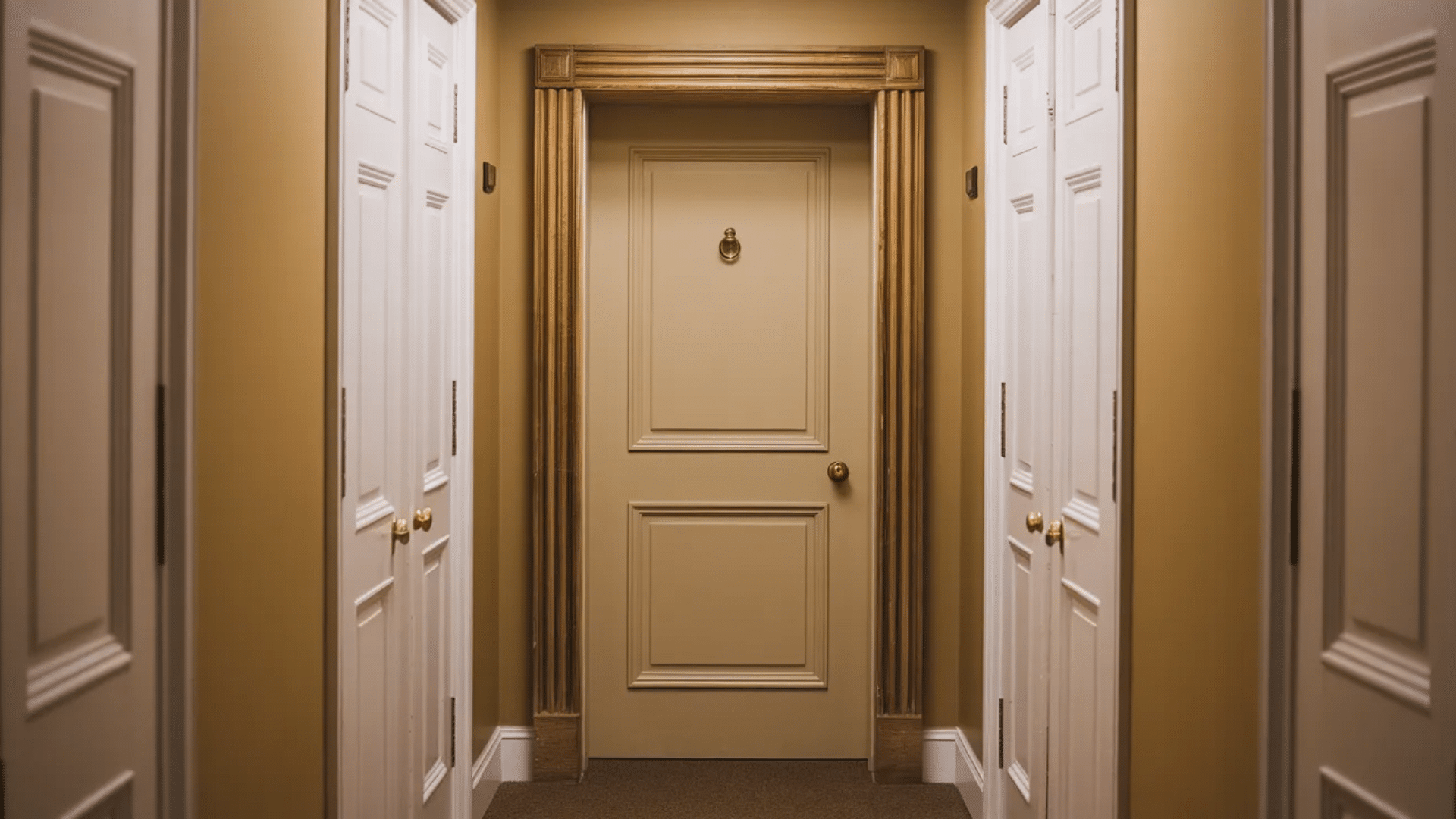
Bedroom and hallway doors are sized according to standard to ensure easy movement and furniture access. Most homes stick to common dimensions for consistency and practicality.
- Standard size is 80 inches tall and 30 inches wide
- Width can vary between 28 and 32 inches
- Larger homes may use 36-inch doors for easier furniture movement
2. Bathrooms
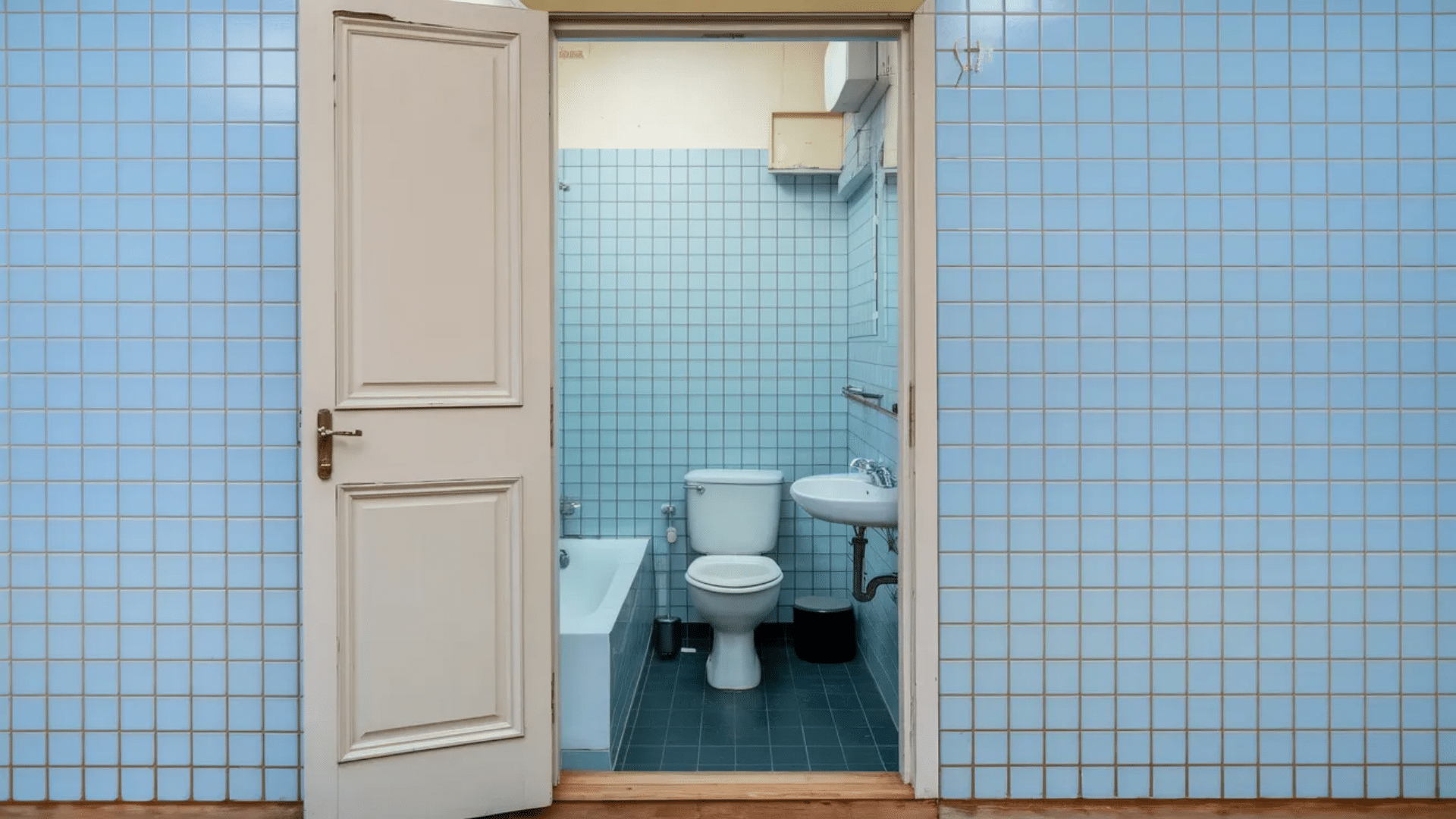
Bathroom doors are designed to fit compact spaces while allowing smooth movement around fixtures. Proper sizing ensures the door doesn’t interfere with the layout.
- Standard height is 80 inches
- Width typically ranges from 28 to 30 inches
- Pocket or sliding doors work well in tight spaces to avoid the swing issues
3. Closets and Utility Rooms
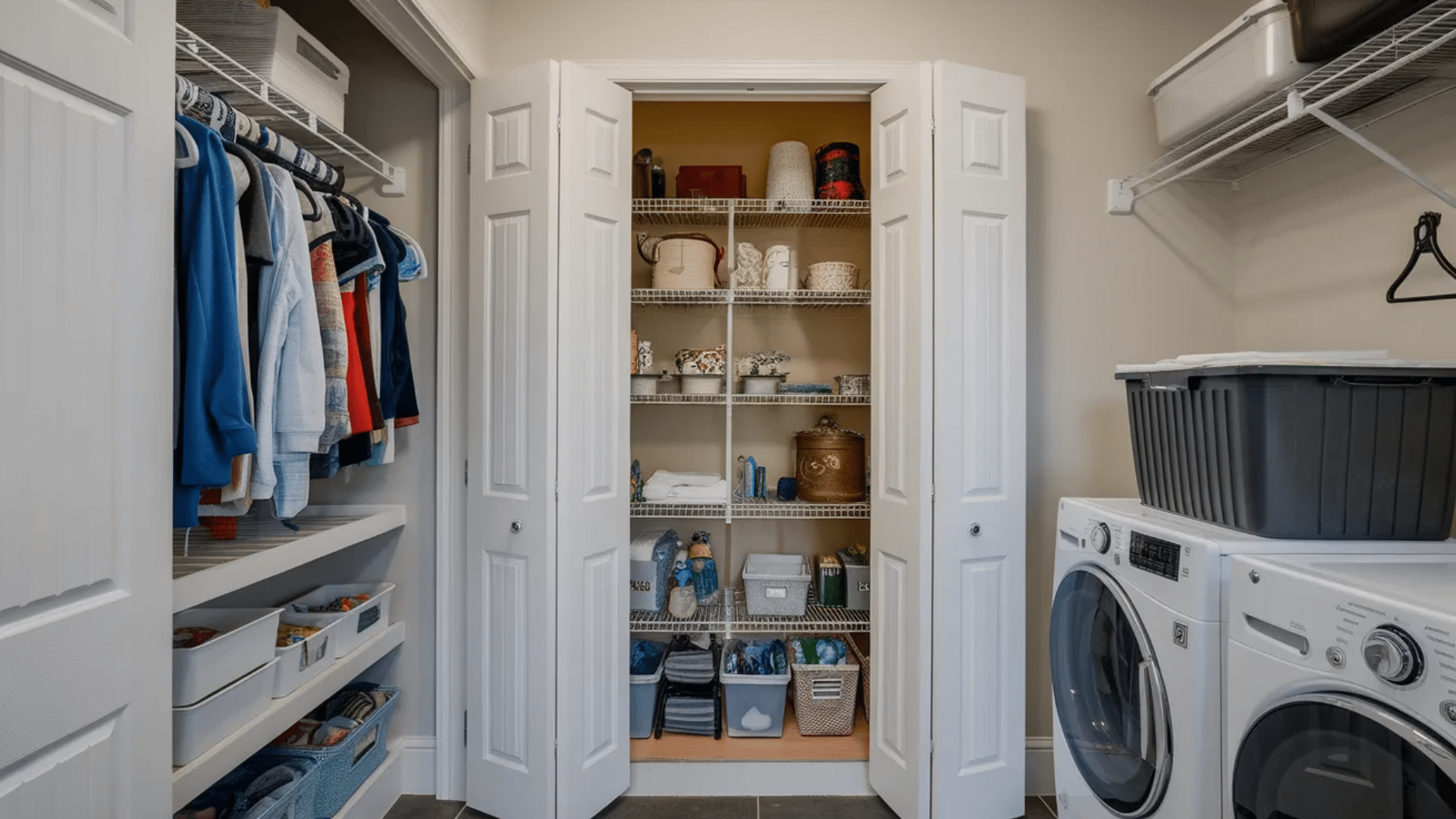
Closet and utility doors are usually smaller since they are used less frequently. These sizes help save space while still remaining functional.
- Common height is 78 inches (6/6 door)
- Width ranges from 24 to 30 inches for single doors
- Bifold or sliding doors can span 48 to 72 inches for a larger opening
Exterior and Front Door Dimensions
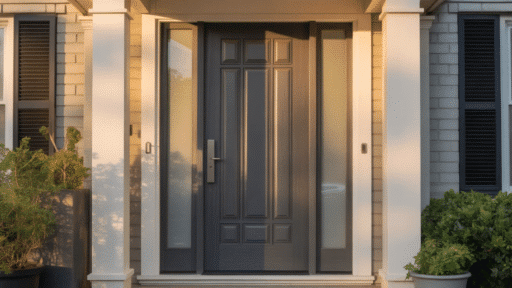
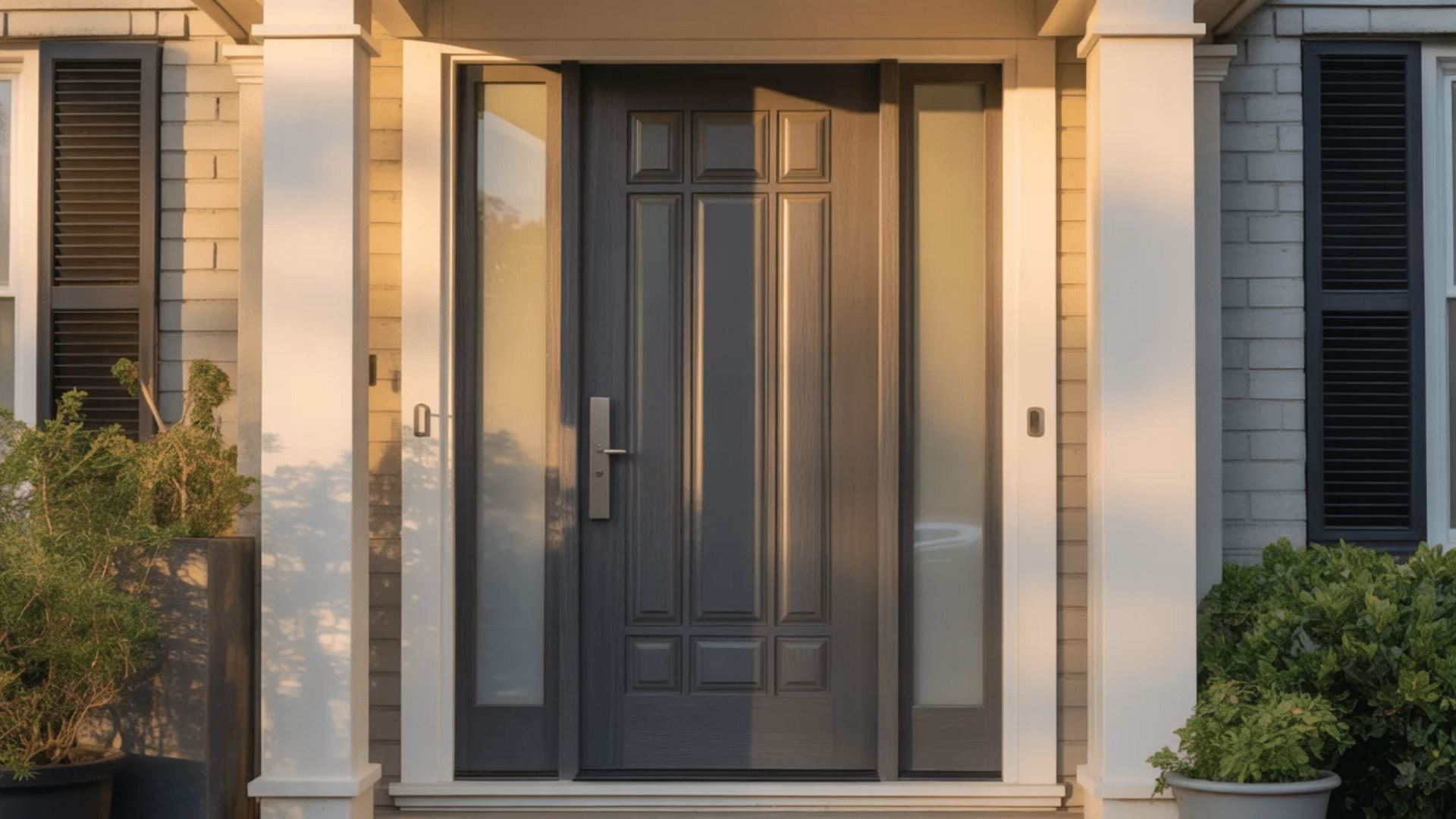
Exterior doors typically start at 80 inches in height, similar to interior doors, but they are wider and thicker for better function. The most common width is 36 inches, making entry easier for moving furniture and daily use.
In newer homes, taller doors around 96 inches are becoming more common to match higher ceilings. An 84-inch door is a good middle option that adds height without major structural changes.
Exterior doors are also thicker, usually around 1¾ inches, which improves insulation and security. This added weight also means stronger hinges and hardware are needed for proper support.
Door Material and Available Heights
The material you choose determines which heights are available in stock. All three standard materials come in 80 inches, but your options narrow or widen from there.
| Material | Available Heights | Best For | Maintenance |
|---|---|---|---|
| Fiberglass | 80″ or 96.” | Energy-efficient, resists moisture and damage | Low – no sealing required |
| Steel | 80″ or 96.” | Strong security, widely available | Low – repaint if scratched |
| Wood | 80″ up to 120.” | Custom sizing and classic look | High – needs sealing and repainting |
Door Height by Type: Sliding, French, and Fire-Rated
Not every opening in a US home calls for a standard hinged slab. Sliding doors, French door pairs, and fire-rated utility doors each carry their own sizing rules.
1. Sliding Glass and Patio Doors
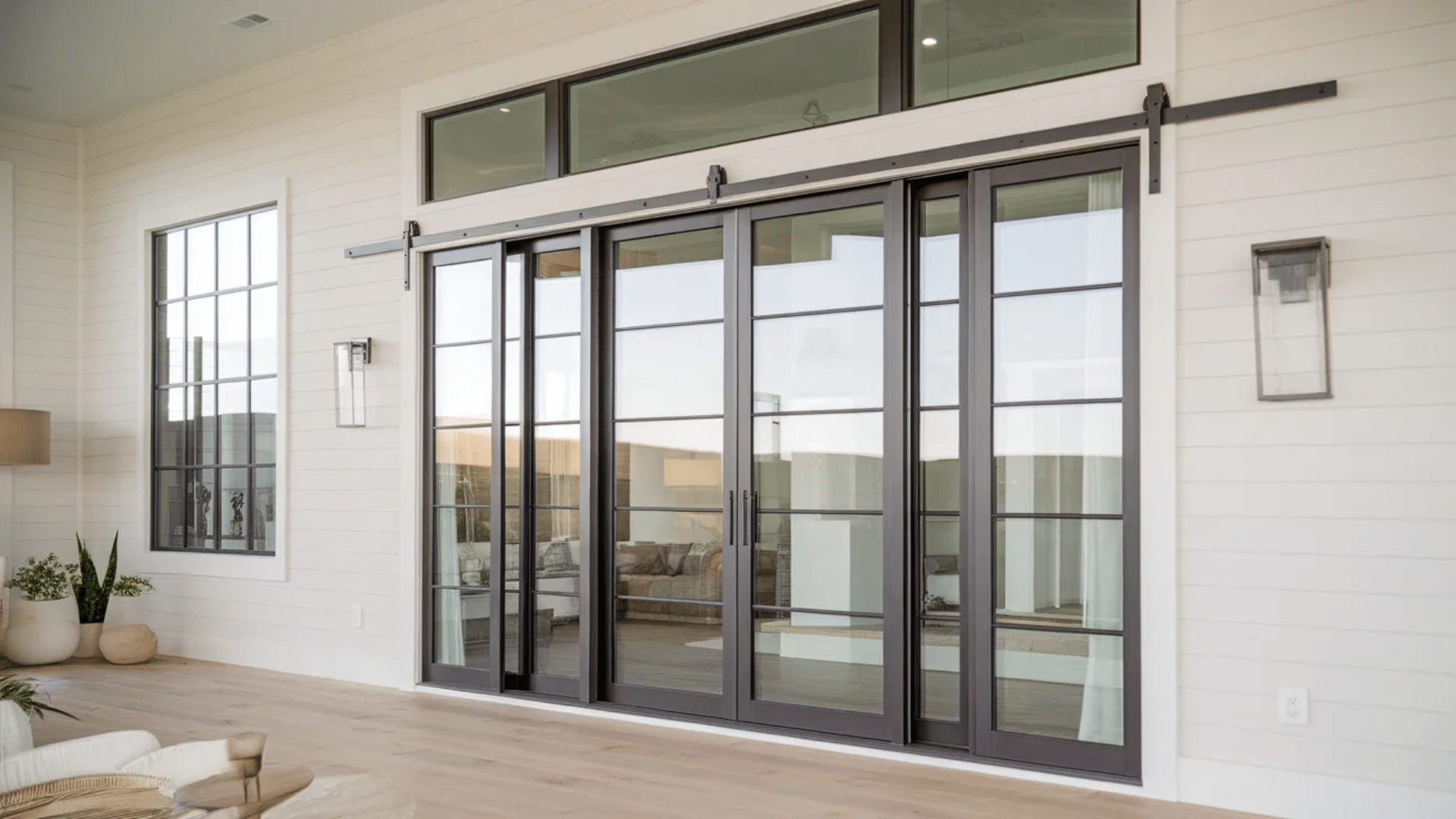
These share a standard height of 80 inches for most residential installs. Width is where things open up: typical configurations run 60 to 72 inches wide, with multi-panel systems reaching 96 inches.
Homes with 9-foot or higher ceilings can accommodate 96-inch-tall sliding panels, which bring in more natural light and create a stronger visual link to the outdoors.
Sliding door frames are less forgiving of rough opening variations than hinged frames, so precise measurement is more critical here.
2. French Doors
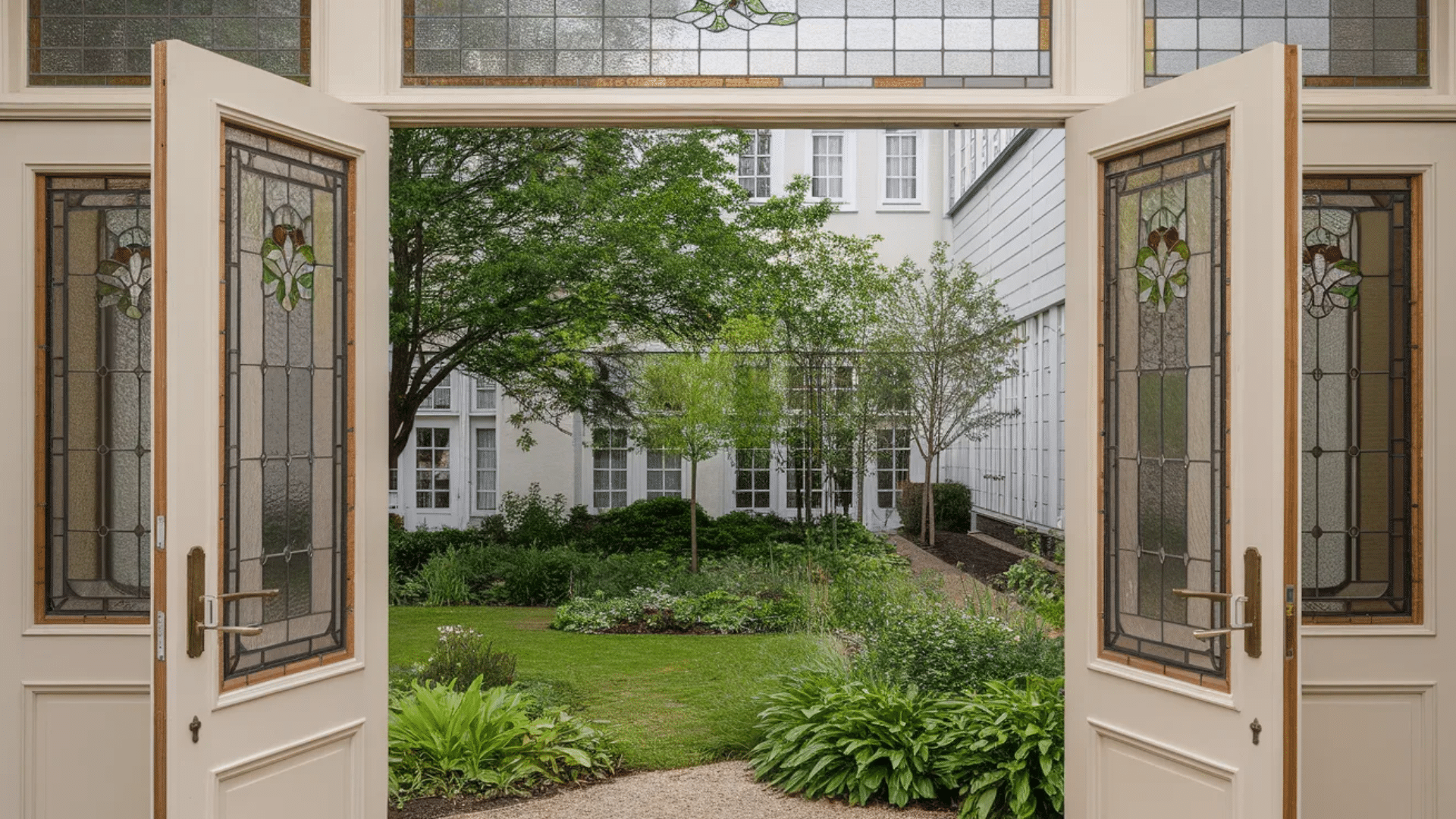
French doors come as hinged pairs, most often used for dining rooms, home offices, or patio access.
The standard pair measures 80 inches tall and 60 inches wide total two 30-inch panels. Thickness matches exterior doors at 1-3/4 inches.
For rooms with higher ceilings, 84-inch French doors hold better visual proportion. Rough opening: add 2 inches to the pair width and 2-1/2 inches to the height for the correct frame gap.
3. Fire-Rated Utility Doors
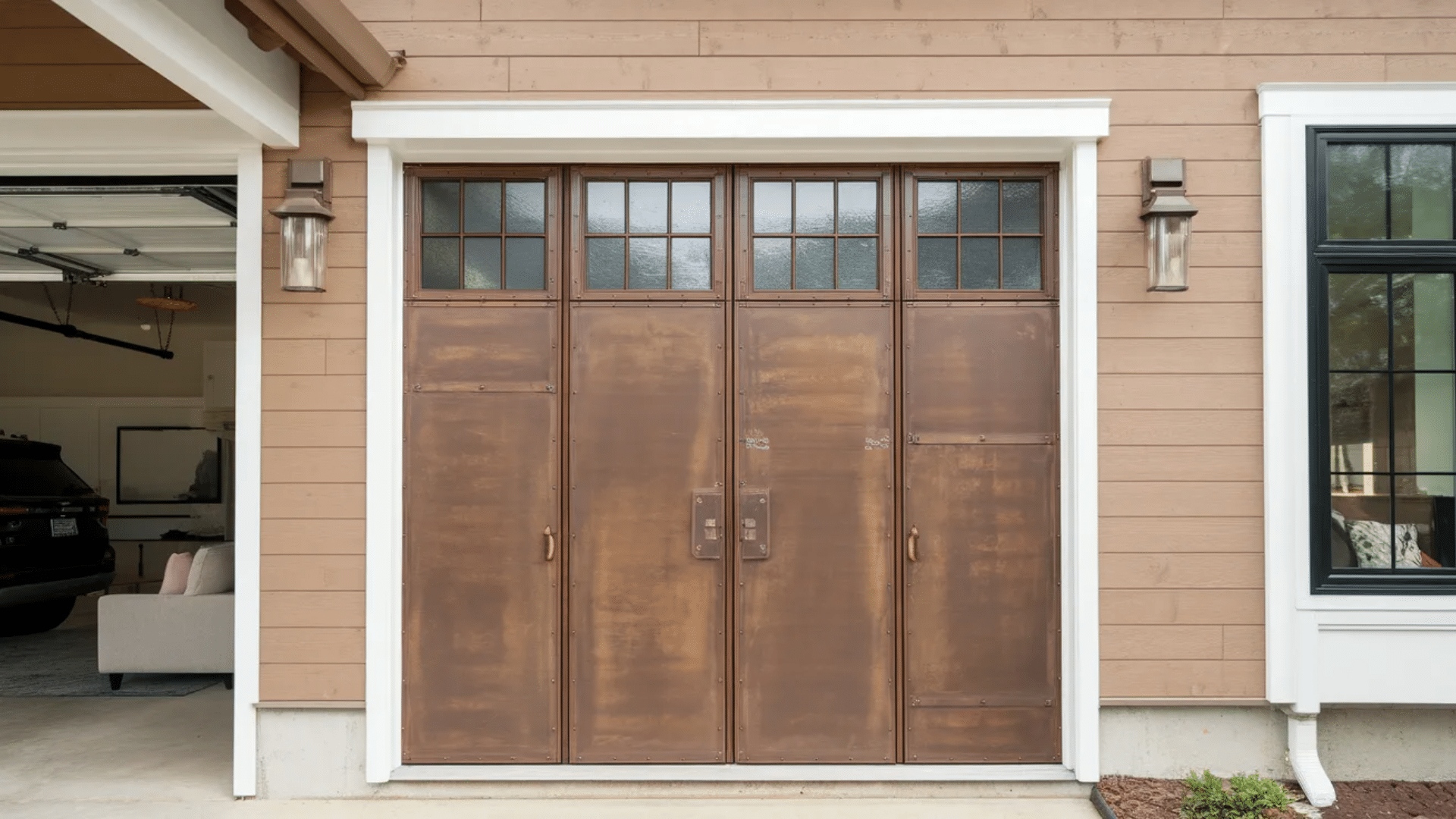
US building codes require a fire-rated door between an attached garage and the living space. These slabs look like standard steel doors but carry a fire-resistance rating of at least 20 minutes; some jurisdictions require 90 minutes.
Standard size: 80 inches tall, 36 inches wide. Installing a non-rated slab in this position is a code violation in most municipalities.
Conclusion
Getting the right door size starts with understanding how tall an average door is, but that standard measurement is only the starting point. Room type, ceiling height, and home age all influence the final choice.
Accurate measurements and proper planning help avoid costly installation mistakes. Choosing between a pre-hung unit and a slab ensures a smoother, more precise fit.
Taking time before ordering saves effort, money, and frustration later. When done correctly, the final result looks better and functions exactly as it should.

Holding a Master’s in Library and Information Science from the University of Illinois, Josh Clarke has dedicated more than 15 years to managing and disseminating information across various platforms. His professional journey includes significant experience as a research librarian, where he developed an expertise in sourcing and providing accurate and comprehensive answers to diverse questions. In 2018, Josh brought his rich experience to our platform, quickly establishing himself as a reliable source for general FAQs. He has been overseeing our information curation since then, combining his research skills with a flair for engaging content delivery. When not involved in information management, Josh enjoys exploring digital photography and participating in local quiz competitions, hobbies that complement his inquisitive nature and love for learning.