
There’s a very specific kind of sound that makes homeowners pause mid-sentence… that faint scratching or scurrying above the ceiling, usually late at night when everything else is quiet. At first, you tell yourself it’s nothing. Maybe the house settling. Maybe the wind.
But if you’re in Virginia Beach, there’s a good chance it’s not the wind.
Rodents—mice and rats especially—love attics here. Warm, sheltered, rarely disturbed… it’s basically prime real estate for them. And the tricky part? By the time you hear them, they’ve likely already settled in. Thus, it’s never too late to call for pest control Virginia Beach VA services.
Let’s walk through the signs, what they actually mean, and why waiting it out usually makes things worse, not better.
The Early Signs Most People Miss
Rodent infestations don’t usually start with something obvious. It’s more like small, easy-to-ignore clues that build up over time.
1. Scratching or Movement at Night
This is the classic one. You’ll hear light scratching, scurrying, or even quick thumping sounds coming from above. Rodents are nocturnal, so they’re most active when you’re trying to sleep.
And here’s the thing—if you’re hearing them regularly, it’s probably not just one.
2. Droppings in Unexpected Places
You might not go into your attic often, but droppings can show up elsewhere too—garage corners, along baseboards, or near food storage areas.
They’re small, dark, and easy to overlook at first. But they tend to appear in clusters, especially near nesting areas.
3. Strange, Musty Odors
A persistent, slightly sour or ammonia-like smell can be a sign of rodent urine buildup. In enclosed attic spaces, that smell can seep into insulation and eventually drift down into living areas.
It’s not always strong at first—but once you notice it, it’s hard to ignore.
4. Chewing or Gnaw Marks
Rodents chew constantly—it’s how they keep their teeth from overgrowing. In attics, that can mean:
- Wood beams
- Electrical wiring (this one’s a serious hazard)
- Cardboard storage boxes
- Insulation
If you spot unexplained damage like this, it’s a red flag.
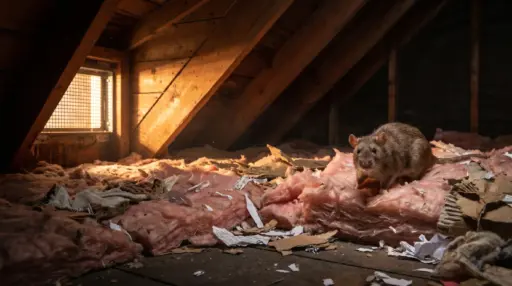
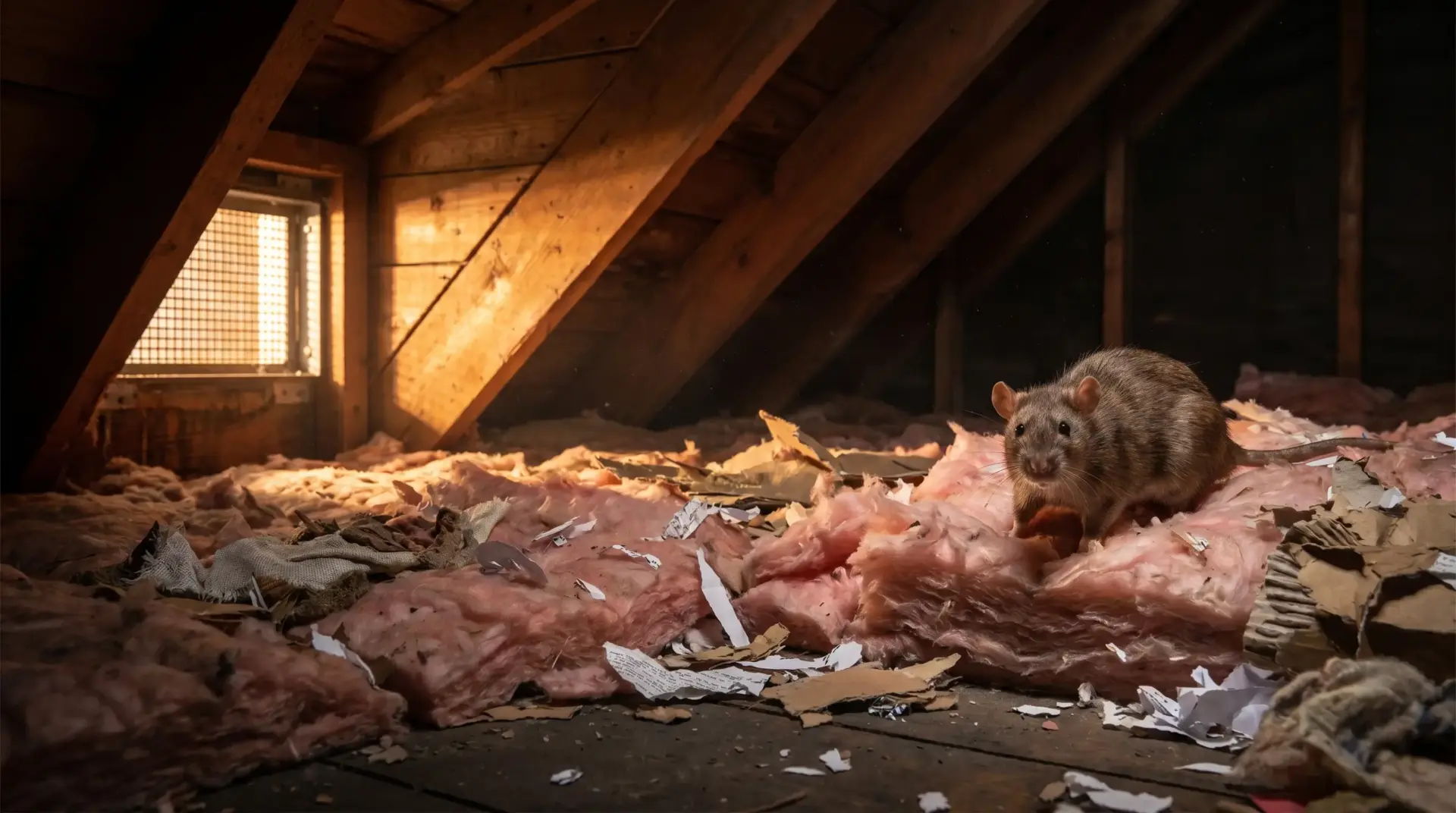
5. Insulation That Looks… Disturbed
This one surprises a lot of homeowners. Rodents don’t just live in attics—they reshape them.
They burrow through insulation, create tunnels, and build nests using whatever they find. If insulation looks uneven, flattened, or scattered, something’s been moving through it.
Why Rodents Choose Attics in Virginia Beach?
It’s not random. Attics in this region offer exactly what rodents are looking for:
- Warmth during cooler months
- Shelter from heavy rain and humidity
- Easy access through small roofline gaps or vents
- Quiet, undisturbed space
And once they’re in, they don’t just hang out—they multiply.
That’s why pest control Virginia Beach professionals often stress early detection. A small issue can turn into a full infestation faster than most people expect.
Why Waiting Makes It Worse?
Here’s where things tend to go sideways.
A lot of homeowners hear something once or twice and decide to “wait and see.” Totally understandable. No one wants to jump to conclusions.
But with rodents, waiting usually leads to:
- More nesting activity
- More droppings and contamination
- Increased risk of electrical damage
- Stronger odors
- Larger populations
Rodents reproduce quickly. What starts as a couple of mice can become a much bigger problem in a matter of weeks.
This is why most Virginia Beach pest control companies recommend addressing attic activity immediately, even if the signs seem minor.
What Actually Works
Let’s talk solutions—because this is where DIY often falls short.
What Doesn’t Work Well Long-Term
- A single trap or bait station
- Sealing entry points without removing rodents first
- Ignoring the attic and only treating living spaces
These approaches might reduce activity temporarily, but they rarely solve the root problem.
What Does Work
Effective rodent control usually involves a combination of:
- Full attic inspection
- Identifying and sealing entry points
- Strategic trapping or removal
- Cleaning and sanitizing affected areas
- Ongoing monitoring to prevent return
This is where professional Virginia Beach pest control services make a real difference—they’re not just removing rodents, they’re making sure they don’t come back.
FAQs
1. How can I confirm rodents are in my attic?
Look for multiple signs—noises, droppings, odors, and insulation disturbance. A professional inspection can confirm it quickly.
2. Are attic rodents dangerous?
Yes. They can spread bacteria, contaminate insulation, and even damage electrical wiring, increasing fire risk.
3. Can rodents leave on their own?
Rarely. If they’ve found a safe nesting space, they tend to stay and reproduce.
4. Is DIY rodent control enough?
For very minor issues, maybe. But for attic infestations, professional treatment is usually more effective.
5. How do Virginia Beach pest control companies handle rodents?
They combine inspection, removal, sealing, and prevention strategies tailored to your home’s structure and environment.
Final Thoughts
If you’re hearing something in the attic or noticing small signs that don’t quite add up, it’s worth taking seriously.
Rodents don’t announce themselves—they settle in quietly, build nests, and expand before most homeowners realize what’s happening.
And in a place like Virginia Beach, where homes naturally provide the kind of shelter they’re looking for, acting early isn’t just smart—it’s necessary.
Because the sooner you deal with it, the simpler (and less expensive) the solution tends to be.

Tommy Hardy, an alumnus of the Georgia Institute of Technology with a degree in Mechanical Engineering, has been a go-to figure in residential upkeep and innovation for over 18 years. His career commenced in a leading home appliance manufacturing company, where he mastered the intricacies of household systems. Joining our platform in 2020, Tommy quickly became a reader favorite for his practical and easy-to-follow guides. He took the helm of our DIY section in 2019, consistently delivering content that empowers homeowners. Beyond his professional pursuits, Tommy is a passionate gardener and enjoys woodworking, skills enhancing his hands-on approach to home care.