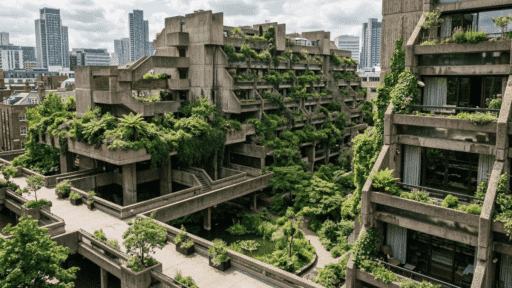
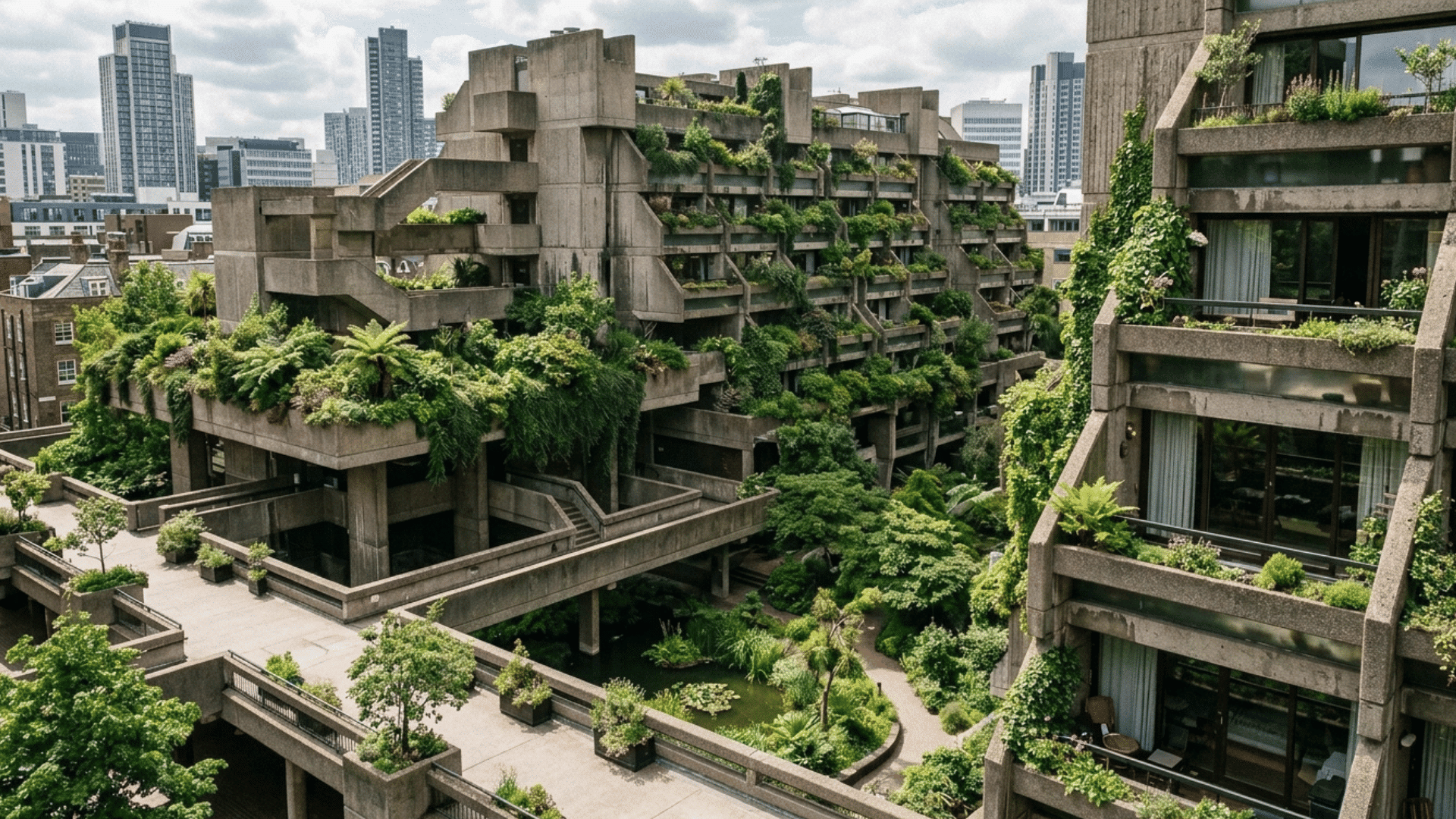

Modern architecture is slowly shifting toward smarter, more sustainable choices. Buildings today are not just about looks; they also focus on reducing environmental impact and using resources wisely.
Design trends are changing as cities grow and environmental concerns become more urgent. There is a clear move toward structures that last longer, use fewer resources, and create better living spaces.
In this blog, you will learn about eco brutalism, its key features, its benefits and drawbacks, and some real-world examples that show how it works in everyday settings.
What is Eco Brutalism?
It is a modern design approach that blends the raw, heavy look of brutalist architecture with eco-friendly ideas.
Brutalism first appeared between the 1950s and 1970s, known for its use of exposed concrete, strong shapes, and a focus on function over decoration.
Today, this style is being reworked to incorporate sustainability, with features such as greenery, natural light, and energy-efficient systems added to soften its harsh feel.
This shift makes buildings more practical and environmentally aware.
Principles of Eco Brutalism
Eco brutalism follows a set of design principles that emphasize strength, functionality, and environmental responsibility, creating buildings that are both practical and mindful of nature.
- Honest Use of Materials: Uses raw materials like concrete and steel without hiding their natural texture or structure
- Function Over Decoration: Prioritizes practical design where every element serves a clear purpose
- Integration of Nature: Incorporates plants, green roofs, and natural elements directly into the structure
- Sustainability Focus: Reduces environmental impact through energy-efficient systems and smart resource use
- Durability and Longevity: Builds structures designed to last for decades with minimal wear
- Adaptation to Climate: Designs buildings that respond to local weather using passive cooling and natural light
- Urban Balance: Creates harmony between dense city spaces and natural environments
Eco Brutalism Vs Traditional Brutalism
Eco brutalism and traditional brutalism share a similar bold style, but they differ in how they use materials, including nature, and in how they respond to modern environmental needs.
| Feature | Eco Brutalism | Traditional Brutalism |
|---|---|---|
| Materials | Uses raw materials like concrete, steel, and stone, along with green systems and sustainable elements | Mainly uses exposed concrete, steel, and other heavy raw materials |
| Role Of Nature | Includes plants, rooftop gardens, vertical greenery, and natural integration in the design | Has little to no direct integration of nature in the structure |
| Environmental Impact | Focuses more on energy efficiency, passive cooling, and lowering environmental impact | Often has a higher environmental impact due to heavy material use and less efficient systems. |
| Modern Relevance | Fits current design needs by combining bold style with sustainability and urban greenery | It is valued more for its historic style, bold look, and architectural identity |
Famous Eco Brutalism Buildings
Real-world examples help show how this design style blends strong structures with nature in practical and creative ways.
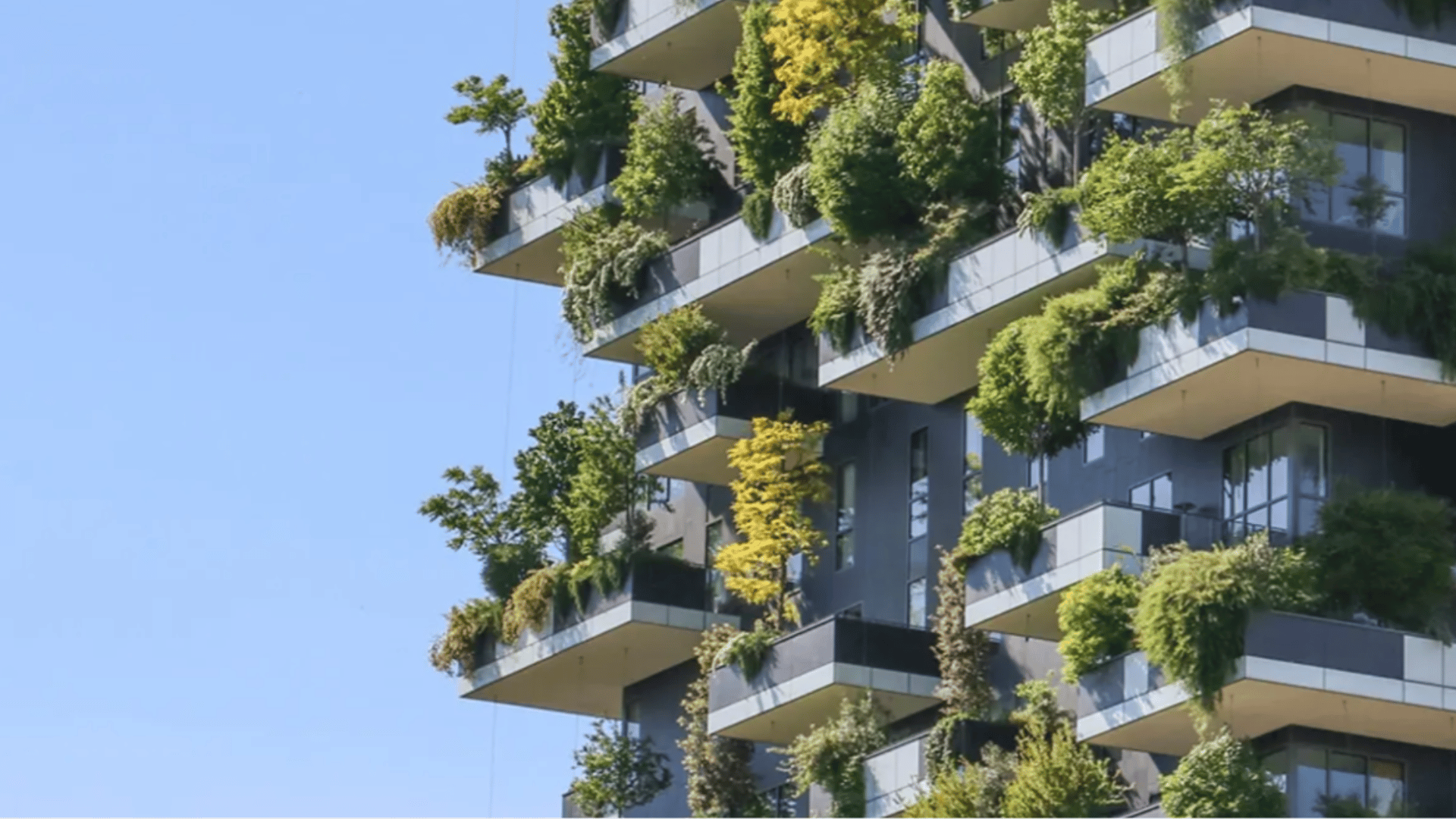
1. Bosco Verticale (Italy)
Source: arup.com
Bosco Verticale in Milan is one of the most talked-about examples of eco brutalism. These residential towers combine concrete structures with over 900 trees and thousands of plants built directly into balconies.
The greenery helps reduce pollution, provides shade, and improves air quality. While the structure feels solid and bold, the plants soften its appearance, making it feel alive.
This project shows how urban living can include nature without needing extra space, making it a strong example of blending architecture with sustainability.
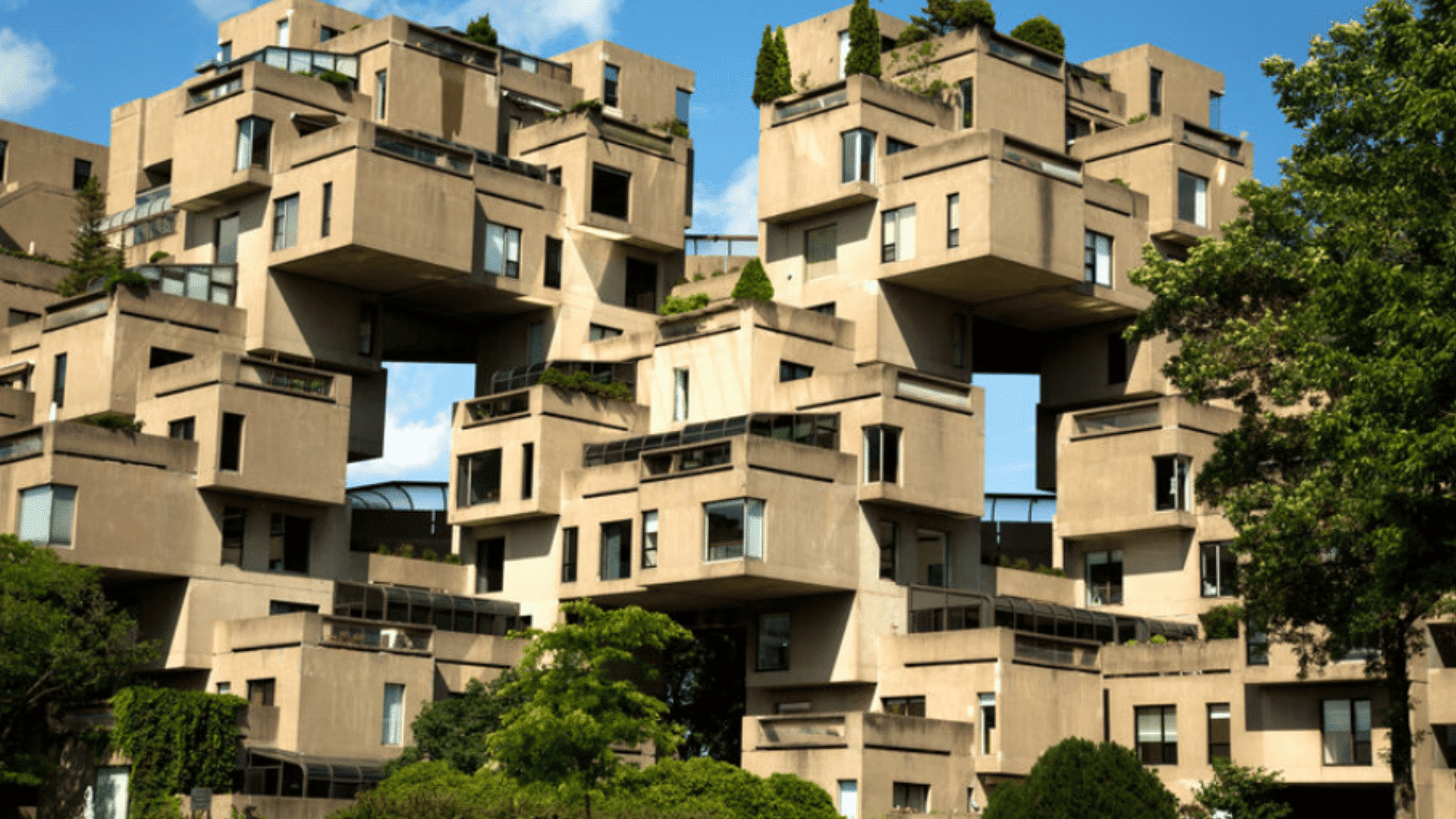
2. Habitat 67 (Canada)
Source: building.com
Habitat 67 in Montreal is known for its stacked concrete units, which create a bold, unique look.
Designed by Moshe Safdie, the building uses prefabricated concrete blocks arranged to give each home access to light, air, and outdoor space.
Over time, greenery has been added, giving it an eco brutalist feel.
The design focuses on function, community living, and efficient use of space, making it a lasting example of how strong structures can support more natural and livable environments.
3. The Barbican Estate (London)
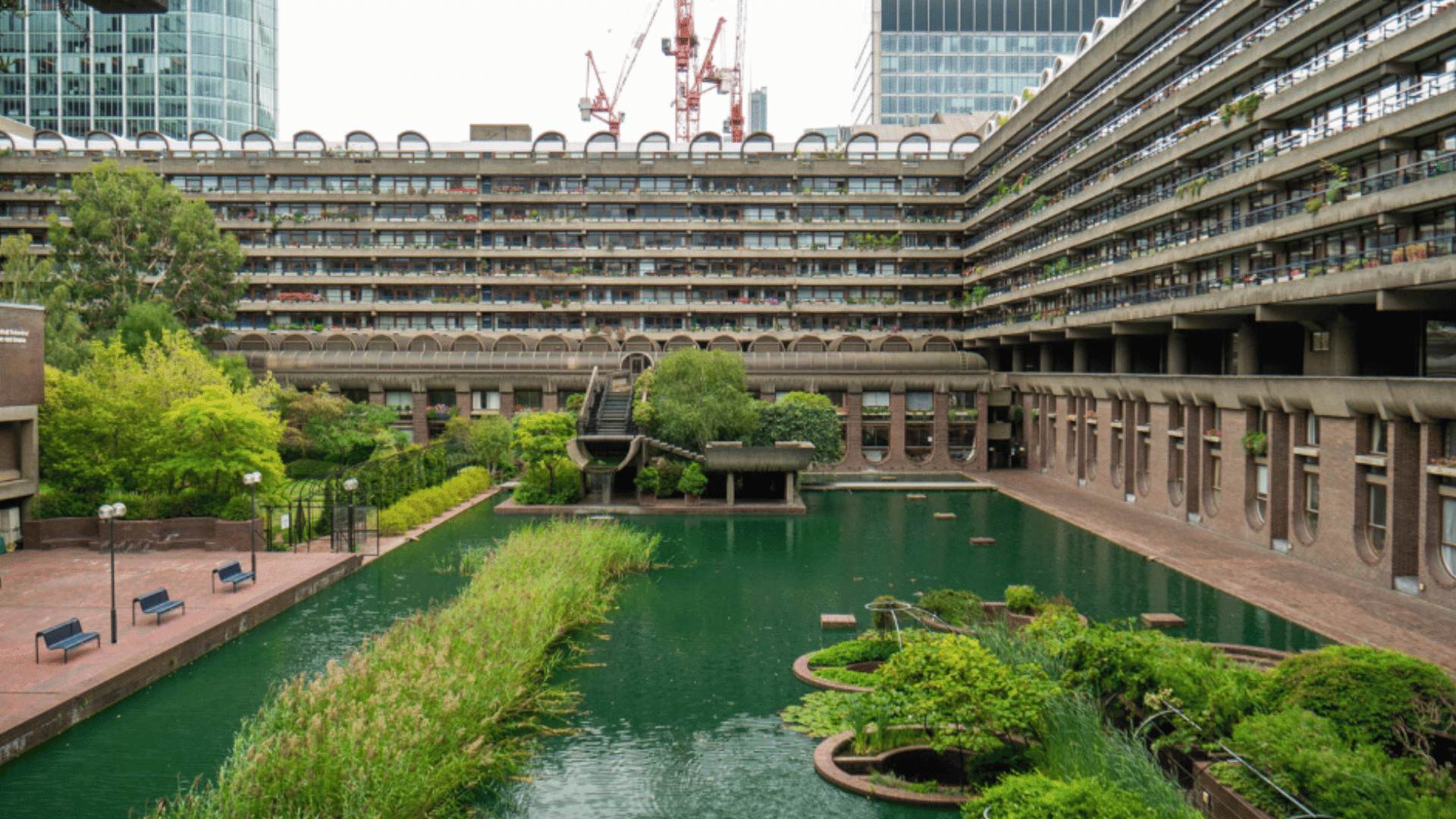
Source: greenblue.com
The Barbican Estate in London is a classic brutalist complex that has evolved into an eco-friendly space. Built with concrete and strong geometric forms, it includes gardens, water features, and green spaces throughout the area.
These elements help soften the heavy design and create a calm environment within a busy city.
The mix of residential buildings, cultural spaces, and greenery makes it a good example of how older brutalist structures can adapt to modern sustainability principles while retaining their original identity.
4. Parkroyal Collection Pickering (Singapore)
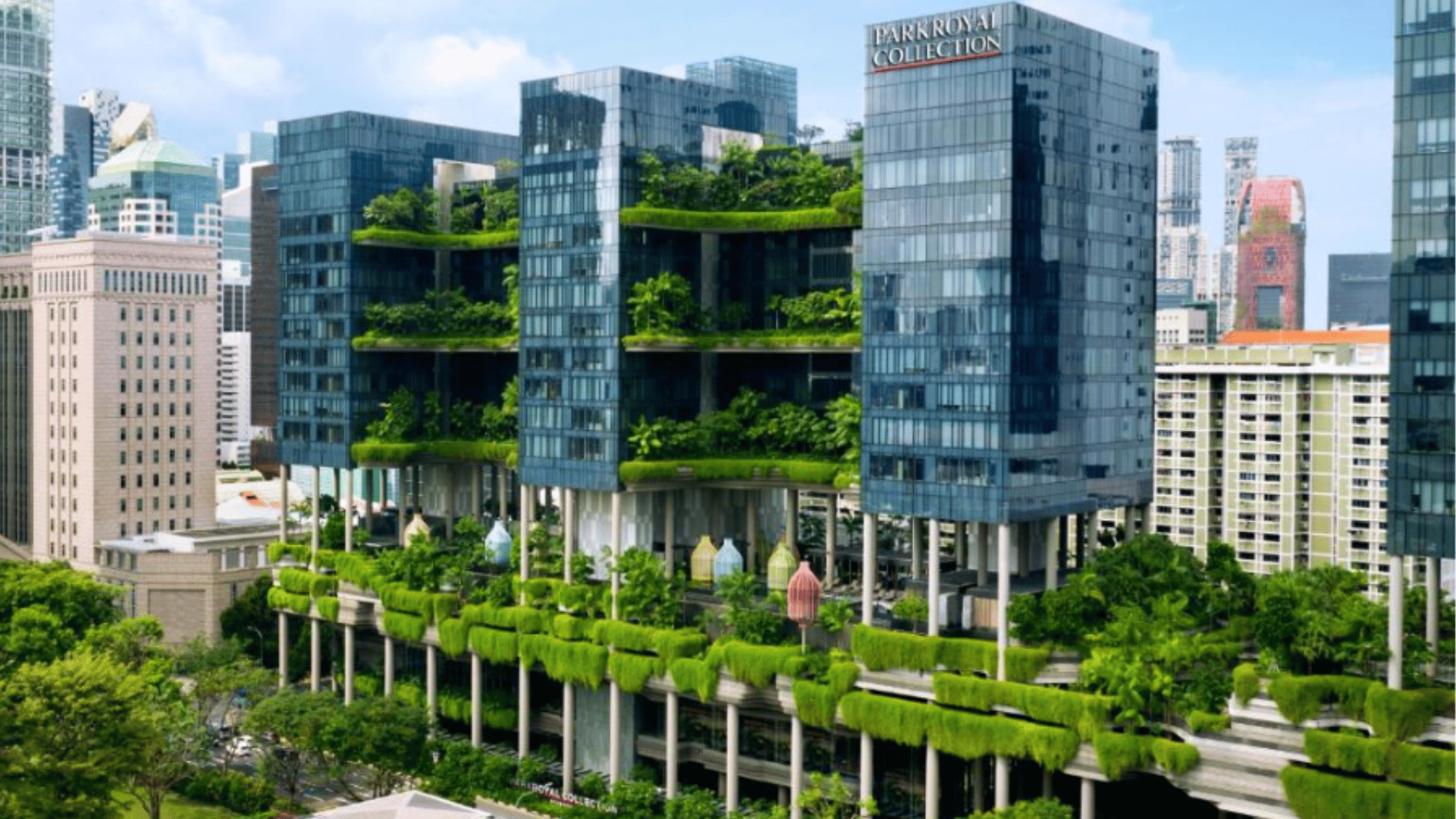
Source: booking.com
Parkroyal Collection Pickering in Singapore blends bold concrete forms with large green terraces and sky gardens. The design includes layers of plants that wrap around the structure, helping reduce heat and improve energy efficiency.
Rainwater collection and natural ventilation are also part of the system, making it both practical and visually strong.
The building feels solid but not harsh, thanks to the greenery that breaks up the heavy lines. It shows how eco brutalism can work well in tropical cities where both shade and cooling are important.
5. Oasia Hotel Downtown (Singapore)
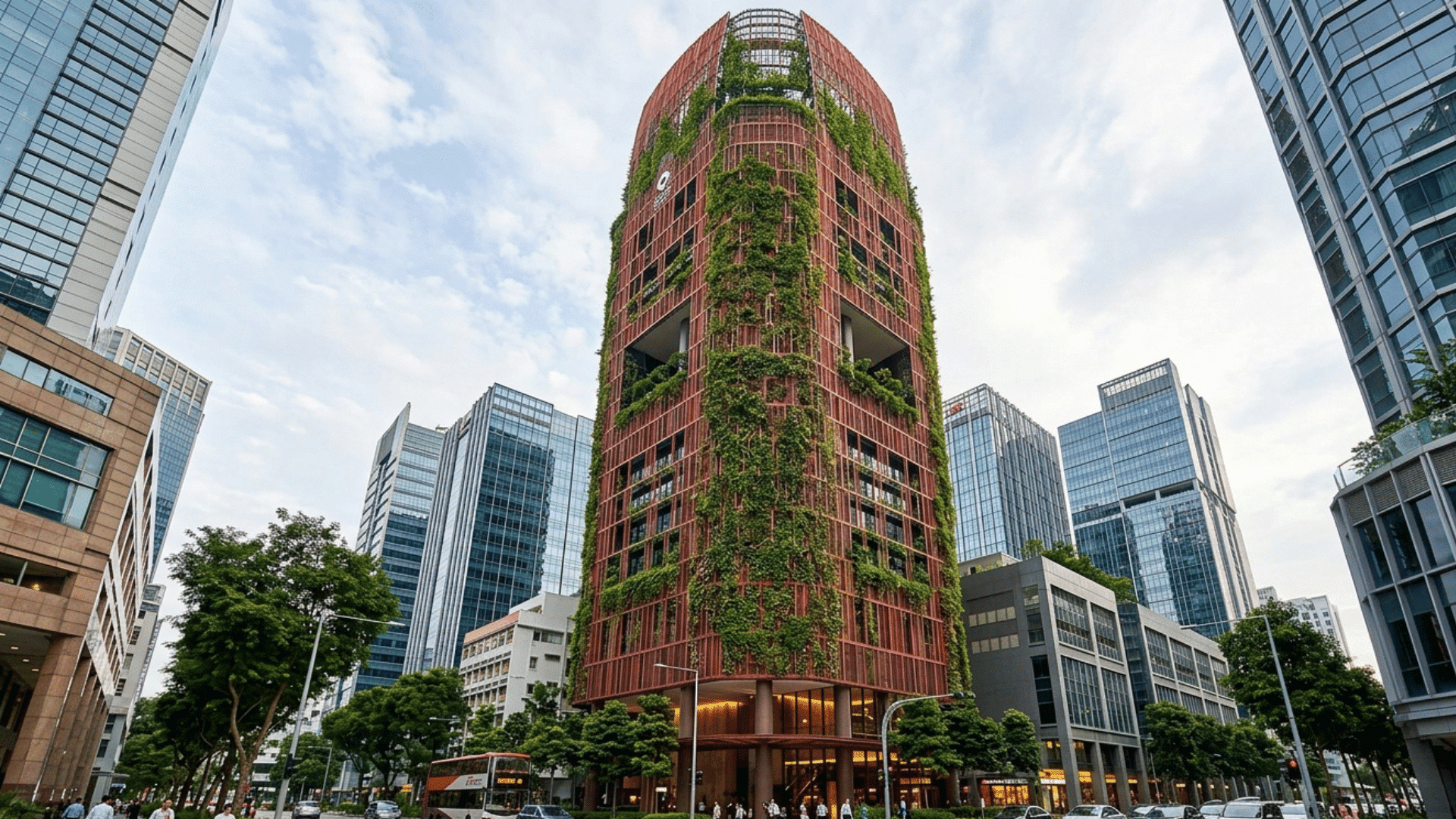
Source: seeingtheworldinsteps.com
Oasia Hotel Downtown stands out for its red exterior, covered in climbing plants and vertical greenery. The structure uses a strong steel frame, but the dense plant cover gives it a softer, more natural feel.
Open-air spaces, sky gardens, and natural airflow reduce the need for heavy air conditioning. This mix of structure and greenery makes the building both efficient and visually different from typical city towers.
Significance of Eco Brutalism in Architecture
It highlights how modern buildings can remain strong while also being mindful of the environment, combining practical design with nature-friendly elements to improve urban living.
This approach balances strength and sustainability by using durable construction along with eco-friendly design to create long-lasting structures with reduced impact.
It promotes the use of materials such as concrete, stone, and steel to reduce the need for frequent repairs, while also integrating greenery to improve air quality and comfort.
It also improves urban living by connecting built spaces with nature, aligns with modern sustainability goals, and creates bold yet practical designs built for long-term use.
What the Community Says About Eco Brutalism
People online share mixed views on eco brutalism. Some like the mix of raw concrete and greenery, saying it feels bold and natural, while others question its environmental impact and find the look too harsh or heavy.
Some people say it works when honest materials are used and when plants soften the mass of the building.
Others call it ugly, inhuman, or even greenwashing because reinforced concrete is carbon-heavy and can age badly. People have also shared their own opinion on Hacker News, like:
The core of brutalism was a reverence for materials, expressed honestly, stating “Brutalism is not concerned with the material as such but rather the quality of material”,[33] and “the seeing of materials for what they were: the woodness of the wood; the sandiness of sand.” – Peter Smithson
I want to dislike brutalism and generally prefer older European architecture, but after seeing a brutalist library on a sand beach in China I kind of learned to like it. – Martindbp
The problem with brutalism is that it is literally inhuman – it creates an environment in which humans do not fit. – Muppet
Is Eco Brutalism the Future of Architecture?
It is often seen as a strong direction for future architecture as the demand for sustainable design continues to grow.
Cities today face challenges like limited space, rising temperatures, and environmental concerns, which push architects to think differently.
This approach offers a way to build structures that are both durable and more in tune with nature.
It also supports better urban living by making spaces feel less harsh and more connected to nature. As these needs continue to grow, it is likely to play a bigger role in shaping modern architecture.
Wrapping It Up
Eco brutalism is not just a design trend; it is a response to a real and growing need. It brings together two ideas that might seem opposite: raw, heavy construction and living, breathing nature.
The examples covered in this blog, from Bosco Verticale to Oasia Hotel Downtown, show that the combination of raw materials and living greenery is not just possible but already working at scale.
The result is a design approach that is both visually bold and environmentally aware. As cities grow and sustainability becomes more urgent, this style offers a practical way forward.

Holding a Master’s in Construction Management from Purdue University, William Ray has dedicated more than two decades to studying and applying construction principles. His professional journey includes a tenure with a prominent construction firm, where he specialized in project management and building technologies. William brought his knowledge to our team, providing in-depth insights into practical construction techniques. As the leader of our beginner’s guide to building since 2019, he has a knack for breaking down intricate processes into easily digestible content. When not involved in writing or onsite consultations, William enjoys woodworking and volunteering in community building projects, which aligns with his passion for hands-on construction and community service.