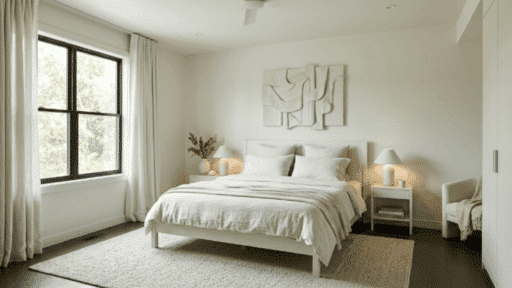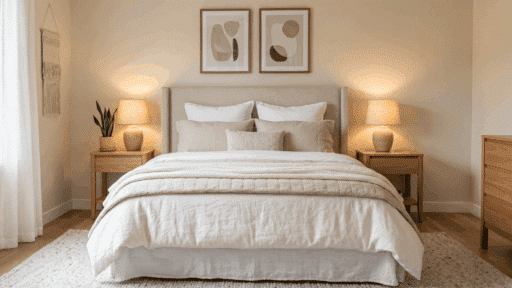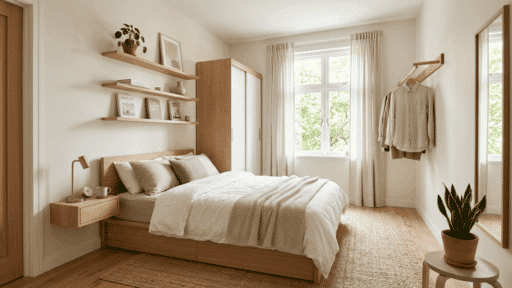
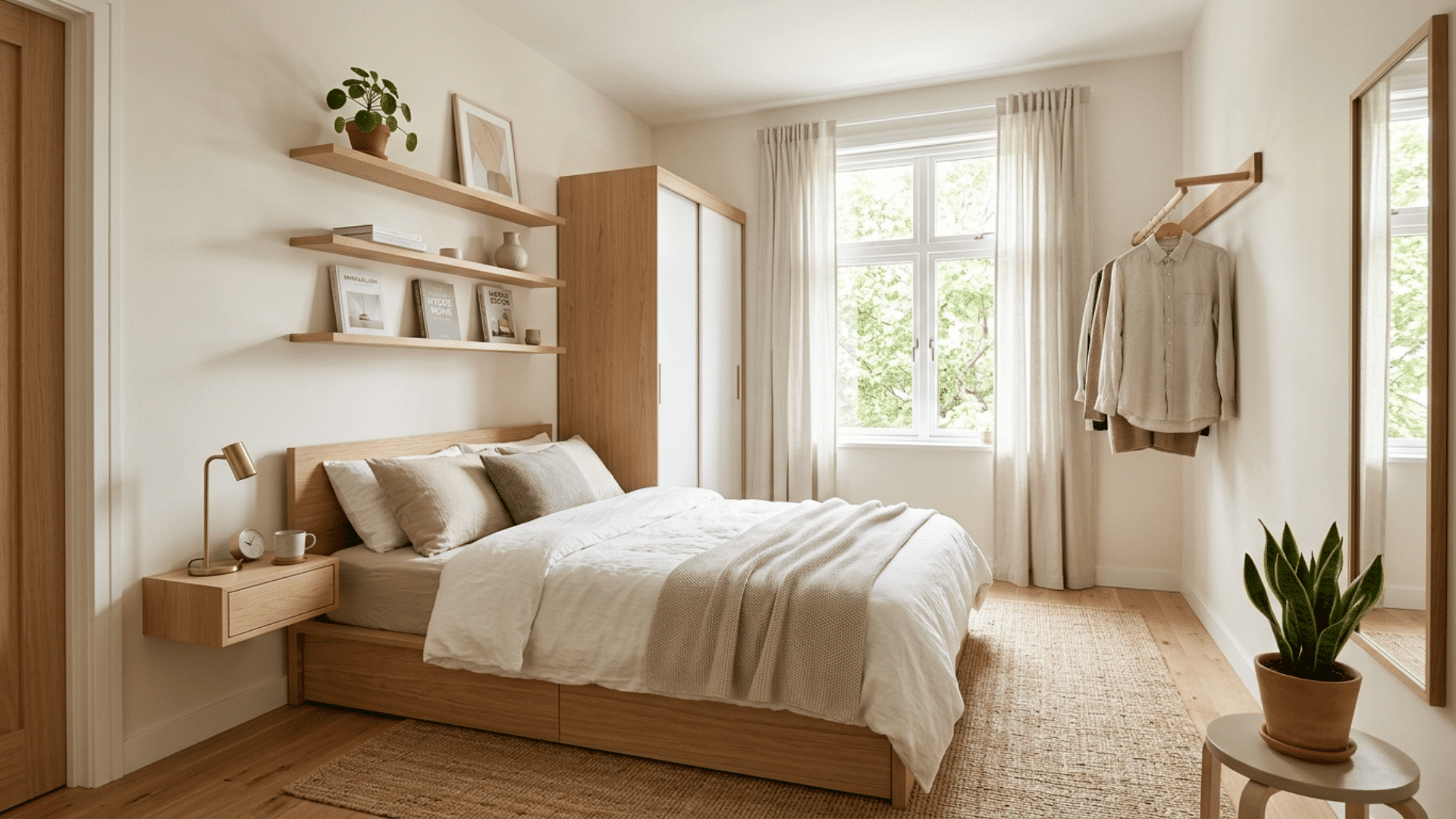

Decorating a small bedroom can feel confusing at first. You want style, but not at the cost of space. Many people either overcrowd the room or keep it too plain, and neither really works.
If you’re trying to figure out how to decorate a small bedroom, the key is making simple, smart choices. From layout tweaks to practical small bedroom ideas and easy small bedroom decor, the right approach can make a big difference.
In this blog, you’ll find clear, workable ideas that help you use your space better and create a room that feels open, comfortable, and well-arranged.
Why Layout Planning is Important in A Small Bedroom?
Planning your layout is the first step before adding any decor, and it can make or break the space. When thinking about how to decorate a small bedroom, it’s not just about what you add, but where and why you place it.
A well-planned layout keeps movement easy and prevents the room from feeling cramped. It also helps you avoid unnecessary furniture and makes better use of limited space.
Good layout choices support better small-bedroom decor by reducing clutter and improving flow. With the right setup, even simple, small bedroom ideas feel more practical and comfortable to live with.
Smart Ways to Decorate a Small Bedroom
Decorating a small bedroom is less about adding more and more and more, and more about making smart choices. The right ideas can help you save space while still keeping the room comfortable and visually appealing:
Bed Placement Ideas for Small Bedrooms
The way you position your bed can significantly impact how spacious and functional your bedroom feels. The ideas below focus on layouts that help free up space, improve movement, and make the room feel less crowded:
1. Push the Bed Against a Wall
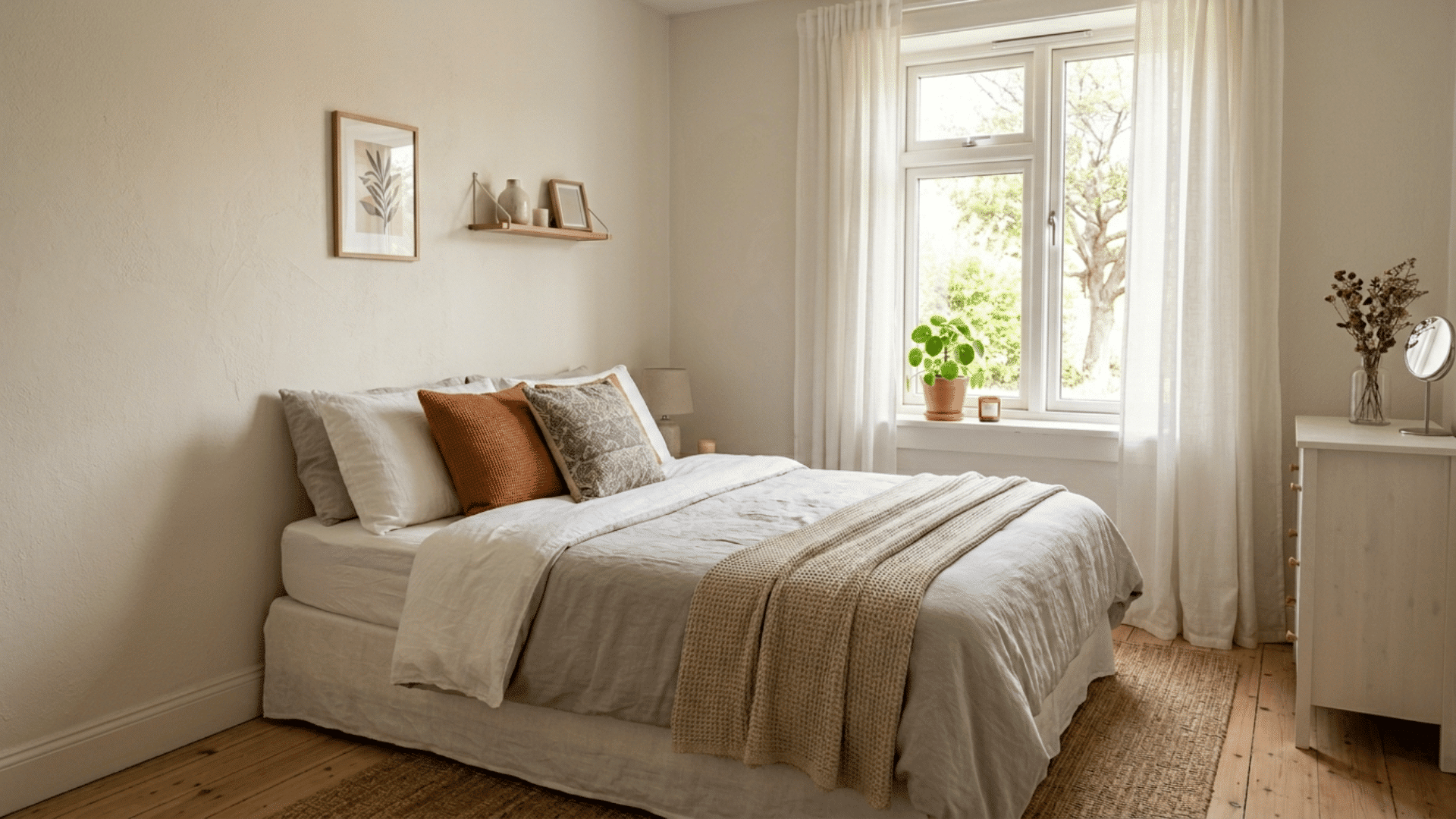
Placing the bed against a wall can instantly open up the room and create more usable space. It frees up walking areas and makes the layout feel less cramped, especially in tight or narrow bedrooms.
This setup also allows you to fit in other essentials, such as a desk or storage unit, more easily, without overcrowding the space.
How to:
- Place the bed along the longest wall for better balance
- Leave at least one side open for easy access
- Add cushions or a headboard to soften the look
- Keep nearby furniture minimal
2. Use a Corner Bed Setup
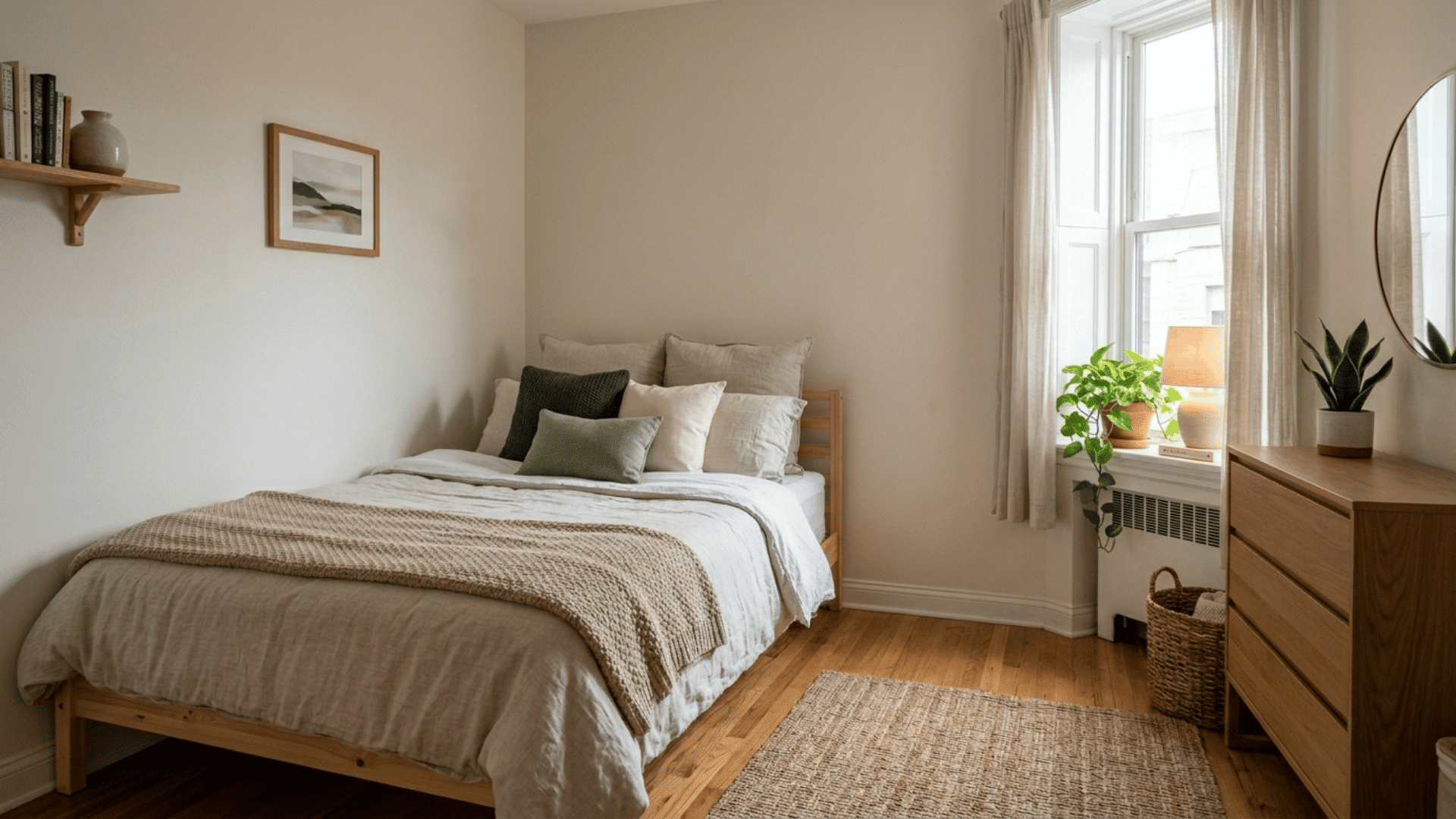
A corner bed setup is a smart way to use space that often goes unused. By placing the bed in a corner, you create a more open area in the center of the room, which helps improve movement.
This layout can make the room feel more organized and less restricted, especially in small or irregularly shaped bedrooms.
How to:
- Position the bed tightly into a corner
- Use nearby walls for shelves or lighting
- Keep bedding simple to reduce clutter
- Ensure there’s enough room to move around
3. Skip the Bulky Nightstands
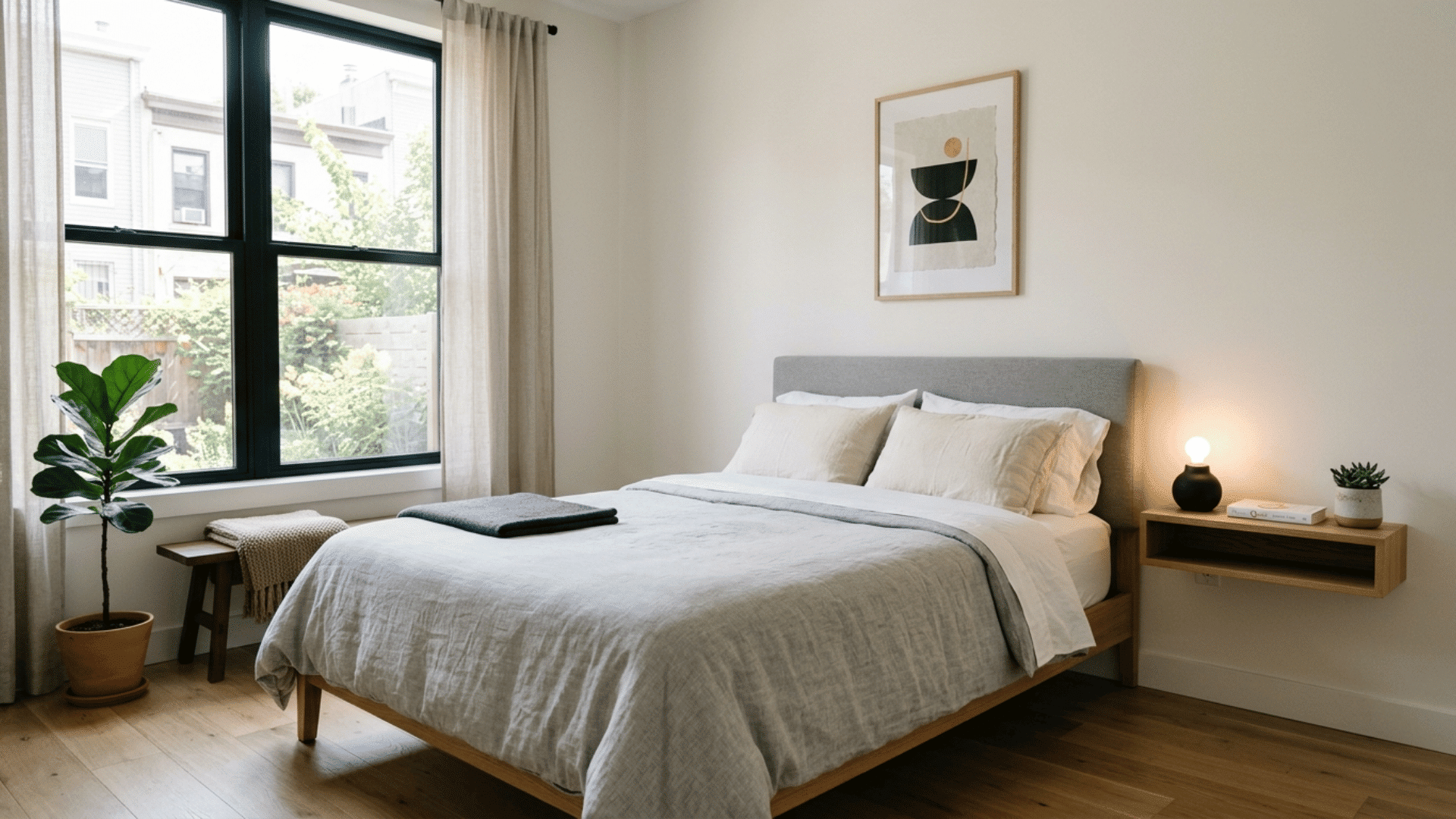
Bulky nightstands can quickly take over a small bedroom, leaving little space. Replacing them with slimmer alternatives helps maintain functionality while keeping the room open.
Wall-mounted shelves or compact stools can provide just enough surface area without adding visual weight.
How to:
- Replace with floating shelves or narrow tables
- Keep only essentials like a lamp or phone
- Avoid oversized or heavy designs
- Use vertical space if possible
4. Choose Multi-Functional Furniture
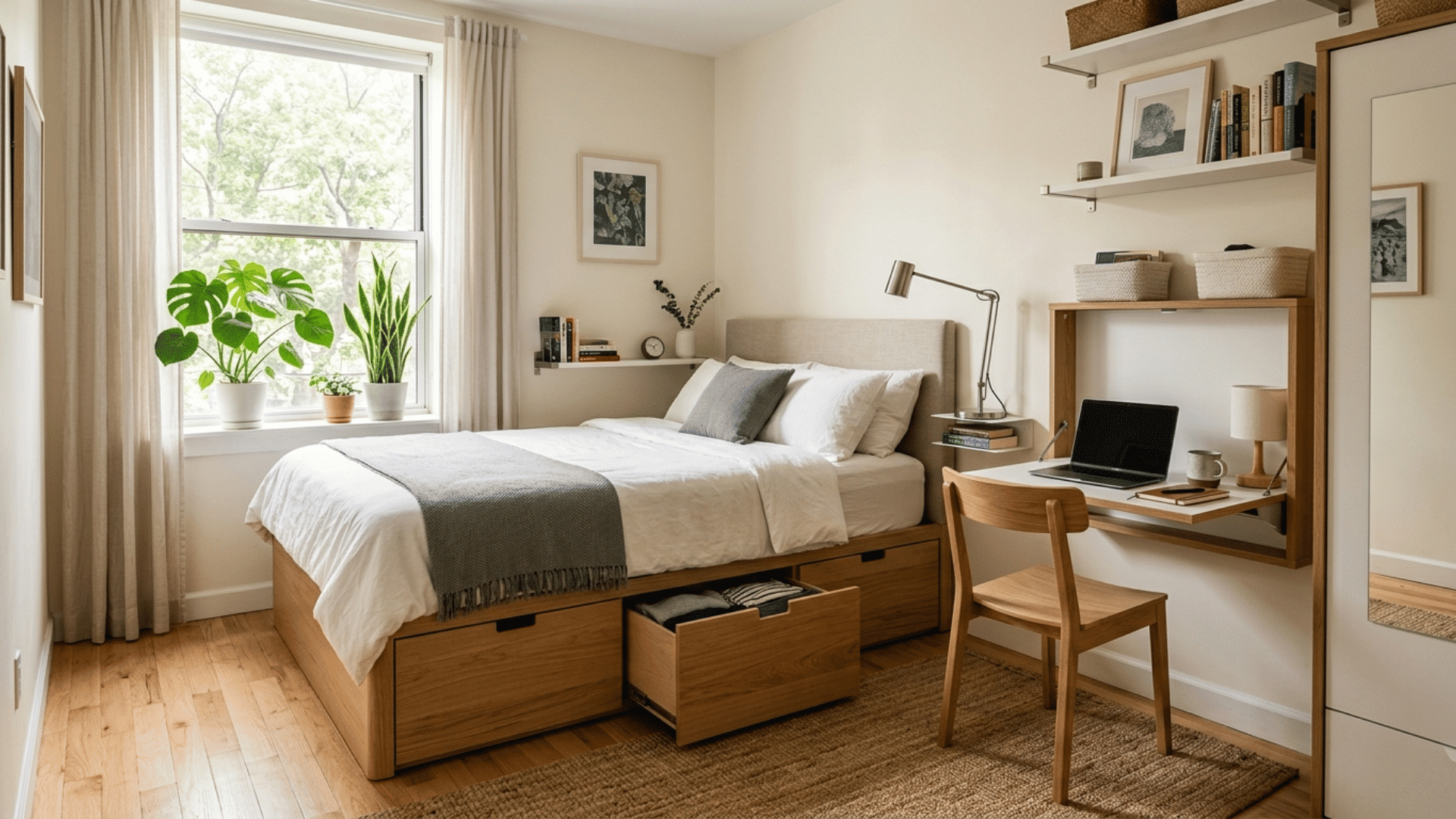
Multi-functional furniture allows you to make the most of limited space. Instead of adding separate pieces for each need, you can use items that serve multiple purposes. This reduces clutter and keeps the room more organized.
It’s especially useful in small bedrooms where every item should add value.
How to:
- Use beds with built-in storage
- Choose foldable desks or chairs
- Pick furniture with hidden compartments
- Avoid single-purpose bulky items
5. Keep Walking Paths Clear
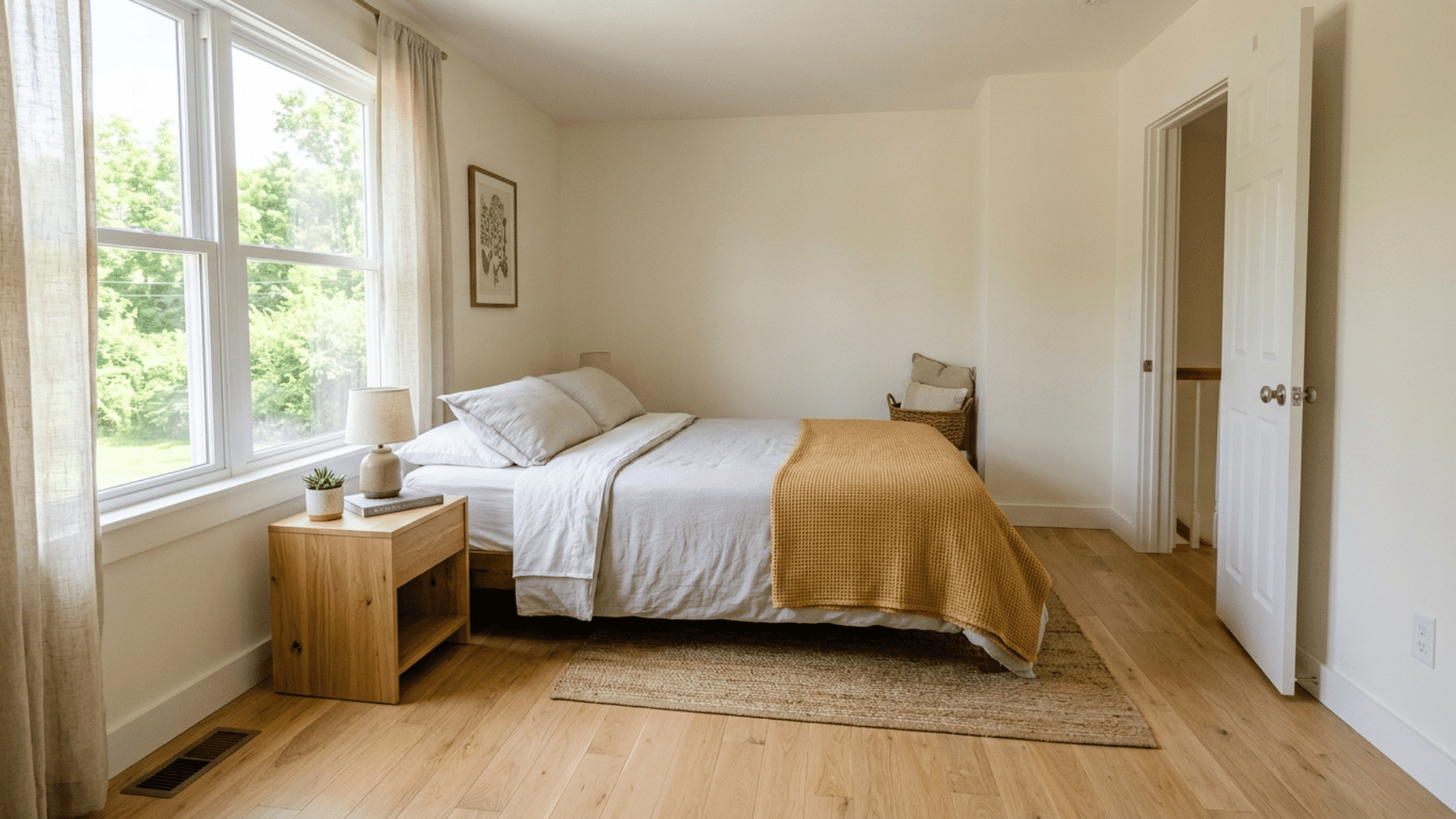
Clear walking paths are essential for making a small bedroom feel comfortable and easy to use. When furniture blocks movement, the room feels cramped and inconvenient.
Keeping pathways open improves flow and makes daily activities smoother. Even small layout changes can create a noticeable difference in how the space feels.
How to:
- Leave enough space around the bed
- Avoid placing furniture in tight walkways
- Keep corners open and uncluttered
- Rearrange items if movement feels restricted
Smart Storage Ideas
Storage plays a big role in keeping a small bedroom organized. Instead of adding more furniture, it’s better to use hidden and vertical storage options. These ideas help maintain a clean and clutter-free look:
6. Use Under-Bed Storage
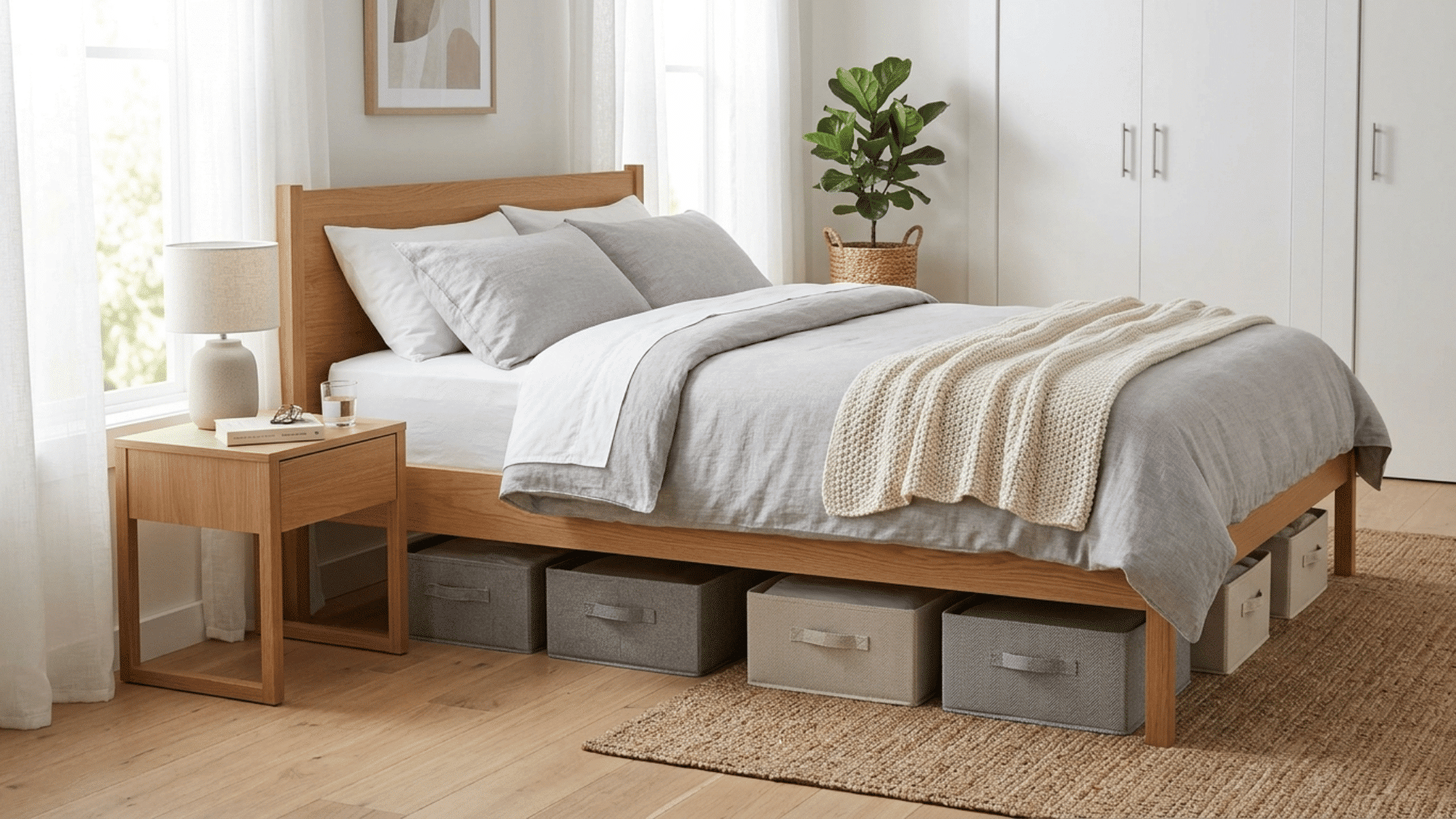
The space under your bed is one of the most useful hidden storage areas in a small bedroom. Using it properly can reduce the need for extra furniture. It helps keep items out of sight while maintaining a clean look.
This is especially helpful for storing seasonal items or things you don’t use daily.
How to:
- Use flat storage boxes or drawers
- Store less-used items underneath
- Keep things organized and labeled
- Avoid overstuffing the space
7. Install Floating Shelves
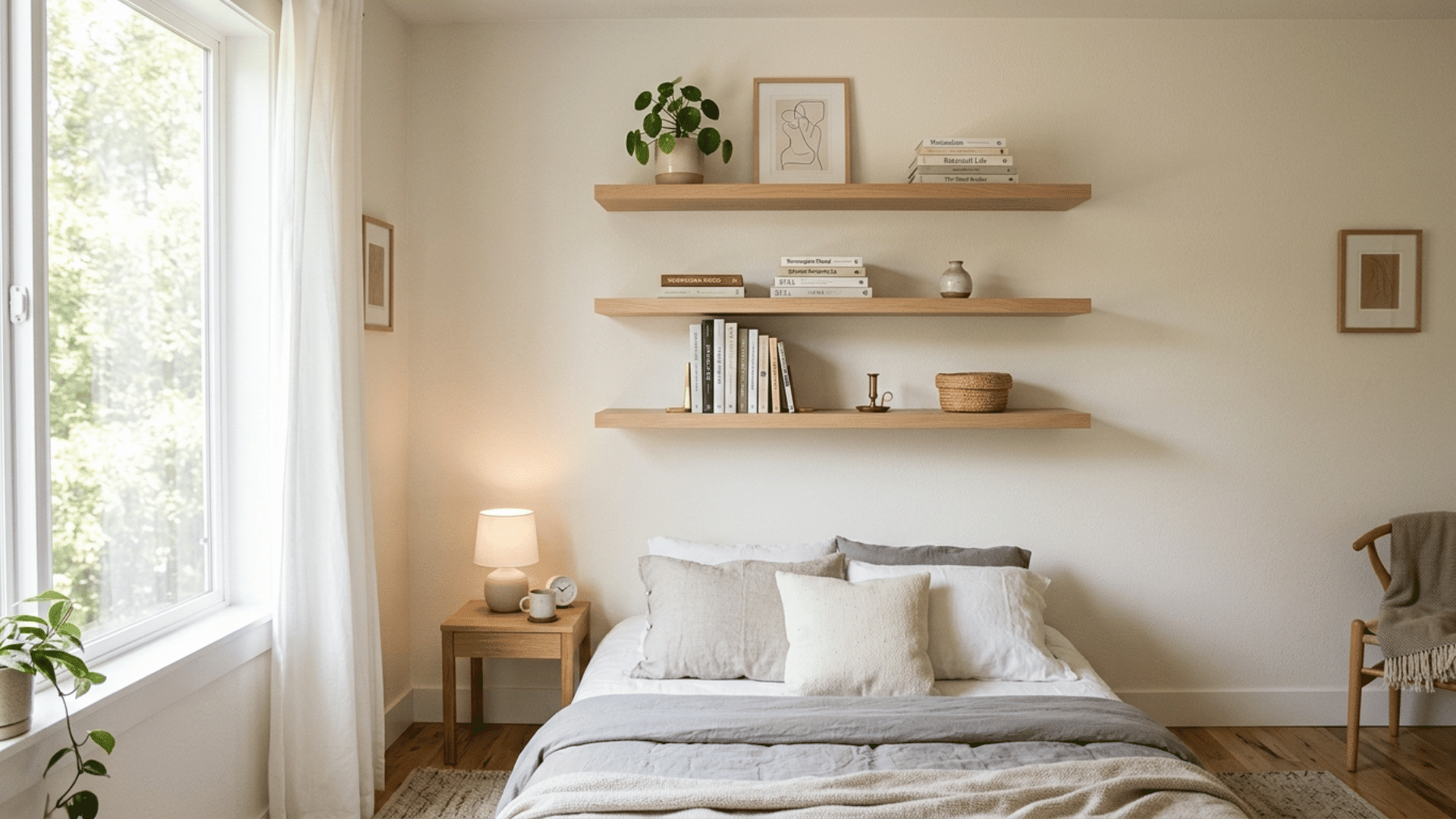
Floating shelves are a practical way to add storage without taking up floor space. They help keep essentials within reach while maintaining an open and airy feel.
You can use them to display decor, books, or daily items in an organized way. When used properly, they improve both storage and style without overcrowding the room.
How to:
- Install above the bed, desk, or corners
- Keep items minimal and organized
- Use matching shelves for a clean look
- Avoid overloading them
8. Use Vertical Storage
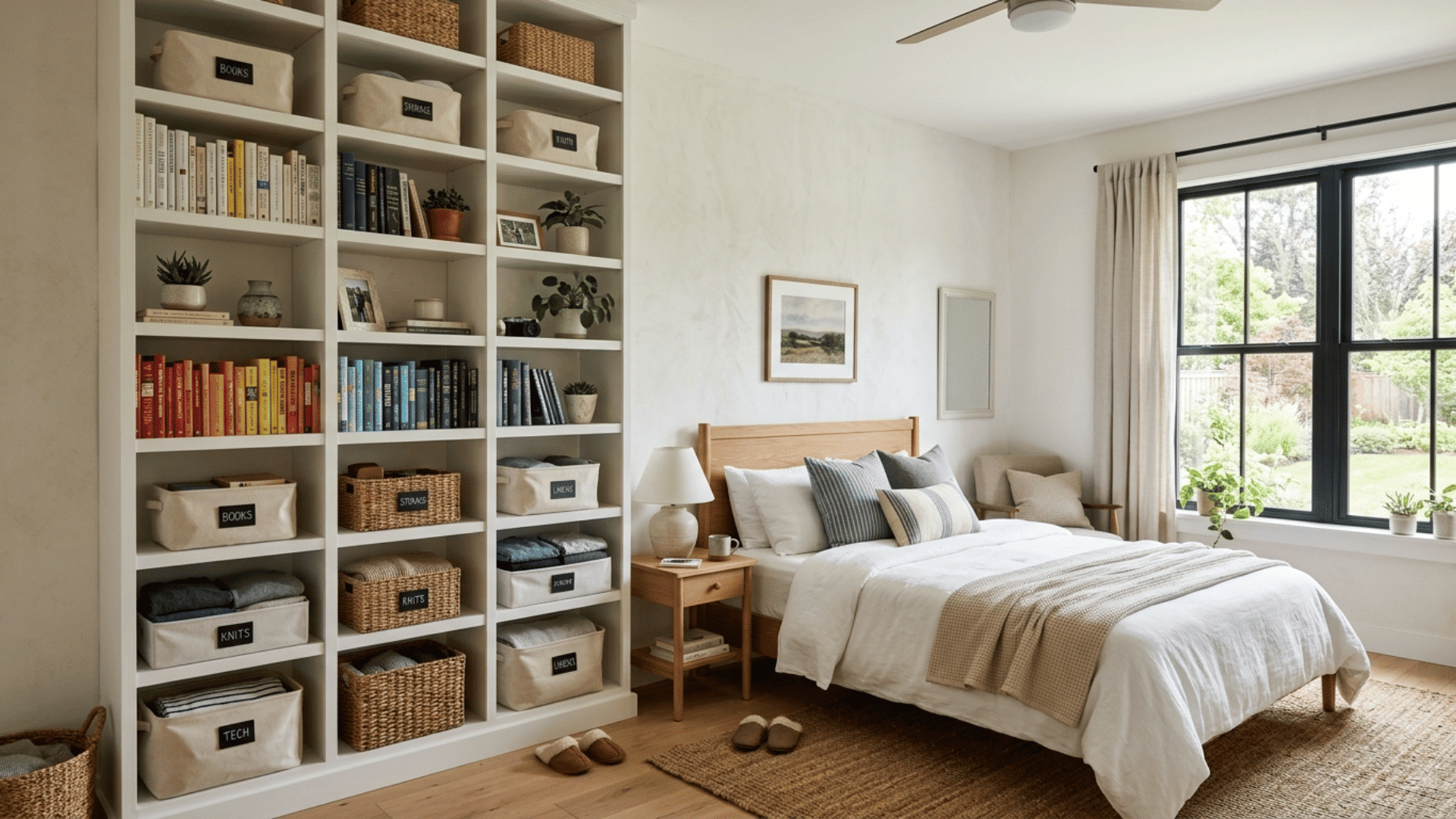
Vertical storage helps you make better use of wall height rather than floor space. This approach keeps the room open while still giving you enough storage.
Tall shelves or cabinets can hold more items without spreading across the room. It’s a simple but effective way to make a small bedroom feel more functional.
How to:
- Choose tall shelves over wide ones
- Store less-used items higher up
- Keep daily items within reach
- Maintain a neat arrangement
9. Add Hooks Behind Doors
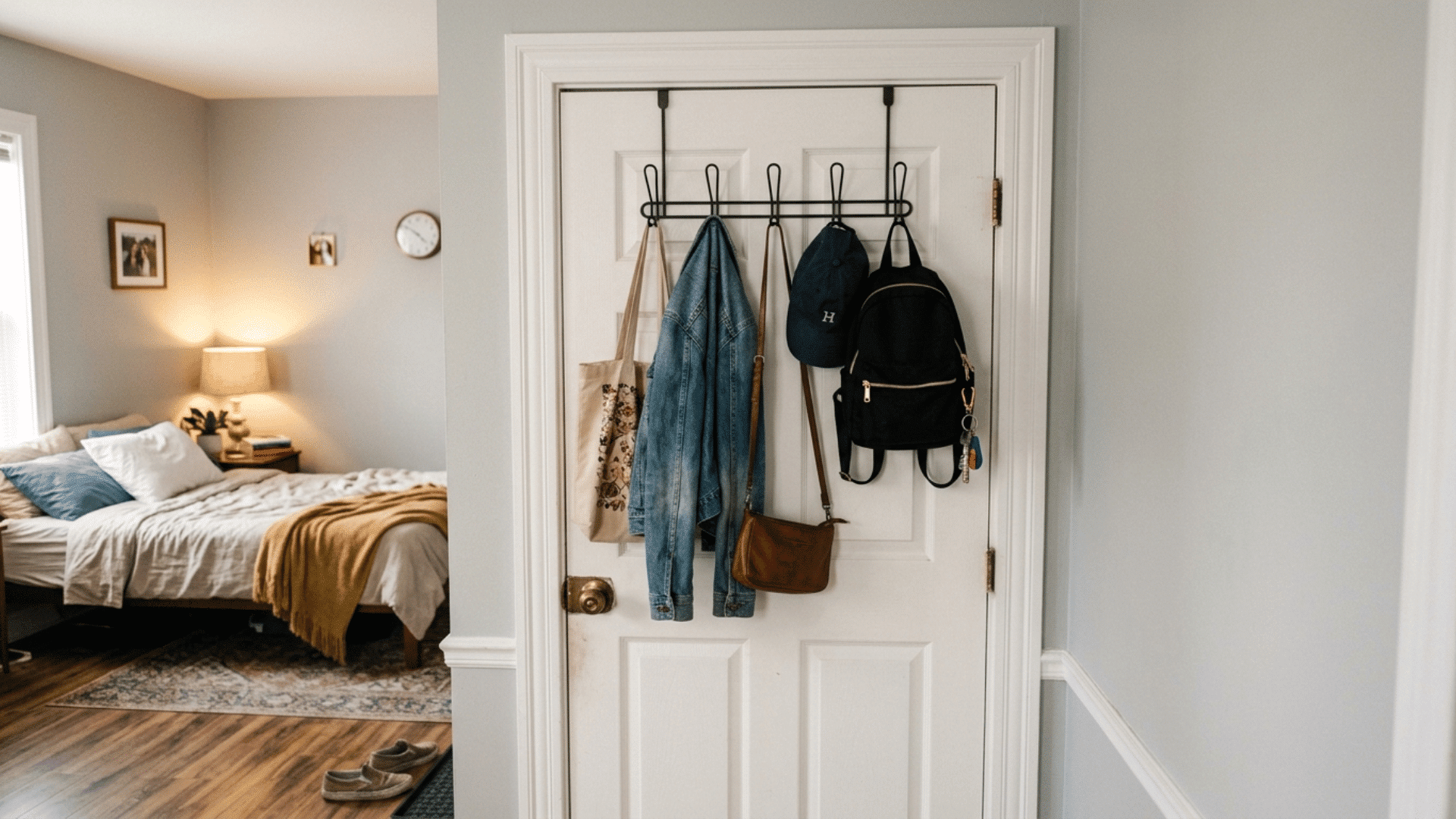
The back of a door is often overlooked, but it can be a very useful storage spot. Adding hooks here helps you store everyday items without adding furniture. It keeps things accessible while reducing clutter in visible areas.
This small addition can improve organization without taking up extra space.
How to:
- Install hooks behind doors or walls
- Use for bags, jackets, or accessories
- Avoid overcrowding with too many items
- Keep it simple and organized
10. Use Storage Ottomans
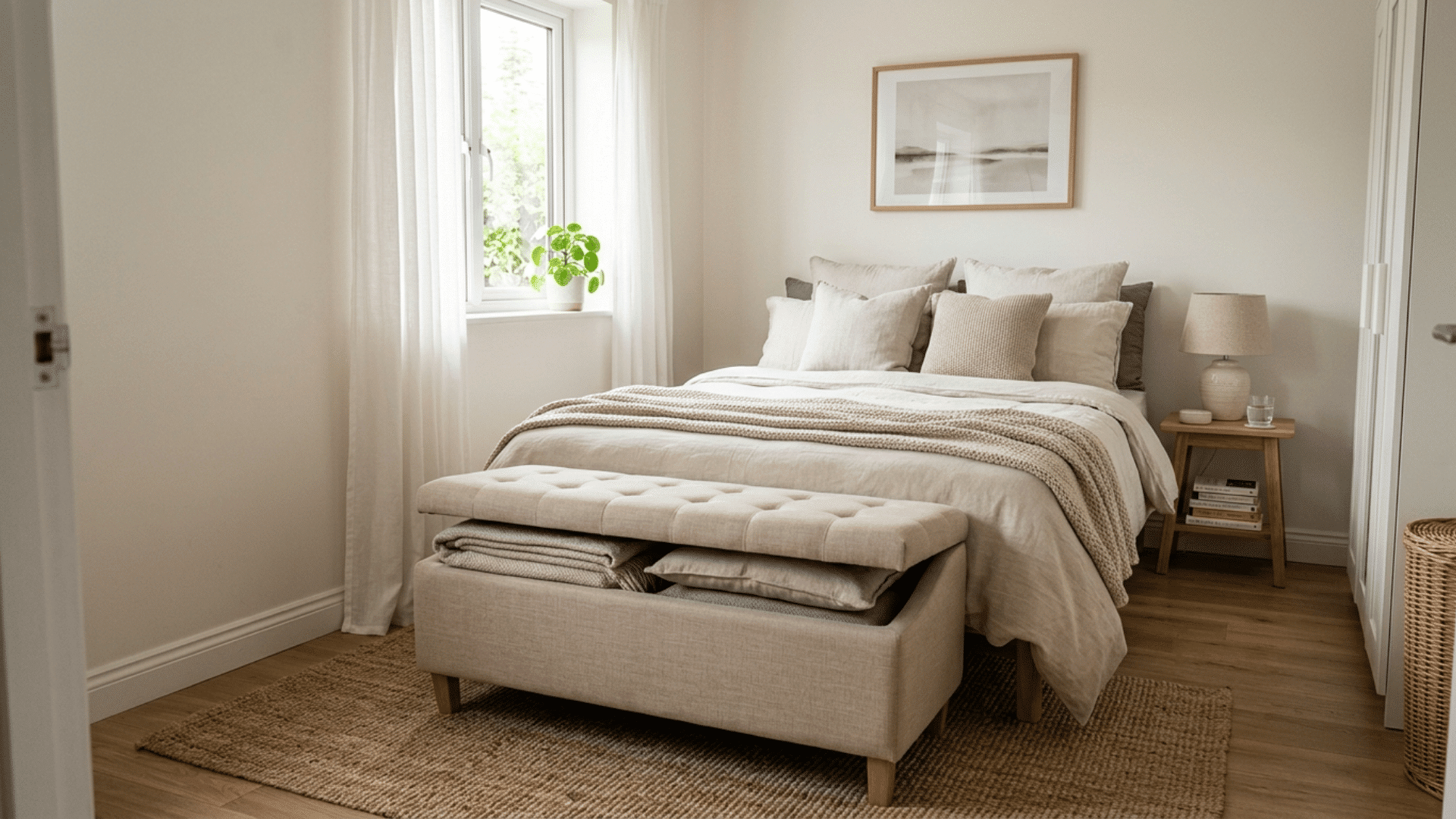
Storage ottomans are a smart way to combine seating and storage in one piece. They help keep items hidden while still being useful. This reduces the need for extra furniture and keeps the room tidy.
It’s a practical option for small bedrooms with limited space.
How to:
- Place near the bed or seating area
- Store blankets or extra items inside
- Choose compact designs
- Avoid oversized options
Color & Wall Design Ideas
Color choices can affect how big or small a room feels. The right wall design can make a noticeable difference without taking up space. These ideas focus on simple changes that improve the overall look:
11. Stick to Light Colors
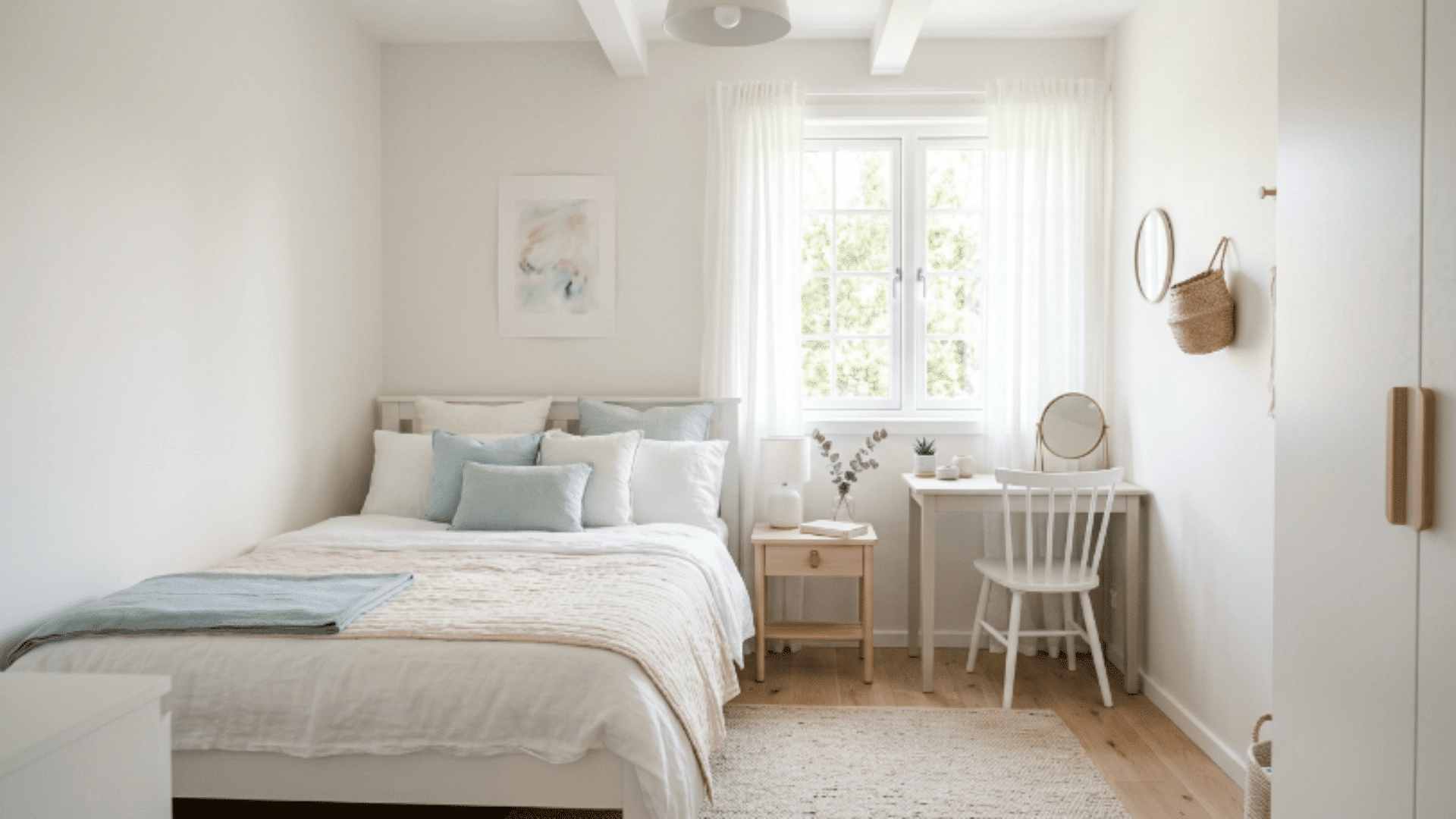
Light colors help create a more open and airy feel in a small bedroom. They reflect light more effectively, making the space look brighter and less confined.
Using soft shades also creates a calm environment, which is ideal for a bedroom. While darker tones can still be used, they should be limited to accents to avoid making the room feel smaller.
How to:
- Use whites, beige, or soft pastel tones
- Keep walls and furniture in similar shades
- Add contrast through small decor pieces
- Avoid using too many dark colors
12. Use One Accent Wall
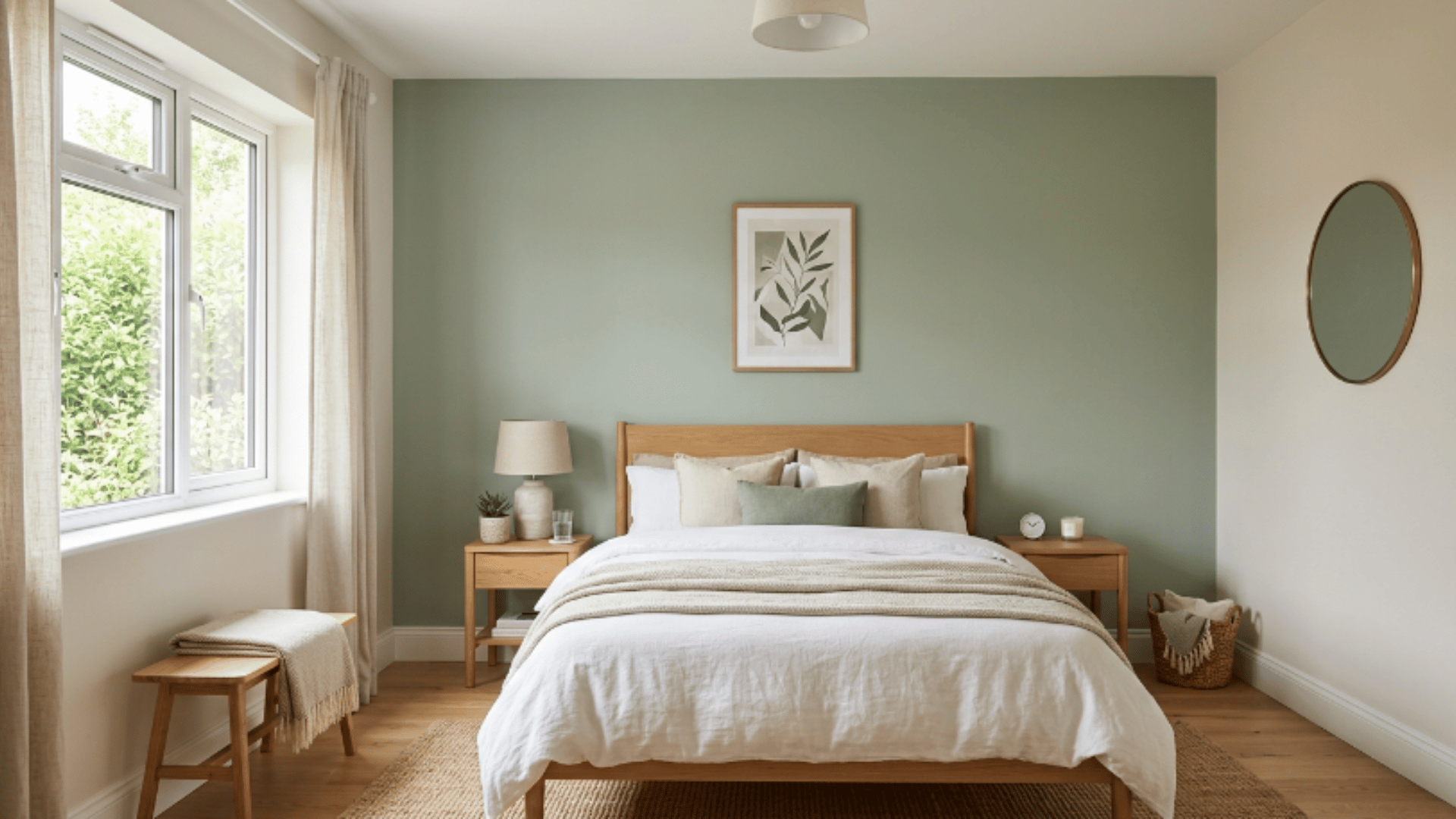
An accent wall adds depth and character without overwhelming the room. It draws attention to one focal area while keeping the rest of the space simple. This prevents the room from feeling too busy or cluttered.
A well-chosen accent wall can enhance the overall look without taking up physical space.
How to:
- Choose one wall as the focal point
- Use subtle colors or patterns
- Keep other walls neutral
- Avoid over-decorating
13. Try Vertical Stripes
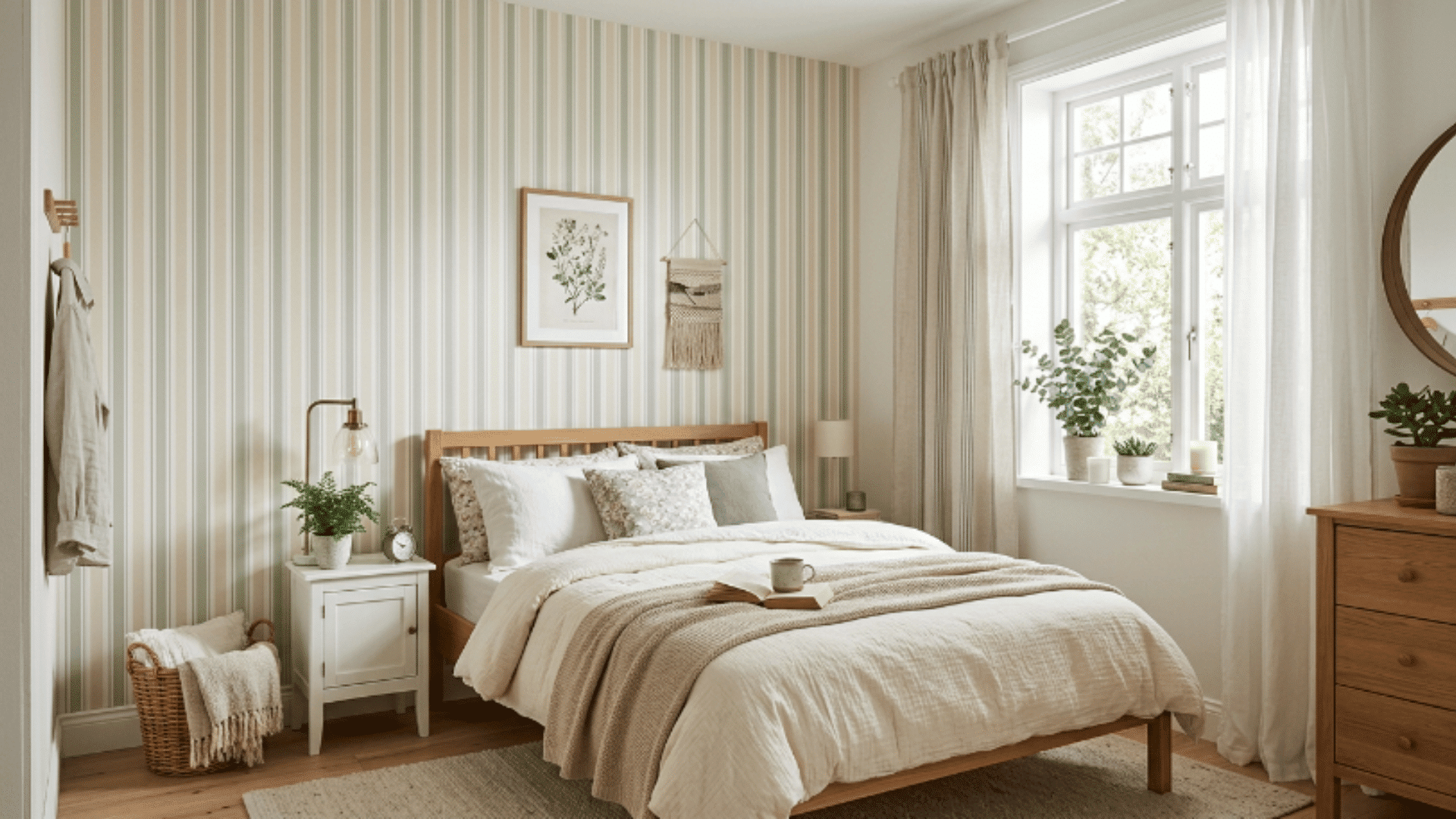
Vertical stripes are a simple visual trick to make ceilings appear taller. They guide the eye upward, creating a sense of height. This works especially well in rooms with low ceilings. When used carefully, stripes can improve the overall proportions of the space.
How to:
- Use stripes on one wall or curtains
- Keep colors soft and subtle
- Avoid bold or busy patterns
- Pair with simple decor
14. Use Minimal Wall Art
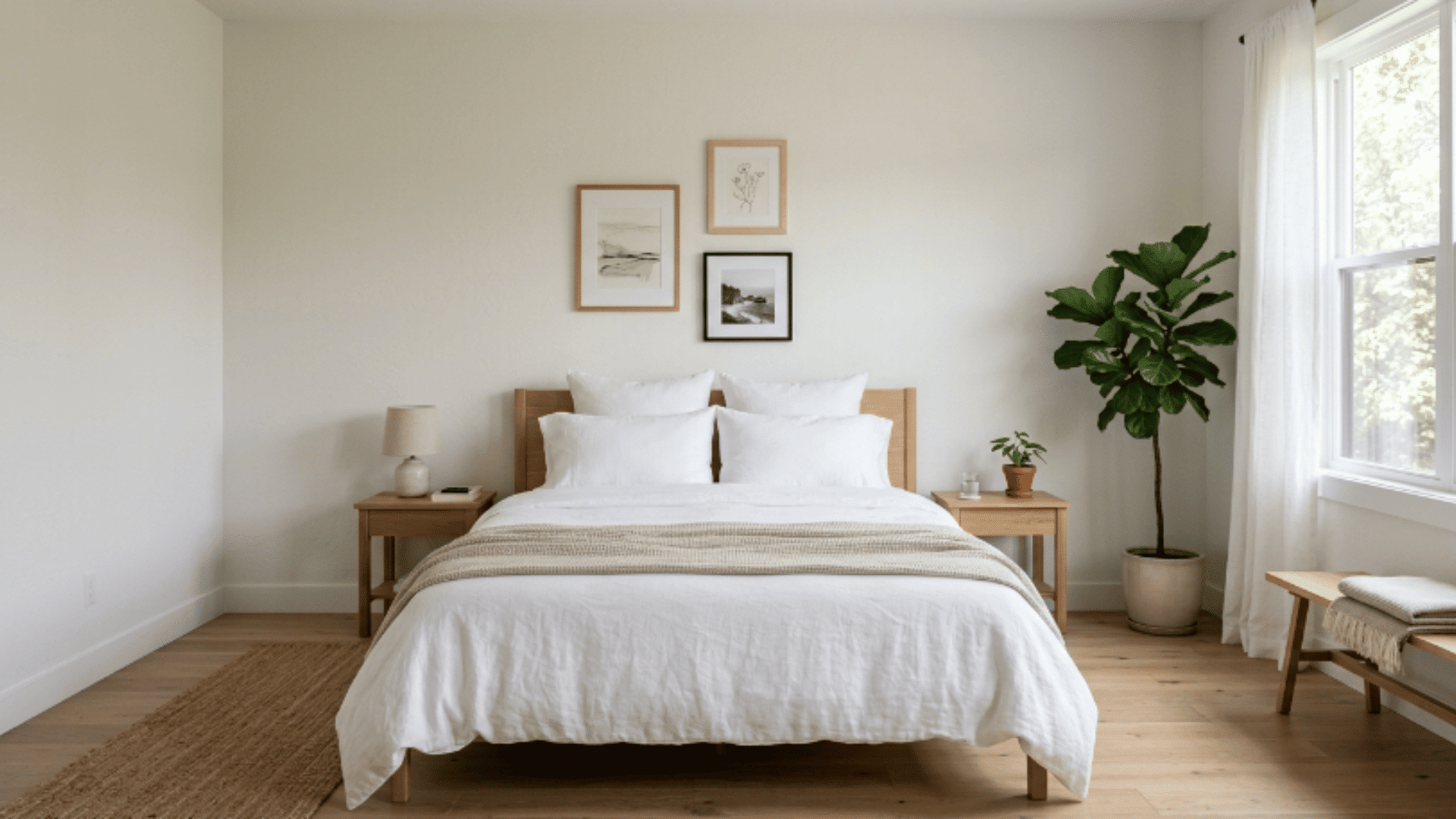
Too much wall decor can make a room feel crowded and heavy. Keeping wall art minimal helps maintain a clean and open look. A few well-chosen pieces can add personality without overwhelming the space. It also allows each item to stand out more.
How to:
- Choose 2-3 meaningful pieces
- Space them evenly
- Use similar frames or tones
- Avoid filling every wall
15. Paint Ceiling Slightly Lighter
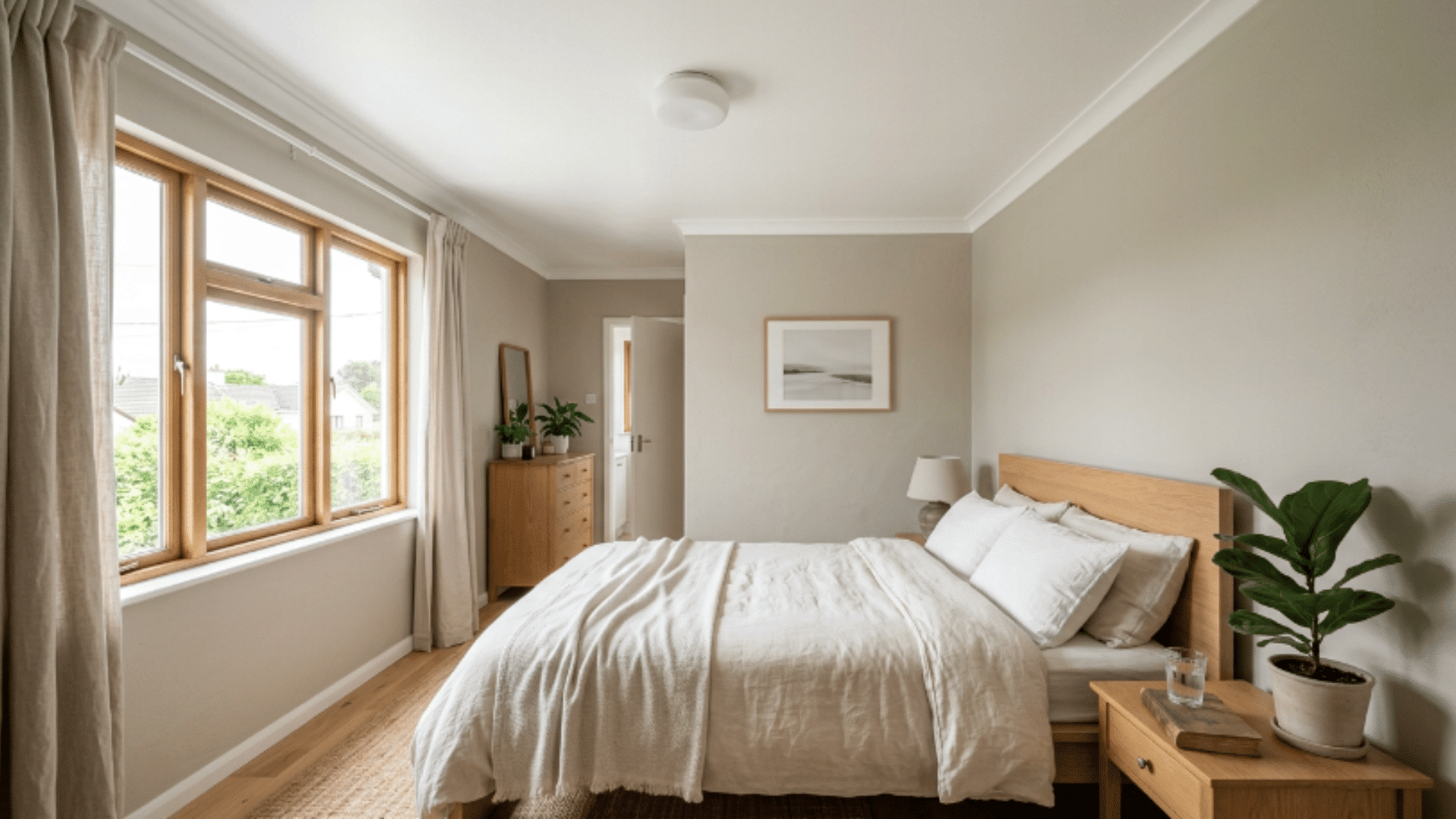
A lighter ceiling creates the illusion of height, making the room feel more spacious. It draws the eye upward and balances the overall look.
This is a simple change that can make a noticeable difference without much effort. It works especially well in compact bedrooms.
How to:
- Choose a shade lighter than the walls
- Keep the finish clean and simple
- Avoid dark ceiling colors
- Combine with good lighting
Note: If you’re looking for calming shades that work well in small spaces, check out 12 Peaceful Bedroom Paint Colors for inspiration.
Lighting Ideas
Lighting can change how a room looks and feels. Good lighting makes a small bedroom feel brighter and more open. These ideas focus on practical ways to improve lighting:
16. Use Wall-Mounted Lights
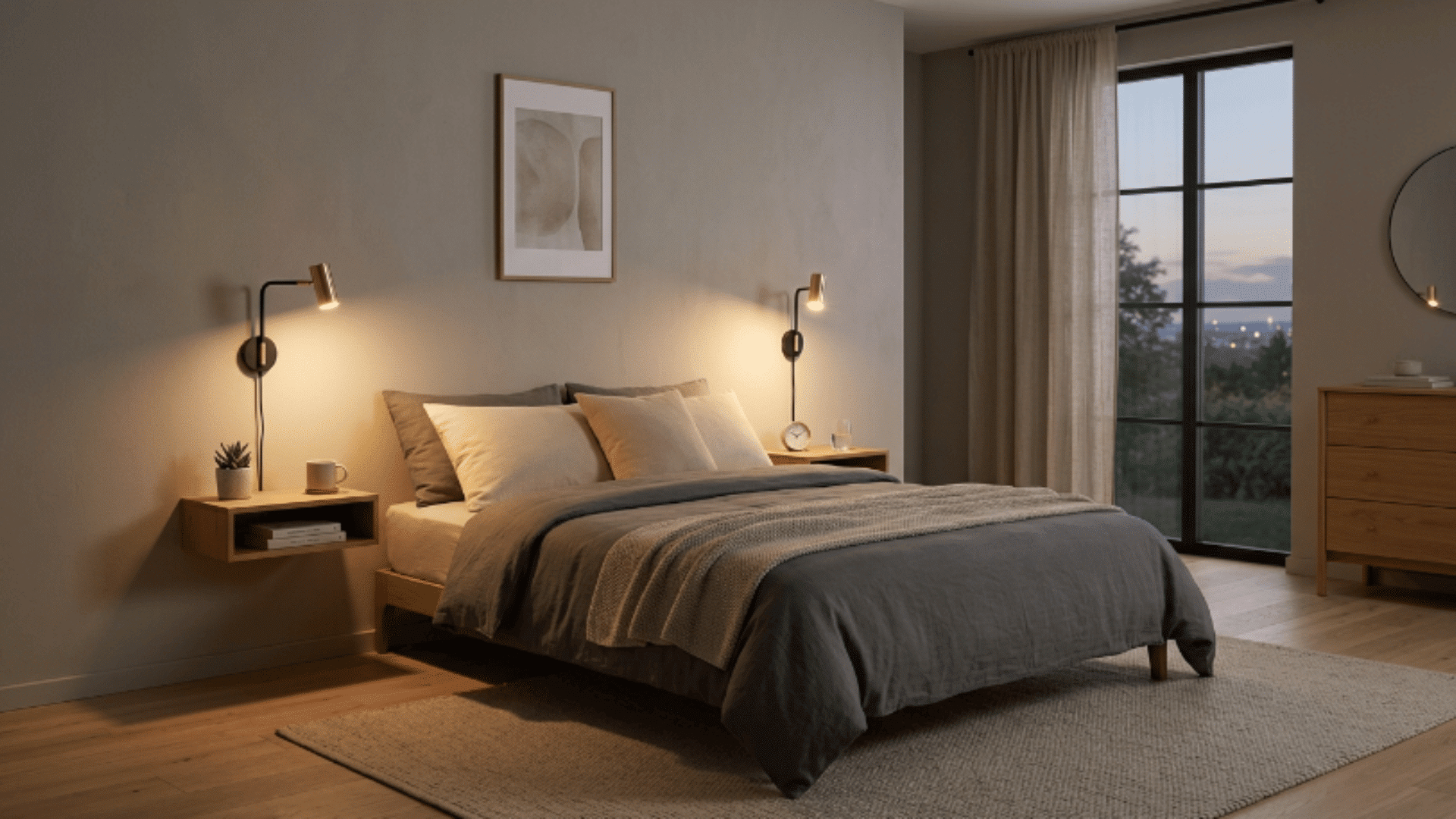
Wall-mounted lights help free up valuable surface space by removing the need for table lamps. They also create a cleaner and more organized look. This is especially useful in small bedrooms where every inch counts.
Proper lighting placement can improve both function and style.
How to:
- Install beside the bed or desk
- Choose compact, simple designs
- Use warm light for comfort
- Avoid bulky fixtures
17. Add LED Strip Lighting
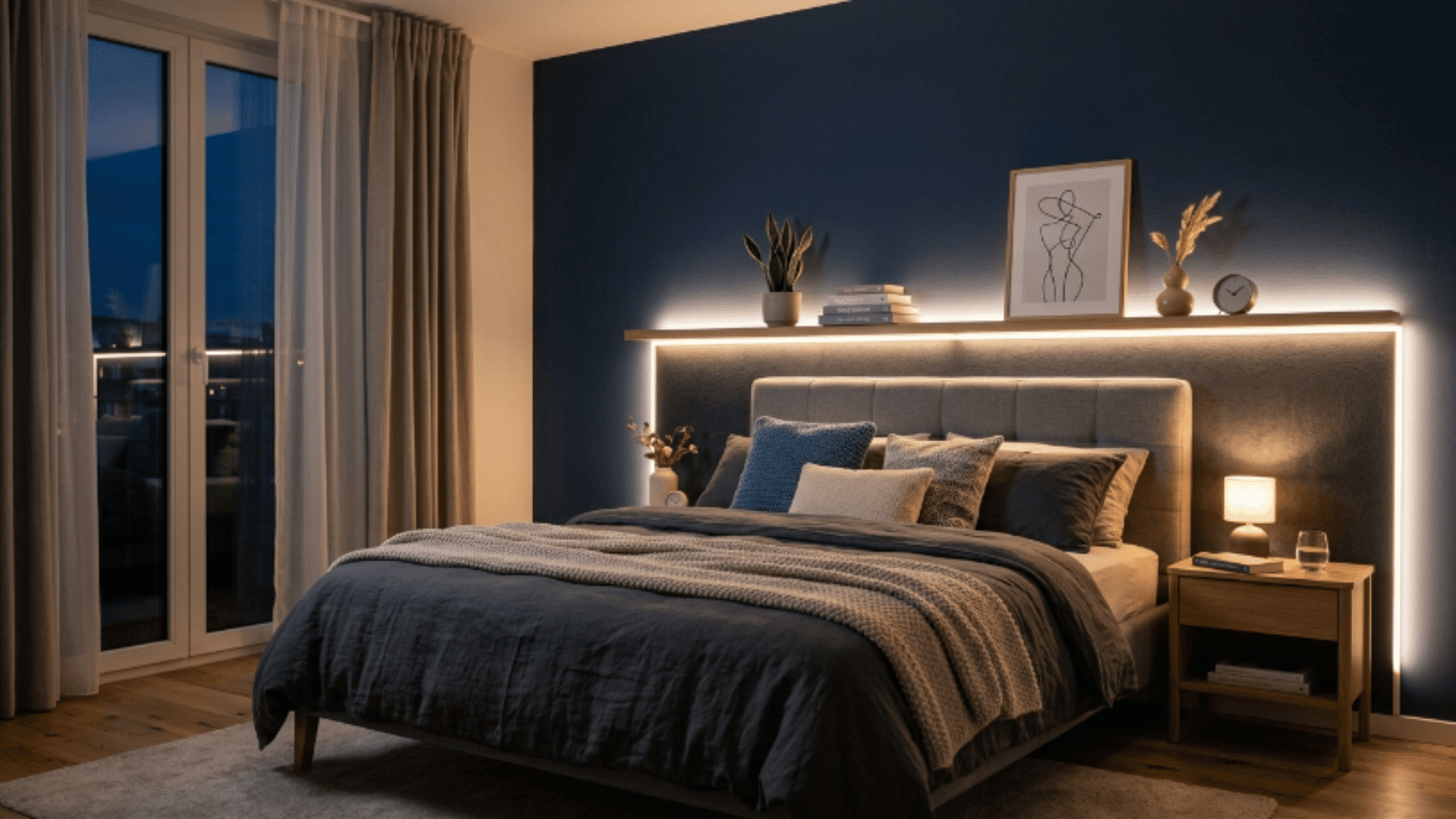
LED strip lighting adds depth and a soft glow to the room. It can highlight certain areas without taking up space. This type of lighting enhances the overall atmosphere and makes the room feel more modern. It’s subtle but effective when used correctly.
How to:
- Place behind the bed or shelves
- Use warm or soft tones
- Hide wires for a clean look
- Use in moderation
18. Maximize Natural Light
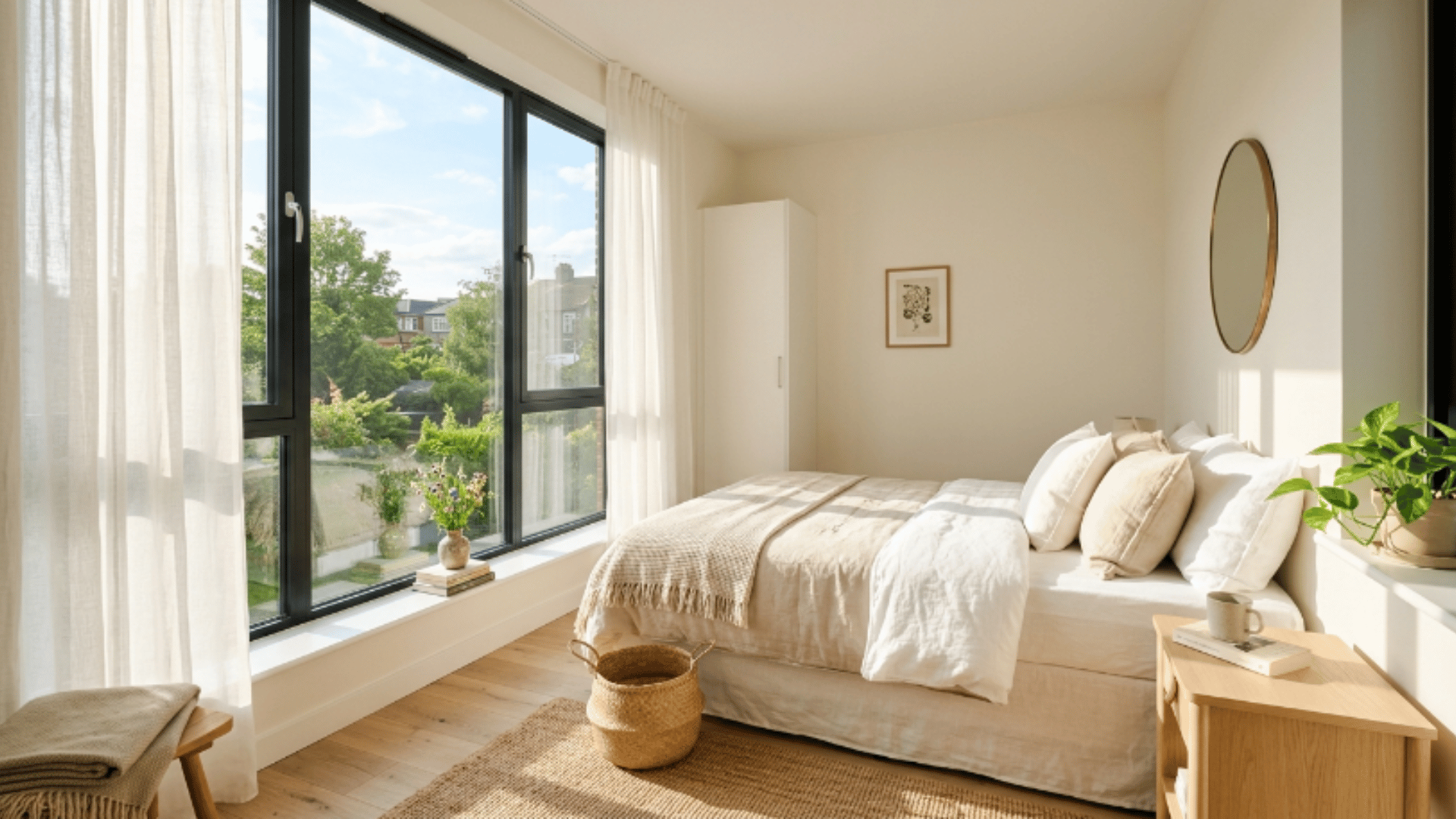
Natural light makes a room feel larger and more inviting. Keeping windows clear allows more light to enter the space. This reduces the need for artificial lighting during the day. A brighter room always feels more open.
How to:
- Use light, sheer curtains
- Avoid blocking windows with furniture
- Keep window areas clean
- Let in as much daylight as possible
19. Use Mirrors to Reflect Light
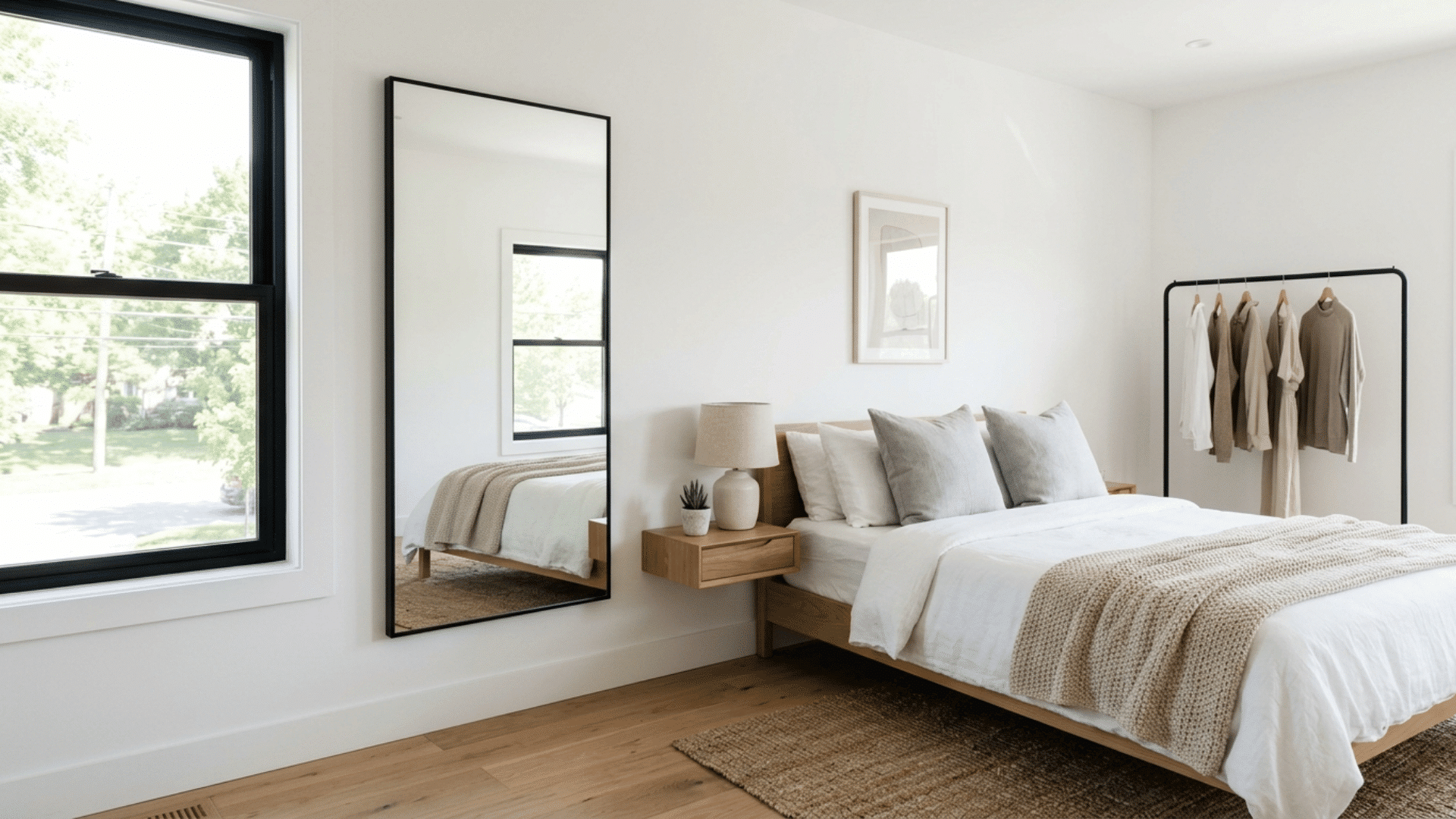
Mirrors help reflect both light and space, making the room feel brighter and larger. They can visually double the space when placed correctly. This is one of the simplest ways to enhance a small bedroom without adding clutter.
How to:
- Place mirrors opposite windows
- Use large or full-length mirrors
- Keep placement simple
- Avoid using too many mirrors
20. Choose Soft Warm Lighting
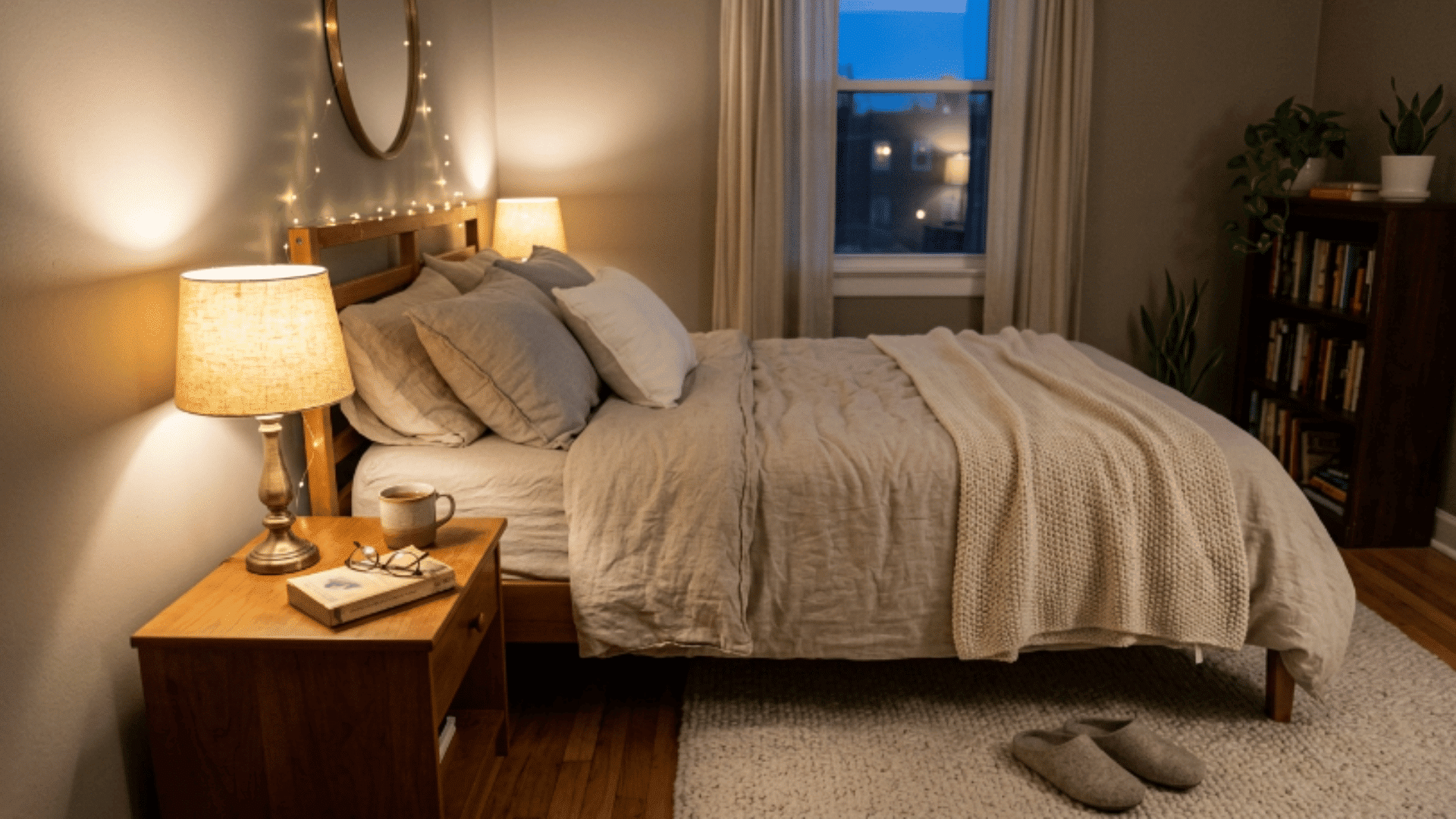
Soft warm lighting creates a comfortable and relaxing environment. It reduces harsh shadows and makes the room feel cozy. This is ideal for bedrooms where comfort is important. The right lighting can change the overall mood of the space.
How to:
- Use warm-toned bulbs
- Add layered lighting if possible
- Avoid harsh white lights
- Keep brightness balanced
Furniture Choices That Work
The type of furniture you choose can affect how spacious the room feels. Smaller, simpler pieces usually work better. These ideas help you avoid overcrowding:
21. Go for Low-Height Furniture
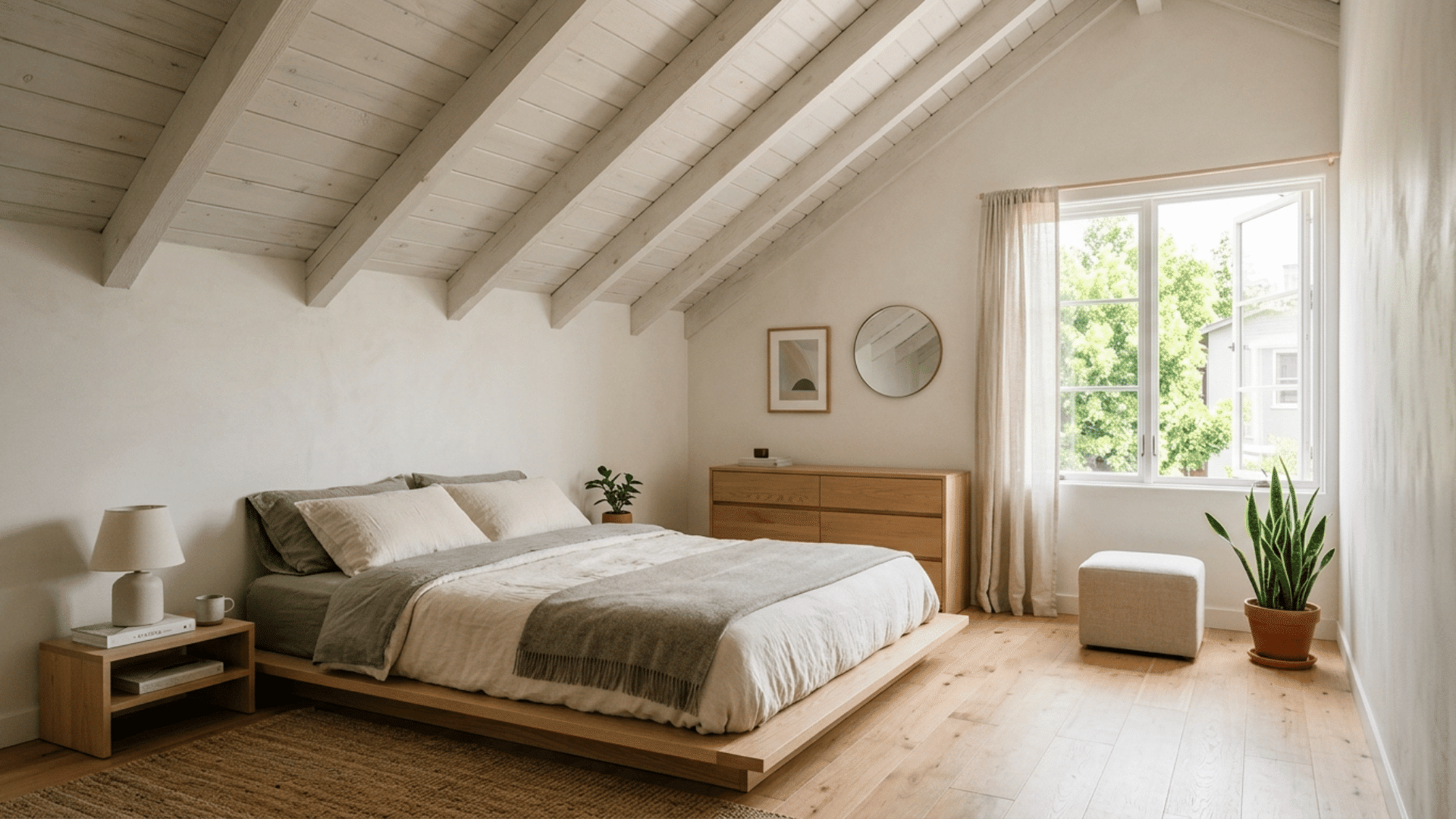
Low-height furniture makes ceilings appear higher, creating a more open feel. It balances the room visually and prevents it from feeling crowded. This is a simple but effective way to improve the sense of space.
How to:
- Choose low beds and seating
- Keep upper areas uncluttered
- Avoid tall bulky furniture
- Maintain visual balance
22. Use Foldable Furniture
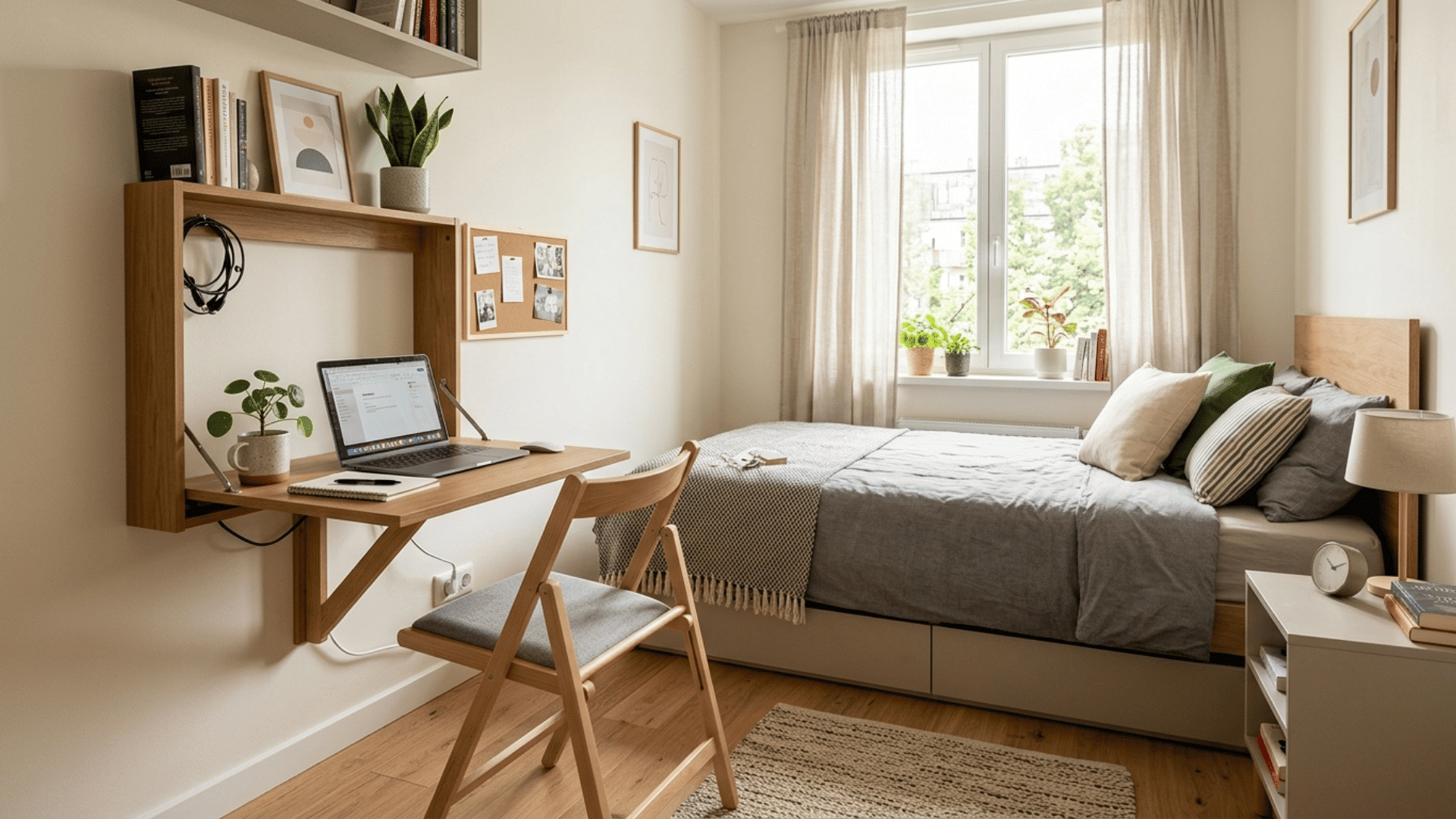
Foldable furniture gives you flexibility in a small bedroom. You can use it when needed and store it away when not in use. This helps keep the room uncluttered and adaptable. It’s a practical solution for limited space.
How to:
- Use foldable desks or chairs
- Store items when not needed
- Choose lightweight designs
- Avoid permanent bulky setups
23. Choose Slim Bed Frames
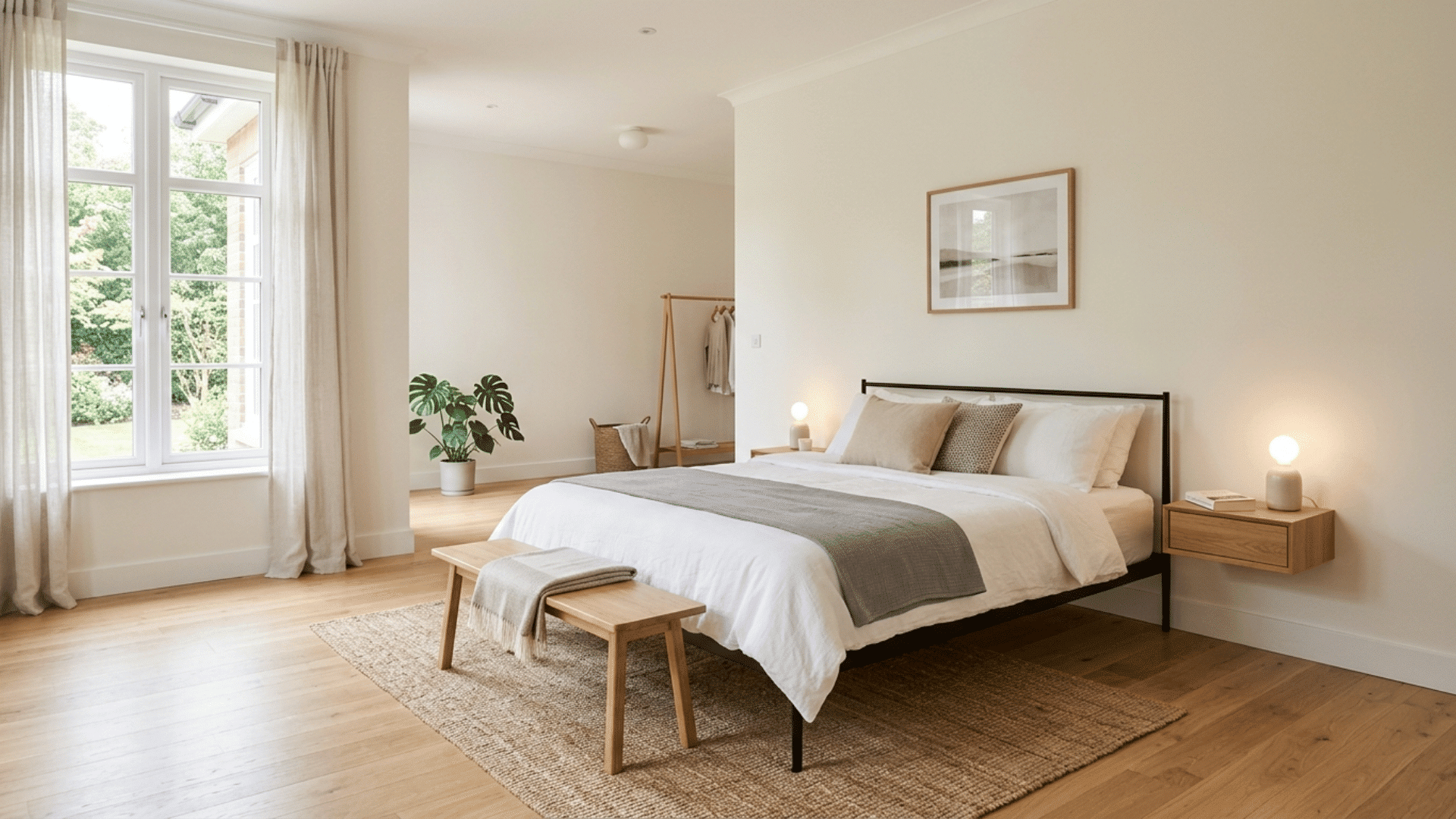
Slim bed frames reduce visual heaviness and make the room feel more open. Bulky frames can dominate the space, while slimmer designs keep things balanced. This small change can significantly improve the overall look.
How to:
- Pick thin, simple designs
- Avoid thick headboards
- Keep the frame low-profile
- Match with minimal decor
24. Use Transparent Furniture
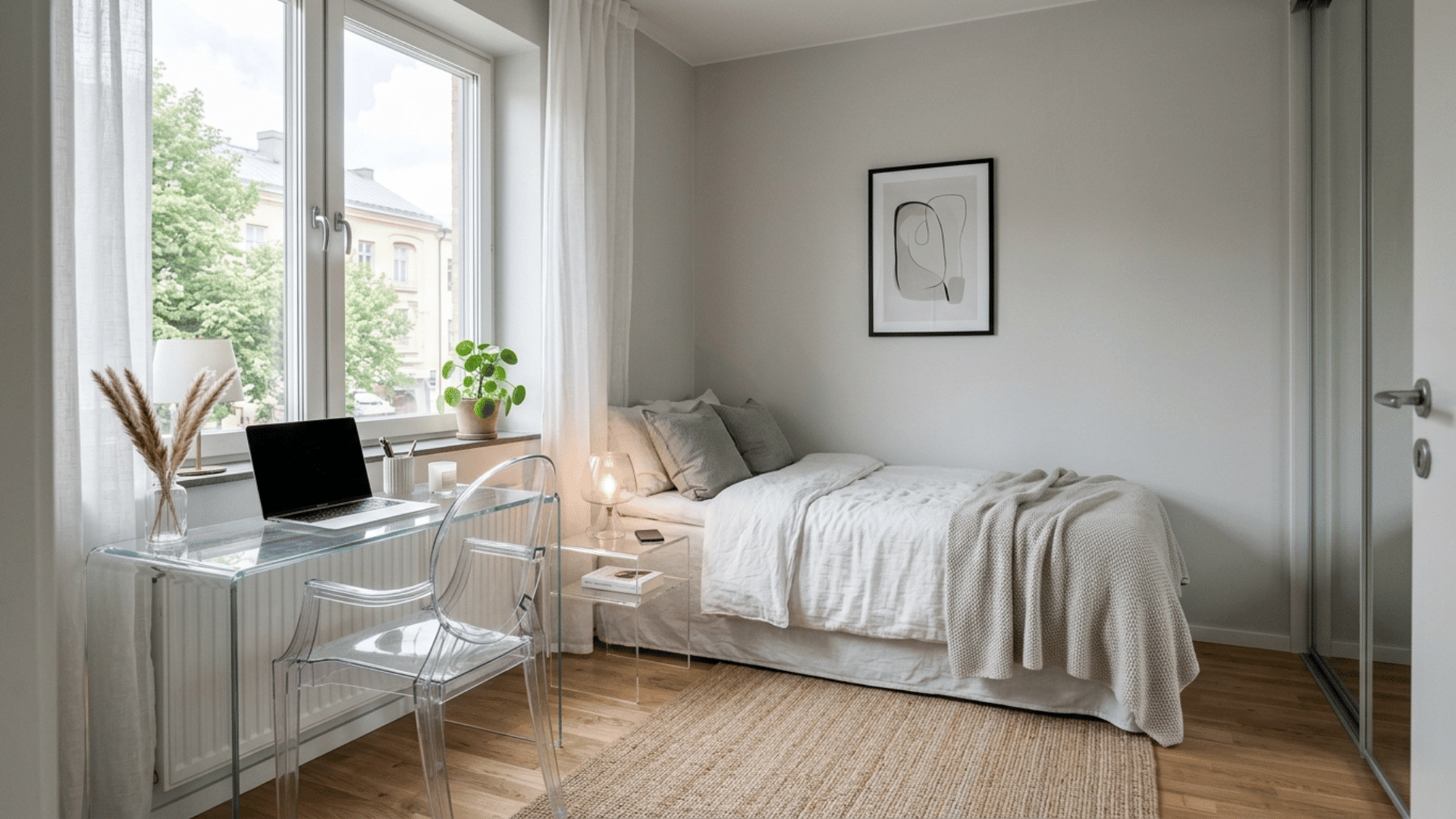
Transparent furniture blends into the room and reduces visual clutter. It doesn’t block the view, which helps the space feel more open. This is a useful trick for maintaining a light and clean look.
How to:
- Use glass or acrylic pieces
- Keep designs simple
- Avoid mixing too many styles
- Pair with light colors
25. Keep Furniture Minimal
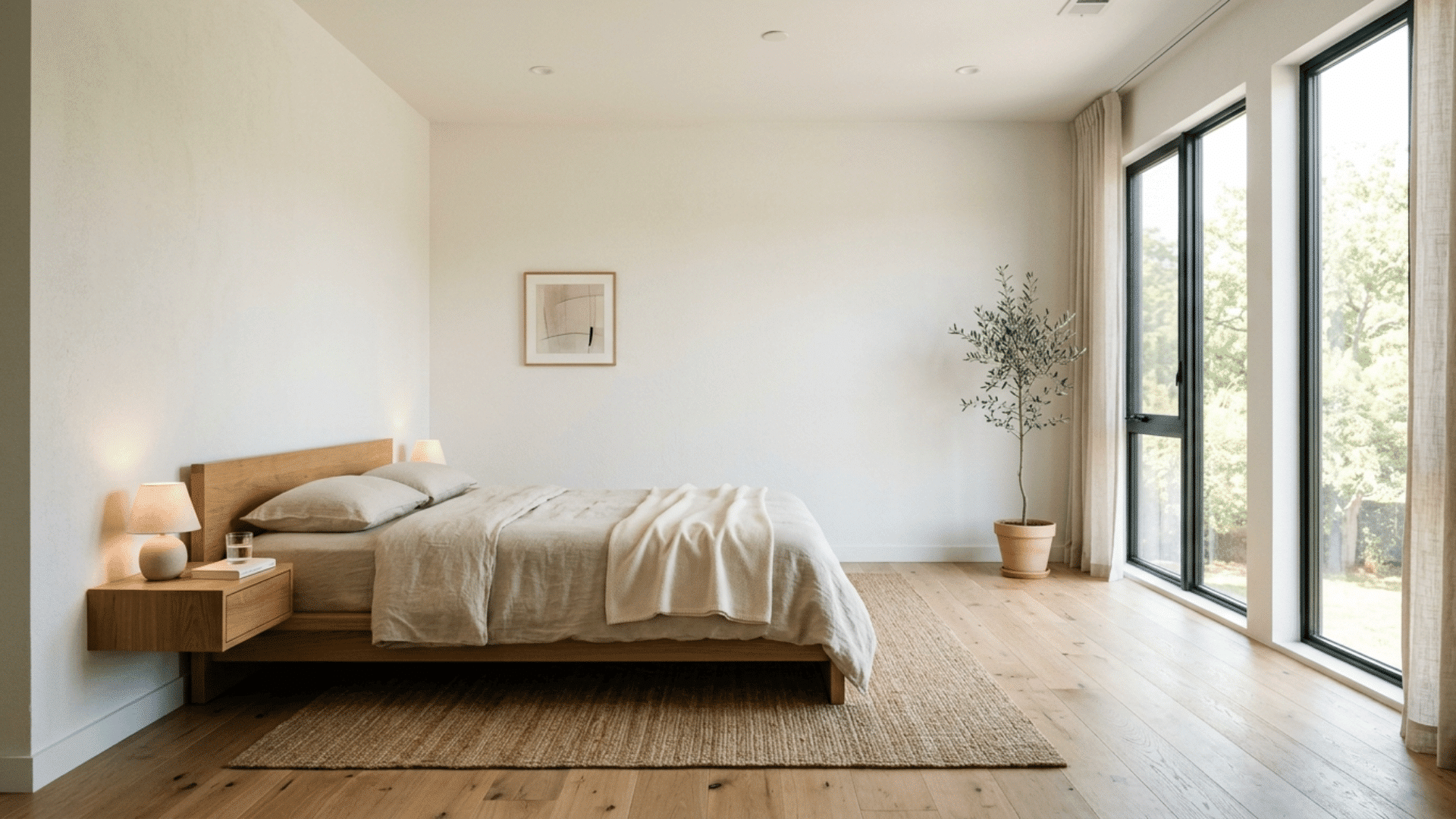
Keeping furniture minimal is one of the most effective ways to maintain space. Too many items can quickly make a room feel cramped. A simple setup is easier to manage and looks more organized.
How to:
- Keep only essential items
- Remove unused furniture
- Maintain open areas
- Avoid overcrowding
Decor & Styling Ideas
Decor adds personality, but too much can overwhelm a small room. The goal is to keep things simple and intentional. These ideas help you style without overdoing it:
26. Use Large Mirrors
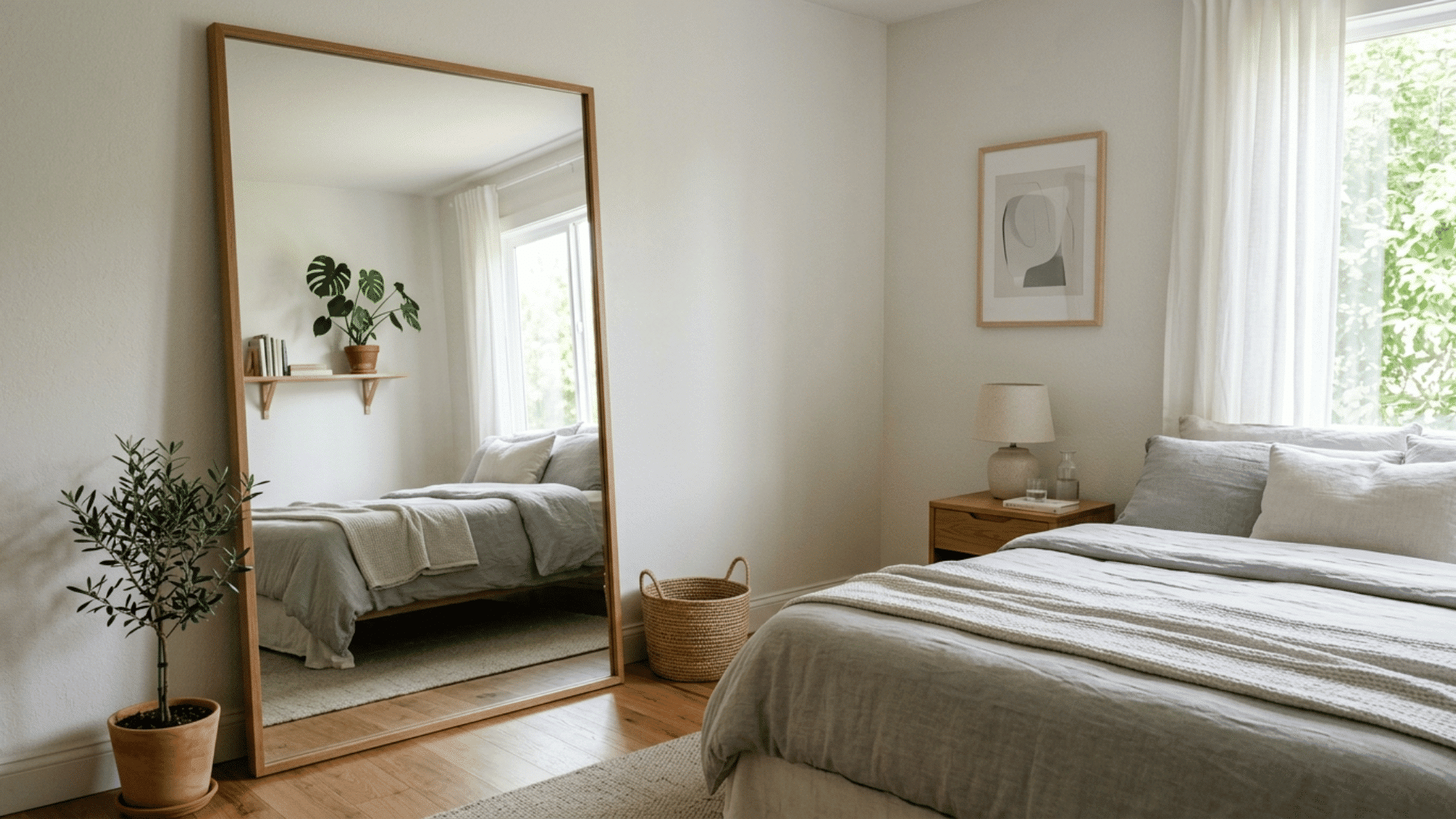
Large mirrors can instantly create the illusion of a bigger space. They reflect light, making the room feel more open. This simple addition can have a big visual impact.
How to:
- Place near natural light
- Use full-length mirrors
- Keep surroundings simple
- Avoid clutter around them
27. Add One Statement Piece
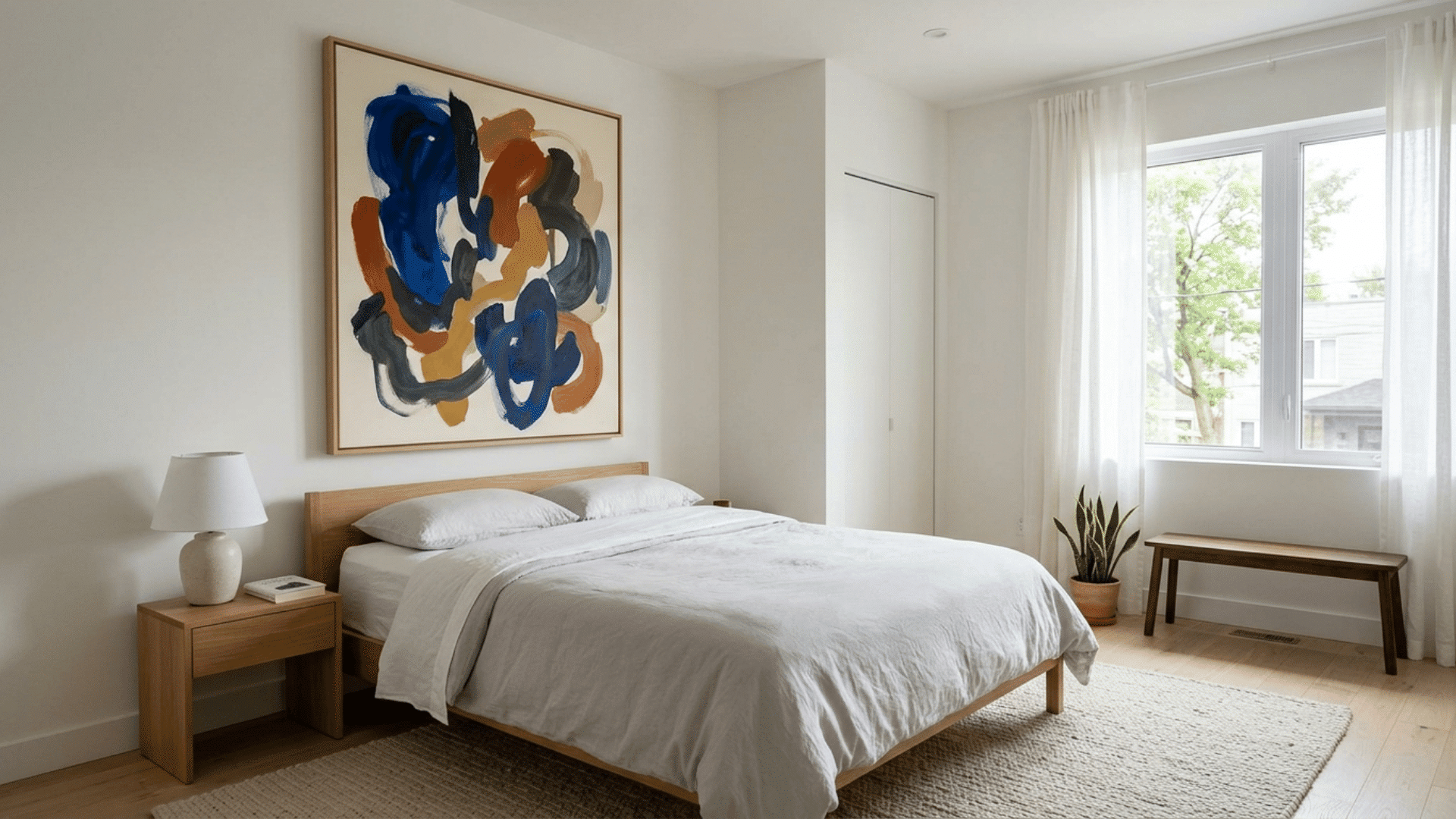
A single statement piece provides a focal point without overcrowding the room. It adds personality while keeping the space balanced. This approach prevents visual clutter and keeps things simple.
How to:
- Choose one bold decor item
- Keep the rest minimal
- Place it in a visible area
- Avoid multiple focal points
28. Keep Bedding Simple
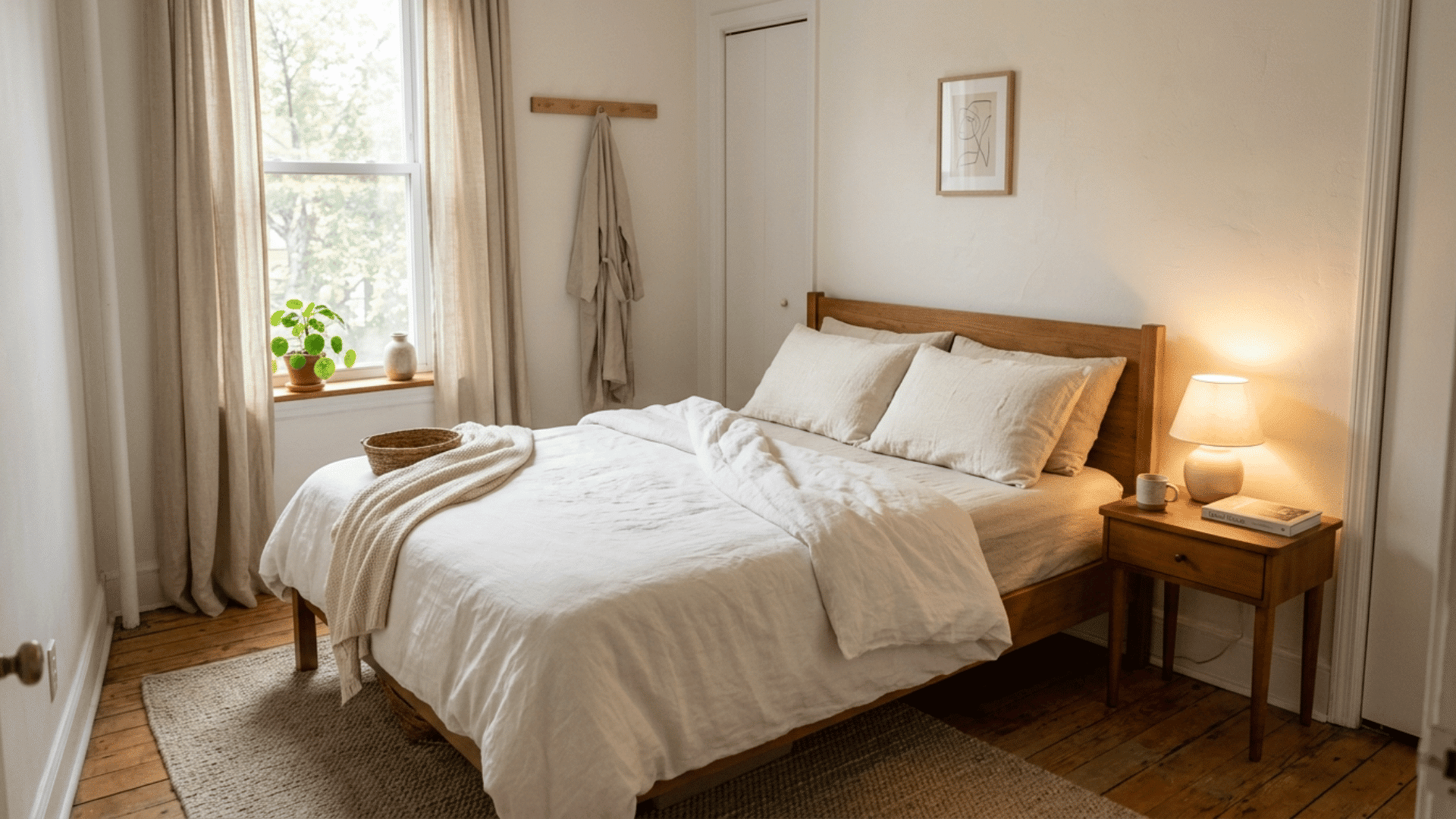
Simple bedding helps maintain a clean and calm look. Busy patterns can make the room feel crowded. Neutral tones create a more relaxing environment.
How to:
- Use soft or neutral colors
- Limit patterns
- Add minimal cushions
- Avoid heavy layering
29. Use Rugs to Define Space
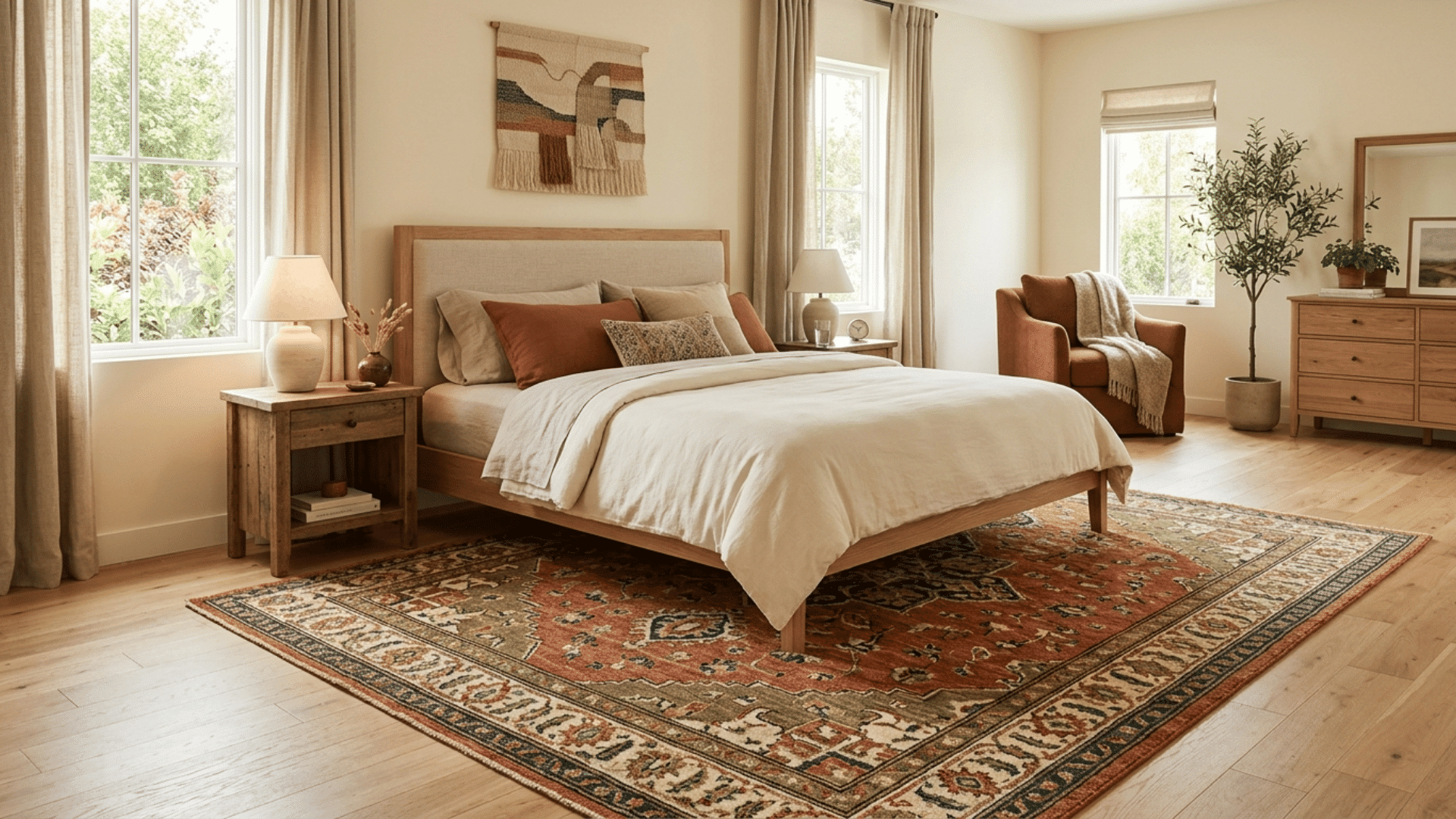
Rugs help create structure in a small bedroom. They can separate different areas without adding bulk. This makes the layout feel more organized.
How to:
- Choose the right size rug
- Place under key furniture
- Use light patterns
- Avoid multiple rugs
30. Add Small Indoor Plants
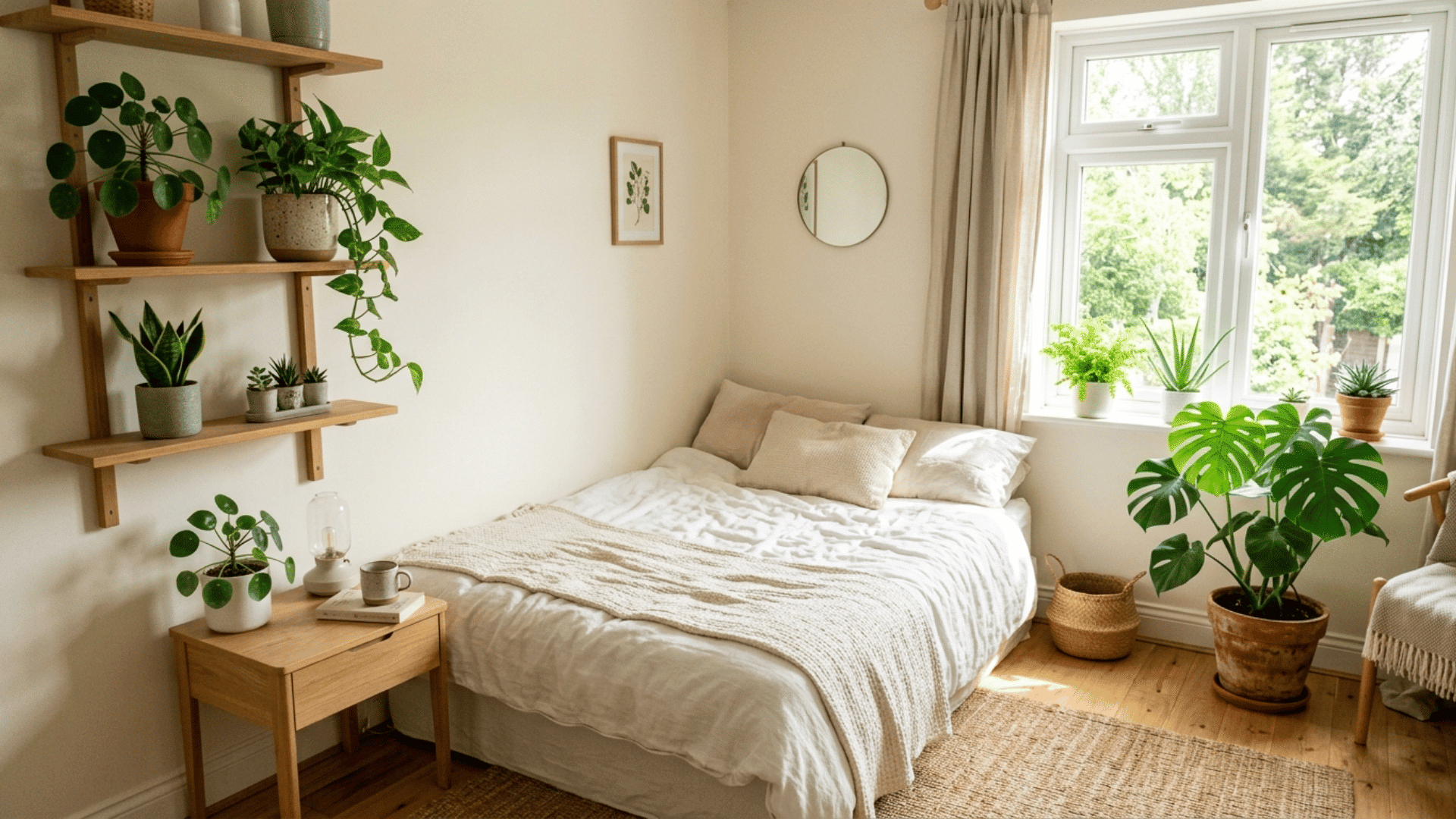
Small plants bring life and freshness into the room. They improve the overall feel without taking up much space. Keeping them minimal helps avoid clutter.
How to:
- Use small pots
- Place on shelves or corners
- Limit the number of plants
- Choose easy-care options
Space Illusion Tricks
Sometimes it’s not about space but how it feels. Simple visual tricks can make a small bedroom seem bigger. These ideas focus on creating that effect:
31. Hang Curtains Higher Than Windows
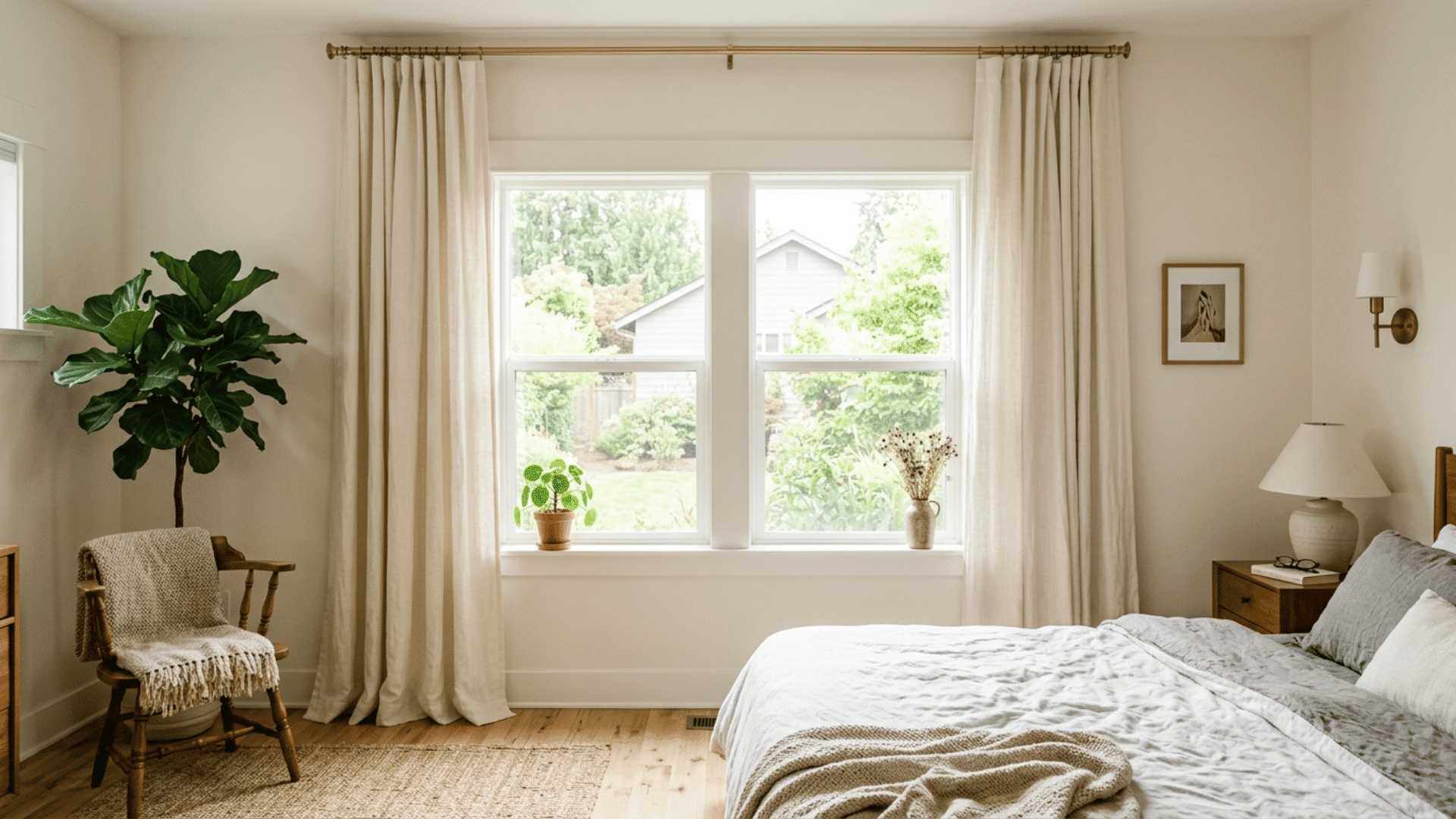
Hanging curtains higher than the actual window frame is a simple trick that can completely change how a small bedroom feels. It creates the illusion of taller walls and a more open space by drawing the eye upward.
This makes the room look less boxed in and more balanced. When paired with the right fabric and length, it can also improve how light flows into the room.
How to:
- Install curtain rods 6–12 inches above the window frame
- Use full-length curtains that reach the floor
- Choose light, breathable fabrics to allow natural light
- Avoid heavy or dark curtains that block brightness
32. Use Sliding Doors
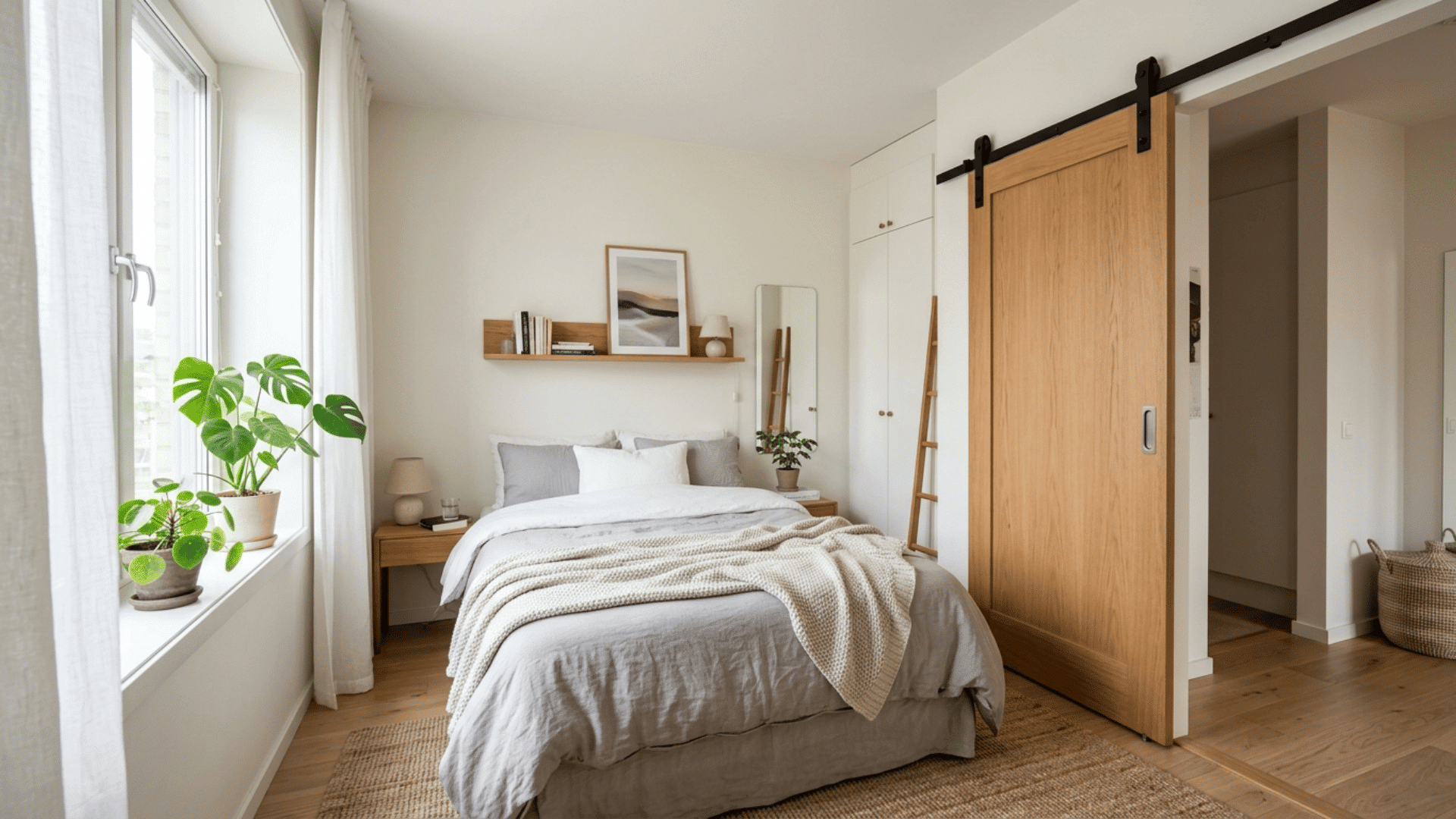
Sliding doors are a practical upgrade for small bedrooms with limited space. Unlike traditional doors, they don’t swing outward or inward, which frees up valuable floor space.
This makes it easier to arrange furniture without worrying about door clearance. Sliding doors also create a cleaner and more streamlined look in the room.
How to:
- Replace standard doors with sliding or pocket doors
- Choose simple and lightweight designs
- Keep tracks clean for smooth movement
- Match door style with overall room decor
33. Keep Floor Visible
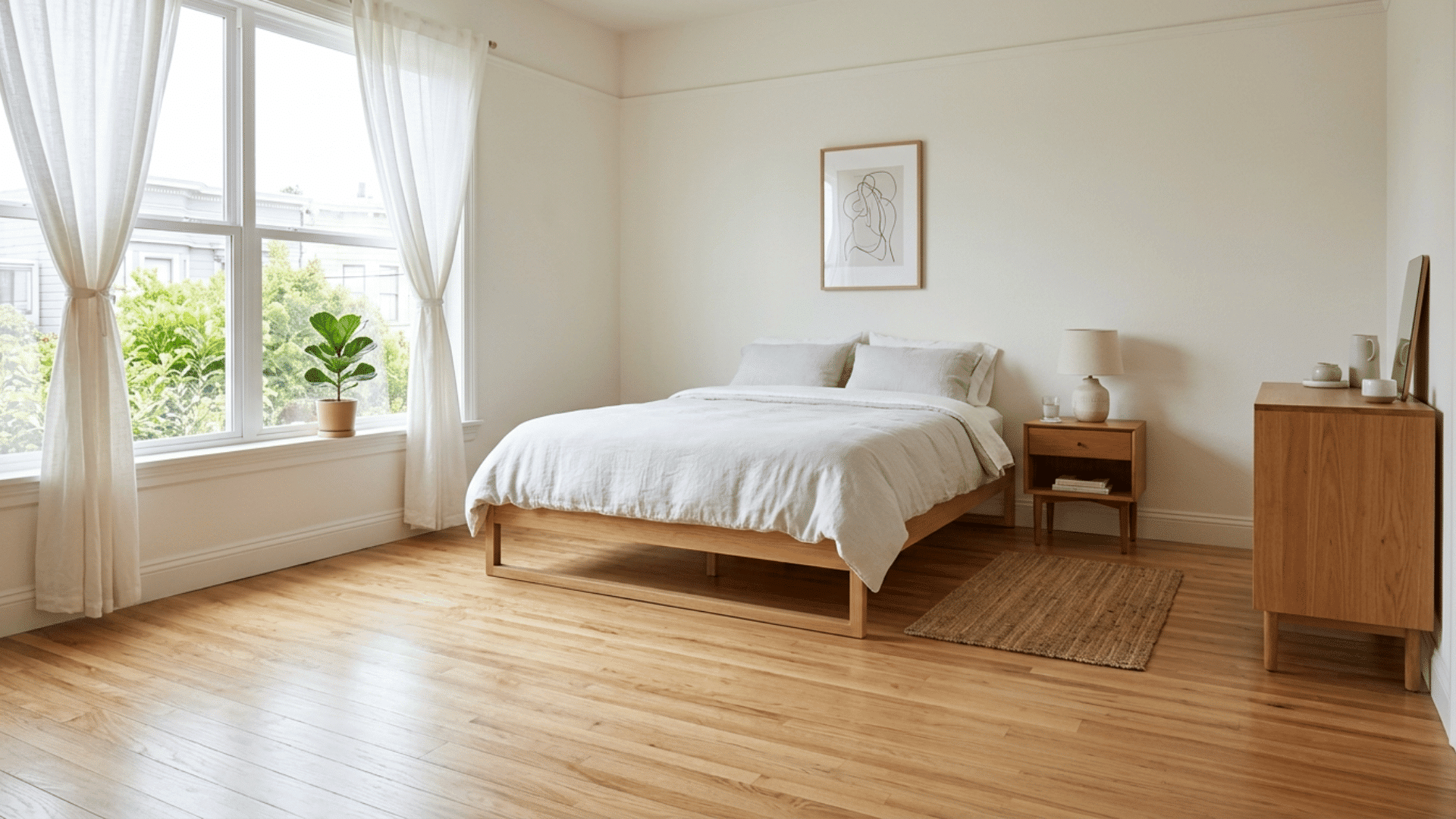
Keeping more of the floor visible helps create a sense of openness in a small bedroom. When the floor is covered with too many items, the space feels cramped and cluttered.
A clear floor allows the eye to move freely across the room, making the room appear larger. This also improves functionality and makes cleaning easier.
How to:
- Use raised or legged furniture
- Avoid placing unnecessary items on the floor
- Keep storage off the ground when possible
- Maintain a simple and clean layout
34. Use Monochrome Color Scheme
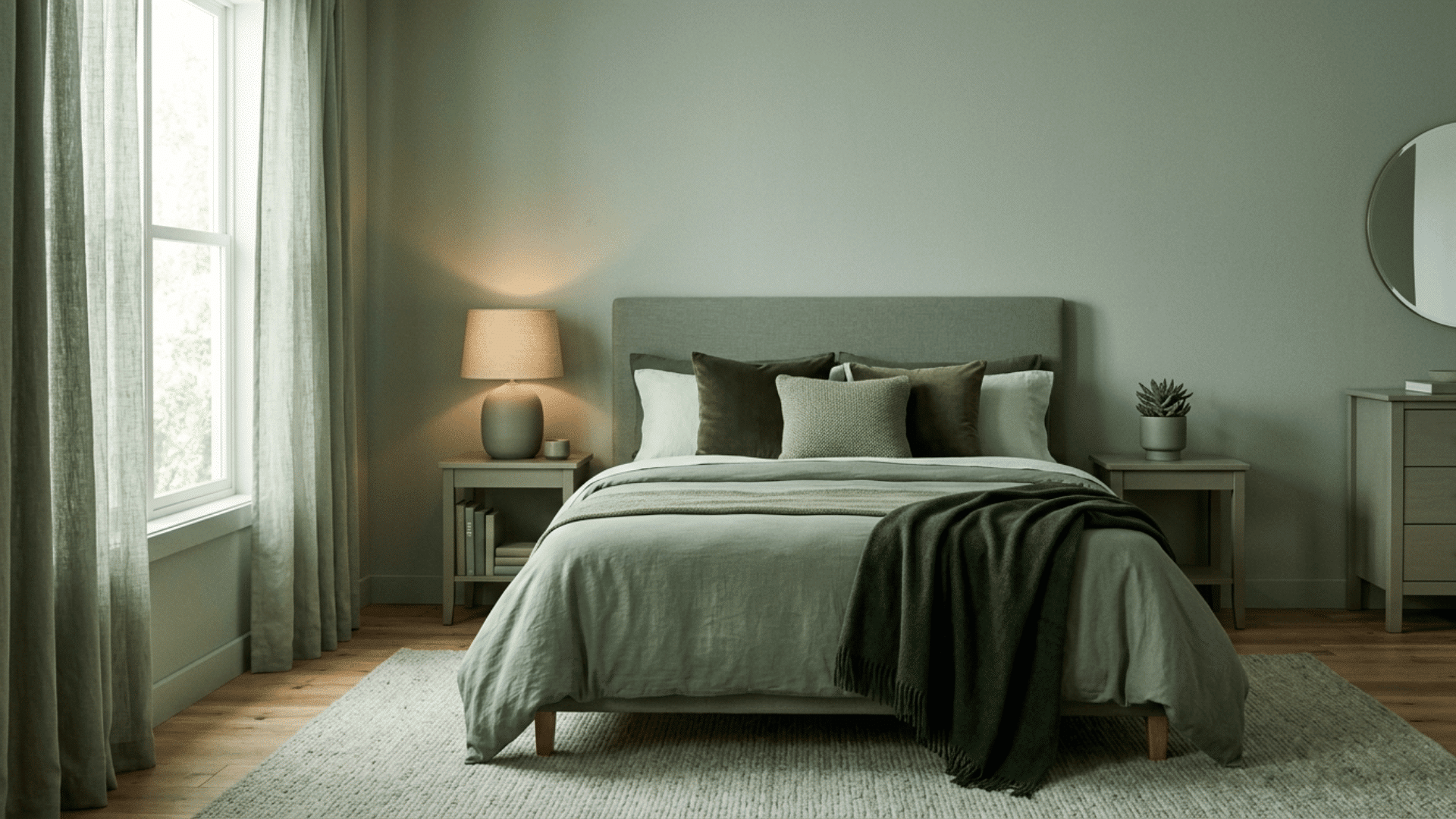
A monochrome color scheme uses different shades of the same color to create a smooth and cohesive look. This reduces visual breaks and helps the room feel more connected.
When everything flows together, the space appears larger and less cluttered. Adding texture instead of contrasting colors keeps things interesting without overwhelming the room.
How to:
- Choose one main color and use its shades
- Add variation through textures like fabric or wood
- Keep furniture and walls in similar tones
- Avoid mixing too many contrasting colors
35. Declutter Regularly
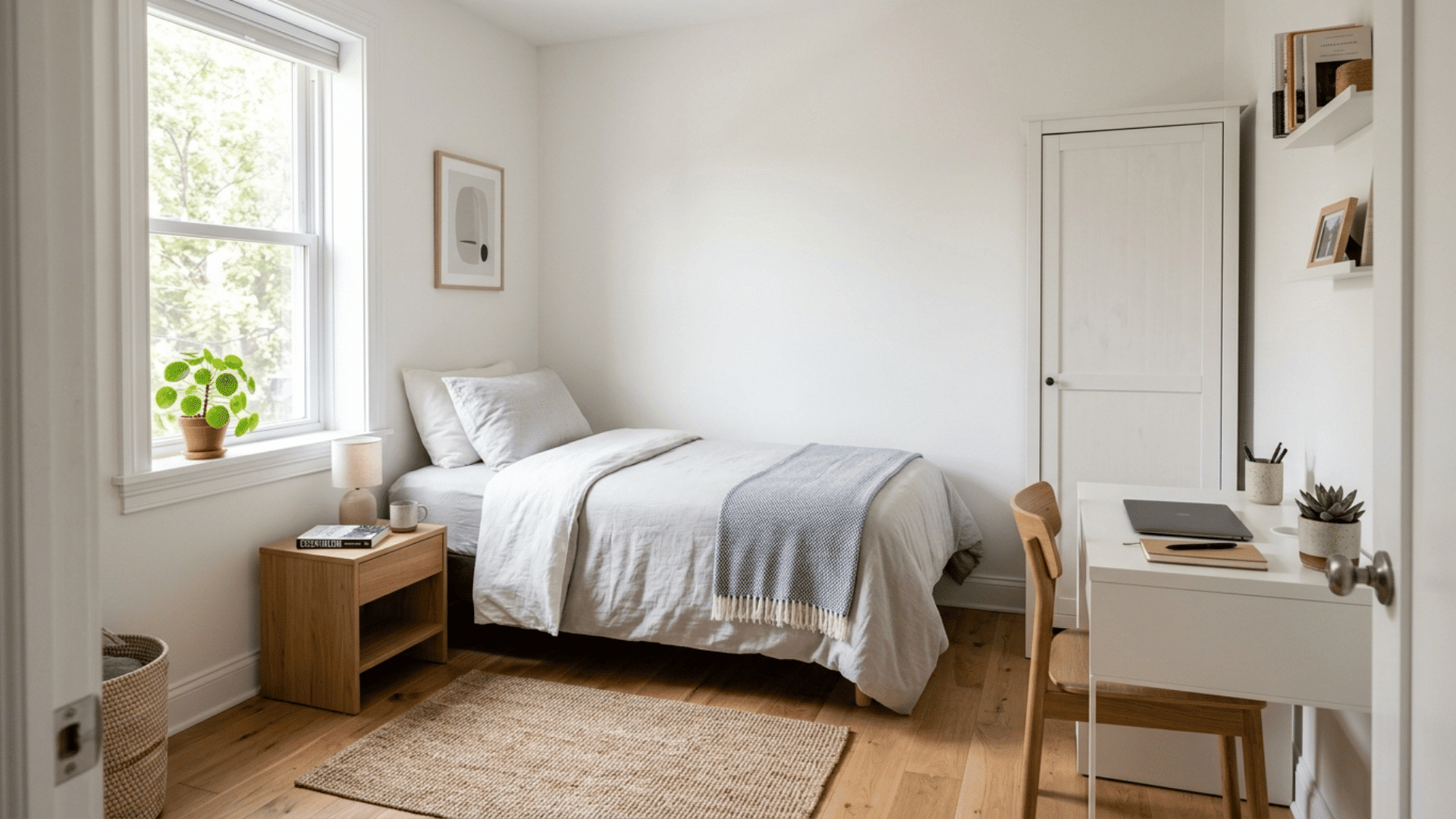
Decluttering is one of the most effective ways to keep a small bedroom functional and comfortable. Even the best layout or decor won’t work if the space is filled with unnecessary items.
Regularly clearing out clutter helps maintain openness and makes the room easier to manage. It also improves your overall comfort and daily routine.
How to:
- Remove items you don’t use regularly
- Set a weekly or monthly decluttering routine
- Keep storage organized and accessible
- Avoid collecting items without a purpose
Common Mistakes to Avoid
Even with good small bedroom ideas, a few common mistakes can make the space feel smaller than it actually is.
When figuring out how to decorate a small bedroom, avoiding these issues is just as important as choosing the right decor:
- Overcrowding furniture: Instead of sticking to essentials, filling the room with too many pieces makes it feel cramped and harder to move around
- Using too many dark tones: This can make the room feel closed in and smaller than it actually is
- Ignoring vertical space: Missing out on wall storage leads to unnecessary clutter on the floor
- Poor lighting setup: Makes the room look dull, tight, and less inviting
- Adding too many decor items: Without a clear plan, this creates visual clutter and imbalance
- Blocking natural light: Heavy curtains or poorly placed furniture reduce brightness and openness
Final Thoughts
Decorating a small bedroom doesn’t require a complete overhaul, just smarter choices. Once you understand how to decorate a small bedroom, it becomes easier to pick what truly adds value and what only takes up space.
The right mix of layout, lighting, and small bedroom decor can make even a tight room feel comfortable and functional. Try a few small bedroom ideas that fit your space, rather than changing everything at once.
Pay attention to what works for your daily routine, and adjust as needed. A simple, well-planned setup will always feel better than a crowded one.

Ava Taylor, holding a Bachelor’s degree in Interior Design from the Pratt Institute, has made her mark in creating engaging and functional living spaces for over 14 years. She began her career with a New York-based design studio, where she gained a reputation for her innovative and user-centric designs. Ava joined our team in 2019, bringing a blend of artistic flair and practicality to our home improvement section. Since the she has been the lead contributor to our room transformation series, inspiring readers with her unique approach to maximizing space utility and aesthetic appeal. Beyond her professional work, Ava is a passionate collector of vintage furniture, a hobby that enriches her design perspective.