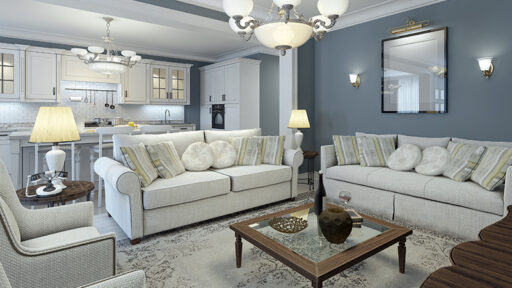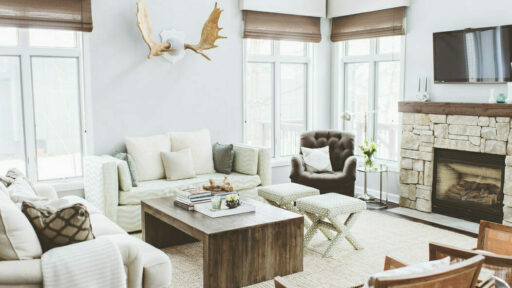


Walk into a room that feels flat, and the cause is often not the paint or the furniture. It’s the lighting. A single ceiling fixture floods a space with even, shadowless light that makes everything look the same. Designers rarely rely on one source. They layer several, and that layering is a big part of why professionally styled rooms feel warm and dimensional.
The good news is that you don’t need a renovation or an electrician to do it. A few well-chosen lamps and bulbs can change how a room looks and feels.
The Three Layers of Light
Most lighting plans are built from three layers, each with a different job.
Ambient lighting is the general illumination that lets you move around safely. Ceiling fixtures, recessed lights, and large pendants usually provide it. It sets the baseline brightness but shouldn’t do all the work.
Task lighting is focused light for specific activities: reading, cooking, applying makeup, or working at a desk. Under-cabinet strips, desk lamps, and swing-arm wall sconces all count. The aim is to put light where your hands and eyes need it without glare.
Accent lighting adds drama and depth. It highlights artwork, textured walls, bookshelves, or architectural details. Picture lights, small spotlights, and LED strips tucked behind shelving all work here.
When all three are present, you can adjust a room for different moods instead of living with one setting.
Start With Color Temperature
Before buying anything, pay attention to the color temperature of your bulbs, measured in kelvins. It affects the feel of a room more than most people expect.
- 2700K gives a warm, golden glow, suited to living rooms and bedrooms.
- 3000K is a soft white that suits kitchens and bathrooms without feeling clinical.
- 4000K and above is cool and crisp, best kept to garages, workshops, or utility spaces.
Mixing temperatures in one room is a common mistake. A warm lamp beside a cool overhead bulb makes the space look uneven and slightly off. Choose one temperature per room and stay consistent. If your paint has strong undertones, test the bulbs against it, since warm light can turn a beige slightly yellow while cool light can make a soft gray look colder.
Room-by-Room Ideas
Living Room
Begin with the ceiling fixture on a dimmer, then add at least two lamps at different heights, such as a floor lamp beside the sofa and a table lamp on a console. Placing lamps in opposite corners pulls the eye around the room and prevents dark patches. A small picture light over a favorite print adds the finishing touch.
Kitchen
Kitchens need strong task lighting. Install under-cabinet lights to illuminate counters, since overhead fixtures often cast your own shadow onto the work surface. Pendants over an island add both function and character. Keep the brightness adjustable so the room can shift from meal prep to a relaxed evening.
Bedroom
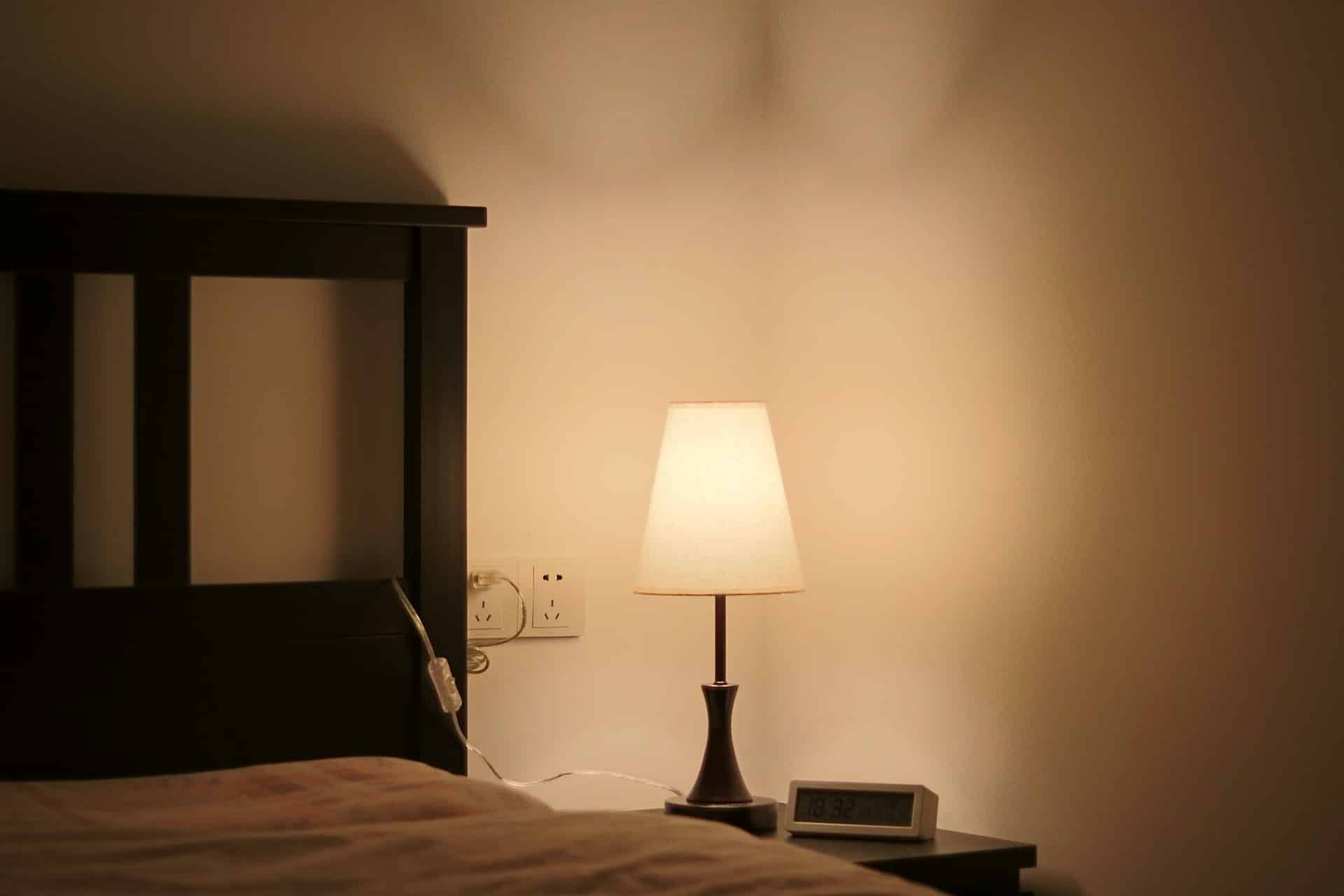
Aim for softness. Bedside lamps or wall-mounted sconces create a calm mood and free up nightstand space. Avoid relying on a bright overhead light at night, which can feel jarring. Warm bulbs and a dimmer help the room wind down with you.
Bathroom
Vertical lighting on both sides of the mirror is more flattering and practical than a single fixture overhead, which tends to cast shadows under the eyes and chin. Choose bulbs with a high color rendering index (CRI) so skin tones and makeup look accurate.
Home Office
Position your desk lamp on the opposite side of your writing hand to reduce shadows. Use indirect ambient light to cut screen glare, and keep the brightness comfortable enough to avoid eye strain during long sessions.
Use Dimmers and Smart Controls
Dimmer switches are among the most affordable upgrades available. They let one fixture serve several purposes, bright for cleaning and soft for dinner. Many LED bulbs are dimmable, but check the packaging and make sure your dimmer is compatible to avoid flickering or buzzing.
Smart bulbs and plugs add convenience, letting you schedule lighting or adjust it from your phone. They’re optional, but helpful in rooms where you want different scenes for different times of day.
Consider Fixtures as Decor
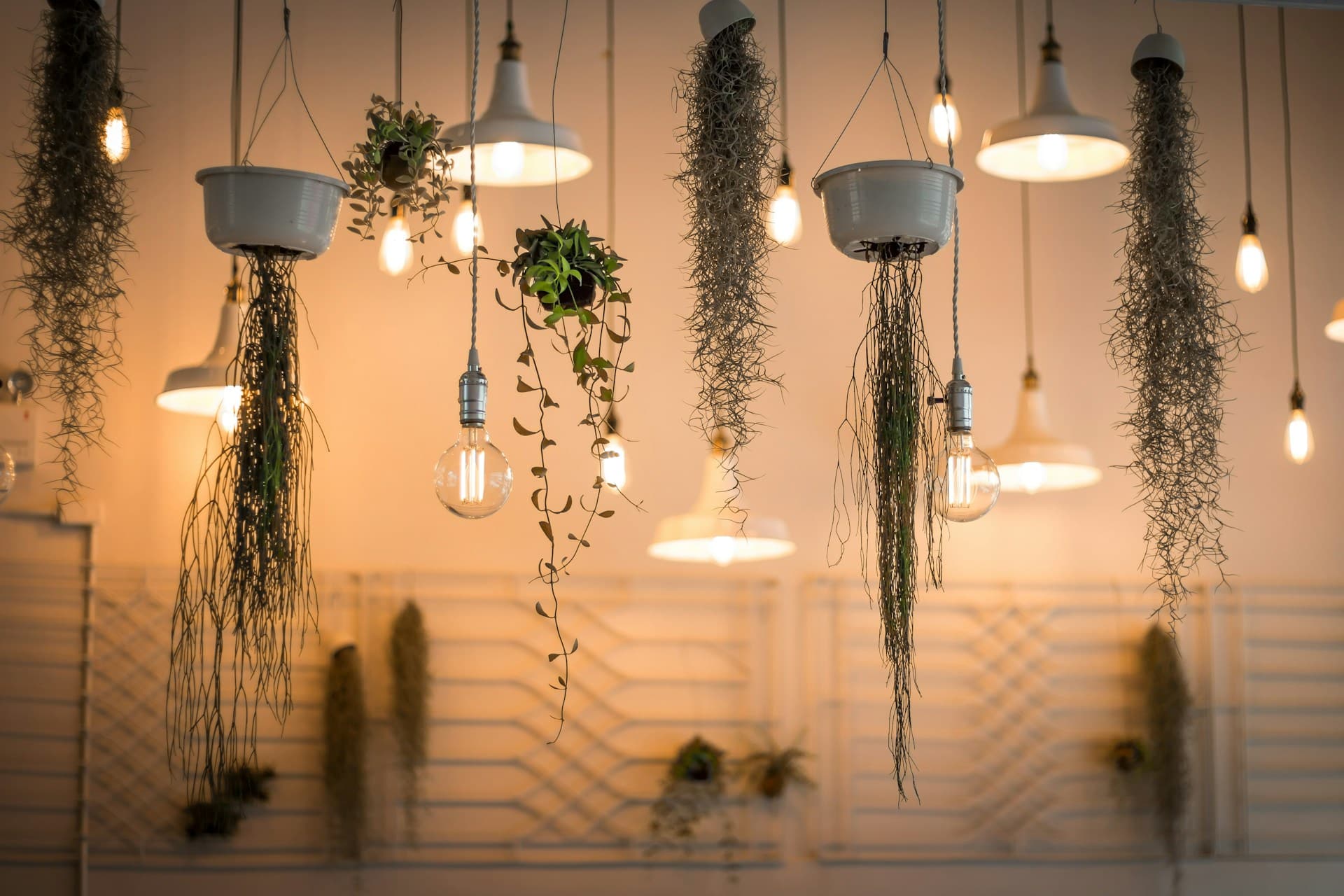
Lighting is functional, but it is also part of your design. A sculptural pendant, a ceramic table lamp, or a woven shade adds texture and personality. When choosing fixtures, think about scale. An oversized pendant can anchor a dining table, while tiny fixtures in a large room look lost. As a rough guide, a dining pendant should be about one-half to two-thirds the width of the table beneath it, and hang roughly 30 to 36 inches above the surface.
Finishes matter too. Matching metals across a room, such as brass, black, or brushed nickel, creates cohesion, though a deliberate mix can look just as good when repeated at least twice.
Visualize Your Lighting Plan Before You Buy
Lighting is easy to get wrong on paper, because a fixture that looks perfect in a catalog can feel too large, too bright, or too cold once it’s hanging in your room. A little visual planning saves money and returns. Photograph your space at different times of day, sketch where each lamp or sconce would go, and note where shadows fall.
If you want to preview different looks, a simple ai image generator can help you mock up a room with a particular pendant style, wall color, or lamp arrangement. Treat these mockups as rough inspiration rather than exact previews. They’re useful for comparing moods, such as a warm, layered living room versus a brighter, minimal one, but real bulbs and real rooms will always look slightly different. Before committing to a purchase, test the bulb temperature in your actual space for a few evenings.
Common Mistakes to Avoid
- Relying on a single overhead light
- Choosing bulbs by wattage instead of lumens (brightness)
- Hanging artwork without considering how light will hit it
- Ignoring dark corners that make rooms feel smaller
- Buying fixtures that are the wrong size for the space
Final Thoughts
Good lighting doesn’t announce itself. It simply makes a room feel balanced, welcoming, and complete. Start small: add one lamp where you have a dark corner, swap a harsh bulb for a warmer one, or install a dimmer in the room you use most. Layer gradually, living with each change for a few evenings before adding more. Before long, you’ll notice that the same furniture and paint feel entirely different under the right light.

With a Master in Architectural Studies from University of Pennysylvania, Marwa Haydar has pioneered living spaces since 2005. Her expertise, initially honed in a prestigious architectural firm, is evident in her approach to creating environments. Marwa became part of our team in 2019 and has since been a driving force in our home improvement section, known for her practical yet stylish solutions. She’s been spearheading our design workshops since then, infusing her passion for teaching into her work. In her leisure time, Marwa enjoys exploring historic architecture and is an enthusiastic pottery hobbyist, further enriching her understanding of form and texture.