


European architecture isn’t just about old buildings; it’s a timeline you can actually see. From Greek temples to modern glass structures, each style reflects the ideas and needs of its time.
And that’s what makes it so interesting: it connects history, culture, and design in a very real way.
In this blog, I’ll break down its background, explore key styles, and compare it with other parts of the world. By the end, you’ll have a clear sense of how these styles differ and why they still matter today.
The Roots and Diversity of European Architecture
The architecture has evolved over centuries, reflecting changing ideas and societies.
It begins with Greek and Roman foundations, where symmetry, proportion, and strong construction shaped early design.
During the medieval period, styles shifted to meet religious and social needs. Romanesque buildings were solid and simple, while Gothic structures introduced height and light.
The Renaissance brought classical ideas back, focusing on balance and human-centered design. From there, styles continued to adapt, blending past influences with new cultural and practical demands.
What Shaped and Spread European Architecture?
Architecture didn’t grow in isolation; it was shaped by several strong influences over time, and that’s also why it spread so widely.
Religion played a major role, especially through churches that guided the scale and design of buildings. Politics and empires also left a clear mark, as structures were often used to show power and identity.
Key Factors that Shaped this Diversity Include:
- Religion, with a strong church influence on design and purpose
- Politics and empires, shaping buildings as symbols of control
- Climate and geography affect materials and structure
- Technological advancements, allowing new construction methods
Its reach expanded globally through colonization, and over time, it became the base for many Western design principles still used today.
European Architecture Styles You Should Know About
Architecture includes a wide mix of styles shaped by different time periods and ideas. Each one reflects how people built, lived, and thought during that time. Here’s a closer look at the most important styles and what sets them apart:
1. Classical Greek Architecture

Image Source: the Parthenon (Athens)
Timeline: c. 8th century BCE – 1st century BCE
Classical Greek architecture is known for its strong focus on balance, proportion, and order. Buildings were designed using clear rules, especially through the use of Doric, Ionic, and Corinthian columns.
These structures were often built for temples and public spaces, showing the importance of community and religion.
This style laid the foundation for Western design principles and influenced many later structures across Europe.
Some well-known examples of this style include the Parthenon (Athens), the Temple of Hephaestus (Athens), and the Temple of Hera (Paestum).
2. Roman Architecture
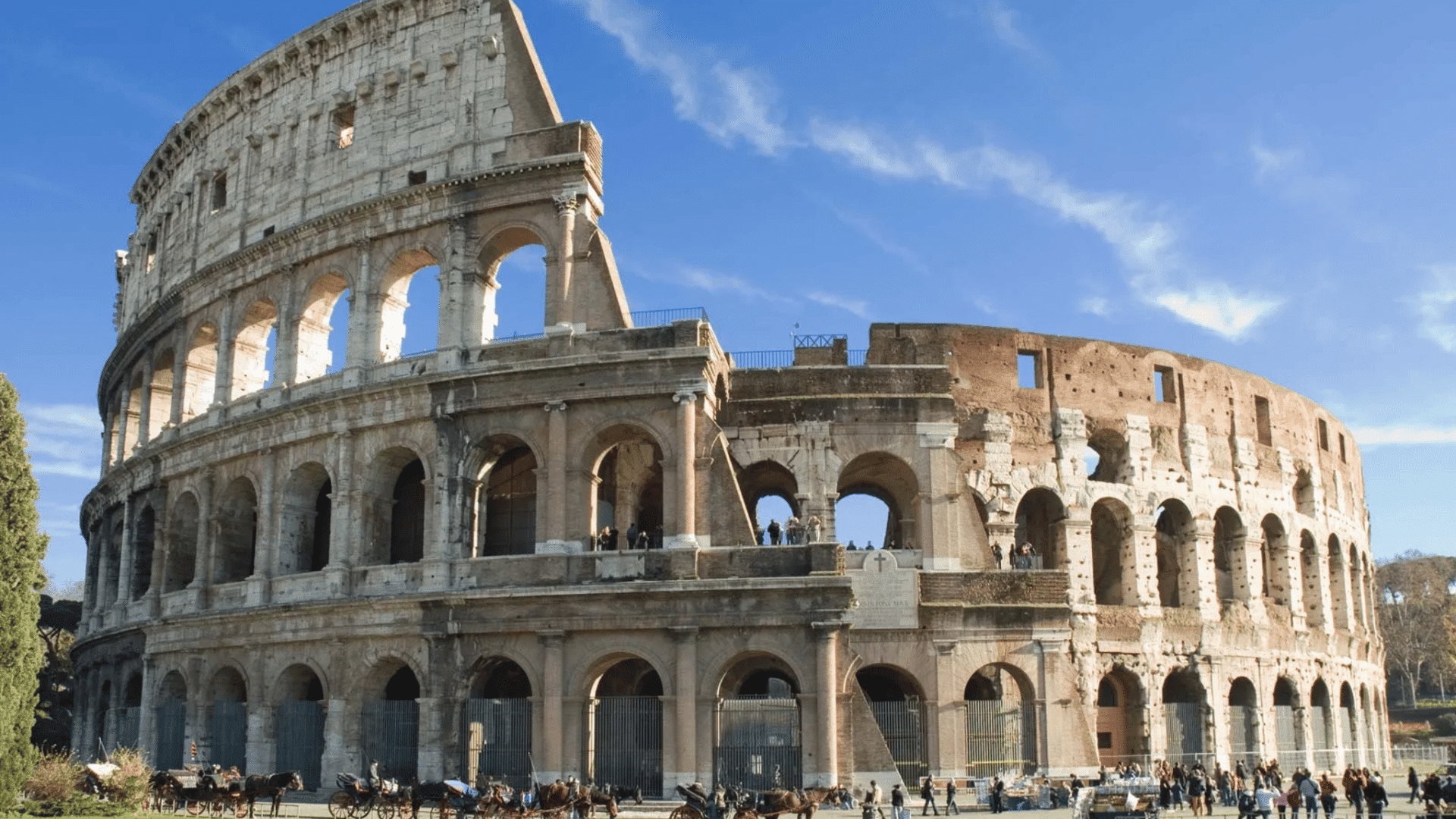
Image Source: The Colosseum
Timeline: c. 1st century BCE – 4th century CE
Roman architecture was built on Greek ideas, making them more practical and large-scale. The use of arches, vaults, and concrete allowed the Romans to create bridges, roads, and massive public buildings.
Their focus was not just on appearance but also on function and durability. This approach advanced engineering and shaped urban planning methods used across Europe for centuries.
Notable examples of Roman architecture include the Colosseum (Rome), the Pantheon (Rome), and the Pont du Gard (France).
3. Byzantine Architecture

Image Source: Hagia Sophia (Istanbul)
Timeline: c. 4th century – 15th century
Byzantine architecture developed as the Roman Empire shifted east. It is known for large domes, detailed mosaics, and central layouts, especially in religious buildings.
Interiors were often richly decorated, reflecting spiritual importance. This style connected Roman construction with Eastern ideas and influenced church design across Eastern Europe.
Key examples of Byzantine architecture are Hagia Sophia (Istanbul), San Vitale (Ravenna)
4. Romanesque Architecture
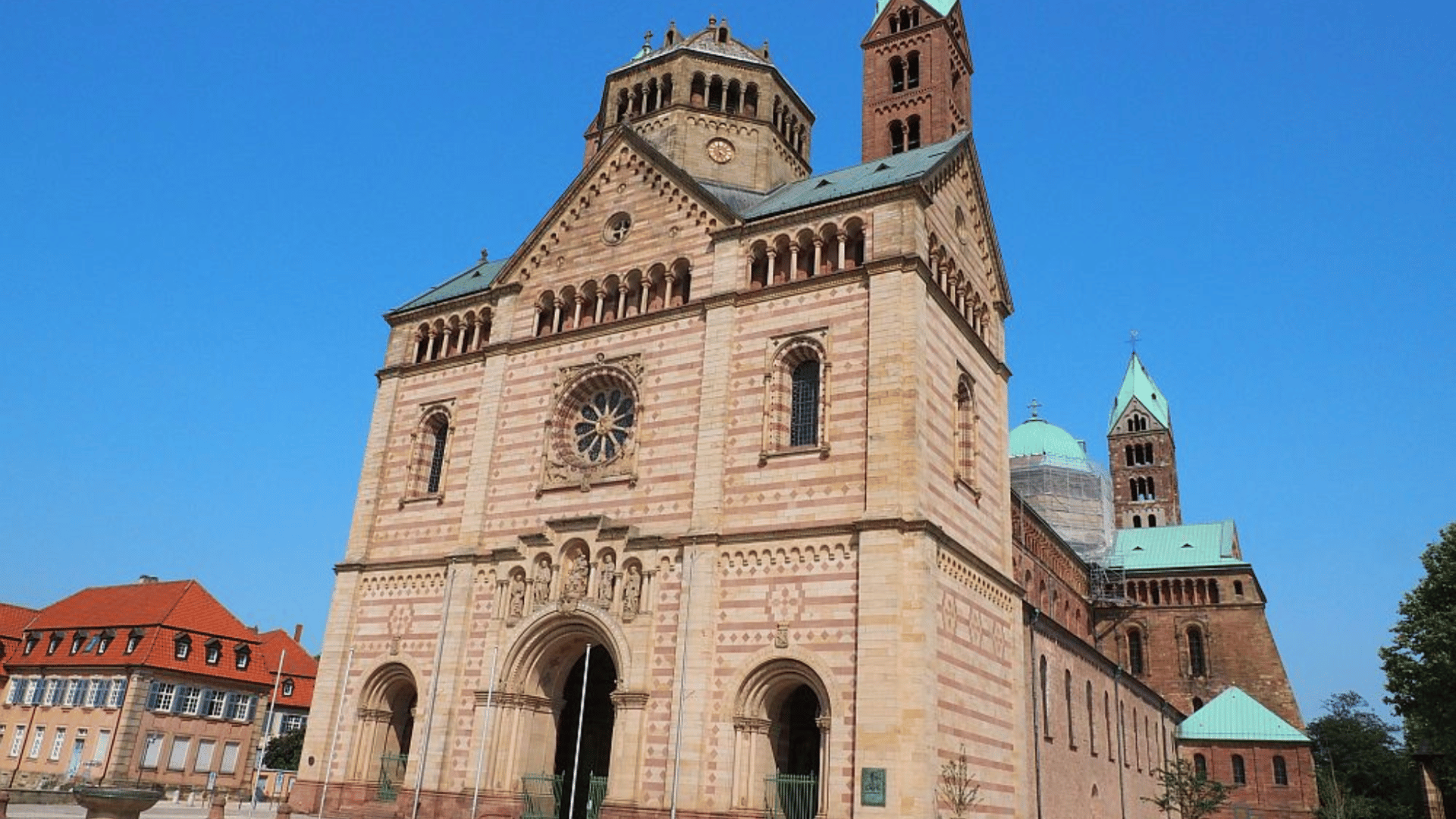
Image Source: Speyer Cathedral
Timeline: c. 9th century -12th century
Romanesque architecture focused on strength and simplicity, with thick walls, rounded arches, and small windows. Buildings felt solid and enclosed, partly due to defensive needs and limited construction methods.
It marked an important stage in the development of early medieval building and reflected the stability of that period.
Examples of this architectural style include Speyer Cathedral (Germany), Pisa Cathedral (Italy), and Durham Cathedral (England).
5. Gothic Architecture
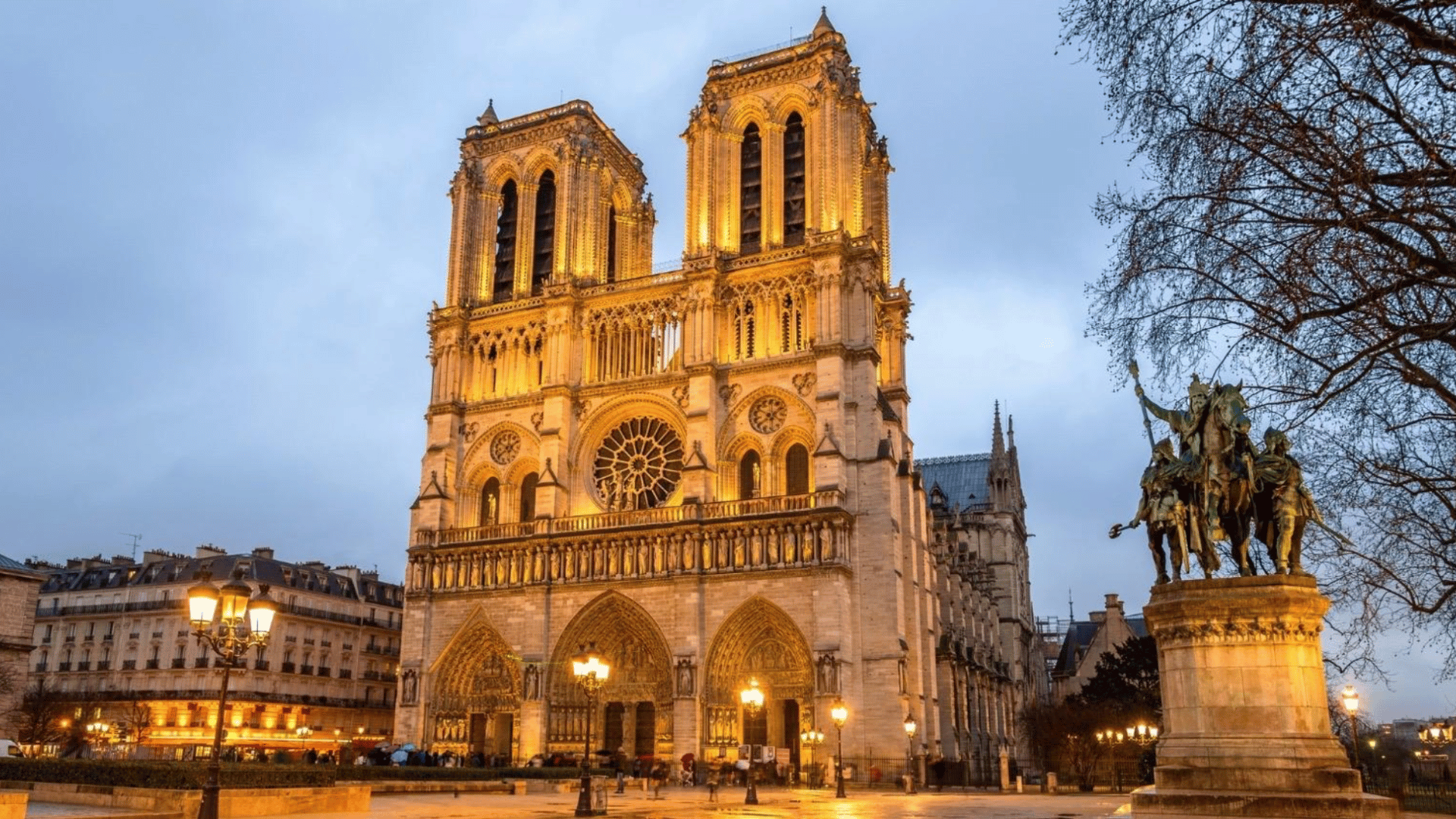
Image Source: Notre-Dame Cathedral
Timeline: c. 12th century – 16th century
Gothic architecture introduced pointed arches, ribbed vaults, and flying buttresses, enabling taller buildings and greater light. Large stained glass windows added detail and color to interiors.
This style changed how structures were designed and strengthened the role of cathedrals as central spaces in society.
Some of the most famous Gothic structures include Notre-Dame Cathedral (Paris), Chartres Cathedral (France), and Cologne Cathedral (Germany).
6. Renaissance Architecture
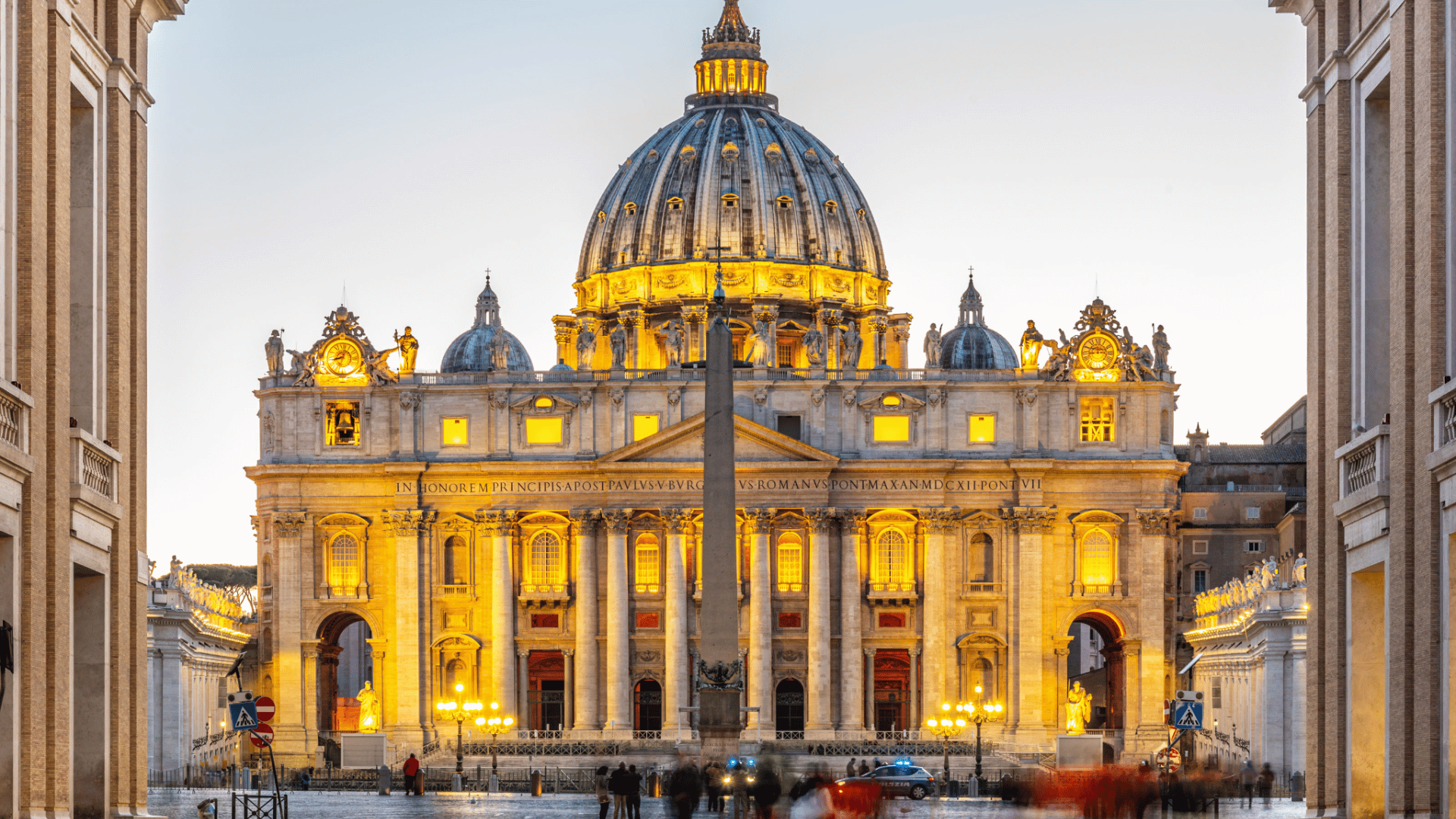
Image Source: St. Peter’s Basilica
Timeline: c. 14th century – 17th century
Renaissance architecture marked a return to classical Greek and Roman ideas, with a stronger focus on human scale and proportion.
Designers used symmetry, geometry, and clear forms to create balanced structures. This period revived classical thinking while shifting design toward logic and human-centered planning.
Prominent examples of Renaissance architecture include St. Peter’s Basilica (Vatican City), the Florence Cathedral Dome (Italy).
7. Baroque Architecture
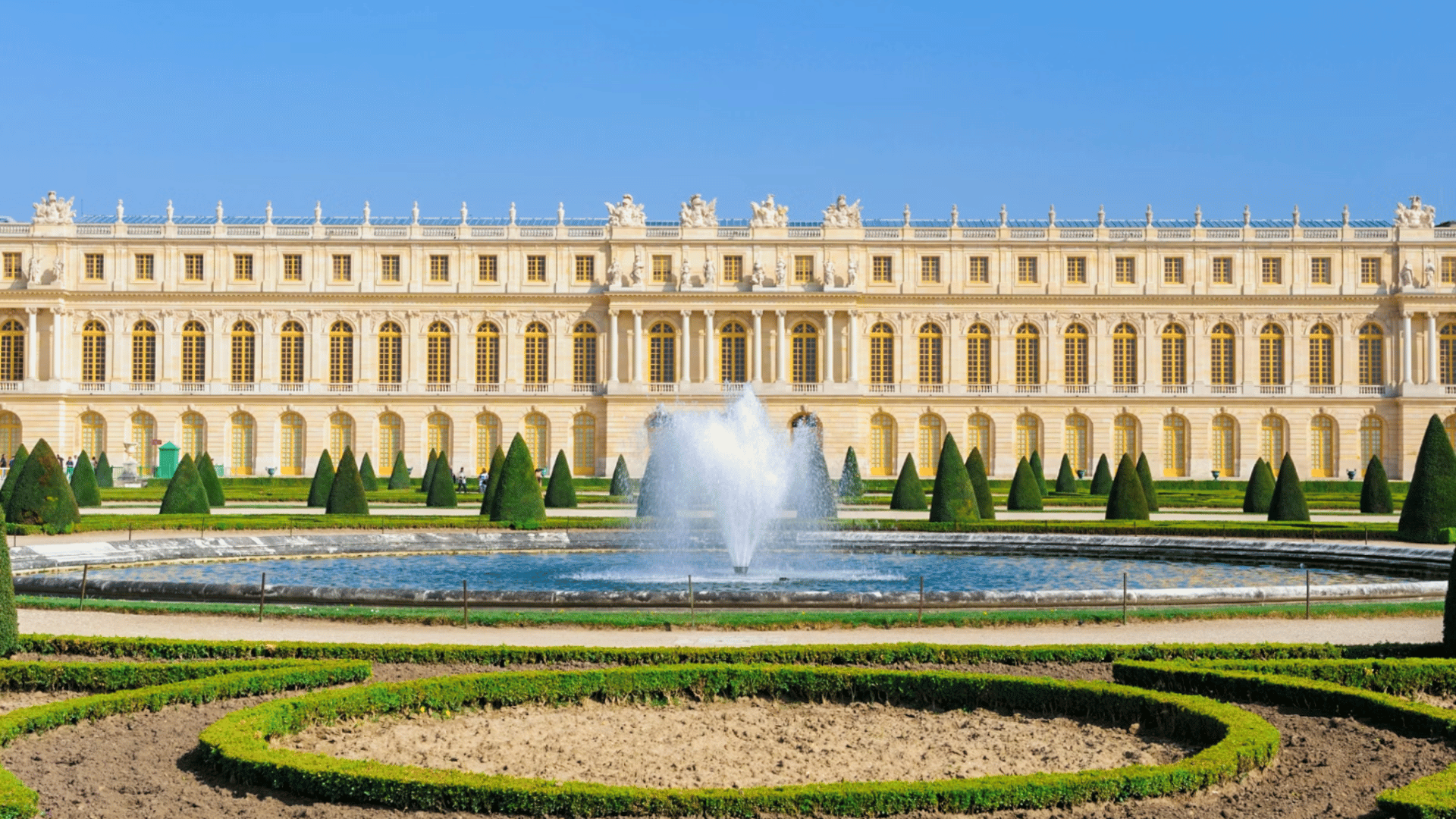
Image Source: Palace of Versailles
Timeline: c. 17th century – mid 18th century
Baroque architecture focused on bold design and strong visual impact, featuring large structures and intricate details. It was often used by churches and rulers to show authority and influence.
The style combined scale, movement, and decoration, shaping many major public and religious buildings
Well-known examples of Baroque architecture include the Palace of Versailles (France), St. Paul’s Cathedral (London), and the Trevi Fountain (Rome).
8. Rococo Architecture
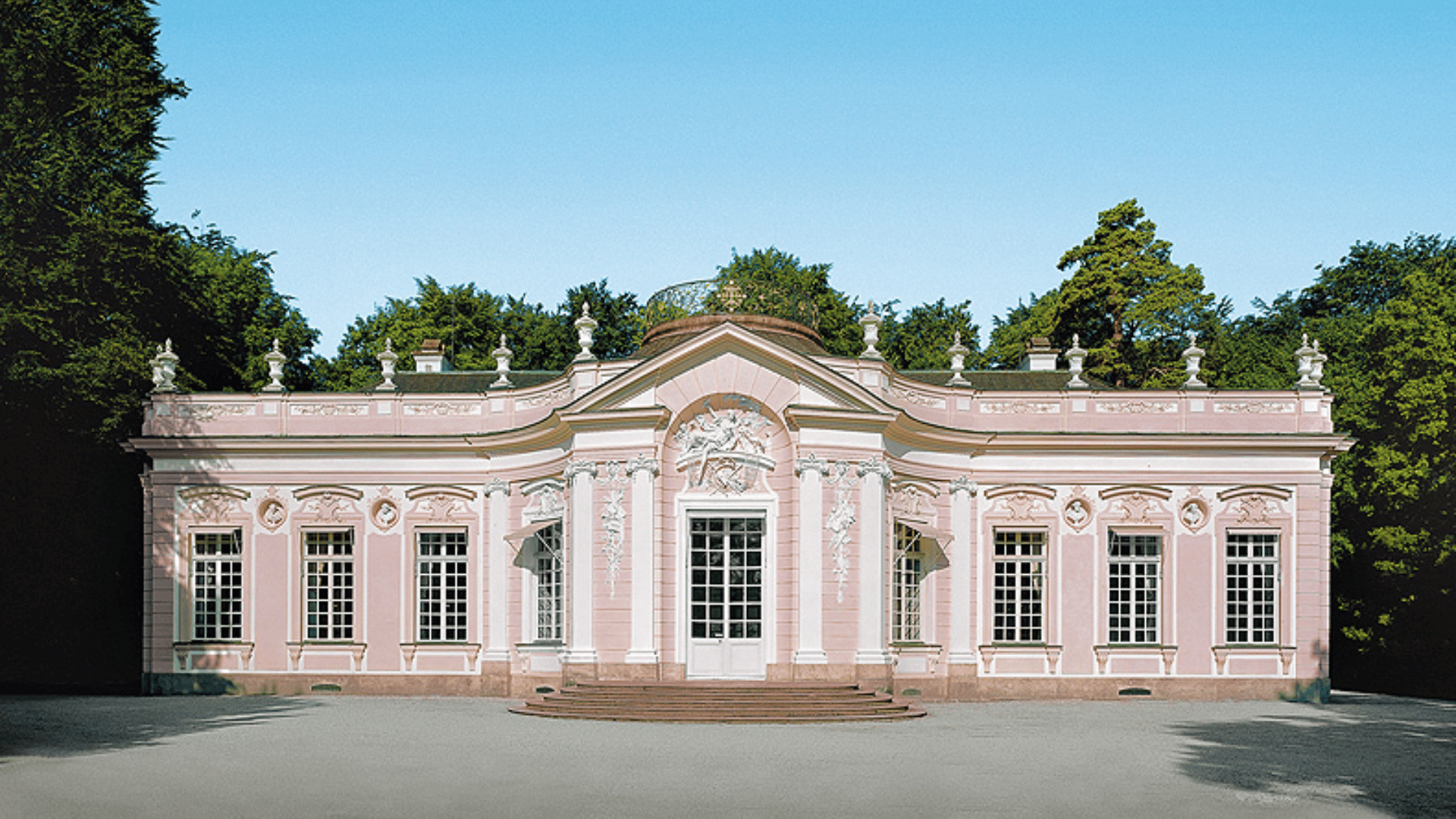
Image Source: Amalienburg (Munich)
Timeline: c. early 18th century
Rococo developed as a lighter, more decorative style from Baroque. It focused on interiors, with curved forms and detailed patterns. This style reflected changing tastes among the upper class.
It moved attention toward more personal and decorative spaces. Examples of Rococo architecture can be seen in Amalienburg (Munich) and Würzburg Residence (Germany).
9. Neoclassical Architecture

Image Source: the Panthéon (Paris)
Timeline: c. mid 18th century – early 19th century
Neoclassical architecture returned to simpler classical ideas, using clean lines and structured forms. Decoration was reduced to focus on clarity and order.
It reflected the thinking of the time, where logic and reason were valued, and became widely used in civic and government buildings.
Notable examples of this style include the Panthéon (Paris), Brandenburg Gate (Berlin), and the British Museum (London).
10. Victorian Architecture

Image Source: the Palace of Westminster
Timeline: c. 19th century
Victorian architecture brought together diverse styles into a unified approach, often incorporating decorative details and varied forms.
New materials from industrial growth allowed more experimentation in design. This style reflected rapid urban expansion and the mixing of older ideas with modern construction methods
Examples of Victorian architecture include the Palace of Westminster (London), Royal Albert Hall (London), and St. Pancras Station (London).
11. Art Nouveau
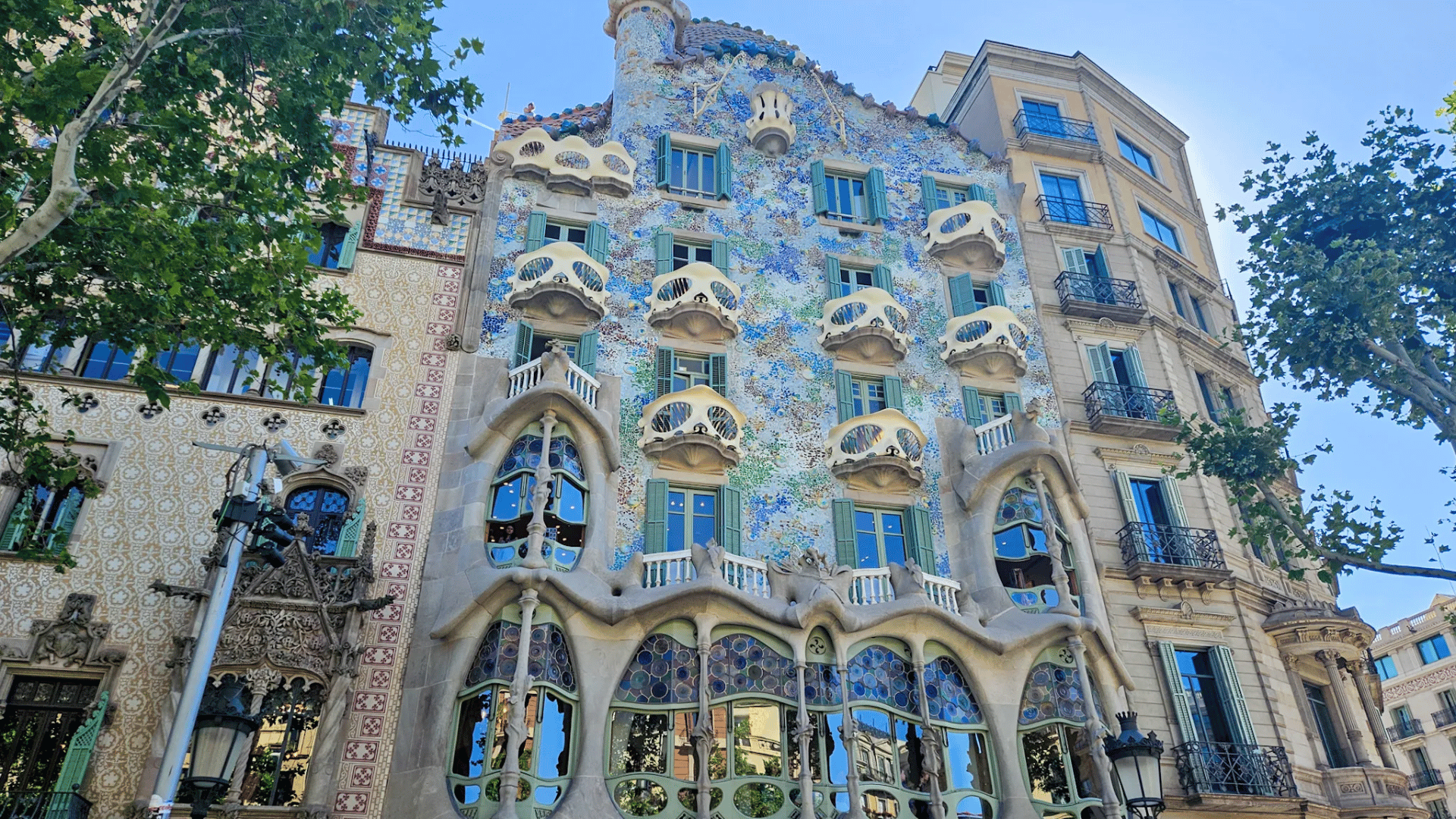
Image Source: Casa Batlló
Timeline: c. late 19th century – early 20th century
Art Nouveau moved away from traditional styles, focusing on natural shapes and flowing lines. Designs were inspired by plants and organic forms, creating a more artistic look.
It marked a shift toward combining art with everyday buildings and breaking from past design rules.
Famous examples of Art Nouveau architecture include Casa Batlló (Barcelona), Hôtel Tassel (Brussels), and Sagrada Família (Barcelona).
12. Art Deco
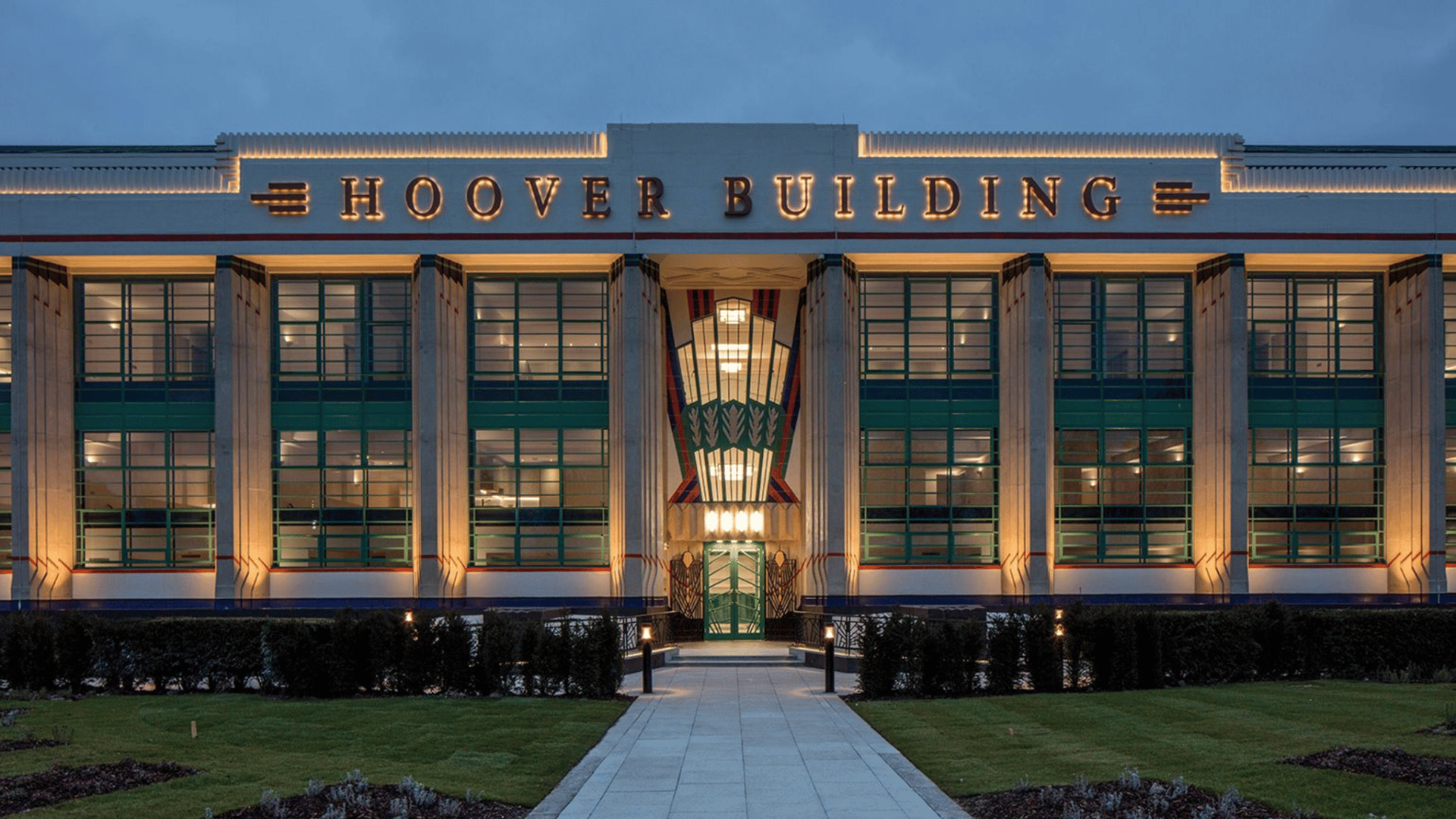
Image Source: Hoover Building (London)
Timeline: c. 1920s – 1930s
Art Deco introduced bold geometry, clean lines, and modern materials. It reflected urban growth and changing design trends during that time.
Buildings had strong shapes and a sense of order, representing progress and modern city life. Examples of Art Deco architecture include the Hoover Building (London) and the Palais de Chaillot (Paris).
13. Bauhaus Architecture

Image Source: The Bauhaus School (Dessau)
Timeline: c. 1919 – 1933
Bauhaus architecture focused on simplicity and function, removing unnecessary decoration. It used clean lines and practical layouts, with the idea that design should serve a purpose.
This approach strongly influenced modern architecture and design thinking across the world. Key examples of Bauhaus architecture include the Bauhaus School (Dessau) and the Fagus Factory (Germany).
14. Brutalist Architecture

Image Source: Unité d’Habitation (Marseille)
Timeline: c. 1950s – 1970s
Brutalist architecture is known for raw concrete surfaces and bold, block-like forms. It focused on function and honest use of materials, often applied to public housing and large buildings.
This style played a key role in post-war reconstruction and urban development. Examples of Brutalist architecture include the Barbican Estate (London) and Unité d’Habitation (Marseille).
15. Contemporary European Architecture

Image Source: The Shard (London)
Timeline: late 20th century – present
Contemporary architecture uses modern materials such as glass and steel, along with new ideas in sustainability and efficiency.
Designs focus on flexibility and environmental impact while still drawing from past styles. It reflects current needs and continues to shape future building practices.
Some notable examples of contemporary European architecture include The Shard (London), the Louver Pyramid (Paris), and the Elbphilharmonie (Hamburg).
European Architecture Vs Other Global Styles
Here is a comparison table that highlights the key differences between European architecture and other major global architectural styles.
| Aspect | European Architecture | Asian Architecture | Middle Eastern Architecture | American Architecture |
|---|---|---|---|---|
| Core Influence | Classical (Greek & Roman) | Spiritual and nature-driven | Islamic geometric design | Mixed, modern innovation |
| Materials | Stone, marble, concrete | Wood, bamboo | Stone, tile, plaster | Steel, glass, concrete |
| Design Focus | Symmetry, proportion | Harmony with nature | Patterns and calligraphy | Functionality and innovation |
| Ornamentation | Varies from minimal to detailed | Intricate but symbolic | Highly decorative | Often minimal in modern design |
| Evolution | Continuous historical layering | Tradition-focused | Religion-centered | Rapid modernization |
Key Features to Identify European Architecture
When looking at architecture, certain details can help you quickly recognize the style and time period. These features often recur across regions, but they can vary depending on the era and the building’s purpose:
- Columns and Arches: Often signal classical or Roman influence
- Domes and Vaults: Common in religious and large public structures
- Window Styles: From small openings to large stained glass designs
- Materials Used: Stone, marble, concrete, or glass, depending on the period
- Level of Decoration: Ranges from simple forms to highly detailed surfaces
- Building Height and Structure: Shows the shift from heavy forms to taller designs
Final Verdict
European architecture is basically a centuries-long conversation, full of bold ideas and cultural quirks. From classical symmetry to contemporary creativity, each style reflects its own special moment.
Once you start spotting these patterns, buildings stop being just “buildings” and start making sense, like they’re revealing the logic behind their shapes, details, and choices.
It keeps reinventing itself, borrowing, bending, and remixing old ideas into something fresh. That’s the real magic: it evolves, but never forgets where it came from.

Holding a Master’s in Construction Management from Purdue University, William Ray has dedicated more than two decades to studying and applying construction principles. His professional journey includes a tenure with a prominent construction firm, where he specialized in project management and building technologies. William brought his knowledge to our team, providing in-depth insights into practical construction techniques. As the leader of our beginner’s guide to building since 2019, he has a knack for breaking down intricate processes into easily digestible content. When not involved in writing or onsite consultations, William enjoys woodworking and volunteering in community building projects, which aligns with his passion for hands-on construction and community service.