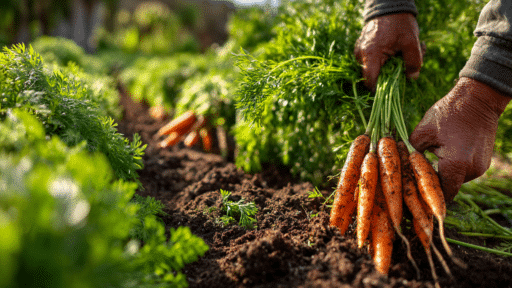
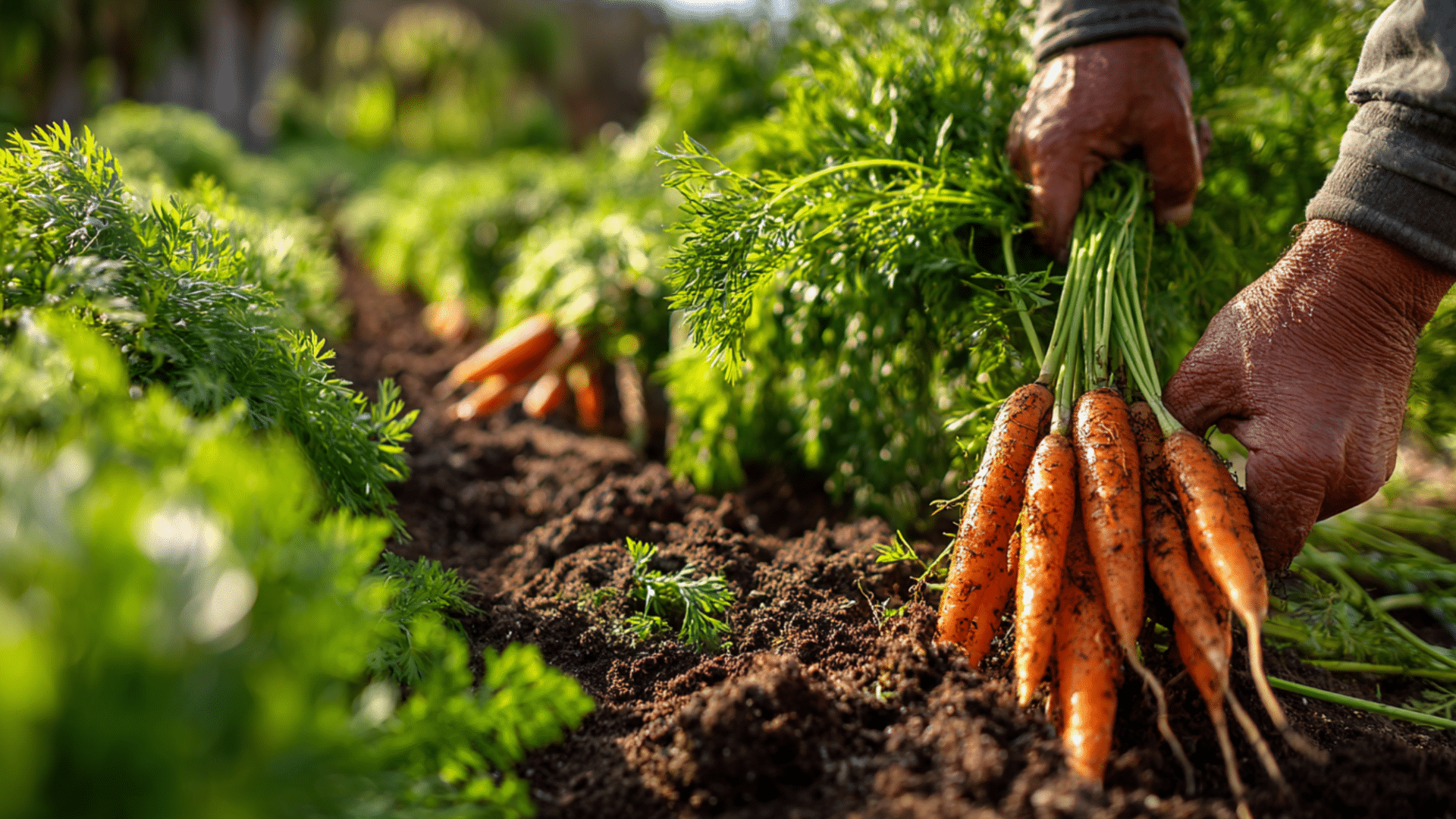

Fresh carrots from the store? They’re fine. But homegrown ones? A completely different experience. Most people think learning how to plant carrots is complicated.
Too much prep, too much guesswork, and a whole lot of disappointment when nothing sprouts.
Growing carrots is actually one of the more beginner-friendly things you can do in a backyard garden. You need the right steps.
This blog will lead you through exactly how to grow carrots, from picking the right soil to knowing when your crop is finally ready to pull.
Why Should You Grow Carrots at Home?
Growing carrots at home offers many clear benefits, making it worth trying. Homegrown carrots often taste much better than store-bought ones because they are fresher and harvested at the right time.
You also have full control over how they are grown, which means you can avoid harmful pesticides and choose a more natural or organic approach.
Another advantage is cost savings, since a small packet of seeds can produce a large number of carrots over time. Carrots are also very flexible to grow and do not need a large garden space.
They grow well in pots, containers, and raised beds, making them perfect for small homes or balconies.
Ideal Conditions for Growing Carrots
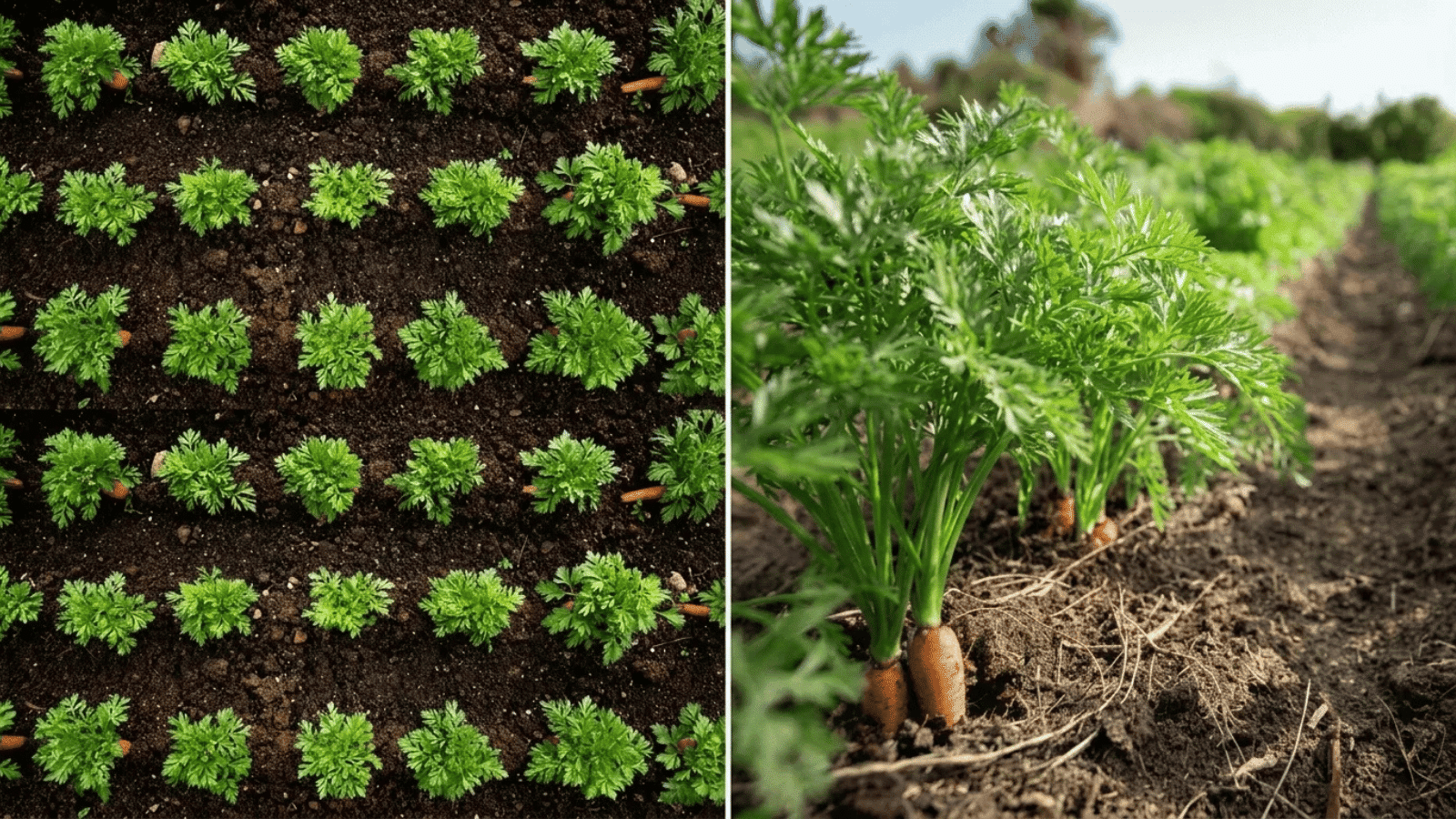
Carrots survive when conditions support strong root growth, making the right mix of sunlight, soil, and spacing essential. Here’s what you need to get it right:
- Carrots need full sun for 6–8 hours daily for strong, healthy growth.
- They grow best in loose, sandy, well-draining soil that allows roots to develop straight.
- Avoid rocky or compact soil, as it can cause stunted or forked carrots.
- Ensure deep soil (at least 10–12 inches), so roots have enough space to grow properly.
- Maintain a soil pH between 6.0 and 6.8, and enrich with organic matter to improve nutrient availability.
How to Prepare Soil for Growing Carrots?
Preparing the soil properly is one of the most important steps for growing healthy carrots, as the roots need a clear path to develop well.
Removing stones and debris helps prevent obstacles that can lead to misshapen growth, while deeply loosening the soil allows carrots to grow long and straight.
Adding compost improves nutrient content, but fresh manure should be avoided since it can cause forked or irregular roots.
For heavy or clay-like soil, mixing in sand improves drainage and texture, creating the soft, loose conditions carrots need to grow smoothly and properly shaped.
How to Plant Carrot Seeds (Step-by-Step Process)
Planting carrot seeds the right way sets the stage for a healthy harvest by improving germination and root growth. Here’s how to do it step by step. step.
Step 1: Choose the Right Carrot Variety
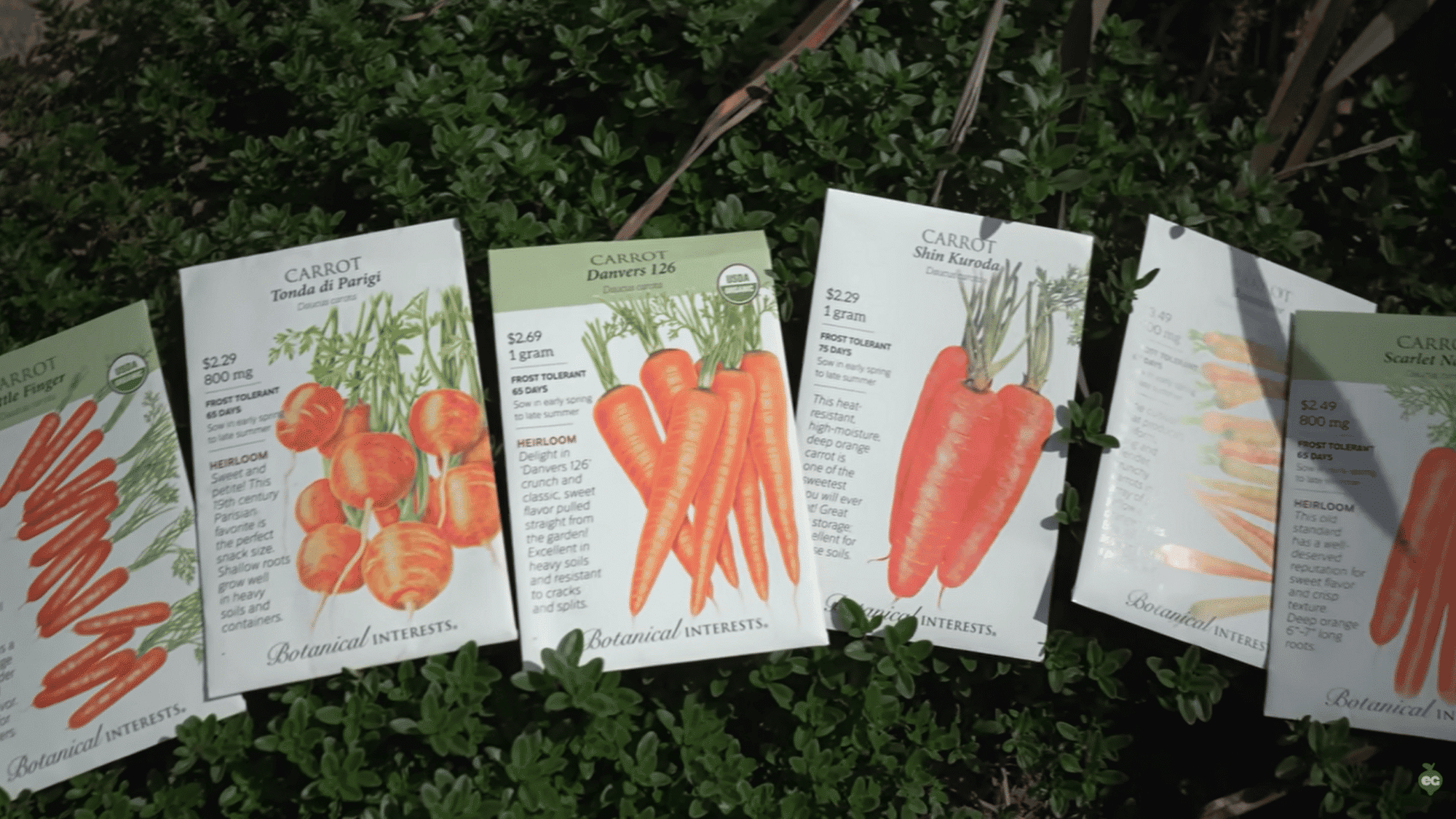
Choosing the right carrot variety depends on your space and what you like to grow. Small types like Little Finger and Tonda di Parigi are great for pots and containers.
Bigger types like Danvers and Shin Kuroda do well in garden beds and raised beds. You can also pick different colors, such as orange, purple (like Cosmic Purple), or even rainbow mixes.
Step 2: Prepare the soil and Plant Carrot Seeds
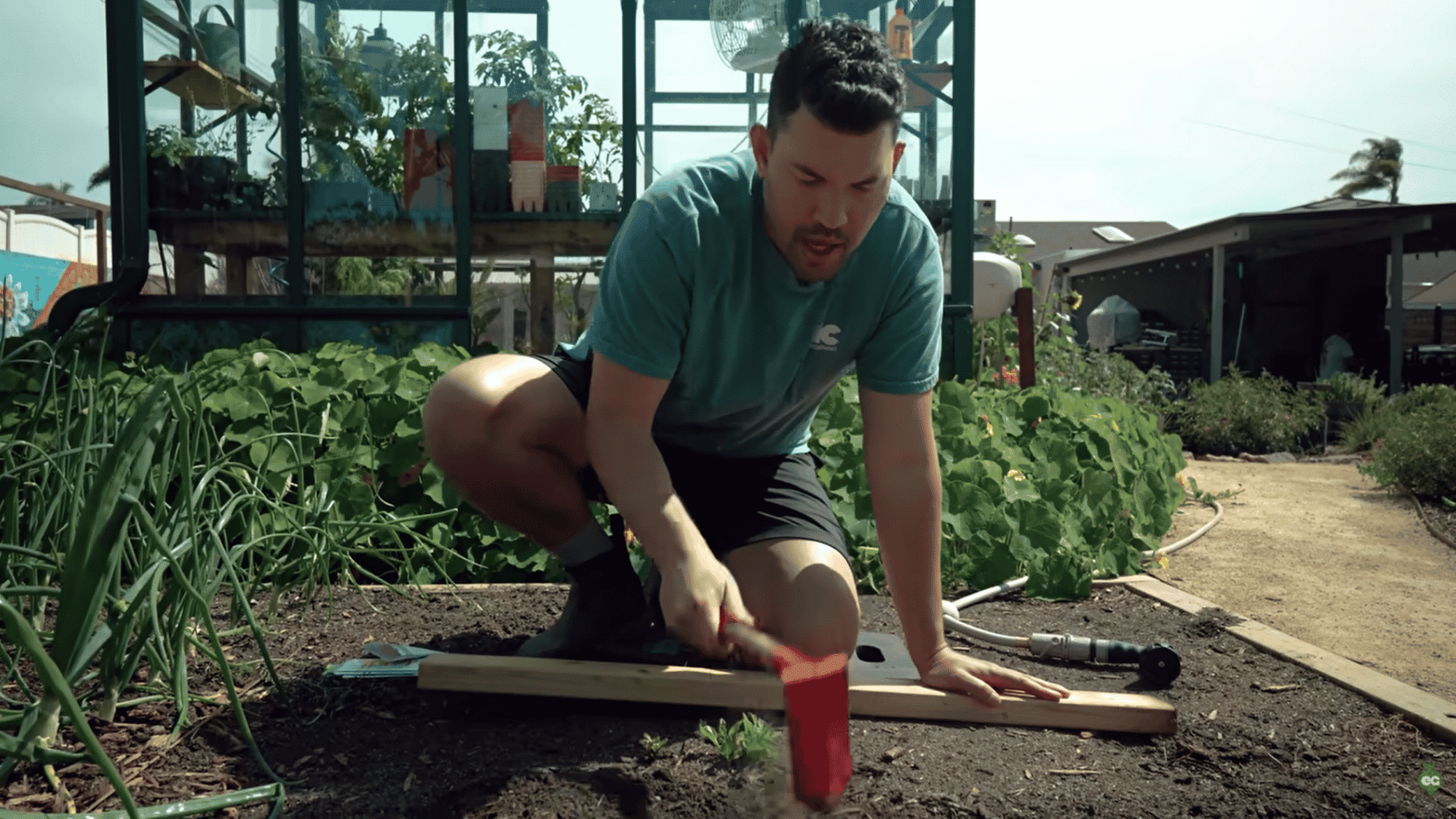
Start by loosening compact soil so that carrot roots can grow freely without obstruction.
Make shallow furrows about ¼ inch deep and scatter the seeds evenly along them, as perfect spacing is not required at this stage.
Cover the seeds lightly with soil and water them immediately after planting. Keep the soil consistently moist for 10–15 days to support germination.
You can also use a board over the soil to help retain moisture and improve sprouting success.
Step 3: Germination Care (Moisture & Sprouting Stage)
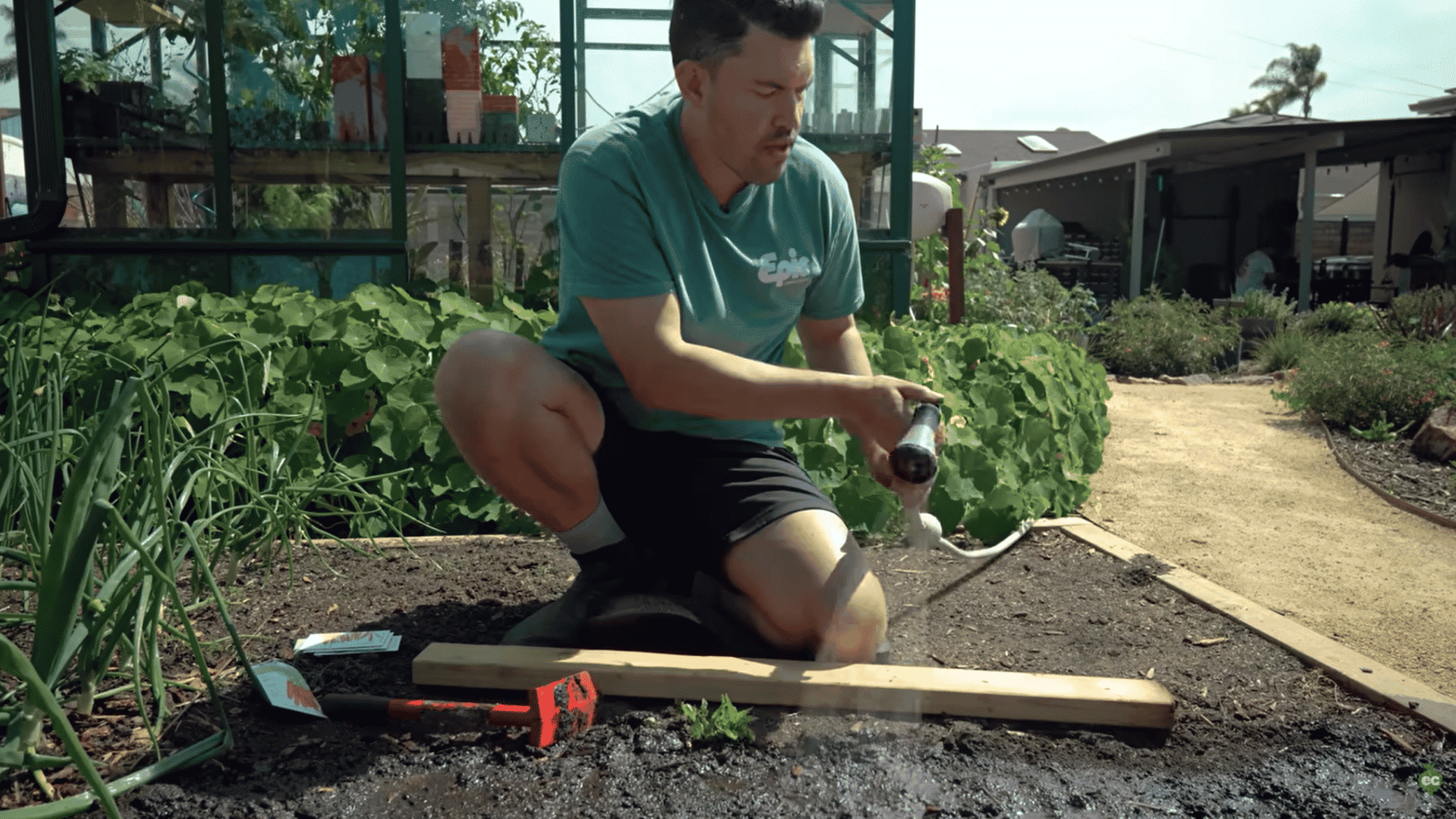
Keep the soil consistently moist during germination, as carrot seeds take 10–15 days to sprout. Do not let the soil dry out during this crucial growth stage.
Using a board cover helps trap moisture and protect seeds. Continue careful watering once seedlings begin to emerge.
Step 4: Thin Carrot Seedlings for Proper Growth
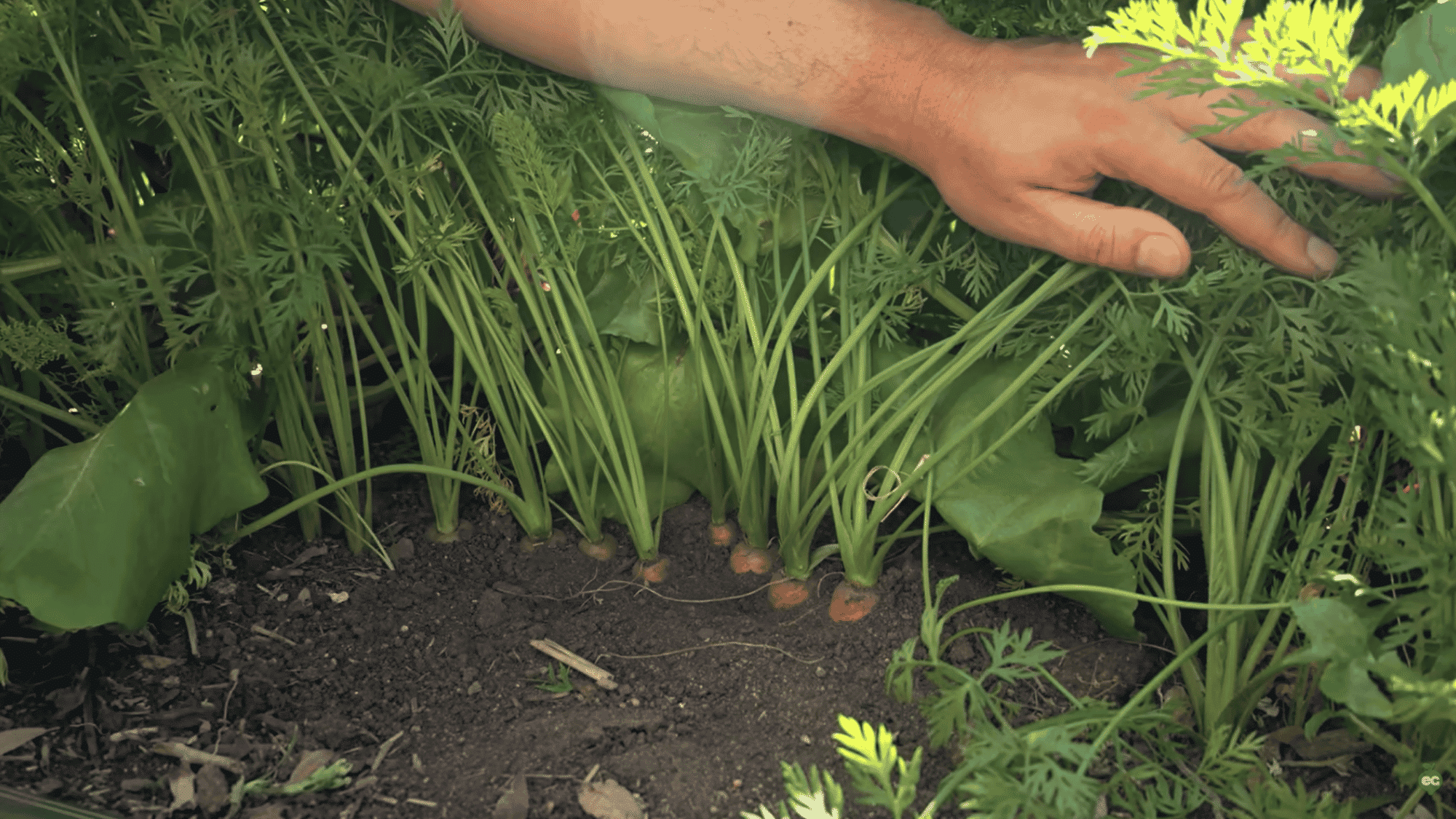
Thin carrot seedlings when they are 1–3 inches tall to give each plant enough space to grow properly.
Keep a spacing of about 1–3 inches between each carrot to prevent overcrowding and reduce competition for nutrients, water, and light.
You can gently pull out extra seedlings, and the small baby carrots can be harvested as a bonus. If you skip thinning, carrots may stay small or stunted, while proper spacing helps produce larger, healthier roots.
Step 5: Care, Growth, and Harvesting
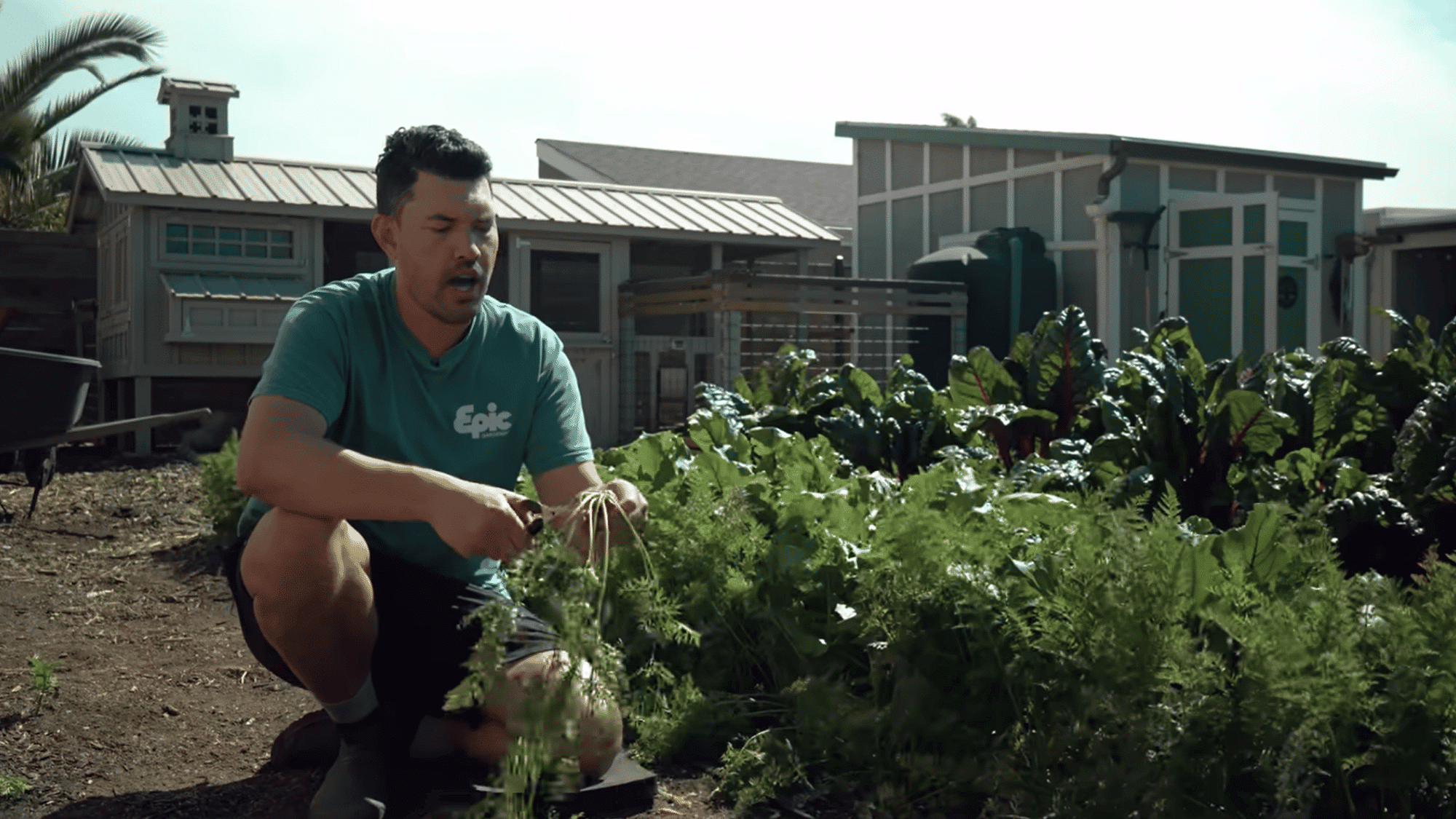
Carrots need consistent watering throughout the growing season to develop smooth, healthy roots. They perform best in cooler weather, so growing them in the right season improves both growth and flavor.
Harvest carrots when they are fully mature, as they become sweeter and more flavorful, especially in cold conditions.
Timing is very important for texture and taste. Avoid letting carrots bolt or flower because this makes the roots tough and bitter.
Want to see the process in action? Check out the YouTube video below:
How to Harvest Carrots the Right Way?
You’ll know carrots are ready to harvest when the tops reach the expected size, and the shoulders start to show above the soil.
The color becomes bright, and the roots feel firm when gently pulled. Timing the harvest correctly is important for getting the best sweetness, texture, and overall quality.
- Loosen the soil around the carrots first to make pulling them out easier and reduce breakage.
- Use a gentle twisting and pulling motion to lift carrots from the ground.
- Harvest carrots when they reach full size for the best flavor and sweetness.
- Check that the tops are visible and the roots are firm before harvesting.
- Avoid pulling too hard to prevent breaking or damaging the carrot roots.
Different Varieties of Carrots to Grow
Selecting the right carrot variety is key to a successful harvest, as each type grows best in specific growing conditions, soil types, and seasons.
| Variety | Key Features | Best For / Growing Conditions |
|---|---|---|
| Nantes | Sweet, smooth, cylindrical shape, easy to grow | Ideal for beginners and loose, well-drained soil |
| Danvers | Strong flavor, adaptable, slightly tapered roots | Works well in a variety of soil types, including heavier soils |
| Chantenay | Short, thick roots, sturdy growth | Best for heavy or clay soil where long carrots struggle |
| Baby Carrots | Small, tender, quick to harvest | Great for fast yields, containers, and small spaces |
| Full-size Carrots | Long roots, traditional shape, higher yield | Requires deeper, looser soil and more time to mature |
How to Maintain Healthy Carrot Plants?
Keeping carrot plants healthy requires consistent care, proper watering, and regular maintenance.
- Maintain Consistent Moisture: Keep the soil evenly moist to support steady root growth without becoming waterlogged.
- Avoid Overwatering: Excess water can cause root rot and poor carrot development, so ensure proper drainage.
- Prevent Soil Drying and Cracking: Do not let the soil dry out completely, as cracks can damage or deform the growing roots.
- Thin Seedlings Properly: Remove extra seedlings to give each plant enough room to grow strong and straight.
- Ensure Proper Spacing: Maintain a distance of about 2–3 inches between plants for optimal root development.
- Control Weeds Carefully: Gently remove weeds to prevent competition without disturbing delicate carrot roots.
- Use Mulch Effectively: Apply mulch to retain moisture, reduce weeds, and improve overall soil health.
Final Thoughts
So there you have it, everything you need to know about how to plant carrots right in your own backyard. It’s not rocket science.
With the right soil, decent spacing, and a little patience, growing carrots at home is something almost anyone can pull off.
And honestly? That first harvest makes it all worth it. You don’t need a massive garden or fancy tools to make it happen.
A little effort today means a fresh, homegrown harvest waiting for you at the end of the season.

Veronica Lee holds a Master’s degree in Landscape Architecture from Cornell University and has dedicated more than 15 years to transforming outdoor areas into artistic and sustainable spaces. Her career took off in a renowned landscape design firm, where she excelled in creating visually stunning and environmentally responsible designs. In 2019, Veronica brought her expertise to our platform, quickly becoming a key contributor to our outdoor design and sustainability sections. As the lead of our landscape innovation series ever since joining, she has inspired readers with her forward-thinking and practical approach. When not drafting designs, Veronica enjoys pottery and participates in local conservation efforts, activities that complement her professional ethos of blending art with nature.