
Energy efficiency has gained traction among homeowners due to rising utility costs.
Many people focus on windows, home appliances, and HVAC systems, but rarely consider how their roofs affect energy performance and environmental friendliness.
A roof is much more than just a weather barrier. In addition, it’s a critical component of your home’s energy management system as it impacts heat transfer, ventilation, insulation, and interior temperature control throughout the year.
With new technological advancements enabling more energy-efficient roofing systems, home upgrades that improve roof performance can deliver numerous benefits. Those benefits range from increased energy efficiency to increased property valuation.
Here are five ways roofing replacement, especially when performed by a professional roofing contractor, can enhance energy efficiency.
1. Roofing System Upgrades Can Minimize Heat Absorption
One of the biggest advantages of upgrading a roof system is reduced heat absorption.
Dark roofing material absorbs considerable amounts of solar radiation when the weather gets warm. This absorbed heat is then transferred into the attic and living space, thus raising the temperature.
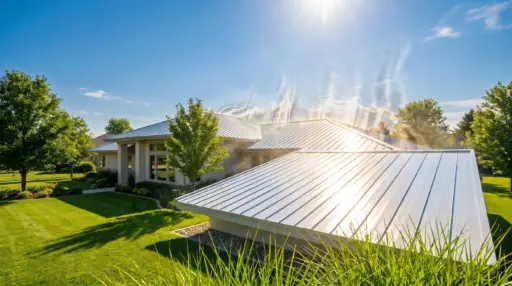
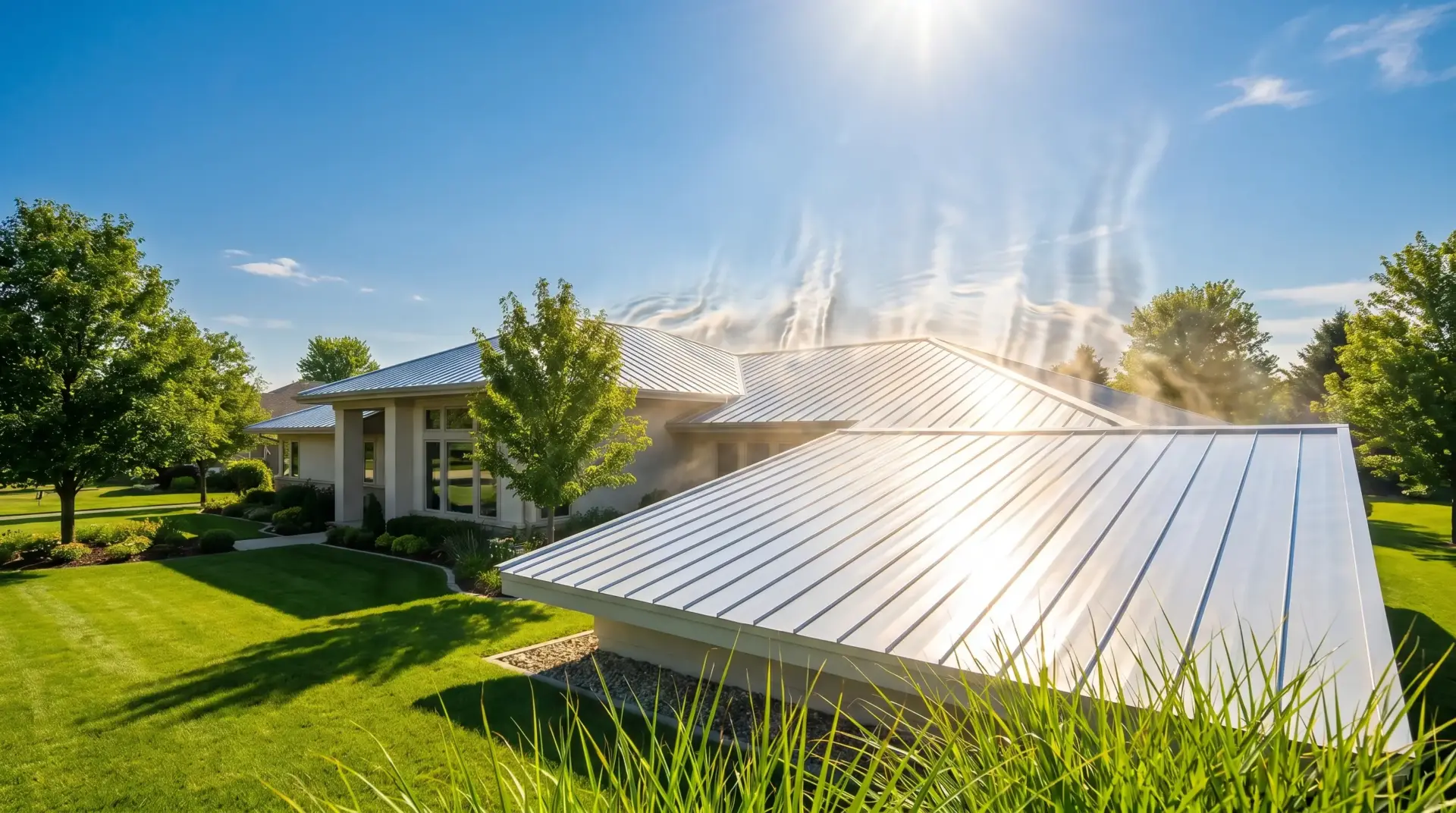
Nowadays, there is a wide range of roofing products designed to reflect solar heat rather than absorb it. Among others, such types of roofing include cool roofing shingles, reflective metal roofing, specialized roof coatings, and light-colored roofing materials.
Reflective roofs lower the temperature of roof surfaces during summer months, which reduces heat transfer into the house. Benefits of reflective roofs include reduced cooling costs, improved interior comfort, and reduced reliance on your HVAC system.
2. Roofing System Upgrades Impact Ventilation
Roof ventilation is another crucial aspect of home energy efficiency. Poor ventilation results in excessive indoor heat, higher cooling bills, condensation, mold, and premature degradation of roof materials.
With improved roof ventilation, owners can ensure that heat is efficiently vented from attics during the summer months, preventing overheating in their homes.
Typical upgrades include improvements to existing roof vents, installation of ridge and soffit vents, and powered roof ventilation systems.
Proper roof ventilation helps minimize overheating and prevent attic condensation, improving energy efficiency. Additionally, good ventilation will extend the lifespan of your roof as there’ll be no excessive heat and humidity left in the attic.
3. Modern Roofing Materials Offer Greater Energy Efficiency
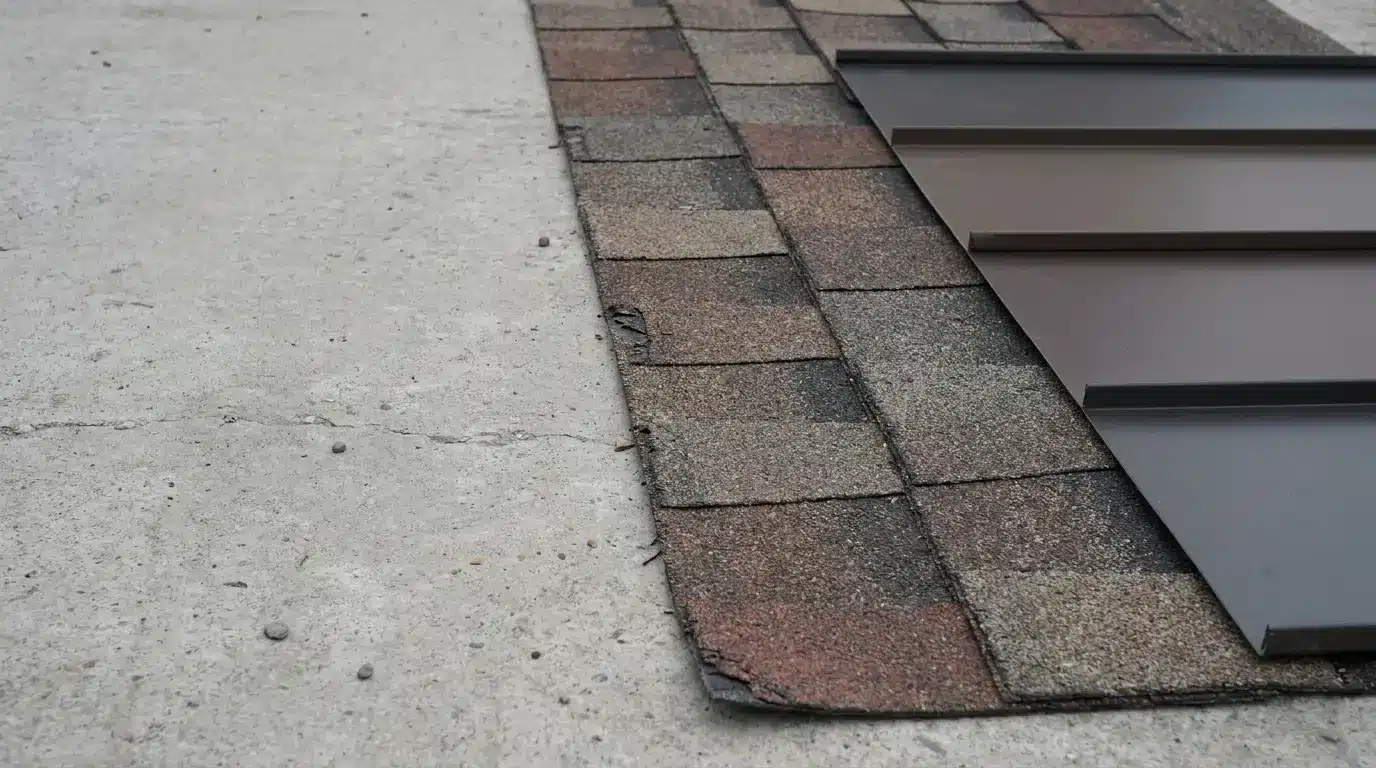
Roofing materials are constantly being developed to improve their energy efficiency and durability. For instance, many manufacturers produce asphalt shingles with special additives and coatings designed to make the roof more energy-efficient.
Other options include energy-efficient asphalt shingles, insulated metal roofing systems, synthetic roofing products, and coatings for improved thermal resistance.
Additionally, some upgraded roofs require less maintenance than older systems and will last much longer.
4. Roofing Systems Upgrades Optimize HVAC Performance
Without an energy-efficient roof, HVAC systems have to work twice as hard trying to balance indoor temperatures. That can increase wear and tear on your HVAC unit and shorten its lifecycle.
Roof upgrades optimize HVAC system performance because homes with these new-and-improved roofs are better insulated and more durable.
5. Roof Insulation Enhances Energy Efficiency
Roofing system updates will improve the insulating performance of attics and roofs. Without proper roof insulation, heated and cooled air will escape easily, resulting in higher energy consumption, lower interior comfort, and loftier energy bills.
Properly performed roofing projects include things like the following:
- Upgrading of attic insulation
- Improving thermal barriers
- Sealing around all roof penetrations
- Using modern underlayment
Roofing and attic insulation are especially important in older homes, as most roofs were built to outdated standards. Modern insulation and high-quality roofing will significantly improve the overall thermal performance and energy efficiency of your home.
Roofing system upgrades can affect your home not only aesthetically but also in terms of energy performance and energy savings. New technology helps decrease heat transfer, optimize insulation performance, enhance roof ventilation, and more.
As homeowners look for ways to reduce energy costs, enhance comfort, and create a greener environment, upgrading their roofing systems can be a wise decision.

Holding a Master’s in Architecture from the University of Texas at Austin, Emily Rodriguez has dedicated more than two decades to the art and science of building renovation. Starting her journey in historic preservation, she developed a profound respect for blending old with new in building design. Emily became a vital part of our team in 2019, renowned for her insightful and innovative renovation tips. She has been leading our DIY home improvement series since ever since, where she shares her wealth of knowledge in turning outdated spaces into modern havens. When not engaged in writing or consulting, Emily is a passionate advocate for heritage conservation and enjoys exploring vintage architecture, a hobby that complements her professional expertise.