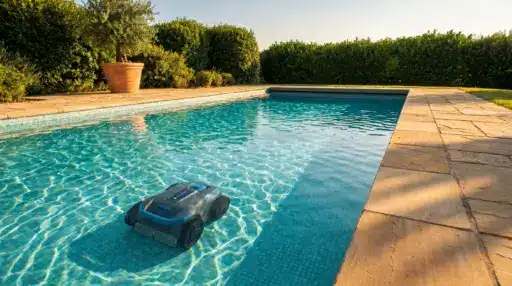
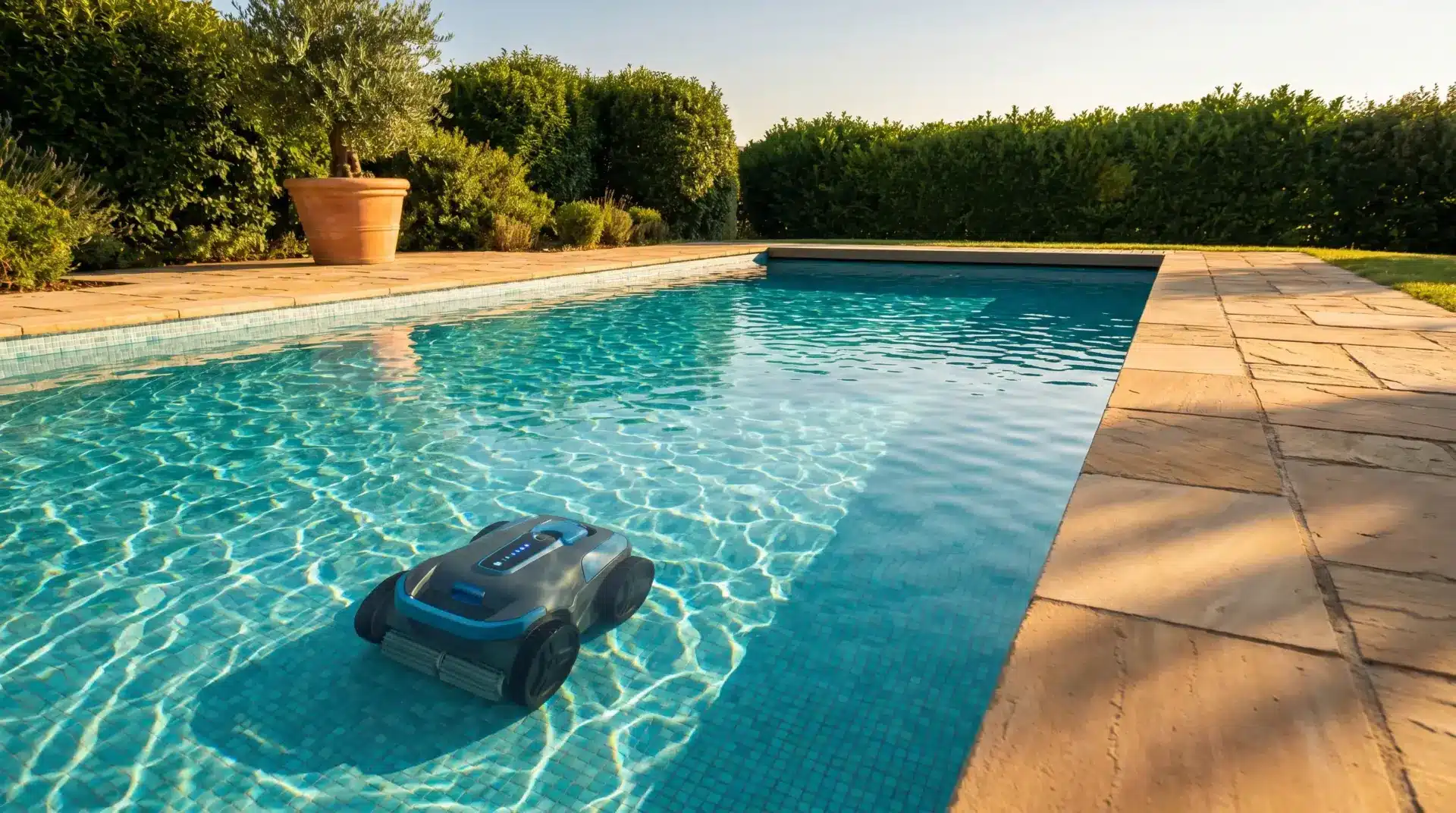

A backyard pool can make a home feel more relaxing, useful, and ready for summer. But anyone who owns one knows the other side of the picture: leaves blow in after yard work, pollen settles during spring, sunscreen collects near the waterline, and fine dirt seems to appear again right after cleaning.
That is why choosing a robotic pool cleaner in 2026 is not just about asking whether it moves around the pool. A better question is whether it cleans the parts of the pool that actually create work for you.
Modern pool owners now compare cleaners by coverage, filtration, navigation, runtime, handling, maintenance, and long term value. A robot that works well for a small, simple above ground pool may not be the right fit for a larger in ground pool with curves, ledges, walls, and regular surface debris.
The best choice is not always the most expensive model. It is the cleaner that matches your pool, your debris, and your weekly routine.
Start With Your Pool Type, Shape, and Size
Above Ground and in Ground Pools Need Different Checks
Before comparing features, start with the pool itself. Pool type, size, shape, and surface material all affect how well a cleaner will perform.
An above ground pool may need a lighter cleaner that is easy to lift, store, and run often. An in ground pool may need stronger navigation, wall climbing, waterline cleaning, or better coverage for curves, steps, and shallow areas. A simple rectangle is easier to clean than a freeform pool with ledges, drains, corners, and multiple depth zones.
Surface material matters too. Vinyl, fiberglass, tile, and concrete do not always need the same brush grip or traction. A cleaner should move steadily without being too rough on the surface.
Before buying, check the manufacturer’s recommended pool size, supported surfaces, and cleaning area. A cleaner can have great features and still be the wrong fit if it is not designed for your pool.
Look for Real Cleaning Coverage, Not Just Floor Cleaning
Floor, Walls, Waterline, and Water Surface
Floor cleaning is important, but it is only one part of pool care. Sand, dirt, and leaves often settle on the bottom, so a floor-cleaning robot can help. But many homeowners still spend time brushing walls, wiping the waterline, and skimming floating debris.
The waterline is one of the most overlooked areas. Sunscreen, body oils, pollen, and small debris often collect there. If a robot does not clean the waterline well, the pool may still need regular manual scrubbing even after the floor looks clean.
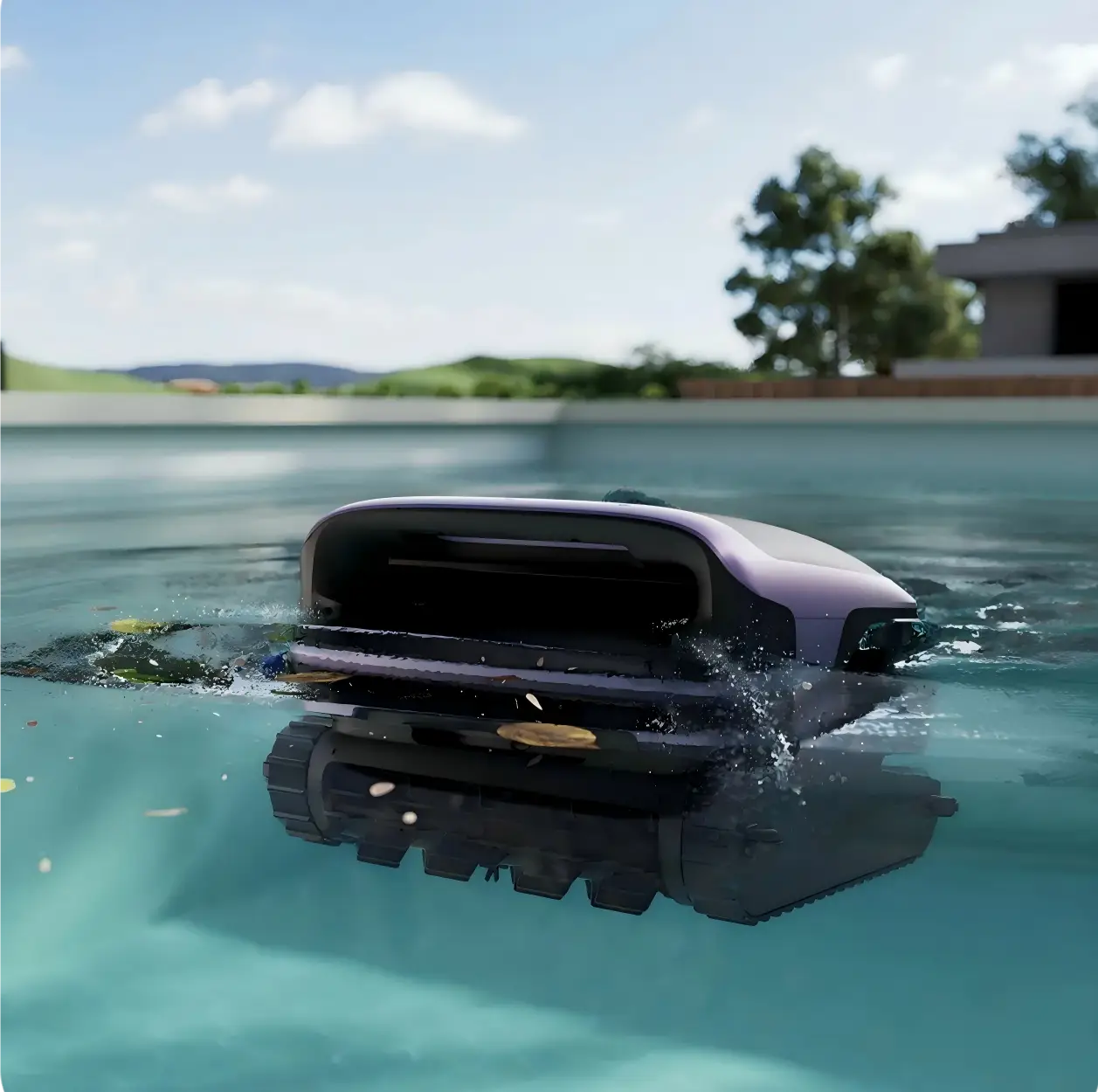
Water surface cleaning can also matter, especially for outdoor pools near trees, flowers, grass, or windy open yards. Leaves and insects are easier to remove before they sink. A cleaner that helps with surface debris can reduce the need for constant hand skimming.
When comparing a pool vacuum robot, look at what it actually covers: floor only, floor and walls, waterline, water surface, or shallow platform areas. The wider the real coverage, the less likely you are to use three different tools for one cleaning routine.
Check the Filtration System Before You Check the Price
Fine Dust, Leaves, and Cloudy Water Need Different Filters
A lower priced cleaner may look appealing, but filtration can make a big difference in daily use. Large debris and fine particles are not the same problem.
Leaves, grass, bugs, and small twigs need a basket with enough capacity. Fine dust, sand, pollen, and tiny particles need better filtration. If the filter is too basic, the robot may pick up visible debris but leave the water looking dull after storms, heavy use, or pollen season.
Ease of cleaning matters as much as filter quality. If the basket is hard to remove, messy to rinse, or annoying to reinstall, many homeowners will use the robot less often. A top access basket or simple filter design can make weekly care much easier.
A robotic cleaner helps with physical debris, but it does not replace pool chemistry. Clear water still depends on pH, sanitizer, circulation, filtration, and regular testing. The robot handles cleaning; water balance still needs homeowner attention.
Smart Navigation Should Save Time, Not Add Confusion
Path Planning, Sensors, and Obstacle Avoidance
Smart navigation sounds technical, but the idea is simple. A good cleaner should avoid wasting time, repeating the same path, or missing obvious areas.
Basic cleaners may move in a random or semi-random pattern. That can work in a simple pool, but it may be less effective in pools with curves, steps, walls, drains, ledges, or uneven debris. Better navigation helps the robot move more logically and cover more of the pool in one cycle.
Sensors can help the cleaner recognize walls, obstacles, and cleaning zones. Some models also offer cleaning modes or app controls. These features are useful only when they make the cleaner easier to use. A long feature list means little if the owner still has to redo the job by hand.
Good technology should make pool care feel lighter. It should help the robot clean more predictably, reduce missed spots, and make the weekly routine easier to repeat.
Cordless Convenience Versus Runtime and Charging
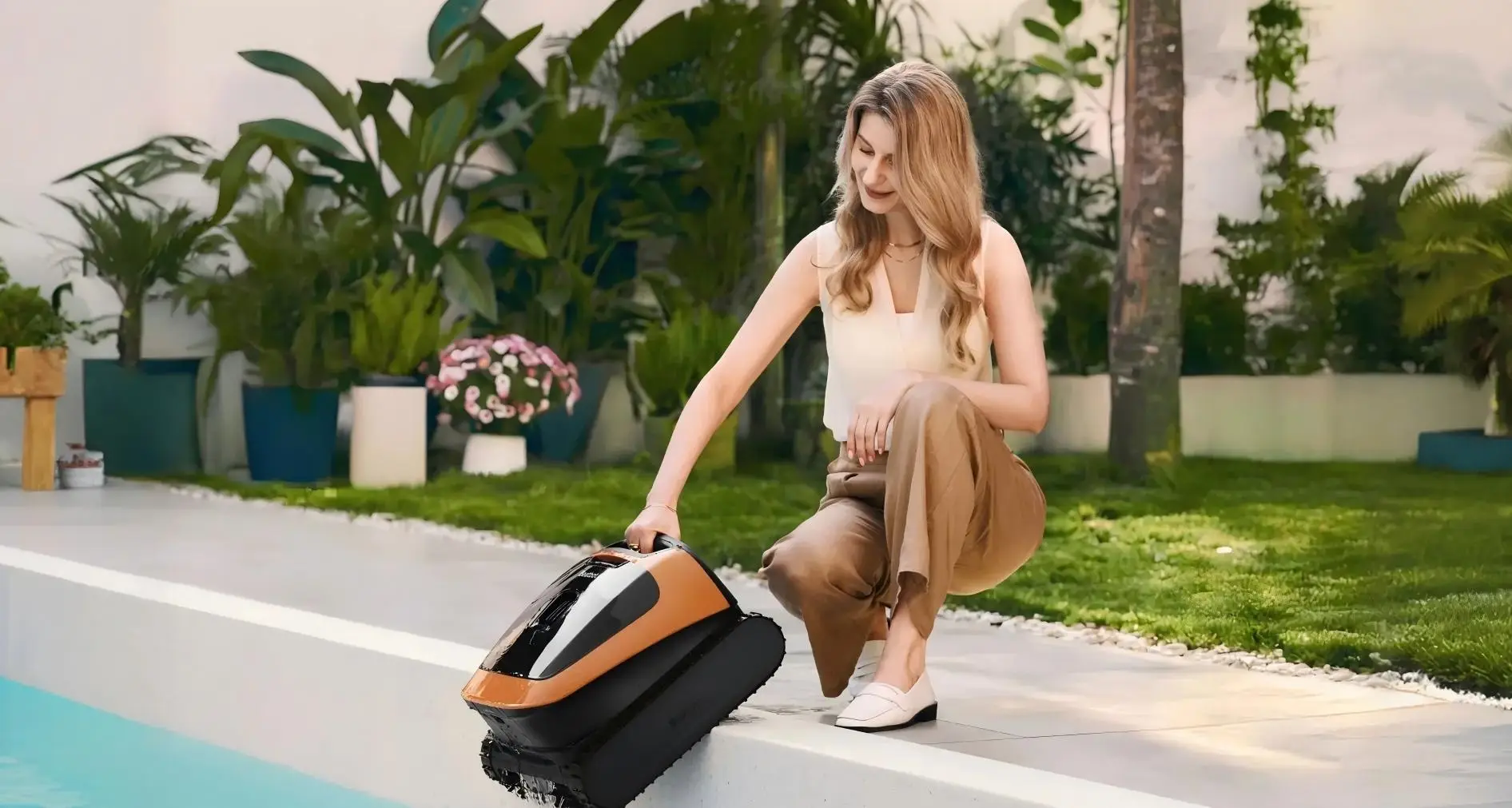
Cordless models are popular because they remove one of the biggest frustrations in pool cleaning: cable management. A cordless cleaner is easier to place in the pool, remove before swimming, and store after use. There is no long cord across the deck and less risk of tangling during a cleaning cycle.
That convenience is a major reason many homeowners now compare a cordless robotic pool cleaner with traditional corded options. For a family pool that gets used often, simple handling can be the difference between cleaning regularly and putting it off until the weekend.
Still, cordless does not automatically mean better for every pool. Runtime should match your pool size and cleaning needs. Charging time matters if your pool gets dirty often. If the pool is very large, heavily neglected, or needs long cleaning cycles, a corded model may still make sense.
The right choice depends on lifestyle. If you want easier handling and no cable clutter, cordless is attractive. If you need extended power for demanding cleanup, corded may still be practical.
| Buying Factor | Why It Matters | What to Check |
|---|---|---|
| Pool size | A cleaner needs enough runtime and coverage | Recommended cleaning area |
| Cleaning zones | Floor-only cleaning may leave extra work | Floor, walls, waterline, surface |
| Debris type | Leaves and fine dust need different filtration | Basket size and filter fineness |
| Navigation | Poor movement can miss corners and steps | Sensors, route logic, obstacle handling |
| Corded or cordless | Affects setup and storage | Runtime, charging, cable reach |
| Maintenance | A hard-to-clean robot may get used less | Basket access and filter rinsing |
| Support | Parts matter after purchase | Warranty, filters, brushes, service |
A Practical 2026 Pick for Homeowners Who Want Broad Coverage
For homeowners who want one cleaner that feels current in 2026 without moving straight into ultra premium pricing, Beatbot Sora 70 is a natural model to consider. It fits this buying guide because it is designed for more than basic floor cleaning. It supports cleaning for the water surface, floor, walls, and waterline, which makes it useful for backyards where leaves, pollen, sunscreen residue, and fine debris collect in different places. It is also a cordless model, so owners can avoid cable setup and run cleaning cycles more easily after wind, family swimming, or weekend gatherings. A realistic use case is simple: after a busy afternoon outside,Beatbot Robotic Pool Cleaner Sora 70 can handle visible debris while the homeowner checks water chemistry, empties baskets, or tidies the patio. Its value is in combining broad coverage with easier routine use. It still does not replace water testing, filtration, chemical balance, or safe pool habits, but it can reduce the manual work that often makes pool care feel repetitive.
Final Checklist Before You Buy
Before choosing a robotic pool cleaner, think like a homeowner, not just a spec reader. Ask whether the cleaner fits your real pool and your real routine.
Check whether it matches your pool type, shape, size, and surface. Look closely at whether it cleans only the floor or also handles walls, waterline, and surface debris. Compare filtration for both large leaves and fine particles. Make sure the filter basket is easy to remove and rinse.
Also consider runtime, charging time, navigation, app controls, warranty, replacement parts, and storage. A cleaner that is easy to use every week is usually more valuable than one with features you rarely touch.
The right robotic pool cleaner should make pool care feel more manageable. It should reduce repeated brushing, skimming, and vacuuming while still fitting into a responsible routine of testing, filtration, and basic maintenance. For most homeowners in 2026, that balance is what makes a cleaner worth buying.

Tommy Hardy, an alumnus of the Georgia Institute of Technology with a degree in Mechanical Engineering, has been a go-to figure in residential upkeep and innovation for over 18 years. His career commenced in a leading home appliance manufacturing company, where he mastered the intricacies of household systems. Joining our platform in 2020, Tommy quickly became a reader favorite for his practical and easy-to-follow guides. He took the helm of our DIY section in 2019, consistently delivering content that empowers homeowners. Beyond his professional pursuits, Tommy is a passionate gardener and enjoys woodworking, skills enhancing his hands-on approach to home care.