
For many years, home improvement was largely driven by aesthetics. Renovation trends often centered around kitchens, bathrooms, flooring, paint palettes, and decorative upgrades designed to modernize living spaces visually. While those projects still remain popular, homeowner priorities have gradually started shifting toward something more practical: long-term protection and preventative maintenance.
Rising repair costs, unpredictable weather conditions, higher insurance premiums, and increasing awareness surrounding property value have encouraged more homeowners to think proactively about how their homes perform over time. Instead of waiting for major failures to occur, many now focus on identifying vulnerabilities early and strengthening exterior systems before expensive damage develops.
This broader change is influencing everything from roofing and drainage upgrades to insulation improvements, ventilation planning, and weather-resistant exterior design.
Homeowners Are Becoming More Proactive
One of the biggest changes in residential maintenance involves the growing move away from reactive repairs. In the past, many homeowners delayed exterior upgrades until visible problems appeared. Roof leaks, damaged gutters, moisture intrusion, or ventilation issues were often addressed only after they started affecting the interior of the home.
Today, that mindset is changing.
Many homeowners now recognize that relatively small exterior problems can quietly create larger structural issues over time. A minor roof leak may eventually contribute to insulation damage, mold growth, weakened framing, rising energy costs, or interior water damage if left unresolved for too long.
As a result, preventative inspections and early-stage maintenance have become far more common across residential properties. Homeowners increasingly prioritize roofing assessments, drainage evaluations, attic ventilation improvements, and weatherproofing upgrades before severe damage develops.
This shift reflects a broader understanding that preventative maintenance often costs far less than large-scale emergency repairs later.
Weather Conditions Are Influencing Upgrade Decisions
Climate volatility has also become a major reason homeowners are investing more heavily in exterior protection. Stronger storms, prolonged heat exposure, hail damage, heavy rainfall, and fluctuating seasonal temperatures continue placing additional pressure on residential structures in many regions.
These conditions accelerate wear on roofing materials, flashing systems, gutters, and exterior surfaces while increasing the likelihood of moisture intrusion and storm-related damage.
Instead of treating roofing systems as static features that remain untouched for decades, many homeowners now view them as critical protective systems requiring regular evaluation and long-term planning.
Properties exposed to repeated storm activity or prolonged heat often require upgraded drainage coordination, reinforced flashing, improved attic airflow, and roofing materials capable of handling more demanding environmental conditions over time. Exterior contractors such as Altair Austin Roofing Company work with homeowners seeking preventative roof replacement, leak mitigation, storm-damage restoration, and water-management improvements designed to strengthen long-term structural reliability before serious problems begin affecting interior living spaces.
Energy Efficiency Is Part of the Equation
Preventative upgrades are also becoming closely connected to energy efficiency. Homeowners looking to reduce utility costs increasingly realize that roofing systems, ventilation coordination, insulation quality, and exterior sealing play major roles in overall energy performance.
Poor attic ventilation or aging roofing materials can trap heat inside the home during warmer months, forcing HVAC systems to work harder and increasing monthly energy expenses. Moisture intrusion and insufficient insulation may create similar problems during colder seasons.
Because of this, many preventative projects now combine structural maintenance with broader efficiency improvements. Reflective roofing materials, upgraded insulation, ridge ventilation systems, and moisture barriers all contribute to better long-term energy regulation.
According to Energy Star, properly installed roofing and insulation systems can significantly improve residential energy efficiency while helping homeowners reduce heating and cooling demands throughout the year.
These benefits make preventative exterior investments attractive not only from a maintenance perspective, but also from a long-term financial standpoint.
Homeowners Want More Predictable Maintenance Costs
Another factor driving preventative upgrades is the growing desire for financial predictability. Emergency repairs often create unexpected expenses that disrupt household budgets and require immediate action regardless of timing.
By comparison, preventative maintenance allows homeowners to schedule upgrades strategically and spread investments across longer periods. Routine inspections, smaller repairs, and phased exterior improvements typically provide greater flexibility than reacting to sudden structural failures after storms or prolonged deterioration.
This mindset has become especially common among homeowners planning long-term property ownership. Rather than focusing solely on short-term cosmetic improvements, many now evaluate how exterior systems will perform over the next decade or longer.
Roof lifespan, drainage reliability, insulation performance, and weather resistance increasingly influence renovation priorities because they affect both ongoing maintenance costs and future resale value.
Exterior Design Is Becoming More Functional
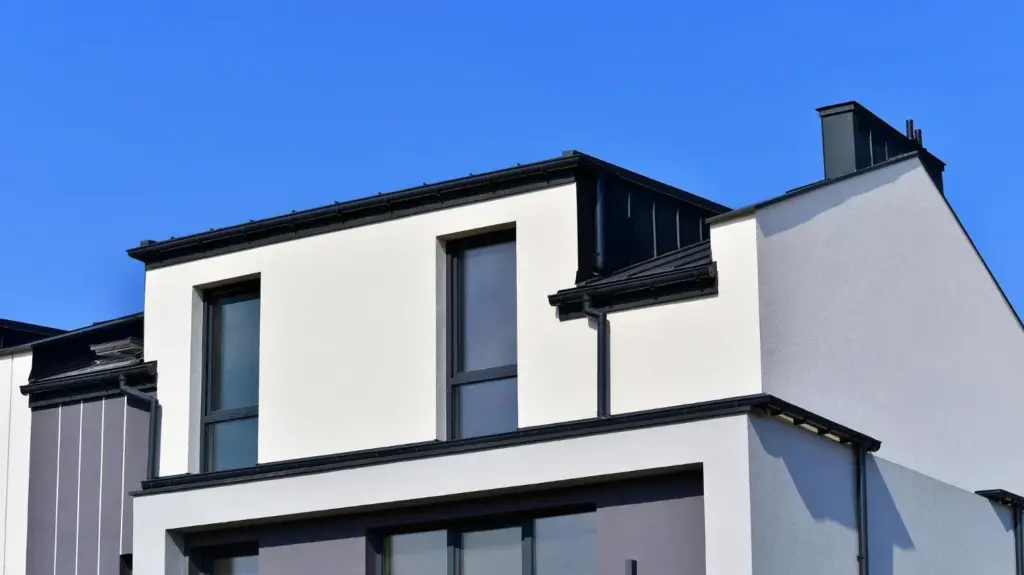
The growing emphasis on preventative maintenance is also changing exterior design preferences themselves. Homeowners increasingly favor materials and construction approaches that combine durability with lower long-term maintenance requirements.
Composite roofing products, impact-resistant shingles, moisture-resistant siding systems, improved gutter technologies, and better water-shedding roof designs have all become more popular as homeowners seek practical solutions capable of withstanding environmental stress over time.
This does not mean aesthetics are becoming less important. Instead, visual design and structural performance are becoming more integrated. Homeowners want exteriors that maintain their appearance while also protecting the property more effectively against moisture, temperature fluctuations, and storm exposure.
This balance between functionality and design has become a defining characteristic of many modern renovation projects.
Technology Is Changing Home Maintenance
Technology has also influenced the rise of preventative home upgrades. Homeowners now have greater access to roofing inspections, moisture detection tools, thermal imaging, weather tracking systems, and digital maintenance monitoring than ever before.
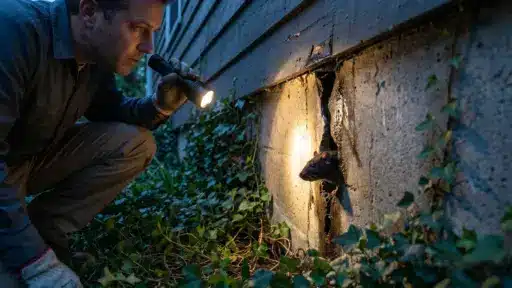
Drone inspections and advanced roofing diagnostics can identify small vulnerabilities long before visible interior damage appears. Moisture sensors and thermal imaging help detect airflow inefficiencies, hidden leaks, and insulation weaknesses that previously might have gone unnoticed for years.
This increased visibility allows homeowners to make maintenance decisions earlier and more strategically.
At the same time, online access to weather data, insurance information, and contractor evaluations has made homeowners more informed about how environmental conditions affect long-term property performance.
Preventative Maintenance Reflects a Broader Shift in Homeownership
The growing focus on preventative upgrades reflects a larger cultural shift in how people think about homeownership overall. Homes are increasingly viewed not only as living spaces, but also as long-term investments requiring active protection and strategic planning.
Exterior systems play a major role in preserving that investment. Roofing durability, drainage coordination, ventilation performance, moisture control, and weather resistance all contribute directly to structural stability, energy efficiency, and ongoing property value.
As repair costs continue rising and weather conditions become less predictable, preventative home upgrades will likely remain one of the most important trends shaping modern residential living. More homeowners are realizing that protecting a home often starts long before visible damage appears.
Tommy Hardy, an alumnus of the Georgia Institute of Technology with a degree in Mechanical Engineering, has been a go-to figure in residential upkeep and innovation for over 18 years. His career commenced in a leading home appliance manufacturing company, where he mastered the intricacies of household systems. Joining our platform in 2020, Tommy quickly became a reader favorite for his practical and easy-to-follow guides. He took the helm of our DIY section in 2019, consistently delivering content that empowers homeowners. Beyond his professional pursuits, Tommy is a passionate gardener and enjoys woodworking, skills enhancing his hands-on approach to home care.