

Seasonal changes have an undeniable impact on our daily lives in numerous ways, not least of which is the fluctuation in home utility bills. As temperatures and daylight hours vary, so too do the costs of heating, cooling, and even routine household operations. This article examines how different seasons affect energy consumption and explores strategies for homeowners to manage this annual fluctuation in utility expenses.
Winter’s Icy Grip: Heating Costs
Winter is often synonymous with a noticeable uptick in utility costs, primarily due to heating. As temperatures plummet, heating systems work overtime to maintain indoor comfort.
This results in increased consumption of electricity, gas, or oil, depending on the heating method used in your home. Not only do heating systems consume extensive energy, but factors such as inadequate insulation, drafty windows, and the use of energy-inefficient appliances can further exacerbate these costs.
Homeowners are often encouraged to take preemptive measures in early autumn. This can include sealing windows, insulating doors, and perhaps investing in programmable thermostats to avoid unnecessarily high utility bills.
Further compounding winter energy woes is the ever-present task of monitoring ventilation. Inadequately ventilated homes may trap heat in some areas while leaving others cold, causing heating systems to work harder than necessary. Many homeowners may not consider inspecting ductwork and vents, yet doing so can significantly ease the demand on your heating system, driving down costs. Furthermore, regular checks for proper airflow and minimizing blockages can optimize warmth distribution, keeping your home cozy while keeping expenses in check.
One major aspect of maintaining a cost-effective heating system, especially during winter, is ensuring regular services are booked, such as furnace maintenance and repair from a local company like Nichols in Arizona. Regular servicing can identify potential issues before they escalate, helping to avoid unexpected repair costs and ensuring your system remains energy efficient.
Summer’s Scorching Heat: Air Conditioning
With summer comes the challenge of keeping homes cool, leading to increased use of air conditioning. Since these units consume significant power, summer electricity bills can skyrocket, sometimes eclipsing even the highest winter bills.
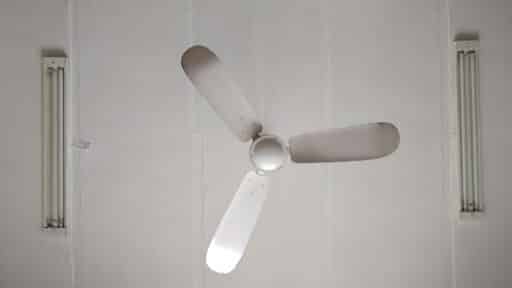
Aside from increased usage, other factors such as outdated systems and insufficient shading can also drive electricity costs upward. Simple practices like regular maintenance of air conditioning units, utilizing ceiling fans, and drawing blinds during the hottest part of the day can help curb expenses. Additionally, the installation of energy-efficient units can be a long-term solution to reducing bills.
Summer also presents a perfect opportunity to incorporate landscaping as a natural cooling technique. Planting trees strategically around your property can provide essential shade, reducing the need for air conditioning.
Over time, the combination of greenery and thoughtful architectural features, such as awnings and overhangs, can offer effective barriers against harsh sunlight. These environmental interventions offer dual benefits, lowering costs and enhancing the aesthetic charm of your property.
Spring and Fall: A Delicate Balance

The transition seasons of spring and fall often offer a brief respite from extreme heating and cooling needs. During these periods, utility bills tend to moderate as natural temperatures are more forgiving. However, the mild climate is an excellent time to address maintenance issues, ensuring systems are running efficiently for the approaching harsher weather.
It’s also a time when energy usage can unexpectedly spike as homeowners get optimistic and perhaps engage more with outdoor lighting or begin spring-cleaning tasks that involve extensive appliance use.
It is during these milder seasons that changing habits can markedly diminish consumption. For many, reevaluating daily patterns regarding the use of lighting, both indoor and outdoor, can have tangible savings.
Adjusting daily routines, such as using natural light during peak daytime hours or opting for energy-saving bulbs, can further lower consumption. This tweak not only serves to maintain financial benefits during periods of low energy demand but also sets positive habits for when harsher climates press on resources.
Tactics for Year-Round Savings
Beyond seasonal-specific advice, there are overarching strategies homeowners can employ to manage utility costs throughout the year. Regular maintenance of heating and cooling systems can prevent inefficiencies and latent issues.
Furthermore, investing in energy-efficient appliances and utilizing smart energy practices, such as turning off lights when not in use and being mindful of peak energy hours, can contribute significantly to savings. Installing smart meters can also help homeowners track and adjust their energy consumption in real time.
The Influence of Regional Climates
Geographic location plays a significant role in determining the impact of seasonal changes on utility bills. While the northern regions face extreme heating expenses during winters, southern areas may grapple with hefty cooling costs due to extended hot summer days.
Homeowners in intermediary climates may experience more balanced bills but still need to be mindful of seasonal fluctuations. Recognizing how regional climates influence energy consumption can help residents better prepare and adjust their home settings proactively.
Conclusion
Acknowledging the role of a changing climate on utility bills is crucial for homeowners aiming to manage costs effectively. While each season presents its unique challenges, thoughtful planning and timely interventions can mitigate much of the financial burden.
Over time, adopting such practices not only protects wallets but also contributes to broader energy conservation efforts, aligning with a sustainable future.

Tommy Hardy, an alumnus of the Georgia Institute of Technology with a degree in Mechanical Engineering, has been a go-to figure in residential upkeep and innovation for over 18 years. His career commenced in a leading home appliance manufacturing company, where he mastered the intricacies of household systems. Joining our platform in 2020, Tommy quickly became a reader favorite for his practical and easy-to-follow guides. He took the helm of our DIY section in 2019, consistently delivering content that empowers homeowners. Beyond his professional pursuits, Tommy is a passionate gardener and enjoys woodworking, skills enhancing his hands-on approach to home care.