
Many facility owners assume ducted HVAC systems represent the only viable option for large-scale air distribution. Duct networks require extensive infrastructure, including metal or fabric ductwork, multiple supply registers, and dedicated air handling units.
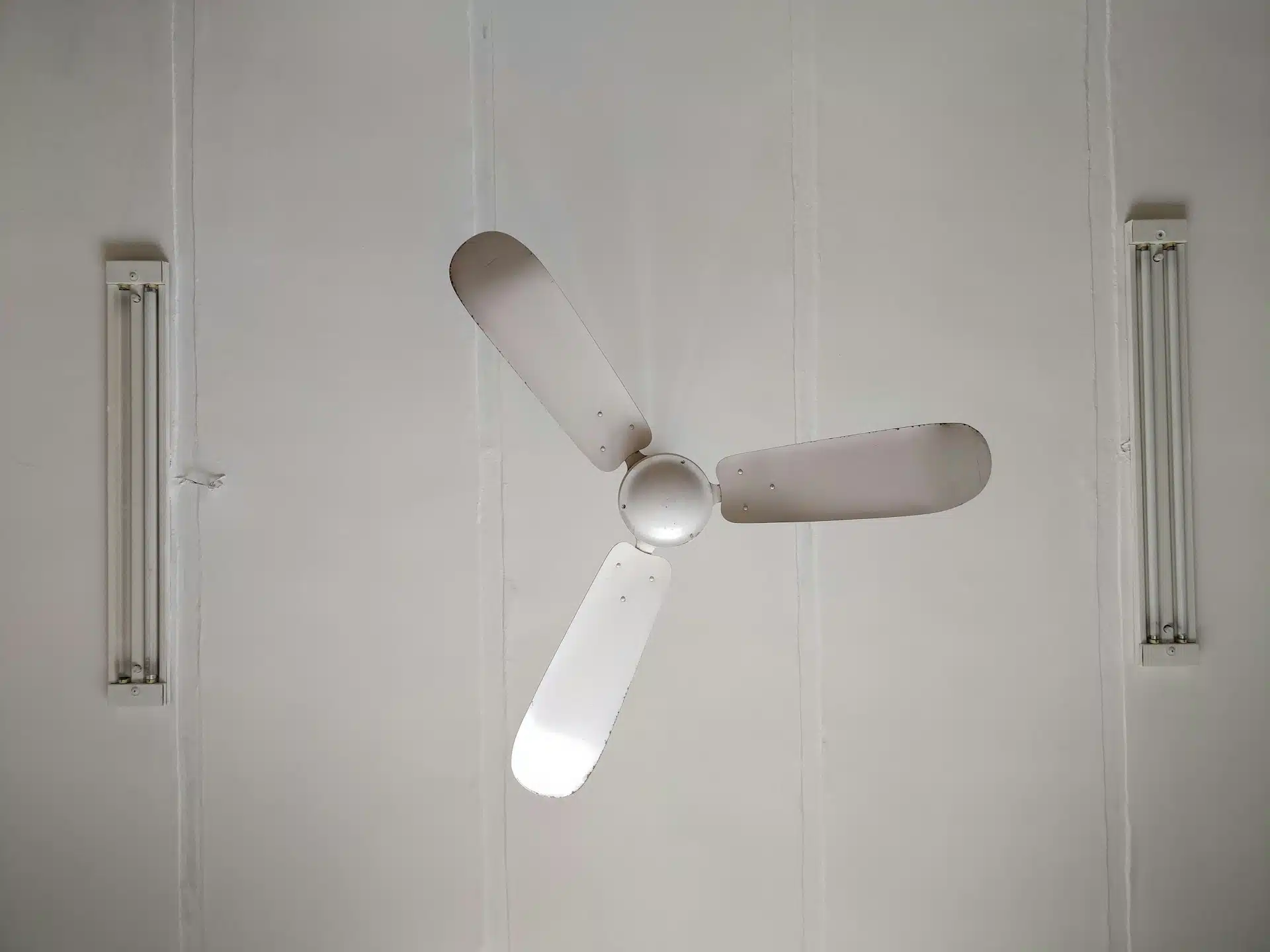
Energy-saving commercial ceiling fans offer a simpler approach that moves air effectively without costly duct networks. These systems demand less structural support and eliminate the need for complex custom fabrication. This article provides a detailed comparison of how fan-based airflow delivers superior value for warehouses and manufacturing plants.
Lower Installation Costs Compared to Complex Duct Networks
Installing a full duct system requires specialized labor, including sheet metal fabrication, duct routing, and coordination with fire suppression systems. Duct networks also need custom fittings, hangers, seals, and insulation materials that drive up project costs substantially.
Labor demands for fan installation remain minimal compared to the weeks required for duct system fabrication. Facility owners can reduce upfront expenses by choosing simpler airflow systems that avoid complex construction work entirely.
Reduced Energy Consumption Across Large Commercial Spaces
Duct systems force HVAC system to work harder because conditioned air loses energy as it travels through long duct runs and encounters friction resistance. Large-diameter fans reduce HVAC demand by creating continuous air movement that keeps temperatures consistent from floor to ceiling. During cooling seasons, gentle airflow allows thermostat settings to remain several degrees higher while occupants experience the same comfort level.
Simple Maintenance Requirements That Help Control Operating Costs
Duct networks accumulate dust and debris over time, requiring professional cleaning services that cost thousands of dollars annually. Routine inspections for duct systems involve accessing hidden connections and checking for leaks across miles of installed material.
Commercial ceiling fans feature open designs with accessible motors and blades that technicians can reach using standard lifts. Service accessibility allows maintenance staff to perform visual checks and clean components without specialized training. Straightforward maintenance programs extend equipment longevity and help facility managers control long-term operating costs effectively.
Flexible Airflow Solutions for Warehouses
Warehouse layouts frequently change as inventory moves and seasonal products arrive, requiring airflow systems that can adapt. Duct systems lock facilities into fixed air delivery points that cannot change without costly demolition work. Commercial fans mount at high elevations and provide adaptable airflow management that reaches every corner of open-floor facilities.
Loading zones benefit from adjustable fan speeds that respond to door openings and outdoor temperature fluctuations. Inventory areas receive consistent air movement that prevents stagnant pockets and improves working conditions for staff throughout large warehouse spaces.
Why Search for Certified Commercial Fan Manufacturers for Long-Term Value
Certified manufacturers adhere to rigorous engineering standards that ensure each fan delivers rated performance across its specified coverage area. Product quality starts with proper material selection, including corrosion-resistant finishes and balanced blade designs that operate without vibration. Performance testing protocols verify airflow measurements and energy efficiency before units leave the factory floor. Long-term equipment reliability depends on sourcing fans from manufacturers who invest in quality assurance and stand behind their engineering decisions.
Facility Characteristics That Support Fan-Based Air Distribution –
The following facility types achieve maximum benefit from installing large-diameter ceiling fans instead of duct networks:
- Warehouses with clear heights exceeding twenty feet allow fans to create deep columnar airflow that reaches floor level without obstruction from racking systems.
- Manufacturing facilities benefit from open floor plans where fans can circulate air across production lines, equipment zones, and worker stations simultaneously.
- Distribution centers with high-traffic loading areas require constant air movement to manage temperature fluctuations from frequent dock door openings.
- Retail spaces with exposed ceilings can mount fans directly to structural members, eliminating the need for finished ceilings that hide ductwork.
- High-ceiling commercial buildings such as gymnasiums and event halls gain immediate climate control improvements without expensive duct retrofits.
Facility owners seeking energy-saving commercial ceiling fans will discover significant cost advantages over traditional duct systems across installation and operation categories. Commercial fans provide adaptable airflow that responds to changing facility needs while consuming minimal energy compared to forced-air alternatives. Property managers should evaluate facility layout and ceiling height before committing to expensive duct installations that lack long-term flexibility.

Tommy Hardy, an alumnus of the Georgia Institute of Technology with a degree in Mechanical Engineering, has been a go-to figure in residential upkeep and innovation for over 18 years. His career commenced in a leading home appliance manufacturing company, where he mastered the intricacies of household systems. Joining our platform in 2020, Tommy quickly became a reader favorite for his practical and easy-to-follow guides. He took the helm of our DIY section in 2019, consistently delivering content that empowers homeowners. Beyond his professional pursuits, Tommy is a passionate gardener and enjoys woodworking, skills enhancing his hands-on approach to home care.